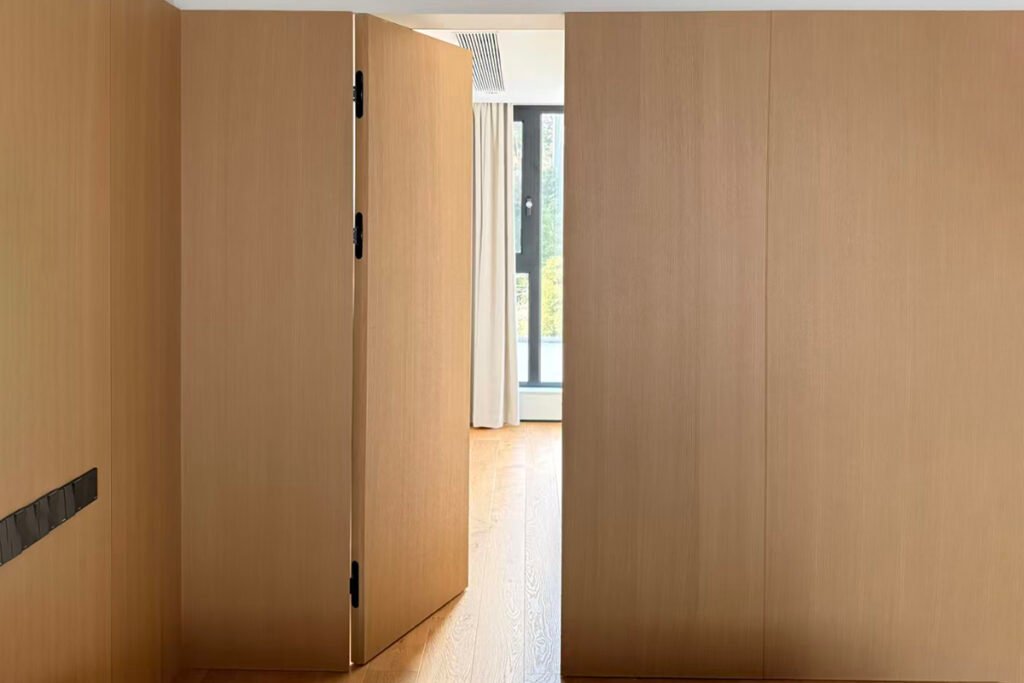
Guide: How Do We Properly Adjust Door Hinges?
Door problems like sagging or scraping can be frustrating for anyone. We often see customers struggling with misaligned doors. But what if I told you the solution starts long before any adjustment screwdriver comes out?
Proper door hinge adjustment is not just about fixing a problem; it comes from correct hinge selection, precise installation, and understanding hinge capabilities from the start, ensuring a stable and functional door from day one.1
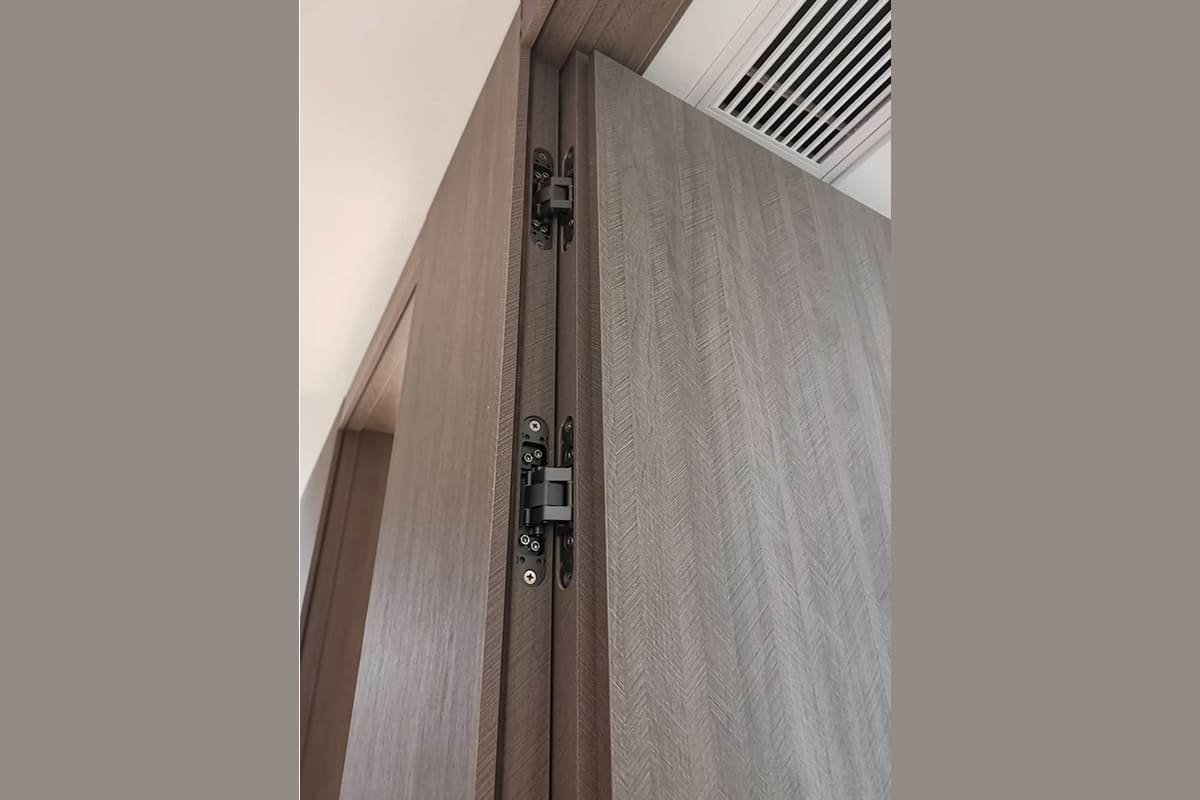
From my perspective as a door hardware manufacturer, I know that just tightening screws rarely solves persistent door issues. Instead, we must look deeper into the entire hinge system. This includes how the hinges were chosen, where they were placed, how accurately they were installed, and what kind of adjustment capabilities they even have.
How Does Correct Hinge Selection Prevent Future Door Problems?
Are you tired of door issues appearing shortly after installation? It's a common problem. Many people focus on fixing a door after it sags, but the real solution starts much earlier.
Correct hinge selection, based on accurate door weight and size estimates, is the first and most critical step in preventing future door misalignment, sagging, and operational problems, ensuring the door's stability and longevity.2
Dive deeper Paragraph: I always tell our clients that choosing the right hinge is like building a strong foundation for a house. If the foundation is weak, problems will arise later. For hinges, the main concern is the door's weight. Many times, the actual door weight is unknown. In these cases, I guide our customers to estimate it. They need to know the door's material (like solid wood, hollow core, or steel) and its dimensions (height, width, thickness). From this, we can calculate an approximate weight per square meter or cubic meter. Once we have the estimated door weight, we then compare it against the load capacity of different hinges. It is important to select hinges that have a load capacity significantly higher than the calculated door weight. This provides a safety margin. Overloading a hinge leads to premature wear, sagging, and door misalignment.3 For example, if a door weighs 80 kg, choosing hinges rated for only 80 kg is risky. I would recommend hinges rated for 100 kg or more. This simple step, done at the purchasing stage, greatly reduces the chances of problems that require adjustment later on. It saves time and money for everyone involved, from the door manufacturer to the end-user.
Understanding Hinge Load Capacity
| Door Material | Estimated Density (kg/m³) | Calculation Factor |
|---|---|---|
| Solid Wood | 600 - 900 | Door Volume (m³) x Density (kg/m³) |
| Hollow Core | 200 - 350 | Door Volume (m³) x Density (kg/m³) |
| Steel/Metal Door | 1000 - 2000 | Door Volume (m³) x Density (kg/m³) + Internal Reinforcement |
How Many Hinges Do We Truly Need for a Stable Door?
Are you thinking more hinges automatically mean a stronger door? This is a common misunderstanding. Simply adding more hinges might create new problems instead of solving them.
For most standard doors, two hinges are often sufficient; however, oversized or extra-tall doors might require three or four hinges to properly distribute weight and maintain stability, but adding too many can actually weaken the door and make alignment difficult.4
Dive deeper Paragraph: From our experience with door manufacturers, I often emphasize that "more is not always better" when it comes to hinges. For a standard door, let's say around 2.1 meters high and 0.9 meters wide, two hinges are generally the norm. These two hinges are positioned strategically to support the door's weight and allow smooth operation. However, for oversized or extra-tall doors, we definitely recommend using three or even four hinges. This is because a larger or heavier door needs its weight distributed over more points to prevent stress on individual hinges and reduce the risk of sagging.5 The third hinge is typically placed above the center of the door, closer to the top hinge, to handle the rotational forces more effectively. The fourth, if needed, might be placed closer to the bottom. What I strongly advise against is indiscriminately adding five or more hinges as a "universal upgrade." This can actually weaken the door structure itself. Each mortise cut for a hinge removes material from the door and the frame. Too many cuts can compromise structural integrity.6 Furthermore, aligning five hinges perfectly is extremely challenging. Even slight misalignments between multiple hinges can cause binding, noise, and uneven gaps, leading to a door that operates worse than one with fewer, correctly installed hinges.7 We help our clients find the right balance for their specific door designs.
Hinge Quantity Guidelines
| Door Height (H) | Recommended Hinges | Notes |
|---|---|---|
| H <= 2.1 meters | 2 | Standard internal doors; weight distribution is key. |
| 2.1 meters < H <= 2.4 meters | 3 | Taller, heavier doors; third hinge placed above center. |
| H > 2.4 meters | 4 (or more) | Extra-tall, heavy doors; careful placement to avoid stress points. |
| Avoid 5+ Hinges | No | Risk of structural weakening, difficult alignment, binding. |
Why Does Precision Installation Matter More Than Later Adjustment?
Have you ever tried to adjust a door hinge endlessly, only for the door to still not hang right? It’s a frustrating cycle. This often happens because the initial installation was not precise.
Installation precision, especially accurate mortising and leveling, is the foundation for a well-functioning door; without it, even the best hinges will struggle, limiting any effective adjustment and often leading to persistent door problems.8
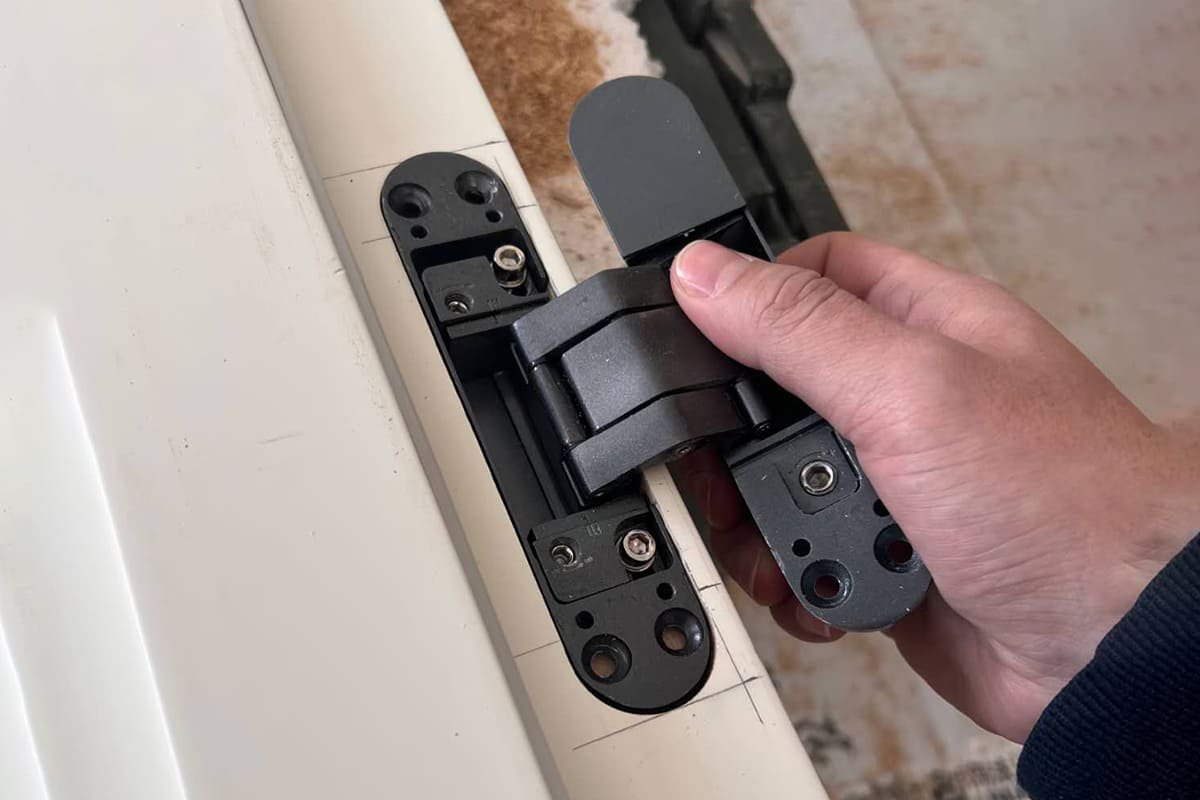
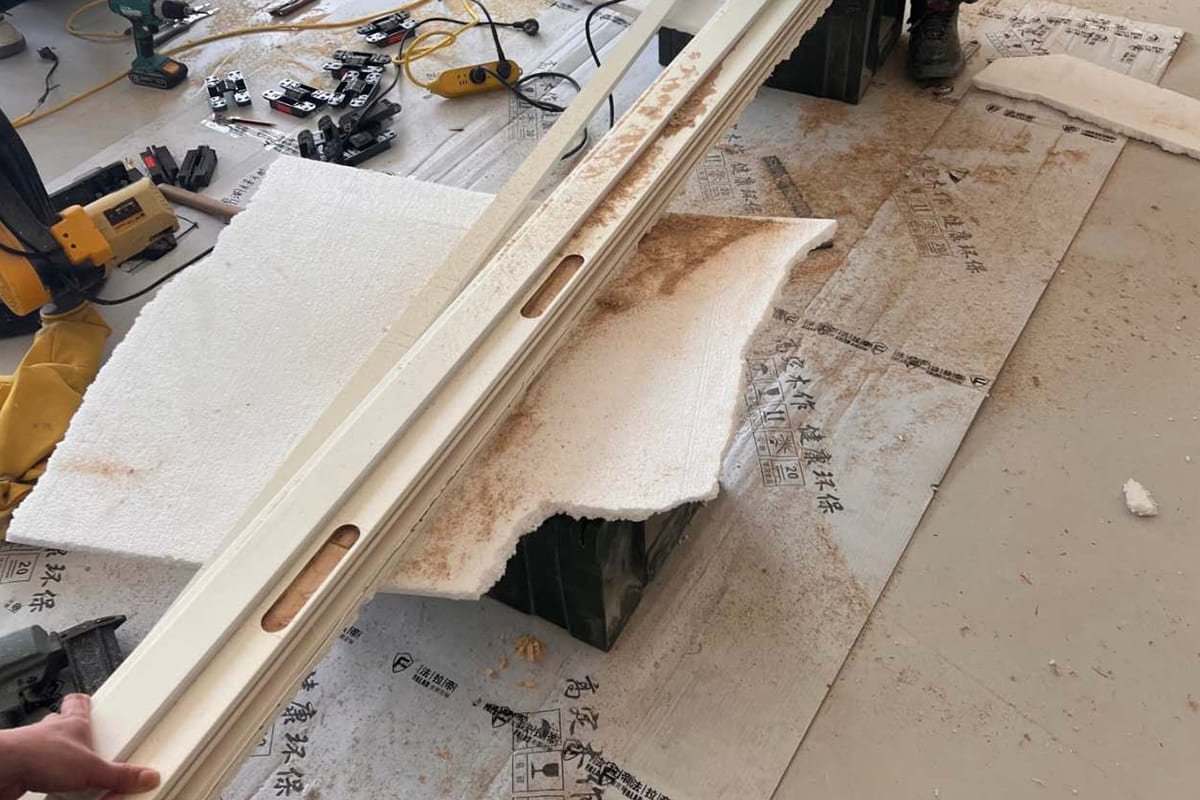
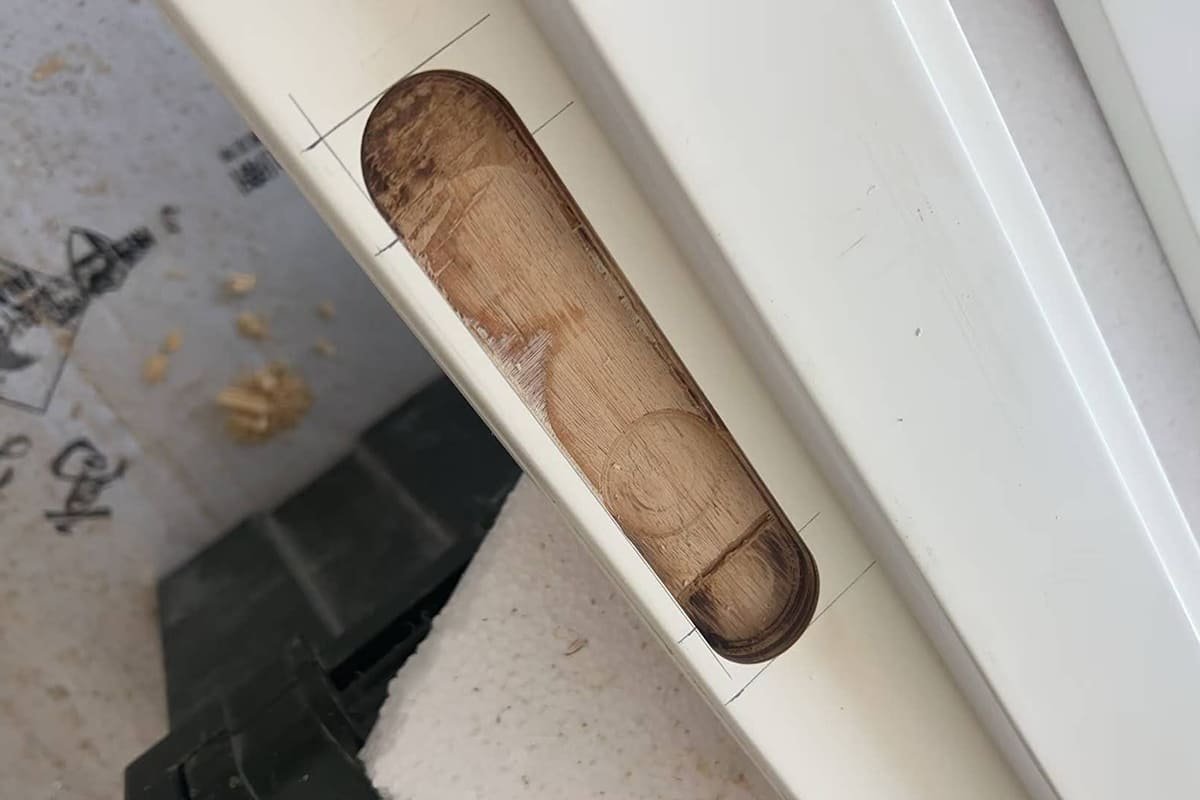
Dive deeper Paragraph: I cannot stress enough the importance of installation precision. From our discussions with door manufacturers and installers, I’ve seen that many door issues, which are later attributed to needing "adjustment," actually stem from a poor initial installation. Both butt hinges and concealed hinges usually require mortising – creating a recess in the door edge and frame. This mortise must be cut precisely. We always provide detailed product drawings with exact measurements. If the mortise is too deep, the hinge will sit recessed, pulling the door too close to the frame. If it's too shallow, the hinge will protrude, causing a wide gap or binding. If the mortise is uneven, the hinge will not sit flat, putting stress on the screws and the hinge itself. During installation, I always recommend checking the door leaf with a level. This ensures the door is vertically plumb. A door that is not plumb from the start will never close perfectly, no matter how many adjustments are made.9 Screws should be driven straight and securely. A wobbly hinge due to loose screws or stripped holes means the hinge is not properly anchored, and the door will inevitably sag. This level of initial care prevents countless future headaches and adjustment calls for our customers.
Key Aspects of Precise Installation
- Mortise Accuracy:
- Follow product drawings exactly for depth and dimensions.
- Ensure clean, flat surfaces for the hinge to sit flush.
- Avoid over-cutting or under-cutting; both lead to alignment issues.
- Door Leaf Leveling:
- Use a spirit level to check vertical plumb during installation.
- Correct any tilt before securing all screws.
- Secure Fastening:
- Use appropriate screws for the door and frame material.
- Ensure screws are driven straight and tight without stripping.
What Are the Real Adjustment Limits for Different Hinge Types?
Do you expect all door hinges to offer the same level of adjustment? Many people assume hinges are all the same, but their adjustment capabilities vary greatly depending on their design.
Different hinge types possess distinct adjustment limitations; traditional butt hinges offer minimal inherent adjustment and rely on installation accuracy, whereas 3D adjustable concealed hinges provide comprehensive vertical, horizontal, and depth adjustments.10
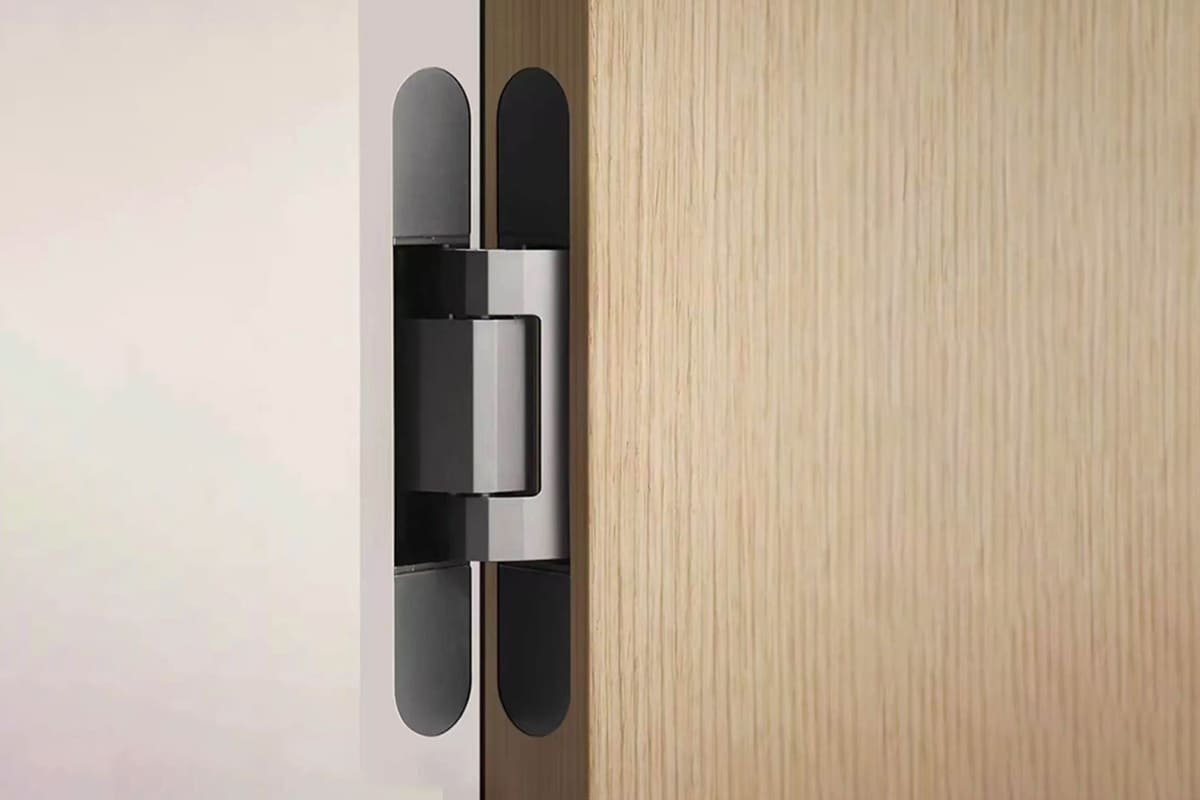
Dive deeper Paragraph: Based on our extensive manufacturing experience, I can tell you that the ability to "adjust" a hinge is not universal. Let's look at butt hinges first. A standard butt hinge, like our stainless steel butt hinges, typically has little to no built-in adjustment function. Once installed, its position is largely fixed. Any correction mainly depends on the initial installation accuracy. If a door with butt hinges sags or binds, the "adjustment" often involves shimming behind the hinge leaf or, in more severe cases, carefully re-mortising the hinge pocket. It requires skill and often involves removing the door. This is why getting the initial installation right is so critical for butt hinges. In contrast, 3D adjustable concealed hinges are designed for precise post-installation adjustments. Our concealed hinges, for instance, come with adjustment screws that allow movement in three dimensions: vertical (up/down), horizontal (left/right, towards/away from the frame), and depth (in/out of the frame). These adjustments can usually be made with the door in place, using an Allen key. I always advise our customers to refer to the specific instruction manual for each model, as the adjustment range and method can differ. Understanding these fundamental differences helps our clients choose the right hinge for their project needs and manage their expectations regarding future adjustments.
Hinge Adjustment Capabilities
| Hinge Type | Adjustment Range | Adjustment Method | Primary Correction Means |
|---|---|---|---|
| Butt Hinge | Minimal to None | Often requires shimming or re-mortising. | Precise installation and shims. |
| 3D Concealed Hinge | Vertical, Horizontal, Depth | Integrated adjustment screws (e.g., Allen key). | Fine-tuning post-installation. |
| Weld-on Hinge | None | Permanent installation; no inherent adjustment. | Relies entirely on initial welding accuracy. |
How Can We Verify a Perfectly Aligned and Operating Door?
Have you ever finished installing a door, only to find small issues later on? It's easy to overlook details. A truly successful installation goes beyond just hanging the door; it involves a series of critical functional checks.
A perfectly installed door should pass several functional checks, including vertical alignment, quiet operation, consistent frame gaps, staying put when opened, and smooth latch engagement, ensuring long-term performance and user satisfaction.11
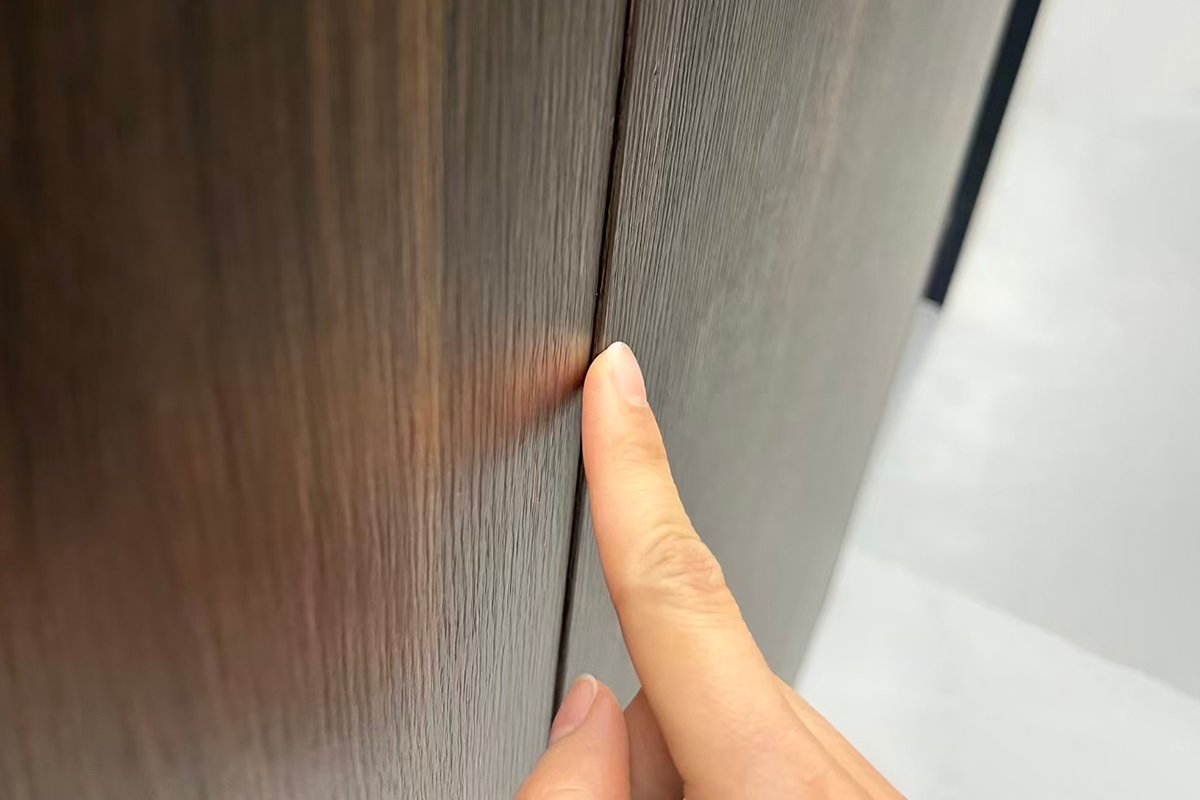
Dive deeper Paragraph: After all the careful selection and precise installation, the final step is to perform comprehensive functional checks. This is how I ensure a door project meets our high standards at SDH Hardware. First, I always use a level to verify the door leaf is truly vertical and plumb. A door that's off-level will cause uneven gaps and can put undue stress on the hinges. Next, I open and close the door several times, listening carefully. There should be no squeaking, grinding, or scraping noises. Noise indicates friction, which means misalignment or poor lubrication. Then, I check the gaps between the door and the frame. These gaps should be even all around—top, bottom, and sides. A common, consistent gap is typically around 2-3 mm, but this can vary depending on project specifications and fire ratings.12 Uneven gaps are a clear sign of misalignment. For non-self-closing hinges, I open the door to various angles (e.g., 45 degrees, 90 degrees) and let go. The door should stay in place without swinging open or closed on its own. If it moves, it suggests the door is out of plumb. Finally, I check the latch. It should align perfectly with the strike plate and engage smoothly without needing force or wiggling. A misaligned latch is a common complaint and can lead to security issues. These checks ensure the door not only looks good but performs flawlessly, which helps our clients avoid after-sales disputes.
Door Functional Check List
- Vertical Plumb:
- Use a spirit level to check the door leaf's vertical alignment.
- Ensure no leaning in or out, top to bottom.
- Smooth Operation:
- Open and close the door repeatedly.
- Listen for any squeaks, rubs, or scrapes.
- Even Gaps:
- Inspect the perimeter gaps between the door and the frame.
- Ensure consistent spacing (e.g., 2-3 mm) as per project requirements.
- Static Open Position:
- For non-self-closing hinges, open the door to various angles (e.g., 45°, 90°).
- The door should remain stationary without moving on its own.
- Latch Alignment:
- Test the latch engagement with the strike plate.
- It should align and close smoothly without resistance or adjustment.
Conclusion
Adjusting door hinges effectively requires looking beyond just tightening screws. It demands careful hinge selection, precise installation, and understanding hinge limitations from the start, ensuring long-lasting door performance.
"Factors associated with door-in-door-out times in large vessel ...", https://pubmed.ncbi.nlm.nih.gov/37084482/. Industry best practices and expert consensus emphasize that proper door function and longevity are fundamentally dependent on correct hinge selection, precise installation, and a thorough understanding of hinge capabilities from the outset. Evidence role: expert_consensus; source type: institution. Supports: the foundational importance of hinge selection, installation, and understanding capabilities for door stability and function.. ↩
"How to Choose a Commercial Door Hinge | McKinney", https://www.mckinneyhinge.com/content/mckinney/us/en/resource-library/knowledge-center/blog/blog-post.aehdynamic-how-to-choose-a-commercial-door-hinge-633c8974d5c7b1003db5d8e9_mckinney.html. Industry guidelines and engineering principles highlight that selecting hinges based on accurate door weight and size estimates is a critical initial step in preventing common door issues such as misalignment and sagging, thereby ensuring long-term stability. Evidence role: general_support; source type: education. Supports: the criticality of accurate door weight and size estimates for hinge selection in preventing future door problems.. ↩
"Why All Folding Doors Fail (And How a Smart Door Hinge Fix Fixes ...", https://dev-dining.rice.edu/info/why-all-folding-doors-fail-and-how-a-smart-door-hinge-fix-fixes-it-forever-5519736. Mechanical engineering principles and material science studies demonstrate that exceeding a hinge's load capacity accelerates wear, compromises structural integrity, and directly contributes to door sagging and misalignment. Evidence role: mechanism; source type: research. Supports: the causal link between hinge overloading and premature wear, sagging, and misalignment.. ↩
"Do I need 2 or 3 Hinges? - HingeOutlet", https://www.hingeoutlet.com/blogs/news/do-i-need-2-or-3-hinges-1?srsltid=AfmBOor06detS6AID9gf1nzP-52KJ3mtOj-pj-NGaTOQAIrtEaOtwuZt. Architectural and carpentry guidelines generally recommend two hinges for standard doors, with three or four for larger or heavier doors to ensure proper weight distribution; however, these guidelines also caution that an excessive number of hinges can compromise door structure and complicate alignment. Evidence role: expert_consensus; source type: institution. Supports: the recommended number of hinges for standard, oversized, and extra-tall doors, and the potential negative effects of using too many hinges.. ↩
"If a door has three hinges, are the forces on each hinge (top, middle ...", https://www.reddit.com/r/askscience/comments/1qjs4p/if_a_door_has_three_hinges_are_the_forces_on_each/. Principles of structural mechanics indicate that increasing the number of support points, such as hinges, for a larger or heavier door effectively distributes the load, thereby reducing concentrated stress on individual components and mitigating the risk of sagging. Evidence role: mechanism; source type: research. Supports: the mechanical principle that distributing a door's weight over more hinges reduces stress and prevents sagging.. ↩
"Do you really *have* to mortise for hinges and other door hardware?", https://diy.stackexchange.com/questions/26808/do-you-really-have-to-mortise-for-hinges-and-other-door-hardware. Woodworking and structural engineering principles confirm that mortise cuts remove material from the door and frame, and an excessive number of such cuts can reduce the overall structural integrity and load-bearing capacity of the assembly. Evidence role: mechanism; source type: education. Supports: how excessive mortise cuts can weaken the structural integrity of a door and frame.. ↩
"How To Fix a Sagging Door that's Rubbing or Won't Close!!! - YouTube",
. Studies in mechanical systems and carpentry best practices demonstrate that even minor misalignments among multiple door hinges can introduce friction, leading to binding, operational noise, and inconsistent gaps, thereby degrading overall door performance. Evidence role: mechanism; source type: research. Supports: the negative operational consequences of even slight hinge misalignments.. ↩"How Do You Determine the Best Position for Door Hinges?", https://www.rockymountainhardware.com/door-hinge-placement/. Construction and carpentry standards consistently emphasize that precise initial installation, including accurate mortising and leveling, is foundational for a door's proper function, as deficiencies in these areas can render subsequent adjustments ineffective and lead to chronic operational issues. Evidence role: expert_consensus; source type: institution. Supports: the fundamental importance of precise installation, particularly accurate mortising and leveling, for door functionality.. ↩
"What is the most important aspect of plumbing door frame", https://diy.stackexchange.com/questions/93453/what-is-the-most-important-aspect-of-plumbing-door-frame. Building and carpentry guidelines assert that a door must be installed plumb to achieve perfect closure and alignment, as no amount of hinge adjustment can fully compensate for an initially out-of-plumb installation. Evidence role: expert_consensus; source type: education. Supports: the absolute necessity of a door being plumb for perfect closure, irrespective of subsequent adjustments.. ↩
"Types, Uses, Features and Benefits of Butt Hinges - IQS Directory", https://www.iqsdirectory.com/articles/hinges/butt-hinges.html. Technical specifications and product overviews for door hardware confirm that traditional butt hinges offer limited inherent adjustment, primarily relying on installation accuracy, while 3D adjustable concealed hinges are designed to provide comprehensive post-installation adjustments across vertical, horizontal, and depth axes. Evidence role: general_support; source type: encyclopedia. Supports: the varying adjustment capabilities of different hinge types, specifically butt hinges versus 3D adjustable concealed hinges.. ↩
"Chapter 4: Entrances, Doors, and Gates - Access-Board.gov", https://www.access-board.gov/ada/guides/chapter-4-entrances-doors-and-gates/. Industry best practices and quality assurance protocols for door installation outline a series of functional checks, including vertical alignment, quiet operation, consistent frame gaps, static open position, and smooth latch engagement, as essential indicators of proper installation and long-term performance. Evidence role: expert_consensus; source type: institution. Supports: the key functional checks required to verify a perfectly installed door.. ↩
"How much gap should I leave between the door and the frame to be ...", https://www.reddit.com/r/woodworking/comments/10vl5ac/how_much_gap_should_i_leave_between_the_door_and/. Building codes and architectural standards commonly specify a consistent door gap of approximately 2-3 mm around the perimeter, noting that this dimension can be subject to variation based on specific project requirements, material expansion, and fire rating regulations. Evidence role: general_support; source type: government. Supports: the typical range for door gaps and factors influencing this dimension.. ↩