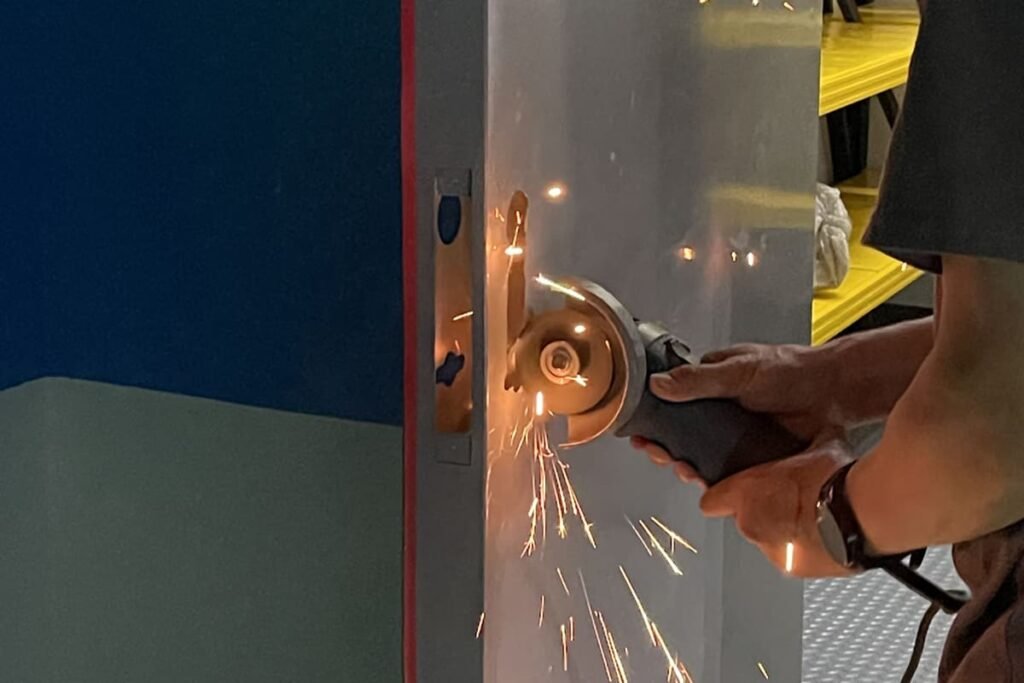
How long does it take to fit a mortice lock?
A rushed mortice lock job can look simple, then bind, scrape, or fail. I see small fitting errors turn into costly rework fast.
I usually estimate 10–20 minutes for an experienced installer in suitable conditions.1 I allow 30–45 minutes for same-model replacement2, 1–1.5 hours for new-door fitting, and 1–2 hours for an upgrade with size changes. The real time depends on door preparation, lock dimensions, and frame alignment.3
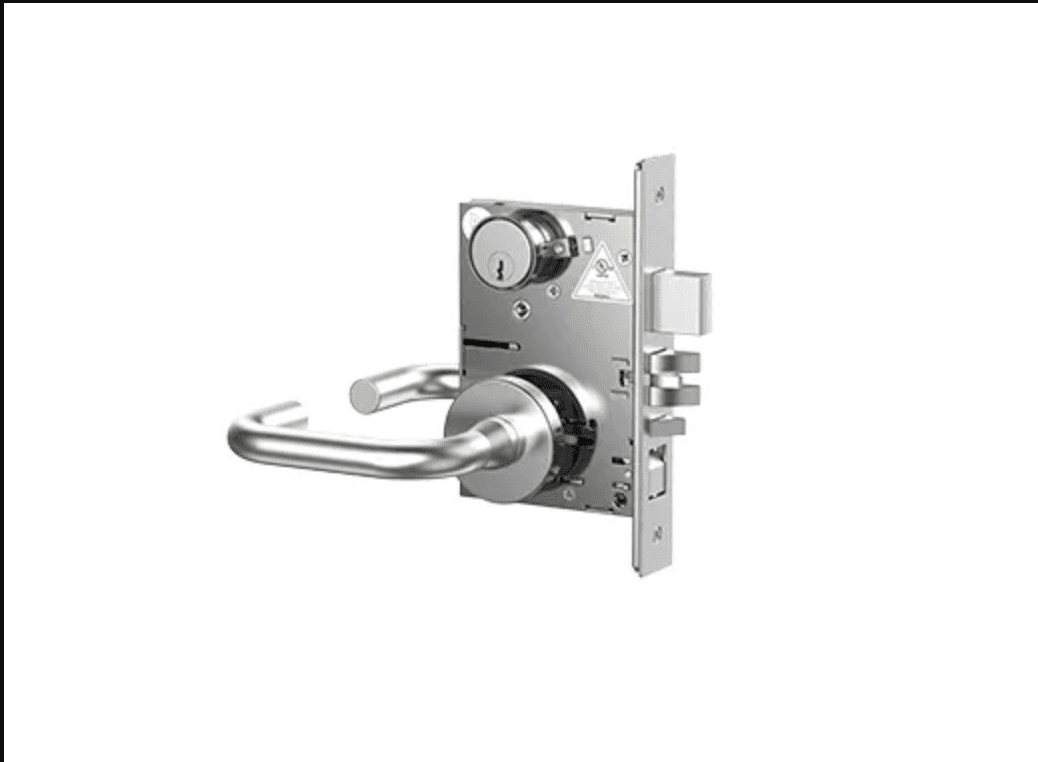
I do not treat mortice lock fitting time as one fixed number. I work with door factories, hardware brands, and wholesale buyers, and I see that the same lock can be fast in one door and slow in another door. The lock body may be correct, but the backset may not match. The faceplate may look right, but the old recess may be too short. The cylinder hole may be close, but a 2 mm error can make the latch feel rough4. I will break the timing into real fitting cases, because that is how I discuss risk with buyers before bulk orders.
How long does a same-model mortice lock replacement take?
A replacement feels easy until the new lock differs by a few millimeters. I have seen one small mismatch create drilling, chiselling, and frame work.
I usually allow 30–45 minutes for a same-model mortice lock replacement when the old pocket, handle holes, cylinder hole, and strike plate are already usable. An experienced installer may do it faster, near 10–20 minutes, if the lock body and faceplate match well.
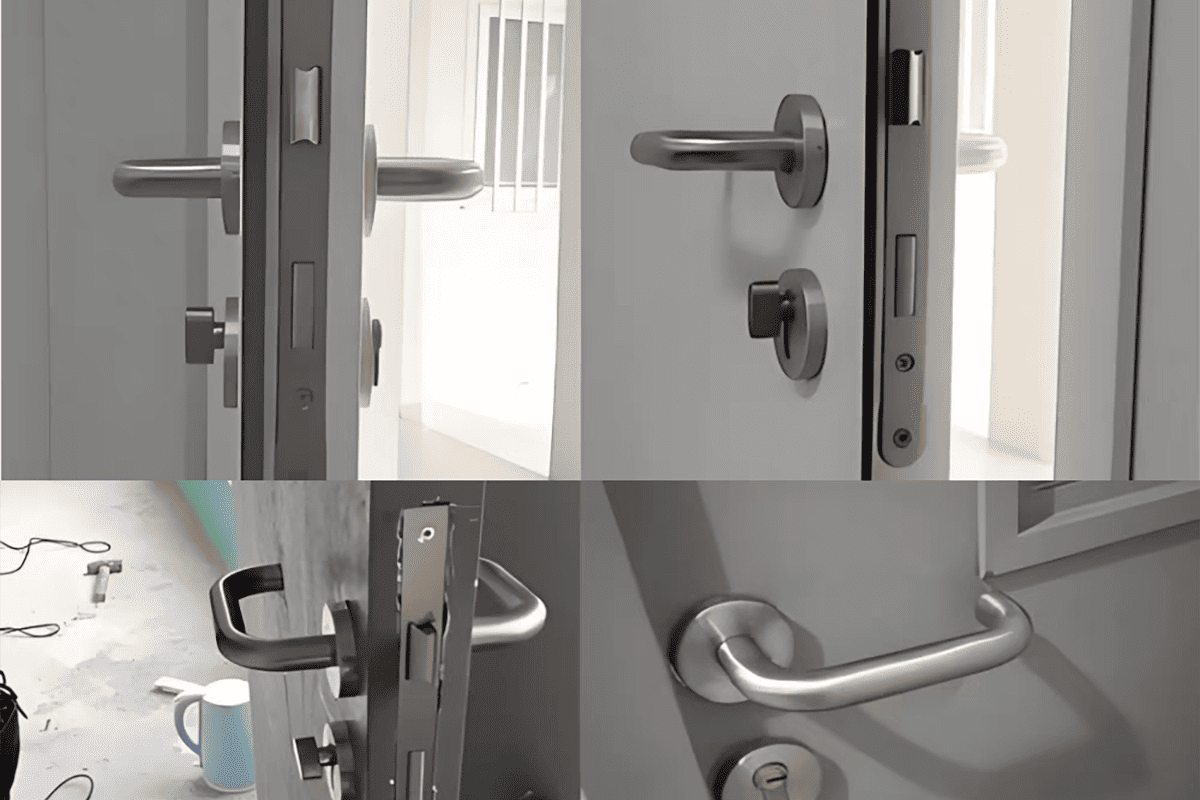
I see same-model replacement as the fastest case because the door already has the main cut-outs. The installer does not start from a blank door. The lock-body pocket already exists. The handle spindle hole is already drilled. The cylinder hole is usually in place. The strike plate has also been set on the frame. The job becomes a check of fit, not a full new installation.
Still, I do not call it risk-free. In my daily B2B work, I often compare the old lock drawing with the new lock drawing before I talk about fitting time. I look at the faceplate length, faceplate width, lock case depth, backset, centre distance, spindle size, and cylinder type. If one item changes, the time changes.
| Check point I confirm | Why it affects fitting time | Common result if it is wrong |
|---|---|---|
| Faceplate size | It must sit in the old recess | Extra chiselling or visible gaps |
| Lock case depth | It must enter the old pocket | Pocket enlargement |
| Backset | It controls handle and cylinder position | Holes do not line up |
| Centre distance | It links handle and cylinder position | Handle set cannot fit cleanly |
| Strike plate position | It must match latch and deadbolt | Door does not close smoothly |
I have learned to ask for photos, drawings, and old samples when a buyer wants a fast replacement. The best replacement time comes from the best specification match, not only from installer skill.
How long does a new mortice lock installation take?
A new door gives clean space, but it also gives no guide. I see time increase because every mark must be made correctly first.
I usually allow 1–1.5 hours for a new mortice lock installation. The installer must measure the lock position, cut the lock-body pocket, chisel the faceplate recess, drill spindle and cylinder holes, and fit the strike plate on the frame.5
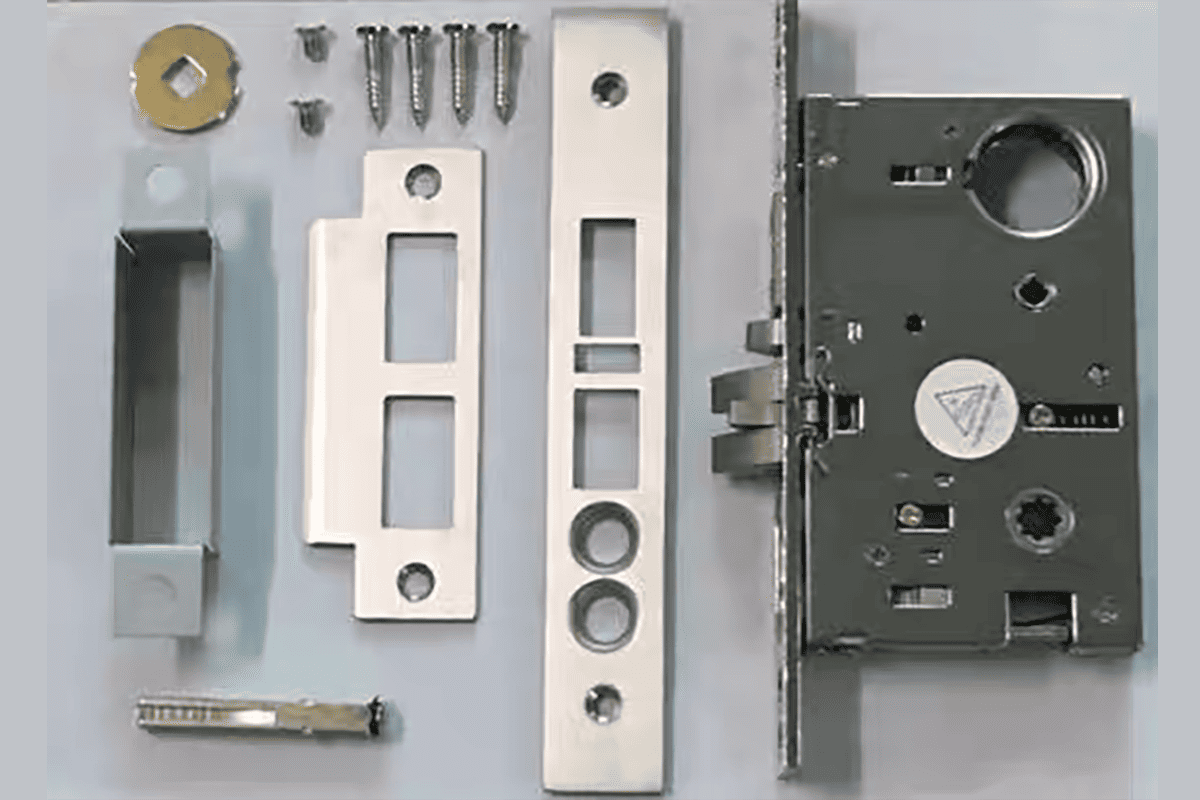
I treat new-door installation as a full preparation job. The lock does not only need a hole. It needs a straight pocket, a flat faceplate recess, clean spindle alignment, correct cylinder alignment, and a matched strike plate on the frame. Each step depends on the earlier step. If the first marking is wrong, the later holes may also be wrong.
In my factory discussions with door manufacturers, I focus heavily on drawings because drawings save assembly time. A clear drawing tells the production team where to drill, how deep to cut, and what door thickness range the lock supports.6 I also ask about the handle set, cylinder, screws, and strike plate, because the lock is only one part of the door hardware system.
| New-door step I pay attention to | Main time risk | Practical control method |
|---|---|---|
| Lock height marking | Wrong user comfort height | Use a fixed production standard |
| Mortice pocket cutting | Pocket too tight or tilted | Use stable jigs and clear drawings |
| Faceplate recess | Faceplate not flush | Check plate size before cutting |
| Spindle and cylinder holes | Holes do not meet the lock | Mark from both sides with care |
| Strike plate fitting | Latch or bolt rubs | Test with pencil marks before drilling |
I often tell buyers that a Euro-standard mortice lock is not automatically quick to install. It is quick only when the door preparation matches the lock dimensions. A stable lock body helps, but the door factory still needs accurate cutting and checking.
Why does an upgrade or size change take longer?
An upgrade sounds simple, but I see old cut-outs fight against new dimensions. The installer often repairs the door while fitting the lock.
I usually allow 1–2 hours for a mortice lock upgrade when the new lock body is larger, the backset changes, or the centre distance changes. Extra time is often used to enlarge the mortice pocket, correct holes, and adjust the strike plate.
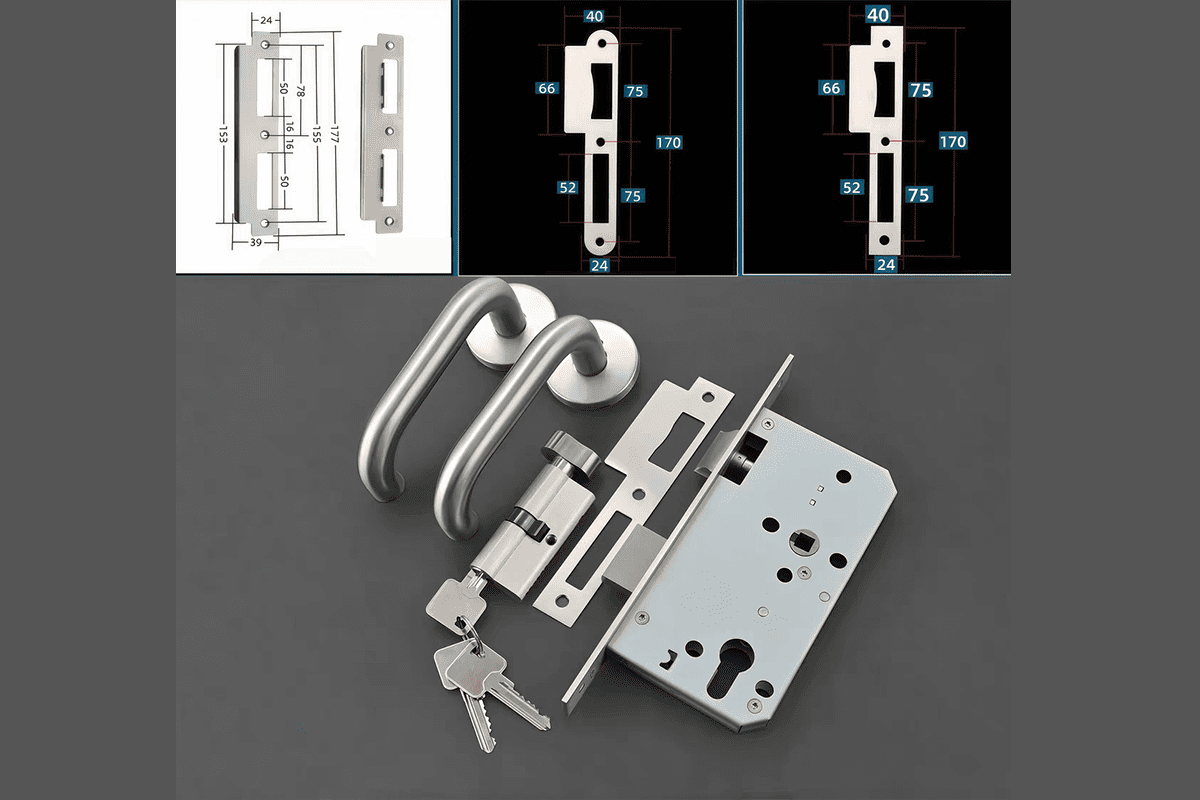
I see upgrades as the slowest common case because the old door was prepared for another lock. A larger lock body may need the pocket to be deeper, taller, or wider. A different faceplate may not cover the old recess cleanly. A changed backset may move the handle spindle and cylinder hole away from the old position.7 A changed centre distance may make the old handle and cylinder layout unusable.8
This is why I ask buyers not to describe an upgrade only by the lock name. I need dimensions. I need the old lock drawing if possible. I also need the new door thickness, handle design, cylinder length, and finish requirement. In batch supply, one wrong size can affect many doors.
| Upgrade item I compare | Possible problem | Time added on site or in factory |
|---|---|---|
| Old pocket vs new case | New case cannot enter | More routing or chiselling |
| Old faceplate vs new faceplate | Gaps or exposed old marks | Recess repair or new cover choice |
| Old backset vs new backset | Handle hole is off | Redrilling or door rejection |
| Old centre distance vs new centre distance | Cylinder position is wrong | Accessory mismatch |
| Old strike plate vs new strike plate | Bolt cannot enter | Frame repair and realignment |
I have seen buyers focus only on the lock price during upgrades. I think the hidden cost is often fitting time. A low-cost lock can become expensive if every door needs extra correction. I prefer to confirm the upgrade path first, then discuss price.
What part of fitting takes the most time for beginners?
A beginner may cut the lock pocket well, then lose time on the frame. I see strike plate alignment cause many simple failures.
I see strike plate alignment as the most time-consuming and error-prone part for beginners.9 A 2 mm marking or drilling error can stop the latch or deadbolt from moving smoothly, so repeated pencil or masking-tape marking is safer than rushing.
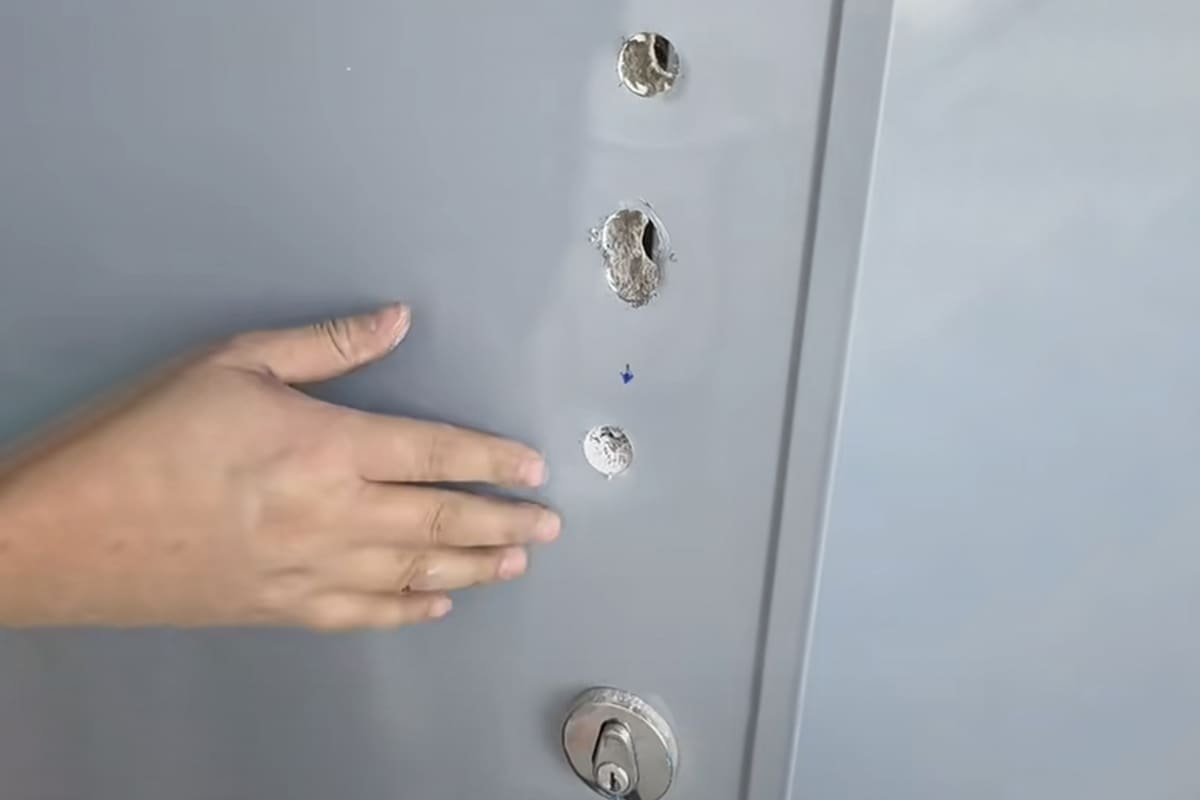
I pay close attention to the strike plate because the door and frame must work together. The lock may operate perfectly when the door is open. The problem often appears only when the door closes.10 The latch may touch the top edge of the strike hole. The deadbolt may hit the side wall. The user may feel scraping, pushing, or bouncing. This creates a poor first impression even when the lock body itself is sound.
For a beginner, the risk is simple. The person marks once, drills once, and then discovers the mark was slightly wrong. Wood repair takes longer than slow marking. I prefer repeated marking with pencil or masking tape. I also prefer testing the latch position before final screw tightening. This basic habit prevents many complaints.
| Alignment detail I check | Small error I often see | Result on the door |
|---|---|---|
| Latch height | Mark is too high or too low | Door needs pushing to close |
| Deadbolt height | Bolt hole is off by 1–2 mm | Key feels hard to turn |
| Plate depth | Strike plate is not flush | Door edge rubs the frame |
| Screw position | Screws pull plate sideways | Latch entry becomes tight |
| Door gap | Gap changes after hanging | Lock works open but not closed |
In B2B supply, this issue becomes bigger. If a factory fits 500 doors, a 2-minute strike plate correction becomes more than 16 hours of extra labor.11 That is why I connect installation time with specification control.
How can B2B buyers reduce mortice lock fitting delays?
A buyer may think fitting time belongs only to installers. I see procurement choices decide whether assembly is smooth or slow.
I reduce fitting delays by confirming lock-body consistency, accurate drawings, door thickness compatibility, faceplate size, backset, centre distance, spindle and cylinder matching, and strike plate alignment before batch supply. Good specification control prevents repeated rework across many doors.
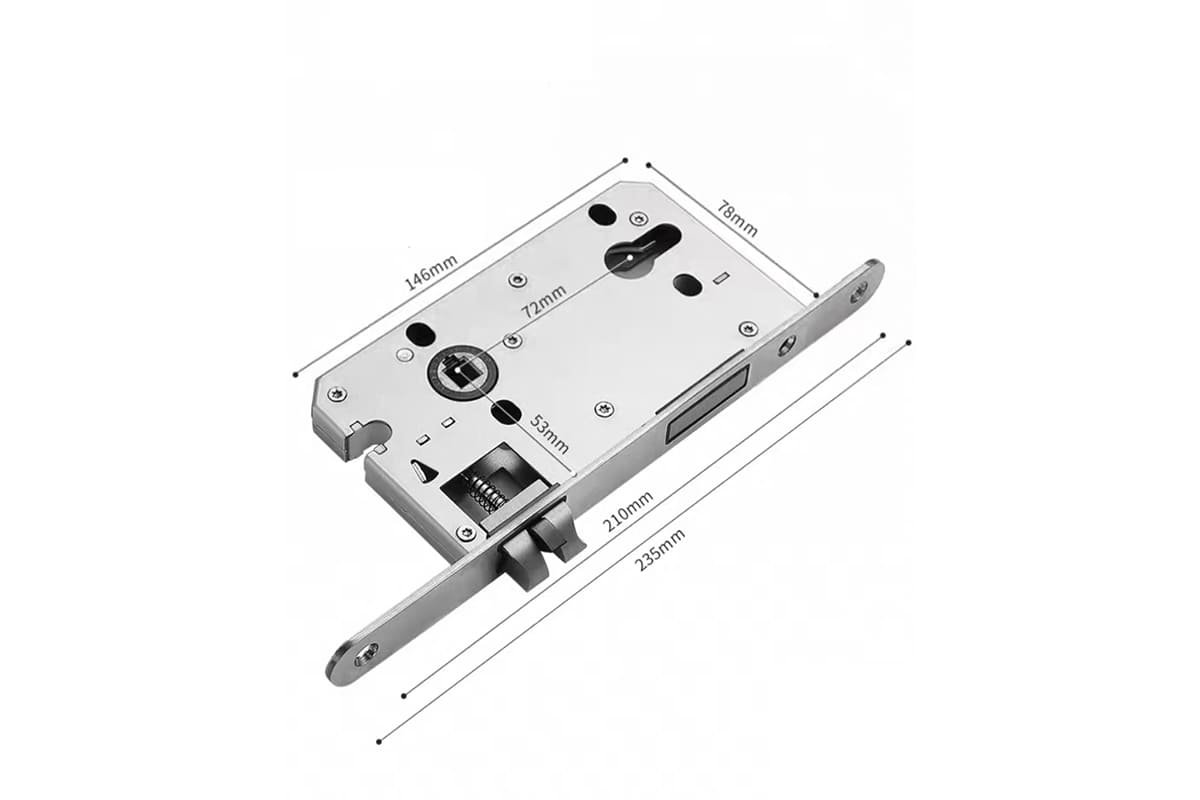
I speak from the position of a mortice lock manufacturer and supplier, not as an on-site locksmith. My role is to help buyers reduce fitment risk before the lock reaches the door. In my work with door factories, hardware brands, and wholesalers, I see that batch installation time depends on stable dimensions. If one lock body is slightly different from another, the factory team loses trust in its jigs. If drawings are unclear, workers add their own judgment. If accessories do not match, the door may pass one test and fail another test later.
I normally guide buyers to check the lock as part of a hardware set. The mortice lock must match the lever handle, cylinder, screws, strike plate, door thickness, and market standard. The finish should also stay consistent, because visible parts affect final inspection.
| Buyer control point | What I confirm | How it reduces delay |
|---|---|---|
| Lock-body drawing | Case size, backset, centre distance | Door preparation is accurate |
| Faceplate detail | Length, width, radius, finish | Recess cutting is consistent |
| Door thickness range | Spindle and cylinder fit | Accessory mismatch is reduced |
| Strike plate type | Size, hole position, finish | Frame work becomes predictable |
| Batch consistency | Same dimensions across orders | Jigs can be used with confidence |
| Certification need | CE or fire-rated requirement | Project approval risk is lower |
At SDH Hardware, I often discuss these points before production because one careful confirmation can save many small corrections later. I do not believe good procurement is only about buying a lock. I believe it is about buying a lock that the door factory can fit again and again with stable results.
Conclusion
I estimate mortice lock fitting time by scenario, dimensions, and alignment. I reduce delay by confirming specifications before cutting, drilling, or batch assembly.
"How long does it take to install a L Series mortise lock? - Allegion", https://kc.allegion.com/kb/article/how-long-does-it-take-to-install-a-l-series-mortise-lock/. A trade labor-estimating source gives contextual support for short installation times by treating lock fitting as a brief skilled task when the door preparation and hardware match. Evidence role: general_support; source type: other. Supports: A trade estimating or vocational source should show that simple lock fitting or like-for-like replacement can be completed within a short labor window by an experienced worker.. Scope note: Such sources usually provide generalized labor allowances rather than proving the author's exact 10–20 minute estimate for every mortice lock model. ↩
"Mortise lock installation cost per door? - Facebook", https://www.facebook.com/groups/506828769926755/posts/851024108840551/. Installation-labor guidance supports the general distinction between replacement work in existing openings and new preparation work, with replacement normally requiring less labor when the hardware dimensions match. Evidence role: general_support; source type: other. Supports: The source should support that replacing a lock in existing prepared openings is generally quicker than cutting a new mortice and drilling new holes.. Scope note: The evidence is contextual and may not state the precise 30–45 minute range for the specific lock and door combination discussed. ↩
"How to Install a Mortice Lock - Tutorial Video by Tradco - YouTube",
. Technical installation guidance for mortise locks identifies door preparation dimensions and strike alignment as necessary conditions for proper lock operation, supporting the article's explanation that fitting time depends on these variables. Evidence role: mechanism; source type: institution. Supports: The source should explain that mortise lock installation requires accurate door preparation, dimensional matching, and strike alignment.. Scope note: The source would support the mechanism affecting time, not a universal labor duration. ↩"Strike plate alignment - DoItYourself.com Community Forums", https://www.doityourself.com/forum/residential-commercial-security-devices-door-knobs-locks-keys-dead-bolts/645769-strike-plate-alignment.html. Door-hardware installation guidance supports the mechanism that minor misalignment between the latch or bolt and the strike opening can produce rubbing or difficult operation. Evidence role: mechanism; source type: institution. Supports: The source should support that small misalignments between latch, bolt, and strike can cause rubbing, binding, or hard operation.. Scope note: The source may document the alignment mechanism without independently verifying the exact 2 mm threshold. ↩
"BEST 40H Mortise Lock Installation - YouTube",
. Instructional door-hardware material describes mortise lock installation as a sequence of measuring, cutting the lock case recess, drilling operating holes, and fitting the strike, supporting the procedural account in the article. Evidence role: mechanism; source type: education. Supports: The source should describe the standard installation sequence for a mortise lock, including mortising the door, drilling holes, and fitting the strike.. ↩"[PDF] Dimensioning and Tolerancing | TCNJ Engineering", https://engineering.tcnj.edu/wp-content/uploads/sites/194/2012/02/dimensioning_and_tolerancing.pdf. Engineering-drawing standards and manufacturing literature support the role of technical drawings in communicating dimensions and tolerances needed for accurate production work. Evidence role: expert_consensus; source type: institution. Supports: The source should support that engineering drawings communicate dimensions, tolerances, and manufacturing requirements to production teams.. Scope note: The support is general to manufacturing communication and not specific to mortice lock drawings. ↩
"How to Install a Mortise Lock - YouTube",
. Door-hardware dimensional guidance supports this claim by defining backset as the distance from the door edge to the relevant lock centerline, which means a different backset changes the required position of associated holes. Evidence role: definition; source type: institution. Supports: The source should show that backset is a dimensional parameter that sets the handle or cylinder centerline position from the door edge.. ↩"How to measure and choose the right mortise lock size - BlueID", https://www.blue-id.com/en/blog/mortise-lock-mass. Technical door-hardware dimensional references define centre distance as the spacing between the handle spindle and cylinder or keyhole centers, supporting the article's claim that changing it can make an existing layout incompatible. Evidence role: definition; source type: institution. Supports: The source should define centre distance as the spacing between the handle spindle and cylinder or keyhole centers in a lock case.. ↩
"Front door latch alignment and strike plate issue - Facebook", https://www.facebook.com/groups/525026358915707/posts/1295780971840238/. Door-installation training and troubleshooting materials commonly identify strike-plate misalignment as a cause of latch or bolt binding, giving contextual support to the article's emphasis on this step for inexperienced installers. Evidence role: expert_consensus; source type: education. Supports: The source should identify strike alignment as a common source of latch or bolt problems during door lock installation.. Scope note: The source may support the importance of strike alignment without ranking it as the single most time-consuming task for beginners. ↩
"Why does this door lock not engage when the door is closed? - Reddit", https://www.reddit.com/r/Home/comments/1nidqgf/why_does_this_door_lock_not_engage_when_the_door/. Door-lock troubleshooting guidance supports this mechanism by noting that a latch or deadbolt may move freely with the door open but bind when closed if the strike opening or frame alignment is incorrect. Evidence role: mechanism; source type: institution. Supports: The source should explain that latch or deadbolt binding may occur only when the door is closed because the bolt must enter the strike opening in the frame.. ↩
"[PDF] Optimal batch quantity models for a lean production system with ...", https://repository.lsu.edu/cgi/viewcontent.cgi?article=4506&context=gradschool_theses. Operations-management literature supports the underlying principle that repeated per-unit rework increases total labor and cycle time across a production batch. Evidence role: mechanism; source type: education. Supports: The source should support the production-management principle that small amounts of rework or delay per unit accumulate into significant labor across many units.. Scope note: The source would support the production principle; the specific 500-door and 2-minute calculation is arithmetic within the article. ↩