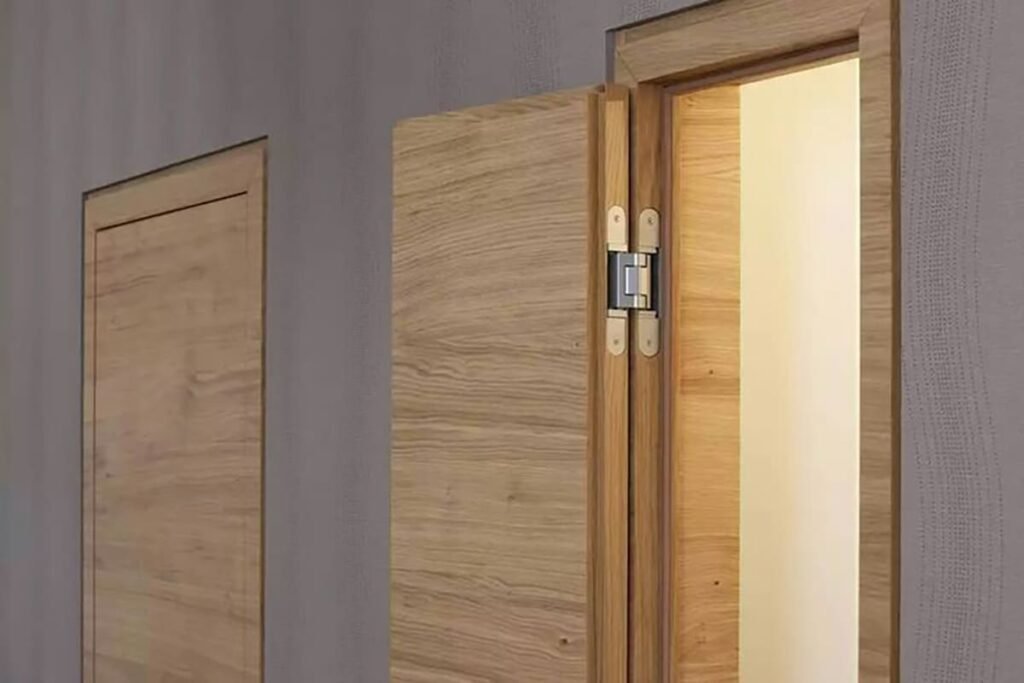
Why are there so many different door hinges available?
I see buyers get confused by hinge choices, then one wrong hinge creates sagging doors, noise, returns, and extra cost.
There are many door hinges because different doors need different load support, movement control, installation methods, appearance, and durability. A hinge should match door weight, door size, usage frequency, frame design, and market requirements, not only the visible size or the lowest price.
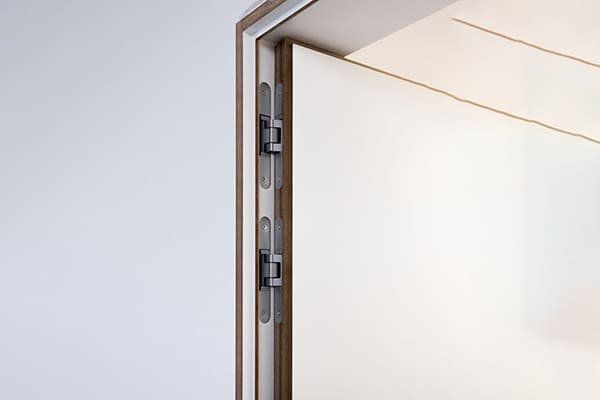
In my work as a door hardware manufacturer, I often see the same question from buyers. They ask why one door hinge category has so many sizes, materials, thicknesses, finishes, and structures. I understand this feeling. A hinge looks simple from the outside. It only connects the door and the frame. But in factory production and customer projects, I see that the hinge carries many hidden risks. It must hold the door weight. It must keep the door gap stable. It must match the frame. It must move smoothly after repeated use. It must also fit the look of the door and the price level of the market. Once I look at these jobs one by one, the number of hinge types starts to make sense.
What job must this hinge do for this specific door?
I have seen buyers choose a hinge too fast, then the door starts to drop, rub, or close badly after use.
A door hinge must support the door weight, guide the opening movement, keep the door aligned, and suit the installation method. The right choice depends on the door weight, size, thickness, usage frequency, frame structure, and project requirements.
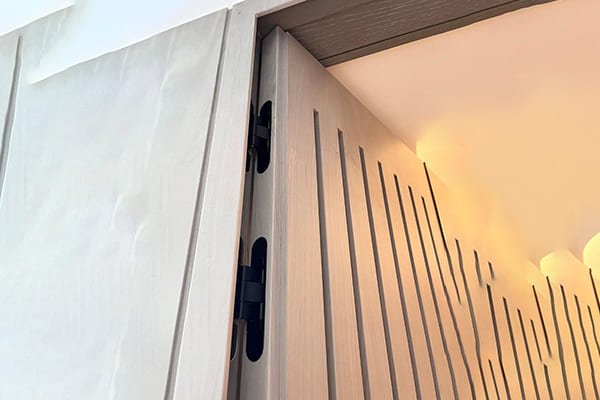
I first look at the door, not the hinge
When I help a buyer choose a hinge, I do not start with the hinge catalogue. I start with the door. I ask about the door material, door weight, door height, door width, door thickness, and opening direction. I also ask where the door will be used. A bedroom door, hotel room door, office door, school door, and fire-rated door do not create the same use condition. A heavy solid door needs a different hinge plan than a light hollow door. A door with high daily traffic also needs stronger movement stability.
I use simple questions before I suggest a hinge
| Question I ask | Why it matters for hinge selection |
|---|---|
| How heavy is the door? | The hinge must carry the load without early sagging. |
| How tall and wide is the door? | A larger door creates more force on the hinge side. |
| How often will the door open? | High use needs stronger wear resistance. |
| What frame type is used? | The hinge structure must match the installation area. |
| Is the hinge visible or hidden? | The design choice may affect butt hinge or concealed hinge selection. |
| Are there fire or project rules? | Some markets need certified product options. |
I once worked with a customer who first asked for a standard butt hinge by size. The sample looked suitable. After we checked the door weight and hotel project use, the first option was not ideal. We changed the hinge thickness and material grade. We also adjusted the screw hole arrangement. This change looked small on paper. It reduced the risk of door dropping after installation. This is why I tell buyers to define the hinge job before they compare hinge prices.
Why do hinge structures look different from each other?
I see many people treat hinge shape as a design choice only, but structure often decides load, adjustment, gap control, and installation fit.
Different hinge structures solve different door problems. Butt hinges support common visible installation. Concealed hinges support hidden appearance and adjustment needs. Other hinge designs answer special movement, frame, or project needs. The structure should follow the door system.
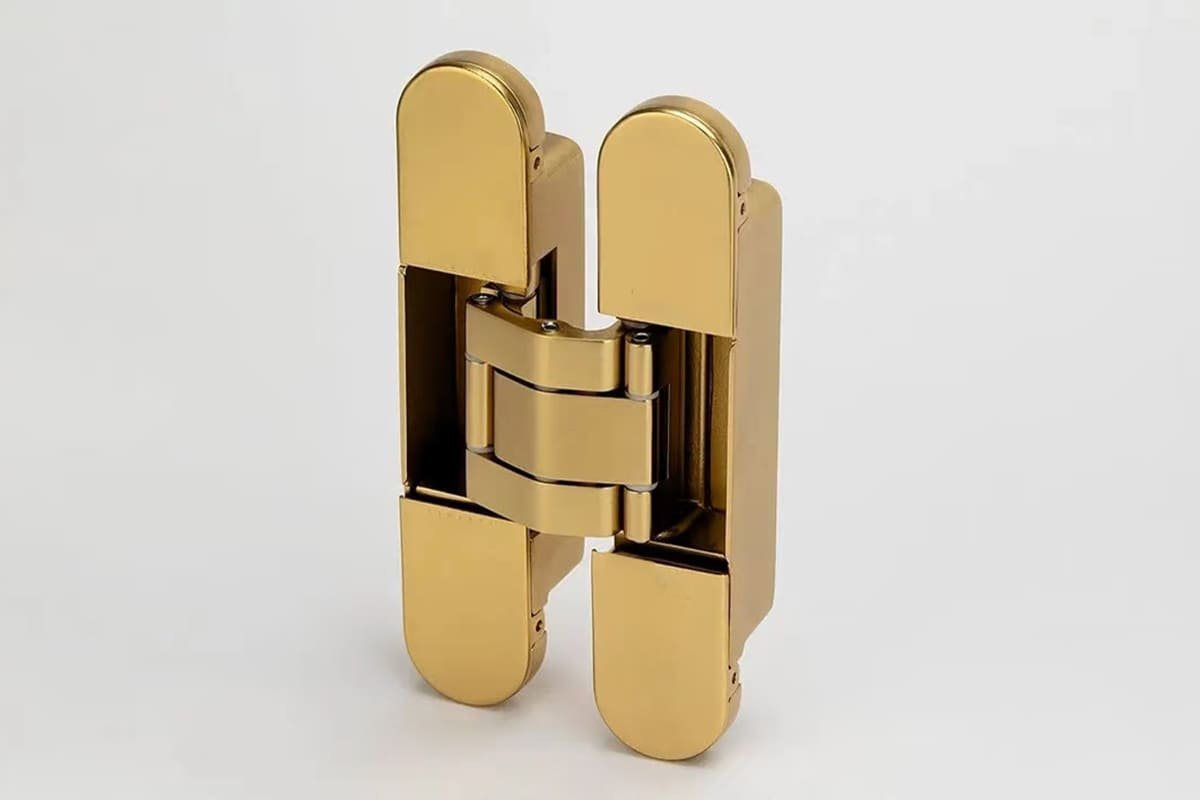
I do not see hinge structure as decoration only
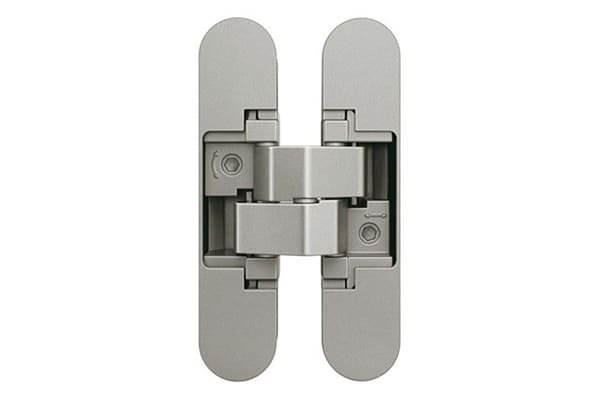
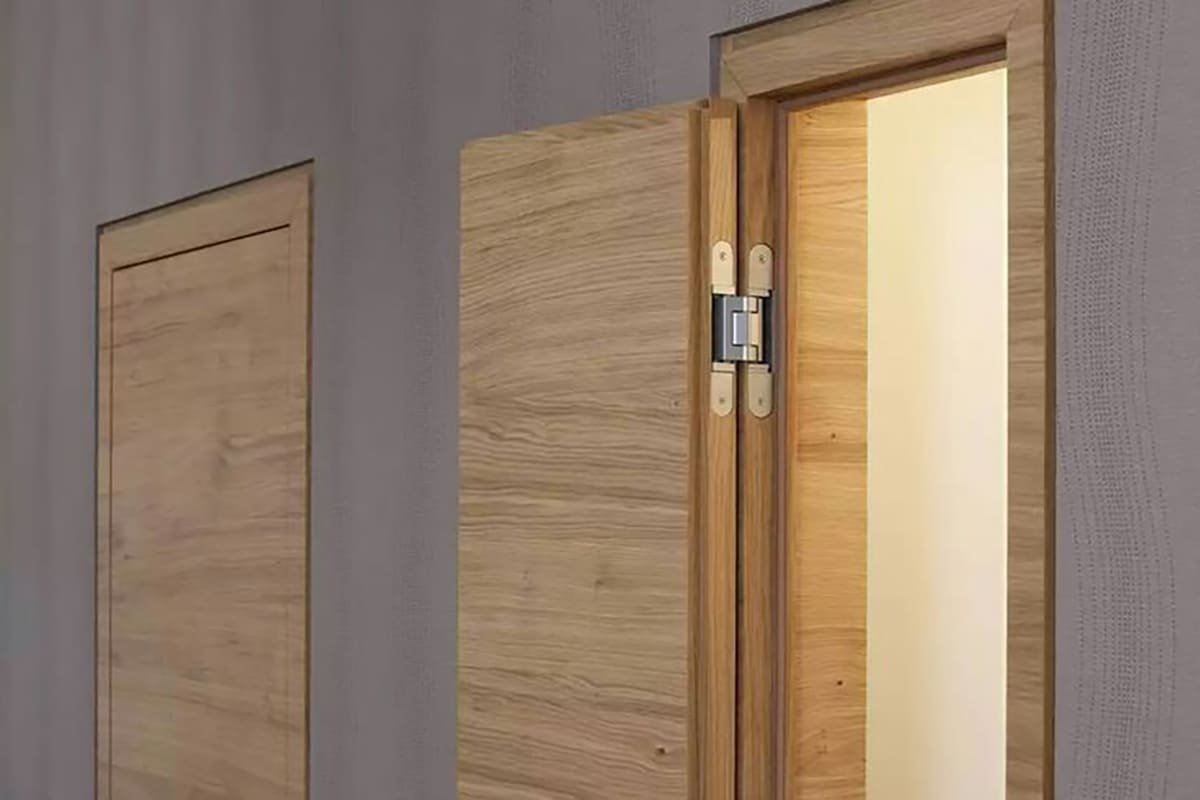
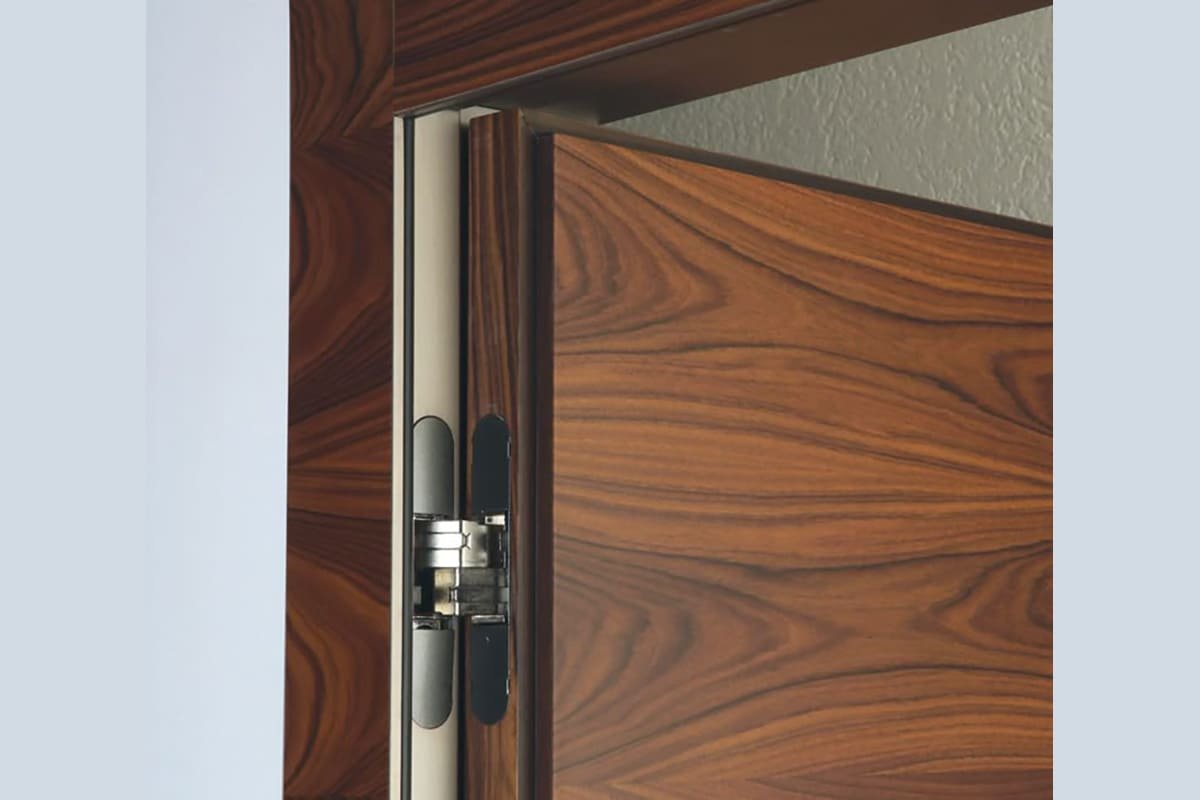
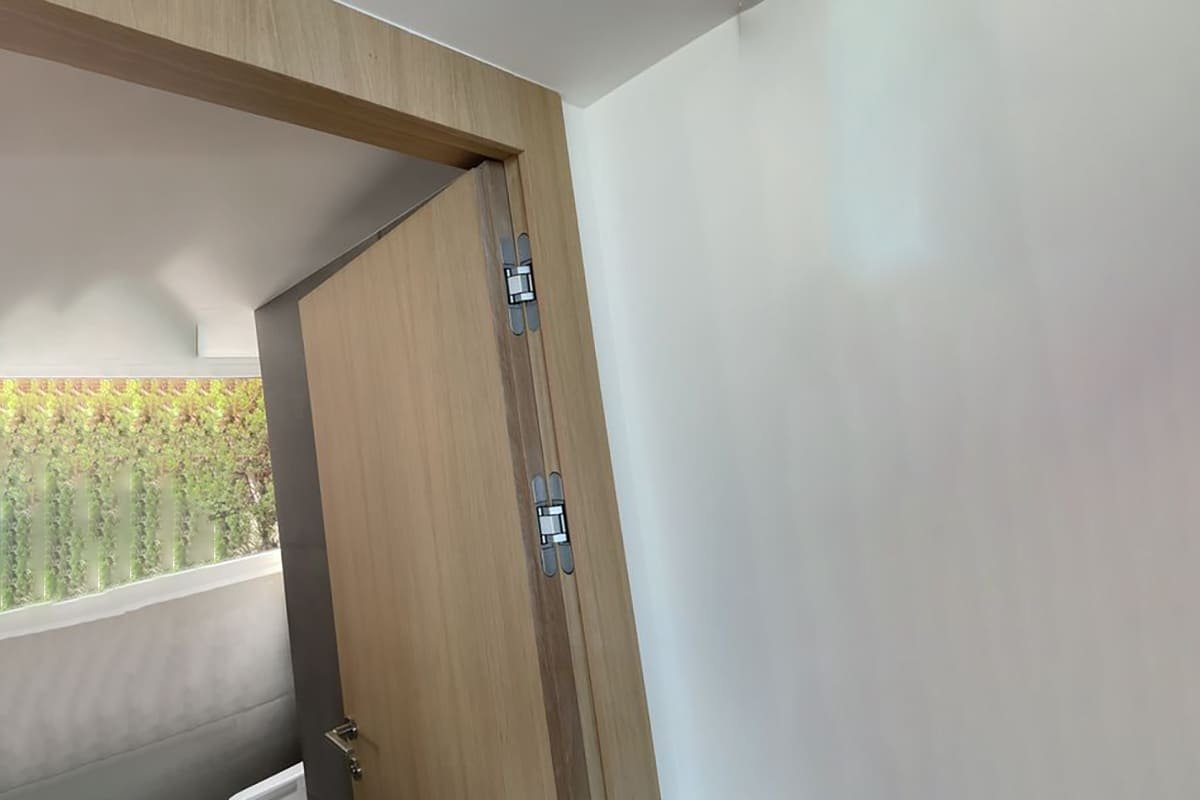
A butt hinge and a concealed hinge may both allow a door to open and close. But they do not solve the same problem in the same way. A butt hinge is simple, strong, and common in many wooden and metal door systems. It is easy for many door factories to process because the installation method is familiar. A concealed hinge hides inside the door and frame. It supports a clean look. It can also offer adjustment in some designs. But it needs more accurate door and frame processing.
I compare hinge types by the problem they solve
| Hinge structure | Main job | Buyer risk if selected wrong |
|---|---|---|
| Butt hinge | Visible load support and common installation | Door may sag if thickness, material, or bearing design is weak. |
| Concealed hinge | Hidden appearance and controlled adjustment | Door may not align if door and frame processing is not accurate. |
| Lift-off hinge | Easy door removal in some applications | Wrong hand or wrong load choice may create assembly trouble. |
| Spring hinge | Self-closing movement in some light or medium doors | Wrong spring force may make closing too hard or too weak. |
| Special project hinge | Matches a special frame, door, or function | Wrong structure may block installation or fail project needs. |
In my factory work, I see that the hinge leaf, pin, bearing, screw hole, and body structure all matter. A small change in leaf thickness can change load support. A bearing design can affect smooth movement and noise. A concealed hinge body must be produced with good accuracy, because the door gap depends on it. The finish also matters, because a poor finish can cause color difference across a batch. So hinge differences are not only visual. They are production choices that affect real use.
Why is choosing by size or lowest price a common mistake?
I often see a hinge that fits the drawing, but still fails the real door because the load and use level were ignored.
Choosing a hinge only by size or lowest price can cause sagging, noise, rough movement, loose screws, poor finish match, and early failure. A matching length and width do not prove that the hinge suits door weight, traffic level, or frame design.
I see size as only one part of the specification
A hinge size such as length and width is easy to compare. Buyers can put two hinges side by side and see if they look similar. But the hidden specification is often more important. The material grade, thickness, pin diameter, bearing type, screw quality, and production tolerance also affect performance. A cheaper hinge may reduce material thickness. It may also use weaker accessories. It may look fine in a sample photo. It may become a problem after the door is used.
I check these hidden points before I confirm an order
| Visible item | Hidden item I still check | Possible issue if ignored |
|---|---|---|
| Hinge length | Leaf thickness and material | The hinge may bend under heavier doors. |
| Hinge width | Door and frame clearance | The door may not open or close smoothly. |
| Surface finish | Batch color control | The final doors may look inconsistent. |
| Screw holes | Screw length and holding strength | Screws may loosen during use. |
| Unit price | Product life and after-sales cost | A low price may create higher return cost. |
A buyer once asked me for a lower-cost hinge for a door model that was sold in a high-use market. At first, the hinge size was correct. The surface finish was also acceptable. But after we discussed the usage frequency and door weight, I felt the risk was too high. I suggested a stronger option with a better structure. The buyer did not choose the cheapest sample in the end. He chose the one that matched his door model and customer use. This is the kind of decision that protects the buyer, the door factory, and the final user.
How do material and production choices change hinge performance?
I have seen two hinges look almost the same, but one performs better because the material and process are controlled better.
Material, thickness, forming accuracy, pin quality, bearing design, screw quality, and surface treatment all change hinge performance. Good production control helps the hinge keep stable movement, better appearance, and more consistent quality across bulk orders.
I pay attention to what the buyer cannot see at first glance
In production, a hinge is not only a folded metal part. The raw material must be suitable. The cutting and stamping must be stable. The knuckle forming must be accurate. The pin must fit well. The bearing or washer design must match the expected use. The screw hole must be clean and correct. The finish must be controlled across the whole batch. If one part is unstable, the door may show the problem later.
I connect production control with buying risk
| Production point | What I control | Why the buyer should care |
|---|---|---|
| Raw material | Grade, thickness, and surface condition | The hinge needs stable strength and finish. |
| Stamping and forming | Shape accuracy and hole position | The installer needs predictable fitting. |
| Pin and knuckle | Fit and movement smoothness | The door should open without rough friction. |
| Surface finish | Color, brushing, polishing, plating, or coating | Bulk doors need a consistent look. |
| Final inspection | Size, movement, and appearance | The buyer needs fewer complaints and returns. |
At SDH Hardware, I work with door concealed hinges, butt hinges, mortise locks, lever handles, and related door hardware. This gives me a full door hardware view. A hinge must also match nearby hardware. The handle finish, lock faceplate finish, and hinge finish often need to look consistent on the same door set. If a buyer sources each item without checking finish standards, the door may look mixed. This is why I treat hinge selection as part of the full door hardware system, not as one small accessory.
How should buyers choose hinge specifications before bulk sourcing?
I see procurement risk drop when buyers share door details before they ask for a final hinge quotation.
Buyers should confirm door weight, size, thickness, frame design, usage frequency, market standard, finish, packaging, and certification needs before placing bulk hinge orders. A clear specification helps the factory suggest the right hinge structure and reduce mismatch risk.
I prefer a clear checklist before pricing
A good hinge quotation needs more than a product name. If a buyer only writes “4-inch stainless steel hinge,” I still need more details. I need to know the door weight. I need to know the door material. I need to know the market and use scene. I need to know if the door is for a home, hotel, office, school, or project. I also need to know the finish and packaging standard. These details help me avoid giving a price for the wrong product.
I ask buyers to prepare these items
| Buyer information | Example detail | How it helps selection |
|---|---|---|
| Door type | Wooden door, metal door, composite door | It affects hinge structure and screws. |
| Door weight | Light, medium, or heavy with actual kg if possible | It affects thickness and bearing choice. |
| Door size | Height, width, and thickness | It affects load and opening force. |
| Use scene | Residential, hotel, office, school, project | It affects durability expectation. |
| Installation method | Visible hinge or hidden hinge | It affects butt hinge or concealed hinge choice. |
| Finish | SS, satin, polish, black, brass tone, or custom | It affects surface process and batch control. |
| Market requirement | CE, fire-rated need, or local standard | It affects product range and document checking. |
I remember one case where a hardware buyer wanted to add a new hinge line for a regional wholesale market. The first request focused on price and size. After we talked more, I learned that his customers used the hinge on several door weights. Some doors were light interior doors. Some doors were heavier project doors. We separated the hinge line into different specifications instead of forcing one hinge to cover all doors. This made the product range easier to sell. It also reduced the risk that a customer would use a light-duty hinge on a heavy door.
Why does the same door market still need several hinge options?
I see one market contain many door levels, and one hinge specification cannot safely cover every door model.
The same regional market often needs several hinge options because doors differ by price level, material, usage, appearance, and project rules. A buyer should build a hinge range that matches real door categories instead of relying on one universal model.
I see hinge range planning as market protection
A door hardware brand or wholesaler usually serves many customer types. Some customers need basic hinges for standard interior doors. Some need better finish and smoother movement for higher-end doors. Some need concealed hinges for modern design. Some need project-supported products with documents and more stable specifications. If the buyer stocks only one hinge type, the sales team may push it into the wrong application. This can create complaints later.
I divide hinge ranges by use level
| Market level | Typical door need | Better hinge plan |
|---|---|---|
| Standard residential | Normal use and basic finish | Common butt hinge with stable material and finish. |
| Higher-end interior | Better appearance and smoother use | Better finish control or concealed hinge option. |
| Commercial use | Higher traffic and stronger demand | Stronger hinge structure and better wear support. |
| Project use | Document and specification control | Certified or project-suitable product when required. |
| Custom door line | Special size, finish, or frame | ODM support and confirmed samples before bulk order. |
In my experience, a clear range helps buyers control cost without making the product too risky. The buyer does not need to buy the most expensive hinge for every door. The buyer also should not use the cheapest hinge for every door. The better method is to match the hinge level with the door level. This approach is simple, but it is often missed during fast sourcing. It also helps a wholesaler explain products to local customers in a clear way.
Conclusion
I see many hinge types because doors create different risks. The right hinge matches the door job, not only the size or price.