Comprehensive Door Accessories Guide: How Do I Configure a Complete Door Hardware Set?
I see many buyers lose time because one small mismatch can make a good door feel noisy, weak, or unfinished.
I configure door accessories by matching the lock body, cylinder, handle, hinges, and small accessories to the door type, use level, weight, finish, and market standard. I do not treat each item as separate, because the complete hardware set must work as one system.
I have worked with door factories, hardware brands, and wholesalers for many years. I learned that most problems do not start from a bad product. They start from an incomplete match. A lock body may be good, but the cylinder may not fit the market standard. A handle may look nice, but the finish may not match the hinge. A hinge may be strong, but it may not suit the door thickness. I use this guide to explain how I think through a full door accessory set before production and bulk purchase.
Why Do I Start With the Lock System Instead of a Single Door Lock?
I often see buyers ask for “a door lock,” but that simple phrase hides many technical choices and many possible mistakes.
A door lock system normally includes a lock body and a cylinder.1 I first check the door design, lock body size, cylinder profile, opening direction, key system, and market standard before I confirm the final lock set.
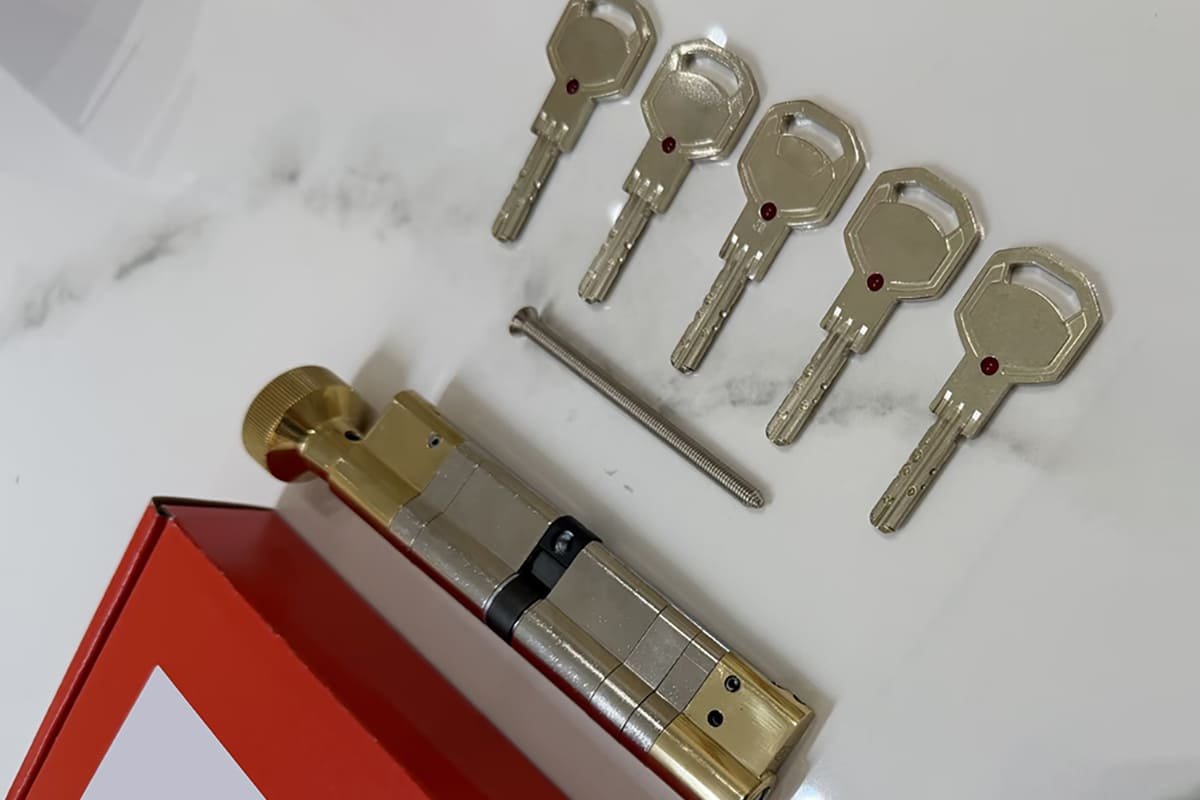
I start with the lock system because it controls the main function of the door. I do not see the lock as one single item. I see it as a matched group. The lock body decides the internal movement. The cylinder decides key control and market fit.2 The handle must work with the spindle and lock structure. The strike plate must match the frame. When one part is wrong, the door may still close, but the user experience becomes poor.
In our factory work, I usually ask several simple questions before I recommend a lock set. I ask about the door material. I ask about the door thickness. I ask about the project type. I ask about the target market. I ask whether the buyer needs standard keys, single opening, double opening, or a master key system. These questions look basic, but they prevent many bulk order problems.
| Lock system item | What I check | Why I check it |
|---|---|---|
| Lock body | Size, backset, center distance, latch type | I need it to fit the door design and frame |
| Cylinder | Euro profile, length, single or double opening | I need it to match the lock body and market habit |
| Magnetic lock | Door closing feel and noise level | I use it when quieter closing is needed |
| Narrow lock body | Door profile and stile width | I use it for special narrow door designs |
| Master key system | Room, floor, and building control logic | I use it for commercial or project orders |
I often see Euro profile cylinders used in European-standard applications.3 I do not say they fit every market. I say they are commonly selected when the door set follows European hardware dimensions. For commercial projects, I also check whether the buyer needs a master key system. This is not only a cylinder question. It is also a management question. A hotel, office, school, or apartment project may need controlled access at different levels.4 I prefer to confirm this early, because keying changes can affect lead time, stock planning, and inspection work.
How Do I Choose Door Handles for Function and Design?
I know a weak handle can make the whole door feel cheap, even when the lock and hinge are already well selected.
I choose a door handle by checking hand feel, material strength, surface finish, style match, and bulk consistency. The handle is touched every day, so it must feel stable, look consistent, and match the door hardware set.5
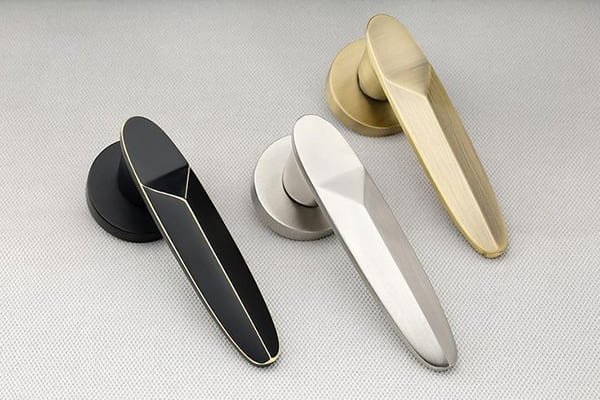
I treat the door handle as both a working part and a design part. It is one of the first parts that the end user touches. The user may not understand the lock body grade or hinge structure, but the user immediately feels the handle. A loose handle, sharp edge, poor spring return, or uneven finish can damage the value of the whole door set.
I work with metal handles, stainless steel handles, zinc alloy handles, plastic handles, and wood-related designs in different markets. For B2B buyers, I usually focus less on one sample’s beauty and more on batch stability. One good sample does not solve a container order. I want the tenth carton and the last carton to show the same finish direction, same color tone, same hole position, and same fitting quality.
| Handle factor | My buying check | Common risk if ignored |
|---|---|---|
| Hand feel | I check edge, grip shape, and spring return | The user feels discomfort or weakness |
| Material | I check stainless steel, zinc alloy, or other material need | The handle may not match price or use level |
| Finish | I check color, texture, and coating stability | The full order may look uneven |
| Style | I match handle design with hinges and lock escutcheon | The door set looks mixed and unplanned |
| Accessories | I check spindle, screws, rosette, and fixing parts | Installation may stop on site |
I also care about finish coordination. A satin stainless steel handle, a polished hinge, and a black lock plate may all be acceptable alone, but they may not look good together. I have seen buyers pay attention to lock price and forget finish matching across the set. That creates a product line that looks cheap in a showroom. I prefer to create a finish standard first. Then I match the lock faceplate, handle, hinge, stopper, and other visible parts under the same finish direction. This simple step helps door factories and wholesalers keep a clear product identity in the market.
Why Do I Treat Hinges as the Load-Bearing Core of the Door?
I see many door problems come from hinge selection, because the hinge carries the door weight and controls the door movement.6
I choose hinges based on door thickness, door weight, use frequency, visual requirement, corrosion risk, and adjustment need. Butt hinges and 3D concealed hinges serve different purposes, so I match them to the project instead of choosing by appearance only.
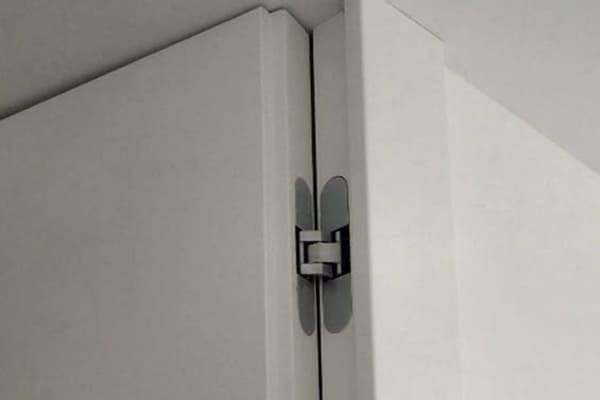
I treat hinges as the load-bearing and movement core of the system. A lock can keep a door closed, but the hinge keeps the door aligned. When the hinge is not suitable, the door may drop, rub, make noise, or fail to close smoothly. I always ask for the door weight and thickness before I suggest a hinge. I also ask about daily use frequency. A hotel door, school door, or public building door may need a stronger and more stable hinge solution than a light interior residential door.7
Butt hinges are common and practical. They are easy to understand, and many markets accept them. 304 stainless steel butt hinges are often preferred in projects where corrosion resistance is important, such as humid areas or higher-grade building work.8 I do not say 304 stainless steel is always needed. I say it is suitable when the buyer needs better resistance and longer surface stability under the right use conditions.
| Hinge type | I commonly use it when | Main buying point |
|---|---|---|
| Butt hinge | The buyer needs a visible, standard, cost-effective hinge | I check size, thickness, material, bearing, and screws |
| 304 stainless steel hinge | The project has higher corrosion resistance needs | I check material grade and finish consistency |
| 3D concealed hinge | The door needs hidden hardware and adjustment | I check door thickness, weight capacity, and milling size |
| Soft-closing concealed hinge | The project needs controlled closing feel | I verify function, load range, and door compatibility |
3D concealed hinges have become more common in modern door systems. I use them when the buyer wants a hidden appearance and adjustment after installation. Many models support three-dimensional adjustment.9 This means the installer can adjust the door up and down, left and right, or in and out within a certain range. Some concealed hinges also offer positioning, buffering, or hydraulic soft-closing functions. These features can improve the final door feel, but they also need correct door preparation. I always confirm the milling size, door thickness, door weight, and frame structure before I confirm a concealed hinge. A good concealed hinge cannot perform well if the door design does not support it.
Which Small Door Accessories Should I Never Ignore?
I have seen large orders delayed because small parts were missing, mismatched, or not planned with the door application.
I never ignore door stoppers, door holders, sealing strips, peepholes, bolts, screws, strike plates, and other supporting parts. These small accessories affect noise control, light blocking, sealing, protection, and final installation completeness.
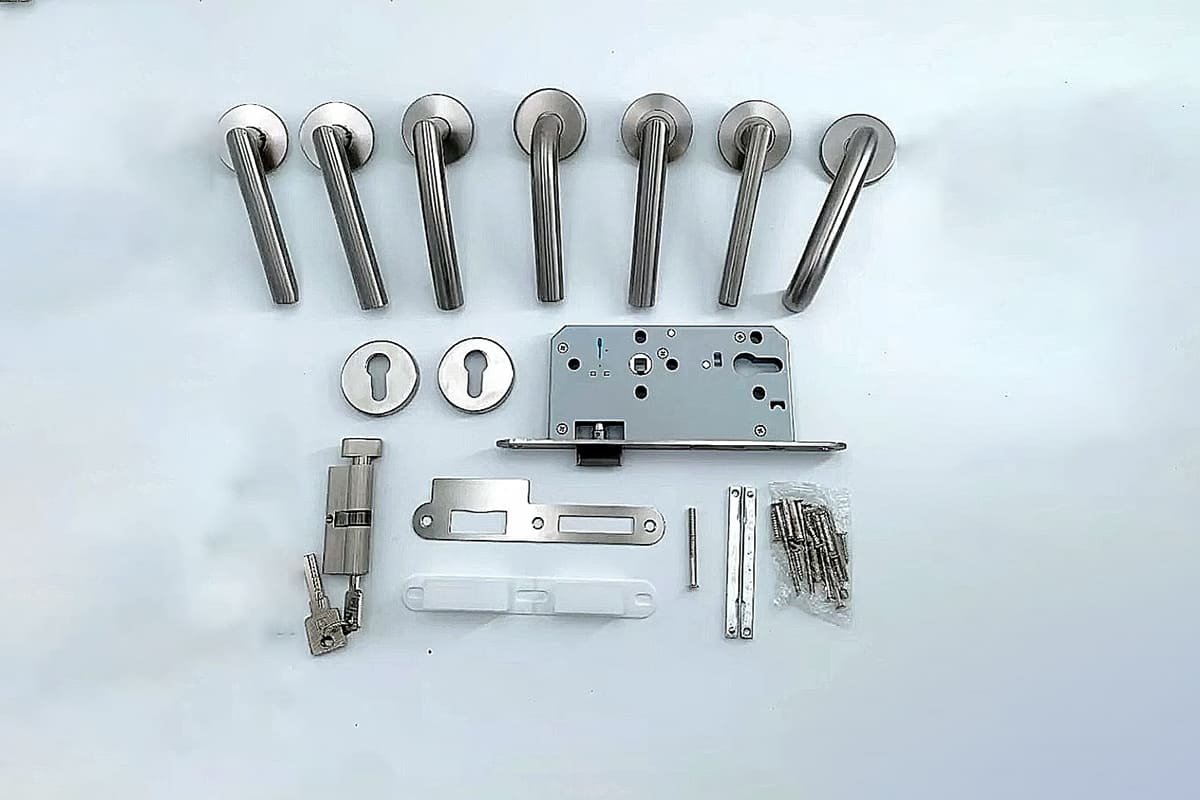
I call these items small accessories, but I do not treat them as small in value. A missing screw can stop installation. A wrong door stopper can damage the wall or door leaf. A poor sealing strip can leave visible gaps, light leakage, or higher closing noise.10 A mismatched peephole can make a door look unfinished. A weak bolt can reduce the user’s trust in the door set.
I usually make a checklist for each order. I do this before packing, not after the customer complains. The checklist depends on the door type and market. A hotel room door may need a peephole, chain, stopper, and stronger sealing support. A commercial door may need special bolts, pull handles, or closer-related hardware. A residential interior door may focus more on quiet closing and finish match.
| Small accessory | What I match it with | What it helps control |
|---|---|---|
| Door stopper | Door swing direction and wall distance | Door and wall protection |
| Door holder | Door opening angle and use habit | Door holding and convenience |
| Sealing strip | Door gap and frame design | Noise, dust, light, and air gaps |
| Peephole | Door thickness and user height range | Visibility and security feeling |
| Bolts | Door type and safety need | Extra locking or positioning |
| Screws | Hinge, lock, handle, and frame material | Fixing strength and installation speed |
| Strike plate | Lock body and frame position | Smooth closing and locking |
I also check color and surface finish for visible accessories. A black handle with silver screws may look like a mistake. A satin hinge with a different satin stopper may look unprofessional in bulk sales. For wholesalers and brand buyers, this affects shelf display and repeat orders. I prefer to match the visible accessories as one full set. I also prefer to confirm packing by set or by item, because different buyers have different warehouse and distribution habits. A door factory may want one door set in one bag. A wholesaler may want each accessory packed by SKU. I clarify this early because packing style affects labor, carton marks, and after-sales tracking.
How Do I Match Door Accessories to Door Type and Market Use?
I know one hardware list cannot fit every door, because each door type has its own structure, weight, and user expectation.
I match door accessories by door material, door thickness, opening direction, use frequency, market standard, finish style, and certification need. I build the set around real application instead of copying a general product list.
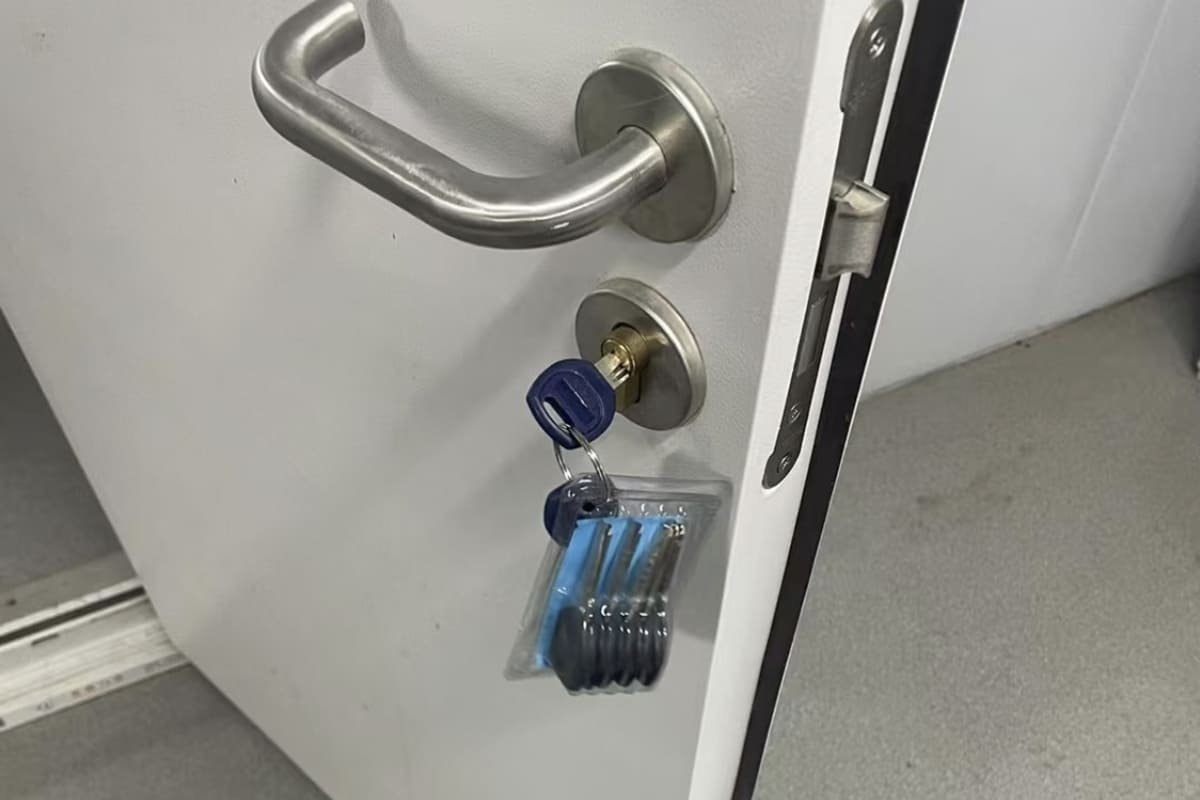
I first identify the door type. A wooden interior door, steel security door, aluminum profile door, hotel door, apartment door, and commercial door may need different hardware logic. I do not only ask for the product name. I ask how the door will be used. I ask who will install it. I ask which market will sell it. I ask whether the buyer needs CE-related documents, fire-rated documents, or project test reports. I always keep this point careful, because compliance depends on verified product scope, test standard, and real application.11
For door factories, I often focus on assembly speed and fit. They need stable hole positions, consistent screw packs, and predictable finish. For hardware brands, I focus more on product series, surface consistency, packaging, and market positioning. For wholesalers, I focus on cost control, stock movement, and product compatibility across many door types.
| Buyer type | Main concern I see | My matching focus |
|---|---|---|
| Door factory | Smooth batch assembly | Stable dimensions, complete packs, and fast fitting |
| Hardware brand | Product image and repeat quality | Finish consistency, series design, and packaging |
| Wholesaler | Broad market sales | Standard sizes, useful options, and cost control |
| Project buyer | Application and document control | Certified options, project fit, and stable supply |
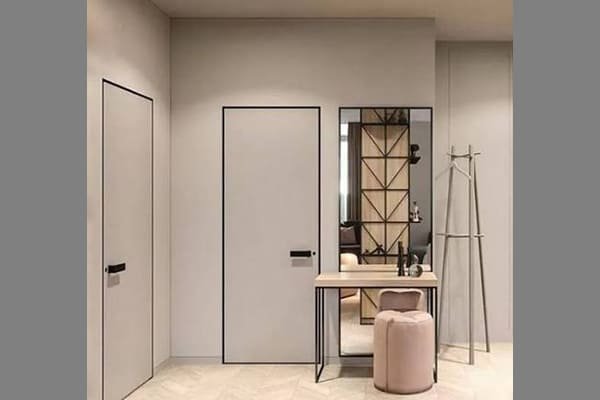
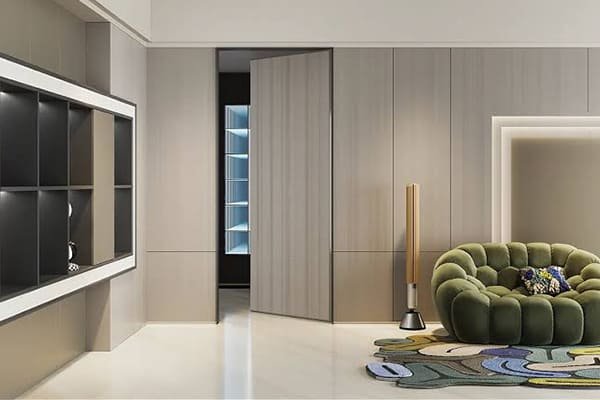
I also match finish to the market. Some markets prefer satin stainless steel. Some prefer black, antique, polished brass, or customized colors. I never assume one finish sells everywhere. I check the buyer’s current door line and local customer taste. I also check the hardware grade expected by the final buyer. A high-end concealed door system may need concealed hinges, magnetic lock bodies, and cleaner handle designs.12 A cost-sensitive wholesale line may need standard butt hinges, standard mortise locks, and stable simple handles. Both can be correct. The right choice depends on the business model and end user expectation.
What Checklist Do I Use Before I Confirm a Bulk Door Accessories Order?
I know bulk sourcing becomes risky when the buyer approves parts one by one without checking the full system together.
I confirm a bulk order by checking system compatibility, finish consistency, door fit, load capacity, packing method, documents, spare parts, and delivery plan. I use one checklist to reduce mismatch and after-sales risk.
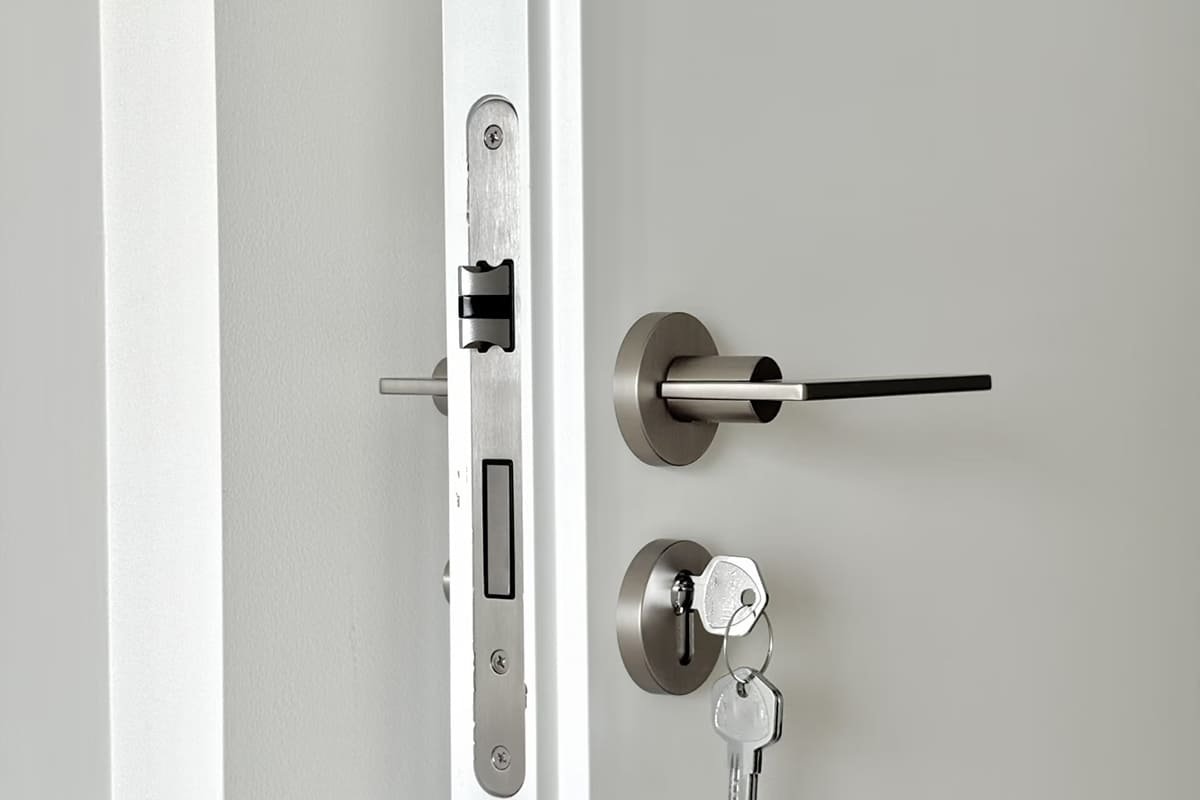
I use a practical checklist because it saves time for both sides. I have seen projects where the lock body was correct, but the cylinder length was wrong. I have seen orders where the hinge was strong, but the screw size did not suit the frame. I have seen handles with a good finish, but the lock plate used a different color tone. These issues are not hard to prevent. They need a system check before mass production.
I normally review the sample set as a complete unit. I place the lock body, cylinder, handle, hinge, stopper, sealing strip, screws, and packing together. I check whether the parts look like one product family. I also check whether the installer can use them without extra local purchase. This is important for door factories and project buyers, because incomplete kits slow down installation.
| Checklist point | My question before confirmation | Why it matters |
|---|---|---|
| Compatibility | Do lock body, cylinder, handle, and strike plate match? | It prevents installation failure |
| Door fit | Does the hardware fit thickness, weight, and opening direction? | It protects door movement and alignment |
| Finish | Do visible parts share the same color and surface standard? | It supports brand image and showroom effect |
| Function | Does the set meet quietness, adjustment, or access needs? | It improves the user experience |
| Documents | Are needed certificates or reports verified for this product? | It supports market or project requirements |
| Packing | Is the set packed for factory assembly or wholesale sale? | It reduces warehouse and distribution confusion |
| Spare parts | Are screws and accessories complete? | It reduces after-sales claims |
| Delivery | Can production and inspection meet the required schedule? | It protects the buyer’s supply plan |
I also pay attention to long-term repeat orders. A first order may go well because everyone checks it closely. A repeat order tests factory control. I care about stable raw material selection, standard production supervision, surface inspection, and final packing checks. This is where one-stop compatible supply has real value. It is not only about buying many items from one place. It is about reducing the chance that each item follows a different standard. When I can control lock bodies, cylinders, handles, butt hinges, concealed hinges, and related accessories under one matching logic, I can help buyers lower hidden risk in bulk sourcing.
Conclusion
I build door accessory sets as complete systems, because correct matching protects function, appearance, installation speed, and long-term buyer confidence.
"Pin tumbler lock", https://en.wikipedia.org/wiki/Pin_tumbler_lock. A technical standard or educational source on cylinder locks supports that the lock case or body houses the locking mechanism, while the cylinder is the keyed component used to operate it. Evidence role: definition; source type: institution. Supports: A neutral technical source should define the lock body or lock case as the mechanism housing and the cylinder as the keyed operating component.. Scope note: This supports the general component relationship, not the exact configuration of every door lock sold in every market. ↩
"Kwikset: Door Locks, Door Hardware, Smart Locks & Smartkey ...", https://www.kwikset.com/. Standards for building hardware and lock cylinders distinguish the mechanical lock case from the cylinder, with the former governing latch or bolt operation and the latter governing keyed operation and standardized compatibility. Evidence role: mechanism; source type: institution. Supports: A standards or technical source should describe how the lock case controls latch or bolt movement and how cylinder standards govern key operation and dimensional compatibility.. Scope note: The source would support the functional distinction in general terms rather than prove that a specific lock set is compatible. ↩
"Pin tumbler lock", https://en.wikipedia.org/wiki/Pin_tumbler_lock. European building-hardware standards such as EN 1303, together with related national standards for profile cylinders, provide context for the widespread use of Euro profile cylinders in European-style door hardware. Evidence role: historical_context; source type: institution. Supports: A standards body or technical reference should show that Euro profile cylinders are standardized in European lock-cylinder practice.. Scope note: This gives standards context for European use and does not show that the profile is required or dominant in every European project. ↩
"Master Key Systems Explained", https://www.masterkeysystems.co.uk/knowledge-hub/master-key-systems-explained/. Facilities-management and security literature describes master keying as a method for assigning different levels of access within buildings such as offices, schools, hotels, and multi-unit housing. Evidence role: general_support; source type: education. Supports: A security or facilities-management source should explain that master keying and access-control systems are used to organize different authorization levels within buildings.. Scope note: This supports the access-management rationale, not the specific keying plan required for any individual project. ↩
"Microbial Contamination of Door Handles: A Global Systematic ...", https://pmc.ncbi.nlm.nih.gov/articles/PMC12035165/. Human-factors research on handles and manual controls treats grip comfort, stability, and ease of operation as important contributors to user experience at frequently touched building interfaces. Evidence role: general_support; source type: paper. Supports: A human-factors or design paper should support that handles are frequent user touchpoints and that grip comfort and perceived stability influence usability.. Scope note: The evidence would support the ergonomic principle rather than measure consumer perception of this specific door-hardware set. ↩
"Hinge", https://en.wikipedia.org/wiki/Hinge. Reference sources define a hinge as a mechanical bearing that connects a door to a frame while allowing rotation, which explains its role in supporting door weight and controlling movement. Evidence role: definition; source type: encyclopedia. Supports: A neutral reference should define a hinge as a bearing or joint that connects two objects and permits rotation, including use on doors.. Scope note: This supports the general function of hinges, not the load rating of any particular hinge model. ↩
"A156.1 - 2025 Butts and Hinges", https://buildershardware.com/ANSI-BHMA-Standards/Hardware-Highlights/A1561-2021-Butts-and-Hinges. Architectural hardware standards classify hinges by grade and performance requirements, including durability testing, which provides a basis for specifying heavier-duty hinges in high-traffic buildings. Evidence role: expert_consensus; source type: institution. Supports: A hardware standard should classify hinges by grade, durability, or cycle performance and relate higher grades to heavier-duty applications.. Scope note: The source would justify the specification principle but would not determine the exact hinge required without door weight, frequency, and installation details. ↩
"[PDF] Corrosion of Borated Stainless Steel in Water and Humid Air.", https://www.nrc.gov/docs/ML1129/ML112920913.pdf. Materials-science literature attributes the corrosion resistance of AISI 304 stainless steel to its chromium-rich passive film, supporting its common use where atmospheric or humid corrosion resistance is desired. Evidence role: mechanism; source type: paper. Supports: A materials-science source should explain that 304 stainless steel has chromium-based passivation and generally good corrosion resistance under many atmospheric or humid conditions.. Scope note: This does not mean 304 stainless steel is corrosion-proof or suitable for all chloride-rich or marine environments. ↩
"[PDF] 3D Adjustable Concealed Hinges - Assa Abloy", https://www.assaabloy.com/ae/en/product-assets/architectural-hardware/door-hinges/concealed-hinges/assets/documents/3D_Adjustable_Concealed_Hinges_Brochure_ME.pdf. Architectural-hardware references describe three-dimensional concealed hinges as hinges that allow post-installation adjustment along vertical, lateral, and depth axes. Evidence role: mechanism; source type: institution. Supports: A technical or architectural-hardware source should describe concealed hinges with three-way adjustment, typically vertical, lateral, and depth adjustment.. Scope note: This supports the feature category; the available adjustment range depends on the individual hinge model and installation conditions. ↩
"Air Sealing Doors Adjacent to Unconditioned Space", https://basc.pnnl.gov/resource-guides/air-sealing-doors-adjacent-unconditioned-space. Government building-efficiency guidance identifies door weatherstripping as a method for sealing perimeter gaps and reducing air leakage, providing context for its role in controlling drafts, visible gaps, and related leakage paths. Evidence role: mechanism; source type: government. Supports: A building-energy or acoustics source should explain that door seals and weatherstripping reduce gaps and air leakage and may also reduce sound transmission through perimeter openings.. Scope note: The source may directly support air sealing more strongly than noise reduction; acoustic performance depends on the full door assembly. ↩
"Construction Products Regulation and EU Compliance Guide", https://ecochain.com/blog/construction-products-regulation/. European construction-product guidance links CE marking and declarations of performance to the applicable harmonised standard, declared product characteristics, and intended use, supporting the need to verify scope before relying on compliance documents. Evidence role: expert_consensus; source type: government. Supports: A regulatory source should explain that conformity or performance documentation is tied to product scope, harmonized standards, declared performance, and intended use.. Scope note: This is most directly applicable to products covered by European construction-product rules and may not cover non-EU markets. ↩
"RocYork® Architectural Door Hardware", https://ezconcept.com/products/rocyork/. Architectural design references on flush or concealed doors describe the use of hidden hinges and discreet latching hardware to preserve uninterrupted door surfaces and cleaner visual lines. Evidence role: general_support; source type: education. Supports: An architectural design or building-technology source should explain that concealed hinges and concealed or magnetic latching hardware are used to preserve flush, minimal door appearances.. Scope note: This supports the design rationale, not the claim that every high-end concealed door must use magnetic lock bodies. ↩