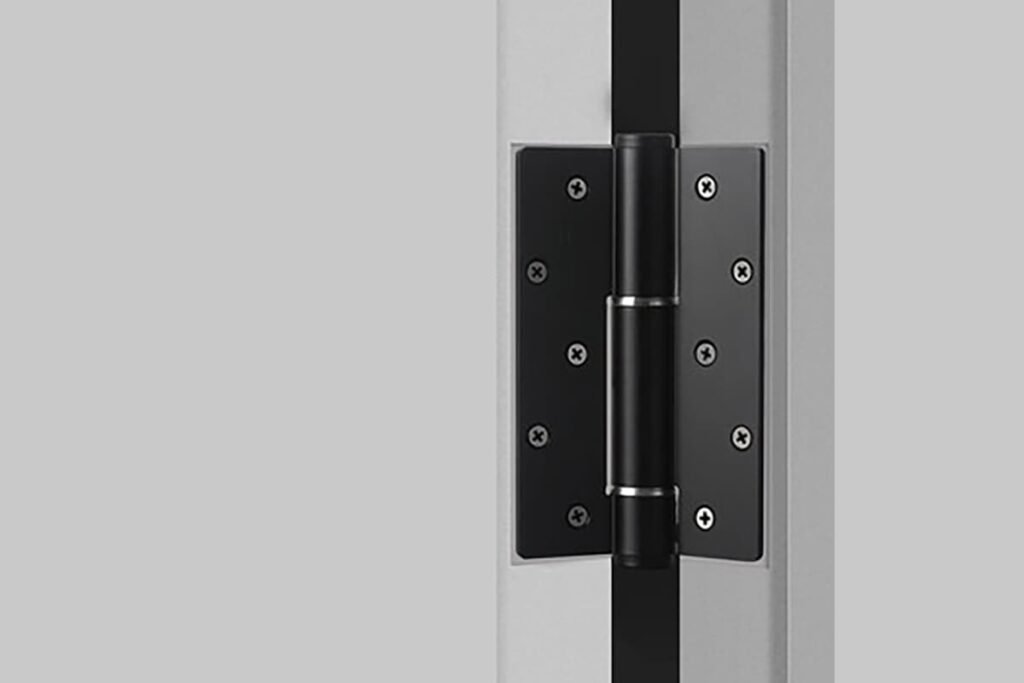
What Is Butt Hinge and When to Use or Not to Use It?
A butt hinge looks simple, but the wrong hinge choice can create door sagging, poor alignment, finish complaints, or project compliance risk. I see this often from the factory side. The better solution is not only to know the definition, but to match the hinge structure to the door type, load, appearance, and certification requirements.
A butt hinge is a two-leaf door hinge that connects the door leaf to the frame with a visible barrel or knuckle axis.1 It is widely used because it is strong, simple, easy to install, and cost-effective.2 However, it is not ideal for hidden, flush, minimalist, or premium door systems where concealed appearance and adjustability matter3.
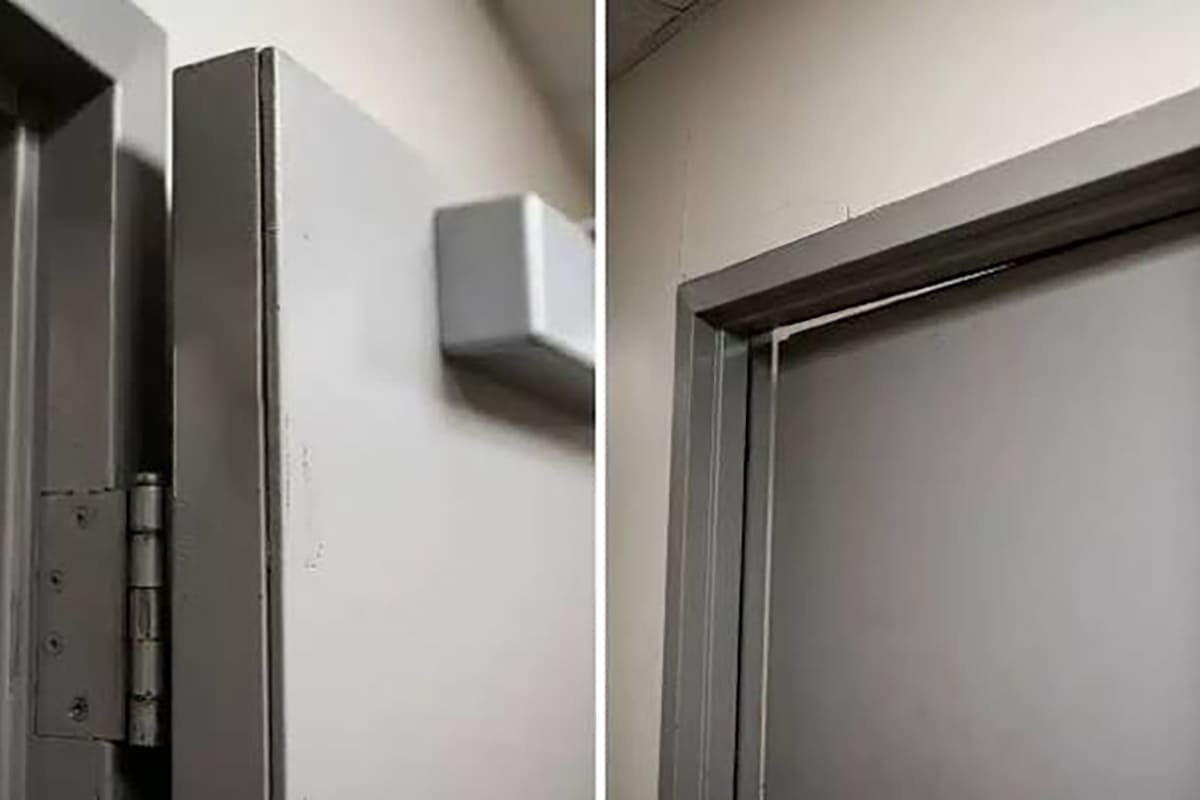
In my experience manufacturing and checking door hardware for bulk buyers, the real question is not “what is a hinge?” The real question is whether this exposed and usually non-adjustable hinge type fits your product positioning, door weight, installation method, market standard, and project risk.
What Is a Butt Hinge in Door Hardware?
A butt hinge is easy to underestimate because it is so common. The problem is that many buyers treat all hinges as the same part. That can lead to wrong thickness, weak load support, inconsistent finish, or unsuitable installation for a door project.
A butt hinge is a simple hinge made from two metal leaves joined by a central pin and barrel. One leaf is fixed to the door, and the other leaf is fixed to the frame. When installed correctly, it allows the door to swing open and closed around a visible hinge axis.
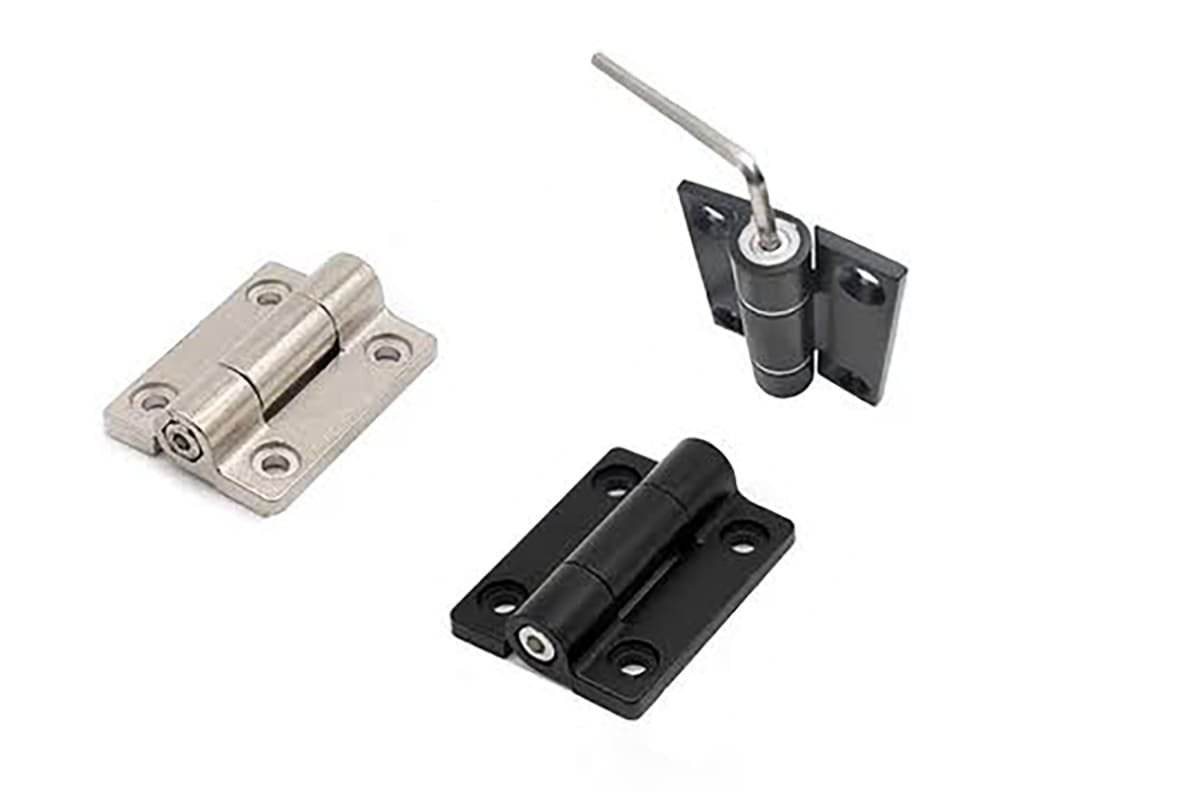
Dive Deeper: How a Butt Hinge Works
From a factory-side view, a butt hinge is one of the most mature and standardized products in architectural door hardware. Its structure usually includes:4
- Two leaves: One for the door leaf and one for the frame.
- Knuckles or barrel sections: Rolled or formed parts that create the hinge axis.
- A pin: The central rod that connects the two leaves.
- Screw holes: Countersunk or flat holes depending on screw type.
- Bearings or washers: Used in higher-performance models to reduce friction.5
- Surface finish: Stainless steel brushed, polished, PVD, powder coating, electroplating, or other finishes.
A common butt hinge may look basic, but small production details make a big difference in batch performance. For example, if the barrel forming is not consistent, the hinge may feel tight or loose. If the pin tolerance is poor, the door may make noise after repeated use. If the leaf thickness varies across a batch, installers may see uneven gaps after assembly.
I often explain it like this to buyers: the hinge is a small part, but it controls the movement of a large door panel. A small defect can become very visible after installation.
Common Butt Hinge Materials
| Material | Typical Use | Buyer Evaluation Point |
|---|---|---|
| Stainless steel | Interior doors, entrance doors, humid markets | Corrosion resistance, finish consistency6 |
| Steel | Cost-sensitive interior doors | Coating quality, rust prevention |
| Brass | Decorative or premium traditional doors | Appearance, cost, strength suitability |
| Zinc alloy | Light-duty applications | Load limitation, durability check |
For door manufacturers, the main benefit is that the butt hinge is easy to integrate into standard production. The mortise cut is familiar. The installation process is simple. Workers usually need less training compared with more complex hinge systems.
Still, buyers should not evaluate only by unit price. I suggest checking:
- Leaf thickness
- Open width and height
- Pin diameter
- Bearing structure
- Screw hole accuracy
- Surface finish uniformity
- Salt spray or corrosion test data when needed
- CE or fire-rated documents when required by the project
A butt hinge is practical hardware. It is not only a commodity item. For B2B purchasing, it should be treated as a performance component.
Why Is a Butt Hinge So Widely Used?
Many door factories face the same pressure. They need stable quality, easy assembly, predictable delivery, and controlled cost. If the hinge is too complex, production slows down. If the hinge is too cheap, after-sales problems increase. This is why the butt hinge remains so common.
A butt hinge is widely used because it balances strength, simplicity, availability, installation efficiency, and price. It suits many standard interior doors, entrance doors, commercial doors, and project doors when the correct size, material, thickness, grade, and certification documents are selected and verified.
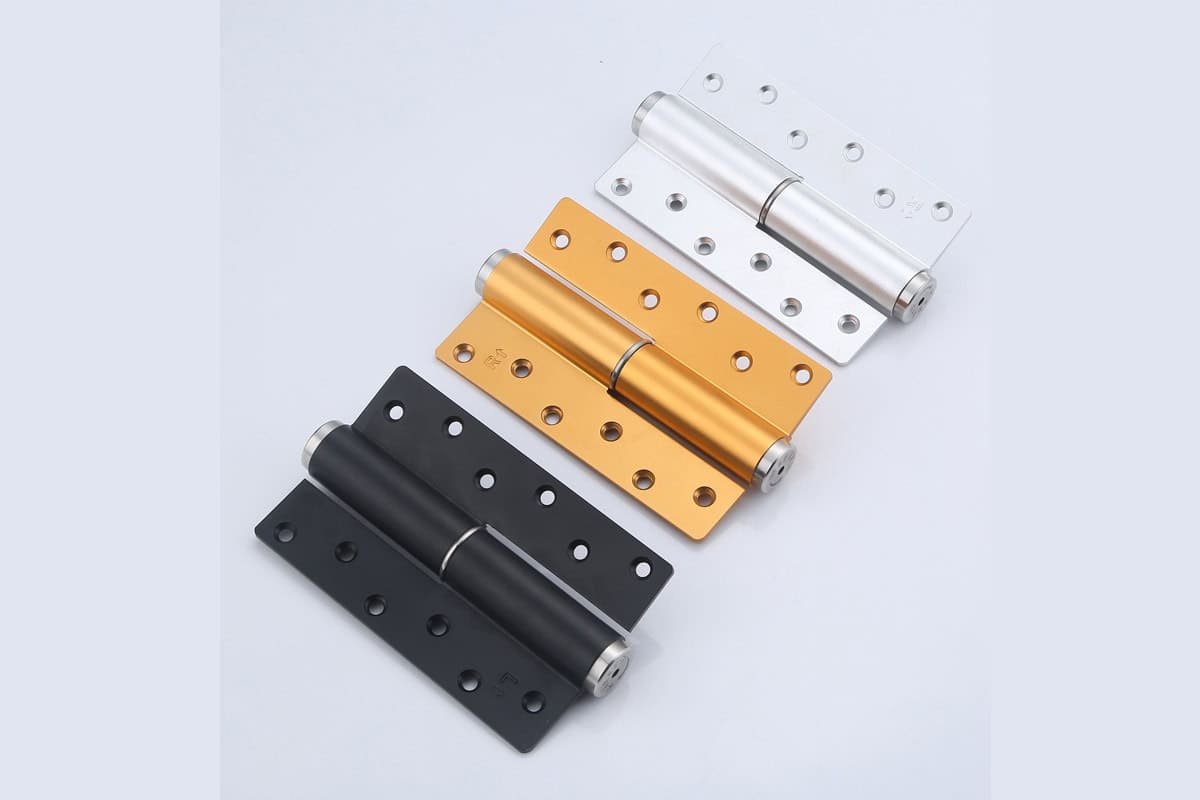
Dive Deeper: The Practical Advantages Buyers Care About
In factory production, I see four reasons why the butt hinge remains a default choice for many door manufacturers and hardware wholesalers.
1. The Structure Is Simple and Stable
A simple structure usually means fewer failure points. A butt hinge does not rely on a complicated internal adjustment system. It works through a direct mechanical axis. For many standard doors, that is enough.
This simplicity helps buyers in several ways:
- Lower production risk
- Easier quality inspection
- Faster installation
- Lower repair complexity
- More predictable cost
When I inspect a hinge sample, I can quickly check barrel alignment, opening smoothness, leaf flatness, screw hole position, and finish quality. These checks are straightforward compared with concealed hinge systems, which may require deeper installation and multi-directional adjustment evaluation.
2. The Cost-Performance Ratio Is Strong
The butt hinge is mature in production. Tooling, stamping, cutting, polishing, pin assembly, and packing processes are well developed. For bulk orders, this maturity helps factories control cost without losing basic performance.
For a door manufacturer producing mid-range interior doors, this can matter more than a hidden appearance. A concealed hinge may create a better visual result, but it also increases hardware cost, machining requirements, and installation time. If the target market does not require that look, the extra cost may not convert into sales value.
3. Installation Is Familiar
Most installers know how to install a butt hinge. The door and frame are usually mortised so the hinge leaves sit flush with the surface.7 This creates a stable connection and helps maintain the door gap.
A typical installation process includes:
- Mark hinge position on the door and frame.
- Cut the mortise pocket.
- Fix one hinge leaf to the door.
- Fix the other hinge leaf to the frame.
- Check door gap and swing movement.
- Adjust by repositioning or packing if necessary.
The process is simple, but accuracy still matters. If the mortise depth is wrong, the door may bind. If screw holes are misaligned, the hinge may twist. If the frame is not square, even a good hinge cannot solve the whole problem.
4. Supply Is Mature and Flexible
For B2B buyers, supply stability can be as important as the hinge itself. A common butt hinge can usually be produced in many sizes, materials, and finishes. At SDH Hardware, for example, our factory-side work includes standardized and customized door hardware production for door manufacturers, hardware brands, and wholesalers. Buyers still need to verify samples, specifications, and documents for each project.
Common customization points include:
| Custom Item | Why It Matters |
|---|---|
| Size | Matches door height, weight, and frame design |
| Thickness | Affects strength and durability |
| Finish | Supports market appearance requirements |
| Bearing type | Improves smoothness for higher-use doors |
| Screw hole pattern | Matches customer installation system |
| Logo or packaging | Supports brand and wholesale channels |
The main point is clear. A butt hinge is widely used because it solves many practical problems at a reasonable cost.
When Should You Use a Butt Hinge?
The wrong hinge can make a good door feel cheap or unreliable. I have seen buyers select based only on price, then face complaints about sagging, noise, rust, or visual mismatch. A butt hinge works best when its exposed structure and fixed installation match the door’s real purpose.
You should use a butt hinge when the door needs a cost-effective, strong, easy-to-install, and familiar hinge solution, and when a visible hinge barrel is acceptable. It is suitable for many standard interior doors, entrance doors, commercial doors, and project doors if load, usage frequency, material, finish, and compliance requirements are properly checked.
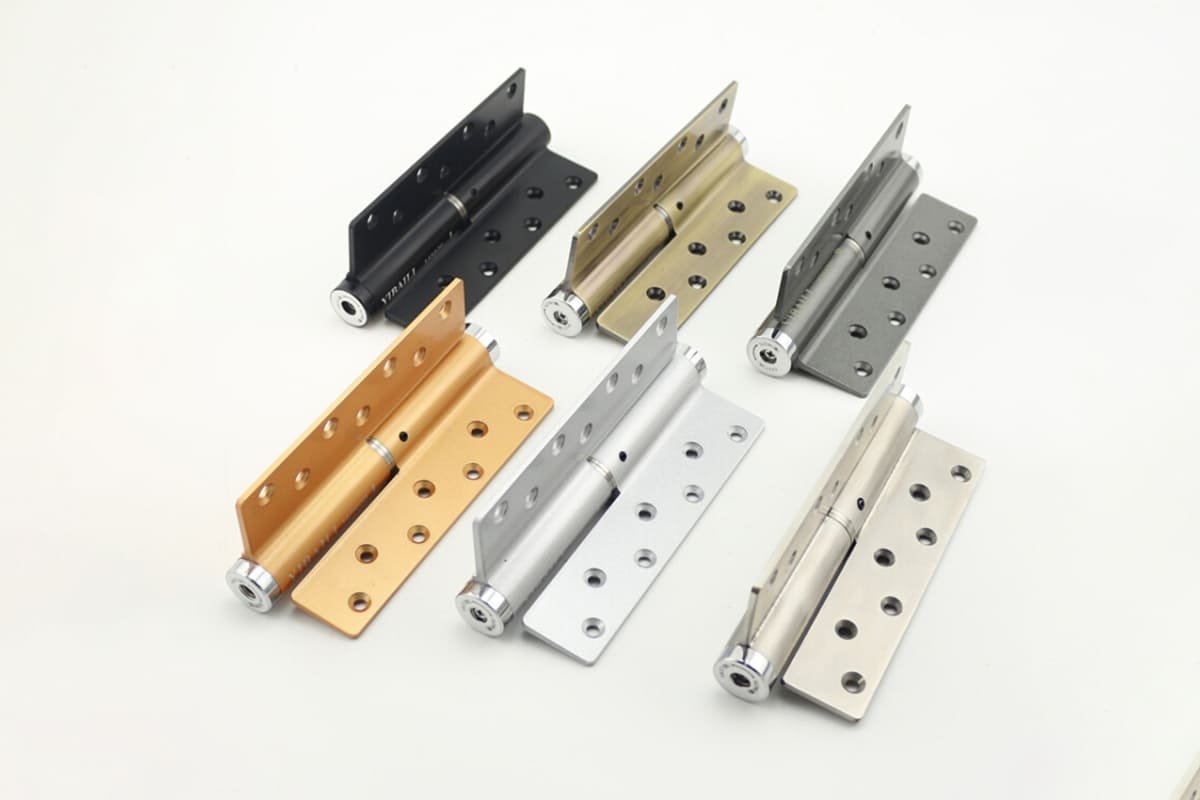
Dive Deeper: Best-Fit Applications for Butt Hinges
A butt hinge is a good choice when performance and practicality are more important than a fully hidden appearance. It does not mean the hinge is only for low-end doors. It means the door system accepts an exposed hinge axis as part of the design.
Good Application Scenarios
| Door Type | Butt Hinge Suitability | Main Evaluation Point |
|---|---|---|
| Standard interior wooden doors | High | Cost, finish, installation efficiency |
| Apartment entrance doors | Medium to high | Load, security design, corrosion resistance |
| Commercial project doors | Medium to high | Usage frequency, documentation, finish consistency |
| Fire-related doors | Conditional | Verified test reports and certificates |
| Escape route doors | Conditional | Local code, CE/fire documents, full hardware system |
| Premium hidden doors | Low | Concealed appearance usually required |
1. Standard Interior Doors
For many interior doors, the butt hinge is still the most practical choice. Door weight is usually moderate. Usage frequency is normal. The visible barrel is accepted by most markets. The cost is controlled.
For door factories, this helps create a stable product line. The hinge pocket can be machined repeatedly. Workers can assemble quickly. Buyers can source matching locks, handles, and cylinders in a complete hardware package.
2. Entrance Doors
A butt hinge can be used for entrance doors, but the selection standard should be higher. Buyers should check:
- Door weight
- Door thickness
- Number of hinges per door
- Hinge leaf thickness
- Pin diameter
- Bearing or washer design
- Screw strength
- Security requirement
- Corrosion resistance
- Test data from the supplier
For heavier doors, many buyers use three hinges instead of two. Some projects may require ball bearing hinges or security pin designs. However, the correct choice depends on the door construction and project standard. I avoid making general load promises unless the buyer provides the door data and the hinge has supporting test results.
3. Commercial and Project Doors
Commercial doors often face higher opening cycles than residential doors.8 A simple hinge may still work, but buyers should ask for more technical evidence.
Useful documents may include:
- Product drawings
- Material declaration
- Finish specification
- Cycle test report if available
- CE certificate if required
- Fire-rated certificate if required
- Factory inspection procedure
- Packing and batch traceability information
For project procurement, I always recommend verifying certificates against the exact model, size, material, and application. A certificate for one hinge design should not be assumed to cover every similar-looking hinge.9
4. Fire-Rated or Escape-Related Doors
A butt hinge may appear in fire-rated or escape-related door assemblies, but this is never a casual selection. Buyers should confirm the hinge grade, door assembly test, regional regulation, and certificate validity. The hinge is only one part of the door set. Locks, closers, seals, frames, and installation also affect approval.10
This is where professional evaluation matters. A procurement team should not rely only on catalog wording. It should request complete and current documents, then confirm whether the product matches the project specification.
In short, use a butt hinge when you want a mature, strong, visible, and economical hinge solution. But use it with proper technical checking.
When Should You Not Use a Butt Hinge?
A butt hinge is common, but common does not mean universal. The problem appears when buyers use it on doors that require a hidden, flush, or premium appearance. The visible barrel can conflict with the design, and the lack of post-installation adjustability can increase fitting risk.
You should not use a butt hinge when the door system requires a concealed, minimalist, flush, or high-end integrated appearance, or when installers need multi-directional adjustment after installation. In those cases, concealed hinges are usually more suitable, provided the door and frame can support the required machining and load.
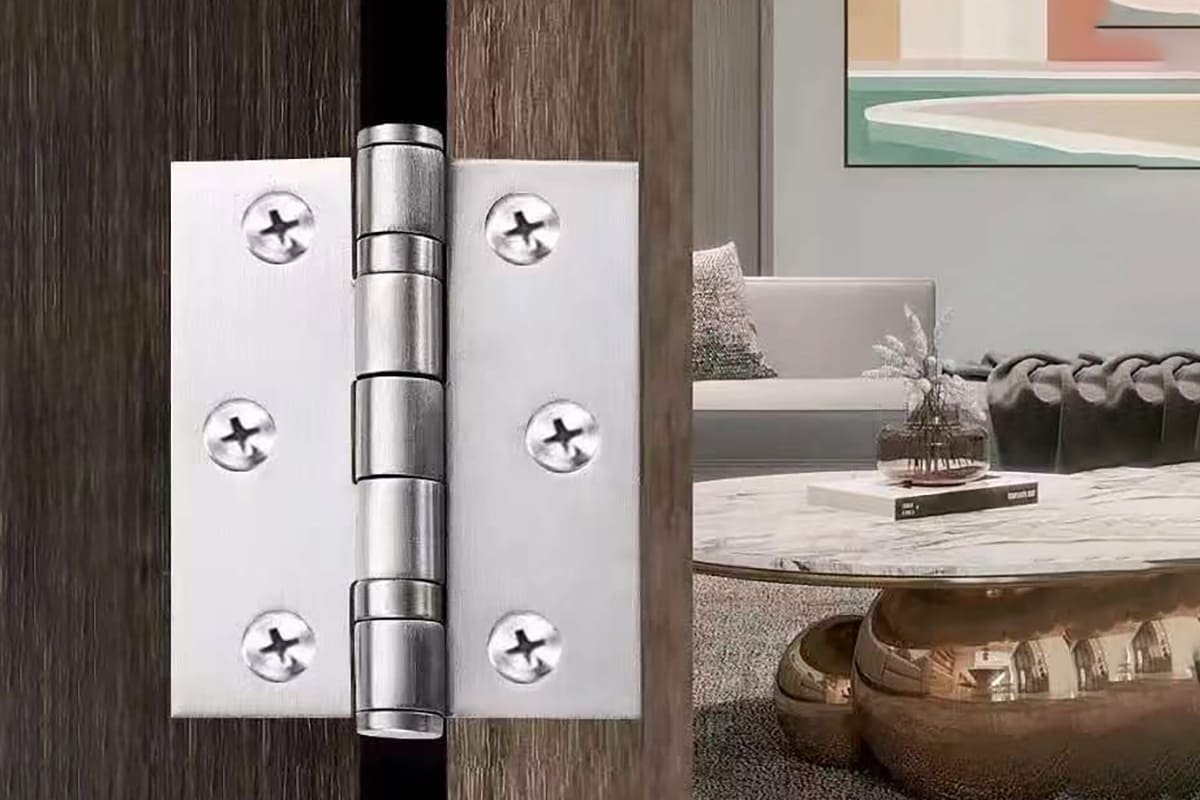
Dive Deeper: Why Butt Hinges Are Not Always the Right Choice
The biggest limitation of a butt hinge is visible before the door even moves. The barrel remains exposed after installation. For many standard doors, this is normal. For hidden doors and minimalist interiors, it is a problem.
1. The Barrel Is Visible
A standard butt hinge has a visible knuckle or barrel along the door edge. This gives the door a traditional appearance. It also makes the hinge easy to inspect and maintain. However, it does not match every design style.
A visible hinge may not suit:
- Hidden doors
- Flush-to-wall doors
- Luxury villa doors
- Premium hotel room doors
- Minimalist apartment systems
- High-end custom interior doors
- Wall panel integrated doors
In these projects, the buyer is often selling a visual concept, not only a working door. The hinge must disappear into the system. A concealed hinge is usually the better match.
2. Ordinary Butt Hinges Are Generally Not Adjustable
After installation, most ordinary butt hinges do not offer convenient 3D adjustment.11 If the door gap is wrong, the installer may need to adjust through shimming, screw repositioning, frame correction, or remortising.
This can be acceptable in standard door production where machining is controlled. It can be difficult in premium projects where the door gap must look perfect.
Concealed hinges often support adjustment in directions such as:
| Adjustment Type | Why It Helps |
|---|---|
| Height adjustment | Corrects vertical door alignment |
| Depth adjustment | Aligns door surface with frame or wall |
| Side adjustment | Controls reveal gap between door and frame |
This does not mean concealed hinges are always better. It means they solve a different problem. They are better when the project values hidden appearance, flush alignment, and adjustment convenience.
3. Thick or Heavy Doors Need Careful Engineering
Some buyers assume a bigger butt hinge automatically supports any heavy door. That is risky. Load capacity depends on the hinge size, material, thickness, pin structure, bearing design, screw fixing, door core, frame strength, and installation quality.12
For heavy doors, buyers should request:
- Door weight data
- Door height and width
- Number of hinges required
- Hinge technical drawing
- Test report or performance data
- Screw and fixing recommendation
- Application confirmation from a qualified professional
A hinge can fail because of the door, the frame, the screws, or the installation—not only because of the hinge itself.
4. Compliance Projects Require Document Control
If a project mentions CE, fire rating, escape route, or public building approval, the hinge selection becomes a documentation issue as much as a hardware issue.
Buyers should verify:
- Is the certificate valid?
- Does it match the exact product model?
- Does it cover the required size and material?
- Does it apply to the intended door assembly?
- Is the test standard accepted in the target market?
- Are the supplier’s production batches controlled?
I always remind buyers that compliance is not a slogan. It is a document trail connected to real products and real applications.
So, when should you not use a butt hinge? Do not use it when the door design cannot accept visible hardware, when adjustment is critical, or when project documents cannot support the intended application.
How Should Buyers Evaluate Butt Hinge Quality Before Bulk Orders?
Bulk hinge problems rarely appear in one sample only. The real risk is batch inconsistency. A sample may look fine, but the shipment may show finish variation, loose pins, uneven leaf thickness, or poor screw hole accuracy. This is why butt hinge evaluation must include both product testing and supplier review.
Buyers should evaluate butt hinge quality by checking material, thickness, dimensions, barrel alignment, pin fit, opening smoothness, finish consistency, corrosion resistance, packaging, production capacity, and relevant certificates. For project doors, buyers should also verify test reports and confirm whether the hinge is suitable for the exact door assembly.
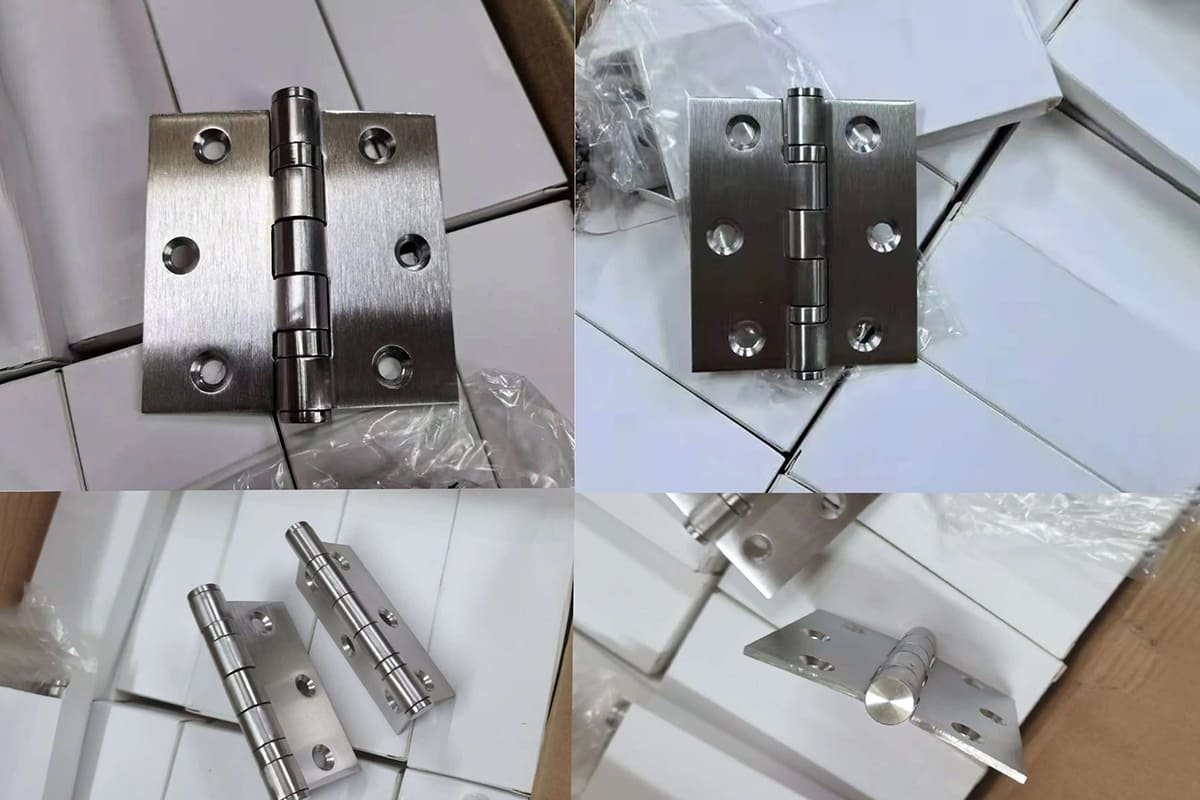
Dive Deeper: A Practical Procurement Checklist
When I review a butt hinge for manufacturing or export supply, I do not stop at the surface. A shiny hinge can still perform poorly. A simple inspection process helps buyers reduce risk before placing bulk orders.
1. Check the Technical Specification
The drawing should clearly show:
- Open width
- Height
- Leaf thickness
- Pin diameter
- Screw hole size
- Screw hole position
- Corner radius
- Bearing or washer design
- Material grade
- Finish code
If a supplier cannot provide a clear drawing, the buyer should be careful. For door factories, even a 1 mm difference can affect machining templates and assembly.
2. Inspect Movement and Fit
A good butt hinge should open smoothly without excessive looseness. The leaves should close evenly. The barrel should not be visibly twisted. The pin should fit firmly.
Basic sample checks include:
- Open and close the hinge by hand.
- Check for abnormal friction or noise.
- Place the leaves on a flat surface.
- Compare multiple samples from the same batch.
- Measure thickness and hole position with calipers.
- Confirm that screws sit correctly in the countersunk holes.
3. Evaluate Finish Consistency
Finish complaints are common in architectural hardware. Door manufacturers often sell complete sets, including hinges, locks, handles, and cylinders. If the hinge finish differs from the handle finish, the full door set may look inconsistent.
Common finish risks include:
| Finish Issue | Possible Cause | Procurement Risk |
|---|---|---|
| Color difference | Poor batch control | Customer complaint |
| Scratches | Weak polishing or packing | Rejection at assembly |
| Rust spots | Poor material or coating | After-sales claims |
| Uneven brushing | Inconsistent surface treatment | Brand image damage |
| Peeling coating | Weak adhesion | Long-term failure |
For bulk orders, buyers should approve a finish sample and keep it as a reference. They should also agree on inspection standards before production.
4. Review Supplier Capability
A supplier is not only a price source. A supplier controls material selection, process stability, inspection, packing, and delivery. At SDH Hardware, our business context includes independent factory operation, door hardware production lines, and full-process quality control from raw material screening to finished product inspection. Buyers should still verify each order requirement, sample, and certificate before final approval.
A strong supplier should provide:
- Stable production capacity
- Consistent material sourcing
- Standardized inspection records
- Customization support
- Clear communication
- Export packing experience
- On-time delivery management
- Valid documents when required
5. Confirm Compliance Before Project Use
For CE or fire-rated projects, buyers should never rely only on product appearance. They should request official documents and confirm the product scope. If the hinge is used in a fire-rated assembly, the full assembly requirements should be reviewed by qualified professionals or project authorities.
A butt hinge is simple, but procurement should not be careless. The right inspection process protects product quality, delivery stability, and long-term customer satisfaction.
Frequently Asked Questions
Is a butt hinge suitable for fire doors?
A butt hinge may be suitable for some fire-rated door assemblies, but only when the correct hinge model, grade, material, and certificate apply to that specific use. Buyers should verify test reports, fire-rated certificates, and local code requirements before project approval.
Is a butt hinge adjustable after installation?
Most ordinary butt hinges are not adjustable after installation. Installers usually correct alignment through mortise accuracy, shims, screw positioning, or frame adjustment. If the door needs convenient 3D adjustment, a concealed hinge may be a better option.
How many butt hinges should be used on one door?
Many standard doors use two or three hinges, depending on door height, weight, material, and usage frequency. Heavier or taller doors often need three or more hinges. Buyers should confirm the requirement through door specifications, hinge test data, and professional installation guidance.
What is the main disadvantage of a butt hinge?
The main disadvantage is that the hinge barrel remains visible after installation. Also, ordinary models usually have limited adjustability. This makes them less suitable for hidden doors, flush doors, minimalist interiors, and high-end door systems that require integrated appearance.
Is stainless steel better for butt hinges?
Stainless steel is often preferred for corrosion resistance, strength, and stable appearance, especially in humid markets or higher-quality door projects. However, the best material depends on door type, budget, finish requirement, usage environment, and required compliance documents.
Conclusion
A butt hinge is a mature, practical, and cost-effective door hinge, but it is not the right answer for every door. Buyers should use it when visible hardware, strong basic performance, easy installation, and controlled cost match the product goal. They should avoid it when hidden appearance, flush alignment, or post-installation adjustment is critical. If you are sourcing hinges for door manufacturing, wholesale, or project supply, contact SDH Hardware to review specifications, finishes, samples, and required certification documents before bulk ordering.
"Hinge", https://en.wikipedia.org/wiki/Hinge. A general hardware reference defines a butt hinge as a two-leaf hinge joined by a pin or knuckle assembly and commonly used to fasten a swinging door to its frame. Evidence role: definition; source type: encyclopedia. Supports: A neutral reference should define a butt hinge as a hinge with two leaves joined by a pin or knuckle/barrel structure for mounting a door to a frame.. ↩
"Buttocks", https://en.wikipedia.org/wiki/Buttocks. Institutional descriptions of architectural door hinges characterize butt hinges as a common, simple form of door hinge used for conventional swinging doors; this supports the article’s general explanation but does not independently quantify market prevalence or cost. Evidence role: general_support; source type: institution. Supports: A trade or standards-oriented source should describe butt hinges as common door hardware and note their simplicity, load-bearing function, and ease of installation.. Scope note: The support is contextual because most neutral sources describe common use and function rather than proving cost-effectiveness across all markets. ↩
"Tectus Hinges: The Most Comprehensive Concealed Hinge ...", https://www.tectushinges.com/. Architectural hardware references describe concealed hinges as hardware intended to hide the hinge mechanism and, in many designs, permit positional adjustment; this supports the comparison with butt hinges for flush or minimalist doors, although it does not establish a universal rule for all premium systems. Evidence role: general_support; source type: institution. Supports: A neutral architectural hardware source should explain that concealed hinges are designed to hide hardware and often provide multi-axis adjustment for flush or high-finish door systems.. Scope note: The support is contextual because suitability depends on the specific door construction, hinge model, and project requirements. ↩
"Anatomy of a Hinge", https://www.hingeoutlet.com/blogs/news/anatomy-of-a-hinge?srsltid=AfmBOorfjYc5gjz48zynMWJshuKlsHox41ik90A9-lijyaESzWUDn3c_. Technical descriptions of hinge anatomy identify leaves, knuckles or barrel sections, a central pin, and mounting holes as the principal elements of a conventional butt hinge. Evidence role: definition; source type: education. Supports: A university, educational, or technical reference should identify the common parts of a hinge, including leaves, knuckles/barrel, pin, and fastener holes.. ↩
"The Superiority of Ball Bearing Door Hinges: An In-Depth ...", https://www.finsburyhardware.com/blogs/tips/the-superiority-of-ball-bearing-door-hinges-an-in-depth-analysis?srsltid=AfmBOor9st9a3we1KfvhE4M9P1N-3i_o9M9cLgGNFt048AdjV6UXL84V. Technical guidance on ball-bearing door hinges explains that bearings reduce sliding friction at the hinge knuckle and improve swing operation under load or repeated use. Evidence role: mechanism; source type: institution. Supports: A standards or technical source should explain that ball-bearing or bearing hinges are used to reduce friction and improve operation under repeated use or higher loads.. ↩
"Corrosion Resistance", https://nvlpubs.nist.gov/nistpubs/Legacy/IR/nistir5360.pdf. Materials science sources attribute stainless steel’s corrosion resistance to a chromium-rich passive film on the surface, supporting its use for hardware exposed to humid or corrosive conditions. Evidence role: mechanism; source type: research. Supports: A materials science source should explain that stainless steels resist corrosion because chromium forms a passive oxide film.. Scope note: The source supports the material property generally, not the performance of any particular hinge batch, finish, or stainless steel grade. ↩
"How to Install No-Mortise Hinges",
. Installation references for butt hinges describe cutting matching mortises in the door edge and frame so the hinge leaves sit flush and the door can close with a consistent reveal. Evidence role: mechanism; source type: education. Supports: A technical or educational source should describe mortising a door and frame so butt hinge leaves fit flush.. ↩"ANSI Grade 1 vs. Grade 2 Door Hardware: Specs, Applications, and ...", https://www.pdqlocks.com/blog/a-guide-to-ansi-grade-1-vs.-grade-2-door-hardware?hs_amp=true. Door-hardware standards classify hinges by durability and cycle testing, reflecting the greater operational demands placed on hardware in high-traffic applications such as commercial buildings. Evidence role: general_support; source type: institution. Supports: A standards body or institutional source should show that door hardware is classified or tested by durability cycles, with higher grades used for heavier-traffic applications.. Scope note: The source supports the traffic and testing context but may not directly compare average residential and commercial door-use counts. ↩
"How to Select UL Fire Rated Hinges for Commercial Fire Doors", https://www.dndhardware.com/amp/how-to-select-ul-fire-rated-hinges-for-commercial-fire-doors.html. Regulatory guidance on construction-product certification treats certificates and test evidence as scope-specific documents tied to defined products, configurations, and intended uses; similar appearance alone is not evidence of coverage. Evidence role: general_support; source type: government. Supports: A regulatory or certification source should explain that test reports and certificates apply only within their stated scope, product configuration, and intended use.. ↩
"Important Tips for Specifying Fire Door Assemblies", https://steeldoor.org/tips-for-specifying-fire-door-assemblies/. Fire-door guidance describes rated doors as assemblies in which the leaf, frame, hinges, latches, closers, seals, and installation conditions contribute to the rated performance. Evidence role: general_support; source type: government. Supports: A fire-safety or building-code source should state that fire doors are evaluated as assemblies including door leaf, frame, hardware, seals, and installation.. ↩
"Fitting Guide - Butt Hinge Adjustments",
. Technical descriptions of adjustable concealed hinges identify height, depth, and lateral adjustment as designed features, whereas conventional butt hinges rely primarily on accurate mortising and fastening rather than built-in post-installation adjustment. Evidence role: mechanism; source type: institution. Supports: A technical source should explain that 3D adjustment is a feature associated with many concealed hinge systems, while conventional butt hinges generally require repositioning, shimming, or mortise correction.. Scope note: The source supports the general distinction; some specialty butt hinges may include limited adjustment features. ↩"How Much Weight Can Door Hinges Hold? - YAKO Hardware", https://www.yako-hw.com/news/140/. Door-hinge standards and technical guidance evaluate hinge performance through factors such as hinge dimensions, material construction, durability testing, door mass, fastening, and installation conditions. Evidence role: mechanism; source type: institution. Supports: A standards or technical source should show that hinge performance ratings consider hinge design, test door mass, durability, materials, and installation conditions.. ↩