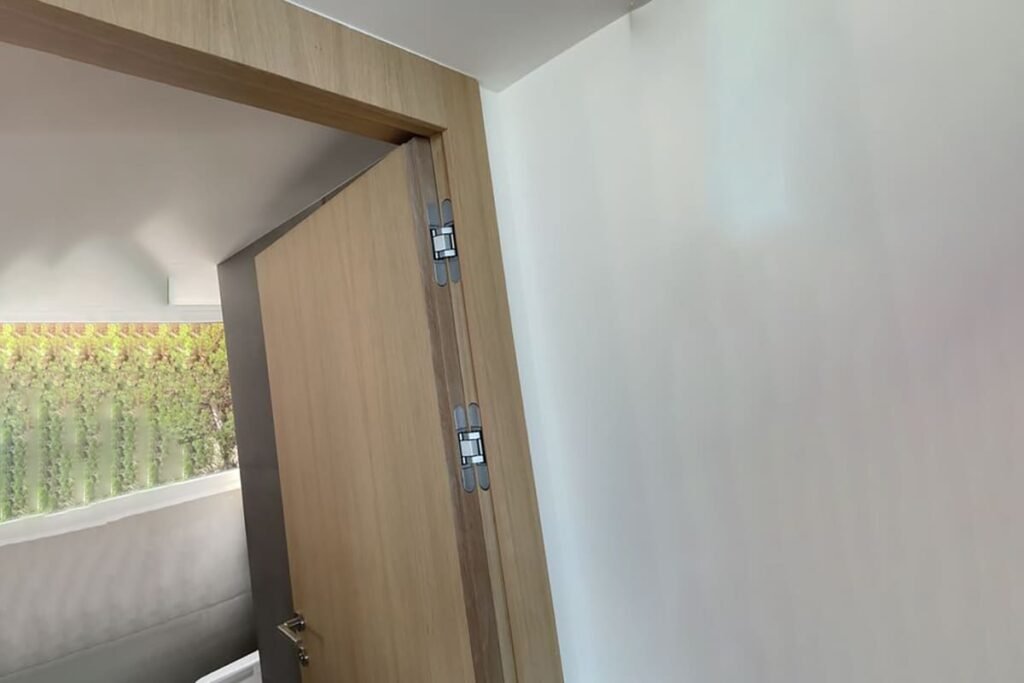
Exterior Door Hinges Security: What Should B2B Buyers Check?
Exterior door hinges security is often discussed only after a problem appears: a sagging entrance door, a loose gate, a rusted hinge, or a customer complaint about exposed pins. That creates cost, delay, and after-sales pressure. I prefer to solve it earlier by evaluating the hinge as part of the full door system.
Exterior door hinges security depends on hinge type, material, load capacity, anti-removal design, installation accuracy, and long-term maintenance. Exposed hinges are not automatically unsafe, and concealed hinges are not automatically high-security. B2B buyers should match hinge specifications to door weight, opening direction, risk level, frame strength, climate, and verified supplier documentation.
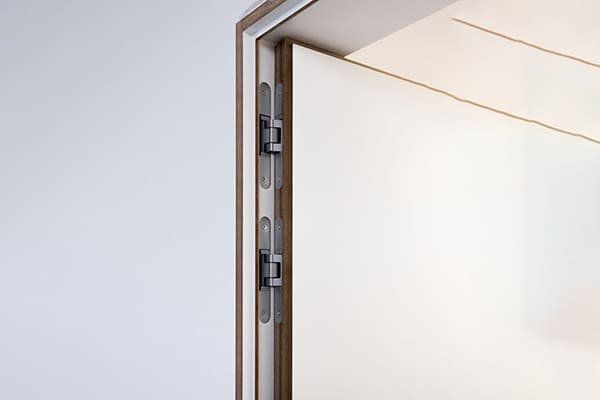
I have seen many buyers focus on only one detail, such as an exposed hinge pin. That detail matters, but it is not enough. A secure exterior door hinge must resist tampering, carry the door leaf safely, survive outdoor conditions, and remain stable after repeated use.
Why is exterior door hinges security not just about exposed hinges?
Many buyers worry when they see hinges on the outside of a door. That concern is understandable. However, the real risk is not visibility alone. The bigger problem is when the hinge design, door structure, screw fixing, and load capacity do not match the actual application.
Exterior door hinges security is a system issue, not a single-product label.1 Exposed hinges can be suitable when they include anti-removal features and proper fixing.2 Concealed hinges can reduce external access, but they still require correct load rating, frame strength, installation precision, and suitable door construction.3
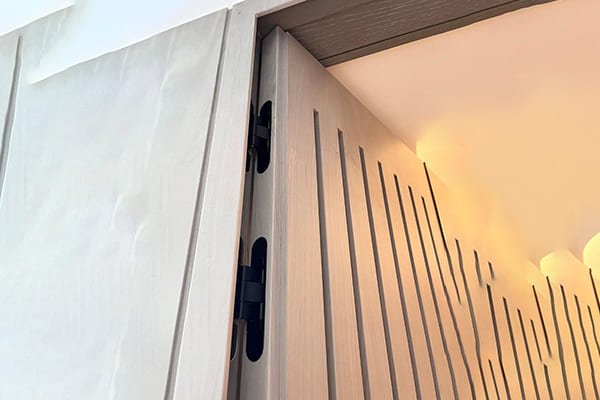
The common misconception I often hear
When I speak with door manufacturers and hardware importers, one question comes up again and again:
“If the hinge is exposed, is the door unsafe?”
My answer is usually: not necessarily.
An exposed hinge may create a visible tampering point, especially on outward-opening exterior doors. However, a well-designed exposed hinge can include:
- Non-removable pins
- Security studs
- Hidden fixing positions
- Welded or capped pin structures
- Thicker hinge leaves
- Proper screw depth into a strong frame
At the same time, a concealed hinge is not automatically “high-security.” It hides the hinge body inside the door and frame, which reduces outside access. But if the hinge is undersized, poorly installed, or used on a door that exceeds its load range, the door may still sag or lose alignment.
Two layers of exterior hinge safety
For entrance doors, courtyard gates, project doors, and commercial exterior doors, I separate hinge safety into two layers.
| Safety Layer | Main Concern | Typical Buyer Risk |
|---|---|---|
| Anti-tampering security | Reducing removal, pin access, or forced hinge manipulation | Overclaiming by suppliers or wrong hinge type |
| Structural safety | Supporting door weight and keeping alignment | Sagging, frame stress, lock misalignment, unstable door leaf |
Both layers matter. If a hinge resists tampering but cannot carry the door properly, it is still a poor selection. If a hinge carries weight well but allows easy pin removal on an outward-opening exterior door, the buyer may still face avoidable risk.
What I check first as a manufacturer
Before I recommend a hinge, I want to know:
Door opening direction
Is the door inward-opening or outward-opening?Door material
Is it steel, wood, aluminum, composite, or fire-rated construction?Door weight and size
What is the actual door leaf weight, height, width, and thickness?Usage frequency
Is it a residential entrance, public access door, hotel door, or heavy courtyard gate?Environmental exposure
Will the hinge face rain, coastal air, dust, high humidity, or temperature changes?Security expectation
Does the buyer need basic anti-removal design, project-level documentation, or verified test reports?
This approach keeps the discussion practical. I do not treat exterior door hinges security as a marketing phrase. I treat it as a specification process.
How should exterior door hinges security be evaluated for anti-tampering?
Anti-tampering is important because exterior hinges may face pin removal attempts, screw access, or forced movement. The issue becomes more serious on outward-opening doors. Buyers should evaluate hinge pin design, security studs, fixing method, frame engagement, and whether supplier claims are supported by verifiable documents.
Exterior door hinges security for anti-tampering should be evaluated by checking pin retention, anti-removal structure, screw concealment, hinge leaf thickness, and installation compatibility. Buyers should avoid vague claims like “burglar-proof” unless the supplier provides valid, application-relevant test reports or certifications that can be independently verified.
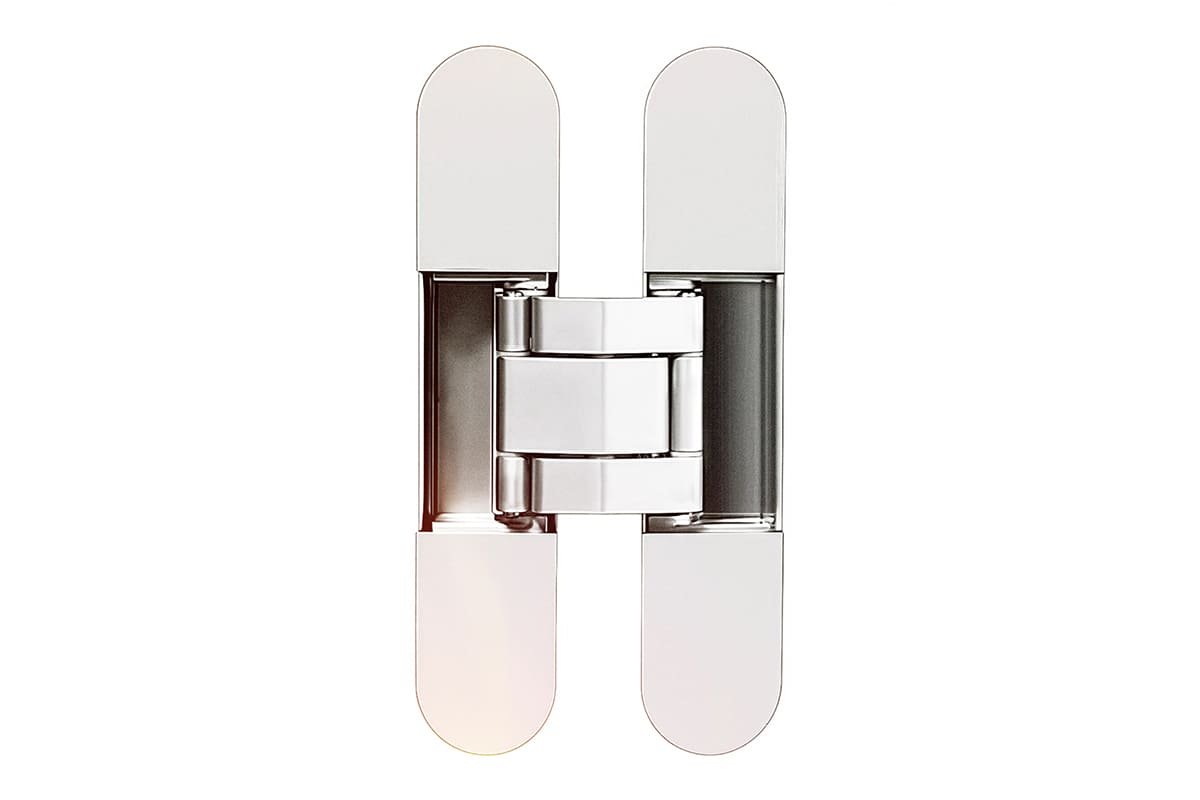
Key anti-tampering features to compare
I recommend buyers review anti-tampering features as a checklist, not as a single sales point. A hinge may include one feature but still be weak in another area.
| Feature | What It Does | Buyer Evaluation Point |
|---|---|---|
| Non-removable pin | Prevents simple pin extraction when door is closed | Check whether the pin is capped, welded, spun, or otherwise retained |
| Security stud / dog bolt | Engages hinge leaf to frame or door side when closed | Check stud size, position, and fit with the frame |
| Concealed screws | Reduces direct screw access | Confirm whether screws are hidden when the door is closed |
| Thicker hinge leaf | Improves resistance to deformation | Compare actual thickness, not only catalog images |
| Longer fixing screws | Improves holding strength | Match screw length to frame material and reinforcement |
| Suitable bearing/core design | Keeps hinge stable under use | Review pin diameter, washer, bearing, or bushing structure |
Why anti-removal pins are not the whole answer
Anti-removal pins are useful, especially for outward-opening exterior doors.4 However, I do not like when a supplier presents them as the only security feature. A pin can be retained, but the door can still become weak if:
- The hinge leaf is too thin.
- The screws bite into weak frame material.
- The door leaf is too heavy for the hinge size.
- The mortise is inaccurate.
- The hinge finish corrodes and affects movement.
- The frame reinforcement is not suitable.
In other words, anti-removal design reduces one category of risk. It does not guarantee intrusion prevention or long-term structural stability. That distinction is important for B2B buyers because procurement teams need defensible specifications, not exaggerated promises.
Exposed hinges versus concealed hinges
I usually explain the comparison this way:
| Hinge Type | Strengths | Limits | Typical Use Consideration |
|---|---|---|---|
| Butt hinge with security pin/stud | Cost-effective, familiar installation, visible inspection | Exposed body may need anti-removal features | Exterior entrance doors, metal or wooden doors |
| Ball bearing butt hinge | Smooth operation, better for heavier use | Still needs correct anti-tamper design | High-frequency project doors |
| Concealed hinge | Reduces external hinge access, clean appearance | Requires accurate machining and compatible door/frame design | Premium doors, concealed design systems |
| Heavy-duty gate hinge | Designed for large outdoor leaves | Needs corrosion-resistant material and strong fixing | Courtyard gates and exterior metal gates |
Concealed hinges can support a cleaner and less accessible design. Still, I always ask for load data, installation tolerance, and door compatibility. If the door manufacturer cannot machine the frame accurately, a concealed hinge may create assembly problems and after-sales complaints.
Documents buyers should request
For commercial projects or regional distribution, I suggest requesting documents before bulk order approval. Depending on the market and application, buyers may ask for:
- Product drawings with dimensions
- Material specification
- Surface finish description
- Load capacity guidance
- Installation instructions
- Salt spray or corrosion test documents, if available
- CE or fire-rated documents, if claimed and relevant
- Sample inspection report
- Packaging and batch labeling information
Any certification should be treated as a document to verify. I do not recommend accepting a logo on a catalog page as proof. A serious supplier should be able to provide traceable paperwork for claimed compliance.
How do material and corrosion resistance affect exterior door hinges security?
Outdoor hinges face water, humidity, temperature changes, dust, and frequent movement. A hinge that looks strong in a sample room may behave differently after months of exterior exposure. Corrosion can affect movement, screw holding, surface appearance, and customer confidence.5
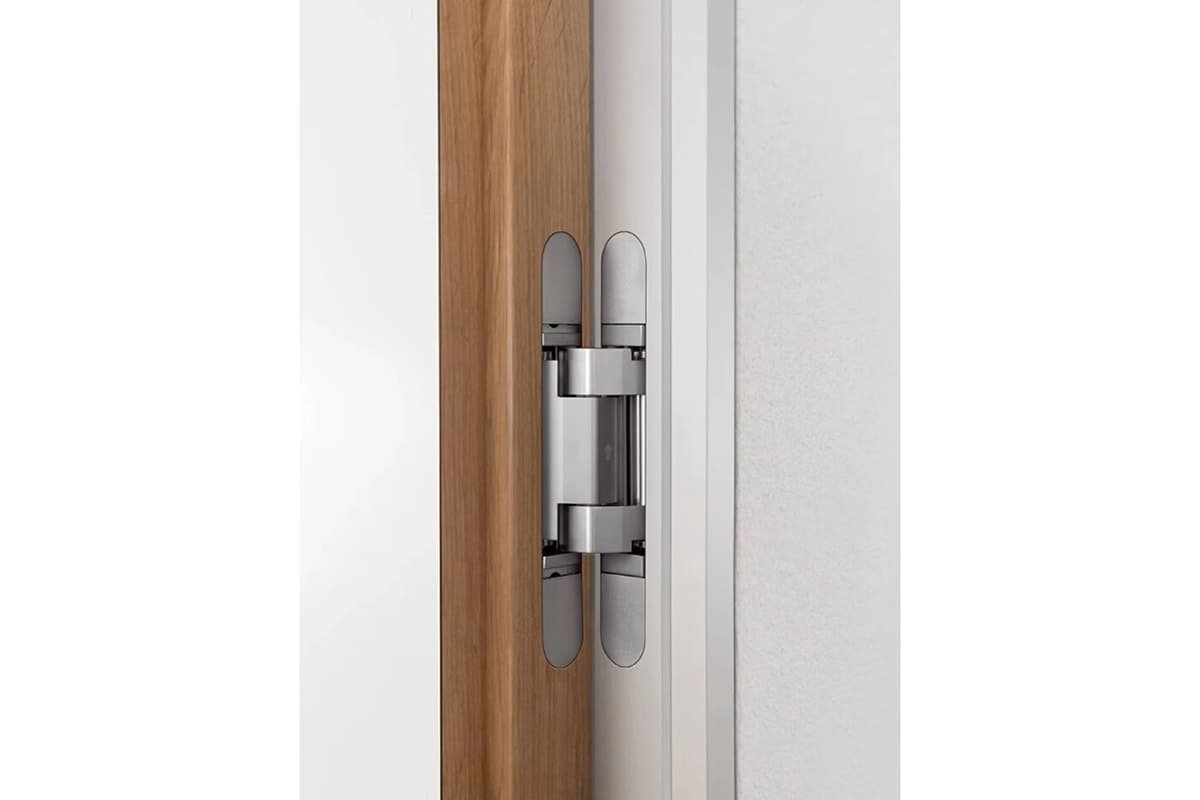
Material selection directly affects exterior door hinges security because corrosion and wear can reduce hinge stability over time. Stainless steel is often preferred for exterior use because it offers strong corrosion resistance.6 Zinc alloy, plated steel, or composite solutions may be suitable only when their application limits are clearly understood.
Why outdoor exposure changes the specification
Interior hinges usually face a stable environment. Exterior hinges do not. They may face:
- Rainwater and condensation
- Coastal salt air
- Dust and sand
- Large temperature swings
- UV exposure on nearby door surfaces
- Frequent opening and closing
- Cleaning chemicals or construction residue
These factors create long-term stress. A hinge may pass a basic visual inspection before shipment but still perform poorly if the material and finish are not suited to the environment.
Common material options for exterior door hinges
| Material / Construction | Advantages | Limits | Suitable Buyer Notes |
|---|---|---|---|
| Stainless steel | Strong corrosion resistance, durable appearance, good outdoor suitability | Higher cost than basic steel | Often preferred for exterior doors and humid regions |
| Plated carbon steel | Cost-effective, good strength when properly made | Finish damage can expose base metal to rust | Needs careful finish control and environment matching |
| Brass | Good corrosion behavior and premium market appeal | Softer than steel in some structures, higher cost | Often used in certain premium or traditional designs |
| Zinc alloy | Good for many decorative hardware parts | Usually not my first choice for heavy exterior load-bearing hinges | Use with caution and clear load/environment limits |
| Composite or polymer parts | Can reduce noise or friction in specific components | Not always suitable for main load-bearing hinge leaves | Evaluate by actual application and supplier data |
For many exterior doors, I often guide buyers toward stainless steel butt hinges or stainless steel heavy-duty hinges. However, I still avoid a blanket answer. The right material depends on door weight, region, project budget, and finish expectation.
Finish consistency also matters in B2B orders
B2B buyers do not buy one hinge. They buy hundreds, thousands, or repeat batches. For them, surface finish is not only decoration. It affects brand image, installation consistency, and complaint rate.
Important finish checks include:
Color consistency across batches
Buyers should compare samples from different production runs when possible.Surface smoothness
Scratches, stains, or polishing marks can affect customer acceptance.Edge treatment
Sharp or poorly finished edges can create handling and installation problems.Coating adhesion
For plated or coated hinges, adhesion matters because peeling can expose the base material.Packaging protection
A good finish can still be damaged by poor packaging during export shipment.
Corrosion can become a security issue
Many people treat rust as an appearance problem. I see it differently. Corrosion can become a functional and security-related issue because it may affect:
- Pin movement
- Bearing smoothness
- Screw area strength
- Hinge leaf flatness
- Door closing alignment
- Lock latch engagement
If a hinge becomes stiff, installers or users may force the door. That force can transfer stress to screws, the frame, and the lock area. Over time, the door may develop gaps or closing problems. For exterior door hinges security, long-term movement quality matters as much as initial strength.
My practical procurement advice
For exterior hinge sourcing, I suggest buyers define the environment clearly in the RFQ. Instead of asking only for “good quality hinge,” buyers should specify:
- Target market or region
- Indoor or outdoor use
- Humidity or coastal exposure
- Door type and material
- Finish requirement
- Expected order quantity
- Packaging requirement
- Any required test documents
This makes supplier comparison more objective. It also reduces misunderstandings between procurement teams and factories.
How should load capacity be specified for exterior door hinges security?
A hinge can look strong but still be undersized for the door. That problem may not appear during sample testing. It often appears after installation, repeated use, and weather exposure. Then the door sags, gaps change, and the lock no longer works smoothly.
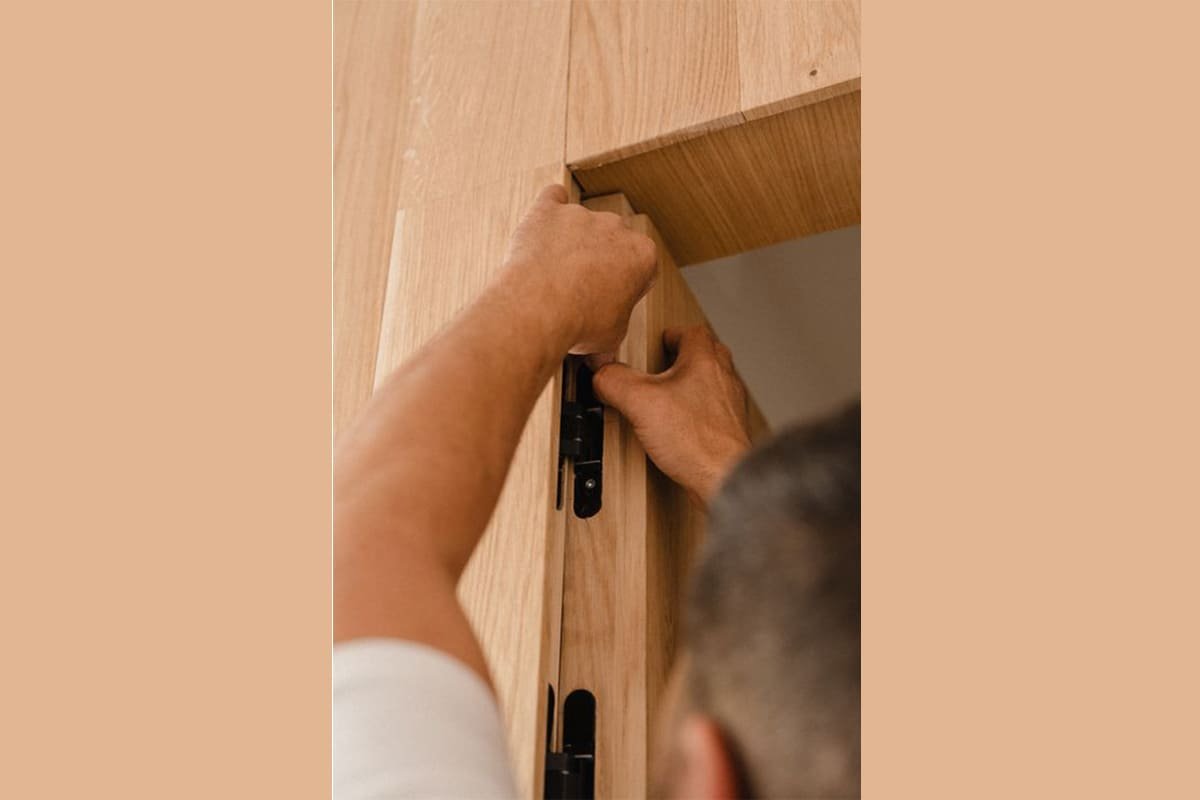
Load capacity is central to exterior door hinges security because the hinge must support the real door leaf over time. Buyers should match hinge size, thickness, pin diameter, bearing structure, screw fixing, and hinge quantity to actual door weight, door width, door material, and usage frequency.
Why door weight is not the only number
Door weight matters, but it is not the full calculation. A tall or wide door creates different leverage than a compact door of the same weight.7 A heavy courtyard gate also creates more stress than a standard entrance door because wind and outdoor movement add extra load.
When buyers ask me about hinge load, I usually ask for:
- Door height
- Door width
- Door thickness
- Door material
- Estimated door leaf weight
- Opening frequency
- Door closer use
- Wind exposure
- Frame material
- Number of hinges planned
A door closer can increase stress on hinges because it controls and pulls the door repeatedly.8 Wind can also create sudden force on exterior gates and entrance doors. These real-use details should influence hinge selection.
Typical hinge quantity considerations
Many standard doors use three hinges.9 Taller or heavier doors may require four or more. However, more hinges do not automatically solve the problem if the installation is poor. Hinges must be aligned correctly so the load is distributed properly.10
| Door Situation | Common Hinge Approach | Buyer Caution |
|---|---|---|
| Standard exterior door | Often 3 hinges | Confirm door weight and hinge rating |
| Taller entrance door | 3–4 hinges | Check alignment and frame strength |
| Heavy metal door | Heavy-duty hinges or bearing hinges | Verify screw fixing and reinforcement |
| Courtyard gate | Gate-specific heavy hinges | Consider wind load and corrosion |
| Fire-rated or certified door assembly | Project-specified hinge type | Verify required documents and compatibility |
I avoid giving one universal load number in general content because hinge capacity depends on design and test method. A responsible supplier should provide technical guidance for its own hinge model. Buyers should also ask qualified engineers or door-system professionals for application-specific decisions, especially for heavy project doors.
Signs that hinge load capacity is insufficient
Insufficient load margin may not cause immediate failure. It often appears slowly. Buyers and quality teams should watch for:
- Door leaf sagging
- Uneven top or side gaps
- Scraping at the threshold
- Latch or lock misalignment
- Screws loosening repeatedly
- Hinge leaf bending
- Noise during opening
- Door closer performance problems
These problems create after-sales cost. They can also damage the buyer’s brand reputation in the local market.
What I recommend for sample approval
For B2B procurement, I suggest a structured sample approval process before bulk orders.
Check dimensions
Measure hinge length, width, thickness, knuckle diameter, pin diameter, screw hole position, and countersink shape.Check material
Confirm material grade or specification through supplier documents when needed.Check movement
Open and close the hinge repeatedly by hand. The movement should feel smooth and stable.Check screw fit
Confirm screw head seating, countersink accuracy, and screw length suitability.Check finish
Compare color and surface quality under consistent lighting.Check installation with real door sample
Do not approve only from desk inspection. Fit the hinge to the actual door and frame if possible.Check packaging
Export hinges can be damaged by vibration, moisture, or poor carton strength.
This process takes time, but it protects both sides. The buyer gets fewer surprises. The manufacturer gets clearer acceptance standards.
What installation and maintenance details protect exterior door hinges security?
Even a well-made hinge can perform poorly if installation is inaccurate. Mortise depth, screw angle, frame strength, hinge alignment, and lubrication all affect long-term stability. Poor installation can turn a good hinge into an after-sales problem.
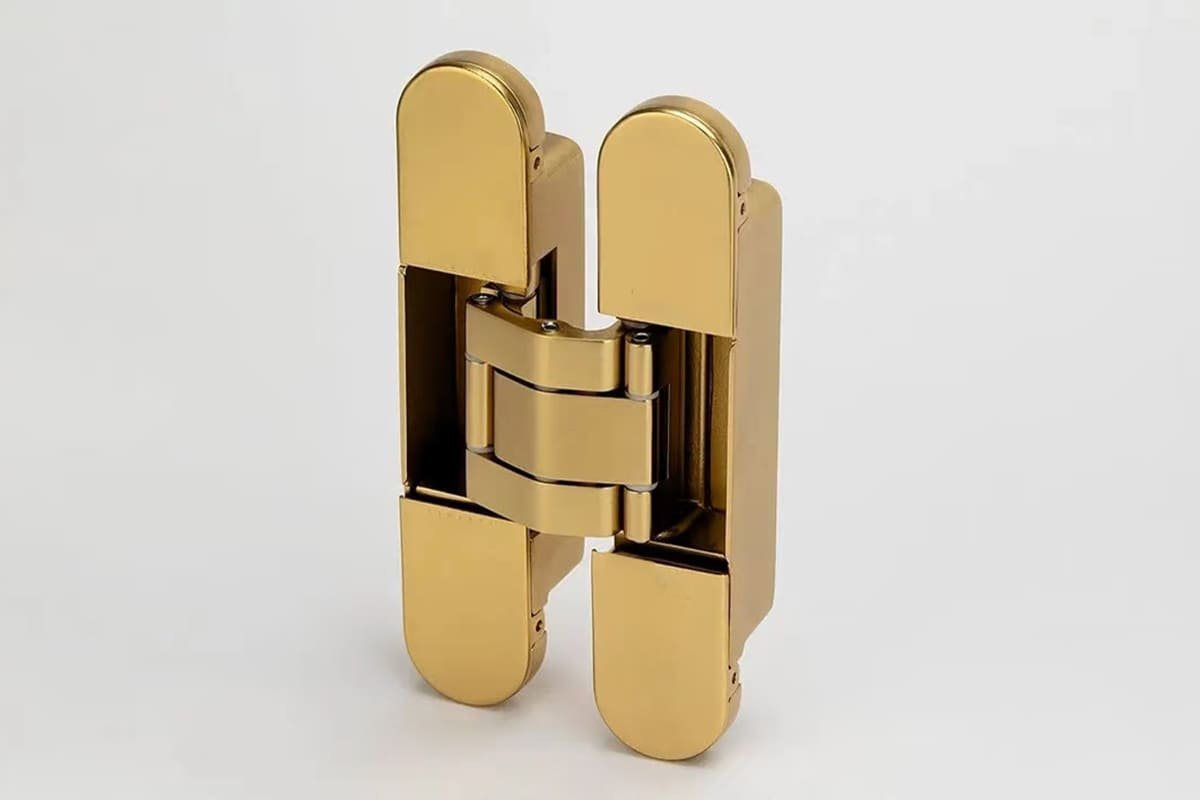
Installation and maintenance protect exterior door hinges security by keeping the hinge aligned, fixed, lubricated, and corrosion-resistant. Buyers should specify accurate mortising, correct screw length, stable frame reinforcement, periodic screw inspection, movement checks, rust prevention, and maintenance guidance for installers or downstream customers.
Installation accuracy affects door alignment
The hinge connects the door leaf to the frame. A small error at the hinge can create a large visible problem at the lock side. This is especially true on tall entrance doors and heavy exterior gates.
Common installation problems include:
- Mortise depth too shallow or too deep
- Hinge leaves not flush with the surface
- Screw holes not centered
- Screws driven at an angle
- Frame material too weak
- Hinges not aligned on the same axis
- Wrong hinge direction or wrong hand
- Inconsistent gap around the door leaf
When these problems appear, the hinge may take uneven force. One hinge may carry more load than the others. Over time, screws loosen and the door starts to sag.
Screw fixing is part of security
I pay close attention to screws because they are often underestimated. A strong hinge leaf cannot perform well if screws do not hold properly.
Buyers should check:
| Screw Detail | Why It Matters |
|---|---|
| Screw length | Longer screws can improve holding when they engage strong frame material11 |
| Screw diameter | The screw must match hinge hole design and load requirement |
| Countersink fit | Poor seating can prevent the hinge leaf from sitting flat |
| Material and coating | Outdoor screws should resist corrosion12 |
| Frame reinforcement | Thin or weak frame walls may need reinforcement plates or inserts |
For metal doors, screw engagement and reinforcement are especially important. For wooden doors, pilot holes and wood density matter. For aluminum systems, buyers should confirm whether backing plates or inserts are needed.
Maintenance is not a weakness
Some buyers want a hinge that requires no maintenance forever. I understand the desire, but exterior hardware always benefits from simple inspection. Maintenance does not mean the hinge is low quality. It means the door system is being protected.
A practical maintenance guide may include:
Inspect screws periodically
Loose screws should be tightened before they damage the frame.Check door gaps
Changing gaps can signal sagging or frame movement.Clean dust and debris
Outdoor dirt can affect movement and finish.Lubricate when appropriate
Use a lubricant suitable for the hinge material and environment.Check for rust or coating damage
Early treatment reduces long-term corrosion risk.Avoid forcing misaligned doors
Forcing the door transfers stress to hinges and locks.
For B2B buyers, I recommend including installation and maintenance notes in product packaging or technical documents. This helps distributors, installers, and door factories reduce avoidable complaints.
Supplier selection matters as much as product selection
A buyer can choose a good hinge model and still face problems if the supplier cannot maintain batch consistency. When I evaluate hinge suppliers, I look beyond the sample. I want to know whether the factory can repeat the same quality in bulk production.
Important supplier evaluation points include:
- In-house production capability
- Material control process
- Stamping, machining, polishing, and assembly consistency
- Finished product inspection procedure
- Surface finish control
- Customization ability
- Export packaging experience
- Delivery reliability
- Response speed for technical questions
- Availability of drawings and documents
Conclusion
Exterior door hinges security should be evaluated as a complete door-system decision. I always look at anti-tampering design, material durability, load capacity, hinge quantity, installation accuracy, maintenance needs, and supplier consistency together. Exposed hinges are not automatically unsafe, and concealed hinges are not automatically enough. If you source exterior hinges for doors, gates, brands, or projects, SDH Hardware can help you compare specifications, customize finishes, and prepare stable bulk supply for your market.
"087100 – DOOR HARDWARE - Facilities and Campus Services", https://fcs.cornell.edu/087100-door-hardware. Institutional door-hardware standards and guidance describe hinge performance in relation to door assemblies, including door weight, frame conditions, fasteners, and installation; this supports treating exterior hinge security as an assembly-level specification rather than a stand-alone product attribute. Evidence role: general_support; source type: institution. Supports: A door hinge’s performance depends on its interaction with the door leaf, frame, fasteners, and installation conditions.. Scope note: Such sources usually address hardware performance and installation rather than proving every security outcome for every exterior door. ↩
"Is this outward swinging door secure? The hinges are outside", https://www.reddit.com/r/fixit/comments/1ece26k/is_this_outward_swinging_door_secure_the_hinges/. Security-hardware guidance identifies non-removable hinge pins and hinge bolts or security studs as measures used to reduce hinge-side removal risk on outward-opening doors, supporting the view that exposed hinges can be acceptable when paired with appropriate anti-removal features and fixing. Evidence role: mechanism; source type: institution. Supports: Anti-removal pins, hinge bolts, or security studs reduce the risk of removing an outward-opening door by attacking exposed hinge pins.. Scope note: This supports the security mechanism but does not establish that any specific exposed hinge model is secure without product-specific testing. ↩
"Common Concealed Hinge Installation Mistakes and How DIY ...", https://www.tambee.com/blogs/news/common-concealed-hinge-installation-mistakes-and-how-diy-users-can-avoid-them. Architectural hardware references for concealed hinges commonly specify door weight, frame preparation, alignment, and installation requirements, supporting the claim that concealment alone does not determine hinge security or performance. Evidence role: general_support; source type: institution. Supports: Concealed hinges require correct door and frame preparation, compatible construction, and rated load capacity to perform reliably.. Scope note: The evidence is contextual because concealed-hinge requirements vary by hinge design and manufacturer rating. ↩
"Security Hinges - NRP and Sec Tab - HingeOutlet", https://www.hingeoutlet.com/collections/security-hinges-nrp-and-sec-tab/stainless-steel-hinges?srsltid=AfmBOop0aKlRrRY8klKmiNg5bFlsP9K-7h8UnG7MV-At-SR36OvjWxCk. Security-door guidance explains that outward-opening doors may expose hinge pins and that non-removable pins or hinge-side bolts are used to limit removal by pin extraction, supporting the article’s emphasis on anti-removal pins for this application. Evidence role: mechanism; source type: institution. Supports: When hinges are exposed on the exterior side of an outward-opening door, non-removable pins reduce the risk of door removal by hinge-pin extraction.. Scope note: The source would support the mechanism rather than prove resistance against all forced-entry methods. ↩
"Evaluation of Corrosion and Its Impact on the Mechanical ...", https://pmc.ncbi.nlm.nih.gov/articles/PMC11278749/. Corrosion-engineering research shows that corrosion can degrade metallic components by reducing section, damaging contact surfaces, and weakening fastened joints, supporting the claim that exterior hinge corrosion can affect movement and screw-holding performance. Evidence role: mechanism; source type: paper. Supports: Corrosion can reduce metal cross-section, damage surfaces, increase friction or wear, and weaken fastened joints.. Scope note: The evidence is general to metals and fastened joints, not necessarily direct testing of the exact hinge products discussed. ↩
"Stainless steel", https://en.wikipedia.org/wiki/Stainless_steel. Materials references describe stainless steel as corrosion-resistant because chromium promotes a passive oxide film on the surface, supporting its common use in outdoor hardware where moisture exposure is expected. Evidence role: mechanism; source type: encyclopedia. Supports: Stainless steel’s chromium content forms a passive oxide layer that improves corrosion resistance compared with ordinary carbon steel.. Scope note: The source supports the general material property; actual exterior performance still depends on grade, finish, exposure conditions, and maintenance. ↩
"Mechanics of Materials: Torsion - Boston University", https://www.bu.edu/moss/mechanics-of-materials-torsion/. Engineering mechanics sources define moment or torque as force multiplied by perpendicular distance from an axis, supporting the claim that a wider or differently proportioned door can impose different hinge loads even at the same weight. Evidence role: mechanism; source type: education. Supports: The moment on a hinge depends on the force from the door weight and the distance from the hinge axis, so door width and mass distribution influence hinge loading.. Scope note: This is a physics-based explanation and does not substitute for hinge-model-specific load tables. ↩
"1 SECTION 087100 - DOOR HARDWARE PART 1", https://www.fitchburgma.gov/DocumentCenter/View/10469. Architectural hardware guidance treats door closers as force-applying components in the door assembly and addresses their interaction with hinges, reinforcement, and repeated operation, supporting consideration of closers in hinge selection. Evidence role: mechanism; source type: institution. Supports: Door closers apply controlled opening and closing forces to the door assembly and can affect hinge and frame loading over repeated cycles.. Scope note: The source would support the general interaction; the magnitude of added stress depends on closer size, adjustment, door mass, and use conditions. ↩
"[PDF] 1 SECTION 087100 - DOOR HARDWARE PART 1 - Fitchburg, MA", https://www.fitchburgma.gov/DocumentCenter/View/10469. Government and institutional door-hardware specifications commonly list three hinges for standard swinging doors and additional hinges for taller or heavier doors, supporting the article’s statement as a general specification practice. Evidence role: general_support; source type: government. Supports: Building specifications commonly require or show three hinges for many standard-height swinging doors, with additional hinges for taller or heavier doors.. Scope note: The exact hinge count remains project-specific and depends on door height, weight, rating, and hardware schedule. ↩
"How to Adjust Great Northern Door Hinges", https://www.greatnortherndoor.com/resources/hinges/. Door-hardware installation guidance emphasizes hinge alignment and flush mounting to prevent binding and uneven loading, supporting the claim that hinge alignment affects load distribution and door stability. Evidence role: mechanism; source type: institution. Supports: Misaligned hinges can create uneven loading, binding, screw loosening, and door sagging.. Scope note: Such guidance is procedural and does not quantify load redistribution for every door size or hinge type. ↩
"Determination of screw withdrawal strength of heat-treated and ...", https://bioresources.cnr.ncsu.edu/resources/determination-of-screw-withdrawal-strength-of-heat-treated-and-reinforced-laminated-veneer-lumber/. Fastener research shows that screw withdrawal resistance is influenced by embedment length and substrate properties, supporting the article’s statement that longer screws improve holding only when they engage strong frame material. Evidence role: mechanism; source type: paper. Supports: Screw withdrawal and holding capacity depend on embedment length, screw geometry, and the strength of the material engaged.. Scope note: The finding is general to fastened joints; actual hinge performance also depends on screw diameter, pilot holes, frame construction, and loading direction. ↩
"The Grip-Rite® Guide to Exterior Screw Coatings", https://grip-rite.com/blog/exterior-screw-coatings-guide/. Building and construction guidance for exterior fasteners recommends corrosion-resistant materials or protective coatings in outdoor exposure, supporting the article’s requirement that hinge screws used outdoors resist corrosion. Evidence role: general_support; source type: government. Supports: Exterior fasteners should be selected for corrosion resistance according to exposure conditions and connected materials.. Scope note: The appropriate fastener material or coating depends on local exposure, connected metals, treated wood chemistry, and applicable codes. ↩