How Do I Know What Hinge Size I Need?
Hinge size becomes a costly question when a door starts sagging, rubbing, or failing project inspection. Many buyers first look at door height, but that is not enough. I usually help customers choose the right hinge size by checking door weight, door thickness, hinge type, tested capacity, and project requirements together1.
To know what hinge size you need, start with the door weight and door thickness, then match them with a tested hinge type that fits the door structure and frame. For butt hinges, heavier or thicker doors usually need larger hinges. For hidden hinges, you must confirm both load capacity and physical fitting depth.
 https://placehold.co/600x400
A hinge is a small component, but it carries a large responsibility. In bulk procurement, the wrong choice can create door sagging, fire-door mismatch, installation complaints, and after-sales costs2. I will explain the sizing logic I use when discussing specifications with door factories, hardware brands, and wholesalers.
https://placehold.co/600x400
A hinge is a small component, but it carries a large responsibility. In bulk procurement, the wrong choice can create door sagging, fire-door mismatch, installation complaints, and after-sales costs2. I will explain the sizing logic I use when discussing specifications with door factories, hardware brands, and wholesalers.
How Do I Know What Hinge Size I Need for a Butt Hinge?
Choosing the wrong butt hinge size can make a good door perform badly. I often see buyers compare only the hinge length, but the real risk is load mismatch. A hinge that looks correct on paper may still fail if the door is heavy, thick, or installed in a demanding project.
The best way to know what hinge size you need for a butt hinge is to confirm the door weight, door thickness, door material, frame structure, and required certification. In general, heavier and thicker doors need larger butt hinges3, but final selection should match tested product data and actual installation conditions.
Start With Door Weight, Not Door Height Alone
I always ask customers for the door weight first. Door height matters, but it does not tell the full story. A 2100 mm hollow-core interior door and a 2100 mm steel fire door may look similar in height, but they place very different loads on the hinge.
For butt hinges, these variables usually matter most:
- Door weight
- Door thickness
- Door material
- Frame material
- Number of hinges per door
- Opening frequency
- Fire-rated or non-fire-rated requirement
- Regional standard or project specification
A heavier door creates more force on each hinge4. A thicker door also changes the screw position, leaf width requirement, and frame compatibility. This is why I do not recommend choosing hinge size by door height alone.
Common Butt Hinge Selection Logic
The table below shows a practical way I discuss hinge size with buyers. It is not a universal standard. It is a procurement evaluation framework.
| Selection Factor | Why It Matters | Buyer Checkpoint |
|---|---|---|
| Door weight | Determines load requirement | Ask supplier for tested load capacity |
| Door thickness | Affects hinge leaf width and fitting | Match hinge size with door and frame profile |
| Door material | Steel, wood, composite, and fire doors behave differently | Confirm screw holding and reinforcement |
| Hinge grade | Indicates tested performance level | Verify certificate or test report |
| Quantity per door | Load is distributed across hinges | Confirm project drawing and door height |
| Surface finish | Affects appearance consistency in bulk orders | Request approved samples |
| Certification | Required for fire-rated or regulated projects | Check valid certificate scope |
For European-standard flat or butt hinges, we have supplied customers with 4-inch and 5-inch hinge options depending on the door specification. According to our own Grade EN13-tested product data, some of our 4-inch and 5-inch hinges can reach at least 120 kg load capacity. However, I treat this as a claim tied to our specific test report and certificate, not as a universal rule for every hinge on the market.
I always recommend that buyers verify the supplier’s test report, hinge grade, material thickness, screw configuration, and certificate scope before placing a bulk order.
Why Larger Is Not Always Better
Some buyers assume a larger hinge is always safer. I understand that logic, but it can create other problems. A hinge that is too large may not fit the door frame. It may also affect the door appearance, screw position, or project hardware schedule.
A correct butt hinge size should balance:
- Load capacity
- Door thickness compatibility
- Frame fitting
- Aesthetic requirement
- Certification requirement
- Cost control
- Installation efficiency
For B2B procurement, I usually recommend sample testing before mass production. A small pre-production check can prevent a large after-sales problem later.
Why Does Door Weight Matter Most When Choosing Hinge Size?
Door weight matters because the hinge must carry the door through thousands of opening and closing cycles. If the hinge size or tested capacity is too low, the door may sag, screws may loosen, and the frame may deform. I see this risk most often in heavy wooden doors, steel doors, and fire-rated doors.
Door weight is the main factor in hinge size selection because it directly affects load capacity, long-term alignment, and operating stability. A hinge must support the door’s static weight and repeated movement. Buyers should compare the actual door weight with verified hinge test data before confirming bulk orders.
Door Weight Creates Both Static and Dynamic Load
A door does not simply hang still. It opens, closes, stops, and sometimes receives impact from users or wind pressure.5 Because of that, a hinge experiences both static load and dynamic stress.
In procurement discussions, I usually separate the issue into two parts:
- Static load: The actual weight of the door when it is hanging.
- Dynamic load: The stress created during repeated use, opening angle, closing force, and impact.
A hinge that barely supports the door weight in theory may not be suitable in a busy commercial project. This is especially important for hotels, schools, hospitals, apartments, office buildings, and public facilities. These projects often have higher usage frequency than ordinary residential applications.6
Practical Door Weight Questions I Ask Buyers
Before I recommend a hinge size, I usually ask:
- What is the actual door weight in kilograms?
- What is the door thickness?
- What is the door height and width?
- Is the door made of wood, steel, aluminum, composite, or fire-rated core material?
- How many hinges will be installed per door?
- Is the door used for a fire-rated project?
- What certificate or standard does the project require?
- Is the opening frequency normal, medium, or heavy-duty?
These questions help me avoid guessing. They also help the buyer create a clearer specification sheet for internal approval.
Example: Same Height, Different Hinge Size Decision
| Door Type | Approx. Door Thickness | Weight Risk | Hinge Selection Focus |
|---|---|---|---|
| Light interior wooden door | 35–40 mm | Low to medium | Fit, finish, basic durability |
| Standard solid wooden door | 40–45 mm | Medium | Load capacity and screw holding |
| Fire-rated door | 45–50 mm | Medium to high | Fire certificate and tested performance |
| Heavy steel door | 50 mm+ | High | Load capacity, frame reinforcement, hinge grade |
| Commercial high-traffic door | Varies | High dynamic stress | Cycle testing and long-term stability |
This is why I always say that hinge size is a load-and-fit decision, not a height-only decision.
Check Tested Capacity, Not Only Product Appearance
Two hinges can look similar but perform very differently. Material grade, leaf thickness, bearing structure, pin design, screw hole position, and production tolerance all affect performance.7
When I evaluate hinge specifications, I look at:
- Material: Stainless steel, steel, brass, or other alloy
- Leaf thickness: Thicker material usually improves strength, but design still matters
- Bearing type: Plain bearing, washer, ball bearing, or other structure
- Pin strength: Important for long-term alignment
- Screw hole design: Affects holding power
- Surface finish: Important for batch consistency
- Test report: The most important document for load and cycle claims
For buyers, the safest approach is simple: ask for documented test data. A supplier should be able to explain what has been tested, under what standard, and for which specific model.
What Hinge Size Is Usually Suitable for Fire Doors?
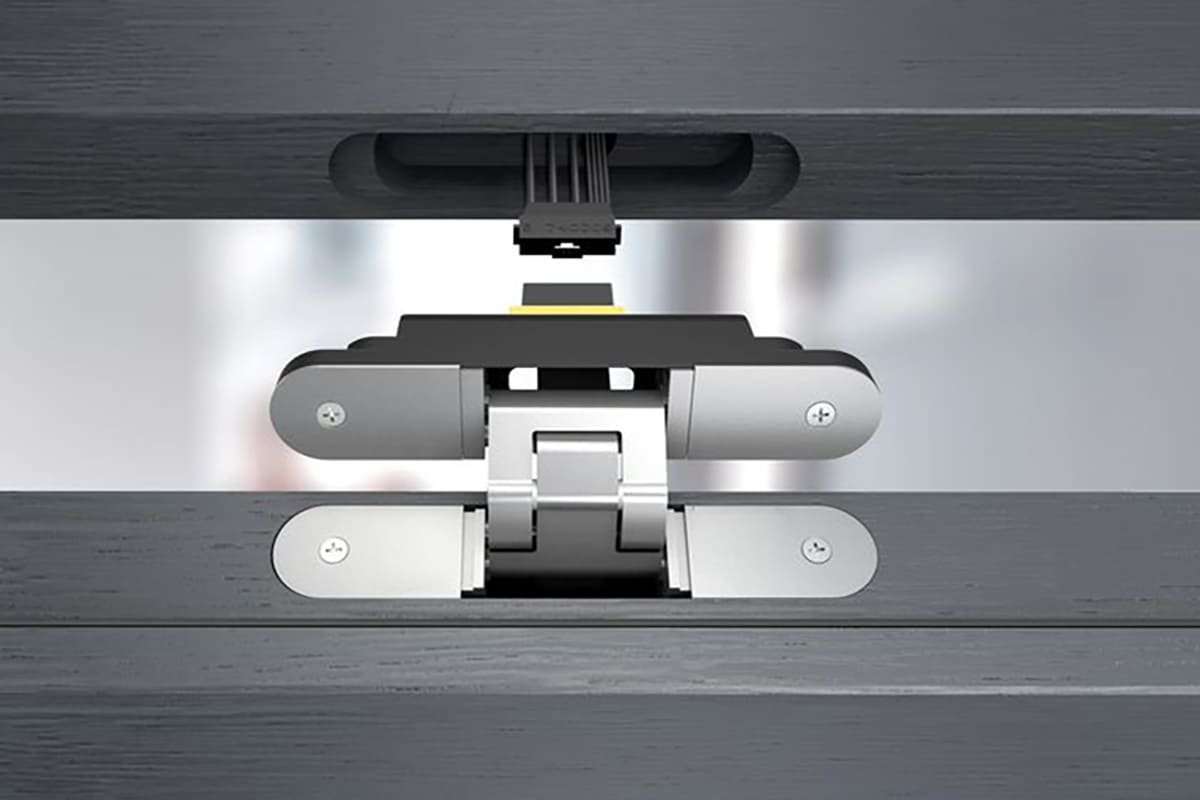
Fire doors create more risk because the hinge is not only a load-bearing part. It is also part of a tested door assembly. I often remind buyers that a fire-door hinge size must match door thickness, load demand, certificate scope, and local project requirements. A visual match is not enough.
For our typical project discussions, a 45 mm thick fire door usually fits a 4×3×3 butt hinge, while a 50 mm thick fire door is usually better matched with a 4×4×3 butt hinge. However, fire-rated project requirements and certificates must be verified case by case before final selection.
Practical Fire-Door Sizing Logic
In many customer discussions, I use door thickness as one of the first filters for fire-door hinge selection. This is not the only factor, but it is a useful starting point.
| Fire Door Thickness | Common Practical Hinge Size | Typical Reason |
|---|---|---|
| 45 mm | 4×3×3 | Usually fits the door thickness and common frame arrangement |
| 50 mm | 4×4×3 | Usually gives better leaf width compatibility for thicker doors |
Here, 4×3×3 and 4×4×3 usually refer to hinge dimensions such as length, open width, and thickness, depending on the supplier’s notation. Buyers should always confirm the measurement format because different markets may describe hinge size differently.
Certification Must Control the Final Decision
A fire door is normally tested as a system.8 The hinge may need to match a specific fire rating, door type, installation method, and test standard.9 That is why I avoid saying that one hinge size is a global fire-door standard.
For fire-rated projects, buyers should verify:
- The fire-rated certificate
- The test standard
- The certificate validity
- The hinge model number
- The door type covered
- The fire rating duration
- The installation method
- The allowed door weight and dimensions
- The compatible accessories
At SDH Hardware, we supply door hardware products with CE and fire-rated certification options. Still, I always advise customers to check whether the certificate matches the project’s exact requirement. A certificate is not just a sales document. It is a technical document that should be reviewed before procurement approval.
Why Fire-Door Hinges Need More Care
Fire doors are often used in commercial buildings, hotels, apartments, schools, hospitals, and public projects. These doors may be heavier than ordinary interior doors because of their core material, metal sheet, reinforcement, and fire-resistant structure.10
A poor hinge choice can create several problems:
- Door leaf sagging before acceptance
- Uneven gap around the door
- Failed closing performance
- Misalignment with lock and latch
- Certificate mismatch during inspection
- Higher after-sales maintenance cost
- Delayed project handover
I usually recommend that buyers request a full hardware schedule for fire-door projects. The hinge, mortise lock, door closer, lever handle, lock cylinder, and other components should be reviewed together. When these parts are sourced separately without coordination, compatibility problems become more likely.
Procurement Tip for Bulk Fire-Door Orders
Before placing a bulk order, I suggest buyers confirm:
- One approved sample door set
- Hinge model and finish
- Door thickness and frame drawing
- Certificate documents
- Screw and accessory configuration
- Packaging method
- Batch finish standard
- Inspection criteria
This process may take more time at the beginning, but it usually saves much more time during production and installation.
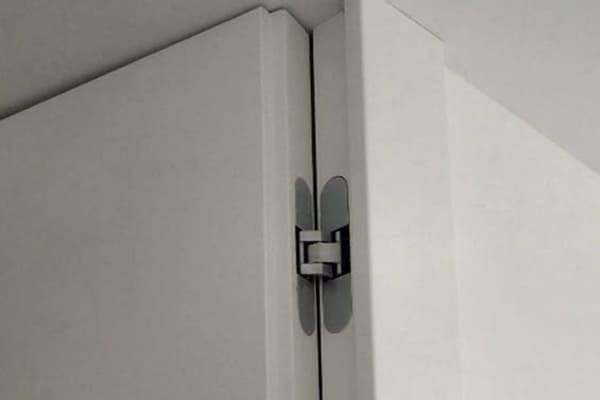
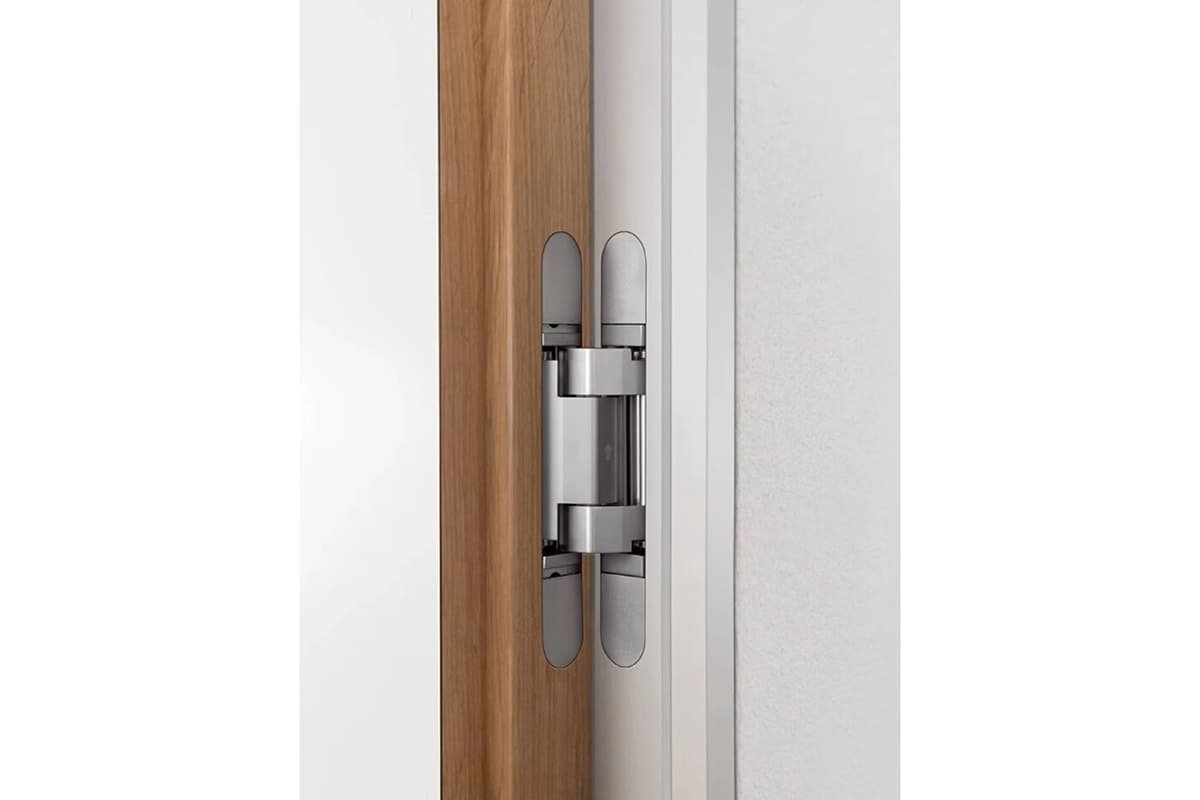
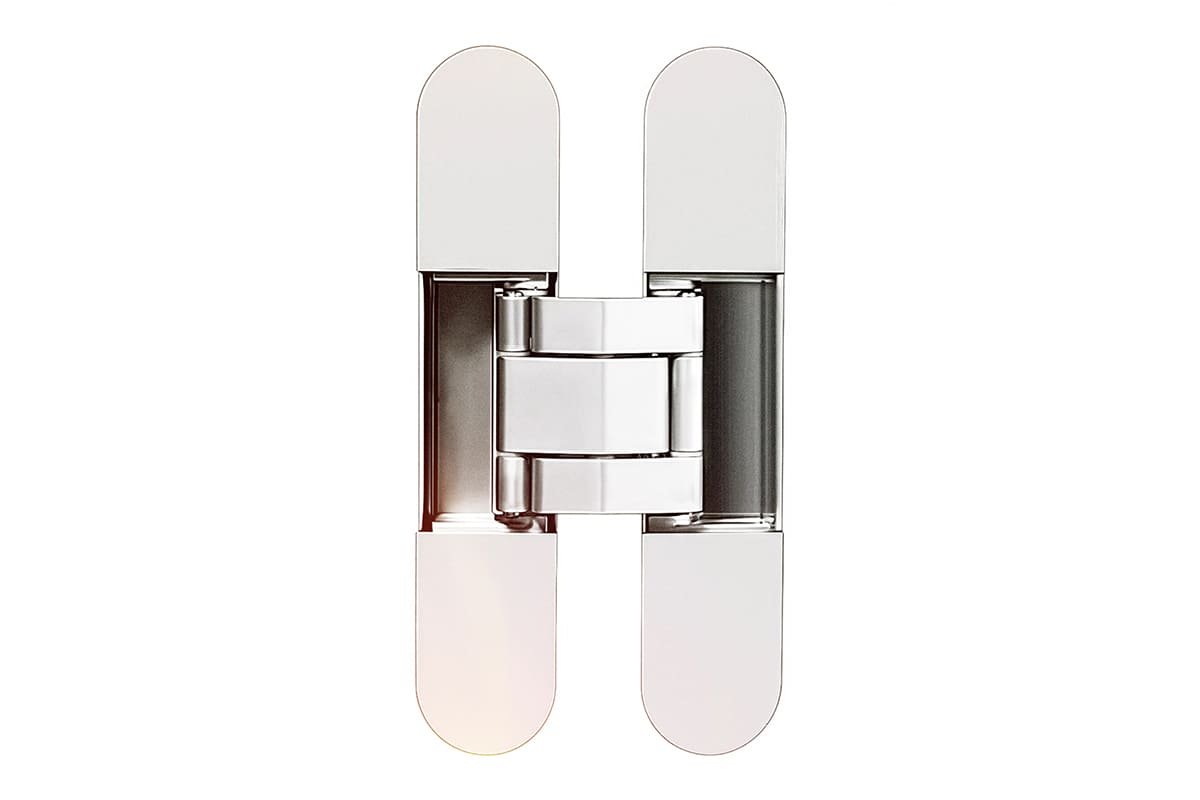
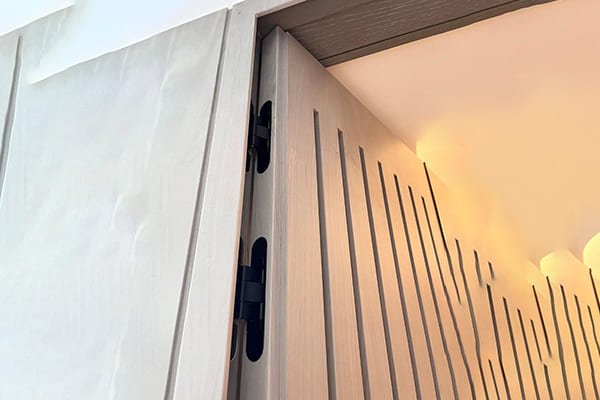
How Should Hidden Hinge Size Be Selected for Concealed Applications?
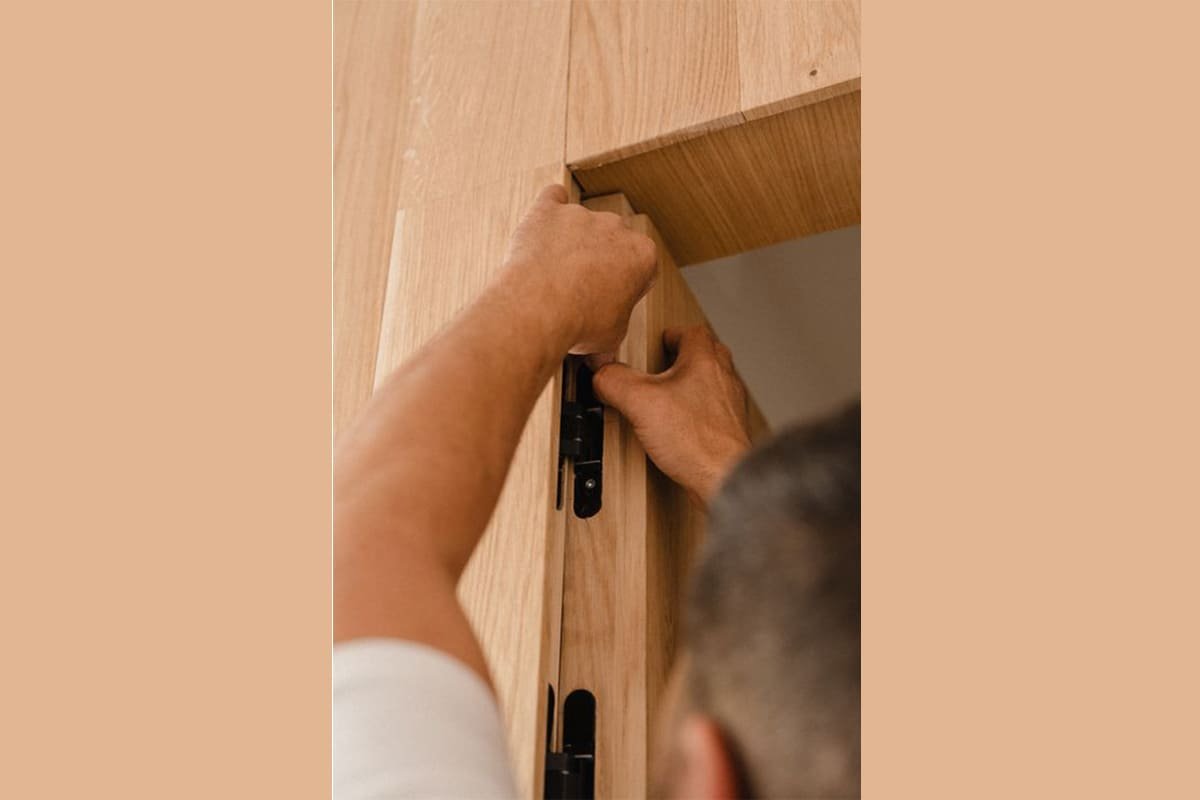
Hidden hinge selection is more complex than butt hinge selection because the hinge must carry the door and also fit inside the door and frame. I often see customers focus on appearance first. That can be risky because a concealed hinge has strict requirements for door thickness, milling depth, and load capacity.
Hidden hinge size should be selected by confirming the door weight first, then choosing a concealed hinge model with tested capacity that physically fits the door thickness and frame structure. Buyers must check body depth, opening angle, adjustment range, and machining requirements before approving a hidden hinge for bulk production.
Hidden Hinges Are Not Chosen Like Butt Hinges
A butt hinge is visible and mounted on the edge of the door and frame. A hidden hinge, also called a concealed hinge, is recessed into the door and frame.11 This makes the selection more technical.
For hidden hinges, I usually check:
- Door weight
- Door thickness
- Door material
- Frame profile
- Hinge body depth
- Minimum milling space
- Opening angle
- 3D adjustment function
- Number of hinges per door
- Load capacity per set
- Installation tolerance
The door thickness is especially important. A hidden hinge that supports the load may still be unusable if the door is too thin for the hinge body.12
The Correct Hidden Hinge Selection Sequence
I recommend this sequence for concealed hinge specification:
Confirm actual door weight.
This gives the load requirement.Confirm door thickness.
This tells us which hinge models can physically fit.Confirm door and frame material.
This affects milling, screw holding, and stability.Confirm opening angle.
Some projects require wider opening than others.Confirm adjustment needs.
Many concealed hinges offer 3D adjustment, but range differs by model.Check tested capacity.
The supplier should provide model-specific data.Approve a sample installation.
This is important before bulk production.
Hidden Hinge Risks in Bulk Procurement
Hidden hinges are popular for modern minimalist doors, flush doors, luxury interiors, and high-end commercial projects. However, they are less forgiving than visible hinges. If the machining is wrong, the door may not close properly. If the hinge body is too deep, the door edge may become weak. If the selected model has insufficient load capacity, the door may sag after installation.
Common procurement risks include:
| Risk | Cause | Prevention |
|---|---|---|
| Hinge cannot fit | Door thickness is too small | Check hinge body depth before ordering |
| Door sagging | Load capacity is too low | Compare actual door weight with test data |
| Poor closing gap | Milling tolerance is inaccurate | Use installation drawings and sample testing |
| Frame damage | Frame profile is not suitable | Confirm frame structure early |
| Cost increase | Wrong model selected in bulk | Approve samples before mass order |
Why I Separate Hidden Hinge Logic From Butt Hinge Logic
I do not recommend using one simple size table for both butt hinges and hidden hinges. The two products work differently. A butt hinge mainly needs proper leaf size, thickness, material strength, and load capacity. A hidden hinge must also fit inside a limited door and frame space.
For door factories and hardware brands, this matters because concealed hinge mistakes can affect production efficiency. CNC milling drawings, door edge structure, frame design, and installation labor all depend on the selected hidden hinge model.
That is why I usually ask buyers to share drawings or door samples before final recommendation. When possible, I prefer to test one set before confirming the full order.
How Can Buyers Verify Hinge Size Before Bulk Procurement?
A hinge may look correct in a catalog but still fail in real production. I have seen projects delayed because the selected hinge did not match the door thickness, frame, finish requirement, or certificate scope. This is why verification before bulk procurement is not optional. It is a risk-control step.
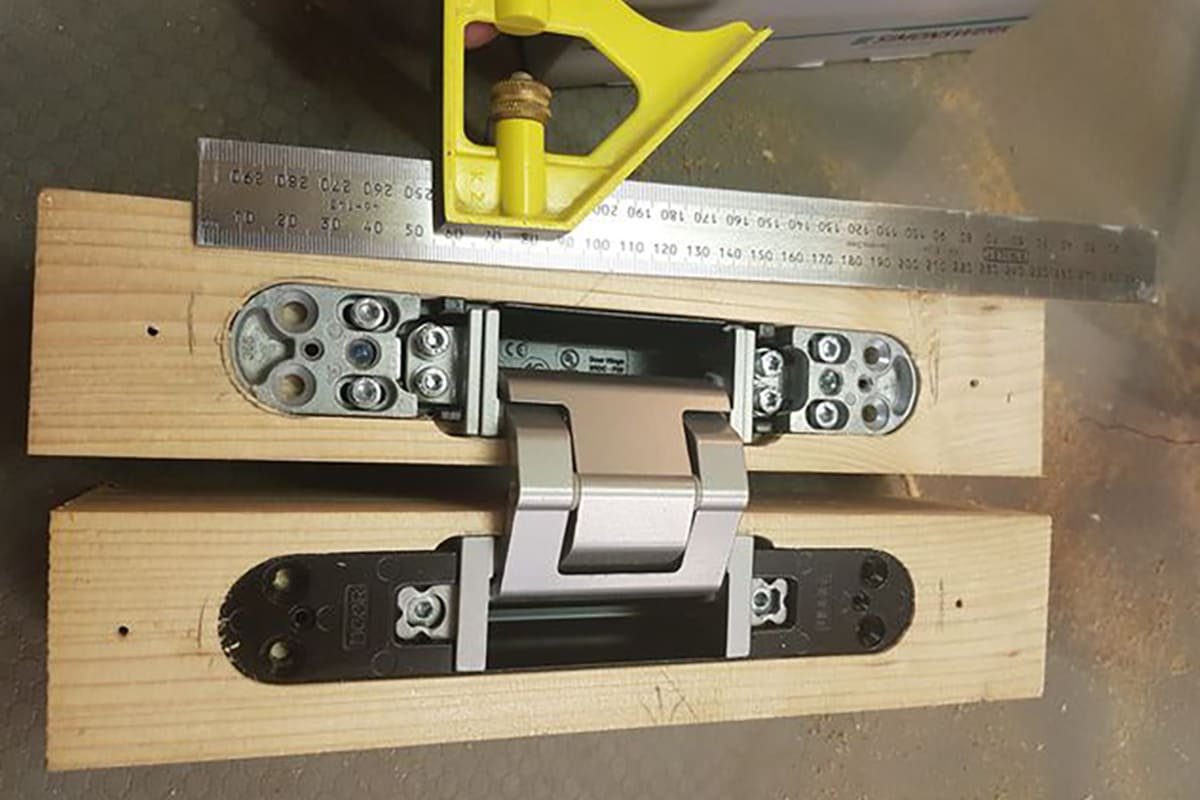
Buyers can verify hinge size before bulk procurement by checking door specifications, supplier test reports, material details, samples, installation drawings, finish standards, and certification documents. A qualified sample installation should be approved before mass production, especially for fire doors, heavy doors, and concealed hinge applications.
A Practical Hinge Size Verification Checklist
When I support B2B customers, I usually recommend a structured approval process. It does not need to be complicated, but it should be complete.
Use this checklist before confirming an order:
- Door weight confirmed
- Door thickness confirmed
- Door height and width confirmed
- Door material confirmed
- Frame structure confirmed
- Hinge type confirmed
- Hinge size confirmed
- Number of hinges per door confirmed
- Surface finish sample approved
- Test report reviewed
- CE or fire-rated certificate checked if required
- Installation drawing approved
- Screw and accessory package confirmed
- Packaging and labeling confirmed
- Inspection standard agreed
This checklist is especially useful for buyers managing multiple markets. A hinge suitable for one region may need adjustment for another region because door thickness, frame style, and certification requirements can differ.
What Buyers Should Ask a Hinge Supplier
A reliable supplier should answer technical questions clearly. I believe buyers should ask direct questions before price negotiation goes too far.
Important questions include:
- What door weight is this hinge model tested for?
- What standard or grade does the test follow?
- Can you provide the test report or certificate?
- What is the material and leaf thickness?
- What door thickness is suitable?
- What frame type is suitable?
- Is this model suitable for fire-rated doors?
- Can the finish remain consistent across bulk orders?
- Can you provide ODM customization?
- What is the normal production lead time?
At SDH Hardware, we operate our own factory and production lines for door hardware products, including butt hinges, concealed hinges, mortise locks, lever handles, and lock cylinders. This helps us support customers with specification discussions, sample matching, finish control, and bulk supply planning. Still, final application decisions should always be verified against the actual door and project documents.
Sample Approval Reduces After-Sales Risk
A sample is not only for appearance. It should confirm performance and compatibility. I usually suggest that customers test the hinge on the real door or a representative sample door.
A good sample approval should check:
- Door alignment after installation
- Opening and closing smoothness
- Screw holding stability
- Gap consistency
- Finish appearance
- Compatibility with lock and closer
- Packaging protection
- Labeling accuracy
- Certificate and model consistency
For large orders, I also recommend pre-shipment inspection. This can include dimension checks, finish inspection, quantity verification, packaging review, and random function testing.
Price Should Not Be the Only Decision Factor
I understand that cost control is important for door factories, hardware brands, and wholesalers. A competitive hinge price can help win projects and protect margin. However, the cheapest hinge can become expensive if it causes complaints or rework.
A better procurement decision balances:
| Factor | Why It Matters |
|---|---|
| Price | Supports market competitiveness |
| Tested performance | Reduces failure risk |
| Finish consistency | Improves batch appearance |
| Production capacity | Supports stable supply |
| Customization ability | Fits regional project needs |
| Certification support | Helps market access |
| Delivery reliability | Protects project schedule |
| Supplier communication | Reduces specification mistakes |
I usually tell buyers that the right hinge is not only a product. It is part of the full door hardware solution.
Frequently Asked Questions
Is hinge size based only on door height?
No. Door height is only one reference point. I recommend choosing hinge size based mainly on door weight, door thickness, hinge type, tested capacity, frame structure, and project requirements. Two doors with the same height can need different hinges if their weight or construction differs.
What hinge size is suitable for a 45 mm fire door?
For our typical project discussions, a 45 mm thick fire door usually matches a 4×3×3 butt hinge. However, this is practical sizing guidance, not a global standard. Buyers should verify the fire-rated certificate, door construction, frame design, and project requirements before final approval.
What hinge size is suitable for a 50 mm fire door?
For many 50 mm thick fire-door applications, I usually consider a 4×4×3 butt hinge more suitable than a narrower hinge. The final choice should still be checked against the door weight, frame structure, fire-rating documents, and installation requirements.
Can a 4-inch or 5-inch hinge carry 120 kg?
Some of our Grade EN13-tested 4-inch and 5-inch hinge models can reach at least 120 kg load capacity according to our verified test data. This should not be treated as a universal rule. Buyers should always check the exact model, certificate, and test report.
How do I choose a hidden hinge for a heavy door?
I start with the actual door weight, then select a hidden hinge model with suitable tested load capacity. After that, I check whether the hinge body fits the door thickness and frame depth. Hidden hinges also require careful review of machining drawings, opening angle, and adjustment range.
Conclusion
The right hinge size is not chosen by door height alone. I choose it as a load-and-fit decision based on door weight, door thickness, hinge type, tested capacity, door structure, and project requirements. Butt hinges and hidden hinges need different selection logic, and fire-door projects require certificate verification case by case. If you are sourcing hinges for door production, brand supply, or wholesale distribution, SDH Hardware can help you review specifications, samples, finishes, and certification needs before bulk procurement.
"Understanding BS EN 1935:2002 single-axis hinge grades - SFS", https://uk.sfs.com/resources/article/understanding-bs-en-1935. Building-hardware standards such as EN 1935 classify single-axis hinges by tested door mass, durability, and application characteristics, supporting a multi-factor approach to hinge selection rather than selection by nominal size alone. Evidence role: general_support; source type: institution. Supports: A building-hardware standard or professional guide should support that hinge selection depends on tested performance, door mass, hinge type, and installation context rather than a single dimension.. Scope note: This would support the general selection logic, but it would not validate any specific supplier model or project-specific sizing decision. ↩
"Reducing the Costs of Poor Quality: A Manufacturing Case ...", https://scholarworks.waldenu.edu/cgi/viewcontent.cgi?article. Research on construction defects and cost of poor quality links component misselection and inadequate quality control with rework, functional failures, and increased post-installation costs; this supports the article’s risk framing at a general procurement level. Evidence role: general_support; source type: paper. Supports: A source should support that inappropriate hardware selection and poor quality control can cause functional defects, rework, complaints, or inspection failures.. Scope note: The evidence would be contextual unless it specifically studies door hinges in bulk procurement. ↩
"Hinge Size Guide: Everything You Need to Know About ...", https://www.dkhardware.com/blog/hinge-size-guide-and-chart/?srsltid=AfmBOorMW_jXAB_ZVk2sfKkawqv0zU0R-Z1O5HuCpKGXngMhIspmRo1K. Institutional hardware guidance and hinge standards classify hinges by load-bearing capacity and application conditions, supporting the general proposition that heavier or thicker doors require hinges with greater rated capacity and suitable geometry. Evidence role: general_support; source type: institution. Supports: A technical guide or standard should support that hinge selection accounts for door mass and thickness, with heavier or thicker doors commonly requiring higher-rated or larger hinges.. Scope note: Such sources usually support the principle, not the exact hinge size for an individual door assembly. ↩
"12.2 Examples of Static Equilibrium – General Physics Using Calculus I", https://pressbooks.online.ucf.edu/phy2048tjb/chapter/12-2-examples-of-static-equilibrium/. Engineering statics explains that a hinged body’s weight is balanced by reaction forces and moments at its supports, which supports the statement that heavier doors impose greater loads on hinge assemblies. Evidence role: mechanism; source type: education. Supports: An engineering mechanics source should support that a door’s weight produces reaction forces and moments at its hinges.. ↩
"Understanding BS EN 1935:2002 single-axis hinge grades", https://uk.sfs.com/resources/article/understanding-bs-en-1935. Hinge performance standards such as EN 1935 and ANSI/BHMA A156.1 include durability or cycle-testing requirements, indicating that hinge performance is evaluated under repeated opening and closing rather than static loading alone. Evidence role: mechanism; source type: institution. Supports: A hinge testing standard should support that hinges are assessed for repeated operating cycles, reflecting dynamic use conditions.. Scope note: This supports the relevance of dynamic use, but not the exact impact magnitude for a specific building. ↩
"[PDF] DOOR HARDWARE (SCHEDULED BY DESCRIBING PRODUCTS)", https://fpm.usc.edu/wp-content/uploads/2021/11/087102-USC-HSC-door-hardware-Guide-Specification_1.pdf. Door-hardware grading systems distinguish products by durability and cycle performance for different duty levels, supporting the contextual claim that commercial and institutional settings often require more robust hardware than ordinary residential use. Evidence role: expert_consensus; source type: institution. Supports: A hardware grading or durability standard should support that institutional and commercial applications are commonly treated as higher-duty environments than residential applications.. Scope note: The source would support the general duty-level distinction, not prove traffic frequency for every listed building type. ↩
"[PDF] design, fabrication, and testing of mechanical hinges with snap-fit", https://digitalcommons.calpoly.edu/cgi/viewcontent.cgi?params=/context/theses/article/4047/&path_info=Design__Fabrication__and_Testing_of_Mechanical_Hinges_with_Snap_Fit_Locking_Mechanisms_in_Rigid_Origami_Structures.pdf. Hardware standards and mechanical-design references identify material properties, bearing arrangement, fastener layout, and manufacturing tolerances as factors influencing hinge strength and durability. Evidence role: mechanism; source type: institution. Supports: A technical standard or engineering source should support that hinge durability and load capacity depend on construction details such as material, bearing arrangement, pin, screw configuration, and tolerances.. Scope note: This would support the mechanism broadly, but model-specific performance still requires a test report. ↩
"NFPA 80, Inspection, Testing, and Maintenance of Swinging Fire ...", https://www.nfpa.org/product/nfpa-80-itm-online-course/p0080olitm/80-itm-of-swinging-fire-doors-2022/ols8022itm. Fire-door standards such as NFPA 80 and UL 10C treat fire doors as rated assemblies, supporting the statement that the door, frame, hardware, and installation conditions must be considered together. Evidence role: expert_consensus; source type: institution. Supports: A fire-door standard should support that fire doors are evaluated as assemblies that include frames, hardware, installation details, and rated components.. ↩
"NFPA 80 Fire Door Requirements: Code Guide", https://www.cdfdistributors.com/blog/post/nfpa-80-fire-door-requirements. Fire-door codes and standards require fire-door hardware to be installed in accordance with the listing, labeling, and assembly requirements, supporting the need to match hinges to the applicable rating, door type, and installation method. Evidence role: general_support; source type: institution. Supports: A fire-door code or standard should support that hardware used on fire doors must be listed, labeled, or otherwise compatible with the tested assembly and installation requirements.. Scope note: The source would establish the compliance principle, not determine the correct hinge for a particular certificate. ↩
"Section Template - Yale Facilities", https://facilities.yale.edu/sites/default/files/files/Design%20Standards/Updated%20Design%20Standards/08%20Openings/08%2001%2000%20Steel%20Doors%20%26%20Frames.pdf. Fire-safety guidance describes fire doors as specially constructed assemblies using rated cores, facings, seals, and hardware, supporting the contextual point that their construction can differ materially from ordinary interior doors. Evidence role: general_support; source type: government. Supports: A government or institutional fire-safety source should support that fire doors use specialized cores, facings, seals, or reinforcements that can make them structurally different from ordinary interior doors.. Scope note: This supports the construction-based rationale but may not quantify weight differences across all fire-door types. ↩
"Concealed hinge jig", https://en.wikipedia.org/wiki/Concealed_hinge_jig. Reference definitions describe concealed hinges as hinges installed within the door and frame so that they are not visible when the door is closed, supporting the article’s terminology. Evidence role: definition; source type: encyclopedia. Supports: A neutral definition should support that concealed or hidden hinges are installed so that the hinge mechanism is not visible when the door is closed and is recessed into the door or frame.. ↩
"How to Choose & Install Concealed Hinges | Cabinet Door ...",
. Concealed-hinge installation guidance specifies minimum door thickness and mortise depth for hinge bodies, supporting the distinction between load capacity and physical compatibility. Evidence role: mechanism; source type: institution. Supports: A technical installation guide should support that concealed hinges have minimum door-thickness and mortising-depth requirements independent of load rating.. Scope note: The exact minimum thickness depends on the hinge model and cannot be generalized without model-specific drawings. ↩