
What Should I Know About Fire Door Hinge Standards? UL, CE, and EN Requirements Explained?
Fire door hinge standards can feel confusing when a project file asks for UL, CE, EN 1935, or fire-rated documents at the same time. The problem is that these terms do not mean the same thing. If buyers treat them as interchangeable, they may approve the wrong hinge. The solution is to verify the standard, market, certificate scope, and door assembly together.
Fire door hinge standards define whether a hinge is suitable for a specific fire door market, performance level, and tested door configuration. UL mainly supports North American fire door requirements, EN 1935 classifies hinge performance in Europe, and CE supports EU conformity. Buyers must verify the exact model, grade, certificate, and installation scope before approval.
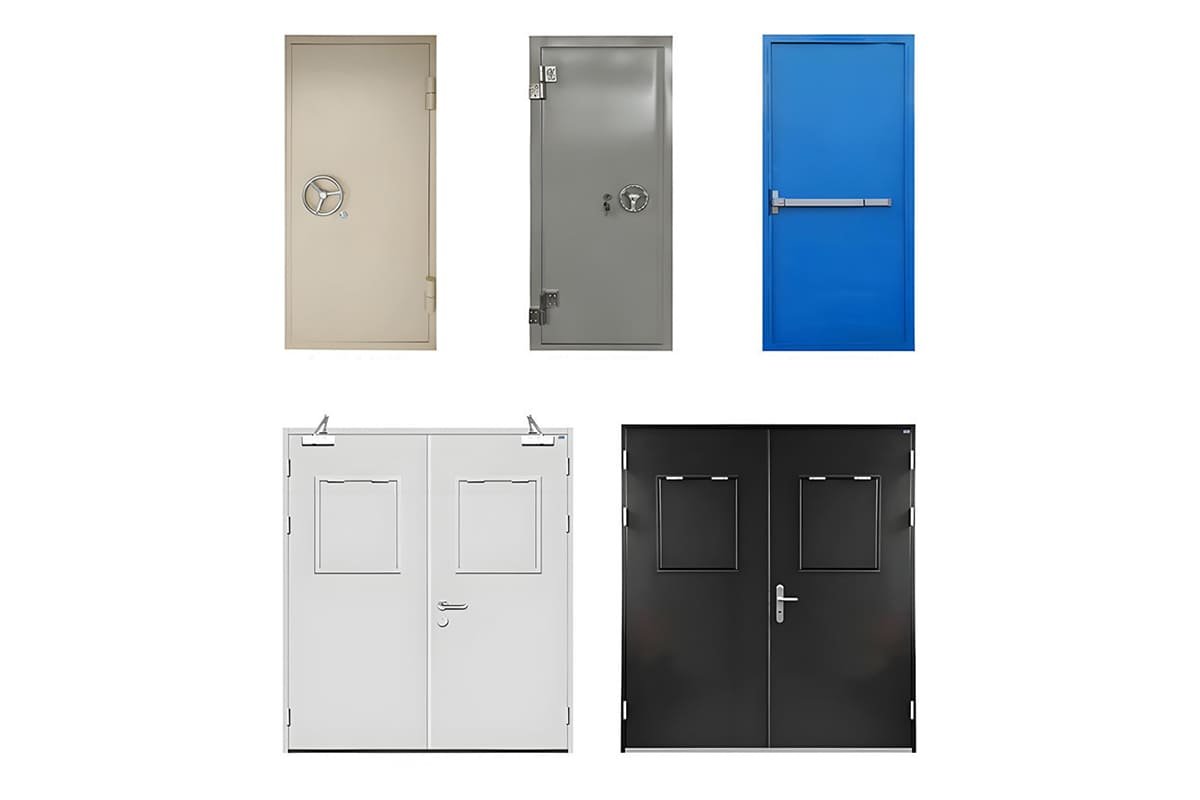
In customer inquiries, I often see one repeated question: “Can CE replace UL?” or “Does EN 1935 mean the hinge is fire-rated?” The short answer is no. The longer answer is more useful, because it helps buyers reduce procurement risk before mass production.
Why Do Fire Door Hinge Standards Differ Between UL, CE, and EN?
Fire door hinge standards differ because each system answers a different procurement question. This creates trouble when a door factory, importer, or project contractor requests several documents but does not explain the target market. If I only check the certificate name, I may miss the real compliance requirement.
UL, CE, and EN are not interchangeable. UL mainly relates to North American fire door hardware certification and listing systems. EN 1935 classifies hinge performance, including fire/smoke suitability. CE supports European conformity and market placement when applicable, but it does not automatically prove fire-rated suitability by itself.
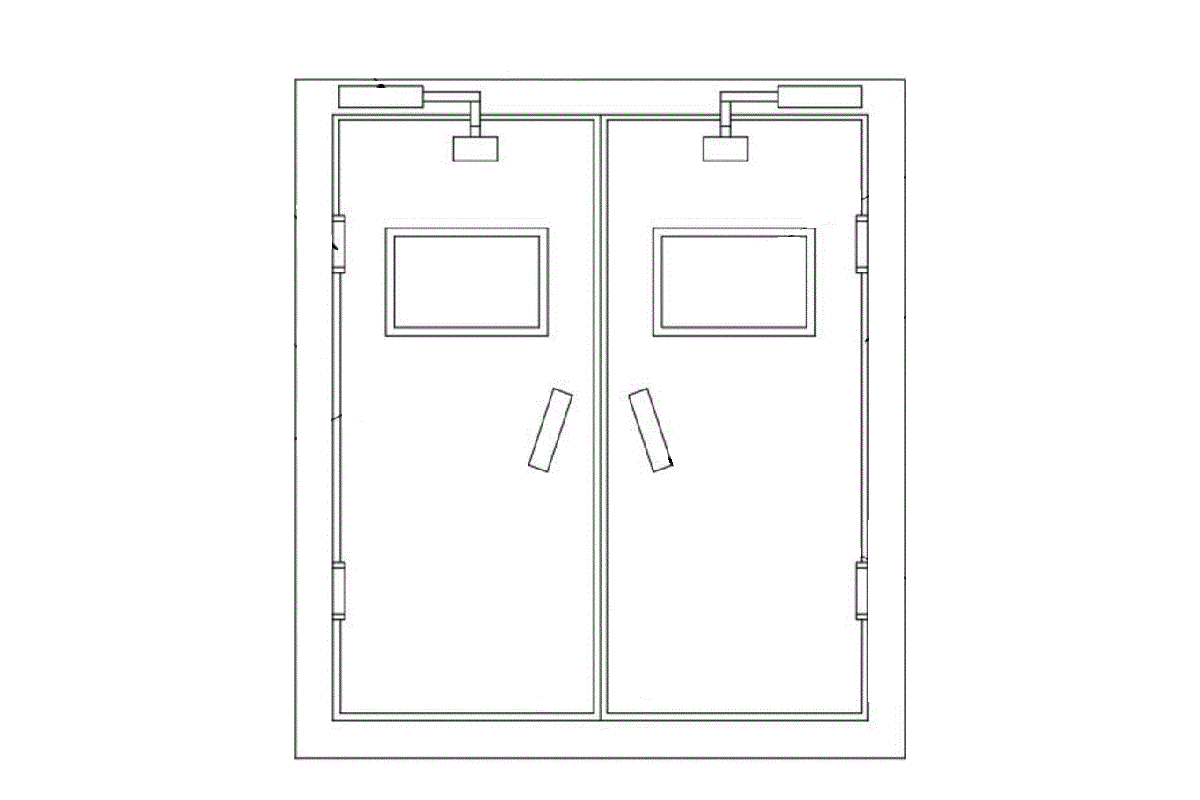
The three systems answer different questions
When I review a hinge inquiry, I usually separate the request into three questions:
Where will the door be sold or installed?
North America, Europe, the Middle East, and Southeast Asia may use different project specifications.What performance standard does the hinge need to meet?
This may involve EN 1935 classification, UL listing, fire test evidence, cycle testing, corrosion resistance, and load capacity.Does the certificate cover the exact hinge and door configuration?
A certificate for one hinge size, bearing type, or installation method may not cover another model.
This matters because a hinge can look similar on a catalog page but perform differently in a certified assembly.
UL is usually tied to North American fire door systems
For North American projects, buyers often ask about UL-listed fire door hinges or hardware suitable for use on fire-rated door assemblies. References may include UL 10C for positive pressure fire tests of door assemblies and NFPA 80 for fire door and opening protective requirements.
I do not treat UL as just a logo. I treat it as a listing and application-scope question. A buyer should check:
- The listed hinge model
- The hinge size and material
- The permitted door type
- The fire rating duration in the listed assembly
- The required number of hinges
- The use with closers, locks, seals, or other hardware
- Whether the listing is current and traceable
A UL-related requirement is not automatically satisfied by CE or EN documents. The project authority, local code, or door assembly listing will usually control the final requirement.
EN explains performance classification
For European-style specifications, EN 1935 is one of the most important references for single-axis hinges. It uses an 8-digit classification code1 to describe use category, durability, door mass, fire/smoke suitability, safety, corrosion resistance, security, and hinge grade.
The most common mistake I see is that buyers ask for “EN 1935 Grade 13 fire-rated hinges” and assume “13” means fire resistance time. It does not. Grade 13 refers to hinge class/load capacity under EN 19352, not 13 minutes, 30 minutes, 60 minutes, or 90 minutes of fire resistance.
CE supports conformity, not fire rating by itself
CE is also frequently misunderstood. CE marking indicates that the product has followed the applicable EU conformity route3, where applicable. It is not a standalone performance grade.
For hinges, CE may be linked with harmonized European standards and required documentation, such as a Declaration of Performance in relevant contexts. However, the buyer still needs to inspect the EN 1935 classification and any fire-related test or certification scope.
My practical rule is simple: I never approve a fire door hinge based on the certificate title alone. I check the standard, code, model, grade, and application scope together.
How Do EN 1935 Fire Door Hinge Standards Work?
EN 1935 fire door hinge standards are often misunderstood because buyers see only a short grade number in a catalog. The risk is that a hinge may have good load capacity but no fire/smoke door suitability. I always recommend checking the full 8-digit EN classification code.
EN 1935 uses an 8-digit classification code for single-axis hinges. For fire doors, the key digit is the 4th digit: “1” means suitable for fire/smoke doors, while “0” means not suitable4. Grade 13 indicates hinge class/load capacity, not fire resistance time. Durability grade 7 means 200,000 cycles.
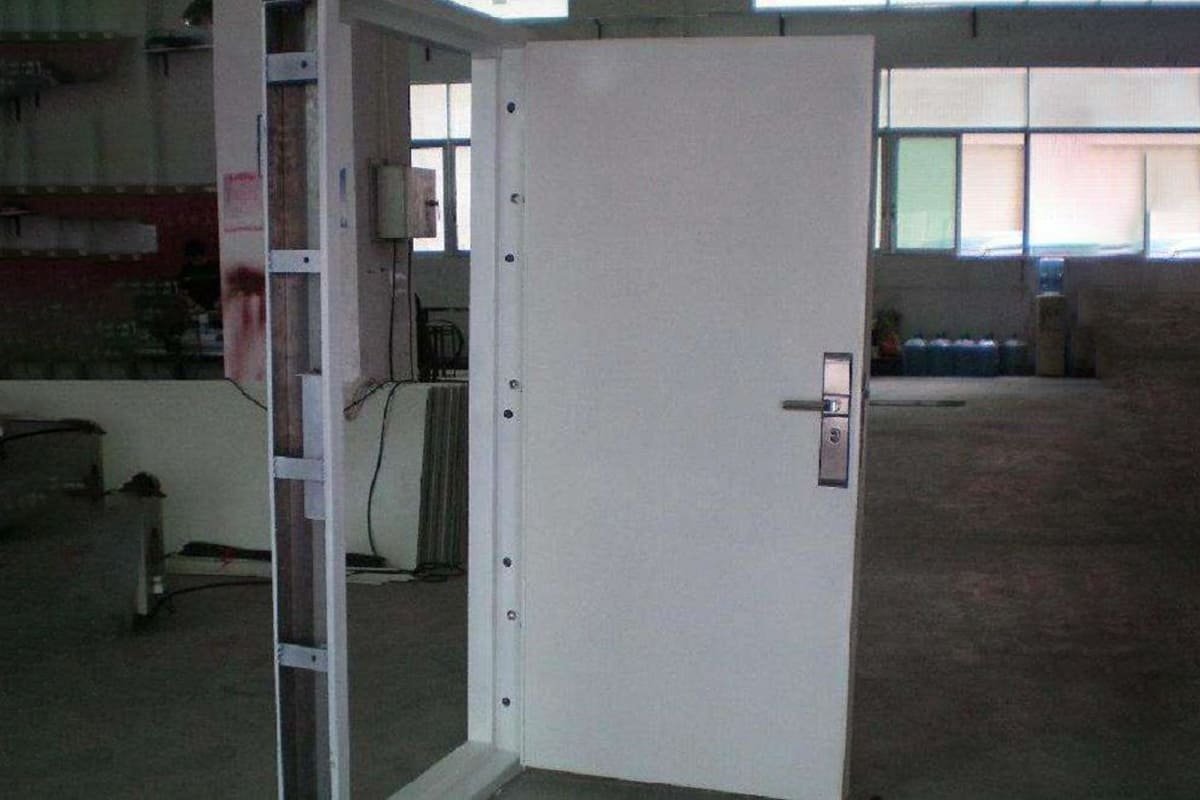
The EN 1935 8-digit code explained
EN 1935 classification is useful because it gives buyers a structured way to compare hinges. However, the full code matters. One digit alone is not enough.
| Digit Position | Classification Area | What Buyers Should Check |
|---|---|---|
| 1st | Category of use | Expected traffic and user environment |
| 2nd | Durability | Cycle test level, such as Grade 7 for 200,000 cycles |
| 3rd | Test door mass | Door weight range used for classification |
| 4th | Fire/smoke door suitability | 1 = suitable; 0 = not suitable |
| 5th | Safety | Safety in use classification |
| 6th | Corrosion resistance | Finish and environmental resistance |
| 7th | Security | Burglar resistance relevance, if applicable |
| 8th | Hinge grade | Hinge class/load capacity, such as Grade 13 |
This table is a starting point. Buyers should always verify the latest standard version and the actual certificate or test report.
Why the 4th digit matters so much
For fire door procurement, the 4th digit is one of the first details I check. If this digit is “0,” the hinge is not classified as suitable for fire/smoke door use under EN 1935. If it is “1,” the hinge is classified as suitable, subject to the documented scope.
This does not mean one hinge can be used on every fire door. It means the hinge has passed the relevant fire/smoke suitability classification under the stated conditions. The actual project still needs to check the door type, fire rating, hardware set, and installation method.
Grade 13 is not fire resistance time
This point deserves extra attention. Many buyers ask for “Grade 13 fire door hinges” because Grade 13 is common in heavy-duty door applications. However, Grade 13 does not mean:
- 13 minutes of fire resistance
- 30 minutes of fire resistance
- 60 minutes of fire resistance
- 90 minutes of fire resistance
- Any fire rating duration by itself
Grade 13 is related to hinge grade/load capacity classification. Fire resistance time usually belongs to the tested door assembly, not only to the hinge grade.5 For example, a 60-minute timber fire door or a 90-minute steel fire door may require specific hardware that was tested or approved as part of that assembly.
Durability grade also needs careful reading
Durability is another area where buyers should slow down. Under EN 1935, durability Grade 7 refers to 200,000 test cycles6. This is helpful for comparing hinge endurance, especially for commercial doors, apartment doors, hotel doors, and public building doors.
However, cycle performance is not the same as fire suitability. A hinge may perform well in cycle testing but still lack the fire/smoke suitability digit. So I usually separate the review into two checks:
- Durability check: Can the hinge handle the expected opening cycles?
- Fire suitability check: Does the 4th digit show “1,” and does the document cover the intended use?
A practical EN 1935 review checklist
When I help buyers review EN hinge documents, I suggest asking for:
- Full EN 1935 classification code
- Test report or certificate copy
- Model number and size covered
- Material and bearing structure
- Finish and corrosion grade
- Door mass classification
- Fire/smoke suitability digit
- Hinge grade/load class
- Certificate validity or traceability
- Factory production control or compliance documents, where applicable
This approach helps prevent a common procurement problem: approving a hinge based on one attractive catalog line, then discovering later that the certificate does not match the actual bulk order model.
Does CE Compliance Mean a Hinge Is Fire-Rated?
CE compliance causes confusion because many buyers treat CE as a universal approval mark. The problem is that CE may support European market access, but it does not automatically answer the fire door suitability question. I always ask for the underlying standard and performance classification.
CE compliance does not automatically mean a hinge is fire-rated. CE indicates that the product follows the applicable EU conformity route when required. For fire door hinge evaluation, buyers should also check EN 1935 classification, especially the fire/smoke digit, and confirm whether the certificate or report covers the exact model and use.
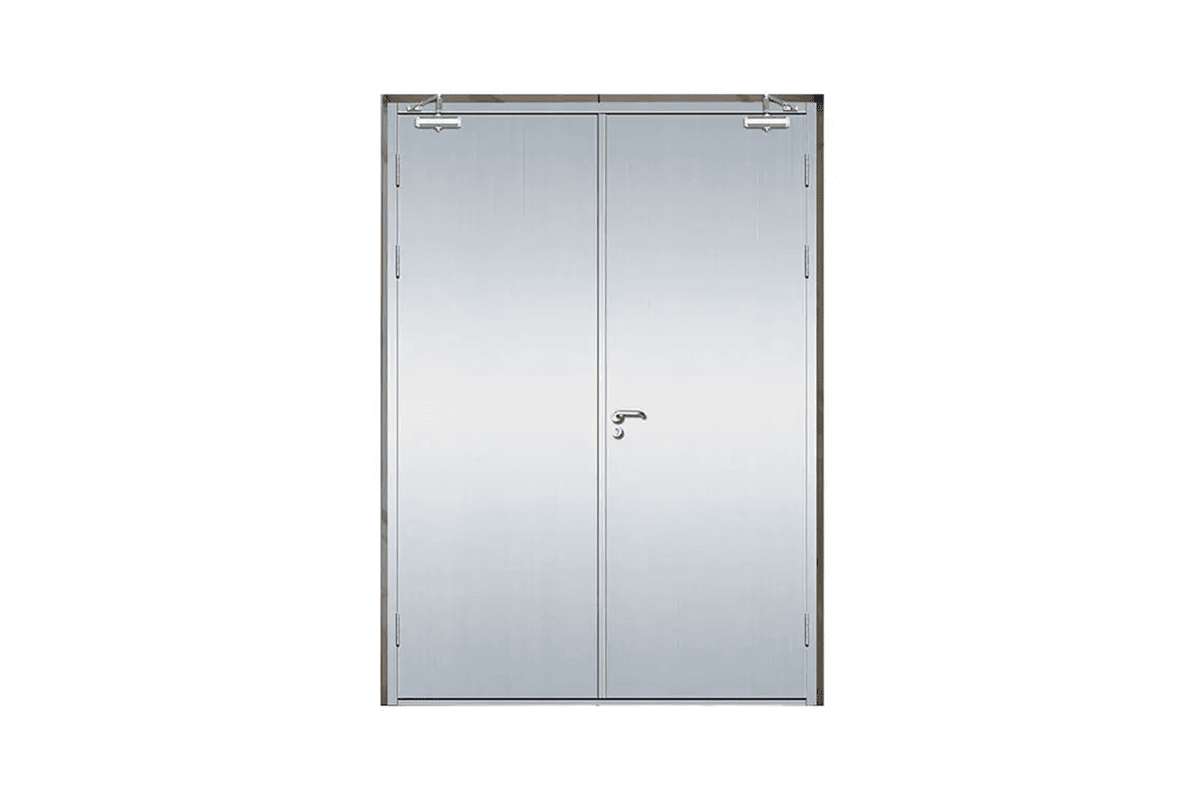
What CE can and cannot tell you
CE marking is important in European procurement, but it should not be used alone as a technical decision tool. In simple terms, CE tells buyers that the product has followed the relevant conformity process for the applicable European framework. It does not replace the need to review product performance.
A buyer should not ask only, “Does it have CE?” A better question is:
“What standard is the CE documentation based on, what performance classification is declared, and does it include fire/smoke door suitability for this hinge model?”
That question leads to a much safer purchasing decision.
CE versus EN 1935 in hinge evaluation
The difference between CE and EN 1935 can be summarized like this:
| Item | Main Purpose | What It Does Not Prove Alone |
|---|---|---|
| CE | Supports EU conformity and market placement when applicable | It does not automatically prove fire-rated suitability |
| EN 1935 | Classifies hinge performance for single-axis hinges | It does not replace project fire door assembly approval |
| Fire test/listing | Shows tested or listed fire door use scope | It may not cover every hinge size, finish, or installation |
| Project specification | Defines what the project authority requires | It may need interpretation by a qualified professional |
This is why I do not recommend treating CE as a shortcut. CE is valuable, but it needs context.
Why the certificate scope matters
A certificate may list several models, or it may cover only one model. A test report may include a specific hinge size, such as 4 inches, 4.5 inches, or 5 inches, and a specific material, such as stainless steel. It may also refer to a specific door type, hinge quantity, or installation detail.
For example, a buyer may request a stainless steel butt hinge for a fire-rated timber door. The supplier may provide a CE document. That document is useful only if it supports the relevant hinge model and performance claim. If the ordered product is a different thickness, bearing type, or screw pattern, the buyer should ask whether the document still applies.
Common CE misunderstandings I see
In our daily fire-rated product inquiries, I often see these misunderstandings:
“CE means fire-rated.”
This is not correct. CE alone does not prove fire suitability.“EN 1935 Grade 13 means 13-minute fire resistance.”
This is not correct. Grade 13 is a hinge class/load grade.“One CE hinge can fit every European fire door.”
This is not safe. The door assembly and project specification still control the requirement.“A catalog statement is enough.”
This is risky. Buyers should ask for documents that match the model and order.
What buyers should request for European projects
For Europe, the Middle East, and some Southeast Asian markets that reference European standards, I usually suggest collecting a complete document package before final approval:
- CE-related document, where applicable
- Declaration of Performance, where applicable
- EN 1935 classification
- Fire/smoke suitability evidence
- Model list covered by the certificate
- Hinge drawings and technical data sheet
- Material and finish details
- Installation notes or project-specific guidance
- Factory quality control information
- Valid certificate traceability information
This is not only a compliance habit. It is also a supply chain habit. A clear document package helps avoid disputes during customs clearance, project approval, installation inspection, or after-sales claims.
How Should Buyers Match Fire Door Hinge Standards to the Door Assembly?
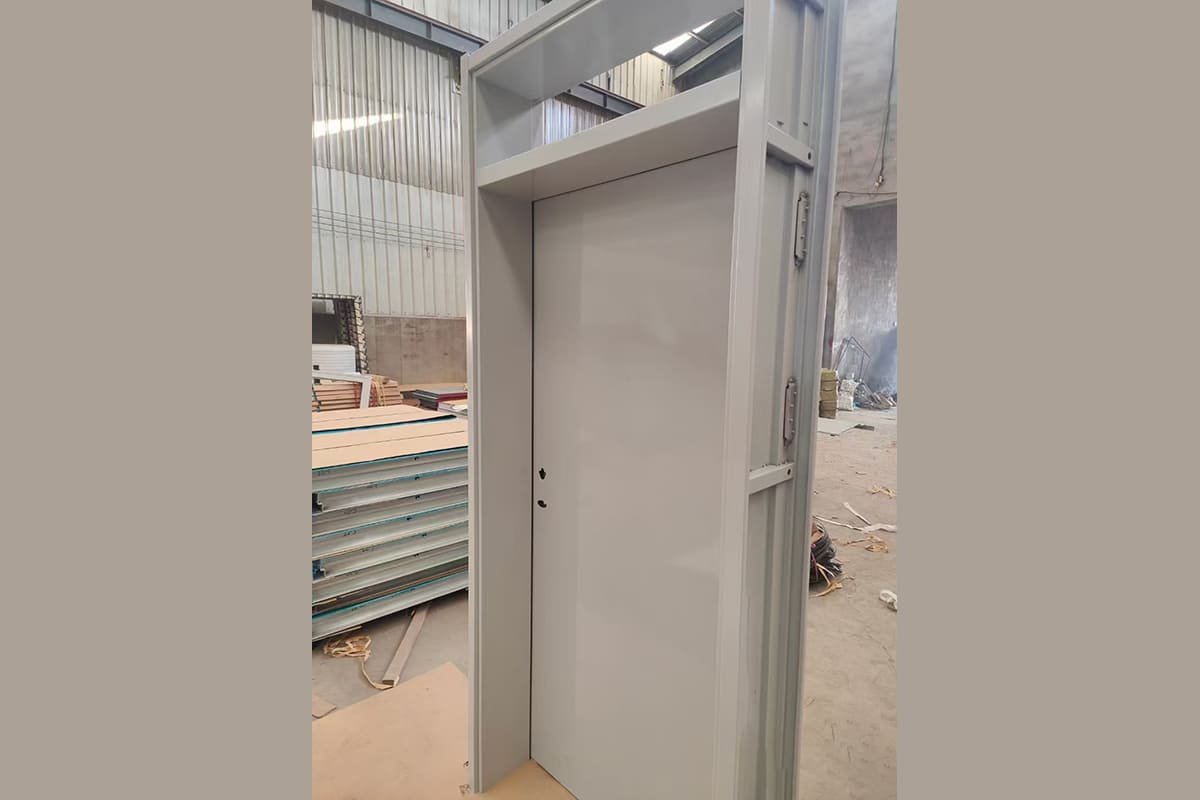
Fire door hinge standards only make sense when they match the actual door assembly. The problem is that many buyers evaluate hinges as separate components. In real projects, the door leaf, frame, closer, lock, seals, screws, and hinge quantity all affect the approved configuration.
Buyers should match fire door hinge standards to the tested or specified door assembly. They should check door material, size, weight, fire rating, hinge quantity, closer use, lock configuration, gasket or intumescent pad requirements, and whether the certificate covers the exact hinge model and installation method.
A fire door is a system, not a single part
A hinge is important, but it does not make a door fire-rated by itself. A fire door works as a system.7 The system may include:
- Door leaf
- Door frame
- Hinges
- Lock or latch
- Door closer
- Seals or gaskets
- Intumescent materials
- Screws and fixing method
- Vision panel, if used
- Threshold or drop seal, if required
- Installation details
If one component changes, the approved performance may change. That is why I always recommend checking the project specification and tested assembly documents before confirming bulk production.
Common installation requirements need project confirmation
Many fire doors commonly use at least three hinges8, especially for heavier commercial doors. Some fire-rated assemblies may also require intumescent pads, gaskets, or specific seal details around hinge positions to help reduce flame or smoke penetration.
However, I do not present these as universal rules. The final requirement must follow:
- The tested door assembly
- Local building code
- Fire door manufacturer’s instruction
- Project specification
- Authority having jurisdiction
- Certificate or listing scope
This careful language matters because different markets treat details differently. A Middle East project may reference European documentation, a local civil defense requirement, and a consultant specification at the same time. A North American project may be driven by UL listing and NFPA 80 requirements.
Key door data buyers should provide
When buyers ask me to recommend a fire-rated hinge, I usually ask for basic door information first. Without this information, any answer is incomplete.
| Buyer Input | Why It Matters |
|---|---|
| Target market | Determines whether UL, CE, EN, or local documents are needed |
| Door material | Timber, steel, composite, and metal doors may require different evidence |
| Door size | Taller or wider doors increase leverage on hinges |
| Door weight | Hinge load class must match actual door mass |
| Fire rating | 30, 60, 90, or 120 minutes may have different assembly requirements |
| Hinge quantity | Load distribution and tested configuration depend on quantity |
| Door closer use | Closers increase operational force and cycle demand |
| Lock type | Mortise locks, panic hardware, or access control may affect the assembly |
| Seal system | Intumescent strips or smoke seals may be required |
| Certificate format | Project approval may require specific document wording |
This table is simple, but it prevents many mistakes.
Door weight and hinge grade should align
Door weight is one of the most practical factors. A lightweight internal timber door and a heavy steel fire door do not demand the same hinge performance. Hinge thickness, knuckle design, bearing type, pin structure, screw hole layout, and material all influence long-term stability.
For heavy commercial doors, buyers often look for ball bearing butt hinges or heavy-duty stainless steel hinges. For concealed designs, buyers must be even more careful because concealed hinge fire suitability and load capacity depend strongly on the tested system and door preparation.
A hinge that performs well in normal use may not be acceptable for a fire-rated assembly unless its fire suitability and installation scope are documented.
Hardware configuration also matters
The hinge does not work alone. A door closer, for example, adds repeated closing force. A mortise lock changes the door edge preparation. A seal system affects door clearance. Access control hardware may change the weight and operation pattern.
For this reason, buyers should evaluate the full hardware schedule before approving a hinge. In our manufacturing work, I prefer to review hinge requirements together with:
- Mortise lock model
- Lever handle set
- Cylinder type
- Door closer requirement
- Panic exit hardware, if any
- Seal or gasket details
- Finish requirement
- Packing and labeling requirement
This system-based review helps the buyer avoid a mismatch between the hinge document and the final door configuration.
What Documents Should I Ask a Supplier for Under Fire Door Hinge Standards?
Fire door hinge standards are only useful when the supplier can provide documents that match the ordered product. The risk is that buyers receive a certificate but later discover that the model, size, finish, or test scope is different. I prefer to verify documents before price negotiation is finalized.
Buyers should ask suppliers for the hinge technical data sheet, drawings, EN 1935 classification, CE-related documents where applicable, UL listing evidence where required, fire test reports or certificates, model coverage list, installation scope, material details, and factory quality control records. Each document should match the exact product and project market.
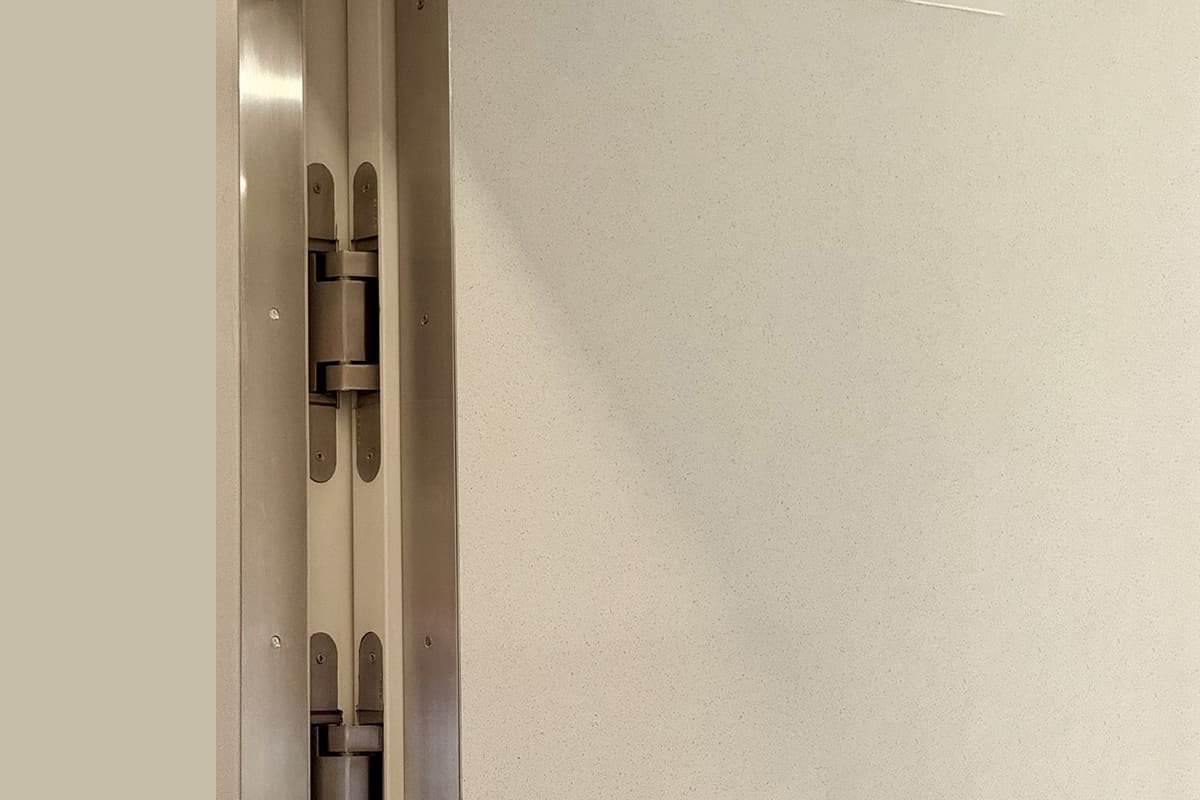
Certificate review is part of supplier selection
For bulk hardware procurement, I do not treat documents as decoration. I treat them as part of supplier capability. A reliable supplier should understand which documents apply to which market and should be able to explain the scope clearly.
For example, if a buyer asks for hinges for a European fire door project, the supplier should not only say, “We have CE.” The supplier should be able to show the EN classification, explain the fire/smoke suitability digit, and confirm whether the ordered model is covered.
If a buyer asks for a North American project, the supplier should understand that UL/NFPA-related requirements may apply and that CE documents may not satisfy the local approval authority.
Essential document checklist
I recommend asking for the following documents before confirming a fire-rated hinge order:
Product technical data sheet
This should include material, size, thickness, bearing type, pin type, screw details, and finish.Product drawing
The drawing should match the exact hinge model, hole pattern, and dimensions.EN 1935 classification, if relevant
The full 8-digit code should be visible and traceable.CE-related documentation, where applicable
Buyers should check whether the document supports EU market placement and the declared performance.UL listing or evidence, where required
This is especially important for North American fire door applications.Fire test certificate or report
The document should identify the hinge model and tested configuration.Model coverage list
This helps confirm whether variations are included.Installation instructions or limitations
These may include hinge quantity, screw type, door material, or required pads.Quality control records
These may include raw material inspection, dimensional inspection, surface finish control, and finished product checks.Packing and labeling details
Project buyers may need traceable labels, cartons, or batch numbers.
How I evaluate document consistency
When I review a supplier document package, I look for consistency across all files. The model number on the catalog should match the drawing. The drawing should match the quotation. The quotation should match the certificate scope. The certificate should match the final production specification.
Here is a simple consistency check:
| Checkpoint | Good Sign | Warning Sign |
|---|---|---|
| Model number | Same across all documents | Similar but not identical codes |
| Hinge size | Exact size listed | Only general size range shown |
| Material | Stainless steel, steel, or brass clearly stated | Material missing or vague |
| Fire suitability | Clearly documented | Only verbal confirmation |
| Market standard | UL, EN, CE route clearly separated | Supplier says “all certificates are same” |
| Installation scope | Hinge quantity and use conditions described | No assembly information |
| Validity | Traceable document source | Blurry certificate copy |
This review takes time, but it is faster than solving a failed project approval later.
Supplier factory capability also matters
Documents are important, but production consistency is just as important. For architectural door hardware, buyers should evaluate whether the factory can maintain stable dimensions, consistent finish, and repeatable performance across bulk orders.
At SDH Hardware, our work focuses on standardized and customized door hardware production, including butt hinges, concealed hinges, mortise locks, lever handles, and lock cylinders. From a manufacturer’s perspective, I believe buyers should ask about:
- Raw material control
- Stamping or machining tolerance
- Bearing assembly stability
- Surface finish consistency
- Salt spray or corrosion testing approach
- Batch inspection procedure
- Packaging protection
- Custom finish capability
- Lead time control
- After-sales response process
Conclusion
Fire door hinge standards should be evaluated as a complete compliance and application question, not just as a certificate name. UL, CE, and EN each serve different purposes, and EN 1935 details such as the 4th digit, Grade 13, and durability Grade 7 must be read carefully. Before you approve a hinge supplier, verify the exact model, door assembly, market requirement, and document scope. If you want SDH Hardware to help review suitable hinge options, please send your target market, door type, size and weight, fire rating, hinge quantity, hardware configuration, and required certificate or report format.
"Understanding BS EN 1935:2002 single-axis hinge grades", https://uk.sfs.com/resources/article/understanding-bs-en-1935. A standards-body or accredited testing summary of EN 1935 supports that single-axis hinges are classified by an eight-digit code covering use, durability, door mass, fire/smoke suitability, safety, corrosion resistance, security, and hinge grade. Evidence role: definition; source type: institution. Supports: EN 1935 uses an eight-digit classification code for single-axis hinges.. Scope note: A summary source may not reproduce all test methods or detailed grade thresholds contained in the full standard. ↩
"Understanding BS EN 1935:2002 single-axis hinge grades", https://uk.sfs.com/resources/article/understanding-bs-en-1935. EN 1935 classification references support that Grade 13 is a hinge grade associated with load capacity and is separate from the fire/smoke suitability digit or any fire-resistance duration. Evidence role: definition; source type: institution. Supports: Grade 13 in EN 1935 is a hinge grade/load classification rather than a fire-resistance time.. Scope note: The source clarifies the classification meaning but does not establish suitability of a specific Grade 13 hinge for a given fire door. ↩
"Compliance FAQs: CE Marking | NIST", https://www.nist.gov/standardsgov/compliance-faqs-ce-marking. European Commission guidance on CE marking supports that the mark indicates conformity with applicable EU requirements and conformity assessment obligations, not an independent proof of fire-rated suitability for a particular door assembly. Evidence role: definition; source type: government. Supports: CE marking signifies that a product complies with applicable EU legislation and has undergone the required conformity assessment where applicable.. Scope note: The source defines CE marking generally and does not by itself evaluate the fire performance of hinges. ↩
"Understanding BS EN 1935:2002 single-axis hinge grades", https://uk.sfs.com/resources/article/understanding-bs-en-1935. An EN 1935 classification guide from a standards body or accredited laboratory supports that the fire/smoke door suitability digit is coded as 1 for suitable and 0 for not suitable. Evidence role: definition; source type: institution. Supports: The EN 1935 fire/smoke suitability digit distinguishes hinges suitable and not suitable for fire/smoke door use.. Scope note: The classification indicates suitability under the stated test and classification conditions, not universal approval for all fire door assemblies. ↩
"Fire Doors and NFPA 80 FAQs", https://www.nfpa.org/news-blogs-and-articles/blogs/2025/04/11/fire-doors-faqs. Fire-door testing and listing guidance from UL or NFPA supports that fire-resistance ratings are assigned to tested door assemblies, including the door, frame, hardware, and installation conditions, rather than to a hinge grade alone. Evidence role: mechanism; source type: institution. Supports: Fire-resistance ratings are determined through tested door assemblies that include hardware and installation conditions.. Scope note: This provides general compliance context; the applicable rating for a specific project depends on the listed or tested assembly. ↩
"Understanding BS EN 1935:2002 single-axis hinge grades", https://uk.sfs.com/resources/article/understanding-bs-en-1935. An EN 1935 classification source supports that durability Grade 7 is assigned after 200,000 test cycles for single-axis hinges. Evidence role: definition; source type: institution. Supports: EN 1935 durability Grade 7 corresponds to 200,000 cycles.. Scope note: Cycle durability does not by itself demonstrate fire/smoke door suitability or assembly approval. ↩
"[PDF] NSPIRE Standard - Door - Fire - HUD", https://www.hud.gov/sites/dfiles/PIH/documents/NSPIRE-Standard-Door-Fire-Labeled_20230811.pdf. Government or fire-safety guidance on fire door assemblies supports that a fire door functions as an integrated system of the leaf, frame, hardware, seals, and installation details. Evidence role: mechanism; source type: government. Supports: Fire door performance depends on the door leaf, frame, hardware, seals, and installation as an assembly.. Scope note: The source supports the general system principle but may not address every hinge standard named in the article. ↩
"Decoded: NFPA 80 Requirements for Hinges, Pivots, and Continuous ...", https://idighardware.com/2016/07/decoded-nfpa-80-requirements-for-hinges/. Fire-door installation guidance from NFPA or recognized door-industry associations supports that hinge quantity is determined by door dimensions, weight, and listing requirements, with three hinges commonly used on many standard commercial fire doors. Evidence role: general_support; source type: institution. Supports: Fire door installation standards and manufacturer guidance often specify hinge quantity according to door height, weight, and listed assembly requirements, commonly resulting in three or more hinges.. Scope note: This is contextual support only; the required number of hinges must follow the specific tested assembly, listing, manufacturer instructions, and local code. ↩