Back-to-Back Pull Handles for Modern Glass, Wood, and Commercial Doors: How Should Buyers Choose?
Back-to-Back Pull Handles look simple on a finished door, but wrong selection can create installation gaps, glass stress, loose fixing, or inconsistent batch appearance. I have seen buyers focus only on shape and finish, then discover that door thickness, hole spacing, bolts, and accessories decide whether the handle works smoothly.
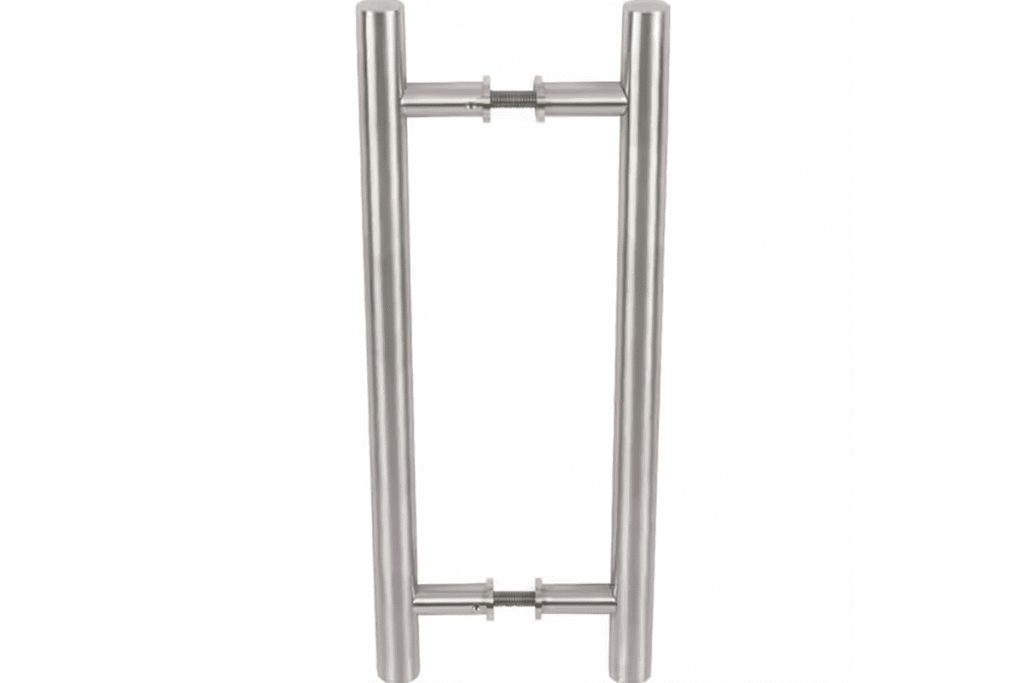
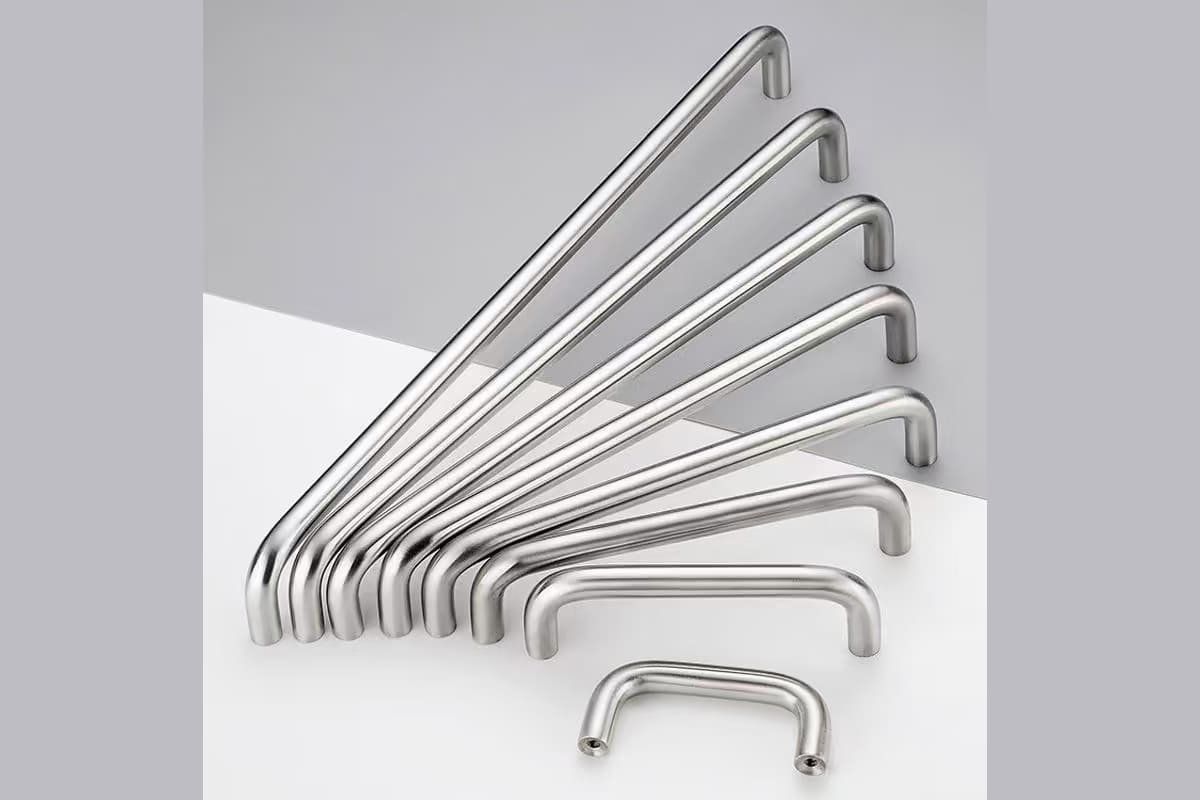
Back-to-back pull handles are paired handles installed on both sides of a door and fixed together through the door with connecting bolts. Buyers should choose them according to door material, door thickness, hole spacing, usage frequency, handle shape, material grade, finish requirements, and accessory configuration.

The right handle is not only a design choice. It is also an installation system. Below, I will explain how I usually help buyers evaluate handle types for glass doors, wood doors, and commercial doors before they move into bulk purchasing.
What Are Back-to-Back Pull Handles and Why Does Door Structure Matter?
Many buyers start with a product photo, but the door structure decides the installation result. If the handle pair, bolt length, hole spacing, and washers do not match the door, even a good-looking handle can create rework, delays, or after-sales complaints.
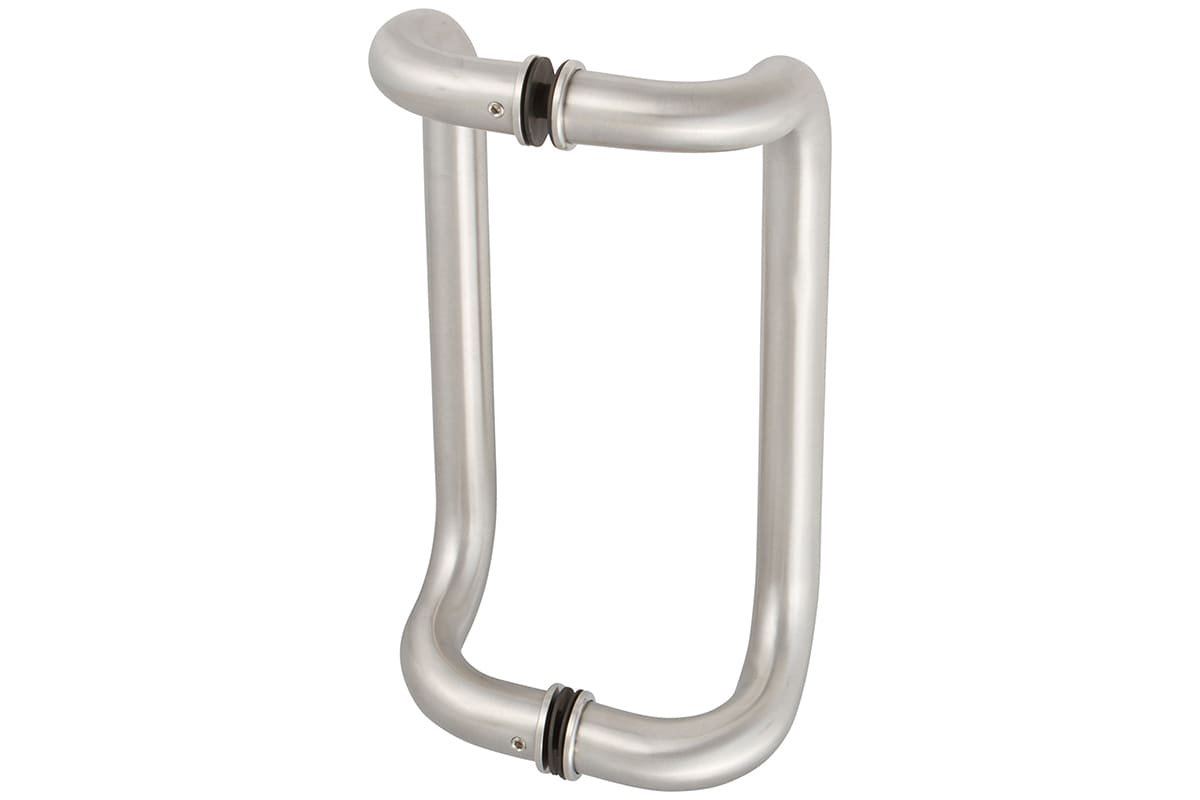
Back-to-back pull handles are two matching pull handles mounted on opposite sides of a door and connected through drilled holes with bolts.1 Door thickness, hole center distance, fixing method, washers, gaskets, and accessory length must be confirmed before ordering, especially for glass and high-frequency commercial doors.2
The basic structure buyers should understand
A back-to-back handle set usually includes:
- One handle for the push side
- One handle for the pull side
- Connecting bolts or through-bolts
- Washers, gaskets, or spacers
- Fixing screws or accessory kits
- Optional decorative caps or covers
In daily production communication, I usually ask buyers for three details first:
- Door material: glass, wood, aluminum frame, steel, or composite door
- Door thickness: this affects bolt length and spacer choice
- Hole spacing: this must match the handle’s mounting center distance
If one of these details is wrong, installation becomes uncertain. For example, a handle prepared for a 10–12 mm glass door may not fit a thicker wooden door without changing the bolt length. A long pull handle may look correct in the drawing, but if the hole spacing differs from the door factory’s drilling template, the buyer may need to redrill doors or change handles.
Why through-bolt fixing matters
Back-to-back pull handles are different from single-sided handles. A single-sided pull handle may use surface screws or concealed fixing on one side. A back-to-back pair is usually connected through the door, so both sides support each other.
This design gives a clean appearance and stable grip when matched correctly. However, it also means the door becomes part of the fixing system.
| Selection factor | Why it matters | What buyers should confirm |
|---|---|---|
| Door thickness | Decides bolt length and spacer needs | Exact thickness range, not only door type |
| Hole spacing | Must match drilling template | Center-to-center distance |
| Door material | Affects washer and gasket choice | Glass, wood, metal, or framed door |
| Handle length | Affects appearance and grip position | Overall length and mounting distance |
| Tube size or profile | Affects grip feel and strength perception | Diameter, square size, wall thickness |
| Finish | Affects batch appearance | Satin, polished, matte black, PVD, etc. |
My practical view as a supplier
I do not suggest choosing one model and using it everywhere. A hotel glass entrance, a retail shop door, and a wooden interior door may all use modern pull handles, but the installation logic is different.
For B2B buyers, I suggest treating the handle as a matched hardware assembly, not a loose decorative part. The quote should specify:
- Handle size
- Material
- Finish
- Door thickness range
- Hole spacing
- Bolt/accessory kit
- Packaging method
- Quantity and batch finish requirement
This approach reduces misunderstanding before sampling and helps the factory prepare the correct accessories from the beginning.
How Should Back-to-Back Pull Handles Be Selected for Modern Glass Doors?
Glass doors need clean lines, but they also need careful stress control. If buyers only choose by appearance, they may overlook gaskets, washers, hole diameter, and bolt pressure. That mistake can create installation risk or visible hardware mismatch.
Back-to-Back Pull Handles for modern glass doors should be selected by door thickness, hole spacing, gasket protection, handle shape, and finish consistency. Common choices include round tube, square tube, D-shaped, and long pull handles made from stainless steel, aluminum alloy, or brass.

Suitable handle shapes for glass doors
Glass doors often need a simple and modern look. I commonly see buyers request these handle shapes:
- Round tube handles: classic, easy to grip, suitable for many glass doors
- Square tube handles: sharper architectural style, often used in modern commercial interiors
- D-shaped handles: practical and familiar, useful for standard entrance doors
- Long pull handles: strong visual effect, often used on storefronts and showrooms
For glass doors, the handle shape should match both the design and the drilling plan. Long handles look elegant, but they require accurate alignment. Square handles look clean, but the visible angle makes finish and installation precision more noticeable.
Material choices for glass applications
The material should support the project’s appearance, environment, and budget. I usually discuss these options with buyers:
| Material | Common reason buyers choose it | Procurement note |
|---|---|---|
| Stainless steel | Modern appearance and good general durability | Confirm grade, tube size, wall thickness, and finish |
| 304 stainless steel | Common choice for many architectural hardware applications | Suitable for many indoor and general entrance uses |
| 316 stainless steel | Often considered where corrosion resistance is more important | Buyers should match it to environment and budget |
| Aluminum alloy | Lightweight and cost-effective for some designs | Confirm surface treatment and strength requirements |
| Brass | Premium appearance and warm color options | Confirm finish protection and batch color control |
I avoid saying one material is always best. The correct option depends on the door environment, usage, and price target. A high-end boutique may prefer brass or special finishes. A modern office may choose satin stainless steel. A coastal project may ask about 316 stainless steel, but buyers should still verify the full specification with the supplier.
Gaskets and washers are not small details
For glass doors, accessories matter as much as the handle body. The handle should not create direct hard pressure on the glass.3 Proper washers and gaskets help separate metal parts from glass contact points.
Buyers should confirm:
- Glass thickness
- Hole diameter
- Hole spacing
- Gasket material and size
- Bolt length and thread type
- Decorative cover dimensions
I have handled inquiries where the buyer sent only a product photo and total handle length. In that situation, I cannot responsibly confirm the accessory kit. I usually ask for a door drawing or at least the door thickness and hole center distance. This simple step helps avoid mismatched bolts and unsafe installation pressure.
Finish consistency on transparent doors
Glass reveals details. If two handles have slightly different finish tones, the difference may be more visible than on a solid door. For batch orders, buyers should confirm:
- Same finish standard across the batch
- Same polishing direction for stainless steel
- Same color tone for black, gold, bronze, or PVD-style finishes
- Protective packaging to avoid scratches during transport4
For modern glass doors, Back-to-Back Pull Handles should look clean, but they must also install safely and consistently.
Which Back-to-Back Pull Handles Work Best for Commercial Doors?
Commercial doors receive repeated daily use. If the handle is selected only for appearance, the buyer may face loose fixing, surface wear, or customer complaints. I always suggest checking usage frequency and door type before confirming the model.
Back-to-Back Pull Handles for commercial doors should prioritize stable grip, suitable material strength, wall thickness, secure through-bolt fixing, and maintainable finishes. Heavy-duty round tube handles, square tube handles, extra-long pull handles, and customized handles are common choices for high-traffic spaces.
Commercial doors need usage-based selection
A commercial door may be used hundreds or even thousands of times each day, depending on the building type.5 A low-traffic office room and a busy retail entrance do not need the same handle specification.
I usually divide commercial applications into three practical levels:
| Commercial use level | Example location | Handle selection focus |
|---|---|---|
| Light commercial | Office rooms, meeting rooms | Appearance, finish, standard fixing |
| Medium commercial | Shops, clinics, showrooms | Grip comfort, finish resistance, stable accessories |
| Heavy commercial | Entrances, public buildings, schools | Heavy-duty structure, strong fixing, easier maintenance |
This classification is not a laboratory rating. It is a procurement discussion tool. It helps buyers think beyond style and ask better questions.
Heavy-duty handle types
Commercial buyers often consider:
Heavy-duty round tube handles
These are widely used because the grip feels comfortable and the design is familiar.Heavy-duty square tube handles
These match modern architecture and glass partitions, but edges and finish quality should be checked.Extra-long pull handles
These work well for tall doors and large entrances. Buyers should confirm straightness, tube strength, and packaging.Customized pull handles
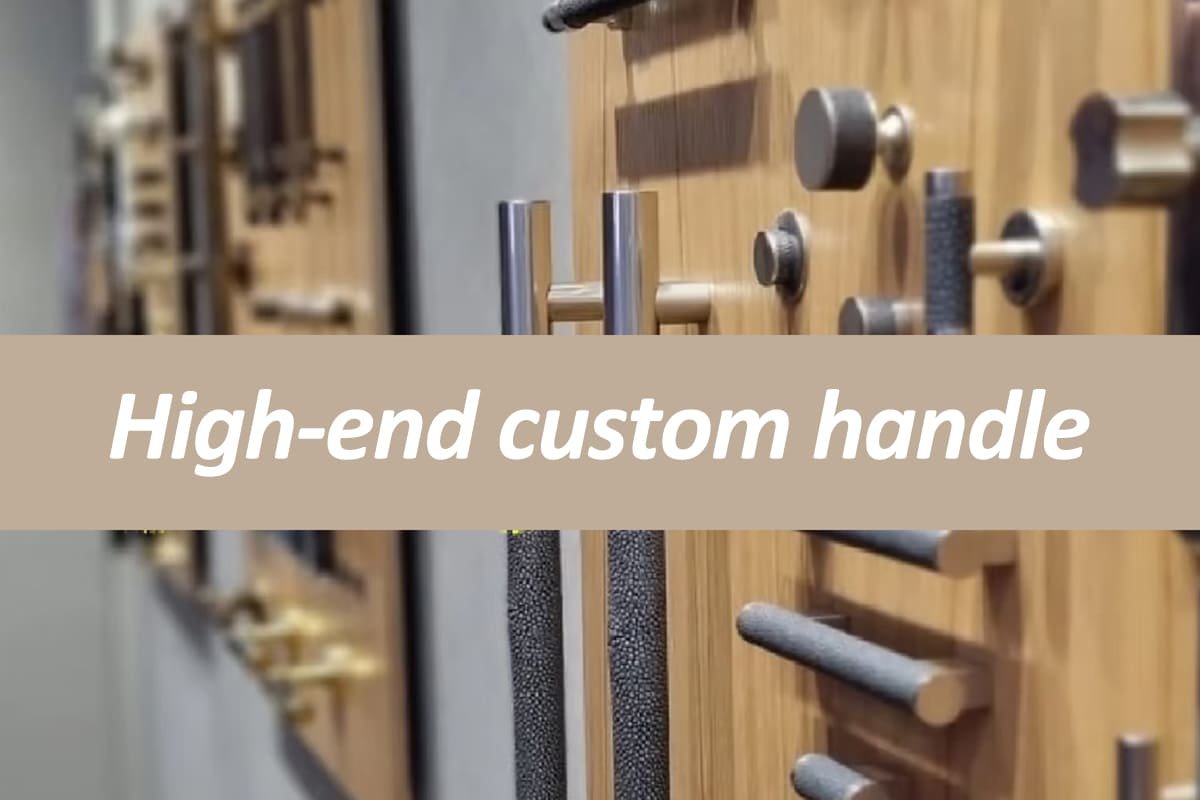
These are useful for brand-specific projects, door system matching, or regional design preferences.
Material and wall thickness
For commercial doors, the material name alone is not enough.6 Two stainless steel handles may look similar in a catalog but differ in tube thickness, internal structure, welding quality, and finish.
Buyers should ask about:
- Material grade
- Tube diameter or profile size
- Wall thickness
- Mounting foot design
- Bolt specification
- Surface finish process
- Packaging protection
304 stainless steel is commonly requested for commercial architectural hardware. 316 stainless steel may be discussed when corrosion resistance is a bigger concern.7 High-strength aluminum alloy may also be suitable where weight, color, and cost are important. The best choice depends on the door, environment, and buyer’s market positioning.
Maintenance and replacement thinking
Commercial hardware should also be easy to manage after installation. For wholesalers and hardware brands, I suggest keeping accessory configuration stable across repeat orders. If the same handle model uses different bolts in different batches without notice, installers may face confusion.
For batch procurement, buyers should request:
- A clear specification sheet
- Installation drawing
- Accessory list
- Finish sample or approved sample
- Inner box and carton packaging details
- Batch traceability or production reference where available
Back-to-Back Pull Handles for commercial doors should not be selected as decoration only. They should be evaluated as part of the door’s daily operating hardware.
How Should Buyers Choose Pull Handles for Wood Doors?
Wood doors give buyers more flexibility, but flexibility can also create confusion. If the handle style, finish, and fixing method do not match the door design, the final product may look inconsistent or feel unbalanced.
Pull handles for wood doors should be chosen by door style, thickness, handle shape, finish, and budget. Round tube, square tube, D-shaped, and long handles can all work, while stainless steel, brass, aluminum alloy, and zinc alloy offer different appearance and cost options.
Wood doors allow wider design matching
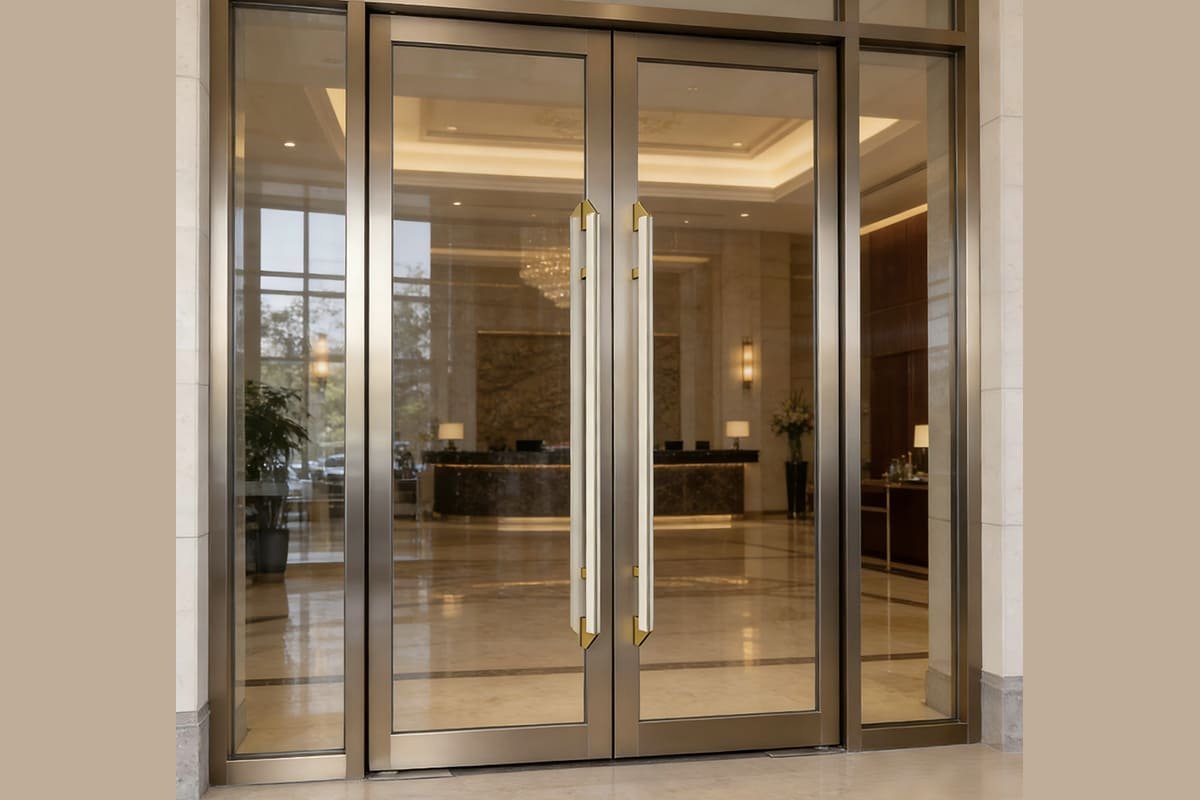
Compared with frameless glass doors, wood doors usually give more freedom in fixing and appearance. Buyers can choose handles that match:
- Interior style
- Door veneer or paint color
- Lock body and hinge finish
- Project budget
- Regional market preference
For example, a simple white interior door may pair well with matte black or satin stainless steel handles. A darker luxury wood door may look better with brass, bronze, or warm metallic finishes. A commercial wood door may need a stronger and longer handle than a residential-style door.
Common shapes for wood doors
Wood doors can use many handle shapes:
| Handle shape | Suitable design direction | Buyer note |
|---|---|---|
| Round tube | Simple, practical, universal | Good for many standard doors |
| Square tube | Modern, straight-line design | Finish and edge quality are more visible |
| D-shaped | Familiar and functional | Good for standard interior and entrance doors |
| Long pull | Strong visual effect | Confirm door height and fixing points |
| Customized profile | Brand or project-specific | Confirm MOQ, tooling, and drawing details |
I often tell buyers that wood doors make style matching easier, but they still need accurate dimensions. Door thickness and hole spacing remain important because through-bolts must connect both handles properly.8
Material choices for wood doors
Wood doors can use a broader range of materials:
- Stainless steel: clean look, common in modern hardware sets
- Brass: premium appearance, suitable for decorative projects
- Aluminum alloy: lighter and flexible in finishes
- Zinc alloy: useful for some cost-sensitive or decorative applications
The key is not only the material name. Buyers should check the full product structure and surface treatment. For example, a zinc alloy handle may meet a certain budget and style need, but it may not be the first choice for heavy commercial entrances. A stainless steel handle may be more suitable for a modern door system, but the finish must match hinges, mortise locks, lock cylinders, and lever handles if the buyer wants a complete hardware series.
Matching the full door hardware set
Many door manufacturers and hardware brands do not purchase handles alone. They need a complete door hardware package. I see buyers compare pull handles with:
- Door concealed hinges
- Butt hinges
- Mortise locks
- Lever handles
- Lock cylinders
- Door stops and accessories
If the pull handle finish is satin stainless steel but the hinge has a different satin tone, the complete door may look uneven. This is why I suggest confirming finish samples early, especially for large batch orders.
Installation on solid and engineered wood doors
Wood door structure can vary. Some doors are solid wood. Others have engineered cores, veneer surfaces, or reinforced areas.9 Buyers should confirm whether the fixing area is strong enough for the selected handle and expected use.10
For application-specific structural decisions, buyers should consult their door engineer, installer, or qualified project professional. As a hardware supplier, I can help match handle dimensions and accessories, but the door construction must also support the installation method.
Back-to-Back Pull Handles on wood doors can be very flexible, but professional confirmation reduces rework.
What Should B2B Buyers Check Before Placing a Batch Order for Back-to-Back Pull Handles?
A sample may look fine, but batch production brings new risks. If buyers do not confirm material, finish, bolts, packaging, and inspection details early, they may face inconsistent products, installation problems, or delayed shipments.
B2B buyers should check door material, door thickness, hole spacing, handle size, material grade, wall thickness, finish standard, accessory configuration, packaging, inspection process, and order quantity before placing batch orders for back-to-back pull handles.
The procurement checklist I recommend
When I handle buyer inquiries, I prefer to confirm technical and commercial details before quoting a bulk order. This reduces price changes and avoids wrong assumptions.
Buyers should prepare:
Door type
Glass, wood, aluminum frame, steel, or commercial entrance door.Door thickness
Exact thickness or thickness range.Hole spacing
Center-to-center distance between fixing holes.Handle dimensions
Overall length, tube diameter, projection, and mounting foot size.Material target
304 stainless steel, 316 stainless steel, aluminum alloy, brass, zinc alloy, or customized.Finish requirement
Satin, polished, matte black, gold, bronze, PVD-style, powder coating, or other.Accessory configuration
Bolts, washers, gaskets, spacers, Allen keys, caps, and installation parts.Packaging requirement
Single set box, foam protection, carton quantity, barcode, label, or brand packaging.Order quantity and delivery plan
Trial order, regular batch, project order, or seasonal stocking plan.
Similar appearance does not mean same quality
This is one of the most important points for buyers. Two handles may look almost identical in a photo, but they may not perform the same in installation or batch supply.
Differences may include:
- Material grade
- Tube wall thickness
- Welding and polishing quality
- Surface finish stability
- Thread quality
- Bolt material
- Gasket thickness
- Packaging protection
- Batch color consistency
For wholesalers and hardware brands, these details affect customer satisfaction. A loose bolt or scratched finish can create a return even if the handle design is correct.
Sample approval should include accessories
I suggest that buyers approve a complete sample set, not only the handle body. The approved sample should include:
- Both handles
- All bolts
- All washers and gaskets
- Decorative covers
- Installation drawing
- Packaging method
If the sample uses one type of bolt and the bulk order ships with another type, installers may complain. If the gasket thickness changes, glass door installation may be affected. These details are small, but they create real procurement risk.
Finish consistency for batch orders
For architectural hardware, finish consistency is a major concern. A buyer may order pull handles, hinges, mortise locks, and lever handles together. If each category has a slightly different finish tone, the final door set may not satisfy the customer.11
I recommend confirming:
| Finish issue | What buyers should do |
|---|---|
| Satin direction | Approve sample and polishing direction |
| Black tone | Confirm matte level and color standard |
| Gold or bronze tone | Confirm approved sample and batch tolerance |
| Scratch risk | Confirm individual protection and carton packing |
| Mixed hardware sets | Compare pull handles with hinges, locks, and lever handles |
Supplier evaluation points
A reliable supplier should be able to discuss more than price. Buyers should evaluate whether the supplier can provide:
- Clear product drawings
- Stable production capacity
- Consistent finish control
- Accessory matching support
- ODM customization ability
- Bulk packaging options
- Pre-shipment inspection procedures
- Long-term repeat order support
At SDH Hardware, my team focuses on full-category architectural door hardware supply, including concealed hinges, mortise locks, butt hinges, lever handles, lock cylinders, and pull handle products. For back-to-back pull handles, I usually guide buyers to confirm door information first, then match the correct size, material, finish, and accessory kit.
The best procurement decision is not always the lowest unit price.12 It is the option that reduces installation mismatch, protects batch consistency, and supports stable repeat business.
Frequently Asked Questions
What is the difference between a back-to-back pull handle and a single-sided pull handle?
A back-to-back pull handle uses two handles mounted on opposite sides of the door and connected through the door with bolts. A single-sided pull handle is installed on one side only. Back-to-back installation usually needs more careful confirmation of door thickness, hole spacing, and accessories.
Can the same back-to-back pull handle be used on glass, wood, and commercial doors?
The same design may sometimes be adapted, but buyers should not assume one model fits all doors. Glass doors need proper gaskets, wood doors need suitable fixing structure, and commercial doors need stronger consideration of usage frequency, material, wall thickness, and maintenance.
What information should I send before requesting a quotation?
I suggest sending door material, door thickness, hole spacing, handle length, tube size, finish, material preference, order quantity, and accessory needs. If possible, a door drawing or installation photo helps the supplier match bolts, washers, gaskets, and packaging more accurately.
Which material is best for back-to-back pull handles?
There is no single best material for every project. 304 stainless steel is common for many architectural uses. 316 stainless steel may suit more demanding environments. Aluminum alloy, brass, and zinc alloy can fit different design and budget needs. Buyers should match material to application and market positioning.
Why is finish consistency important for bulk handle orders?
Finish consistency affects the final appearance of door sets, especially when pull handles are supplied with hinges, locks, cylinders, or lever handles. For batch orders, buyers should approve samples, confirm finish standards, and check packaging protection to reduce scratches and color differences.
Conclusion
Back-to-Back Pull Handles are modern, practical, and widely used, but they should be selected as a complete through-bolted hardware system. I recommend confirming door material, door thickness, hole spacing, handle shape, material, finish, accessories, and batch requirements before ordering. This approach helps reduce installation mismatch, rework, and after-sales issues. If you are sourcing handles for glass, wood, or commercial doors, contact SDH Hardware with your drawings, specifications, finish target, and order quantity so I can help match a suitable solution.
"SECTION 087111 - DOOR HARDWARE (SCHEDULED BY ...", https://fpm.usc.edu/wp-content/uploads/2021/11/087101-USC-UPC-door-hardware-Guide-Specification_1.pdf. ANSI/BHMA architectural hardware terminology and product standards describe paired door pulls and through-door fastening methods, supporting the definition of back-to-back pull handles as opposed-side pulls connected through the door. Evidence role: definition; source type: institution. Supports: A neutral hardware standard or architectural reference should confirm that back-to-back pulls are paired door pulls mounted on opposite sides and fastened through the door.. Scope note: The source may define the hardware category generally rather than the exact product wording used in the article. ↩
"087100 – DOOR HARDWARE - Facilities and Campus Services", https://fcs.cornell.edu/087100-door-hardware. Architectural hardware and glazing installation guidance treats door thickness, mounting-hole centers, through-bolt length, washers, and gaskets as installation variables that must be coordinated before hardware is ordered or installed. Evidence role: general_support; source type: institution. Supports: A building hardware or glazing installation reference should show that handle installation depends on door thickness, drilled-hole spacing, mounting hardware, and protective accessories.. Scope note: The source will likely support the technical factors generally, not the article’s specific procurement sequence. ↩
"LAFBWESTGATEDCC _ [08 56 53_PRN]", https://www.valverdecounty.texas.gov/DocumentCenter/View/991. Glazing engineering literature identifies drilled holes and point-loaded hardware connections as stress-concentration locations in glass and describes compliant gaskets or washers as measures that reduce direct hard contact between metal fittings and glass. Evidence role: mechanism; source type: research. Supports: A glazing engineering source should explain that holes, point loads, and hard contact can concentrate stress in glass, and that compliant gaskets or washers help distribute load and isolate metal from glass.. Scope note: This supports the mechanical rationale for using gaskets but does not prove that every improperly gasketed handle installation will fail. ↩
"Review on metal packaging: materials, forms, food ... - PMC", https://pmc.ncbi.nlm.nih.gov/articles/PMC7270472/. Transport-packaging standards such as ASTM D4169 and ISTA procedures evaluate packaging against distribution hazards including shock, vibration, compression, and abrasion, supporting the role of protective packaging in reducing shipping damage to finished hardware. Evidence role: general_support; source type: institution. Supports: A transport-packaging standard should support that packaging is tested and specified to protect products from distribution hazards such as vibration, impact, abrasion, and compression.. Scope note: The standards support packaging risk control generally; they do not guarantee scratch prevention for every packaging design or shipping route. ↩
"[PDF] DOOR HARDWARE (SCHEDULED BY DESCRIBING PRODUCTS)", https://fpm.usc.edu/wp-content/uploads/2021/11/087102-USC-HSC-door-hardware-Guide-Specification_1.pdf. Door-hardware performance standards and building-traffic studies recognize that commercial entrances may be subject to high repeated operating cycles, with test regimes designed to simulate extensive use over service life. Evidence role: statistic; source type: institution. Supports: A source should document either measured traffic through commercial entrances or hardware standards that classify door hardware by high-cycle use.. Scope note: Cycle-test standards provide contextual evidence for high-use conditions but may not state daily traffic counts for every building type. ↩
"Experimental Analysis of Steel Circular Hollow Section under ...", https://pmc.ncbi.nlm.nih.gov/articles/PMC9230980/. Engineering mechanics texts explain that the strength and stiffness of tubular components depend on section geometry, wall thickness, material properties, and fabrication quality, supporting the view that an alloy label alone is insufficient for commercial hardware evaluation. Evidence role: mechanism; source type: education. Supports: An engineering source should explain that structural performance of tubes depends on geometry, wall thickness, fabrication, and material properties, not only alloy name.. Scope note: The source supports the general mechanical principle rather than testing the specific pull-handle models discussed in the article. ↩
"[PDF] Measurements of thermophysical properties of solid and liquid NIST ...", https://tsapps.nist.gov/publication/get_pdf.cfm?pub_id=928362. Materials references from government or standards bodies explain that type 316 stainless steel contains molybdenum and generally provides greater resistance to pitting and chloride-related corrosion than type 304 stainless steel. Evidence role: mechanism; source type: government. Supports: A materials science source should explain that 316 stainless steel contains molybdenum and generally offers improved resistance to pitting or chloride corrosion compared with 304 stainless steel.. Scope note: The source supports the material property comparison, while actual suitability still depends on environment, fabrication, maintenance, and finish. ↩
"Standard Door Prep Instructions | Direct Door Hardware", https://www.directdoorhardware.com/standard-door-prep-how-to.htm?srsltid=AfmBOorU_Sov5SZKx3OCWsLOEFmudH_pRFrHsZrGfKNupvbmPmcjvZrQ. Hardware installation references for through-bolted door pulls specify matching the bolt length to door thickness and aligning the drilled hole centers with the pull’s mounting centers, supporting the need to verify both dimensions before installation. Evidence role: mechanism; source type: institution. Supports: A hardware installation guide or fastening reference should confirm that through-bolts must have correct length for the door thickness and align with the mounting-hole centers of both handles.. Scope note: Installation guides are product- or category-specific, so the cited values may not apply universally to all handle designs. ↩
"[PDF] SECTION 081400 - FLUSH WOOD DOORS - Fitchburg, MA", https://www.fitchburgma.gov/DocumentCenter/View/10460. Wood door manufacturing standards describe architectural wood doors as assemblies that may include solid or engineered cores, wood veneer faces, and reinforcement or blocking for hardware locations. Evidence role: definition; source type: institution. Supports: A wood door industry standard should describe common architectural wood door constructions, including cores, faces or veneers, and reinforcement for hardware.. Scope note: The source supports the range of wood-door constructions generally, not the construction of any particular door supplied for a project. ↩
"SECTION 087111 - DOOR HARDWARE (SCHEDULED BY ...", https://fpm.usc.edu/wp-content/uploads/2021/11/087102-USC-HSC-door-hardware-Guide-Specification_1.pdf. Architectural wood door standards and hardware installation guidance recognize that hardware locations require suitable substrate strength or reinforcement, supporting the need to verify the fixing area before installing pull handles. Evidence role: mechanism; source type: institution. Supports: A wood-door or hardware standard should show that hardware locations may require reinforcement, blocking, or adequate substrate strength to carry loads from installed hardware.. Scope note: The source can establish the need for reinforcement or adequate substrate strength, but load adequacy for a specific handle still requires project-specific assessment. ↩
"Perceptibility and acceptability of CIELAB color differences in ... - PMC", https://pmc.ncbi.nlm.nih.gov/articles/PMC2041906/. Colorimetry standards such as CIE color-difference methods and industrial coating specifications treat small color variations as measurable and potentially perceptible, supporting the use of approved samples and tolerances for coordinated hardware finishes. Evidence role: general_support; source type: institution. Supports: A color measurement standard or perception source should support that small finish-color differences can be perceptible and are commonly managed through color tolerances.. Scope note: Color-difference standards support perceptibility and quality control generally, but customer dissatisfaction depends on lighting, viewing distance, material, and expectations. ↩
"Life-cycle costing as a tool in mainstreaming green public ...", https://www.oecd.org/en/publications/life-cycle-costing-in-public-procurement-in-hungary_8d90f627-en/full-report/component-5.html. Public procurement guidance from international institutions frames value for money as a balance of price, quality, risk, lifecycle cost, and performance, supporting the claim that the lowest unit price is not necessarily the best procurement decision. Evidence role: expert_consensus; source type: institution. Supports: A procurement institution or research source should explain that value-for-money or total-cost approaches account for quality, risk, lifecycle costs, and supplier performance, not just initial price.. Scope note: The source supports procurement principles generally and does not specifically evaluate back-to-back pull handle purchasing. ↩