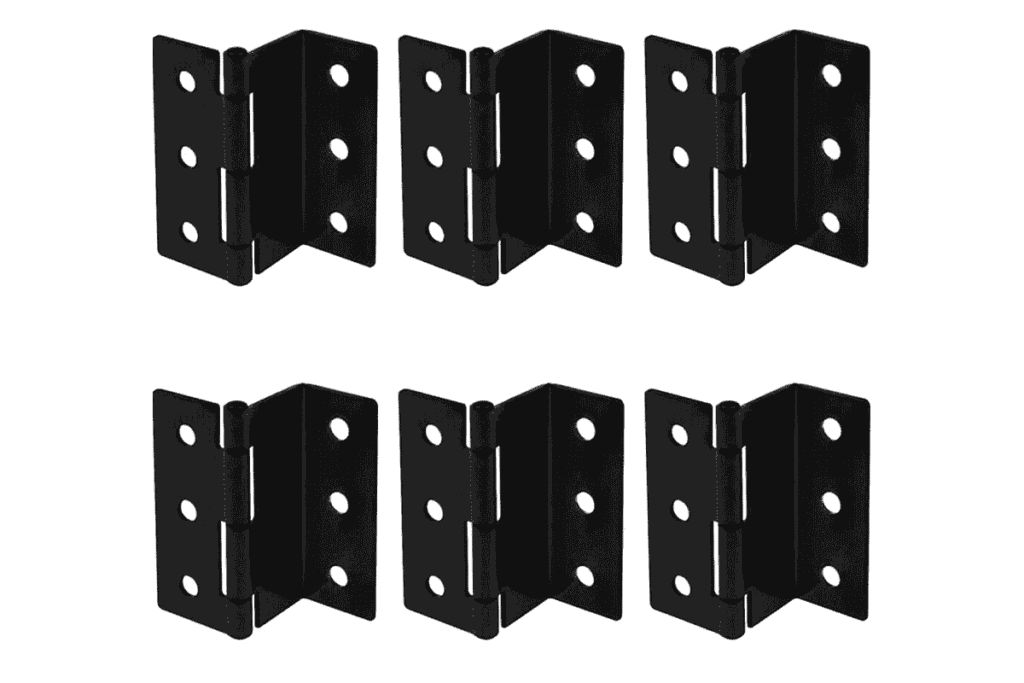
Why Choose Offset Pivot Hinges for Your Commercial or Residential Door?
Offset pivot hinges can solve a real door movement problem when a standard side-hinged swing creates stress, poor clearance, or an unwanted visual line. Many buyers focus only on hinge strength, but that can lead to mismatched hardware. I prefer to start with the door structure, swing path, and project use before choosing the hinge type.
Offset pivot hinges are chosen when a door needs its rotation axis moved away from the normal hinge edge to improve swing trajectory, load distribution, durability, and visual integration. They are most useful for heavy, large-format, high-frequency, or design-focused doors, especially commercial entrance doors, hotel doors, office doors, glass doors, and large wooden doors.
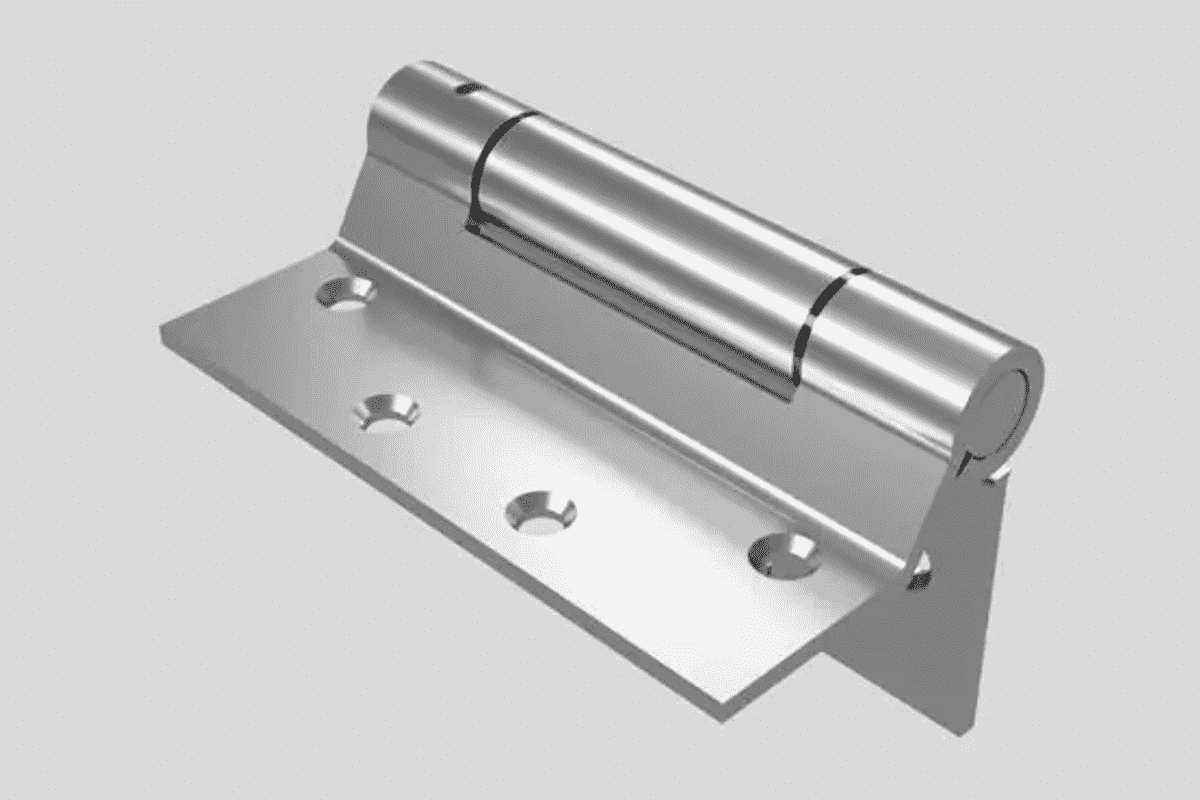
A good hinge choice is not about buying the strongest part on paper. It is about matching the door leaf, frame, floor condition, opening frequency, appearance goal, and installation method. I will break down how I usually explain this to door manufacturers, project buyers, and hardware purchasing teams.
How Do Offset Pivot Hinges Work?
Many hinge problems begin when the door swing path is treated as an afterthought. A door may look simple, but its weight, thickness, frame position, and opening direction all affect movement. If the rotation axis is wrong, even a strong hinge can feel unsuitable.
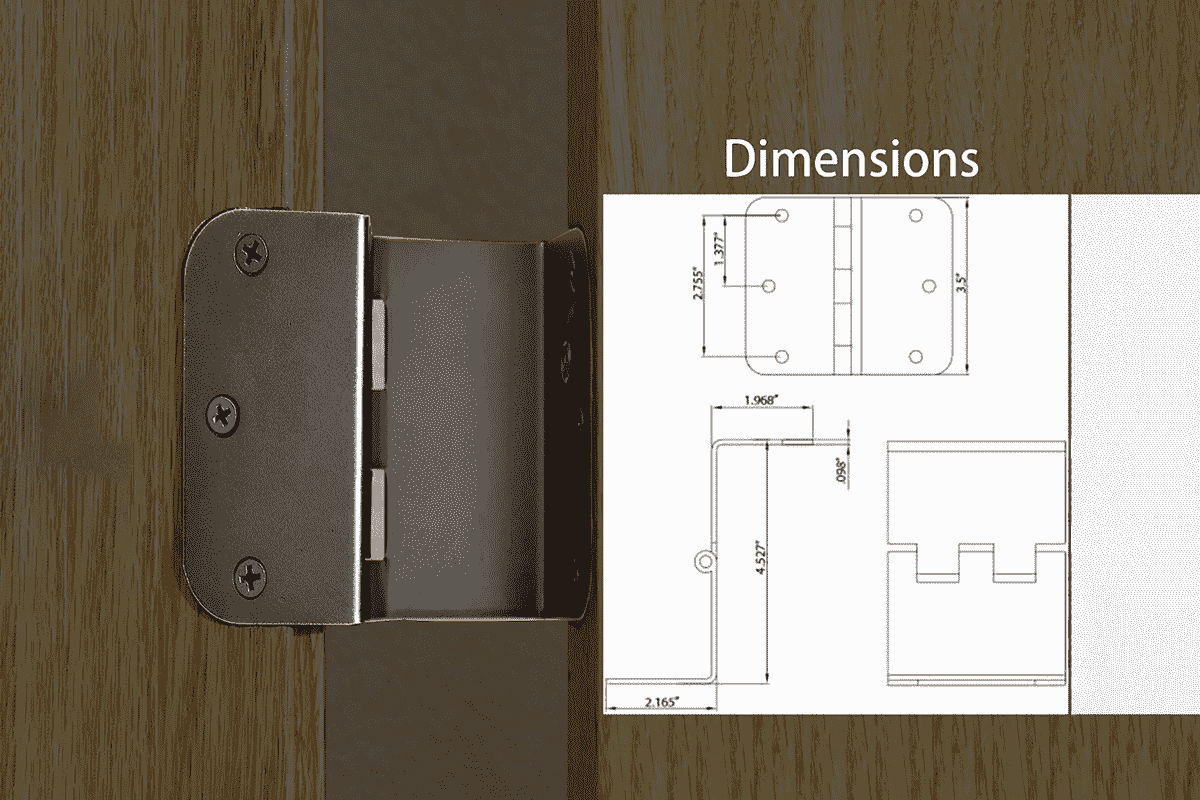
Offset pivot hinges work by placing the door’s rotation axis away from the conventional side-mounted hinge line.1 Instead of swinging only from the door edge, the door rotates around an offset pivot point, usually at the top and bottom of the door. This changes clearance, weight transfer, opening feel, and visual appearance.
The Core Principle: The Axis Moves
A standard butt hinge is usually mounted along the side edge of the door and frame.2 The rotation line sits close to that hinge edge. This is simple, economical, and suitable for many normal doors. However, some doors need a different swing path.
With offset pivot hinges, the rotation axis is moved:
- Away from the door edge
- Toward an inward or offset position
- Between the top and bottom pivot points
- Closer to the intended load path of the door
This matters because the door does not simply “hang” from side knuckles like it does with ordinary butt hinges. Instead, the door weight is transferred more directly through pivot points, often through the floor and header or frame structure.3
I often remind buyers that the question is not only “Can this hinge carry the door?” The better question is “Does this door need an offset pivot structure to move correctly and remain stable?”
Offset Pivot Hinges vs. Butt Hinges
The comparison below helps procurement teams avoid choosing hardware only by habit.
| Feature | Offset Pivot Hinges | Standard Butt Hinges |
|---|---|---|
| Rotation axis | Offset from the door edge | Along the side hinge line |
| Common use | Heavy, large, architectural, high-frequency doors | Standard interior and exterior doors |
| Visual effect | Cleaner, less exposed hardware appearance | Hinges are usually visible on one side |
| Load behavior | Can support more balanced load transfer when matched correctly | Load is carried through side-mounted hinges |
| Installation focus | Requires accurate floor/frame/header alignment | Easier and more familiar installation |
| Buyer risk | Wrong offset or structure can cause poor swing | Wrong grade or size can cause sagging |
Why the Shifted Axis Matters
The shifted axis can improve several practical details:
Swing clearance
The door can open with a different arc.4 This can help in entrance areas, corridors, showrooms, hotels, and other spaces where door movement must feel intentional.Weight distribution
Large doors place stress on the hardware and frame.5 A pivot structure can transfer load more reasonably when the door, frame, and floor are suitable.Visual integration
Many architects and door brands prefer fewer visible hinge barrels. Offset pivot hardware can support a cleaner door face.6Smoother movement
A well-matched pivot system can improve the opening feel, especially on large doors. This is important for high-end commercial and residential doors.Reduced side-frame stress
Because the door does not depend only on multiple side-mounted hinges, the frame design can sometimes be more suitable for large-format doors.
What I Check Before Recommending This Structure
From a supplier-side point of view, I do not like to recommend offset pivot hinges from only a photo or a target price. I usually want to confirm:
- Door height and width
- Door leaf thickness
- Estimated door weight
- Door material, such as wood, steel, aluminum, or glass
- Frame material and structure
- Floor condition and fixing method
- Opening frequency
- Indoor or outdoor environment
- Required opening angle
- Desired visual effect
- Related hardware, such as locks, closers, handles, and seals
This process protects both sides. It helps the buyer avoid under-specification, and it also avoids over-specification. Not every door needs a pivot structure. But when the door is large, heavy, frequently used, or design-sensitive, the working principle of offset pivot hardware becomes very valuable.
When Do Offset Pivot Hinges Make Sense for Commercial Doors?
Commercial doors often fail in ways that are expensive to correct later. A hinge that works during installation may not perform well after months of frequent opening, closing, pushing, and pulling. This is why commercial buyers must think beyond the first purchase price.
Offset pivot hinges make sense for commercial doors when the door is heavy, wide, tall, frequently used, or part of an architectural entrance system. They are especially relevant for hotels, office buildings, shopping malls, public entrances, and large wooden or glass doors where stability, smooth movement, and appearance all matter.
Commercial Projects Usually Need More Than Basic Strength
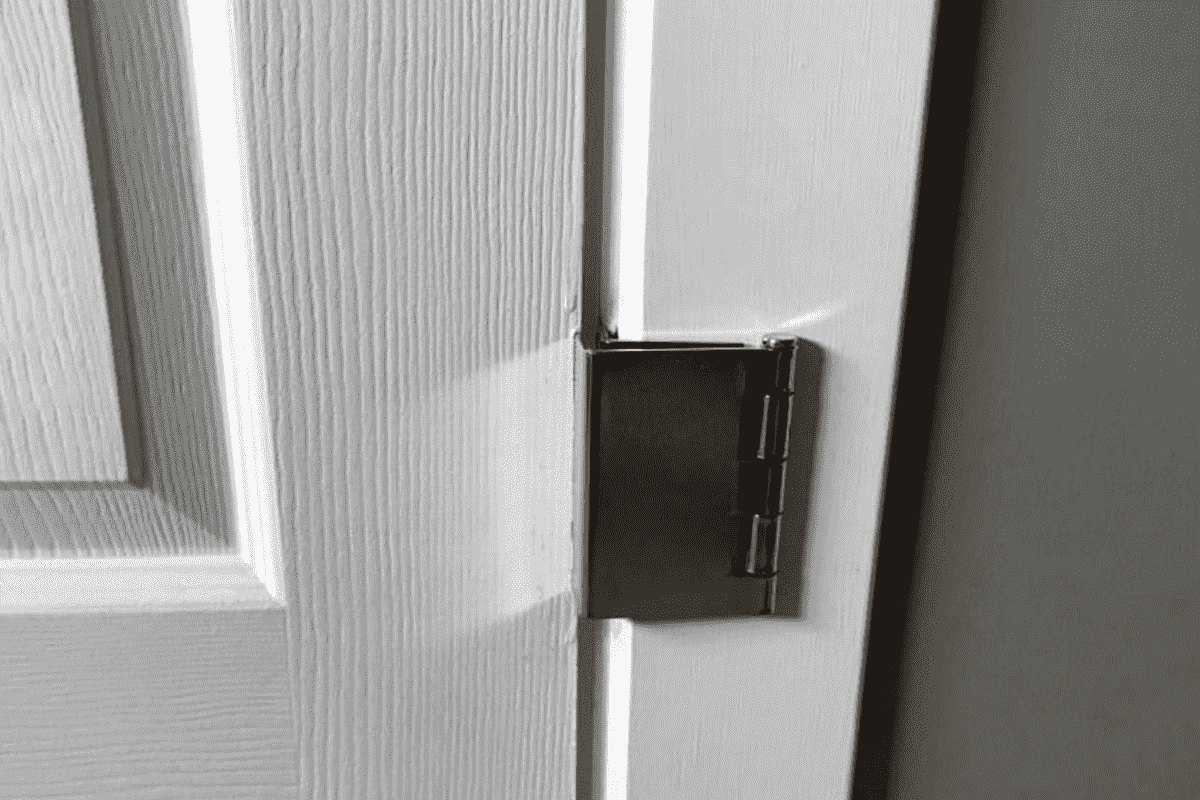
In commercial procurement, I see many buyers start with one question: “How many kilograms can this hinge carry?” That question is understandable, but it is incomplete. A hinge does not work alone. It works with the door, frame, fasteners, floor, closer, lock, and installation condition.
For commercial doors, I suggest buyers think through these practical factors:
- Opening frequency: Is the door used dozens, hundreds, or thousands of times per day?
- Door size: Is the door taller or wider than a standard door?
- Door material: Is the door solid wood, metal-framed glass, stainless steel, or composite?
- Frame support: Can the frame or header accept pivot hardware properly?
- Floor fixing: Is the floor strong enough for bottom pivot fixing?
- Traffic behavior: Will users push the door gently, or will it receive rough use?
- Maintenance access: Can the hardware be inspected or adjusted later?
Commercial entrances are not controlled environments. Users may push hard, pull at an angle, kick the bottom rail, or hold the door open incorrectly. Because of this, offset pivot hinges should be evaluated as part of a full door movement system, not as a single metal fitting.
Strong Commercial Use Cases
The strongest applications usually include:
Hotel entrance doors
Hotels often need a balance of appearance and durability. A clean hinge line can improve the entrance design, while the pivot structure helps support larger door panels.Office building doors
Office projects often require repeated daily use. Smooth operation and reduced door sag risk are important for tenant experience and maintenance control.Shopping mall doors
Mall doors may be large and frequently operated. The hinge system must support stable movement and withstand constant public use.Commercial wooden doors
Heavy timber doors can put high stress on traditional side hinges. A pivot system may suit the door better when the design and frame allow it.Glass or framed glass doors
Glass doors often need clean visual lines and careful hardware matching. The pivot position affects both appearance and movement.Architectural feature doors
Some commercial doors are part of the building design. In these cases, exposed hinge barrels may not match the desired look.
Commercial Evaluation Table
| Commercial factor | Why it matters | What I suggest checking |
|---|---|---|
| High traffic | Repeated cycles increase wear7 | Confirm hinge grade, material, fixing method, and maintenance plan |
| Heavy door leaf | Weight affects sagging and swing feel | Confirm door weight, size, thickness, and pivot layout |
| Large opening | Wider doors create more leverage | Check offset position, frame support, and opening angle |
| Design requirement | Visible hinges may not suit the project | Compare concealed, pivot, and butt hinge aesthetics |
| Fire or compliance needs | Some projects require verified documents | Ask for relevant certificates and confirm project applicability |
| Installation condition | Pivot hardware needs accurate positioning | Review drawings, floor condition, and frame details |
The Risk of Choosing by Price Alone
A lower hinge price can become expensive if the door later has movement problems. I do not say that expensive hardware is always better. I say that wrong hardware is always costly.
Commercial buyers should compare total procurement risk:
- Replacement labor
- Site delays
- Door rework
- Customer complaints
- Finish inconsistency in batch orders
- Incompatibility with door closers or locks
- Maintenance after project handover
As a manufacturer and supplier, I also pay attention to batch consistency. For project buyers, one sample may work well, but the full order must maintain the same finish, dimensions, machining quality, and packaging control. This is especially important when hardware is supplied to door factories, wholesalers, or brand operators.
Practical Procurement Tip
Before confirming offset pivot hinges for a commercial project, I suggest preparing a simple specification sheet. It should include:
- Door drawing or photo
- Door size and thickness
- Door material
- Estimated door weight
- Frame structure
- Opening direction and angle
- Indoor or outdoor use
- Required finish
- Related hardware list
- Certification or document requirements
This makes supplier communication faster and more accurate. It also helps avoid vague quotes that look attractive at first but create risk later.
Are Offset Pivot Hinges a Good Choice for Residential Doors?
Residential buyers sometimes choose hardware based on appearance first. That is natural because a home door must feel comfortable and look right every day. But if the door is not large, heavy, or design-sensitive, a pivot system may not be necessary.
Offset pivot hinges can be a good choice for residential doors when the door is oversized, heavy, high-end, or designed for a cleaner architectural look. They are not required for every home door. Standard butt hinges may still be the better choice for normal bedroom, bathroom, or utility doors.
Residential Needs Are Different From Commercial Needs
Residential doors usually have lower opening frequency than commercial entrance doors. The main priorities are often:
- Appearance
- Quiet movement
- Smooth opening feel
- Space use
- Match with interior design
- Long-term stability
- Reasonable cost
Commercial doors often prioritize durability under heavy traffic.8 Residential doors may prioritize the feeling of quality and the visual effect. This difference matters because the same hinge type can be justified for different reasons.
For example, a large wooden villa entrance door may benefit from a pivot structure because of its weight and design. A normal apartment bedroom door may not. In that case, high-quality butt hinges or concealed hinges may be more practical and economical.
Where Residential Projects Benefit Most
I usually see offset pivot hinges as a better fit for residential applications like these:
Large main entrance doors
Heavy entrance doors need stable movement and strong support. A pivot system can match this purpose when the frame and floor are suitable.High-end interior feature doors
Some homes use tall, flush, or minimalist doors. A pivot hinge can reduce visible hardware and support the design language.Thick wooden doors
Thick solid wood doors may feel heavy on ordinary hinges. The door structure should be checked before choosing the hardware.Modern architectural homes
Clean lines and hidden hardware are common in modern interiors. Offset pivot hardware can help create that look.Doors requiring a special swing path
Some layouts need better clearance or a specific opening feel. The offset rotation axis may help, depending on the design.
Residential Comparison: Pivot, Butt, or Concealed?
| Door situation | Offset pivot hinges | Butt hinges | Concealed hinges |
|---|---|---|---|
| Standard bedroom door | Usually unnecessary | Good fit | Possible for cleaner look |
| Heavy villa entrance door | Strong option if structure allows | May need heavy-duty grade | Sometimes limited by load |
| Minimalist flush door | Good option | Visible hinge line | Strong design option |
| Thick solid wood door | Often worth evaluating | Must be carefully sized | Depends on hinge capacity |
| Budget-sensitive door | May be over-specified | Usually best value | Higher cost than butt hinges |
| Special opening path | Often useful | Limited | Depends on design |
Do Not Over-Specify the Door
Over-specification is a real procurement issue. A buyer may choose pivot hardware because it sounds premium, but the door may not need it. This can increase cost and installation complexity without adding enough value.
I suggest asking three questions:
Does the door need a shifted rotation axis?
If the answer is no, a standard hinge may work well.Does the door structure support pivot installation?
If the frame, header, or floor cannot accept the hardware properly, the project may need redesign.Does the appearance goal justify the hardware?
If the design needs a clean hinge line, the pivot choice becomes more reasonable.
Installation Compatibility Matters
I do not provide on-site engineering approval from a blog article, and I do not suggest that buyers make final project decisions without qualified review. For residential projects, a door professional or installer should verify the site condition.
Important checks include:
- Floor strength and flatness
- Header or top frame support
- Door thickness
- Bottom clearance
- Lock position
- Sealing requirements
- Door closer compatibility
- Opening direction
- Safety requirements
A good residential result depends on the whole system. The hinge is important, but it cannot correct a weak frame, poor machining, or an unsuitable door design.
How Should Buyers Evaluate Offset Pivot Hinges Before Ordering?
Many ordering mistakes happen before production starts. The buyer asks for a price, the supplier gives a quote, and both sides assume the technical details are understood. That is risky for pivot hardware because small specification gaps can affect installation and movement.
Buyers should evaluate offset pivot hinges by checking door size, weight, thickness, material, opening frequency, frame structure, floor condition, finish requirement, certification documents, and supplier production consistency. A good evaluation process reduces mismatch, avoids unnecessary cost, and improves long-term door performance.
Start With the Door, Not the Hinge
When I discuss hinge orders with buyers, I prefer to start with the door details before quoting. This may feel slower at first, but it usually saves time later.
A buyer may say, “I need a pivot hinge for a 100 kg door.” I still need more information. A 100 kg short and narrow door behaves differently from a 100 kg tall and wide door. The leverage changes.9 The frame condition changes. The required swing path changes.
Key Specification Checklist
Before purchasing offset pivot hinges, I suggest preparing the following information:
- Door height
- Door width
- Door thickness
- Door weight
- Door material
- Frame material
- Floor condition
- Indoor or outdoor use
- Opening angle
- Traffic level
- Finish color
- Corrosion resistance needs
- Door closer requirement
- Lock and handle position
- Fire-rated or CE document requirements, if applicable
Buyers should verify certificates and test documents directly with suppliers. For project-specific compliance, I recommend professional review because certification scope can depend on product model, door assembly, installation method, and market requirements.10
Material and Finish Considerations
For architectural hardware, material and surface finish are not only appearance issues. They affect corrosion resistance, batch consistency, and market acceptance.11
Common buyer concerns include:
| Requirement | Why buyers care | Supplier-side control point |
|---|---|---|
| Stainless steel finish | Clean appearance and corrosion resistance | Raw material grade, polishing, brushing, passivation |
| Satin or brushed finish | Matches other door hardware | Surface consistency across batch orders |
| PVD or plated finish | Decorative and brand-specific color | Color sample control and batch tolerance |
| Zinc alloy or accessory parts | Cost and shape flexibility | Mold precision and surface treatment |
| Outdoor use | Moisture and weather exposure | Material selection and coating suitability |
At SDH Hardware, our broader door hardware production experience includes hinges, mortise locks, lever handles, lock cylinders, and related architectural hardware. I mention this because pivot hinge selection often connects with the rest of the door set. A hinge may be correct, but the door can still feel wrong if the closer, lock, or handle does not match the application.
Supplier Selection Criteria
A buyer should not evaluate a supplier only by unit price. For B2B procurement, supplier reliability has direct impact on delivery, product consistency, and after-sales risk.
I suggest checking:
Manufacturing capability
Does the supplier have stable production lines and quality control procedures?Product category support
Can the supplier support related door hardware, or only one hinge item?Customization ability
Can the supplier adjust finish, size, accessory configuration, or packaging for your market?Quality inspection process
Does the supplier inspect raw materials, machining, surface finish, and finished products?Document support
Can the supplier provide relevant CE, fire-rated, or other documents for buyers to verify?Export market experience
Does the supplier understand regional expectations in Europe, the Middle East, Southeast Asia, or other target markets?Communication accuracy
Does the supplier ask technical questions before quoting, or only send a price?
Avoid These Common Procurement Mistakes
I recommend avoiding these mistakes when purchasing offset pivot hinges:
- Choosing only by listed load capacity
- Ignoring door width and leverage
- Ignoring frame and floor fixing strength
- Treating residential and commercial use as identical
- Forgetting to check the opening angle
- Matching the hinge after the door is already finalized
- Assuming every certificate applies to every door assembly
- Buying samples without confirming batch production consistency
- Selecting finish from photos only
- Ignoring packaging needs for export or wholesale distribution
A Simple Decision Path
I use a simple decision path when discussing pivot hinge suitability:
Is the door standard size and light-duty?
If yes, standard hinges may be enough.Is the door heavy, tall, wide, or frequently used?
If yes, pivot hardware is worth evaluating.Does the project need a cleaner appearance?
If yes, pivot or concealed solutions may be suitable.Can the frame, floor, and header support installation?
If no, the design should be reviewed before ordering.Are documents or compliance requirements involved?
If yes, verify certificates and technical scope before purchase.
This approach helps buyers make a practical decision. It also keeps the conversation focused on performance, compatibility, and procurement risk rather than only on price.
Frequently Asked Questions
Are offset pivot hinges better than butt hinges?
Offset pivot hinges are not automatically better than butt hinges. They are better when the door needs an offset rotation axis, improved support for a large door, cleaner appearance, or a special swing path. For standard doors, good-quality butt hinges may be simpler, more economical, and fully suitable.
Can offset pivot hinges be used on fire-rated doors?
They may be used only when the specific hinge, door assembly, and installation method match verified fire-rated requirements.12 Buyers should request valid documents from the supplier and confirm the certification scope with a qualified professional or relevant authority before using them in fire-rated projects.
What door types are most suitable for offset pivot hinges?
Offset pivot hinges are most suitable for heavy wooden doors, large-format commercial doors, hotel entrance doors, office building doors, shopping mall doors, glass doors, and architectural feature doors. The final choice should consider door size, weight, frame structure, floor condition, and opening frequency.
Do offset pivot hinges require special installation?
Yes, they usually require more accurate installation than ordinary butt hinges. The top and bottom pivot points must align correctly, and the frame or floor must support the fixing method. I recommend confirming drawings and site conditions with qualified installers before final ordering.
Should I choose offset pivot hinges for a normal residential bedroom door?
Usually, no. A normal bedroom door often works well with standard butt hinges or concealed hinges. Offset pivot hinges become more relevant when the residential door is large, heavy, design-focused, or requires a special swing path.
Conclusion
Offset pivot hinges are worth choosing when the door needs more than a normal side-mounted hinge line can provide. They can improve swing trajectory, support large or heavy doors, reduce visible hardware, and help commercial doors handle frequent use when correctly specified. I recommend evaluating the door size, material, frame, floor, traffic level, and compliance needs before ordering. If you need supplier-side support for architectural door hardware selection, SDH Hardware can help review your specifications and provide suitable bulk supply options.
"What is a pivot door? Detailed explanation by FritsJurgens", https://www.fritsjurgens.com/inspiration/blog/what-is-a-pivot-door. A technical door-hardware reference describes pivot hinges as mechanisms in which the door rotates about pivot points offset from the conventional butt-hinge knuckle line. Evidence role: definition; source type: education. Supports: A neutral technical or educational source should define pivot hinges as hardware that rotates around pivot points rather than a conventional side hinge line.. ↩
"Hinge - Wikipedia", https://en.wikipedia.org/wiki/Hinge. Reference descriptions of butt hinges identify them as paired leaves joined by a pin and commonly mortised or mounted at the edge of a door and its frame. Evidence role: definition; source type: encyclopedia. Supports: An encyclopedia or neutral reference should define a butt hinge and describe its ordinary placement between the door edge and frame.. ↩
"How to install a pivot door – Installation guide", https://www.questhardware.co.uk/resources/how-to-install-a-pivot-door-installation-guide/. Technical descriptions of pivot door systems state that the door is supported at upper and lower pivot locations, so part of the load path may pass into the floor and head frame rather than only into a side jamb. Evidence role: mechanism; source type: education. Supports: A technical source should explain that pivot door systems distribute loads through upper and lower pivot hardware rather than solely through side-mounted hinge leaves.. ↩
"Creating and Positioning 2'4 Doors with Arcs Using Copy, ...", https://vdci.edu/learn/autocad/creating-positioning-doors-arcs-autocad. Basic rotational-geometry principles show that the swept path of a rigid door leaf depends on the position of its axis of rotation, so moving the pivot changes the door's swing arc. Evidence role: mechanism; source type: education. Supports: A geometry or architectural-design source should show that changing the pivot location changes the swept path of a rotating door leaf.. ↩
"Hinge Load Capacity: How to Calculate It - Weber Knapp Blog", https://blog.weberknapp.com/hinge-load-capacity-calculation. Mechanics references explain that torque equals force multiplied by moment arm, providing the basis for why heavier or wider doors increase stress on hinge hardware and supporting frames. Evidence role: mechanism; source type: education. Supports: A mechanics source should support that the torque or moment on hinge-side supports increases with door weight and distance from the axis of rotation.. ↩
"Door Pivot Hinges,ULIFESTAR Stainless Steel ... - Amazon.com", https://www.amazon.com/ULIFESTAR-Stainless-Invisible-Hardware-Swinging/dp/B0DDBVH99T. Architectural hardware references describe pivot and concealed hinge arrangements as options used to reduce the visual prominence of hinge barrels on the door face. Evidence role: general_support; source type: other. Supports: A neutral architectural or design reference should support that pivot or concealed hinge systems are often used where visible hinge barrels are undesirable.. Scope note: This would support the design rationale generally, not prove that every offset pivot hinge installation produces a visually superior result. ↩
"Studies on tribology - PMC", https://pmc.ncbi.nlm.nih.gov/articles/PMC3722018/. Tribology and fatigue studies show that repeated mechanical cycling can accumulate surface wear and material fatigue in moving joints, supporting the article's concern about high-cycle door hardware. Evidence role: mechanism; source type: paper. Supports: A peer-reviewed tribology or mechanical-engineering paper should support the general relationship between repeated mechanical cycling and wear or fatigue.. Scope note: The evidence would be general to mechanical joints unless the selected source specifically tests door hinges. ↩
"[PDF] 08711FL - DOOR HARDWARE (BY DESC PROD) - CSUSM", https://www.csusm.edu/pdc/standards-and-regulations/buildingstandards/specsections/08000-doors-and-windows/08711_-doorhardware_summary-csusm_2013-2014.pdf. ANSI/BHMA hardware standards classify door hardware by duty grade and include cycle-performance criteria, reflecting the importance of durability for frequently used commercial openings. Evidence role: expert_consensus; source type: institution. Supports: A door-hardware standards body should support that commercial hardware is commonly evaluated by grade, duty level, and cycle testing.. Scope note: Such standards support the general need to consider durability and traffic level, not the suitability of a specific offset pivot hinge model. ↩
"28.18 -- Open door to demonstration preparation area - UCSB Physics", https://web.physics.ucsb.edu/~lecturedemonstrations/Composer/Pages/28.18.html. Engineering mechanics defines moment as force acting at a distance from an axis, explaining why doors of equal weight can impose different hardware loads when their height, width, or center of gravity differs. Evidence role: mechanism; source type: education. Supports: A physics or engineering source should explain how the distribution of mass and moment arm affects torque on the hinge or pivot support.. ↩
"CE Marking for Construction Products - Intertek", https://www.intertek.com/building/ce-marking/. Regulatory guidance on construction-product conformity links certification or declared performance to defined products, intended uses, and applicable technical specifications, supporting the need to verify scope for a particular door assembly. Evidence role: general_support; source type: government. Supports: A government or regulatory source should explain that product conformity documentation is tied to intended use, declared characteristics, and applicable product scope.. Scope note: This supports the compliance principle generally; the exact requirements vary by jurisdiction, standard, and product category. ↩
"Corrosion Resistance of Electropolished and Coated ...", https://www.silcotek.com/blog/corrosion-resistance-electropolished-coated-stainless-compared. Materials-science studies report that stainless-steel grade, surface finish, passivation, and coating condition can significantly influence corrosion behavior in exposed metal components. Evidence role: mechanism; source type: paper. Supports: A materials-science source should support that alloy selection, passivation, coating, and surface condition influence corrosion resistance.. Scope note: Such evidence directly supports the corrosion-resistance part of the claim, while batch consistency and market acceptance would require separate procurement or quality-control evidence. ↩
"NFPA 80 Fire Door Requirements: Code Guide | CDF Distributors", https://www.cdfdistributors.com/blog/post/nfpa-80-fire-door-requirements. Fire-door standards such as NFPA 80 require fire-door assemblies and their hardware to be installed and maintained in accordance with their listings and labeled use conditions. Evidence role: expert_consensus; source type: institution. Supports: A fire-door standard or authority should support that fire-door components and installation must conform to the labeled assembly and applicable listing.. ↩