Integration of Hidden Pivot Hinges in Commercial and Residential Spaces?
Hidden pivot hinges can solve a real door-system problem when ordinary side hinges struggle with heavy, tall, or design-sensitive doors. However, buyers often treat them as simple hidden hardware, which can lead to sagging, misalignment, or installation rework. I see them as a planned load-transfer solution, not just a cleaner-looking hinge.
Hidden pivot hinges integrate best in commercial and residential spaces when the door weight, door size, floor condition, top-frame strength, opening frequency, and machining plan are confirmed before production. They can support oversized or high-design doors by transferring load through top and floor pivot points, but performance depends on the selected hinge system and installation conditions.
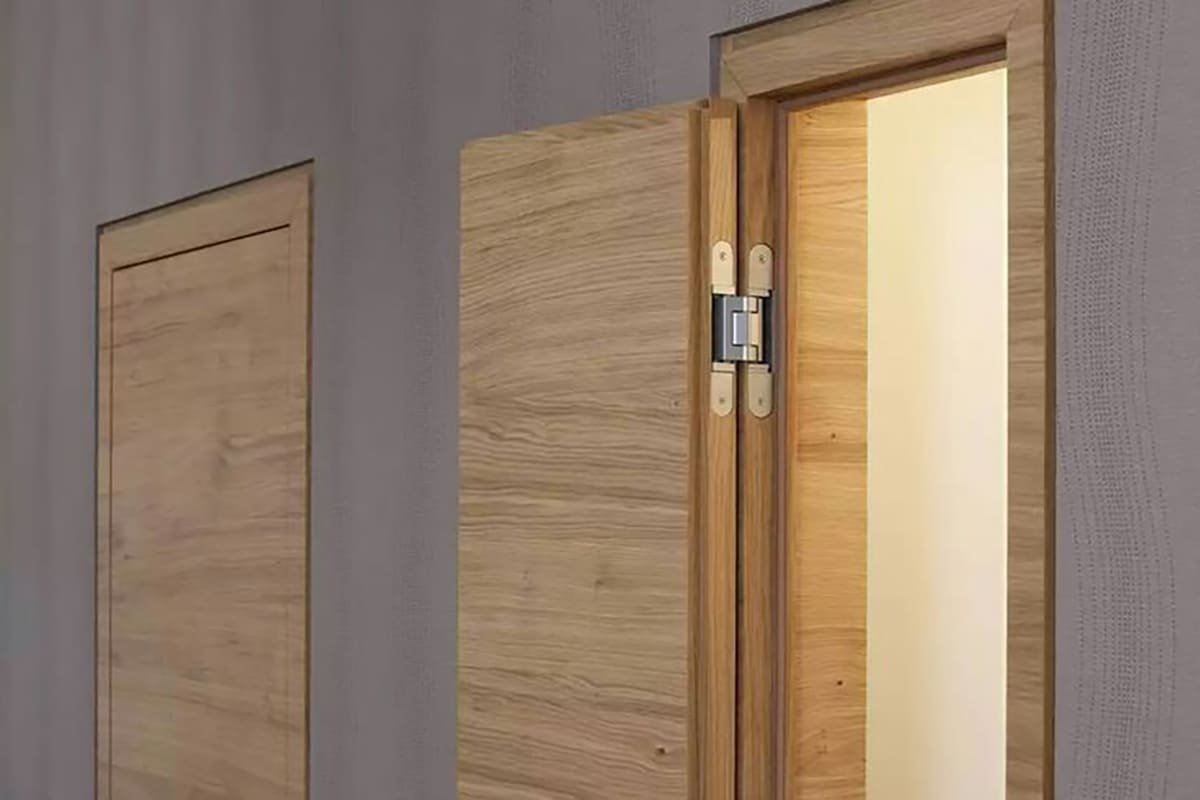
In my experience as a door hardware manufacturer, successful pivot hinge projects begin before the hinge is ordered. The door factory, hardware supplier, and project buyer need to evaluate the full door system together. The details below explain how I usually approach that decision with B2B customers.
How Do Hidden Pivot Hinges Transfer Load Differently?
Heavy doors create stress when the wrong hinge system is selected. Standard side-mounted hinges carry the door weight along the vertical edge1, which can become a weak point on wide or oversized doors. Hidden pivot hinges change the load path, but they still need proper planning.
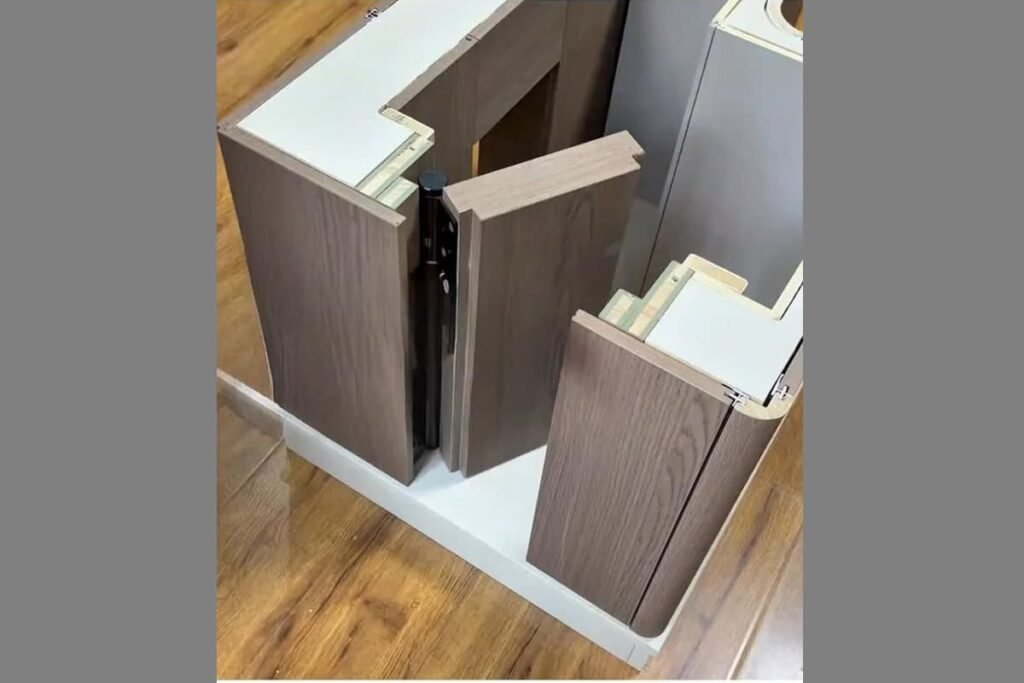
Hidden pivot hinges transfer the main bearing force through pivot points at the top and bottom of the door, often into the floor and upper frame.2 This structure can help heavy or oversized doors move more smoothly than side-hinged doors, but exact load distribution is product-dependent and must be verified against the selected hinge model.
Why load transfer matters
When I review a pivot hinge inquiry, I first ask about door weight, door width, door height, and door material. These details matter because the hinge is not working alone. The door leaf, top frame, floor structure, and machining position all affect the final performance.
A traditional butt hinge or concealed side hinge usually fixes along the door edge. The door weight creates downward and outward force on the hinge side. This can work very well for standard interior doors and many commercial doors. However, it becomes more difficult when the door becomes:
- Taller than normal
- Wider than normal
- Much heavier because of glass, metal, solid wood, or composite construction
- Frequently used in a commercial entrance
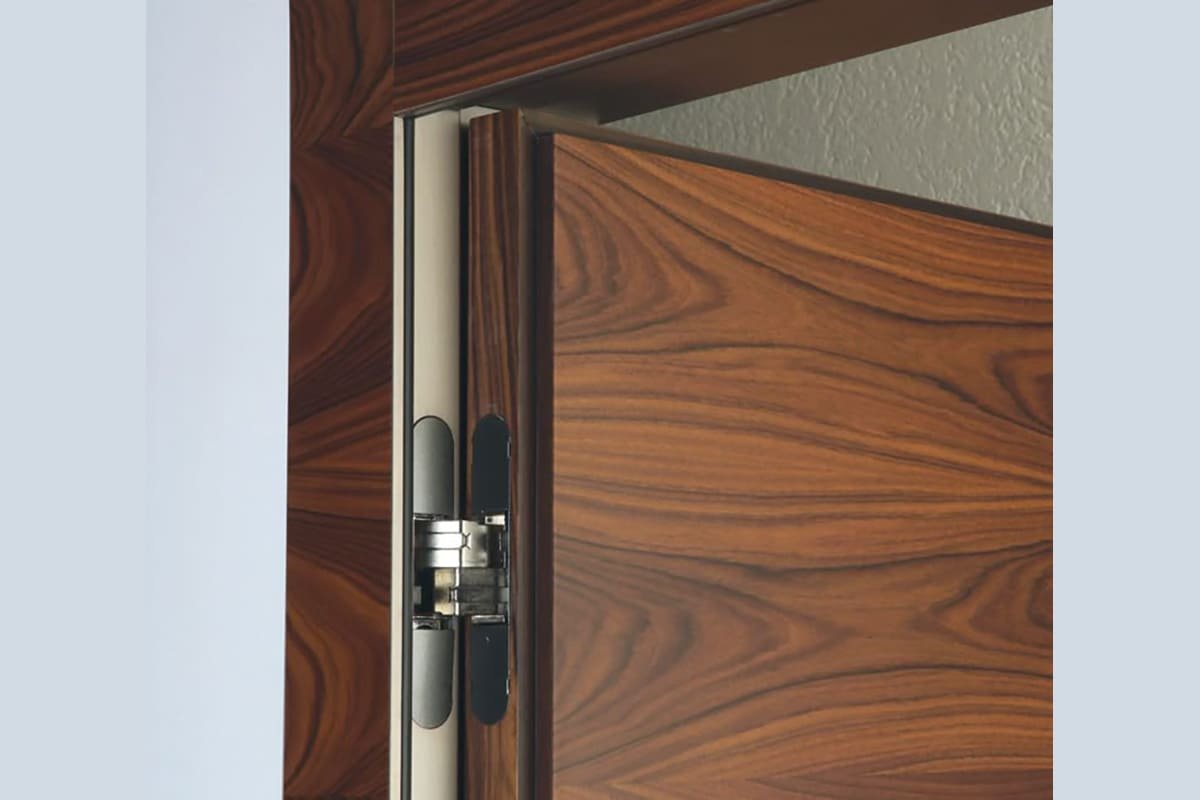
- Designed with a flush, minimalist, or concealed appearance
Hidden pivot hinges use a different logic. The pivot point is usually set away from the door edge, and the door rotates around that vertical axis. The lower pivot or floor spring component carries much of the vertical force, while the upper pivot stabilizes alignment.3 Some product descriptions may mention that a high percentage of door weight transfers to the floor. I treat figures like “over 90%” as model-specific values, not universal rules. A buyer should verify them with the hinge supplier’s test data, product drawings, and project conditions.
Side hinge vs pivot hinge load logic
| Evaluation Point | Traditional Side Hinges | Hidden Pivot Hinges |
|---|---|---|
| Main load path | Door edge to frame | Bottom pivot/floor and top pivot/frame |
| Best use | Standard door sizes and weights | Oversized, heavy, or high-design doors when conditions match |
| Visual effect | Visible or semi-concealed hinge line | More concealed, cleaner door face |
| Machining demand | Usually simpler | Requires accurate top, bottom, and door machining |
| Installation risk | Frame alignment and screw holding | Floor strength, top-frame stability, pivot axis accuracy |
| Replacement logic | Often hardware-based | Door-system-based |
What I check during product development
In our factory work at SDH Hardware, I pay close attention to repeatable production details. A pivot hinge may look simple from the outside, but its long-term performance depends on small technical factors:
Material stability
The pivot body, shaft, bearing part, spring unit, and fixing plate need stable material strength.Bearing surface accuracy
The rotating parts must stay smooth under load. Poor machining can create noise or uneven movement.Fastening structure
The fixing system must match the door and floor conditions. Weak anchoring can ruin a good hinge.Door machining tolerance
If the pivot axis is not accurate, the door may rub, drop, or fail to close correctly.Cycle performance
Commercial doors need special attention because repeated opening can expose small defects quickly.4
I usually explain to buyers that pivot hinges are closer to a door movement system than a normal hinge. The product must match the door structure, not just the appearance requirement.
For procurement teams, the practical lesson is simple: do not approve hidden pivot hinges only by catalog photos. Ask for technical drawings, load range, tested functions, material specification, finish options, and installation requirements. If the project has fire-rated, accessibility, safety, or code requirements5, those must be checked by qualified professionals and verified against the specific tested hardware set.
Where Do Hidden Pivot Hinges Fit Best in Commercial Projects?
Commercial doors often fail because hardware is selected for appearance before usage frequency is understood. A lobby door, office entrance, or double-leaf commercial door may open thousands of times.6 Hidden pivot hinges can help, but only when the selected model matches the project load and traffic.
Hidden pivot hinges fit best in commercial spaces where doors are oversized, heavy, frequently used, or visually integrated into architectural design. Common applications include hotel lobby doors, office building entrances, commercial double-leaf doors, and large glass doors, provided the floor, top frame, door leaf, and hardware model are confirmed together.
Commercial priorities are different
For commercial applications, I rarely start the conversation with aesthetics. I start with risk control. Commercial buyers care about hidden hardware, but they care more about avoiding complaints after installation. A door that looks beautiful on opening day can become a costly issue if it starts rubbing the floor, drifting out of alignment, or closing too loudly.
The main commercial priorities usually include:
- High load capacity
- Stable opening and closing
- Quiet operation
- Reduced maintenance
- Resistance to frequent use
- Consistent batch quality
- Clear installation instructions
- Reliable after-sales documentation
Common commercial use cases
Hidden pivot hinges are especially relevant where ordinary side hinges may not be practical or may create too much visible hardware.
| Commercial Space | Door Type | Buyer Priority | Key Risk to Check |
|---|---|---|---|
| Hotel lobby | Oversized entrance door | Smooth premium movement | Floor anchoring and door weight |
| Office building | Main entry or meeting room door | Quiet operation and durability | Usage frequency and closer function |
| Retail entrance | Large glass or metal-framed door | Clean appearance and wide access | Glass structure and pivot fixing |
| Commercial double doors | Double-leaf swing doors | Alignment and stable closing | Leaf coordination and floor level |
| Public corridor | Heavy architectural door | Safety and long service life | Clearance, top frame, and code needs |
Optional functions need careful confirmation
Some pivot hinge systems may support extra functions. These may include:
90° hold-open positioning
This can be useful for lobby or meeting room doors, but it depends on the selected model and door weight.Hydraulic self-closing
This can reduce the need for a visible closer, but closing speed and force must match the door and project requirement.7Two-way opening
This can help in high-traffic spaces, but it may not suit every entrance design or safety requirement.Wide opening angles up to 180°
Some systems may allow wide opening, but the actual angle depends on hinge structure, door thickness, wall clearance, and installation setup.8
I avoid promising these functions as universal. A catalog may show a wide opening angle or hold-open feature, but the final project must verify the exact configuration. I have seen buyers request a premium function without checking whether the door thickness or pivot offset allows it. That creates avoidable revision work.
How I help commercial buyers evaluate
When a door factory sends us a commercial pivot hinge inquiry, I usually request the following:
- Door height and width
- Door leaf weight or estimated material composition
- Door thickness
- Single or double-leaf configuration
- Opening direction and expected opening angle
- Floor material and fixing condition
- Top-frame material and reinforcement condition
- Required finish and corrosion resistance level
- Expected order quantity and sampling schedule
- Certification or test document requirements
At SDH Hardware, we manufacture architectural door hardware for B2B customers, so I look at both the product and the batch supply risk. A sample may work well, but the supplier also needs to control machining accuracy, surface finish consistency, packaging protection, and inspection standards during mass production.
Commercial projects also require careful document review. If a buyer needs CE documentation, fire-rated documents, or other test reports, I recommend verifying that the documents apply to the exact product model and intended door assembly9. A certification document should not be treated as a general promise for every door condition.
How Should Hidden Pivot Hinges Be Evaluated for Residential and Villa Doors?
High-end residential doors often create a different problem. The door may not face commercial traffic, but the owner expects silent movement, concealed hardware, and a premium entrance feeling. Hidden pivot hinges can support that design goal when the door system is prepared correctly.
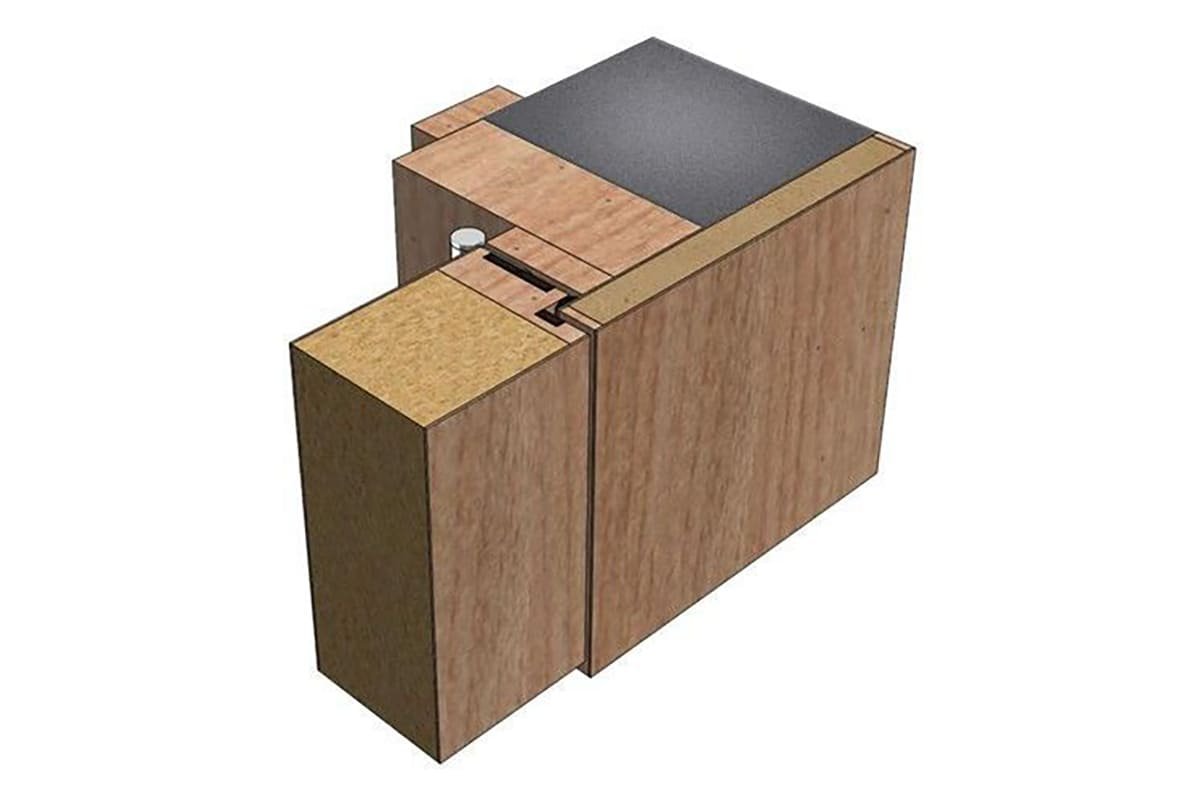
Hidden pivot hinges should be evaluated for residential and villa doors by balancing appearance, smooth movement, door size, material weight, and installation precision. They are most useful for premium entrance doors, large interior feature doors, and villa doors where concealed hardware and stable oversized-door performance are both important.
Residential buyers still need technical discipline
In villa and high-end residential projects, the emotional value of the door is important. A large entrance door creates the first impression of the home. A flush hidden hinge line can make the door look more architectural. However, I always remind customers that hidden pivot hinges are not selected only for beauty.
A residential door can still be technically demanding if it has:
- A tall solid wood leaf
- A heavy metal-clad structure
- A large glass panel
- Thick soundproof or insulated construction
- A flush wall design
- A concealed frame system
- Special surface finishes that are difficult to repair
If the door is heavy and the pivot system is not selected correctly, the owner may experience rubbing, uneven gaps, or hard operation. These issues can damage the premium feeling that the buyer wanted in the first place.
Commercial vs residential decision logic
| Factor | Commercial Projects | High-End Residential / Villa Projects |
|---|---|---|
| Main concern | Frequency, durability, maintenance | Appearance, smoothness, premium feel |
| Typical doors | Lobby, office, double-leaf entrance | Villa entry, feature door, oversized interior door |
| Risk focus | Wear, noise, misalignment under traffic | Gap control, quiet movement, visual quality |
| Function demand | Self-closing, hold-open, heavy-duty use | Concealment, soft movement, wide opening if needed |
| Buyer expectation | Operational reliability | Luxury experience plus reliability |
The premium entry experience depends on small details
For residential projects, I often focus on the following details with customers:
Door gap consistency
A large door shows uneven gaps clearly. The pivot axis and frame must be accurate.Opening feel
The user should not feel sudden resistance, grinding, or unstable movement.Surface finish match
Even hidden hardware may have visible plates or accessories. Finish consistency still matters.Noise control
A quiet door gives a stronger quality impression than a door that only looks expensive.Floor transition
The lower pivot area must be planned with flooring materials, thresholds, and clearance.
I once reviewed a villa-style door sample where the buyer focused heavily on the handle finish but did not finalize the floor thickness before machining. The hinge position had to be adjusted later, which created extra work for the door factory. That experience reinforced a simple rule for me: the pivot hinge decision should happen before final door machining, not after.
Residential applications where pivot hinges make sense
Hidden pivot hinges can be a strong choice for:
- Villa entrance doors with large dimensions and premium finishes
- Oversized interior feature doors in living rooms or home offices
- Minimalist flush doors where visible hinges would interrupt the wall design
- Large glass doors when the glass structure and pivot hardware are compatible
- Double-opening residential doors where balance and symmetry matter
However, they are not always the best option. Standard concealed hinges or butt hinges may be more practical for ordinary bedroom doors, utility rooms, and light interior doors. They can be easier to install, easier to adjust, and more cost-effective.
How I guide residential hardware selection
For residential and villa projects, I usually suggest a step-by-step review:
Confirm the door concept
The buyer should know whether the priority is concealment, large size, smooth movement, or all three.Confirm the door structure
The supplier should know the material, thickness, reinforcement, and estimated weight.Confirm the surrounding structure
The top frame and floor must support the pivot system.10Confirm the function
Hold-open, self-closing, or two-way opening should be selected only if the model supports them.Confirm the finish and accessories
The visible parts should match the handle, lock, cylinder, and other door accessories.
As a manufacturer, I can provide product drawings, sample support, customization discussion, and inspection service after production. Still, project-specific structural decisions should involve the door manufacturer, site team, and qualified professionals when needed.
What Installation Conditions Should Buyers Confirm Before Ordering Hidden Pivot Hinges?
Many pivot hinge problems begin before installation. The wrong product may be ordered because the door factory did not confirm floor strength, top-frame details, or machining depth. Hidden pivot hinges reward early planning and punish assumptions.
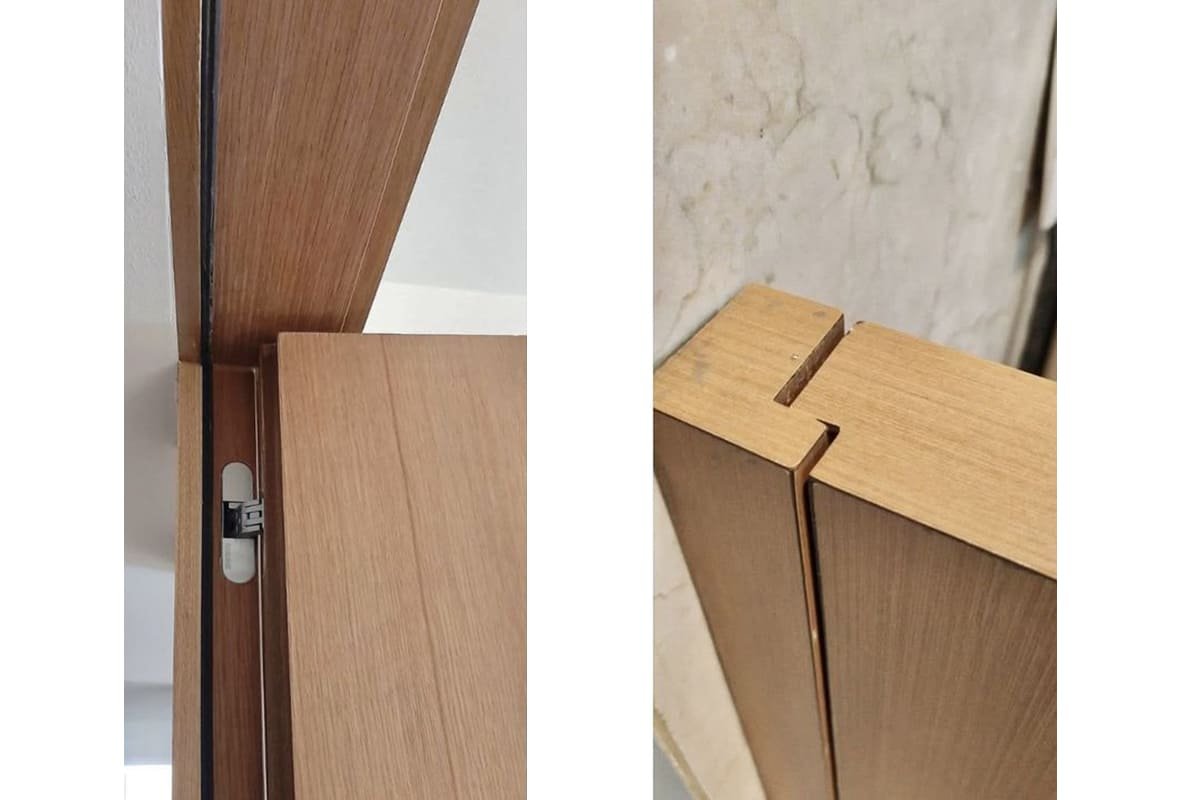
Before ordering hidden pivot hinges, buyers should confirm door weight, door size, door thickness, pivot offset, floor condition, top-frame strength, machining dimensions, opening angle, optional functions, and certification needs. These factors decide whether the hinge can work smoothly and safely in the final door system.
The hinge is only one part of the system
I have learned from sampling and batch production feedback that many complaints are not caused by one defective hinge. They are often caused by a mismatch between the hinge and the door system. A pivot hinge may be well made, but it cannot compensate for a weak floor fixing point or an inaccurate top pivot position.
The most important planning areas are:
- Door leaf
- Top pivot and upper frame
- Bottom pivot, floor spring, or floor-mounted unit
- Machining position
- Clearance and opening path
- Installation sequence
- Adjustment access
Pre-order checklist for door factories
| Item to Confirm | Why It Matters | Practical Question |
|---|---|---|
| Door weight | Determines hinge load suitability | What is the actual or calculated kg weight? |
| Door height and width | Affects torque and stability | Is the door oversized or standard? |
| Door thickness | Affects machining and pivot body fit | Can the door accept the required cut-out? |
| Pivot offset | Affects opening path and clearance | Will the door hit the wall, frame, or floor? |
| Floor condition | Carries major vertical load | Is the floor reinforced and level? |
| Top frame strength | Stabilizes the pivot axis | Can the upper frame hold alignment? |
| Opening angle | Affects model choice | Is 90°, 120°, 180°, or another angle required? |
| Optional functions | Not all models support all features | Is hold-open or self-closing required? |
| Certification documents | Needed for regulated projects | Does the document match the exact model? |
| Batch tolerance | Affects mass production consistency | Can the supplier control repeat orders? |
Machining accuracy is critical
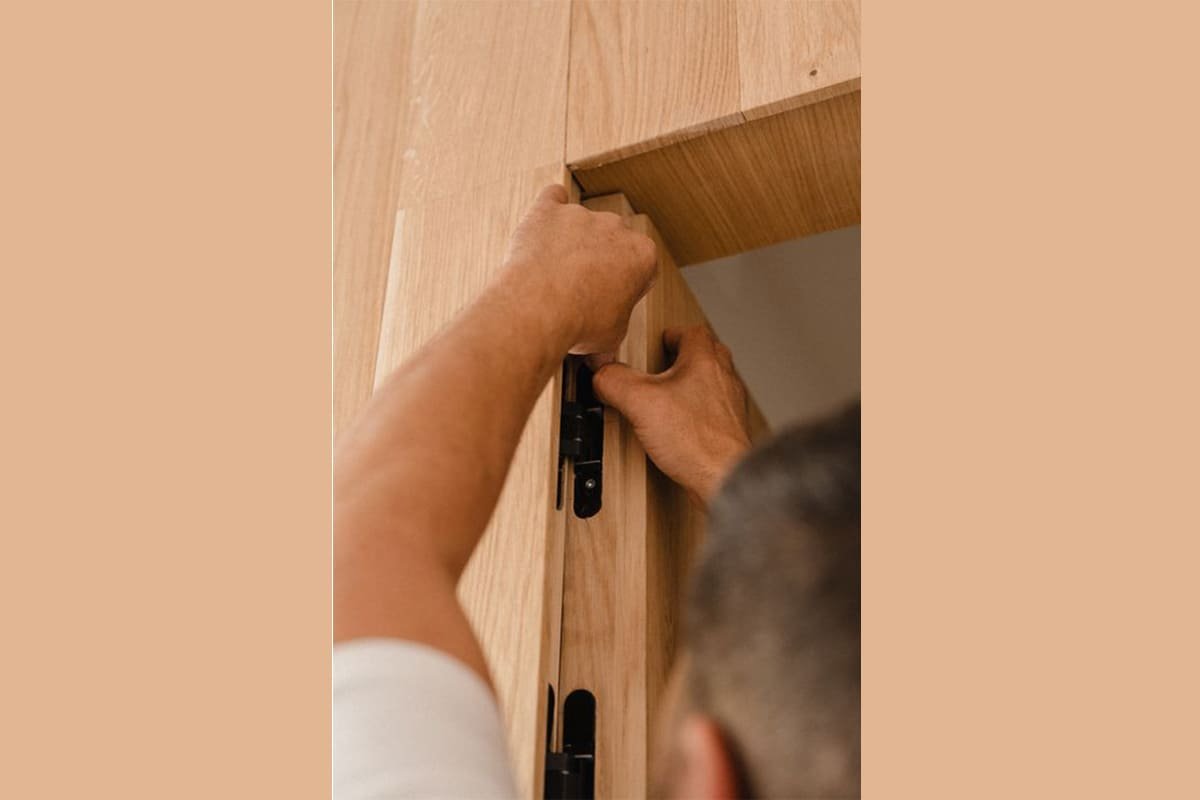
Hidden pivot hinges need accurate door preparation. The cut-out size, screw hole position, centerline, and pivot axis must follow the technical drawing.11 Small deviations can create large problems because the door rotates around a fixed axis.12
Common machining-related issues include:
Door rubbing the frame
This can happen when the pivot centerline is wrong or the door clearance is too small.Door rubbing the floor
This can happen when floor levels change, the bottom pivot is not seated correctly, or the door weight exceeds the suitable range.Uneven gaps
This can happen when the top and bottom pivot points are not aligned.Hard opening movement
This can happen when the pivot shaft, bearing structure, or door weight does not match the application.Visible rework marks
This can happen when the hinge is selected after the door leaf has already been machined.
Manufacturing quality control also matters
From a procurement point of view, a buyer should evaluate not only the hinge design but also the supplier’s production control. At SDH Hardware, our architectural hardware production includes raw material screening, standardized production supervision, and finished product inspection. For pivot hinge-related products, I pay special attention to:
- Dimensional consistency
- Shaft and bearing smoothness
- Surface treatment quality
- Functional testing
- Packaging protection
- Product drawings and order confirmation details
For ODM or OEM customers, custom specifications, surface treatments, logos, packaging, and accessory configurations may be possible. However, customization should not weaken the tested structure. If a change affects load capacity, fire-rated use, or functional performance, the buyer should request updated evaluation or testing documents.
Supplier questions buyers should ask
Before placing a bulk order, I suggest asking the supplier these questions:
- What door weight range does this model support?
- What test data or inspection report is available?
- Does the model support hold-open or self-closing?
- What opening angle is possible under the planned door structure?
- What are the required machining dimensions?
- What floor and top-frame conditions are needed?
- Can the supplier provide drawings before production?
- Can the supplier support sample testing before batch production?
- How is product quality inspected after production?
- Are CE or fire-rated documents available for this exact model?
These questions help buyers avoid treating hidden pivot hinges as plug-and-play hardware. They also help the supplier recommend the right product earlier.
How Can Door Manufacturers Select a Reliable Hidden Pivot Hinges Supplier?
A good pivot hinge supplier does more than sell a product. The supplier should help the buyer reduce project risk through drawings, sampling, testing awareness, production consistency, and clear communication. Hidden pivot hinges require this support because the final result depends on both hardware quality and door-system coordination.
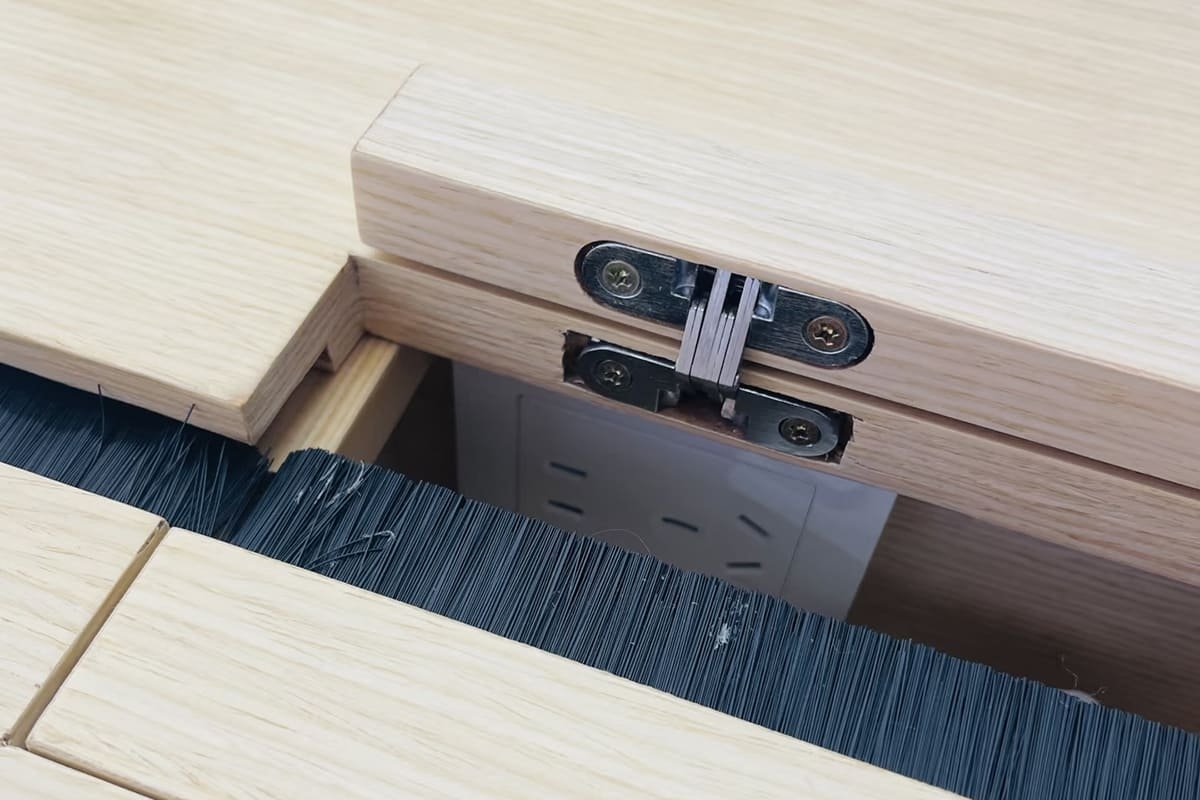
Door manufacturers should select a hidden pivot hinges supplier by checking technical drawings, load data, material quality, sample support, production capacity, inspection process, customization ability, and certification documents. A reliable supplier should help match the hinge system to the door application instead of promoting one model for every project.
Supplier selection is a risk-control decision
For door factories, hardware brand enterprises, and bulk wholesalers, supplier selection affects more than purchase cost. It affects customer complaints, installation efficiency, and repeat business. A low-cost hinge can become expensive if it causes door sagging, noise, or rework.
I usually advise buyers to compare suppliers across four areas:
- Technical capability
- Manufacturing control
- Documentation support
- B2B service flexibility
Supplier evaluation table
| Evaluation Area | What to Check | Why It Matters |
|---|---|---|
| Product drawings | Dimensions, machining, accessories | Helps door factories prepare accurately |
| Load and function data | Tested range, model limits | Prevents wrong application |
| Material and finish | Stainless steel, zinc alloy, brass, surface treatment | Affects durability and market fit |
| Sample support | Prototype or pre-order sample | Reduces batch order risk |
| Production capacity | Factory-direct manufacturing | Supports stable supply |
| Quality inspection | Functional and dimensional checks | Improves consistency |
| Customization | OEM/ODM, logo, packaging, finish | Supports brand and project needs |
| Certification documents | CE, fire-rated reports if applicable | Must be verified for exact project use |
Conclusion
Hidden pivot hinges are valuable when buyers treat them as part of a complete door system, not just as concealed hardware. They can improve load transfer, movement stability, and visual integration for commercial entrances, lobby doors, villa doors, double-leaf doors, and oversized architectural doors. However, success depends on early confirmation of door weight, size, floor strength, top-frame structure, machining accuracy, and model-specific functions. If you are developing a pivot door system, I recommend sharing your door specifications with SDH Hardware so we can help evaluate suitable factory-direct hardware options before sampling or batch production.
"Commercial Door Hinges: How Should I Choose the Right One ...", https://sdhhardware.com/2026/06/12/commercial-door-hinges-how-should-i-choose-the-right-one/. An engineering statics source explains that hinge supports resist the weight of a door and the moment produced by the door leaf at its edge connections; this supports the general load-path description, although it does not evaluate any specific commercial hinge model. Evidence role: mechanism; source type: education. Supports: A neutral engineering source should explain that a side-hinged door is supported by hinge reactions along the hinge edge and that the door weight creates forces and moments at those supports.. Scope note: Contextual mechanical support rather than product-specific test evidence. ↩
"Preservation Tech Notes", https://www.nps.gov/orgs/1739/preservation-tech-notes.htm. Architectural-hardware references describe pivot-hung doors as rotating on top and bottom pivot points, with the lower pivot commonly transferring load into the floor or threshold and the upper pivot locating the door; this supports the article’s general distinction, although load percentages remain model-specific. Evidence role: definition; source type: institution. Supports: A building-conservation, architectural-hardware, or standards source should define pivot hinges as hardware using top and bottom pivots to hang and rotate a door.. Scope note: Supports the general pivot-door mechanism, not the capacity of any named hinge system. ↩
"How to Install Double Action Hinges: What Common Issues May ...", https://sdhhardware.com/2026/08/24/how-to-install-double-action-hinges-what-common-issues-may-occur/. Architectural-hardware guidance commonly distinguishes the load-bearing role of bottom pivots or floor-spring units from the locating and stabilizing role of top pivots; this supports the article’s mechanism in general terms, while actual load sharing depends on the tested product and installation. Evidence role: mechanism; source type: institution. Supports: A neutral architectural-hardware reference should explain the respective roles of bottom pivots or floor closers and top pivots in pivot-door assemblies.. Scope note: Contextual support; it does not establish a universal load percentage. ↩
"A Buyer's Guide to Choosing Commercial Door Hardware? - SDH ...", https://sdhhardware.com/2026/08/06/a-buyers-guide-to-choosing-commercial-door-hardware/. ANSI/BHMA door-hardware standards use cycle testing to assess the durability of hinges and related hardware, supporting the article’s view that repeated operation can reveal performance weaknesses; the standards provide evaluation criteria rather than diagnosing a particular project failure. Evidence role: expert_consensus; source type: institution. Supports: A recognized door-hardware standard should show that repeated opening-and-closing cycles are used to evaluate durability and performance.. Scope note: Standards-based contextual support, not direct evidence from the projects described in the article. ↩
"Chapter 4: Entrances, Doors, and Gates", https://www.access-board.gov/ada/guides/chapter-4-entrances-doors-and-gates/. Government accessibility standards and model building-code provisions regulate aspects of door operation, clearance, fire protection, and hardware in covered buildings; this supports the need for project-specific compliance review, although applicable rules vary by jurisdiction and occupancy. Evidence role: general_support; source type: government. Supports: Government or code sources should show that doors and door hardware can be subject to accessibility, fire, and safety requirements in regulated buildings.. Scope note: General regulatory support; local code adoption and project classification must be checked separately. ↩
"A Buyer's Guide to Choosing Commercial Door Hardware? - SDH ...", https://sdhhardware.com/2026/08/06/a-buyers-guide-to-choosing-commercial-door-hardware/. ANSI/BHMA performance standards classify commercial door hardware using repeated-cycle tests, often involving hundreds of thousands or more operating cycles depending on product type and grade; this supports the article’s high-use framing, but it does not measure traffic at any specific lobby or office entrance. Evidence role: statistic; source type: institution. Supports: A recognized hardware standard should provide cycle-test ranges for commercial-grade hinges or closers, showing that such hardware is evaluated for many repeated operations.. Scope note: Cycle-test standards support expected durability demands rather than actual traffic counts for the article’s examples. ↩
"Chapter 4: Entrances, Doors, and Gates", https://www.access-board.gov/ada/guides/chapter-4-entrances-doors-and-gates/. The ADA Standards for Accessible Design include provisions for door opening force and closing speed in accessible routes, supporting the article’s statement that self-closing hardware must be matched to project requirements; the ADA provisions apply only where the project is subject to those accessibility rules. Evidence role: general_support; source type: government. Supports: A government accessibility standard should support the need to check door opening force and closing behavior against project requirements.. Scope note: Direct regulatory support for covered accessible doors, not a universal requirement for all private residential doors. ↩
"Chapter 4: Entrances, Doors, and Gates", https://www.access-board.gov/ada/guides/chapter-4-entrances-doors-and-gates/. Architectural drawing and building-technology references describe door swing as a geometric condition affected by pivot location, leaf thickness, and surrounding obstructions; this supports the article’s clearance warning, although the exact angle must be calculated from the specific hardware and opening. Evidence role: mechanism; source type: education. Supports: An architectural-graphics or engineering source should explain that door swing and opening angle are constrained by pivot location, leaf thickness, and adjacent walls or frames.. Scope note: Contextual geometric support rather than verification of any advertised 180-degree function. ↩
"What Are the Fire Door Hinge Placement Requirements for ...", https://sdhhardware.com/2026/08/13/what-are-the-fire-door-hinge-placement-requirements-for-commercial-buildings/. Fire-door standards and product-listing guidance require hardware and door components to be used within the conditions of their listing or approved assembly, supporting the article’s warning that certification documents should be matched to the exact product and intended assembly. Evidence role: expert_consensus; source type: institution. Supports: A fire-door or product-certification standard should show that listings and labels apply to specified products and assemblies, not to all possible installations.. Scope note: Most directly supports fire-rated applications; other certifications may have different conformity rules. ↩
"Why Choose Offset Pivot Hinges for Your Commercial or Residential ...", https://sdhhardware.com/2026/08/28/why-do-similar-looking-door-knobs-have-such-different-prices-2/. Building-technology sources explain that door hardware transfers forces into the surrounding frame and supporting construction, so pivot points require substrates capable of resisting those loads; this supports the article’s planning principle, although required reinforcement depends on the door weight and hardware design. Evidence role: mechanism; source type: education. Supports: A building-technology or structural source should explain that concentrated hardware loads must be carried by supporting substrates and frames.. Scope note: General structural support; project-specific adequacy requires calculation or manufacturer data. ↩
"SECTION 087111 - DOOR HARDWARE (SCHEDULED BY ...", https://fpm.usc.edu/wp-content/uploads/2021/11/087102-USC-HSC-door-hardware-Guide-Specification_1.pdf. Architectural-hardware installation guidance generally requires hardware to be installed according to manufacturer templates, drawings, and specified fastener locations, supporting the article’s emphasis on cut-outs, screw positions, centerlines, and pivot-axis accuracy. Evidence role: expert_consensus; source type: institution. Supports: A door-hardware institute or construction specification source should support the need to install architectural hardware according to manufacturer drawings and specified dimensions.. Scope note: General installation-practice support; it does not provide tolerances for the specific hinge models discussed. ↩
"Fixed Axis Rotation in Rigid Bodies", https://mechanicsmap.psu.edu/websites/12_rigid_body_kinematics/12-1_fixed_axis_rotation_scalar/fixed_axis_rotation_scalar.html. Engineering mechanics texts describe fixed-axis rotation as motion constrained by a defined axis, meaning that errors in axis location or alignment change the path of the rotating body; this supports the article’s explanation of pivot-door sensitivity, although it does not quantify acceptable door-installation tolerances. Evidence role: mechanism; source type: education. Supports: An engineering mechanics source should explain fixed-axis rotation and why the location of the axis controls the motion path of a rigid body.. Scope note: Mechanistic support only; installation tolerances must come from the hardware manufacturer or project specification. ↩