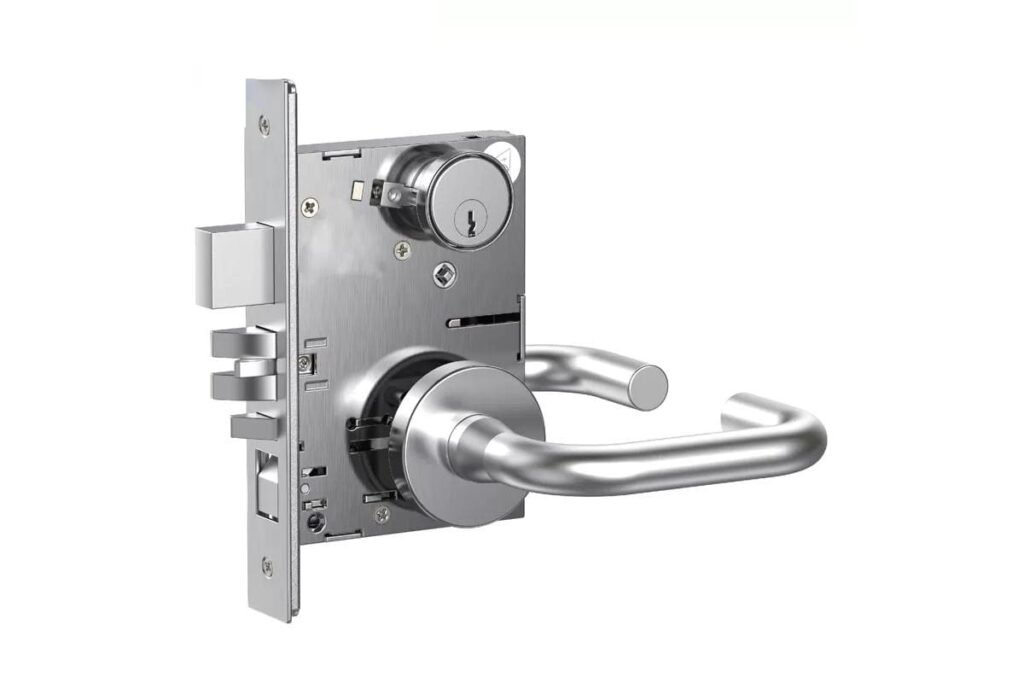
UL Listed vs. EN 12209 Mortise Locks: What Key Differences Should Buyers Understand?
UL Listed vs. EN 12209 mortise locks can confuse buyers because both terms appear in serious project specifications. The risk grows when a team assumes one approval replaces the other. I use a simple rule when reviewing bid specs: match the compliance route to the project location, fire-door status, and local acceptance requirements.
UL Listed mortise locks are listed products under a controlled certification and ongoing factory surveillance program, while EN 12209 mortise locks are classified by mechanical performance grades under a European test standard.1 They are not equivalent, not automatically mutually recognized, and not a “one mark fits all markets” solution.2
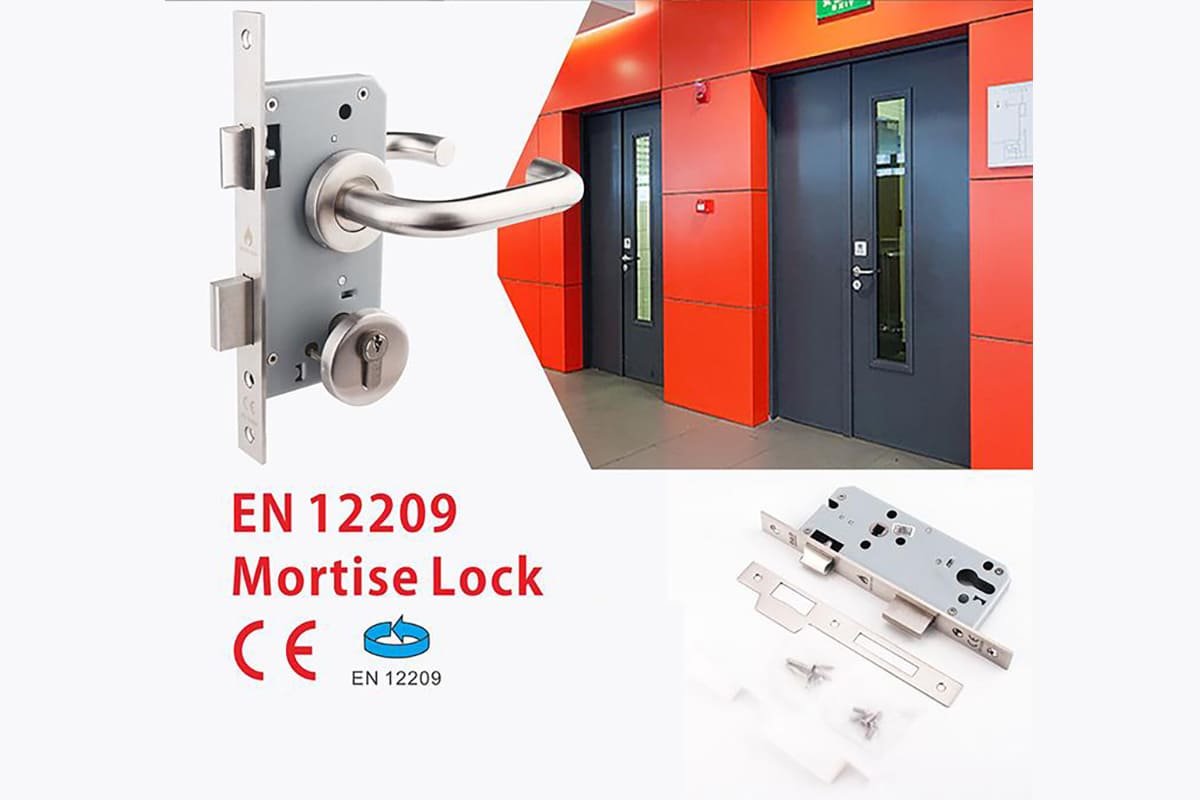
I have handled customer inquiries where the lock body looked almost identical, but the compliance route changed the required tests, markings, documentation, and factory controls. The difference matters most when buyers plan export SKUs, fire-door packages, or private-label hardware programs for regulated projects.
What Is the Core Difference Between UL Listed vs. EN 12209 Mortise Locks?
Many buyers first see the problem when a tender says “UL Listed” in one project and “EN 12209” in another. The terms sound similar because both involve testing. The confusion can lead to wrong quotations, rejected submittals, or delayed shipments.
UL Listed vs. EN 12209 mortise locks differ in purpose. UL listing identifies specific listed models under certification, mark control, and follow-up inspections.3 EN 12209 classifies mechanical lock performance through standardized grade codes. Buyers should treat them as separate routes and verify acceptance with the AHJ, specifier, or notified body.
UL Listing Is a Product Listing and Surveillance System
Based on the UL listing processes and follow-up inspections I have participated in, the practical focus is not only whether a lock passed a test once. The program also checks whether the factory continues making the listed product consistently.
That means a listed mortise lock usually has:
- A specific model identity
- A listing file or control reference
- A defined construction
- Approved materials and components
- Controlled marking rules
- Periodic factory inspections
- Correct label or mark usage
In real procurement work, this matters because an “almost same” lock may not be the same listed product. A different spindle, latch bolt, spring, faceplate, or fire-rated component can create a compliance issue if it is outside the approved construction.
I once saw a follow-up inspection focus heavily on production consistency and label control. The issue was not a dramatic product failure. It was a documentation and marking discipline issue. The inspector wanted evidence that the lock shipped with the mark matched the controlled version in the listing. That experience changed how I prepare private-label and OEM discussions. I now ask buyers early: Do you need the listed model exactly, or do you need a customized model that may require separate evaluation?
EN 12209 Is a Mechanical Performance Classification
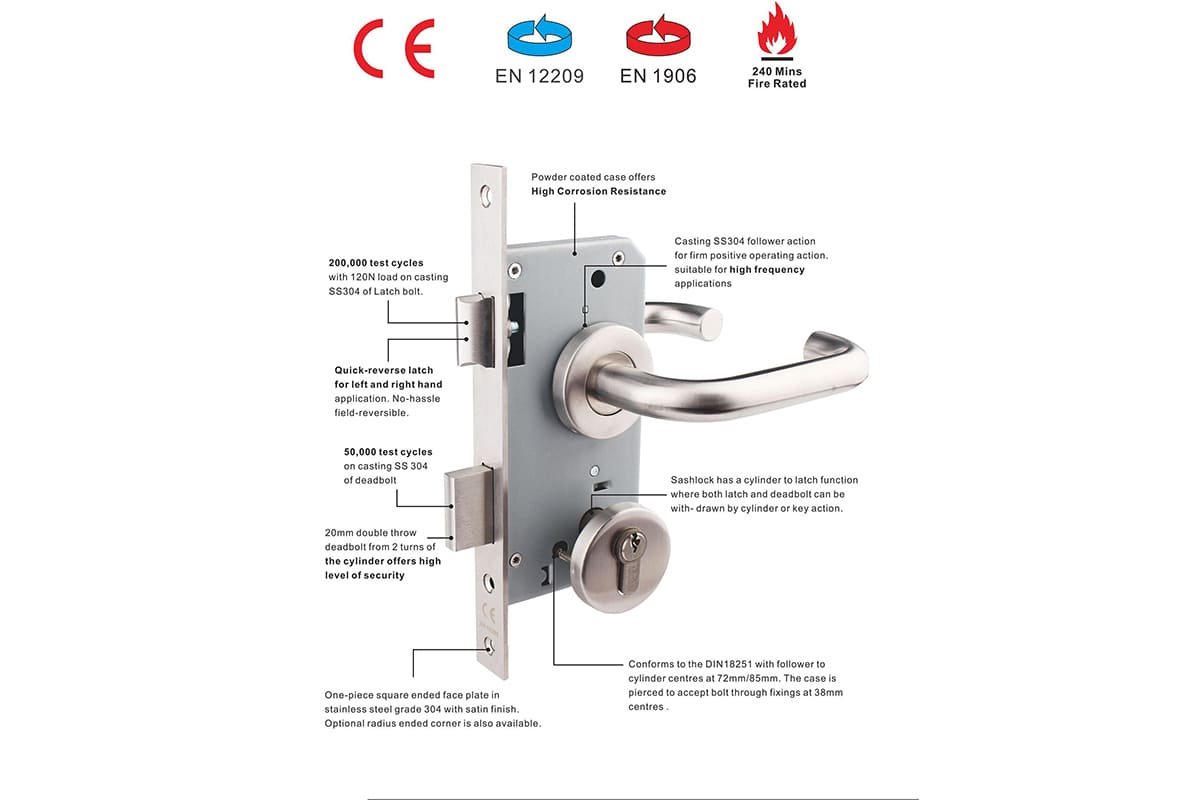
EN 12209 is different. It is a European standard for mechanically operated locks, latches, and locking plates. It classifies performance through a multi-digit code that covers durability, door mass, fire suitability, safety, corrosion resistance, security, and other characteristics.4
The key point is simple:
EN 12209 gives a mechanical performance classification. It does not, by itself, mean the lock is approved for every fire door, every EU project, or every local authority requirement.5
For door manufacturers and wholesalers, this grade code is useful because it allows clearer product positioning. A catalog can show whether a mortise lock is suitable for light-duty interior doors, heavy commercial doors, or security-focused applications. However, project acceptance still depends on the specification, local rules, and any required system-level evidence.
Practical Difference for B2B Buyers
| Buyer Question | UL Listed Route | EN 12209 Route |
|---|---|---|
| What is the main purpose? | Product listing and controlled certification | Mechanical performance classification |
| Is [factory surveillance involved? | Yes, follow-up inspections are central | Usually not in the same listing-surveillance sense](https://www.cpsc.gov/Business--Manufacturing/Testing-Certification/General-Use-Products-Certification-and-Testing)%%%FOOTNOTE_REF_6%%% |
| Can I change components freely? | No, changes may need approval | Changes may require retesting if performance is affected |
| Does it equal fire-door approval? | Not automatically; verify listed use and AHJ acceptance | No; fire performance is separate and project-dependent |
| Who decides final acceptance? | AHJ/specifier/project authority | Specifier, notified body, market rules, or local authority |
For procurement teams, the safest approach is to avoid generic statements like “UL equals EN” or “EN replaces UL.” I recommend preparing separate SKU and document plans for each target market. At SDH Hardware, this is especially important because our customers include door factories, hardware brands, and bulk wholesalers serving Europe, the Middle East, and Southeast Asia. One region may ask for EN-grade documentation, while another project may need UL listing evidence accepted by the local AHJ.
How Are UL Listed vs. EN 12209 Mortise Locks Tested?
Testing language can be misleading because two locks may both be described as “tested,” but the test logic may be very different. The risk appears when a buyer compares only cycle numbers or catalog claims. That shortcut can hide important items such as egress behavior, bolt strength, or spindle torque.
UL Listed vs. EN 12209 mortise locks are tested against different approval and classification frameworks. EN 12209 focuses on graded mechanical performance, while UL listing evaluates listed product requirements and ongoing production control. A product may need redesign when moving from one route to the other because test priorities and judgment criteria differ.
Key Test Areas Buyers Should Understand
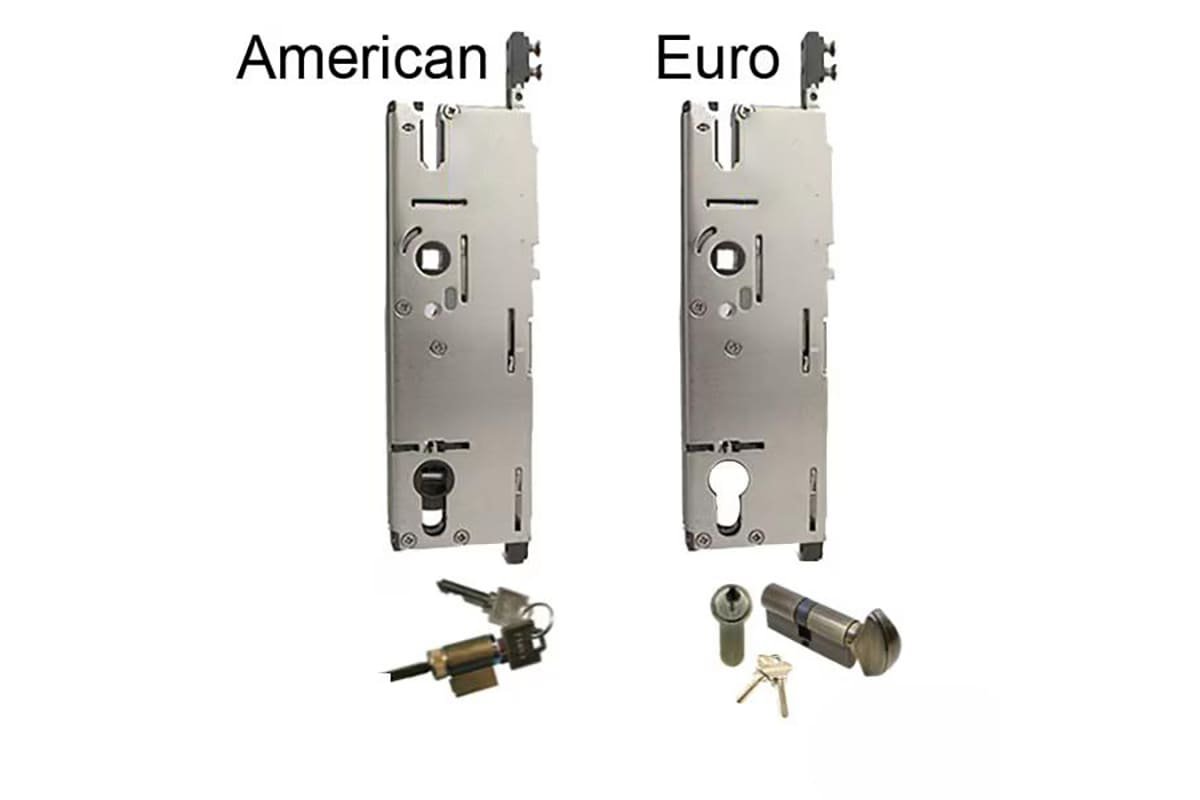
In daily supplier evaluation, I find buyers make better decisions when they connect test items to real door risks. A lock is not just a metal case. It is a moving system with springs, followers, latches, deadbolts, screws, faceplates, and strike interaction.
Common evaluation areas include:
Durability cycles
This checks repeated operation. It is linked to spring fatigue, latch wear, follower deformation, and long-term function consistency.Side load and axial load7
These loads simulate stress on latch bolts, deadbolts, and handles. They matter when doors sag, users push aggressively, or frames are not perfectly aligned.Torque on spindle or follower
This checks whether the handle operation system can resist twisting force without deformation or failure.Latch and bolt strength
This affects security, closing reliability, and resistance to forced movement.Inside release or egress behavior
This becomes critical when a door must allow safe exit. Project requirements and local rules must be verified.Function consistency after testing
A lock should not only survive a test. It should still operate in a defined way after loading, cycling, or environmental exposure.
Why a Lock May Pass One Route but Need Changes for Another
I have seen EN 12209 type testing reveal weaknesses that were not obvious during normal factory checks. In one anonymized case, a lock performed well in general operation, but the return spring showed weakness after repeated cycles. The latch still moved, but the handle feel became inconsistent. The corrective action was not cosmetic. The engineering team changed the spring specification, reviewed heat treatment, and tightened incoming material inspection.
That case taught me an important lesson: a small internal component can decide whether a lock grade is realistic.
A UL-focused project may raise different questions. The inspector may ask whether the shipped model matches the listing file. If the factory uses an alternative spring, screw, latch bolt, or faceplate supplier without approval, the issue may be nonconformance even when the product still feels strong in hand.
Contextual Comparison of Test Focus
This table is not an equivalence table. I use it only to explain how buyers should think about risk.
| Evaluation Area | Why It Matters | EN 12209 Relevance | UL Listed Relevance |
|---|---|---|---|
| Durability cycles | Predicts wear and spring fatigue | Key part of mechanical grading | May be part of applicable listing evaluation |
| Bolt and latch strength | Affects security and closing reliability | Important performance classification area | Evaluated according to listed product requirements |
| Spindle torque | Prevents handle/follower deformation | Relevant to function and durability | Relevant if included in listing construction and requirements |
| Egress behavior | Affects emergency exit reliability | May relate to function type and project requirements | Often AHJ-sensitive; confirm exact listed use |
| Production consistency | Prevents unapproved variation | Important for quality, but not the same as UL surveillance | Central to follow-up inspections |
What Buyers Should Ask Suppliers
Before placing an order, I suggest asking these questions:
- Which exact model was tested or listed?
- What lock function was tested?
- What door type, thickness, and accessories were included?
- Are the latch, deadbolt, follower, spring, and strike plate identical to the tested version?
- Can the supplier provide test reports, certificates, drawings, and marking samples?
- Are logo stamping, packaging, and private-label marks allowed under the certification rules?
- Does the project require AHJ confirmation or system-level fire-door evidence?
For B2B buyers, the best supplier is not always the one with the longest certificate list. The better supplier is often the one that can explain the limits of each document clearly. I prefer to tell customers early when a custom option may affect testing or listing status. That conversation can prevent expensive corrections later.
What Markings and Documents Should Buyers Verify for UL Listed vs. EN 12209 Mortise Locks?
A lock can fail procurement review before it reaches the door if its paperwork or marking is wrong. This problem becomes serious for importers and hardware brands because they often manage private labels, multiple SKUs, and mixed project requirements. Poor document control creates compliance risk.
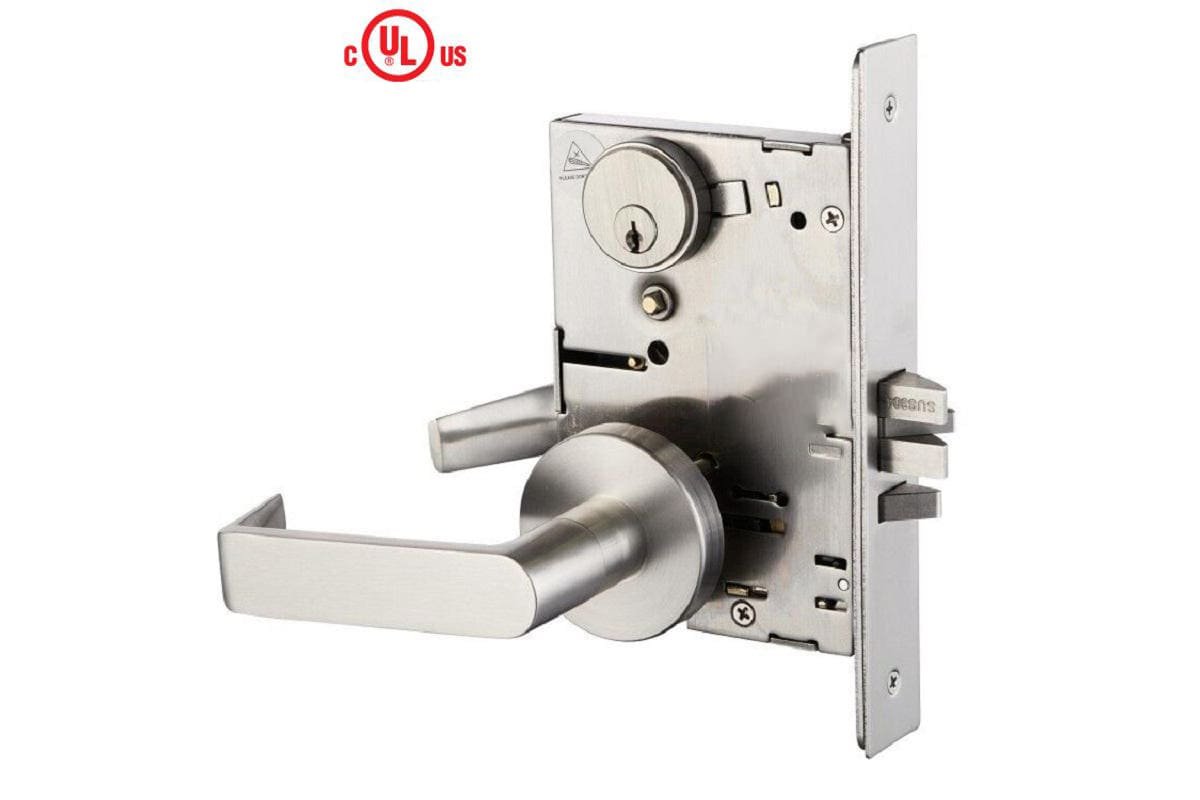
For UL Listed vs. EN 12209 mortise locks, buyers should verify the exact model, grade code, certificate or listing reference, test report scope, approved markings, and factory documentation. EN 12209 grade codes must match the tested product, while UL marks must follow strict listing and label-use controls.
How to Read EN 12209 Grade Codes
EN 12209 uses a classification code with several positions.8 Each position describes one performance attribute. The exact grade values should be read from the current standard and the test report. Buyers should not rely only on a catalog icon.
A simplified buyer-facing view looks like this:
| Code Position | What It Generally Describes | Why Buyers Care |
|---|---|---|
| 1 | Category of use | Indicates light, medium, or heavy use suitability |
| 2 | Durability | Shows tested cycle performance |
| 3 | Door mass and closing force | Helps match lock to door size and closer force |
| 4 | Fire/smoke door suitability | Must be verified with fire evidence and project rules |
| 5 | Safety | Relevant where safe use is critical |
| 6 | Corrosion resistance | Important for coastal, humid, or exterior conditions |
| 7 | Security and drill resistance | Helps position security level |
| 8 | Field of door application | Indicates application conditions |
| 9 | Type of key operation and locking | Clarifies function and locking method |
| 10 | Type of spindle operation | Relates to handle/follower operation |
| 11 | Key identification | Relates to cylinder/key system classification |
I always tell customers that an EN 12209 code should not be treated as decoration. It is a technical summary. If a catalog says a mortise lock has a certain grade, the buyer should request the supporting test report and confirm that the report covers the same lock body, function, size, latch design, deadbolt throw, and accessories.
UL Listing Identifiers and Mark Control
UL marking discipline is stricter than many new exporters expect. A UL mark is not just a logo that can be printed whenever a product looks similar.9 It is connected to the listed product, controlled production, and approved use.
Buyers should verify:
- Manufacturer name or authorized identifier
- Model number
- Listing or file reference
- Control number or label details where applicable
- Approved product category
- Allowed mark placement
- Private-label permissions
- Factory inspection status
- Construction details tied to the listing
During one follow-up inspection I observed, the focus was not only on finished lock operation. The review included whether labels were stored and applied correctly, whether production records matched the listed model, and whether component substitutions were controlled. This is why I am careful with OEM branding requests. A customer logo may be possible, but it must not violate certification mark rules.
Document Checklist for Importers and Door Factories
I recommend building a document pack before shipment, not after customs or project review starts.
For EN 12209 projects, request:
- Test report from a competent laboratory
- Classification code page
- Product drawings
- Material and finish description
- Installation instructions
- Declaration documents where applicable
- Fire-related documents if the project requires them separately
For UL Listed projects, request:
- Listing evidence for the exact model
- Marking authorization details
- Product category information
- Installation instructions
- Approved label or mark sample
- Factory and production traceability records where relevant
- Any project-specific documentation requested by the AHJ
Private Label and ODM/OEM Risk
Many SDH Hardware customers are hardware brand enterprises and wholesalers. They often need logo stamping, laser marks, custom packaging, or modified accessories. These services are normal in B2B hardware supply, but certified products require tighter control.
Custom changes that may affect compliance include:
- Changing the latch bolt material
- Changing the deadbolt design
- Modifying the case thickness
- Using a different spring supplier
- Changing the faceplate or strike plate
- Altering screw positions
- Adding logo marks in restricted areas
- Changing fire-rated packing or intumescent accessories
The safest workflow is simple:
- Confirm the target market and project standard.
- Select the tested or listed base model.
- Review every requested customization.
- Check whether the change affects certification or classification.
- Confirm marking rules before mass production.
- Keep inspection records after production.
This process may feel slow at the beginning. However, it is much faster than replacing non-compliant stock after a project rejection.
How Should UL Listed vs. EN 12209 Mortise Locks Be Evaluated for Fire-Door Projects?
Fire-door projects create the highest compliance risk because buyers may focus on the lock certificate alone. That is dangerous. A fire door is an assembly. The lock interacts with the door leaf, frame, hinges, closer, seals, strike plate, and installation method.
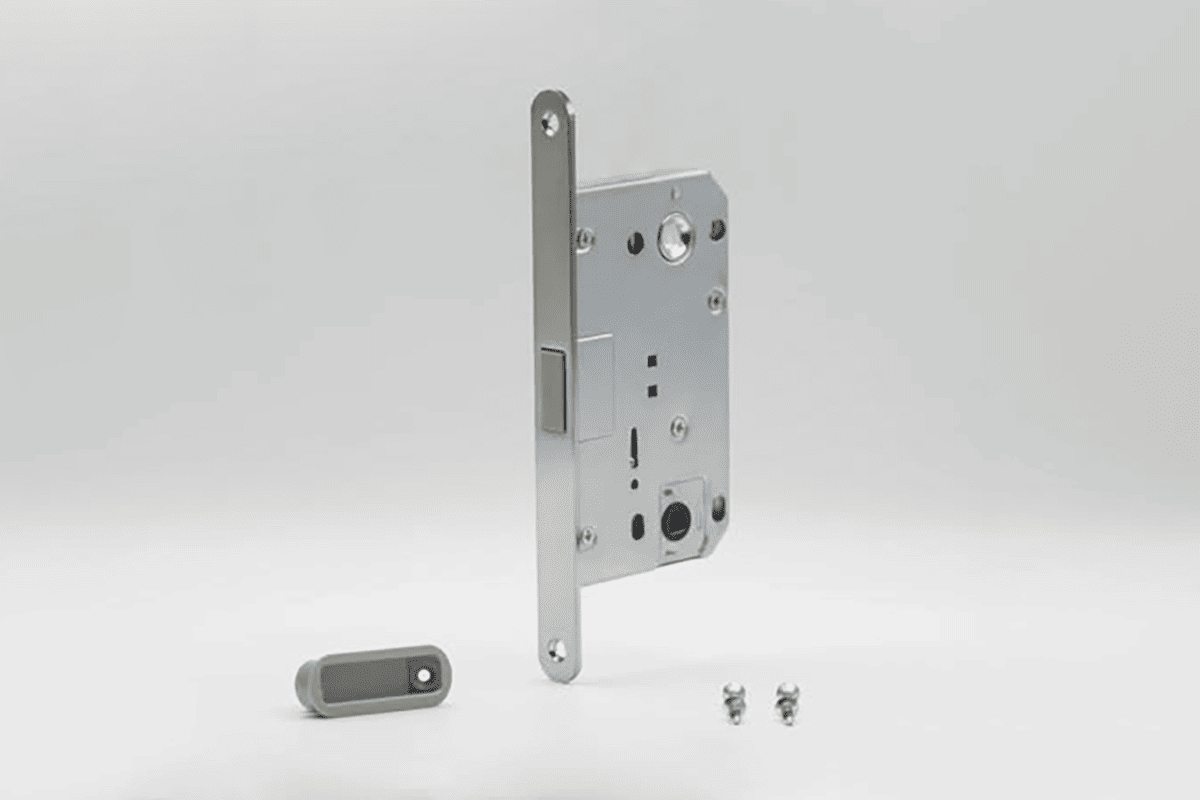
UL Listed vs. EN 12209 mortise locks must be reviewed carefully for fire-door use. A lock certificate or mechanical grade does not automatically approve the complete fire-door assembly.10 Fire performance and acceptance depend on the tested configuration, local rules, project specification, and AHJ or notified-body confirmation.
Lock Alone vs. Door Assembly
In procurement discussions, I separate two questions:
- Has the lock been evaluated for certain performance requirements?
- Has the complete door assembly been accepted for the project fire rating?
Those questions are related, but they are not the same.
A mortise lock can be tested as a hardware item for mechanical durability and function. However, fire-door performance often depends on how the hardware behaves inside a complete assembly during fire exposure. The door leaf material, cut-out size, lock case dimensions, intumescent protection, closer force, hinge performance, and frame construction can all affect results.11
This is why I avoid saying, “This lock is fire-approved for all doors.” A more accurate statement is:
“This lock has supporting certification or test evidence for defined applications. The complete fire-door acceptance must be verified against the project specification and local authority requirements.”
Where Marks May Appear
Buyers should also understand where approval marks appear. In some cases, the lock has its own marking or label. In other cases, the fire-rated door assembly carries the main label, and the hardware must be part of the approved assembly or allowed hardware list.
Possible evidence locations include:
- Marking on the lock case
- Label on packaging
- Listing database entry
- Fire-door assembly label
- Hardware schedule approved by the specifier
- Test report or assessment document
- Installation instruction linked to the approved configuration
If a door factory exports completed fire doors, this distinction is critical. The factory may need to show that the lock, hinges, closer, seals, and door core work together in the tested or assessed assembly. A strong mortise lock alone cannot compensate for an unverified door construction.
Fire-Door Evaluation Checklist
For fire-door projects, I suggest buyers confirm these points before ordering:
| Checkpoint | Buyer Question | Why It Matters |
|---|---|---|
| Project location | Which country, city, or project authority controls acceptance? | AHJ requirements vary |
| Door rating | Is the door 30, 60, 90, or 120 minutes? | Hardware evidence must match the rating |
| Door material | Timber, steel, composite, or aluminum? | Lock behavior differs by door type |
| Lock function | Passage, privacy, classroom, storeroom, panic-related? | Egress and locking rules may differ |
| Door assembly evidence | Is the hardware included in tested/assessed assembly data? | Fire acceptance is often system-level |
| Marking | Where must the mark or label appear? | Incorrect marks can cause rejection |
| Installation | Are cut-outs, screws, and intumescent kits controlled? | Installation affects performance |
AHJ and Specifier Acceptance
The AHJ, or Authority Having Jurisdiction, is especially important in UL-related projects. The AHJ can decide whether the submitted listing, label, installation, and assembly evidence are acceptable for the local project. In EN markets, notified bodies, certification bodies, or local regulators may influence acceptance depending on the application.
I am a manufacturer and supplier, not a regulator or test laboratory. So I treat final fire-door acceptance as project-specific and to be verified. I can provide product drawings, test reports, certification documents, inspection support, and technical clarification based on our tested products and audits. However, the project team should confirm final acceptance with the AHJ, specifier, door certification body, or notified body.
How I Recommend Planning Fire-Door SKUs
For brand owners and wholesalers, I recommend separating standard commercial SKUs from fire-door SKUs. The packaging, documents, installation sheets, and internal item codes should make the difference clear.
A practical SKU plan may include:
- Standard EN 12209 mechanical mortise lock SKUs
- Fire-door suitable SKUs with supporting evidence
- UL Listed SKUs for specific markets
- Private-label SKUs with controlled mark usage
- Project-specific SKUs requiring technical review
This structure reduces confusion in sales teams and warehouses. It also helps prevent the wrong product from being shipped to a regulated project. At SDH Hardware, I find this especially useful for customers who buy full door hardware sets, including mortise locks, stainless steel lever handles, butt hinges, concealed hinges, brass cylinders, and accessories.
How Can Buyers Choose Between UL Listed vs. EN 12209 Mortise Locks for Different Markets?
Choosing the wrong compliance route can increase cost and still fail the project review. A buyer may over-specify one market and under-document another. The result can be slow approvals, excess inventory, or a lock that performs well but lacks the required acceptance evidence.
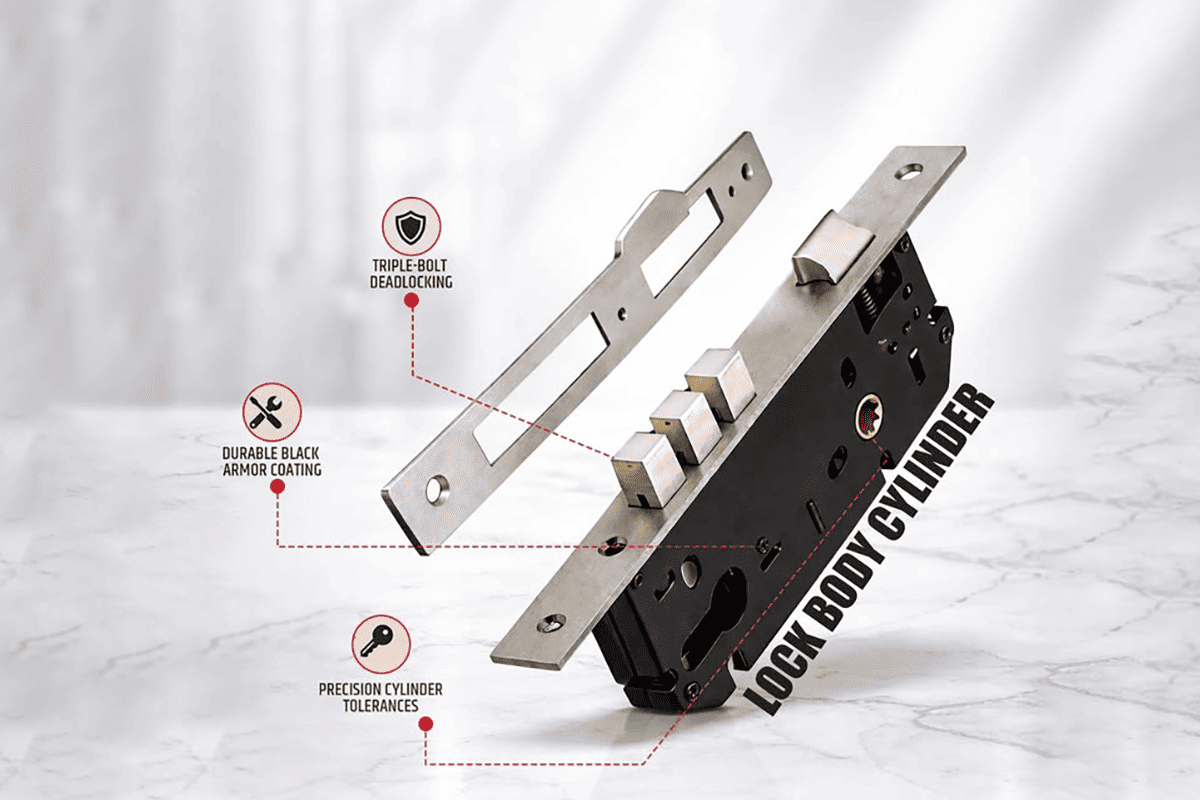
Buyers should choose between UL Listed vs. EN 12209 mortise locks by starting with the project location, specification language, fire-door requirement, and local acceptance pathway. The correct route is not based on which standard sounds stronger. It is based on which evidence the project authority will accept.
A Simple Route-Selection Framework
I use this decision process when customers send drawings or tender documents:
Identify the destination market
The Middle East, Europe, Southeast Asia, and North America may use different approval language. Even within one region, project owners may specify different standards.Read the hardware schedule carefully
Some schedules state “UL Listed.” Others state EN 12209 grades. Some mention fire rating, panic exit hardware, or door assembly approvals.Separate mechanical performance from fire performance
EN 12209 classification is not the same as fire certification. UL listing also must be checked for exact category and intended use.Confirm the AHJ or specifier requirement
If the project has an AHJ, consultant, certification body, or main contractor approval process, ask what evidence they need before production.Lock the product configuration
The tested or listed version should match the supplied version. This includes latch, deadbolt, follower, faceplate, strike, screws, finish, and installation instructions.Control labels and packaging
Marking misuse can create findings during audits or rejection during site inspection.
Supplier Selection Criteria
A good mortise lock supplier should do more than quote a low price. For export-compliant door hardware, I recommend checking both production ability and compliance discipline.
| Supplier Capability | What I Look For | Why It Matters |
|---|---|---|
| Factory control | In-house production lines and inspection records | Reduces variation between batches |
| Testing experience | Real experience with EN type tests or UL audits | Improves problem-solving during approval |
| Document clarity | Reports, drawings, certificates, and marking samples | Speeds submittal review |
| Customization control | Ability to assess ODM/OEM changes | Prevents unapproved variation |
| Product range | Locks, handles, hinges, cylinders, accessories | Helps one-stop sourcing for door sets |
| Quality inspection | Raw material, process, and finished goods checks | Supports consistent shipments |
Conclusion
UL Listed vs. EN 12209 mortise locks should be evaluated as two different compliance routes, not competing labels with automatic equivalence. UL focuses on listed models, mark control, and follow-up surveillance. EN 12209 classifies mechanical performance through standardized grades. Fire-door use adds another layer because assembly evidence and AHJ acceptance may be required. If you are planning export SKUs, project bidding, or OEM mortise lock sourcing, contact SDH Hardware with your specification, market, and door application so I can help you review the right documentation path.
"What is CE Certification? A Comprehensive Analysis of the EU CE ...", https://sdhhardware.com/2025/02/12/what-is-ce-certification-a-comprehensive-analysis-of-the-eu-ce-certification-standards-en-standards-for-door-lock-hardware-products/. UL’s certification materials describe listing as a controlled product-certification program with follow-up services, while EN 12209 is a European standard that classifies mechanically operated locks, latches, and locking plates by performance characteristics. Evidence role: general_support; source type: institution. Supports: A source should support that UL listing involves product certification and follow-up inspection, and that EN 12209 specifies classification requirements for mechanically operated locks and latches.. Scope note: This supports the general distinction between the two regimes; it does not prove compliance for any specific mortise lock model. ↩
"Mutual Recognition Agreements for Conformity ...", https://www.nist.gov/standardsgov/mutual-recognition-agreements-conformity-assessment-telecommunications-equipment. Conformity-assessment guidance treats certification marks and standards as scheme- and jurisdiction-specific evidence, so a UL Listing and an EN 12209 classification are not, by themselves, proof of automatic mutual recognition in all markets. Evidence role: expert_consensus; source type: institution. Supports: A source should support that certification marks and standards are accepted according to applicable jurisdictions, conformity-assessment schemes, and local authorities rather than being universally interchangeable.. Scope note: This is contextual support for the acceptance principle; final recognition depends on the specific country, product category, and project requirements. ↩
"What Should I Know About Fire Door Hinge Standards? UL, CE, and ...", https://sdhhardware.com/2026/08/13/what-should-i-know-about-fire-door-hinge-standards-ul-ce-and-en-requirements-explained/. UL’s certification documentation explains that listed products are identified in UL’s certification records and are subject to certification-mark controls and follow-up services intended to verify continued conformity. Evidence role: mechanism; source type: institution. Supports: A source should explain that UL Listings are tied to products or models in UL’s certification system and are subject to mark-use rules and follow-up services.. ↩
"What Should I Know About EN Standard Fire Door Hardware ...", https://sdhhardware.com/2026/08/14/what-should-i-know-about-en-standard-fire-door-hardware-regulations/. Published summaries of EN 12209 describe a classification code for locks and latches that includes attributes such as category of use, durability, door mass, fire or smoke suitability, safety, corrosion resistance, and security. Evidence role: definition; source type: institution. Supports: A source should support the existence and content of EN 12209’s classification coding system.. Scope note: A summary source may not reproduce every grade value in the standard and should be used only to support the structure of the classification system. ↩
"What makes a door hinge fire-rated? - SDH hardware- China ...", https://sdhhardware.com/2026/06/18/what-makes-a-door-hinge-fire-rated/. Fire-door guidance generally treats hardware performance evidence as separate from approval of the complete fire-door assembly, so an EN 12209 mechanical classification does not alone establish acceptance for every fire-rated door or jurisdiction. Evidence role: general_support; source type: institution. Supports: A source should support that mechanical classification of locks is distinct from approval of a complete fire-door assembly and that local project acceptance may require additional evidence.. Scope note: This supports the compliance principle rather than the requirements of any individual EU member state or project specification. ↩
"General Use Products: Certification and Testing | CPSC.gov", https://www.cpsc.gov/Business--Manufacturing/Testing-Certification/General-Use-Products-Certification-and-Testing. Conformity-assessment literature distinguishes ongoing certification surveillance, such as follow-up inspection of listed products, from type testing against a performance standard such as EN 12209. Evidence role: mechanism; source type: research. Supports: A source should support the operational difference between certification follow-up services and standards-based type testing/classification.. Scope note: This is a general conformity-assessment distinction; some European certification schemes may add surveillance beyond the EN 12209 test standard itself. ↩
"A Buyer's Guide to Choosing Commercial Door Hardware? - SDH ...", https://sdhhardware.com/2026/08/06/a-buyers-guide-to-choosing-commercial-door-hardware/. Mechanical-testing provisions for locks and latches include load-based evaluations of bolts or operating elements, supporting the relevance of side-load and axial-load checks to lock strength and function. Evidence role: mechanism; source type: paper. Supports: A source should show that mechanical lock testing includes load tests on latch or bolt components and that these loads are used to assess strength or functional reliability.. Scope note: The exact test names and load values depend on the applicable edition of the standard and the lock type. ↩
"What are mortice locks? - SDH hardware- China professional door ...", https://sdhhardware.com/2026/08/04/what-are-mortice-locks/. Standards summaries of EN 12209 describe a multi-position classification code used to express the tested characteristics of mechanically operated locks and latches. Evidence role: definition; source type: institution. Supports: A source should support that EN 12209 represents lock performance through a multi-position classification code.. Scope note: This supports the existence of the coding structure but does not replace the full standard for interpreting each grade. ↩
"What Should I Know About Fire Door Hinge Standards? UL, CE, and ...", https://sdhhardware.com/2026/08/13/what-should-i-know-about-fire-door-hinge-standards-ul-ce-and-en-requirements-explained/. UL’s mark-use guidance states that UL certification marks are controlled marks for authorized certified products, not general logos that may be applied to similar or unlisted goods. Evidence role: mechanism; source type: institution. Supports: A source should support that UL certification marks are controlled marks and may be applied only to authorized products covered by UL certification.. ↩
"Door Locks | Fire and Rescue", https://www.fairfaxcounty.gov/fire-ems/fire-marshal/door-locks. Fire-door standards and guidance treat a fire door as an assembly of the door, frame, hardware, and installation details, so a lock certificate or mechanical grade alone does not establish approval of the complete assembly. Evidence role: expert_consensus; source type: institution. Supports: A source should support that fire-door compliance is assessed at the assembly level and that individual hardware evidence is not automatically sufficient for the complete assembly.. ↩
"[PDF] SECTION 081416 - FLUSH WOOD DOORS - Hampton.gov", https://www.hampton.gov/DocumentCenter/View/46288/ITB-24-58TM-Addendum-1-Attachment-30--Flush-Wood-Doors?bidId=. Fire-door installation and inspection guidance identifies the door leaf, frame, hardware, clearances, protective materials, and installation details as factors relevant to the performance of a rated fire-door assembly. Evidence role: mechanism; source type: institution. Supports: A source should support that fire-door performance depends on the coordinated components and installation details of the full assembly.. Scope note: This supports the general mechanism; it does not quantify the effect of each factor for a particular mortise lock or door construction. ↩