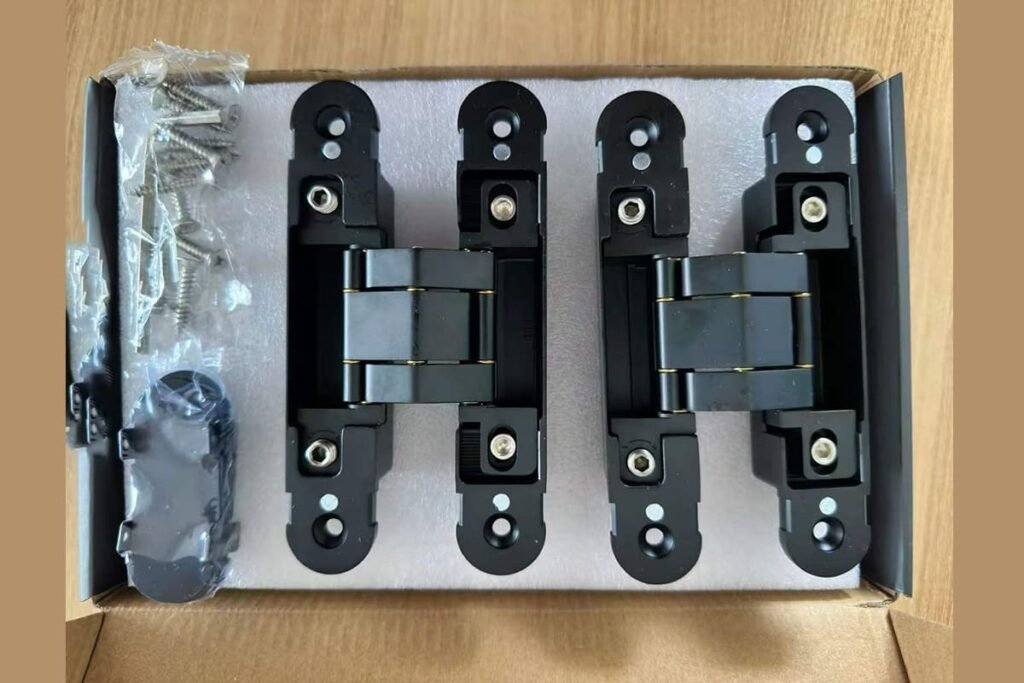
Why Zinc Alloy Hinges Are the Most Ideal Metal for Hinges?
Zinc alloy hinges can be an excellent choice, but buyers often lose money when they treat “ideal” as a universal promise. A hinge that works well on an indoor apartment door may fail quickly near the sea or on a heavy public door. I recommend zinc alloy when the project conditions match its strengths.
Zinc alloy hinges are most ideal for indoor, medium-load, aesthetics-driven door projects1 where consistent finish, stable batch production, controlled cost, and reliable delivery matter. They are not the best choice for coastal, chemical, fire-rated, high-temperature, or heavy-duty public-use doors unless the design, testing, and certification clearly support that application.
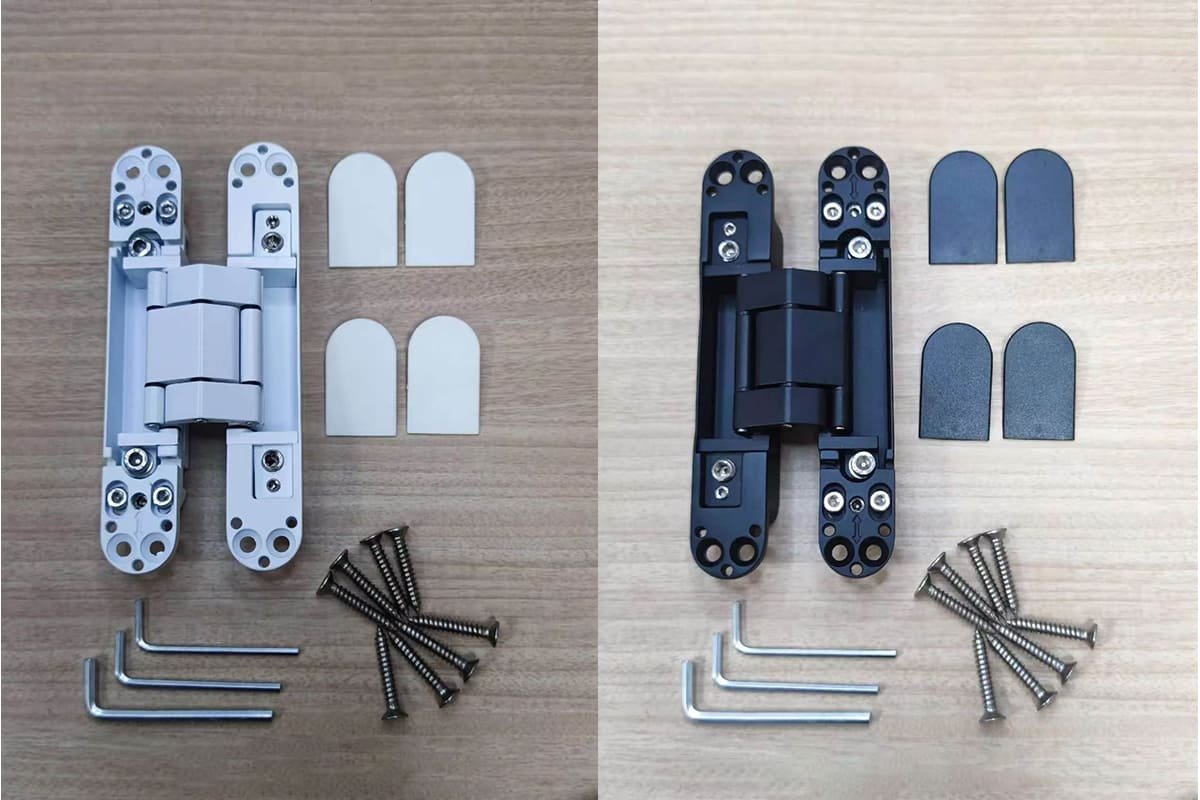
The real question is not whether zinc alloy is “better” than steel, brass, or stainless steel. The better question is: Where does zinc alloy create the best total value with acceptable risk? I will explain the conditions, structure factors, testing points, and red lines I use when supporting B2B hinge selection.
When Are Zinc Alloy Hinges the Most Ideal Choice?
Many buyers start with price, but price alone can hide risk. If a hinge is used outside its proper environment, a small saving can turn into complaints, replacements, and damaged brand trust. I usually begin by matching the hinge material to door weight, environment, frequency, and appearance requirements.
Zinc alloy hinges are most ideal for indoor wood or composite doors, single-leaf door weights around 40–50 kg or below, medium opening frequency, non-corrosive environments, and projects that require strong appearance consistency with handles, locks, and other door accessories.
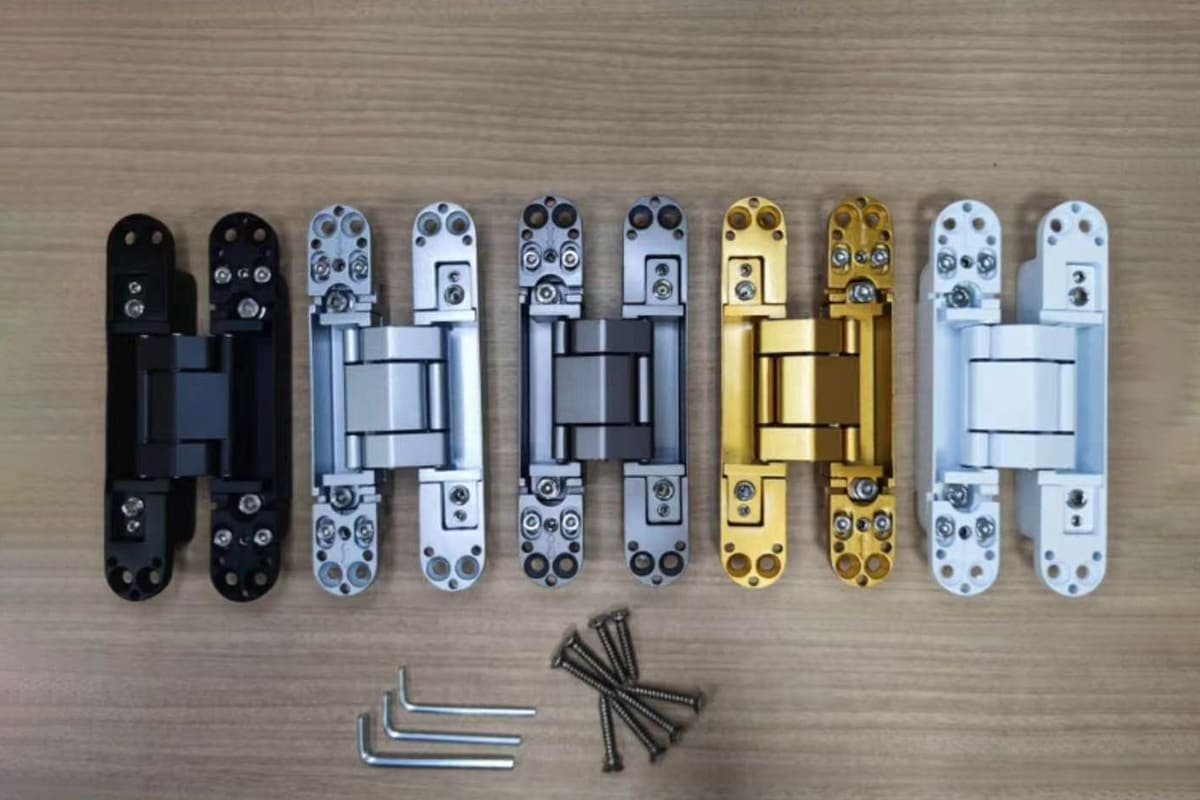
The right scenario matters more than the slogan
In my daily work with door manufacturers and hardware brands, I rarely say, “Use zinc alloy because it is always best.” I prefer a more practical sentence:
Use zinc alloy when the door, environment, duty cycle, finish expectation, and order scale fit the material.
That small condition changes the whole procurement decision.
For example, I once supported an indoor residential project where the buyer wanted the hinge finish to match lever handles, lock bodies, and decorative accessories. The doors were standard interior wooden doors. The expected door weight was below 45 kg. The opening frequency was normal residential use. In that case, zinc alloy provided a strong balance between appearance, cost, production stability, and lead time.
However, I have also seen buyers try to use similar hinges in coastal apartments with constant humidity and salt exposure2. The same general product type became risky because the environment changed. The issue was not only the base metal. The full plating system, maintenance conditions, and exposure level all mattered.
Suitable applications for zinc alloy
I consider zinc alloy hinges most suitable when these conditions are present:
- Door type: indoor wood doors, composite doors, light commercial interior doors
- Door weight: usually single leaf ≤40–50 kg3, depending on hinge size and quantity
- Opening frequency: medium-duty residential or office use
- Environment: dry indoor areas, no salt fog, no chemical atmosphere, no pool area
- Design priority: color matching, decorative appearance, clean casting details
- Procurement priority: batch consistency, stable cost, repeatable production, ODM/OEM flexibility
Why zinc alloy wins in these conditions
| Buyer requirement | Why zinc alloy performs well |
|---|---|
| Finish consistency | Zinc alloy supports smooth surfaces and stable decorative finishes |
| Cost control | Material and processing costs are often predictable at scale |
| Batch uniformity | Die-casting supports repeatable shapes and stable dimensions |
| Design flexibility | Complex shapes and decorative forms are easier to produce |
| Matching product series | Hinges can match handles, locks, cylinders, and accessories |
At SDH Hardware, we often see zinc alloy used when customers need a complete interior door hardware series. A buyer may not only need hinges. They may also need Euro mortise locks, stainless steel lever handles, Euro brass cylinders, door accessories, and matching finishes. In that situation, material selection becomes part of a larger product system.
What “most ideal” should mean for procurement
For B2B buyers, “ideal” should not mean the strongest metal in every condition. It should mean the best combination of:
- Required service life
- Acceptable complaint risk
- Stable production quality
- Consistent appearance
- Controllable landed cost
- Reasonable lead time
- Supplier ability to repeat the same result
That is why zinc alloy hinges often make sense for standardized indoor projects. They are not selected because they beat stainless steel in harsh environments. They are selected because they can provide enough performance and better total value in the right category.
Why Do Zinc Alloy Hinges Perform Well in Standardized Production?
A project can fail even when the material is acceptable. I have seen hinges with decent material perform poorly because the pin was undersized, the leaf was too thin, or the screw positions did not support the load. This is why I always evaluate structure before I approve a hinge specification.
Zinc alloy hinges perform well in standardized production because die-casting allows stable shapes, repeatable dimensions, clean surface details, and efficient batch output4. When the hinge design uses the correct pin, knuckle, leaf thickness, washer, screw layout, and installation method, zinc alloy can deliver reliable indoor performance.
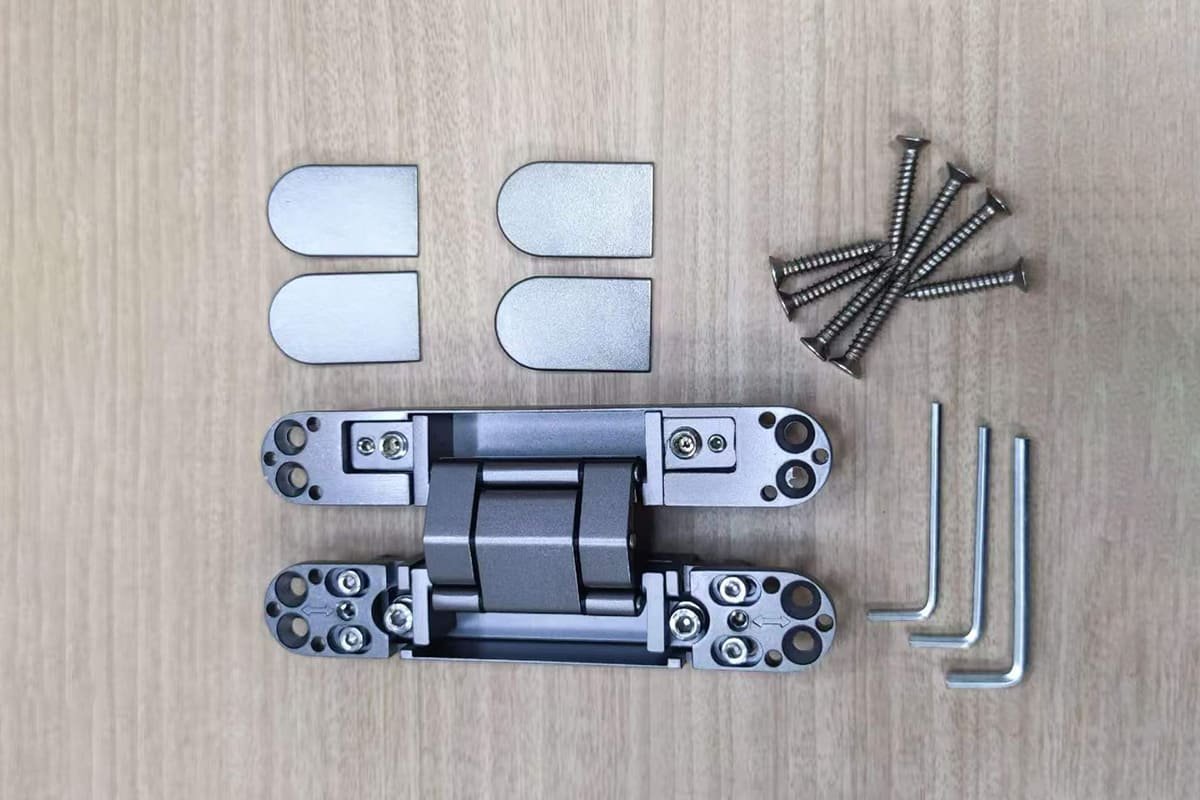
Material alone does not carry the door
Many “zinc versus steel” discussions are too simple. A hinge is a mechanical system.5 The hinge leaf, pin, knuckle, bearing surface, screws, frame, and installation accuracy all share the load.
In after-sales work, I often find that the visible failure is blamed on material first. But the real cause can be more specific:
- The hinge pin was too small for the door weight.
- The leaf thickness was not enough for the bending load.
- The screw holes were too close to the edge.
- The installer did not align the hinges correctly.
- The door frame moved after installation.
- Only two hinges were used where three were needed.
- The hinge was used in a corrosive environment without the right protection.
Zinc alloy hinges can perform well when these design points are correct. They can fail quickly when buyers focus only on the material name and ignore structure.
Key structure variables buyers should check
| Design factor | Why it matters | Procurement check |
|---|---|---|
| Pin diameter | Carries rotation and shear load | Ask for pin size and material |
| Knuckle design | Affects rotation stability | Check knuckle length and alignment |
| Leaf thickness | Resists bending and deformation | Confirm actual measured thickness |
| Washer or bearing type | Reduces friction and wear | Match to duty cycle |
| Screw positions | Distributes load into frame and door | Review hole spacing and edge distance |
| Hinge quantity | Shares total door weight | Confirm 2, 3, or more hinges per leaf |
| Installation tolerance | Prevents uneven loading | Request installation guidance |
Why die-casting helps appearance-driven projects
Zinc alloy is widely used in decorative hardware because it can be formed into accurate shapes with a smooth surface6. This matters for buyers who sell hardware as a visible product, not just a functional part.
In one anonymized case, a hardware brand needed hinges to match a specific handle finish across several interior door models. Stainless steel was mechanically strong, but the buyer wanted a more decorative shape and tighter visual consistency across batches. A zinc alloy die-cast hinge with the right plating system gave the buyer a more balanced solution. The key was that the doors were indoor, medium-load, and not exposed to high corrosion.
Process control is part of performance
At SDH Hardware, I treat zinc alloy hinge quality as a process issue, not only a material issue. A mature factory should control:
Raw material screening
The alloy composition should be stable. Impurities can affect casting quality and surface finishing.7Mold condition and casting parameters
Poor casting control can lead to porosity, weak corners, or unstable dimensions8.Machining and drilling accuracy
Pin alignment and screw hole location affect installation and rotation.Surface treatment preparation
Polishing, cleaning, and plating preparation influence adhesion and corrosion resistance.Finished product inspection
Hinges should be checked for appearance, movement, dimensions, plating quality, and packaging protection.
For large OEM or ODM orders, this control matters because buyers do not only need one good sample. They need repeatable production across cartons, batches, and future reorders.
How Should Buyers Test Zinc Alloy Hinges Before Ordering?
A beautiful hinge sample can be misleading. I have handled cases where the first samples looked excellent, but bulk goods failed expectations because testing conditions were unclear. Buyers should always connect test results to application conditions before approving a purchase order.
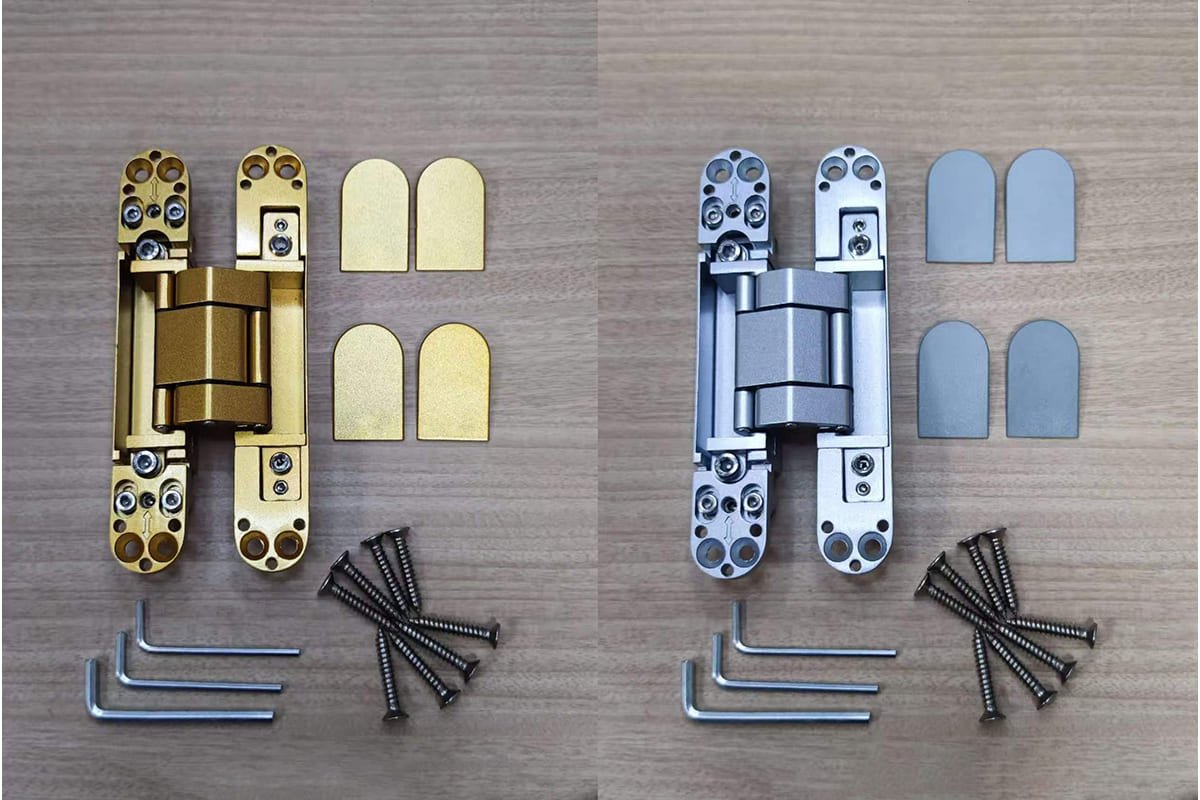
Buyers should test zinc alloy hinges by checking corrosion resistance, opening-cycle durability, dimensional accuracy, load suitability, plating adhesion, and installation performance. Salt-spray hours and cycle counts should always state the plating system, test method, door weight, hinge quantity, and duty profile.
Use conditional metrics, not empty claims
I prefer numbers, but I do not like numbers without context. A claim such as “passed 100,000 cycles” is incomplete unless the buyer knows:
- What was the door weight?
- How many hinges were installed?
- What was the opening angle?
- What was the test speed?
- Was the door indoor or outdoor simulated?
- Was the hinge lubricated?
- What failure standard was used?
The same logic applies to salt-spray testing. A statement such as “120 hours salt spray” should identify the plating system and test method, such as neutral salt spray testing according to a recognized method. Buyers should also understand that salt-spray performance does not automatically mean the hinge is suitable for coastal outdoor use.9
Practical testing ranges I discuss with buyers
For indoor zinc alloy hinges, I often see buyers request test targets like the following. These are not universal promises. They must be tied to the exact hinge model, finish, and test conditions.
| Test item | Common conditional target | Important condition |
|---|---|---|
| Neutral salt spray | ≥72–120 hours | Depends on plating system and indoor use expectation |
| Opening cycles | ≥100,000 cycles10 | Must state door mass, hinge quantity, and duty profile |
| Appearance inspection | 100% visible surface check | Check scratches, bubbles, color difference, plating marks |
| Dimensional inspection | Sampled by batch | Confirm pin, leaf, hole spacing, thickness |
| Assembly movement | Smooth rotation, no serious looseness | Check before and after cycle test |
What I check before I approve a hinge
When I support B2B hinge selection, I usually ask for or review the following:
Door data
- Door height and width
- Door weight
- Door material
- Door frame material
- Opening direction and angle
Use environment
- Indoor or outdoor
- Humidity level
- Coastal distance
- Chemical exposure
- Cleaning chemicals used on site
Duty profile
- Residential, hotel, office, school, public building, or industrial use
- Expected daily opening frequency
- Risk of abuse or impact
Compliance documents
- CE-related documents where applicable
- Fire-rated certificates only when the exact tested product and assembly are relevant
- Test reports for corrosion, cycles, and finish performance
Production consistency
- Golden sample confirmation
- Drawing confirmation
- Surface finish standard
- Packaging method
- Final inspection report
Why after-sales feedback matters
Laboratory tests are important, but field feedback completes the picture. In our experience, return trends are usually lower when zinc alloy hinges are used in the correct indoor, medium-load scenario. Complaint risk rises when the same product is pushed into coastal, heavy-use, or high-load applications.
I once reviewed a complaint where the buyer believed the hinge material was the only issue. After checking installation photos, we found that the door was heavier than the original specification and the frame alignment was poor. The hinge also had visible stress at the screw area. A stronger material might have helped, but the main problem was misapplication plus installation error.
That case reminded me to be strict with project data. For repeat orders, I encourage buyers to keep a simple product approval file:
- Approved drawing
- Approved sample photos
- Test report copies
- Finish code
- Installation notes
- Door weight limit
- Warranty limitation by application
This file protects both the buyer and the supplier because it turns a general product into a controlled specification.
When Are Zinc Alloy Hinges Not Recommended?
Every material has a boundary. Problems usually appear when buyers ignore that boundary. I never recommend zinc alloy just because it looks good or saves cost. If the environment, load, temperature, or certification requirement is outside the safe range, another hinge material is usually the better decision.
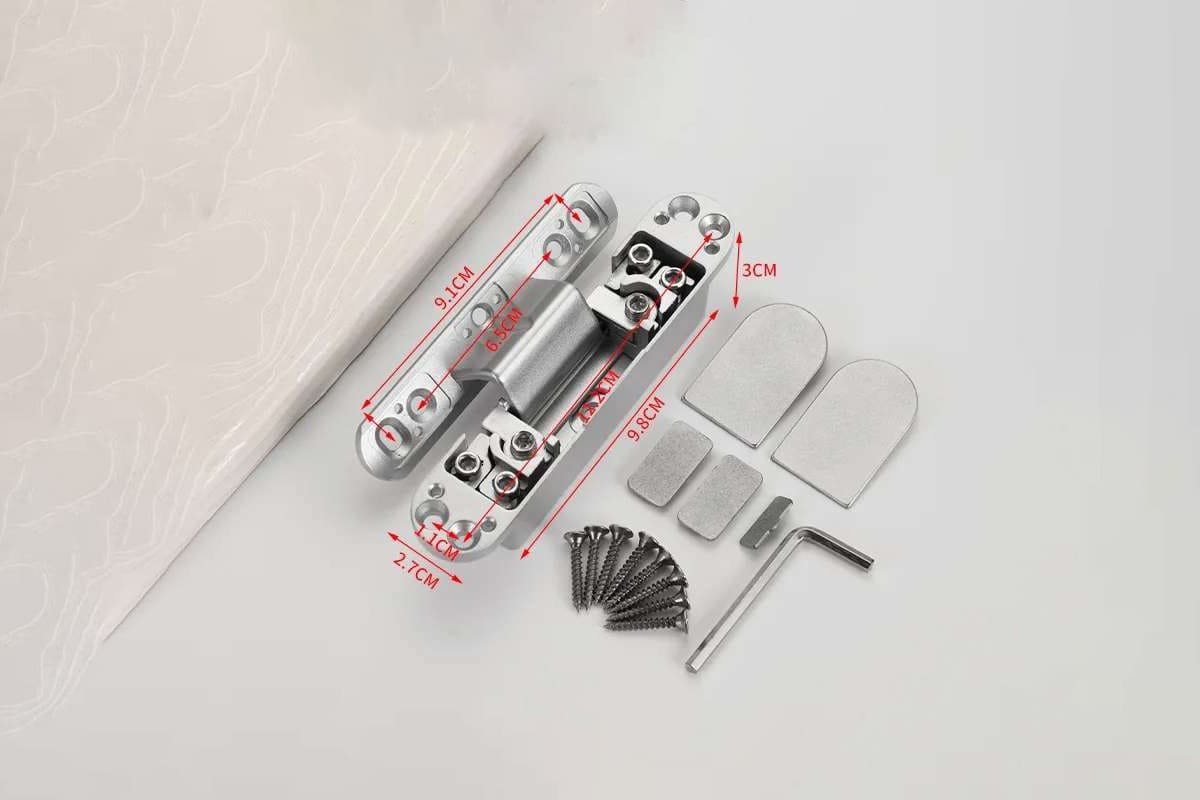
Zinc alloy hinges are not recommended for outdoor coastal areas, swimming pools, chemical environments, heavy public-use doors, industrial doors, high-temperature locations, or fire-rated assemblies unless the exact product has been designed, tested, and documented for that use. Stainless steel, brass, or carbon-steel structures may be safer alternatives.
Clear red lines for buyers
I believe a good supplier should say “no” when the application is wrong. That may reduce one order, but it protects long-term trust.
I usually do not recommend zinc alloy hinges in these situations:
- Coastal outdoor doors
- Pool rooms or spa areas
- Chemical storage or cleaning-heavy spaces
- Industrial high-frequency doors
- Heavy public building entrances
- Oversized or overweight doors
- Fire-rated or high-temperature assemblies without verified certificates
- Security-sensitive doors requiring reinforced hinge structures
In these conditions, the buyer should consider stainless steel, brass, carbon steel, or a certified hinge system designed for the specific duty.
Alternative materials by application
| Application risk | Better option to evaluate | Reason |
|---|---|---|
| Coastal corrosion | Stainless steel with suitable grade and finish | Better corrosion resistance |
| Pool or chemical atmosphere | Stainless steel or special coating system | Better resistance to aggressive air |
| Heavy public use | Stainless steel or reinforced steel hinge | Higher structural strength options |
| Fire-rated doors | Certified fire-rated hinge assembly | Compliance depends on tested product |
| High-security doors | Reinforced steel or stainless structure | Better mechanical strength potential |
| Decorative premium interior doors | Brass or zinc alloy, depending on budget | Strong appearance options |
Fire-rated projects need special care
Fire-rated hardware is not an area for assumption. A hinge material alone does not make a door assembly fire-rated.11 Buyers should verify the exact certificate, test standard, door type, hinge size, installation method, and approved application scope.
At SDH Hardware, our core products are available with CE certification and fire-rated certification where applicable. However, I always advise buyers to verify the documents against their own project requirements. A certificate should match the product model and the intended use. If a local authority, consultant, or test body requires additional approval, the buyer should follow that professional evaluation.
Heavy-duty use changes the calculation
A hinge on a private bedroom door has a very different life from a hinge on a school corridor door. Even if both doors weigh 45 kg, the duty profile can be completely different. Public-use doors may face:
- More daily cycles
- Faster opening and closing
- Impact loads
- Misuse by users
- Door closer force
- Frame movement
- Higher maintenance variation
In those applications, buyers should not rely only on material cost or decorative finish. They should request a hinge designed for the load class and duty cycle12. This may include larger dimensions, stronger pins, bearing washers, thicker leaves, or a different base metal.
A practical procurement rule
My practical rule is simple:
If the project environment is harsh, the door is heavy, the traffic is high, or the compliance requirement is strict, do not select zinc alloy until testing and documentation prove it fits.
This rule prevents many avoidable disputes. It also helps buyers communicate better with suppliers. Instead of asking, “Is zinc alloy good?” they can ask, “Is this exact hinge suitable for this door weight, this cycle requirement, this environment, and this certificate requirement?”
That is a much better question.
How Can Buyers Source Zinc Alloy Hinges With Lower Risk?
A hinge is a small product, but a bad hinge can affect the whole door system. Procurement teams need more than a catalog photo. They need drawings, samples, test data, inspection control, packaging standards, and a supplier who understands application limits.
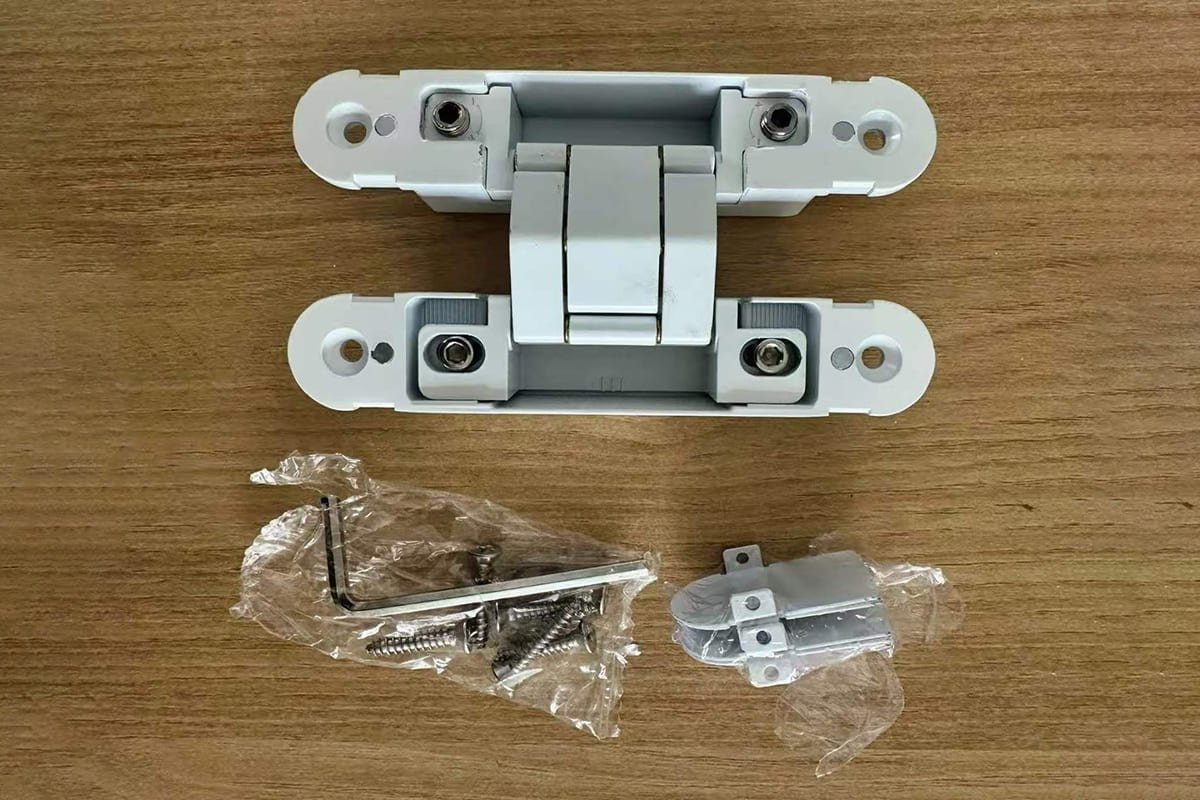
Buyers can source zinc alloy hinges with lower risk by confirming the door application, approving drawings and samples, checking test reports, verifying certificates, defining finish standards, and choosing a factory with stable production, full-process quality control, and experience in OEM/ODM architectural hardware supply.
Supplier evaluation should be practical
When I help a customer evaluate hinge supply, I like to divide the process into three stages: before sampling, before mass production, and before shipment.
1. Before sampling
Buyers should share the real project data first. A supplier cannot recommend accurately if the buyer only sends a picture.
Useful information includes:
- Door type and material
- Door height, width, and weight
- Indoor or outdoor use
- Target finish
- Required hinge size
- Quantity per door
- Market or project standard
- Packaging and branding requirements
- Certification or test report needs
For ODM/OEM projects, drawings are especially important. At SDH Hardware, we can provide detailed product drawings after order confirmation, but I still encourage buyers to approve the main dimensions before mold or mass production decisions.
2. Before mass production
Before bulk production, buyers should confirm:
| Item | Why it matters |
|---|---|
| Golden sample | Sets the final visual and functional standard |
| Surface finish code | Reduces color disputes |
| Drawing dimensions | Controls installation compatibility |
| Material and plating plan | Supports performance expectations |
| Logo and packaging design | Protects brand consistency |
| Inspection standard | Defines acceptable and unacceptable defects |
This stage is where many future problems can be prevented. A small disagreement about color, hole spacing, or screw accessories can become a large issue after shipment.
3. Before shipment
Final inspection should not only count cartons. It should check the product.
A practical inspection list includes:
- Appearance and finish consistency
- Smooth opening and closing
- Pin and knuckle alignment
- Leaf thickness
- Screw hole position
- Logo position
- Packaging protection
- Carton labels
- Quantity per carton
- Random assembly checks
At SDH Hardware, our production and quality process follows full-process control, from raw material screening to finished product inspection. We also use specialized testing machines for functional research, frame detection, and final product testing. Buyers should still request the exact inspection items they need, especially for brand or project orders.
Why factory-direct supply helps standardized orders
For large zinc alloy hinge orders, factory-direct supply can reduce communication loss. A trading chain may work for simple products, but technical hinge orders often need fast answers from engineering, production, finishing, and quality teams.
A factory with independent production lines can usually support:
- ODM/OEM customization
- Logo stamping or laser marking
- Custom color packaging
- Surface treatment adjustment
- Accessory configuration
- One-stop sourcing for door hardware series
- Inspection after order completion
This is valuable for door manufacturers, hardware brands, and wholesalers who need stable repeat orders across the Middle East, Europe, and Southeast Asia.
The best sourcing decision is application-based
I always prefer to qualify the hinge before I quote it aggressively. A very low price is not useful if the hinge creates complaints. A very high specification is also wasteful if the door does not need it. The best sourcing choice sits between these extremes.
For indoor, medium-load, standardized door projects, zinc alloy hinges can offer a strong total value. For harsh or heavy-duty projects, buyers should move to stronger or more corrosion-resistant alternatives. A qualified supplier should help buyers make that distinction, not hide it.
Conclusion
Zinc alloy hinges are the most ideal choice when the project is indoor, medium-load, appearance-focused, and standardized for batch production. They offer strong total value through finish consistency, design flexibility, predictable cost, and stable supply. However, they are not universal replacements for stainless steel, brass, or reinforced steel hinges. The best result comes from matching material, structure, testing, and installation to the real application. If you need factory-direct OEM or ODM hinge support, I can help you evaluate the right specification for your door project.
"Different Materials of Invisible Hinge: Which One Should You Choose?", https://sdhhardware.com/2026/09/02/different-materials-of-invisible-hinge-which-one-should-you-choose/. Materials references on zinc die casting describe zinc alloys as suitable for components requiring good surface finish, dimensional accuracy, and decorative finishing, which contextually supports their use in appearance-focused indoor door hardware but does not establish suitability for any specific hinge load rating. Evidence role: general_support; source type: research. Supports: A neutral materials source should support that zinc alloys are commonly used in die-cast components where dimensional accuracy, surface finish, and decorative appearance are important.. Scope note: Contextual support only; a separate product test or hinge standard is needed to prove a specific hinge's load capacity. ↩
"Atmospheric Corrosion of Different Steel Types in Urban and ...", https://pmc.ncbi.nlm.nih.gov/articles/PMC11679332/. Studies of atmospheric corrosion report that marine chloride deposition and humidity can accelerate corrosion of zinc-based materials, supporting the article's caution about using zinc alloy hardware in coastal apartments with persistent salt and moisture exposure. Evidence role: mechanism; source type: paper. Supports: A corrosion paper should explain that chloride-containing marine atmospheres and high humidity accelerate atmospheric corrosion processes for zinc or zinc alloys.. Scope note: The evidence would address the corrosion mechanism generally and would not predict service life for a particular plated hinge without finish-specific testing. ↩
"What size are concealed hinges? - SDH hardware- China ...", https://sdhhardware.com/2026/07/03/what-size-are-concealed-hinges/. Hinge classification standards such as EN 1935 classify hinges by factors including door mass, durability cycles, corrosion resistance, and safety performance, supporting the need to tie any 40–50 kg suitability statement to a tested hinge size and grade rather than to zinc alloy generally. Evidence role: general_support; source type: institution. Supports: A hinge standard or institutional technical guide should support that hinge suitability is assessed by tested door mass, hinge grade, and durability classification rather than material name alone.. Scope note: This would contextualize the weight range but would not directly prove the author's exact 40–50 kg threshold unless a matching product test report is cited. ↩
"Choosing the Right Manufacturer for Custom Door Hinges? - SDH ...", https://sdhhardware.com/2026/08/21/choosing-the-right-manufacturer-for-custom-door-hinges/. Technical references on die casting describe the process as capable of producing high volumes of metal parts with close dimensional repeatability and good surface detail, supporting the article's claim about standardized zinc alloy hinge production. Evidence role: mechanism; source type: institution. Supports: A die-casting association or technical reference should support that die casting is used for high-volume production of parts with repeatable dimensions and good surface detail.. Scope note: This supports the process capability in general, not the quality control level of any individual factory or hinge batch. ↩
"design, fabrication, and testing of mechanical hinges with ...", https://digitalcommons.calpoly.edu/cgi/viewcontent.cgi?params=/context/theses/article/4047/&path_info=Design__Fabrication__and_Testing_of_Mechanical_Hinges_with_Snap_Fit_Locking_Mechanisms_in_Rigid_Origami_Structures.pdf. Engineering descriptions of door hinge behavior treat the hinge as a load-transfer assembly involving the pin, leaves, fasteners, door, and frame, supporting the article's point that material selection alone cannot determine hinge performance. Evidence role: mechanism; source type: education. Supports: An engineering or architectural hardware source should support that hinge loads are transferred through multiple components and depend on installation geometry and support conditions.. Scope note: The source would explain the mechanism generally and would not diagnose the specific after-sales failure examples in the article. ↩
"Different Materials of Invisible Hinge: Which One Should You Choose?", https://sdhhardware.com/2026/09/02/different-materials-of-invisible-hinge-which-one-should-you-choose/. General materials references note that zinc die casting can produce complex parts with accurate dimensions and good surface finish, which supports the article's explanation of why zinc alloy is used for decorative hardware components. Evidence role: mechanism; source type: encyclopedia. Supports: A general reference should support that zinc die casting can produce complex, accurate shapes with good surface finish.. Scope note: This is process-level support and does not prove that every zinc alloy hinge will have acceptable cosmetic quality. ↩
"(PDF) EC-515 Die Casting Defects", https://www.academia.edu/50795213/EC_515_Die_Casting_Defects. Metallurgical studies of zinc die-casting alloys report that impurity control can influence casting defects, corrosion behavior, and surface-finishing outcomes, supporting the article's emphasis on raw-material screening. Evidence role: mechanism; source type: paper. Supports: A metallurgy paper should support that impurity elements in zinc die-casting alloys can affect cast quality, corrosion behavior, or finishing performance.. Scope note: The source would support the general mechanism, not confirm impurity levels in the author's supply chain. ↩
"Prediction of the Stability of the Casting Process by the HPDC ...", https://pmc.ncbi.nlm.nih.gov/articles/PMC11644006/. Research on pressure die casting identifies porosity and dimensional variation as defects influenced by process parameters, mold conditions, and solidification behavior, supporting the article's claim that poor casting control can reduce hinge reliability. Evidence role: mechanism; source type: paper. Supports: A die-casting paper should support that process parameters and mold conditions influence porosity, local weakness, and dimensional variation in cast parts.. Scope note: The evidence would not prove that the specific defects occurred in any particular hinge batch without inspection data. ↩
"Lock & Hardware Proudly Made in China? - SDH hardware- China ...", https://sdhhardware.com/2026/06/10/lock-hardware-proudly-made-in-china/. Corrosion-testing standards and guidance describe neutral salt-spray testing as a controlled comparative exposure method and caution that results do not necessarily correlate directly with service life in natural coastal environments, supporting the article's warning about overinterpreting salt-spray hours. Evidence role: expert_consensus; source type: institution. Supports: A corrosion-test standard or institutional source should support that salt-spray tests are comparative laboratory tests and do not necessarily predict real outdoor corrosion performance.. Scope note: This supports the limitation of the test method, not the performance of any particular plating system. ↩
"BS EN 1906 Lever handle - SDH hardware- China professional door ...", https://sdhhardware.com/2023/01/30/bs-en-1906-lever-handle/. Recognized hinge standards classify durability using prescribed cycle tests and associated conditions such as hinge type, door mass, and grade, supporting the article's use of cycle count as a conditional performance metric. Evidence role: statistic; source type: institution. Supports: A hinge durability standard should support that hinges are evaluated by specified cycle counts under defined test conditions.. Scope note: The source may not identify 100,000 cycles as the exact requirement for all indoor zinc alloy hinges; it mainly supports the need to define cycles through a standard test method. ↩
"What Are the Fire Door Hinge Placement Requirements for ...", https://sdhhardware.com/2026/08/13/what-are-the-fire-door-hinge-placement-requirements-for-commercial-buildings/. Fire-door codes and official guidance treat fire resistance as an assembly property requiring compatible listed hardware, supporting the article's statement that hinge material alone does not make a door assembly fire-rated. Evidence role: expert_consensus; source type: government. Supports: A fire-safety code or official guidance should support that fire doors are evaluated as assemblies and that hardware must be listed or approved for the intended fire-door application.. Scope note: The source would establish the compliance principle but would not verify any specific certificate mentioned by the article. ↩
"What Should I Know About Fire Door Hinge Standards? UL, CE, and ...", https://sdhhardware.com/2026/08/13/what-should-i-know-about-fire-door-hinge-standards-ul-ce-and-en-requirements-explained/. Architectural hinge standards classify hinges according to performance factors such as category of use, durability, door mass, safety, and corrosion resistance, supporting the article's position that heavy public-use doors require selection by load class and duty cycle. Evidence role: general_support; source type: institution. Supports: A hinge standard should support that hinges are classified by category of use, durability, door mass, safety, and related performance criteria.. Scope note: This supports the selection framework but does not determine which hinge model is sufficient for a particular public building door. ↩