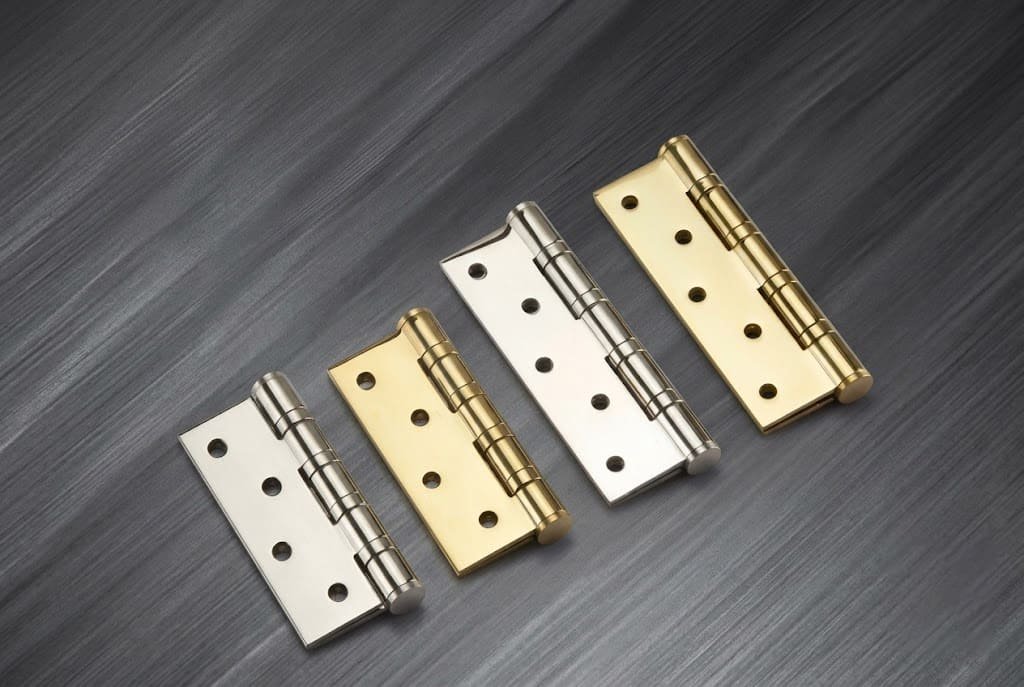
3 Key Important Things to Know When Specifying Butt Hinges?
Butt hinges look simple, but specifying butt hinges incorrectly can create expensive problems after installation. A door may sag, rub, fail durability expectations, or miss a fire-rating requirement. I usually solve this by checking three practical factors first: use scenario, door weight, and durability level.
When specifying butt hinges, buyers should not start with size alone. They should confirm where the door will be used, how heavy the door is, whether fire-rated test evidence is required, what durability grade is expected, and how many hinges the final installation needs. These details reduce performance and compliance risk.

In my experience at SDH Hardware, many quotation requests begin with “4-inch stainless steel hinge.” That is a starting point, not a specification. The real decision begins when I ask about the door type, thickness, weight, closer use, test requirements, and project standard.
Why Should the Use Scenario Come First When Specifying Butt Hinges?
A hinge may look correct on paper, but the wrong application can make it fail in real use. This is the first problem I see in B2B sourcing. A buyer asks for a common hinge size, but the door may be thicker, heavier, fire-rated, or used in a higher-risk project.
The use scenario should come first when specifying butt hinges because interior wooden doors, thicker wooden doors, and fire-rated doors have different performance requirements1. A common 433 hinge may suit ordinary interior wooden doors, while thicker or fire-rated doors may need different sizes, structures, materials, or verified fire-test documents2.
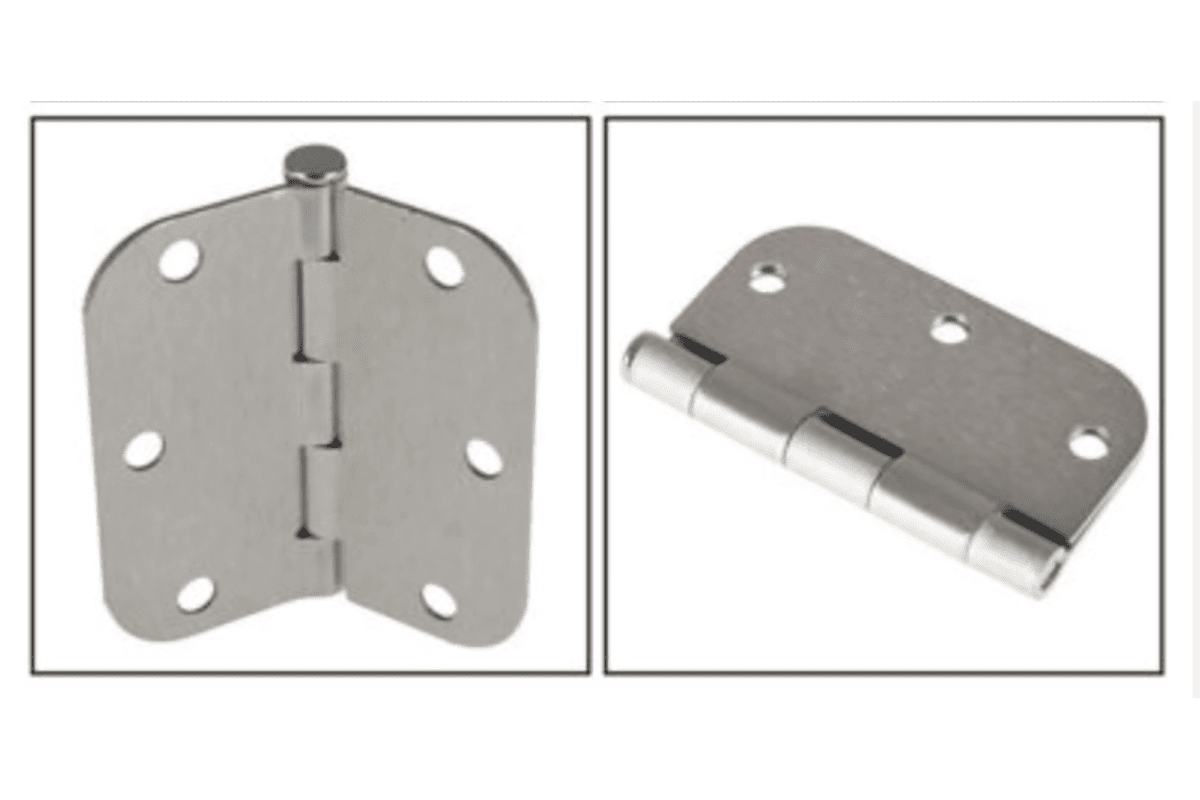
Match the hinge to the door type, not only the catalog size
A butt hinge specification should start with the door environment. I normally ask buyers to confirm the following before discussing price:
- Door material: timber, composite, steel-faced timber, or fire-rated core
- Door thickness: standard or thicker construction
- Door location: hotel room, apartment, office, school, hospital, villa, or commercial project
- Fire requirement: non-fire-rated, 120-minute fire-rated, 240-minute fire-rated, or another tested scope
- Hardware set: lock, lever handle, door closer, seal, pull handle, or access control device
- Usage frequency: occasional, normal, or frequent-use door
For ordinary interior wooden doors, buyers often consider a 433 hinge, meaning 4 inch × 3 inch × 3 mm. In many standard interior applications, this type of hinge can be suitable when the tested specification, material, finish, and door conditions match the project. However, I do not treat 433 as a universal answer. The door weight and usage must still be checked.
For thicker wooden doors, buyers may need a 443 hinge, usually understood as 4 inch × 4 inch × 3 mm. The wider open width can help match thicker doors or different frame conditions. Still, the final choice should follow the door manufacturer’s requirements and the hinge supplier’s tested data.
Fire-rated doors need verified test scope
Fire-rated doors deserve extra attention. For these doors, the hinge is not just a moving part. It becomes part of the tested door assembly3. A hinge used on a fire-rated door should be supported by relevant fire-test evidence, such as EN 1634 test documentation4, when the project requires it.
Some tested hinge specifications may support 120-minute or 240-minute fire resistance. However, I always remind buyers to verify:
| Fire-rated hinge check | Why it matters |
|---|---|
| Test standard, such as EN 1634 | Confirms the test method used |
| Fire resistance time | Shows whether the hinge supports the required rating |
| Door type in test scope | Prevents using evidence from an unrelated door assembly |
| Hinge size and material | Confirms the tested hinge matches the ordered hinge |
| Installation method | Helps align the real project with the tested condition |
Fire certification should never be treated as a general marketing label. Buyers should verify the document, tested product, door type, and application scope before approval.
At SDH Hardware, I often help buyers compare requested hinge sizes with their actual project use. This does not replace a project engineer or certification body. It simply helps the sourcing team avoid a common mistake: ordering a standard hinge for a door that needs verified fire-rated performance.
How Does Door Weight Affect Butt Hinges Selection?
A door may work on day one and still fail later if the hinge is under-specified. Door weight creates constant stress on the hinge leaf, pin, screws, frame, and alignment5. This problem becomes worse when a door closer adds extra operating force.
Door weight affects butt hinges selection because heavier doors usually require larger, thicker, or tested higher-capacity hinges6. Standard-weight doors commonly use 4-inch hinges, while heavier doors may require 5-inch hinges or thicker 4 mm structures. If a door closer is used, buyers should add about 20% load allowance.
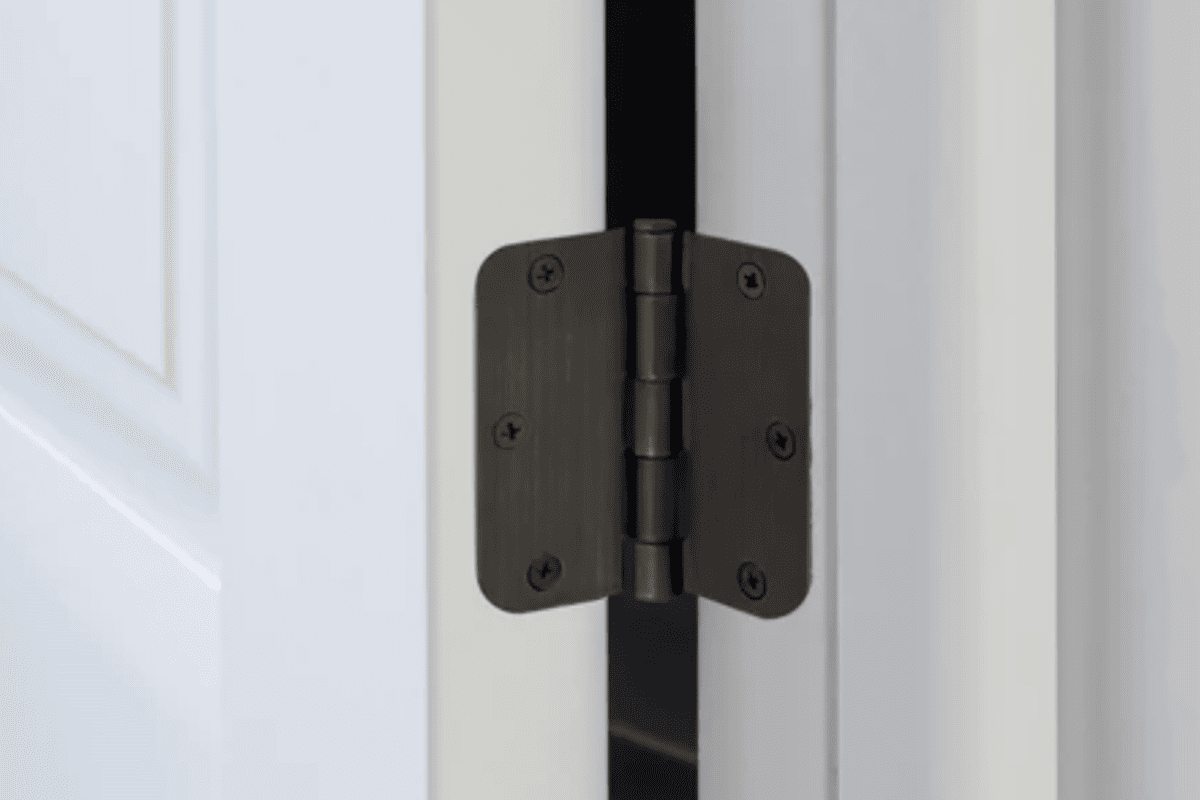
Do not select size without confirming the load
Hinge size and thickness are closely related to load performance, but they are not the same as certified load capacity. A 4-inch hinge from one factory may not perform the same as a 4-inch hinge from another factory. Material thickness, bearing structure, pin strength, production tolerance, screw quality, and test method all matter7.
In specification discussions, I usually separate the issue into three questions:
- What is the actual door weight?
- Will a door closer be installed?
- What tested load data is available for that hinge model?
A standard-weight interior wooden door may commonly use 4-inch butt hinges. A heavier door may require 5-inch hinges, especially when the door is taller, wider, thicker, or fitted with additional hardware.
Some certified 3 mm hinge specifications may support up to around 120 kg, while certain 4 mm hinge specifications may reach around 240 kg, depending on tested size, hinge structure, bearing design, and certification scope. These figures must be checked against the actual product certificate or test report. They should not be assumed for every hinge with the same thickness.
Door closers change the load calculation
A door closer changes hinge selection because it adds mechanical force during opening and closing. For practical procurement, I recommend adding roughly 20% extra load allowance8 when a door closer is installed.
For example:
| Actual door weight | With 20% closer allowance | Selection implication |
|---|---|---|
| 60 kg | 72 kg | Check tested hinge capacity above 72 kg |
| 90 kg | 108 kg | Avoid selecting a marginal hinge |
| 120 kg | 144 kg | Consider higher-rated or thicker hinge options |
| 180 kg | 216 kg | Review 5-inch or 4 mm tested specifications |
This allowance is not a substitute for engineering review, but it is a useful sourcing filter. It helps buyers avoid selecting a hinge that is technically close to the limit before the door is even installed.
Look beyond the hinge leaf thickness
When a buyer asks me, “Is 3 mm enough?” I usually answer with another question: “For which door weight and which test requirement?”
A reliable hinge assessment should include:
- Leaf thickness: 3 mm or 4 mm, depending on load and tested design
- Hinge height: commonly 4 inch or 5 inch for many architectural doors
- Open width: such as 3 inch or 4 inch, based on door and frame details
- Bearing type: washer, ball bearing, or other structure
- Material: stainless steel grade or other specified material
- Screw fixing: screw size, screw material, and fixing substrate
- Test evidence: load, durability, fire, and corrosion data when required
For buyers, the safest approach is simple. Confirm the door weight first. Add allowance for closers. Then ask the hinge supplier for the matching tested specification. This protects both the door factory and the hardware brand from complaints after installation.
Why Is Durability Grade Important for Butt Hinges?
A hinge can pass a basic visual inspection and still wear out too quickly. This is especially risky for hotels, schools, offices, hospitals, and public buildings. Frequent-use doors turn hinge durability into a service-life issue, not just a technical label.
Durability grade is important for butt hinges because it shows how many opening and closing cycles the hinge has passed under defined test conditions. A commonly used durability level is Grade 79, which requires a 200,000-cycle10 test under the applicable standard and tested product scope.
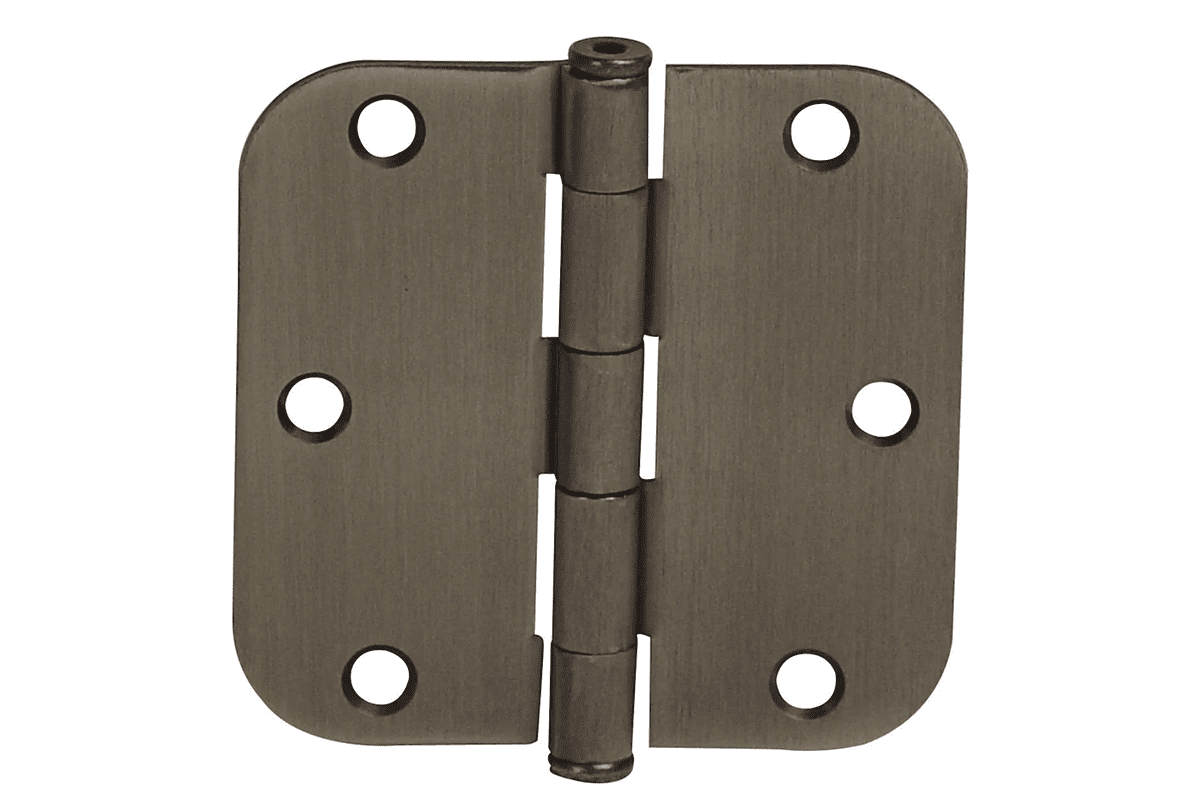
Durability is about long-term movement
Buyers often focus on material and finish first. I understand why. Stainless steel looks solid, and surface finish affects the final door appearance. But durability depends on repeated movement. The pin, knuckles, bearings, washers, and leaf alignment must survive thousands of operations.
For many architectural hardware projects, buyers refer to BS EN 193511 for single-axis hinges. Under this standard, Grade 7 durability is commonly associated with 200,000 test cycles. However, buyers should confirm that the exact hinge size, structure, and material are covered by the test evidence.
Here is a practical way to read durability:
| Durability factor | Buyer question |
|---|---|
| Cycle test grade | How many cycles did the hinge pass? |
| Tested hinge model | Is it the same model I am ordering? |
| Door mass category | Does the test match my door weight? |
| Bearing structure | Is it suitable for frequent use? |
| Fire test combination | Does the durability-tested hinge also match fire requirements if needed? |
Grade 7 is common, but it is not only a label
I have seen buyers request “Grade 7 hinge” as if it were a product name. It is better to treat Grade 7 as a verified performance requirement. The supplier should identify which hinge model has passed the relevant cycle test and under what conditions.
For frequent-use doors, this matters because the cost of failure is not only the hinge cost. Failure can create:
- Door sagging
- Scraping between door and frame
- Loose fixing screws
- Poor latch alignment
- Noise during operation
- Higher maintenance cost
- Customer complaints after project handover
A small difference in hinge selection can create a large difference in service life. A low-traffic bedroom door and a busy corridor door do not place the same demand on the hinge. The hinge may look identical, but its bearing structure and tested durability can be very different.
Durability should be combined with quality control
At SDH Hardware, our factory discussions usually connect durability with production quality. This is because even a good design needs stable manufacturing.
A buyer can ask the supplier about:
Raw material inspection
The factory should control stainless steel thickness, hardness, and surface condition.Stamping and forming control
The hinge leaf should remain flat, consistent, and within tolerance.Knuckle and pin fit
Poor fit can create looseness, noise, or early wear.Surface treatment inspection
Brushed, polished, PVD, or other finishes should meet the ordered requirement.Finished product testing
The supplier should conduct functional checks and dimensional inspection before shipment.
Durability is not only proven in a laboratory. It is protected by consistent production. Buyers should request test reports when needed, but they should also check factory quality control capability, batch consistency, and inspection process.
How Many Butt Hinges Should Be Installed on Each Door?
A hinge can pass a load test and still perform poorly if the real installation uses too few hinges. This is a common misunderstanding. Laboratory testing may use defined sample conditions, while a building project has door height, closer force, frame condition, and daily use to consider.
Most architectural doors should normally use at least three butt hinges per door for better stability, alignment, and long-term support. Although some load tests may be based on two hinges, final installation quantity should be confirmed according to door height, weight, closer use, fire requirements, and project standard.

Two-hinge test data does not mean two-hinge installation
This point is important. Some hinge load testing may be conducted with two hinges under controlled conditions. That does not mean every real door should be installed with only two hinges.
For common architectural door practice, especially when referencing BS EN 1935 and project hardware schedules, three hinges per door are commonly used. This improves load distribution and helps maintain door alignment over time.
Final quantity should consider:
- Door height
- Door weight
- Door thickness
- Door closer use
- Door material
- Traffic frequency
- Fire-rated assembly requirement
- Project specification or local code
For taller or heavier doors, the project may require more than three hinges. The door manufacturer, project engineer, or hardware consultant should confirm final installation spacing and quantity.
Why three hinges often perform better
Three hinges help distribute the door load more evenly. The top hinge usually carries significant force because gravity pulls the door downward and outward. The middle hinge improves stability, while the bottom hinge supports alignment and reduces twisting.
A typical three-hinge arrangement can help with:
| Benefit | Practical result |
|---|---|
| Better load distribution | Less stress on each hinge |
| Improved alignment | Lower risk of rubbing or sagging |
| More stable operation | Better feel during opening and closing |
| Longer service life | Reduced wear on pins and screws |
| Better closer performance | More controlled movement |
This is especially important when a door closer is installed. The closer adds force during the operating cycle. If the hinge quantity is too low, the fixing points may loosen faster, even when the hinge itself is strong.
Installation quality matters as much as quantity
Even correctly selected butt hinges can fail if installation is poor. I always remind buyers that hardware selection and door factory installation must work together.
A good installation should check:
Mortise depth
The hinge leaf should sit flush. If the mortise is too deep or too shallow, alignment problems can appear.Screw fixing strength
Screws must suit the door and frame material. Weak fixing points can cause movement.Vertical alignment
Hinges should align on the same axis. Misalignment causes binding and uneven wear.Clearance gaps
Door gaps should match the project requirement and allow smooth operation.Compatibility with other hardware
The lock, door closer, seals, and frame must work together.
For procurement teams, this means the hinge order should include drawings, specifications, screw details, finish requirements, and test documents where needed. At SDH Hardware, we often provide detailed product drawings after order confirmation and support inspection after production. Buyers should still confirm final installation with the door factory or project professional.
Frequently Asked Questions
What does 433 mean for butt hinges?
433 usually means a hinge size of 4 inch × 3 inch × 3 mm. It is commonly considered for ordinary interior wooden doors, but buyers should still confirm door weight, door thickness, material, closer use, durability needs, and tested product data before ordering.
Are 4-inch butt hinges enough for all wooden doors?
No. 4-inch hinges may suit many standard-weight interior wooden doors, but thicker, taller, heavier, fire-rated, or closer-fitted doors may need different hinge sizes or tested capacities. Buyers should avoid selecting by size alone.
Do fire-rated doors need special hinge certificates?
Yes. Fire-rated doors should use hinges supported by relevant fire-test evidence, such as EN 1634 documentation when required. Buyers should verify the tested hinge model, door type, fire-resistance time, installation method, and certificate scope before approval.
How much load allowance should I add if the door has a closer?
As a practical sourcing rule, I recommend adding about 20% extra load allowance when a door closer is installed. This helps account for extra operating force, but the final hinge selection should still follow tested data and project requirements.
Should I install two or three butt hinges per door?
Most architectural doors commonly use at least three hinges per door for better stability and long-term alignment. Some tests may use two hinges, but real installation quantity should be confirmed based on door height, weight, closer use, fire rating, and project standard.
Conclusion
Specifying butt hinges is not just a size decision. It is a performance-risk decision based on where the door is used, how heavy it is, how durable the hinge must be, and how many hinges the installation needs. I recommend starting with the use scenario, then checking door weight, closer allowance, durability grade, fire-test scope, and installation quantity. If you need factory-direct support for hinge specifications, drawings, finishes, OEM packaging, or tested product options, SDH Hardware can help you confirm the right direction before quotation.
"Understanding BS EN 1935:2002 single-axis hinge grades", https://uk.sfs.com/resources/article/understanding-bs-en-1935. BS EN 1935 classifies single-axis hinges by use category, durability, door mass, fire/smoke suitability, safety, corrosion resistance, security, and hinge grade, supporting the point that hinge requirements depend on the door application rather than size alone. Evidence role: general_support; source type: institution. Supports: Door hinge specifications vary according to door mass, durability, fire/smoke behavior, and intended application.. Scope note: The standard supports the principle of application-specific specification, but it does not validate any particular 433 or 443 hinge. ↩
"NSPIRE Standard - Door - Fire", https://www.hud.gov/sites/dfiles/PIH/documents/NSPIRE-Standard-Door-Fire-Labeled_20230811.pdf. Fire-door testing and certification guidance treats hinges and other hardware as components of the tested door assembly, supporting the need to verify that the hinge specification is covered by relevant fire-test evidence. Evidence role: expert_consensus; source type: institution. Supports: Fire-door hardware, including hinges, should be compatible with the tested fire-door assembly and supported by appropriate test evidence.. Scope note: This is contextual support for the compliance principle; project approval still depends on the actual certificate, test report, and jurisdiction. ↩
"EN 1634 Fire Door Testing: What Happens to Hinges and ...", https://www.dndhardware.com/en-1634-fire-door-testing-what-happens-to-hinges-and-locks-during-the-test.html. EN 1634-1 describes fire-resistance testing for door, shutter, and openable window assemblies, supporting the statement that a hinge on a fire-rated door is part of the tested assembly rather than an isolated component. Evidence role: definition; source type: institution. Supports: Fire-resistance tests evaluate doorsets or door assemblies, including relevant hardware and installation conditions.. Scope note: The standard describes the test framework; it does not prove that an unreviewed hinge is acceptable for a specific fire-rated door. ↩
"EN 16034", https://en.wikipedia.org/wiki/EN_16034. EN 1634-1 is a European standard for fire-resistance testing of door and shutter assemblies, supporting the relevance of EN 1634 documentation when a project requires fire-rated door evidence. Evidence role: definition; source type: institution. Supports: EN 1634 is a European test method series used for fire-resistance and smoke-control testing of doors, shutters, and related assemblies.. Scope note: The citation establishes the standard’s scope, not the validity of any individual manufacturer’s certificate. ↩
"Is it true that one hinge bears most of the load on a typical 3 ...", https://diy.stackexchange.com/questions/185490/is-it-true-that-one-hinge-bears-most-of-the-load-on-a-typical-3-hinge-door. Mechanical analyses of hinged doors show that door weight is transferred through hinge reactions and fastener loads, supporting the statement that door mass stresses the hinge leaves, pins, screws, and frame alignment. Evidence role: mechanism; source type: paper. Supports: A hinged door applies gravitational and rotational loads through hinges and fixings, affecting hinge components and the supporting frame.. Scope note: The support is mechanical and general; exact stresses depend on door dimensions, hinge spacing, fasteners, and installation conditions. ↩
"Understanding BS EN 1935:2002 single-axis hinge grades", https://uk.sfs.com/resources/article/understanding-bs-en-1935. BS EN 1935 includes door mass as a classification element for single-axis hinges, supporting the claim that heavier doors require hinges with appropriately tested load capacity. Evidence role: general_support; source type: institution. Supports: Hinge standards classify hinges partly by door mass, making load capacity a formal specification factor.. Scope note: The standard supports matching hinge classification to door mass; it does not prescribe one universal size or thickness for all heavy doors. ↩
"Effect of inclined self-tapping screws connecting laminated ...", https://bioresources.cnr.ncsu.edu/resources/effect-of-inclined-self-tapping-screws-connecting-laminated-veneer-lumber-on-the-shear-resistance/. Technical literature on hinges and architectural hardware testing shows that load capacity and durability depend on component geometry, bearing arrangement, fasteners, materials, and the applicable test method, supporting the article’s caution against relying on nominal hinge size alone. Evidence role: mechanism; source type: research. Supports: Hinge performance depends on the structural design of the hinge and on tested conditions, not merely nominal size.. Scope note: The support is general; it does not quantify the effect of each factor for a particular hinge model. ↩
"SECTION 087111 - DOOR HARDWARE (SCHEDULED BY ...", https://fpm.usc.edu/wp-content/uploads/2021/11/087102-USC-HSC-door-hardware-Guide-Specification_1.pdf. Architectural hardware guidance commonly treats door closers as additional operating hardware that can affect hinge selection and fixing requirements, providing contextual support for adding a safety allowance in procurement calculations. Evidence role: general_support; source type: other. Supports: Door closers can add operating forces that should be considered when selecting hinges.. Scope note: The cited guidance may support considering closer forces generally, but the exact 20% figure is a rule of thumb rather than a universally standardized requirement. ↩
"Understanding BS EN 1935:2002 single-axis hinge grades", https://uk.sfs.com/resources/article/understanding-bs-en-1935. BS EN 1935 classifies the durability of single-axis hinges by tested operating cycles, supporting the article’s reference to Grade 7 as a defined durability grade. Evidence role: definition; source type: institution. Supports: BS EN 1935 defines durability grades for single-axis hinges, including Grade 7.. Scope note: The standard defines the grade; it does not establish that any supplied hinge is Grade 7 without a matching test report. ↩
"Understanding BS EN 1935:2002 single-axis hinge grades", https://uk.sfs.com/resources/article/understanding-bs-en-1935. BS EN 1935 associates Grade 7 durability for single-axis hinges with 200,000 test cycles, directly supporting the cycle-count statement in the article. Evidence role: definition; source type: institution. Supports: Grade 7 durability under BS EN 1935 corresponds to a 200,000-cycle test classification.. ↩
"Understanding BS EN 1935:2002 single-axis hinge grades", https://uk.sfs.com/resources/article/understanding-bs-en-1935. BS EN 1935 is the European/British standard covering requirements and test methods for single-axis hinges in building hardware, supporting its use as a reference for architectural hinge durability and classification. Evidence role: definition; source type: institution. Supports: BS EN 1935 specifies requirements and test methods for single-axis hinges used in building hardware.. Scope note: This establishes the standard’s relevance; it does not replace project-specific code or certification requirements. ↩