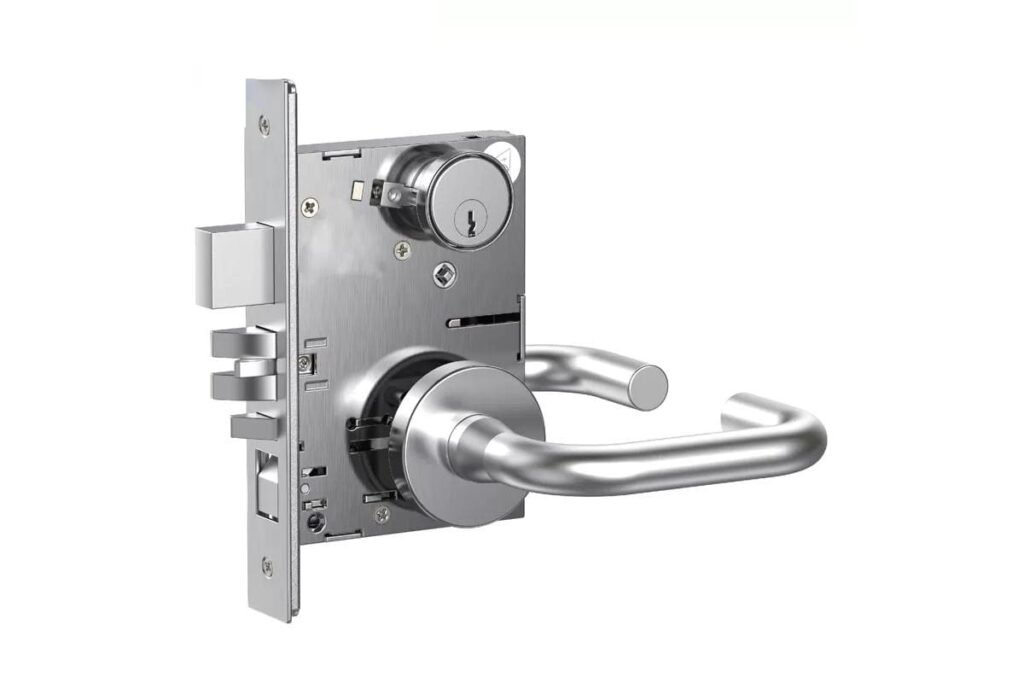
European Standard Mortise Lock Body VS Silent Magnetic Mortise Lock Case for High-End Projects?
A European standard mortise lock body can look less “new” than a silent magnetic mortise lock case, but that does not make the choice simple. If a buyer selects the wrong lock for a regulated door, the project can face compliance risk.1 I usually start with the door function, then match the lock.
For high-end projects, a European standard mortise lock body is usually the safer choice for fire-rated, escape-related, or compliance-heavy doors, while a silent magnetic mortise lock case is better suited for non-fire-rated interior doors where quiet closing, clean appearance, and daily-use safety matter most. The right choice depends on what the door must prove.
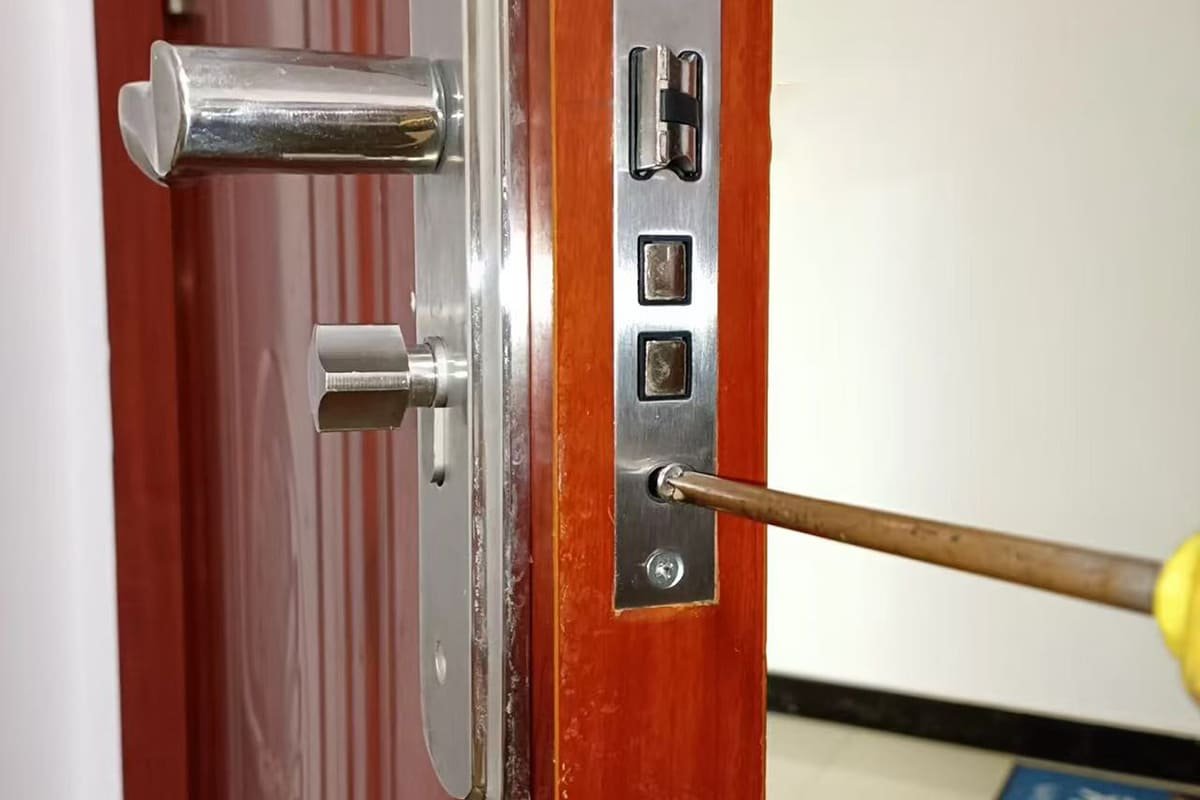
I have seen project buyers focus too early on appearance, noise, or “premium feeling.” Those points matter, but they come after the technical question. A lock body is part of a door system, so I first ask whether the door must prove fire safety, escape function, mechanical durability, or interior comfort.
Why Is a European Standard Mortise Lock Body Often Safer for Fire-Rated Doors?
Fire-rated door hardware selection can look routine until the wrong lock body delays approval. A quiet latch or clean design may feel attractive, but a fire door has a different priority. I treat this category carefully because documentation, testing, and project acceptance usually matter more than product novelty.
A European standard mortise lock body is often safer for fire-rated doors because it is more commonly aligned with standardized mechanical testing, fire-test documentation, installation expectations, and inspection habits. Buyers should verify EN 12209 mechanical performance2 and EN 1634 fire-test relevance3 for the specific lock model and door assembly.
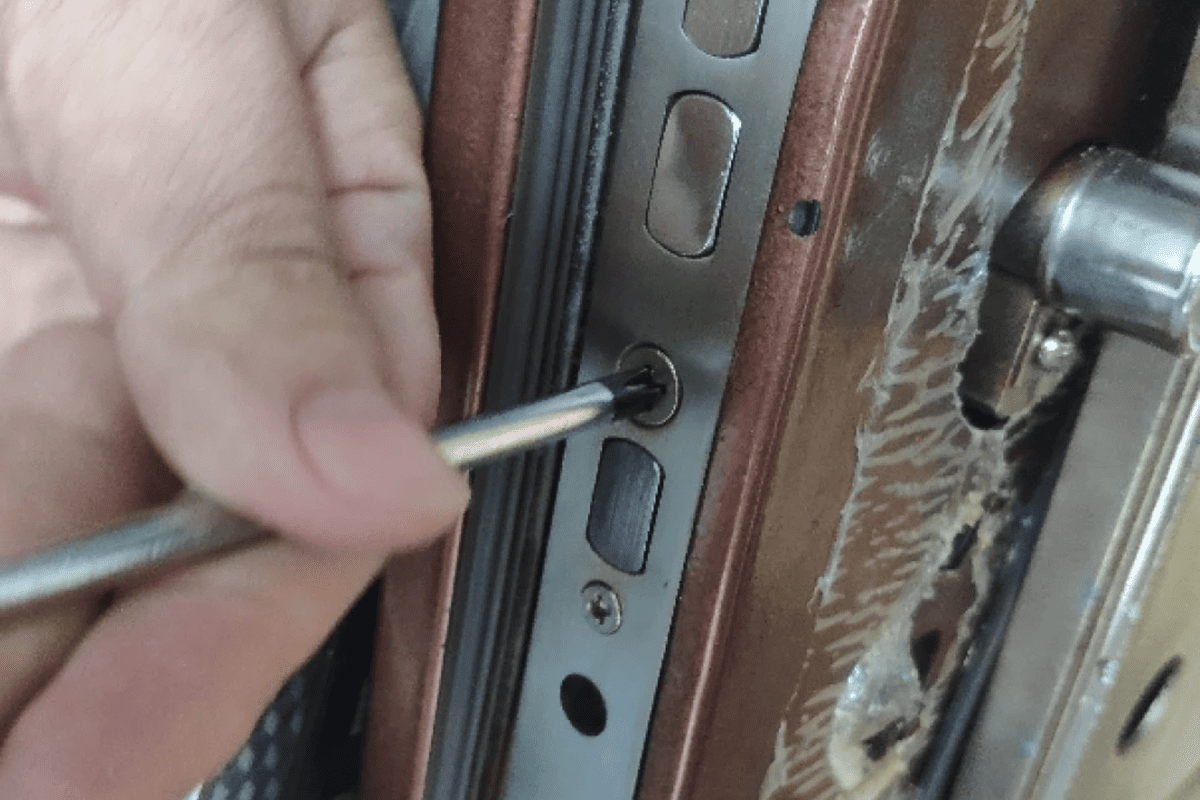
Fire doors need evidence, not assumptions
In high-end building projects, “high-end” does not only mean beautiful. It also means the door package must pass review by consultants, contractors, fire authorities, or project inspectors. A luxury hotel, hospital, apartment tower, school, or commercial building may have many doors that look similar, but their technical requirements can be very different.
A fire-rated door may need a lock body that fits into a tested door assembly.4 That assembly can include:
- Door leaf material and thickness
- Frame construction
- Hinges
- Seals
- Door closer
- Strike plate
- Cylinder
- Lever handle set
- Lock body
- Installation method
This is why I do not describe a magnetic lock as a simple upgrade for fire-rated doors. The question is not whether the magnetic mechanism feels smoother. The question is whether the specific lock case has verified approval for the fire-rated door application5.
Standards buyers should verify
I avoid making automatic certification claims because certificates apply to specific models, configurations, and test conditions6. However, project buyers often need to review standards such as:
| Standard / Test Area | What buyers usually check | Why it matters |
|---|---|---|
| EN 12209 | Mechanical performance of locks and latches | It helps evaluate durability, security grade, latch performance, and lock classification |
| EN 1634 | Fire resistance testing for door assemblies | It helps confirm whether hardware is suitable within a tested fire door system |
| Project specification | Required lock type, backset, center distance, function, finish | It controls what can be accepted on site |
| Supplier documents | Test reports, certificates, drawings, installation details | They support procurement approval and inspection |
A European standard mortise lock body is widely used in regulated door projects because the format is familiar. Many door factories, hardware brands, and contractors already understand its dimensions, latch function, deadbolt operation, cylinder hole, follower size, and strike preparation. This does not mean every standard lock is fire-rated. It means the category is usually easier to evaluate against established project requirements.
What I check before recommending a lock body
When I support door manufacturers or importers, I usually ask several practical questions before discussing price:
Is the door fire-rated?
If yes, I ask for fire rating duration, market, and required test evidence.Is the door part of an escape route?
If yes, I check whether panic, emergency, or specific egress hardware is required.7What is the door material?
Timber, steel, aluminum, and composite doors may need different lock case designs or faceplates.What are the lock dimensions?
Backset, center distance, case depth, faceplate length, and follower size must match the door preparation.What documents does the buyer need?
Some buyers need drawings, CE-related documents, fire-test references, factory inspection reports, or product samples.
From a manufacturing perspective, I prefer to reduce uncertainty early. A fire door is not the right place to experiment with a lock body unless the product has the correct verified test basis. In many cases, a European standard mortise lock body gives the buyer a more predictable path through approval, installation, and acceptance.
When Should a Silent Magnetic Mortise Lock Case Be Used Instead?
A standard lock body can meet many technical needs, but it may not deliver the quiet and refined feeling required for premium private interiors. If the door is not fire-rated and does not carry escape requirements, the user experience becomes more important. That is where magnetic locks can be useful.
A silent magnetic mortise lock case is best for non-fire-rated interior doors where quiet operation, concealed latch appearance, reduced scratching risk, and clean design are key priorities. It should be selected for bedroom doors, office rooms, villas, apartments, and hospitality interiors only after confirming that no fire or escape function is required.
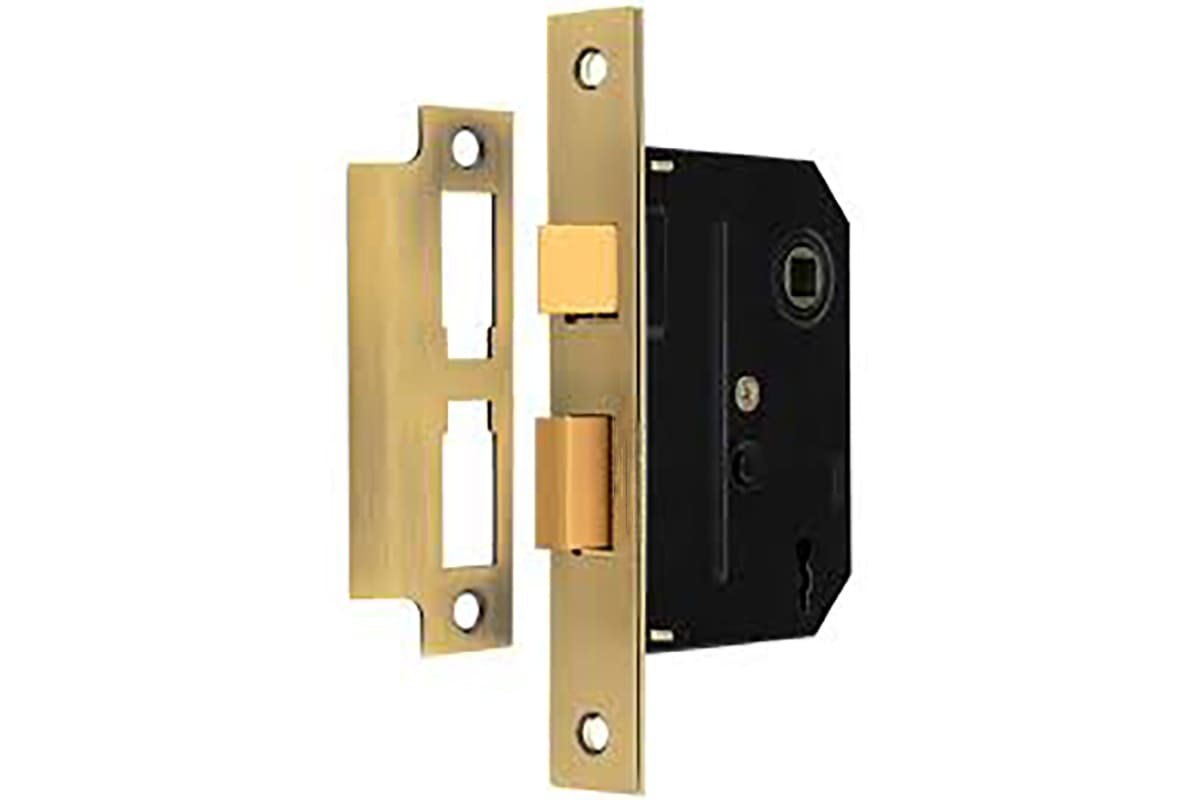
What makes magnetic mortise locks different?
A traditional latch projects from the lock body when the door is open. When the door closes, the latch contacts the strike plate and retracts. This creates the familiar “click” sound. For many doors, that sound is acceptable. For some high-end interior projects, it feels too sharp.
A magnetic mortise lock works differently. The latch stays hidden inside the lock case when the door is open. When the door reaches the closed position, the magnet in the strike area pulls the latch out.8 This creates a smoother and quieter closing action.
The main advantages are practical:
- Quieter closing9 for bedrooms, meeting rooms, and hospitality spaces
- No exposed latch tongue when the door is open
- Lower risk of scratching hands, clothing, or wall surfaces10
- Cleaner door edge appearance
- More refined feeling for luxury interiors
- Better visual match with concealed hinges and minimalist handles
I have handled samples where the first impression was clearly different. The door edge looked cleaner. The closing sound felt softer. For a showroom or hotel mock-up room, that difference can influence the buyer’s perception quickly.
Where magnetic mortise lock cases fit best
Magnetic mortise lock cases are often selected for interior spaces where design and comfort are important. Common examples include:
| Application | Magnetic lock suitability | Key reason |
|---|---|---|
| Villa bedroom doors | High | Quiet closing and clean design |
| Hotel guest room connecting doors | Medium to high | Better user comfort, depending on specification |
| Office interior doors | High | Less latch noise during daily use |
| Apartment internal doors | High | Safer, cleaner door edge |
| Fire-rated corridor doors | Low unless tested | Fire evidence must come first |
| Escape route doors | Low unless specifically approved | Egress requirements may control hardware choice |
The most important boundary is clear: I do not recommend magnetic mortise locks for fire-rated doors unless the specific model and door assembly have verified fire-test approval. A magnetic lock can be premium, but premium does not replace test evidence.
Design value in premium interiors
Magnetic mortise lock cases also help designers maintain a clean style. This can matter in projects using:
- Matte black lever handles
- Satin stainless steel door hardware
- PVD finishes
- Concealed door hinges
- Flush doors
- Minimalist frames
- Custom interior door systems
A visible latch tongue can interrupt a clean door edge. A magnetic lock solves that problem because the latch is not exposed when the door is open. This detail is small, but high-end buyers often notice small details.
From a procurement view, I still recommend sample testing before bulk order confirmation. Buyers should check:
- Closing feel on the actual door sample
- Door gap tolerance
- Strike alignment
- Handle spring return
- Noise level
- Finish match with the handle and hinge
- Packaging and spare parts requirements
At SDH Hardware, I prefer to discuss magnetic lock cases after I understand the door type and project environment. That prevents a design-led choice from becoming a compliance problem later.
How Should Buyers Compare a European Standard Mortise Lock Body and a Magnetic Lock Case?
Many buyers ask which lock is “better,” but that question is too broad. A lock body does not work alone. It works inside a door leaf, with a strike plate, cylinder, lever handle, hinge system, closer, and project specification. A better question creates a better procurement decision.
Buyers should compare a European standard mortise lock body and a magnetic lock case by door function first, then by compliance, durability, installation tolerance, user experience, finish options, and supplier documentation. For fire-rated or escape-related doors, verified performance evidence should outrank quiet operation or minimalist appearance.
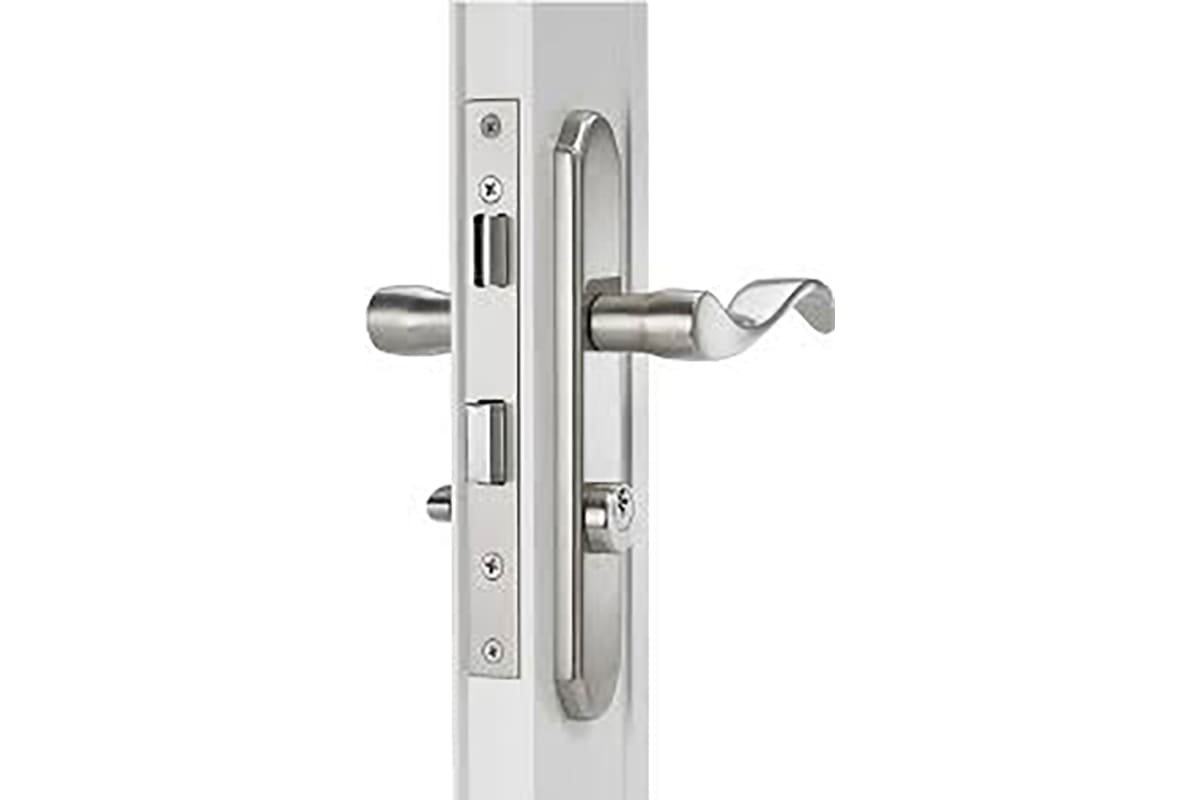
A simple selection framework
I like to use a practical decision flow with project buyers. It keeps the discussion focused and avoids emotional choices based only on appearance.
The real question is not “standard lock body vs magnetic lock: which is better?” The real question is “what does this door need to prove?”
Here is a useful comparison table:
| Evaluation factor | European standard mortise lock body | Silent magnetic mortise lock case |
|---|---|---|
| Fire-rated door suitability | Often easier to verify, if tested model is available | Only suitable if specific fire-test approval exists |
| Escape or regulated door use | More common in standardized project hardware schedules | Must be checked carefully against egress requirements |
| Mechanical familiarity | High among door factories and installers | Requires more attention to alignment and door gap |
| Closing sound | Normal latch sound | Quieter closing |
| Door edge appearance | Exposed latch when door is open | Concealed latch when door is open |
| Daily-use safety | Proven and familiar | Reduced scratching risk from hidden latch |
| Premium interior design | Good with correct finish | Strong minimalist appeal |
| Procurement risk | Lower when documentation is complete | Low for interior doors, higher if misused on regulated doors |
Door function should control the choice
For high-end projects, I usually classify doors into three groups.
1. Fire-rated and regulated doors
These doors need the most careful evaluation. A European standard mortise lock body is often the first option because the project team can review mechanical test reports, fire-related documents, installation drawings, and compatibility with the door system.
Examples include:
- Fire-rated apartment entrance doors
- Hotel corridor doors
- Stairwell doors
- Service area fire doors
- Commercial building escape-route doors
For these doors, the buyer should ask the supplier for model-specific documentation. The buyer should also confirm with the door manufacturer, testing body, consultant, or qualified fire door professional before final selection.
2. High-use non-fire-rated doors
These doors may not require fire-test evidence, but they still need durability. A European lock body may be chosen because it is robust, familiar, and easy to maintain. A magnetic mortise lock may be chosen if quiet operation is important.
Examples include:
- Office rooms
- Meeting rooms
- School administration rooms
- Private clinic rooms
- Premium apartment internal doors
Here, the decision depends on user experience, cost, replacement habits, and maintenance access.
3. Design-led interior doors
These doors often benefit most from magnetic mortise lock cases. The door may be part of a premium interior package with matching handles, concealed hinges, and custom finishes.
Examples include:
- Villa bedrooms
- Luxury wardrobe doors
- Private study rooms
- High-end residential suites
- Showroom doors
For these doors, the silent magnetic mortise lock case can support the visual style without adding compliance pressure.
Installation tolerance matters more than buyers expect
Magnetic mortise locks can be sensitive to alignment.11 If the door gap is inconsistent or the strike plate is poorly positioned, the magnetic latch may not perform as expected. This is not a defect in every case. It is often an installation or door preparation issue.
A standard mortise lock body may be more forgiving because the latch is spring-loaded and physically contacts the strike. However, it still requires correct mortising, faceplate alignment, and strike positioning.
Before bulk procurement, I recommend that buyers request:
- Lock body drawings
- Door preparation drawings
- Sample lock sets
- Strike plate details
- Faceplate finish samples
- Installation guidance
- Functional testing on a real door sample
This is especially important for OEM and ODM projects. A small change in faceplate size, latch shape, follower dimension, or finish can affect installation.
What Should Buyers Verify Before Ordering a European Standard Mortise Lock Body?
Procurement problems often appear after the order, not before it. A lock body may look correct in a catalog, but the door factory may later find a mismatch in backset, center distance, faceplate, cylinder hole, or strike plate. I prefer to verify these details before production starts.
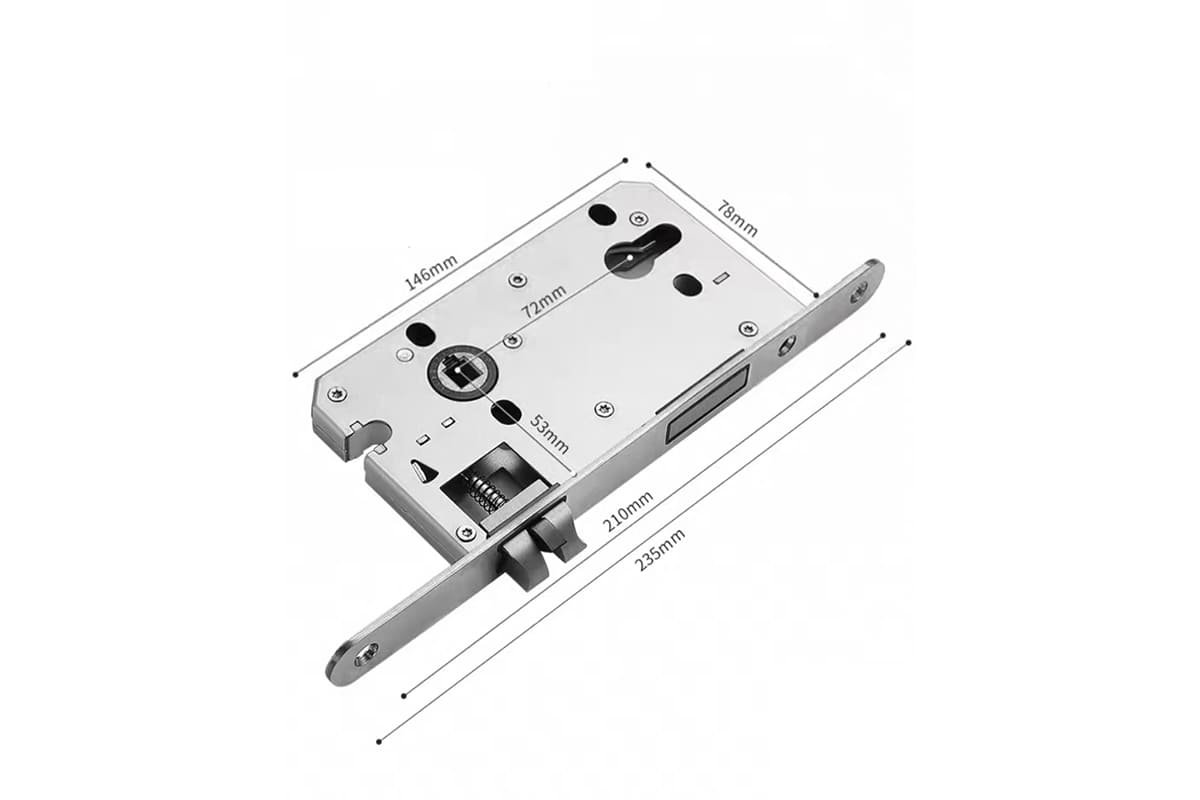
Before ordering a European standard mortise lock body, buyers should verify door function, required standards, lock dimensions, fire-test relevance, material quality, surface finish, handle and cylinder compatibility, strike plate design, packaging, inspection process, and model-specific documents. A sample approval process is strongly recommended before mass production.
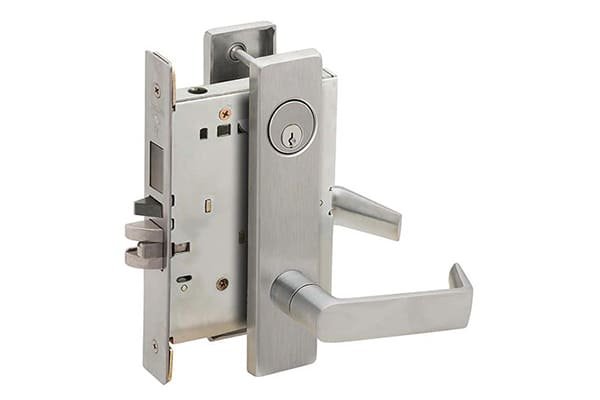
Technical specifications to confirm
A European mortise lock body may look standard, but “standard” still includes many options. In our production communication, I usually confirm these points first:
| Specification | Common question to confirm |
|---|---|
| Backset | Is it 45 mm, 50 mm, 55 mm, 60 mm, or another size? |
| Center distance | Is the handle-to-cylinder distance correct for the market? |
| Faceplate | What length, width, radius, edge shape, and screw position are required? |
| Follower | Is it 8 mm, 9 mm, or another size? |
| Cylinder profile | Is it a Euro profile cylinder opening? |
| Latch direction | Is it reversible, left-hand, or right-hand? |
| Deadbolt throw | Does it meet the door specification? |
| Strike plate | Is a standard, box, flat, or custom strike required? |
| Finish | Satin stainless steel, polished brass, matte black, PVD, or custom finish? |
| Function | Sashlock, bathroom lock, deadlock, passage lock, or special function? |
For fire-rated projects, the buyer should also confirm whether the chosen dimensions and components are covered by the relevant test documentation. A certificate for one model or configuration should not be assumed to cover every variation.
Quality control points I care about
As a manufacturer, I look at lock body quality from several angles. Good appearance is not enough. A lock must work smoothly and consistently across many cycles.
Important quality points include:
- Raw material inspection before production
- Case forming accuracy
- Latch and deadbolt movement
- Spring performance
- Follower strength and return feel
- Rivet and screw stability
- Faceplate flatness and finish quality
- Cylinder operation compatibility
- Noise and friction during locking
- Final finished product inspection
At SDH Hardware, our business context includes full-process quality control from raw material screening to finished product inspection. I still recommend that buyers verify product-specific inspection records, samples, and required certificates before order confirmation, especially for project-based procurement.
Supplier selection for high-end projects
A lock body supplier should not only quote a price. The supplier should help reduce procurement risk. For door manufacturers, architectural hardware brands, importers, and wholesalers, supplier capability affects lead time, quality consistency, and after-sales stability.
I suggest evaluating suppliers by asking:
Do they manufacture directly or only trade?
Factory-direct communication can make customization faster and clearer.Can they provide drawings before production?
Drawings reduce installation mistakes.Can they support OEM or ODM requirements?
This matters for branding, packaging, faceplate marks, and market-specific specifications.Do they have testing machines and inspection processes?
Buyers should ask how function, dimensions, finish, and durability are checked.Can they provide model-specific documents?
General claims are not enough for fire-rated or regulated projects.Can they supply matching hardware?
One-stop sourcing can help match lock bodies, lever handles, hinges, cylinders, and accessories.
SDH Hardware works as a professional architectural door hardware manufacturer in China, with experience in mortise lock production, testing, sampling, customization, and project-based requirements. For buyers managing high-end projects, that kind of manufacturing support can make the selection process more controlled.
How Can a European Standard Mortise Lock Body and Magnetic Lock Fit Into One High-End Project?
A high-end project rarely needs only one lock type. A hotel, villa compound, apartment building, or commercial development can include fire doors, guest room doors, bathroom doors, meeting room doors, and private interior doors. Each door may need a different lock strategy.
A European standard mortise lock body and a silent magnetic mortise lock case can both fit the same high-end project when each is assigned by door function. Use tested standard lock bodies for regulated or fire-rated doors, and use magnetic mortise locks for suitable interior doors where quiet, clean design is the main goal.
A practical project allocation example
A luxury hotel is a good example because it contains many door types. The hardware schedule may include several lock families, even when the finish style looks consistent across the project.
| Door area | Recommended lock direction | Reason |
|---|---|---|
| Fire-rated corridor doors | Tested European standard mortise lock body | Compliance and inspection come first |
| Stairwell doors | Verified regulated hardware set | Escape and fire requirements may apply |
| Guest room interior bathroom doors | Magnetic mortise lock case, if allowed | Quiet and clean interior experience |
| Suite bedroom doors | Magnetic mortise lock case | Premium comfort and appearance |
| Back-of-house service doors | Standard mortise lock body | Durability and cost control |
| Meeting rooms | Standard or magnetic, based on use | Balance durability and noise control |
This mixed approach is often more realistic than choosing one lock for every door. It also helps buyers control budget. Compliance-heavy doors get verified hardware. Design-heavy interior doors get refined operation.
Finish matching across different lock types
One concern is visual consistency. Buyers may worry that using both standard and magnetic locks will make the project look inconsistent. In practice, the visible hardware is often the lever handle, cylinder trim, escutcheon, hinge, and faceplate finish. With good planning, both lock types can share a unified design language.
Common finish strategies include:
- Satin stainless steel for commercial and hotel projects
- Matte black for modern villas and apartments
- PVD brass or bronze for luxury interiors
- Custom logo stamping for brand customers
- Matching packaging for retail or wholesale distribution
At SDH Hardware, our business model includes flexible customization, such as product specifications, surface treatments, accessory configurations, customer stamping, laser logos, and custom color packaging. I recommend confirming all finish samples under real project lighting because matte black, brushed nickel, and PVD tones can look different in catalogs and on site.
How I would manage samples
For high-end projects, I prefer a staged sample process:
Specification review
I check door type, drawings, fire rating, market standard, and required documents.Initial product recommendation
I separate fire-rated, regulated, high-use, and design-led interior doors.Sample production or sample selection
I provide standard samples or discuss custom details when needed.Door mock-up testing
The buyer installs the lock in a real door sample and checks function.Document confirmation
The buyer verifies certificates, test references, drawings, and inspection requirements.Pre-production confirmation
Both sides confirm finish, packaging, marking, accessories, and quantities.Final inspection
The finished lock bodies are checked before shipment.
Conclusion
A European standard mortise lock body and a silent magnetic mortise lock case can both serve high-end projects, but they solve different problems. I choose standard mortise lock bodies first for fire-rated, escape-related, and compliance-driven doors. I choose magnetic mortise locks for suitable interior doors where quiet closing, safety in daily use, and clean design matter most. If you are planning a project or product range, contact SDH Hardware for lock body sampling, customization, documentation review, and factory-direct architectural hardware support.
"California Code of Regulations, Title 8, Section 3235. Doors.", https://www.dir.ca.gov/title8/3235.html. Building-code and fire-safety guidance treats locks and latches on regulated doors as compliance-relevant hardware, so an unsuitable lock can affect approval of the door installation. Evidence role: general_support; source type: government. Supports: Regulated doors, especially fire and escape doors, are subject to code-based requirements for approved or suitable hardware.. Scope note: The exact compliance consequence depends on the jurisdiction, project specification, and door classification. ↩
"BS EN 12209:2003 – Mechanical Operated Locks, Latches ...", https://www.hoppe.com/in-en/contacts-service/standards/bs-en-12209/. EN 12209 defines classifications and test requirements for mechanically operated locks, latches, and locking plates, making it relevant evidence for mechanical performance claims. Evidence role: definition; source type: institution. Supports: EN 12209 covers mechanically operated locks, latches, and locking plates, including performance and classification criteria.. ↩
"EN 1634-3:2004 - Smoke Control Test for Door and Shutter ...", https://standards.iteh.ai/catalog/standards/cen/05d5afb8-c5ba-40a8-a5c5-944c8ab89aa2/en-1634-3-2004?srsltid=AfmBOoo1kMSApxh9FeGBnrAJa3xrmQfjFTmfkjYl4Gt-fgOjpZSqU4ZH. EN 1634 is a European test standard for assessing fire resistance and related performance of door, shutter, and similar assemblies, so it is relevant when evaluating fire-rated door hardware in a tested configuration. Evidence role: definition; source type: institution. Supports: EN 1634 concerns fire-resistance and smoke-control testing for door, shutter, and openable-window assemblies.. Scope note: The standard identifies the test framework; it does not by itself prove that a specific lock model is approved for a specific door assembly. ↩
"Important Tips for Specifying Fire Door Assemblies", https://steeldoor.org/tips-for-specifying-fire-door-assemblies/. Fire-door certification and testing guidance supports the requirement that lock hardware used on a rated door be compatible with the tested door assembly rather than selected solely by appearance or function. Evidence role: expert_consensus; source type: institution. Supports: Fire-rated doors are evaluated as assemblies, and hardware such as locks and latches must be compatible with the tested or certified configuration.. Scope note: The source will usually establish the assembly principle; it may not verify any particular lock model unless a model-specific certificate or test report is cited. ↩
"Important Tips for Specifying Fire Door Assemblies", https://steeldoor.org/tips-for-specifying-fire-door-assemblies/. Fire-door inspection and certification guidance supports the use of hardware that is listed or otherwise verified for the relevant rated door assembly and application. Evidence role: general_support; source type: institution. Supports: Fire-rated door hardware should be listed, approved, or otherwise verified for the relevant rated assembly and application.. Scope note: This supports the need for verification; it does not establish that any particular magnetic lock case is approved. ↩
"Conformity Assessment of Medical Devices - PMC - NIH", https://pmc.ncbi.nlm.nih.gov/articles/PMC12821529/. Conformity-assessment guidance treats certificates as scope-limited documents, meaning that approval normally applies to the product models and configurations identified in the certificate or supporting test report. Evidence role: general_support; source type: institution. Supports: Certification documents have defined scopes and should not automatically be extended to untested models, dimensions, or configurations.. Scope note: The exact scope must be read from the specific certificate, classification report, or field of application document. ↩
"1010.2.9 Panic and Fire Exit Hardware", https://up.codes/s/panic-and-fire-exit-hardware. Building-code and egress standards establish that certain exit-route doors require panic hardware, emergency exit devices, or other locking arrangements that permit safe evacuation. Evidence role: general_support; source type: government. Supports: Exit and escape-route doors can be subject to requirements for panic hardware, emergency exit devices, or other egress-compliant locking arrangements.. Scope note: Requirements vary by occupancy type, door location, occupant load, and jurisdiction. ↩
"Interior Mortise Lock with Magnetic Latch", https://www.emtek.com/Interior-Mortise-Lock-with-Magnetic-Latch/. Technical descriptions of magnetic latch mechanisms describe a latch bolt that remains retracted while the door is open and is drawn toward the strike by magnetic force as the door closes. Evidence role: mechanism; source type: other. Supports: Technical descriptions or patents for magnetic door latches describe a latch bolt held retracted when open and actuated by magnetic attraction near the strike.. Scope note: A general mechanism source supports the operating principle but may not describe every commercial magnetic mortise lock design. ↩
"HOw to reduce the noise of a magnectic door please? : r/fixit", https://www.reddit.com/r/fixit/comments/1crhu3m/how_to_reduce_the_noise_of_a_magnectic_door_please/. Technical descriptions of magnetic latch hardware support the claim that reducing the projecting spring-latch impact can lower the audible click associated with door closing. Evidence role: mechanism; source type: other. Supports: A magnetic latch’s reduced mechanical impact or concealed latch action can support quieter closing compared with a conventional projecting latch.. Scope note: This is contextual support for the mechanism; actual sound levels depend on the door, frame, strike alignment, seals, and specific lock model. ↩
"Concealed Magnetic Catch for Doors [Video] | How to install ...", https://www.pinterest.com/pin/concealed-magnetic-catch-for-doors-video--7740630604637953/. Technical descriptions of concealed magnetic latch designs support the narrower point that the latch tongue is not exposed on the open door edge, which reduces opportunities for incidental contact or snagging. Evidence role: mechanism; source type: other. Supports: A hidden or retracted latch removes the protruding latch tongue from the door edge when open, reducing opportunities for contact with hands, clothing, or nearby surfaces.. Scope note: This supports the mechanism behind the safety claim rather than providing injury-rate data for magnetic locks. ↩
"Bedroom door latch and strikeplate too far apart to keep ...", https://www.reddit.com/r/DIY/comments/11r75c7/bedroom_door_latch_and_strikeplate_too_far_apart/. Installation and technical guidance for magnetic latch hardware indicates that correct strike alignment and door-gap control are necessary for reliable latch engagement. Evidence role: mechanism; source type: other. Supports: Magnetic latch operation depends on the relative position of the latch and magnetic strike, so misalignment or unsuitable door gaps can impair function.. Scope note: The tolerance values are model-specific, so a general source should be supplemented by the chosen lock manufacturer’s installation data. ↩