Door vs Gate Hinges: What’s the Difference?
Door vs gate hinges can look similar in a catalog, but choosing the wrong type creates real problems. A weak hinge may sag, loosen, corrode, or expose a gate to tampering. I usually treat hinge selection as a risk-control decision, not a naming decision, because the right structure protects movement, security, and installation quality.
Door vs gate hinges differ mainly in application risk: gate hinges are commonly built for outdoor exposure, higher loads, stronger fixing, and better pin security1, while door hinges focus more on smooth movement, clean appearance, easier installation, and precise gap control. Buyers should compare load, environment, frame structure, security, finish, and adjustment needs before ordering.
At SDH Hardware, I often see buyers compare hinges only by size or plate thickness. That is a starting point, but it is not enough. A hinge must match the whole door or gate system, including material, usage frequency, installation method, and long-term maintenance expectations.2
What Is the Real Door vs Gate Hinges Difference?
Door vs gate hinges are easy to confuse when both use a butt hinge shape or a concealed hinge design. The problem starts when buyers select by appearance alone. The risk grows after installation, when sagging, noise, corrosion, or pin removal becomes expensive to fix.
Door vs gate hinges differ because they solve different application problems. Door hinges usually support interior or building doors where appearance, quiet operation, and gap control matter. Gate hinges are often selected for outdoor gates where load capacity, anti-theft structure, corrosion resistance, and installation strength are more critical.
The difference is not just “door” versus “gate”
I never like to explain this topic as “door hinges are for doors, and gate hinges are for gates.” That answer is too shallow for procurement teams, door factories, and hardware brands. In real projects, a hinge is a mechanical connection point. It carries weight, controls swing movement, resists wear3, and affects the final look of the door or gate.
A hinge for an interior wooden door and a hinge for an outdoor steel swing gate may both rotate around a pin. However, their working conditions are very different.
| Selection factor | Interior door hinges | Outdoor gate hinges |
|---|---|---|
| Typical environment | Indoor or sheltered | Outdoor, exposed, semi-exposed |
| Main risks | Uneven gaps, noise, poor alignment | Sagging, corrosion, prying, pin removal |
| Visual priority | Clean and refined appearance | Strength, security, weather resistance |
| Installation base | Door leaf and frame | Gate leaf and post/frame |
| Adjustment need | Often high, especially for modern doors | Depends on gate structure and hinge type |
| Security concern | Moderate for most interior doors | Often higher for perimeter or access gates |
Why the application changes the hinge structure
Gate hinges are commonly designed around heavier and more exposed applications. Outdoor swing gates may face wind load, rain, dust, uneven ground, and frequent impact from closing force.4 Because of this, buyers should check whether the hinge uses:
- Thickened hinge plates for better load distribution
- Welded or secured pins to reduce loosening risk
- Anti-theft pin structures to reduce removal risk
- Stronger fixing methods, such as welding or heavy-duty screws
- Corrosion-resistant materials or surface treatments
Door hinges follow another priority set. Interior doors usually require smooth opening, quiet movement, and consistent gaps. For modern timber doors, flush doors, and high-end interior door systems, concealed door hinges with 3D adjustment are often selected because they help installers correct small variations after hanging the door.
I usually tell buyers that the best hinge is not the strongest hinge on paper. The best hinge is the one that solves the actual risk in the application.
For B2B purchasing, this means the supplier should not only quote a model number. The supplier should ask about door weight, gate size, leaf material, post structure, opening frequency, surface finish, and market certification requirements.
How Do Door vs Gate Hinges Handle Load and Sagging?
Door vs gate hinges fail in different ways when load is misjudged. A door may show uneven gaps or rubbing. A gate may drop at the free end, strain the post, or pull fasteners loose. These issues usually come from poor matching between hinge structure and installation conditions.
Door vs gate hinges handle load through plate thickness, pin diameter, knuckle structure, fixing method, material strength, and frame support. Gate hinges often need stronger load distribution because outdoor gates are heavier and more exposed. Door hinges usually need enough capacity plus better alignment and smoother operation.
Load is a system issue, not only a hinge number
Many buyers ask for a fixed load-bearing value immediately. I understand why. It makes comparison simple. However, hinge performance depends on the complete installation. A heavy gate installed on a weak post can still sag even if the hinge itself is strong.5
Before confirming load suitability, I would normally ask for:
- Door or gate leaf weight
- Leaf height and width
- Material, such as timber, aluminum, steel, or composite
- Frame or post thickness
- Installation method, such as screw fixing, welding, or embedded fixing
- Number of hinges per leaf
- Opening frequency
- Indoor, sheltered, or outdoor exposure
- Closer, stopper, or access control accessories
- Required standards or test documents
These details matter because a wide gate creates more leverage than a narrow gate of the same weight.6 A high-frequency commercial entrance door creates more wear than a low-frequency storage door.7 A poorly aligned frame can overload one hinge even if three hinges are installed.
Typical load-related priorities
| Application | Main load concern | Common hinge consideration |
|---|---|---|
| Interior timber door | Even gaps and quiet swing | Butt hinge or concealed hinge with adjustment |
| Fire-rated building door | Tested assembly and certified hardware8 | Certified hinge model and correct installation |
| Outdoor steel gate | Sagging and fixing strength | Heavy-duty gate hinge, welded pin, strong post |
| Aluminum garden gate | Corrosion and moderate load | Stainless steel or treated hinge |
| Large swing gate | Leverage and structural stress | Supplier evaluation based on size and weight |
Why gate hinges often need stronger construction
Outdoor gates usually create more demanding load behavior. A gate leaf often has a wider span, and the weight pulls away from the hinge line. This creates torque. Over time, torque can enlarge screw holes, bend thin plates, or cause the gate to drop.
That is why outdoor gate butt hinges may use:
- Thicker steel plates to reduce deformation
- Larger pins to support rotational stress
- Longer knuckles to distribute force
- Welded hinge pins to improve stability
- Heavy-duty fixing points for stronger attachment
However, I avoid saying every gate hinge must use the same structure. A light garden gate and a large steel security gate do not need the same solution. Buyers should confirm the actual gate weight, usage, and post structure before accepting a supplier’s load recommendation.
Why door hinges focus more on alignment
Interior door hinges face a different type of quality expectation. Buyers often care about visual details. A 2–3 mm uneven gap may be unacceptable in a high-end residential or hotel project. A squeaking hinge can also damage the perceived quality of a door set.
For door manufacturers, the hinge should support:
- Smooth swing movement
- Stable gap control
- Easy installation
- Finish consistency
- Compatibility with door thickness
- Certifications where required, such as CE or fire-rated documentation
In my experience, this is where concealed door hinges with 3D adjustment can be valuable. They allow the installer to fine-tune vertical, horizontal, and depth alignment after the door is installed. This helps create a minimal and refined appearance.
How Do Door vs Gate Hinges Manage Security Risks?
Door vs gate hinges are also different because security risks are different. Indoor hinges may be protected by the building envelope. Outdoor gate hinges may be directly exposed to tools, impact, and tampering. If buyers ignore pin security, the hinge can become a weak point.
Door vs gate hinges manage security through pin design, fixing method, hinge placement, and anti-removal structures. Gate hinges often need anti-theft pins, welded pins, concealed fixing, or tamper-resistant installation. Door hinges may require security features too, especially on outward-opening exterior doors.
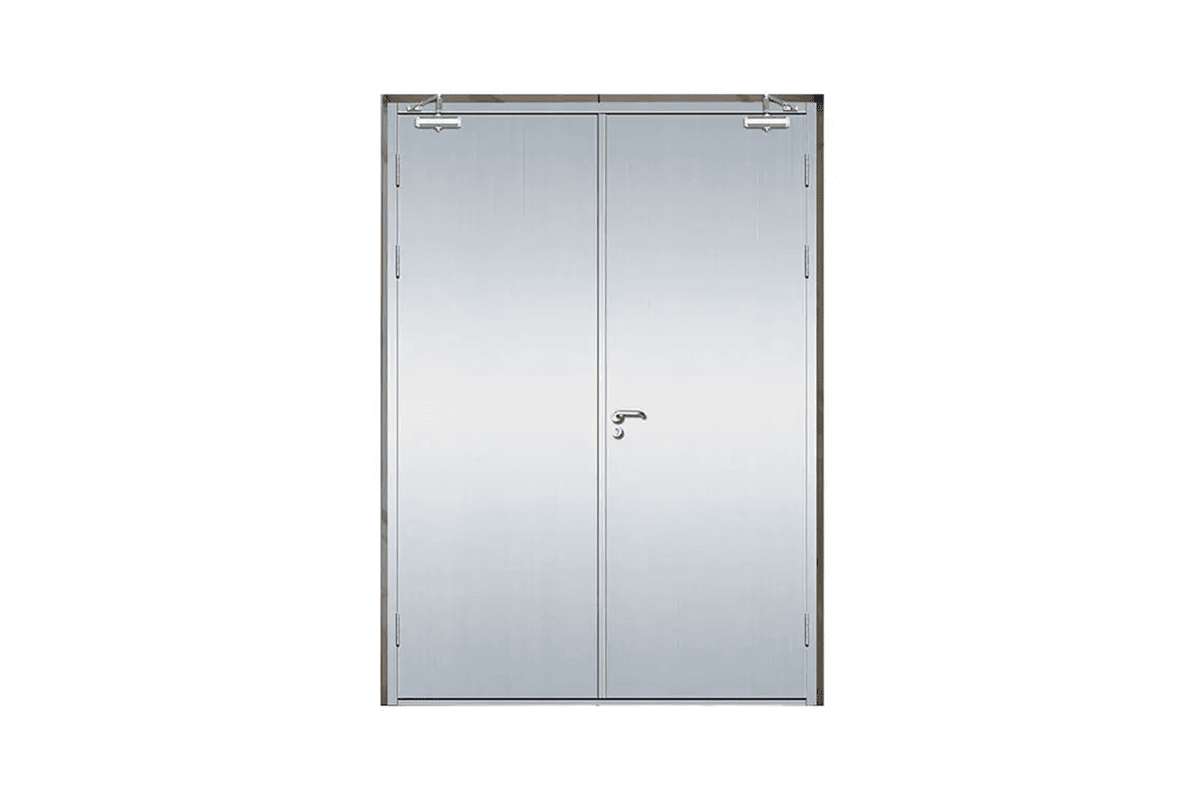
Pin security is a practical concern
On many butt hinge designs, the pin is the central rotating part. If the pin can be removed easily on an exposed gate, the gate leaf may become vulnerable.9 This is why outdoor gate butt hinges often use anti-theft or secured pin structures.
Common security-oriented hinge features include:
- Anti-theft pins that reduce prying or removal risk
- Welded hinge pins that prevent simple pin extraction
- Non-removable pin designs for exposed applications
- Concealed hinge placement to limit outside access
- Stronger plate fixing to resist pulling or twisting
These details matter especially for perimeter gates, access gates, warehouse gates, and outdoor building entrances.
Security is not only about the hinge
A strong gate hinge cannot compensate for a weak installation. If the post is thin, the welding is poor, or the screw fixing is too shallow, the system may still fail. I always encourage buyers to evaluate the hinge together with the gate frame and supporting structure.
| Risk | Possible cause | Buyer evaluation point |
|---|---|---|
| Pin removal | Exposed removable pin | Ask for welded or non-removable pin option |
| Prying | Accessible hinge gap | Review hinge position and anti-theft design |
| Gate drop | Thin plate or weak post | Confirm gate weight and post structure |
| Fixing failure | Wrong screws or poor welding | Check installation method and drawings |
| Corrosion-related weakness | Poor material or finish | Request material and coating details |
When door hinges need security features
Some door hinges also need strong security performance. This is common for outward-opening entrance doors, service doors, commercial doors, and fire-rated steel doors. In these cases, buyers should not assume that a standard interior hinge is enough.
For door projects, security evaluation may include:
- Hinge pin removability
- Hinge position on the opening side
- Door leaf and frame material
- Lock and cylinder security
- Fire-rated or CE documentation
- Compatibility with closers and access control
At SDH Hardware, we manufacture architectural door hardware for B2B buyers, so I see how hinge choice connects with the full door set. A lock, cylinder, handle, hinge, and door closer must work together. One weak component can reduce the performance of the whole opening.
Why anti-theft gate hinge details should be confirmed
I prefer careful language here because hinge security is application-specific. Not every outdoor hinge has an anti-theft pin. Not every gate requires the same level of tamper resistance. Buyers should confirm the structure with the supplier before placing a bulk order.
A good procurement request should include:
- Photos or drawings of the gate
- Expected opening direction
- Whether the hinge is exposed outside
- Required surface finish
- Expected installation method
- Target market requirements
- Any security concerns from the end user
This makes the supplier’s recommendation more accurate and reduces the chance of selecting a hinge that looks correct but fails to solve the real security risk.
Which Materials and Finishes Matter for Door vs Gate Hinges Outdoors?
Door vs gate hinges face different environmental conditions. Indoor door hinges may mainly need a stable finish and smooth operation. Outdoor gate hinges may face rain, humidity, salt air, dust, and temperature changes. If the material or coating is wrong, corrosion can reduce both appearance and strength.10
Door vs gate hinges require material and finish selection based on exposure. Stainless steel, treated steel, and suitable plated or powder-coated finishes are often used for outdoor gate applications. Interior door hinges may use stainless steel, steel, brass, or zinc alloy depending on design, budget, and certification needs.
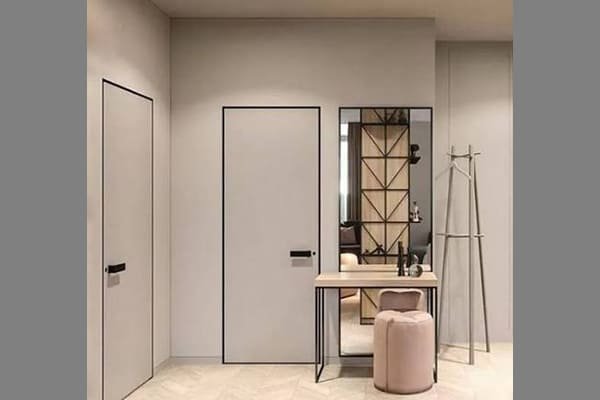
Outdoor exposure changes the selection logic
A gate hinge may be installed in direct rain or in a coastal environment. In those cases, surface finish is not just a cosmetic detail. It affects corrosion resistance, maintenance frequency, and long-term movement.
For outdoor gate hinges, buyers commonly review:
- Base material, such as stainless steel or treated steel
- Surface treatment, such as galvanizing, plating, powder coating, or passivation
- Pin material and protection
- Welding compatibility
- Coating thickness and adhesion
- Salt spray test expectations11, if relevant to the market
- Packaging protection for sea freight and storage
I avoid treating “stainless steel” as one universal answer. Stainless steel grades differ, and actual performance depends on the environment, surface processing, and maintenance.12 For coastal or highly corrosive areas, buyers should discuss the specific grade and expected exposure with the supplier.
Interior door hinge finish priorities
Interior door hinges face fewer environmental risks, but finish quality still matters. A hotel door, apartment door, or branded door system often requires consistent color and surface texture. A hinge finish should match handles, locks, cylinders, and other visible hardware.
Common interior finish considerations include:
| Finish priority | Why it matters |
|---|---|
| Color consistency | Helps match lever handles and lock faceplates |
| Scratch resistance | Protects appearance during installation |
| Smooth surface | Improves perceived product quality |
| Coating adhesion | Reduces peeling or flaking risk |
| Fire-rated compatibility | Must match tested hardware requirements where applicable |
In B2B supply, finish consistency becomes very important for repeat orders. A wholesaler may order hinges, locks, and handles in multiple batches. If color varies too much, the customer may receive complaints even when the mechanical function is acceptable.
Material selection by application
| Application | Common material direction | Main reason |
|---|---|---|
| Interior wooden door | Steel, stainless steel, brass, or concealed hinge alloy/steel structures | Appearance, smooth movement, cost balance |
| Fire-rated door | Certified steel or stainless steel hinge models | Compliance and tested performance |
| Outdoor pedestrian gate | Stainless steel or treated steel | Corrosion resistance and strength |
| Heavy steel gate | Heavy-duty steel or stainless steel structure | Load and installation strength |
| Coastal gate | Higher corrosion-resistant option should be discussed | Salt and humidity exposure |
Why buyers should verify certificates and tests
SDH Hardware provides core products that comply with EU standard specifications, with CE certification and fire-rated certification available for relevant product categories. However, buyers should always verify documents for the exact model and application. A certificate is useful only when it matches the product, standard, installation, and intended use.
For hinges, I suggest asking for:
- Product drawing
- Material specification
- Surface treatment description
- Available CE or fire-rated documents
- Testing information
- Packing method
- Installation guidance
- Inspection options after production
This approach keeps procurement practical. It also helps buyers compare suppliers fairly instead of choosing only by price or finish photo.
When Should Buyers Choose Concealed Door Hinges or Concealed Gate Hinges?
Door vs gate hinges become more complex when concealed hinge designs enter the discussion. Concealed hinges improve appearance, but they also change installation requirements. If the wrong concealed hinge is selected, the door or gate may bind, sag, or become difficult to adjust.
Buyers should choose concealed door hinges when clean appearance, even gaps, and precise adjustment matter. Concealed gate hinges may be selected for cleaner outdoor gate designs and higher-load applications, but the gate weight, frame/post strength, material, and installation accuracy should be confirmed with the supplier.
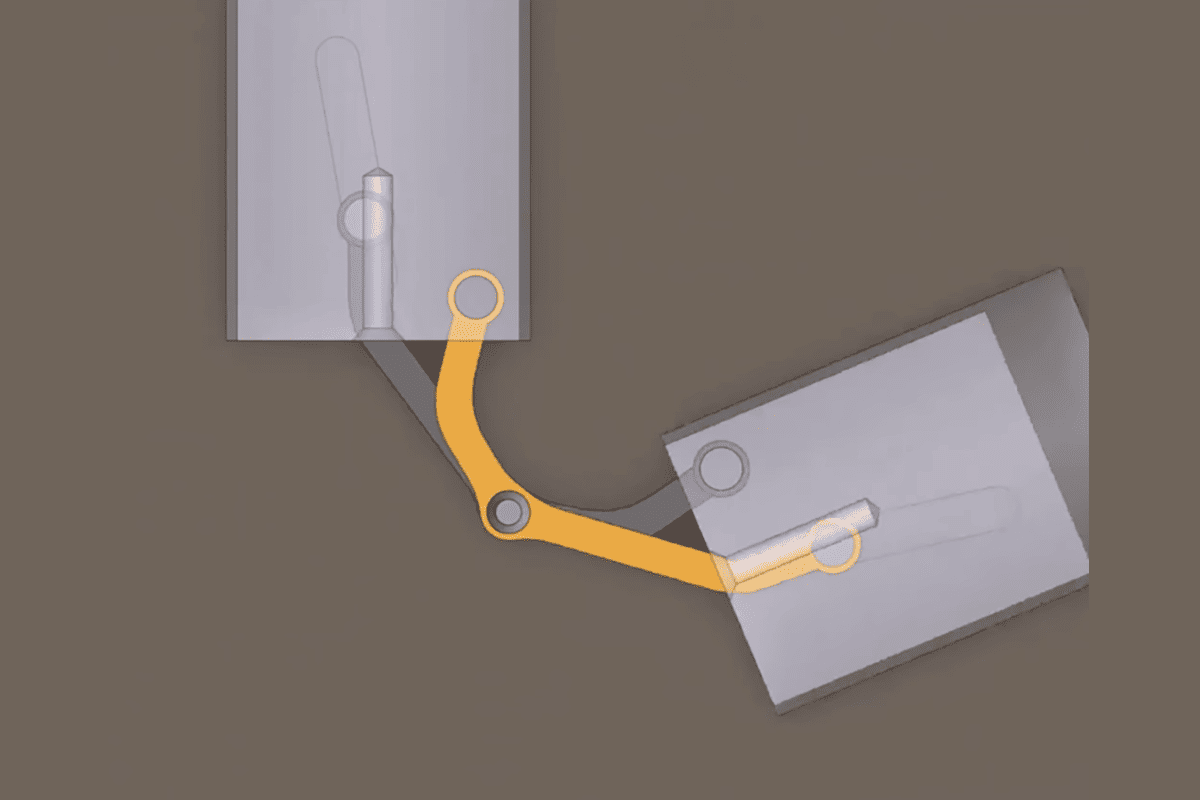
Concealed door hinges support refined interiors
Concealed door hinges are popular in modern interiors because they are hidden when the door is closed. They help create a flush, minimal look. Many models also provide 3D adjustment, which allows installers to correct the door position in three directions.
3D adjustment commonly helps with:
- Vertical alignment
- Side-to-side gap correction
- Depth adjustment between door leaf and frame
- Flushness with wall or frame
- Compensation for small installation tolerances
I have seen this matter most in projects where the visual line around the door is part of the design. A small gap difference can make an expensive door system look poorly installed. Adjustable concealed hinges help reduce that risk.
Concealed gate hinges are different from interior concealed hinges
Outdoor concealed gate hinges are not just enlarged interior hinges. They must handle outdoor exposure and gate load behavior. A concealed gate hinge may offer a cleaner look and reduce exposed hinge access, but it must match the gate structure.
Buyers should confirm:
- Gate leaf weight and width
- Frame and post material
- Available installation space
- Opening angle requirement
- Outdoor exposure level
- Material and surface treatment
- Adjustment range
- Maintenance access
- Security expectations
- Supplier installation drawing
Concealed hinge comparison
| Feature | Concealed door hinge | Concealed gate hinge |
|---|---|---|
| Main purpose | Clean look and precise door alignment | Clean look, stronger gate support, reduced exposure |
| Typical environment | Interior or protected openings | Outdoor or semi-outdoor gates |
| Adjustment | Often 3D adjustment | Depends on design and supplier |
| Load concern | Door leaf weight and gap control | Gate weight, width, post strength, wind exposure |
| Installation | Accurate mortising in door and frame | Strong fixing into gate and post structure |
| Buyer risk | Poor alignment or weak door preparation | Sagging, corrosion, difficult maintenance |
When a butt hinge may still be better
A concealed hinge is not always the best choice. A heavy-duty butt hinge can be simpler, stronger in some structures, easier to inspect, and more suitable for welding. For industrial gates, utility gates, or cost-sensitive outdoor applications, a visible heavy-duty hinge may be the better solution.
A buyer may choose a butt hinge when:
- The gate requires welded installation
- The project prioritizes strength over hidden appearance
- Maintenance access is important
- The budget does not support concealed hardware
- The frame does not allow concealed hinge installation
- The opening angle requirement is easier with a butt hinge
A buyer may choose a concealed hinge when:
- The design requires a clean appearance
- The hinge should be less visible from outside
- The frame structure supports accurate installation
- The supplier can provide drawings and fitting guidance
- The project requires gap adjustment after installation
In my view, concealed hinges are excellent when the door or gate system is designed for them from the beginning. They become risky when buyers try to force them into a structure that was originally designed for a simple butt hinge.
How Should B2B Buyers Evaluate Door vs Gate Hinges Before Ordering?
Door vs gate hinges can create procurement problems when the purchase team only compares price, size, and finish. The cheapest hinge may pass a visual check but fail during installation or after months of use. A better evaluation process reduces complaints and rework.
B2B buyers should evaluate door vs gate hinges by confirming application, load, security, exposure, installation structure, finish, certification documents, sample testing, and supplier manufacturing capability. The best choice should match the door or gate system, not only the catalog image or unit price.
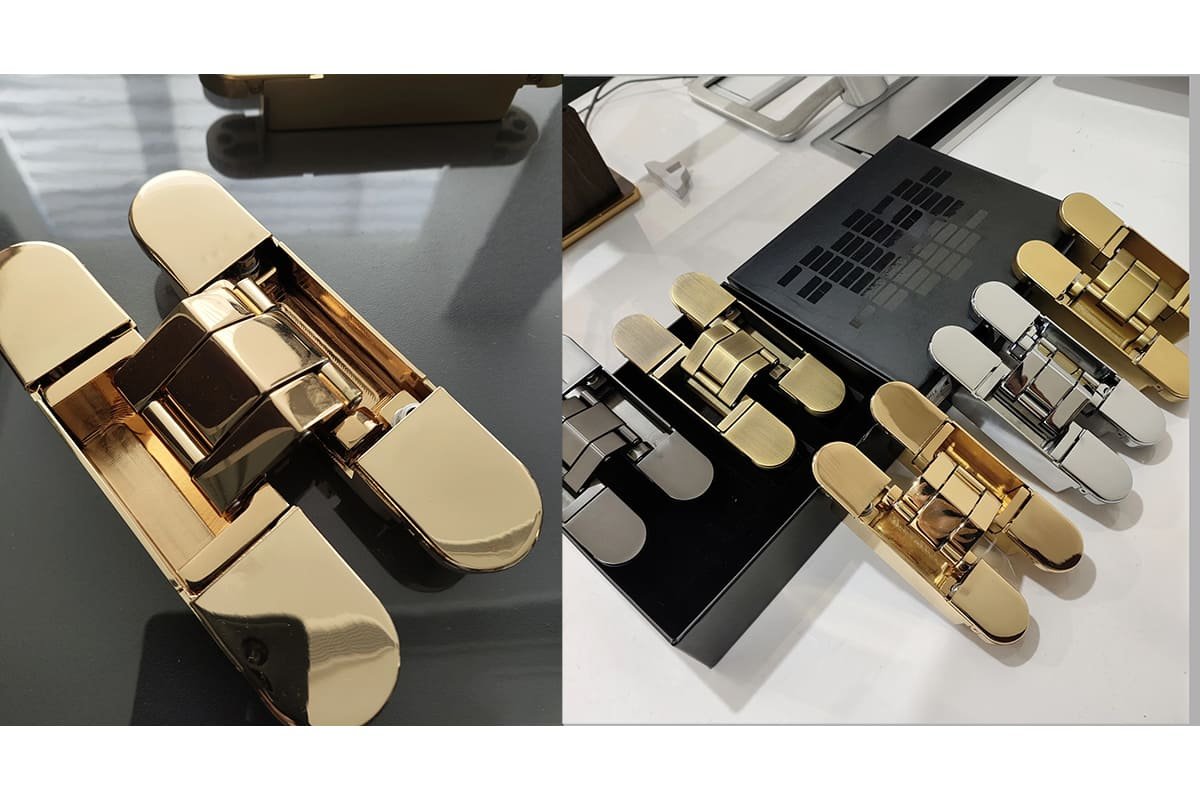
Start with application questions
Before quoting or sampling, I like to collect basic application details. This makes supplier communication faster and more accurate.
A practical hinge inquiry should include:
- Door or gate type
- Leaf material
- Leaf size and estimated weight
- Indoor, outdoor, or coastal environment
- Opening direction
- Opening frequency
- Required hinge quantity per leaf
- Desired finish
- Installation method
- Required certificates or test documents
- Packing and branding needs
- Target market
Conclusion
Door vs gate hinges should be selected by risk, not by name alone. Gate hinges commonly prioritize load support, outdoor durability, pin security, corrosion resistance, and strong installation. Door hinges usually focus on smooth operation, clean appearance, easy fitting, and precise adjustment. For B2B buyers, the best next step is to share drawings, sizes, materials, and market requirements with a qualified manufacturer. If you need factory-direct support for architectural door hardware, I can help you compare hinge structures and prepare a suitable OEM or ODM solution.
"SECTION 087111 - DOOR HARDWARE (SCHEDULED BY ...", https://fpm.usc.edu/wp-content/uploads/2021/11/087102-USC-HSC-door-hardware-Guide-Specification_1.pdf. Architectural-hardware standards and guidance classify hinges by duty, installation conditions, and security features, supporting the general distinction between interior door-hinge priorities and more exposed or security-sensitive gate applications. Evidence role: expert_consensus; source type: institution. Supports: Hinge standards and architectural-hardware guidance distinguish hinge selection by load, duty cycle, exposure, mounting method, and security features such as non-removable pins.. Scope note: Such sources may not use the exact door-versus-gate wording, so the citation would provide contextual support rather than direct proof for every hinge sold as a gate hinge. ↩
"SECTION 087111 - DOOR HARDWARE (SCHEDULED BY ...", https://fpm.usc.edu/wp-content/uploads/2021/11/087102-USC-HSC-door-hardware-Guide-Specification_1.pdf. Institutional architectural-hardware guidance treats hinge performance as dependent on door weight, use frequency, materials, installation conditions, and maintenance context, supporting a system-level approach to hinge selection. Evidence role: general_support; source type: institution. Supports: Professional hinge-selection guidance considers door weight, frequency of use, material, installation details, and maintenance or service conditions.. Scope note: The source would likely address door hardware generally; its relevance to gates should be framed as an engineering analogy unless the source also covers gate hardware. ↩
"Mechanical Failure of Modular Rotating Hinge Femoral ... - PMC", https://pmc.ncbi.nlm.nih.gov/articles/PMC11531635/. Mechanical-engineering references describe hinges as rotational joints or bearing connections that support attached members while permitting angular movement, which explains why load and wear are relevant to hinge performance. Evidence role: mechanism; source type: education. Supports: A hinge functions as a rotating mechanical joint that supports attached members and is subject to wear under repeated motion and load.. Scope note: General mechanics sources support the mechanism but may not discuss architectural door or gate aesthetics. ↩
"Safety Standard for Gates and Enclosures", https://www.regulations.gov/document/CPSC-2019-0014-0001. Government gate-safety and structural guidance recognizes wind, environmental exposure, alignment conditions, and closing forces as relevant hazards or design considerations for outdoor swing gates. Evidence role: general_support; source type: government. Supports: Outdoor gates can be affected by wind loads, environmental exposure, ground or alignment conditions, and impact or closing forces.. Scope note: Some government sources focus on powered gates or safety risk assessment, so the support may be contextual for manually operated gates. ↩
"How to Fix a Sagging Fence Gate Permanently", https://gforcehinge.com/how-to-fix-a-sagging-fence-gate-permanently/?srsltid=AU7gw4WTNGJjPXuH8TKRm46pvelkFk5n-XH-A3JCEANiasNlbd0xUGju. Engineering and construction guidance on gates explains that hinge loads are transferred into the supporting post or frame, so inadequate post stiffness or anchorage can cause sag independent of the hinge rating. Evidence role: mechanism; source type: education. Supports: Gate sag can result from inadequate support-post strength or stiffness even when the hinge component itself has sufficient capacity.. Scope note: A university extension or construction guide would usually address common gate construction rather than every industrial gate configuration. ↩
"Torque", https://en.wikipedia.org/wiki/Torque. Introductory mechanics texts define torque as the product of force and moment-arm distance, supporting the statement that a wider gate of the same weight imposes greater rotational moment at the hinge line. Evidence role: mechanism; source type: education. Supports: Torque increases with the perpendicular distance between the line of action of a force and the axis of rotation.. ↩
"Study on Wear Characteristics of Revolute Clearance Joints in ...", https://pmc.ncbi.nlm.nih.gov/articles/PMC9323239/. Door-hardware standards incorporate cycle testing and duty classifications, reflecting the engineering premise that repeated operation contributes to wear in hinges and other moving hardware. Evidence role: general_support; source type: institution. Supports: Door-hardware standards use cycle testing and duty classifications to account for repeated operation, and wear theory links accumulated cycles with wear.. Scope note: Cycle-test standards support the relationship between use frequency and durability but may not directly compare commercial entrances with storage doors. ↩
"Decoded: NFPA 80 Requirements for Hinges, Pivots, and ...", https://idighardware.com/2016/07/decoded-nfpa-80-requirements-for-hinges/. Fire-door standards such as NFPA 80 treat doors, frames, hinges, and related hardware as parts of a listed fire door assembly, supporting the need for tested and certified hardware in fire-rated applications. Evidence role: expert_consensus; source type: institution. Supports: Fire-door standards require fire door assemblies and their hardware to be listed, labeled, tested, or installed in accordance with the applicable listing.. Scope note: Requirements vary by jurisdiction and by the specific fire-door listing, so the citation should not be read as a substitute for local code verification. ↩
"Home Security Hardware - Murrieta, CA", https://www.murrietaca.gov/647/Home-Security-Hardware. Government or police building-security guidance commonly treats exposed removable hinge pins as a tampering risk on exterior openings and describes non-removable pins or protected hinges as mitigation measures. Evidence role: mechanism; source type: government. Supports: Security guidance identifies exposed removable hinge pins on outward-opening openings as a vulnerability and recommends non-removable pins or equivalent protection.. Scope note: Many available sources discuss exterior doors rather than gates specifically, so the support is strongest by analogy for exposed gate hinges. ↩
"Insights into the Development of Corrosion Protection Coatings", https://pmc.ncbi.nlm.nih.gov/articles/PMC12158252/. Corrosion-engineering research documents that inadequate material or coating selection can lead to surface degradation and loss of mechanical integrity, supporting the link between corrosion, appearance, and strength. Evidence role: mechanism; source type: paper. Supports: Corrosion can degrade surface appearance and reduce cross-section, mechanical properties, or structural integrity when materials and coatings are unsuitable for the environment.. Scope note: A general corrosion source would support the mechanism but may not test the exact hinge materials discussed in the article. ↩
"Salt spray test", https://en.wikipedia.org/wiki/Salt_spray_test. Standardized salt-spray methods such as ASTM B117 and ISO 9227 define controlled salt-fog exposure procedures for assessing corrosion behavior of metals and coatings. Evidence role: definition; source type: institution. Supports: Salt spray tests such as ASTM B117 or ISO 9227 are standardized methods used to expose coated or metallic specimens to a corrosive salt-fog environment.. Scope note: Salt spray results are comparative laboratory indicators and do not necessarily predict exact service life in a real outdoor environment. ↩
"Stainless Steel Families & Grades Explained: Corrosion ...", https://www.ryerson.com/metal-resources/metal-market-intelligence/stainless-steel-families. Metallurgical guidance on stainless steel explains that corrosion resistance varies by grade and is influenced by environmental exposure, surface condition, processing, and maintenance practices. Evidence role: expert_consensus; source type: institution. Supports: Stainless steels vary by alloy grade and corrosion resistance, and performance is affected by environment, surface condition, fabrication, and maintenance.. ↩