What's the Difference Between a Euro vs British Standard Lock?
A Euro vs British Standard lock decision can quickly become expensive if I treat it as a simple “which one is better” question. The real problem is compatibility. If the lock body does not match the door cut-out, handle position, cylinder system, and market standard, buyers may face rework, delays, and wrong inventory.
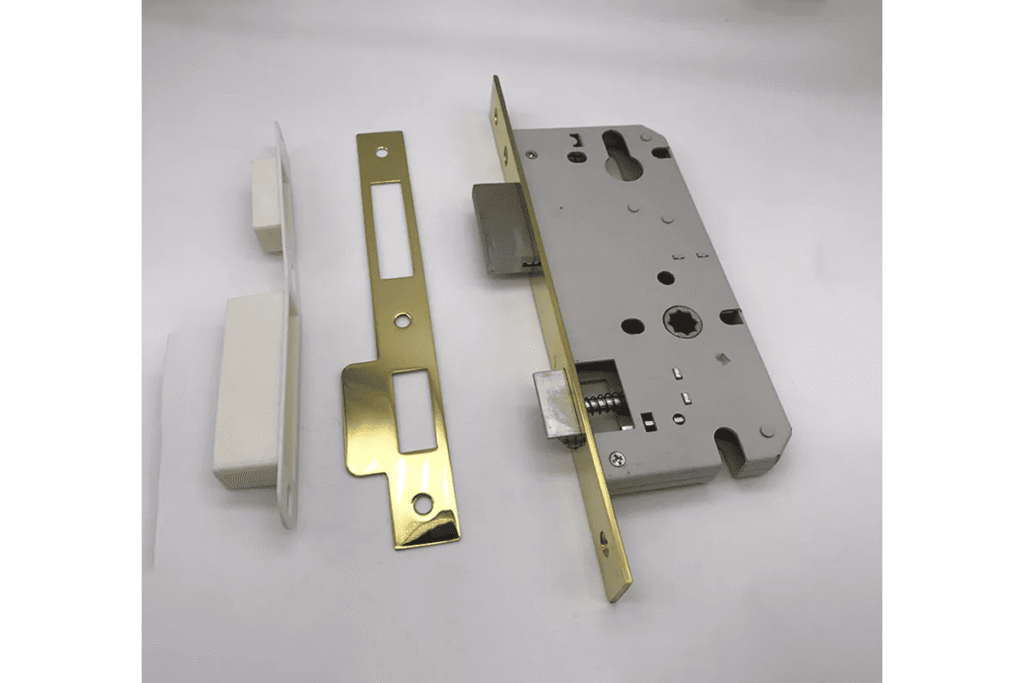
The difference between a Euro lock and a British Standard lock is mainly a standards-and-compatibility issue. Euro mortise locks commonly follow the DIN 18251 dimensional system, often with 72mm centers.1 British Standard mortise locks follow UK-style dimensions, commonly including 70mm centers, along with different assessment and testing requirements.2
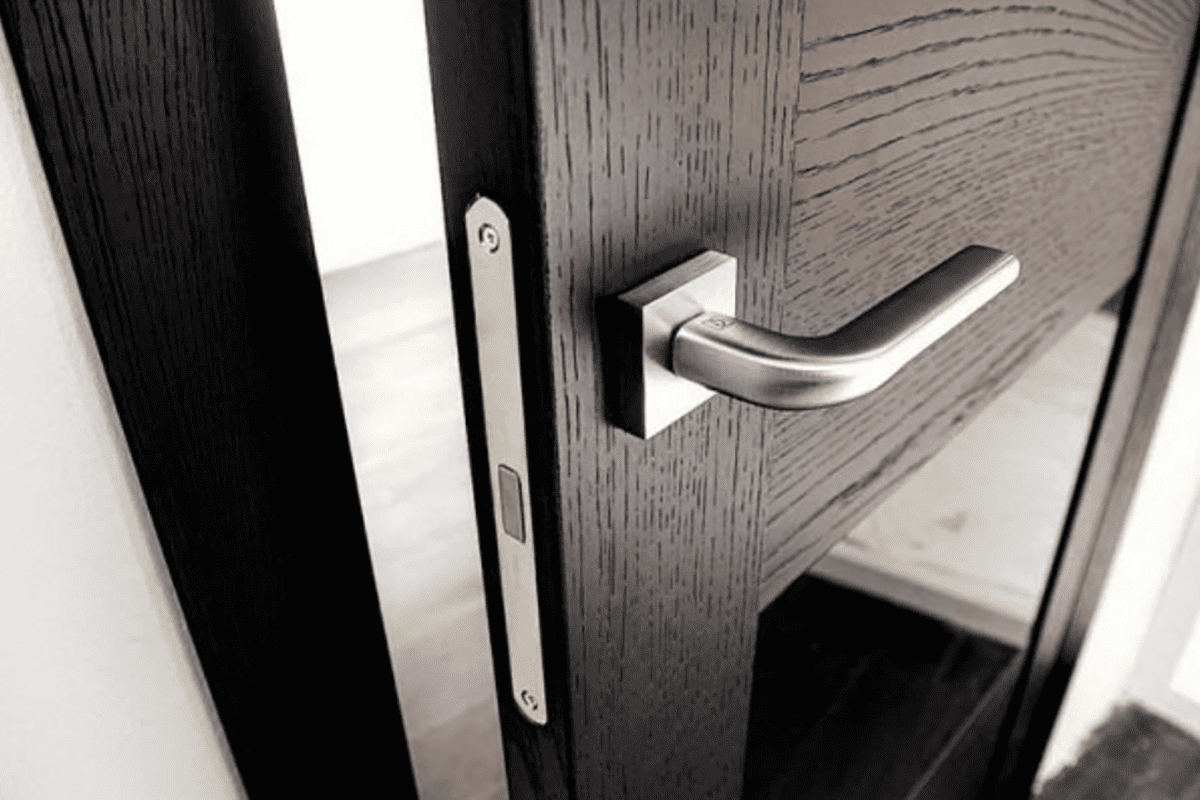
When customers ask me which lock they need, I do not start with appearance or price. I first check the drawing. The correct choice depends on the door preparation, center distance, backset, lock case, faceplate, handle set, cylinder or key system, and required documents for the target market.
What Does Euro vs British Standard Lock Mean in Practice?
A Euro vs British Standard lock question often starts with a simple purchasing request, but the risk is hidden in the specification. If I only compare product names, I may miss the real issue. The lock must match the door, the accessories, and the market requirement.
A Euro lock usually refers to a DIN-style mortise lock system used widely in Europe, while a British Standard lock follows UK dimensional and performance expectations. These two formats are not automatically interchangeable because their center distance, case dimensions, faceplate details, and hardware compatibility can differ.3
Euro and British Standard Are Not Quality Labels
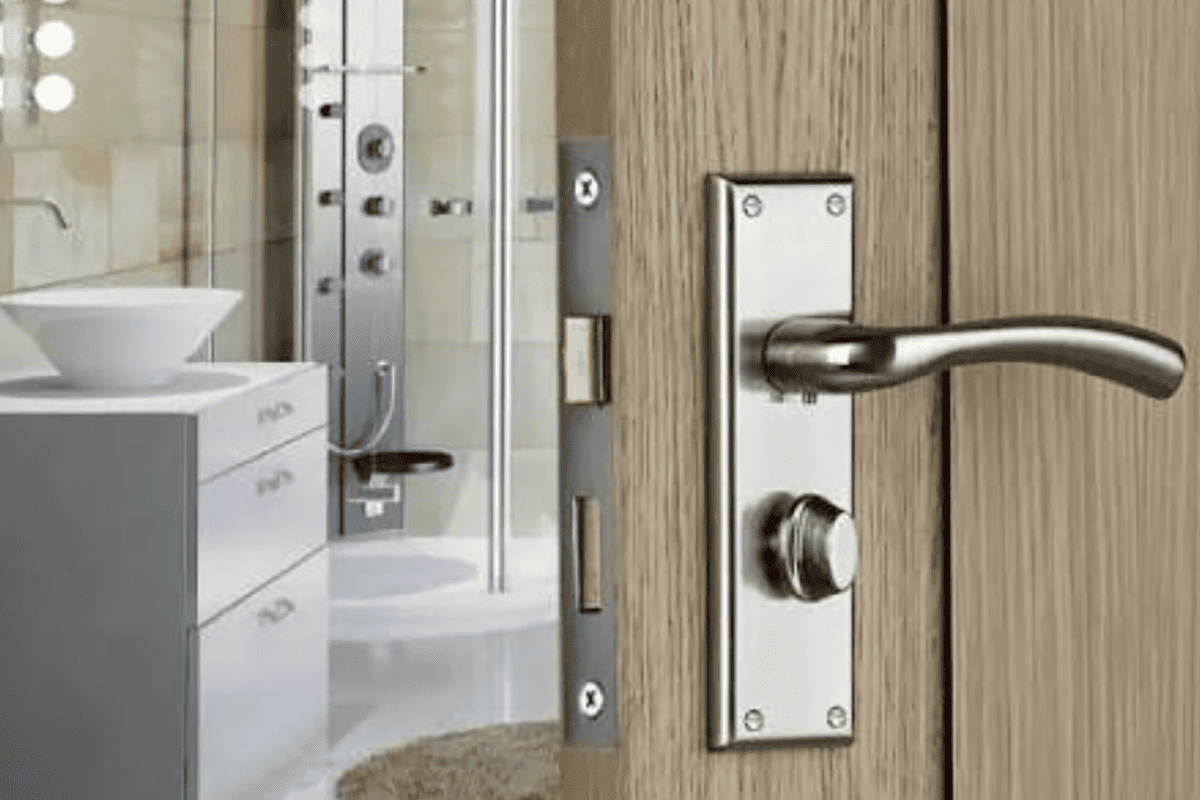
I often remind buyers that Euro-style does not automatically mean higher quality, and British Standard does not automatically mean stronger security.4 These terms first describe a standard system, product format, and market expectation.
For example, a well-made Euro mortise lock can perform poorly if it is installed in a door prepared for a UK lock. In the same way, a British Standard lock can become a procurement problem if the buyer needs DIN-compatible handles, cylinders, and door drawings.
The better question is:
“Which lock standard matches my door production, accessory set, target market, and required documentation?”
That question is practical. It helps buyers avoid mistakes before mass production.
Main Areas Buyers Should Compare
When I review lock inquiries at SDH Hardware, I usually check these items before quoting or confirming production:
- Center distance: Commonly 72mm for DIN-style Euro mortise locks and often 70mm for British Standard mortise locks.
- Backset: The distance from the faceplate to the spindle or key center.
- Lock case size: The full body width, height, and depth.
- Faceplate size: Width, length, thickness, radius, and screw position.
- Follower size: Common handle spindle compatibility, such as 8mm in many markets.
- Cylinder or key system: Euro profile cylinder, lever key, bathroom turn, or other function.
- Door preparation: Cut-out size, drilling position, and edge routing.
- Testing and certification documents: Fire rating, CE-related documents, or specific security documents where applicable.
Simple Comparison Table
| Item | Euro / DIN-Style Mortise Lock | British Standard Mortise Lock |
|---|---|---|
| Common center distance | 72mm | Often 70mm |
| Typical reference system | DIN 18251-style dimensions | UK / BS-style product expectations |
| Common cylinder format | Euro profile cylinder | May use different key or cylinder formats depending on lock type |
| Door preparation | DIN-compatible cut-outs | UK-compatible cut-outs |
| Interchangeability | Not automatic | Not automatic |
| Main buyer risk | Wrong accessory matching | Wrong door preparation or incompatible hardware |
Manufacturer Perspective
From a manufacturing point of view, the standard affects more than the lock body. It affects tooling, inspection gauges, packaging labels, technical drawings, and replacement compatibility. When I support door factories or hardware brands, I prefer to confirm the lock standard before the buyer confirms the door drawing.
At SDH Hardware, we produce Euro/DIN-style mortise locks and related architectural door hardware for B2B customers. That experience makes one lesson very clear: standardization reduces mistakes. A lock that looks similar on a catalog page may still fail to fit the door or handle set.
So, I do not position this as “Euro is better” or “British Standard is better.” I position it as system matching. The right lock is the one that fits the project specification, market requirement, and verified documentation.
How Does the 72mm Euro Center Differ From a 70mm British Standard Lock?
The most common mistake I see is assuming a 2mm difference is too small to matter. It does matter. If a buyer ignores the center distance, the handle spindle, cylinder position, escutcheon, and door drilling may not align correctly.
A Euro mortise lock commonly uses a 72mm center distance under the DIN-style system. A British Standard lock commonly uses a 70mm center distance. Because the spindle-to-cylinder or spindle-to-keyhole spacing differs, the locks normally require different door cut-outs and matching hardware.
What Center Distance Means
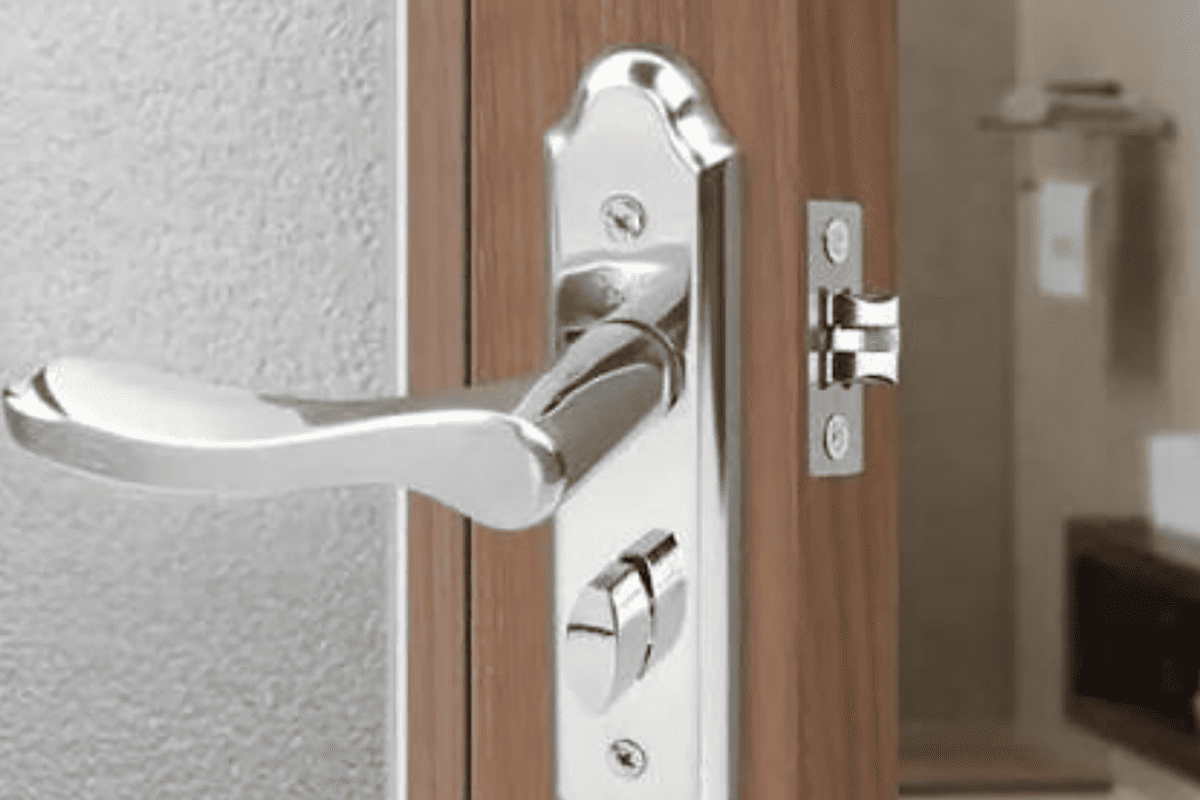
The center distance is the vertical distance5 between two important points on the lock:
- The center of the handle spindle follower.
- The center of the cylinder, keyhole, or locking function below it.
For many Euro/DIN-style mortise locks, this distance is 72mm.6 For many British Standard mortise locks, this distance is often 70mm.7 That sounds close, but architectural hardware depends on exact alignment8.
If the door is drilled for 72mm centers and the lock has 70mm centers, several problems can appear:
- The handle rose may align, but the cylinder escutcheon may not.
- The cylinder hole may sit too high or too low.
- The faceplate may fit, but the lock function may not operate correctly.
- The buyer may need to rework the door leaf.
- The installer may blame the lock, even when the issue is specification mismatch.
72mm vs 70mm Is Only the Start
I never recommend checking only the center distance. It is important, but it is not the whole specification. A proper lock evaluation should also include the following dimensions:
| Dimension | Why It Matters |
|---|---|
| Center distance | Aligns handle and cylinder or keyhole positions |
| Backset | Controls handle distance from door edge |
| Case depth | Determines whether the lock body fits inside the door stile |
| Case height | Affects mortise pocket preparation |
| Faceplate width | Must match door edge routing |
| Faceplate length | Must align with edge cut-out and screw positions |
| Follower size | Must match the handle spindle |
| Latch and bolt projection | Affects frame strike plate position |
| Strike plate size | Must match frame preparation |
Example Procurement Scenario
I once reviewed an inquiry where the customer gave only three details: “mortise lock, stainless steel faceplate, 50mm backset.” That information was not enough. I still needed the center distance, case size, faceplate drawing, function type, finish, and market destination.
This is common in B2B sourcing. A buyer may know the product category, but the factory needs the technical drawing. Without that drawing, both sides may assume different standards.
Why Door Factories Care More Than Retail Buyers
Door factories work with repeated production. A 2mm mismatch can affect hundreds or thousands of door leaves.9 If a factory has already opened holes for a 72mm Euro mortise lock, switching to a 70mm British Standard lock can cause:
- Rejected door panels
- Extra labor for re-drilling
- Delayed container loading
- Accessory mismatch
- Customer complaints after installation
- Higher after-sales costs
For this reason, I always suggest confirming the lock standard before confirming CNC routing, drilling templates, or batch production.
Practical Buyer Checklist
Before choosing between these lock systems, I would ask for:
- A full lock body drawing.
- A door cut-out drawing.
- Handle and escutcheon drawings.
- Cylinder or key system details.
- Faceplate size and screw hole positions.
- Strike plate drawing.
- Target market and required documents.
- Sample approval before mass production.
This process may feel slow at the beginning, but it is much faster than solving a mismatch after the goods arrive.
Why Does Euro vs British Standard Lock Compatibility Matter for Door Factories?
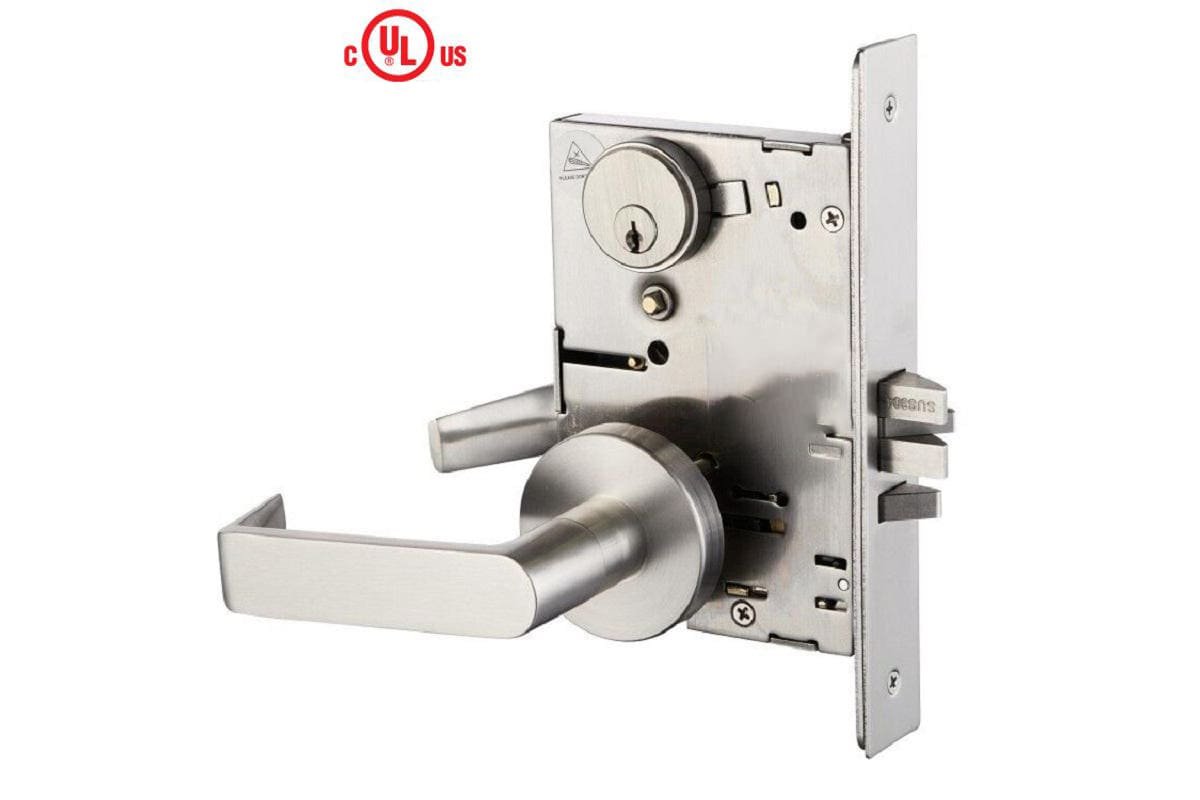
A Euro vs British Standard lock choice matters because door factories build around repeatable dimensions. If I choose the wrong lock format, the door leaf, handle set, cylinder, strike plate, and packaging specification may all become inconsistent.
Compatibility matters because locks are not isolated components. They connect with the door preparation, handle hardware, cylinder or key system, strike plate, frame, and market standard. The wrong lock format can cause fitting errors, inventory mismatch, and unnecessary production rework.
Locks Are Part of a Hardware System
In factory supply, I rarely look at a mortise lock alone. I look at the complete door hardware set. A lock must work together with:
- Lever handles
- Roses or backplates
- Euro cylinders or key systems
- Escutcheons
- Thumb turns
- Strike plates
- Hinges and door thickness
- Fire door requirements, if applicable
- Packaging and installation instructions
When one part changes, other parts may need adjustment. This is why buyers should avoid replacing a Euro lock with a British Standard lock based only on similar photos.
Compatibility Issues That Create Cost
Here are common problems I see buyers try to avoid:
| Problem | Likely Cause | Business Impact |
|---|---|---|
| Handle does not align with cylinder | Wrong center distance | Rework or replacement |
| Lock case does not fit door stile | Wrong case depth or height | Door rejection |
| Faceplate sits proud or loose | Wrong faceplate width or routing | Poor finish and installation complaints |
| Strike plate does not align | Different latch or bolt position | Door cannot close properly |
| Cylinder does not operate smoothly | Wrong cylinder type or length | Security and usability issue |
| Inventory cannot be mixed | Different standards in one batch | Warehouse confusion |
Why Standardization Helps Door Manufacturers
Standardized lock dimensions help factories in several ways.10 They support repeatability, reduce mistakes, and make replacement easier. This is especially important for buyers who manage product lines across several markets.
For example, if a door factory builds a Euro/DIN-compatible door series, it can unify:
- Door edge routing
- Lock drilling templates
- Handle position
- Cylinder hole position
- Technical drawings
- QC inspection points
- Spare lock inventory
That does not mean every Euro lock is identical. Buyers still need to confirm the exact drawing. However, a standardized system gives the factory a clearer starting point.
SDH Hardware’s B2B Production View
At SDH Hardware, we manufacture architectural door hardware with a focus on factory-direct B2B supply. Our product range includes Euro mortise locks, stainless steel lever handles, butt hinges, concealed door hinges, Euro brass cylinders, and door accessories. Because we supply door factories, hardware brands, and wholesalers, I see how one unclear lock specification can affect the full order.
When I receive a new project inquiry, I prefer to confirm:
- Target market: Europe, Middle East, Southeast Asia, UK, or another region.
- Lock standard: DIN-style Euro system or British Standard-style system.
- Function: Entrance, privacy, bathroom, passage, classroom, or project-specific use.
- Door thickness: This affects cylinder length and accessory selection.
- Finish requirement: Stainless steel, plated finish, painted finish, or custom color.
- Branding requirement: Stamping, laser logo, packaging, or OEM design.
- Documents required: CE-related files, fire-rated documents, inspection reports, or other project files where applicable.
I also recommend sample testing before large-volume orders. A sample allows the buyer to check fit, operation, finish, and packaging before production. This step is especially important when the lock will be matched with handles, cylinders, and doors made by different suppliers.
Inventory Planning for Importers and Wholesalers
Importers and wholesalers face a different challenge. They may not cut the doors themselves, but they must stock products that match their customers’ market. If they mix standards without clear labeling, sales teams and customers may confuse products.
I suggest organizing inventory by:
- Standard system
- Center distance
- Backset
- Function
- Finish
- Faceplate type
- Packaging language
- Certification document availability
This makes replacement and reorder work much easier. It also helps avoid the common mistake of selling a lock that looks right but does not fit the customer’s door preparation.
How Should Buyers Verify Testing, Fire Rating, and Certification Documents?
Testing documents create another source of confusion. If I hear “Euro lock” or “British Standard lock,” I do not assume the lock has a specific fire rating, CE document, or security grade. Format and certification are related topics, but they are not the same thing.
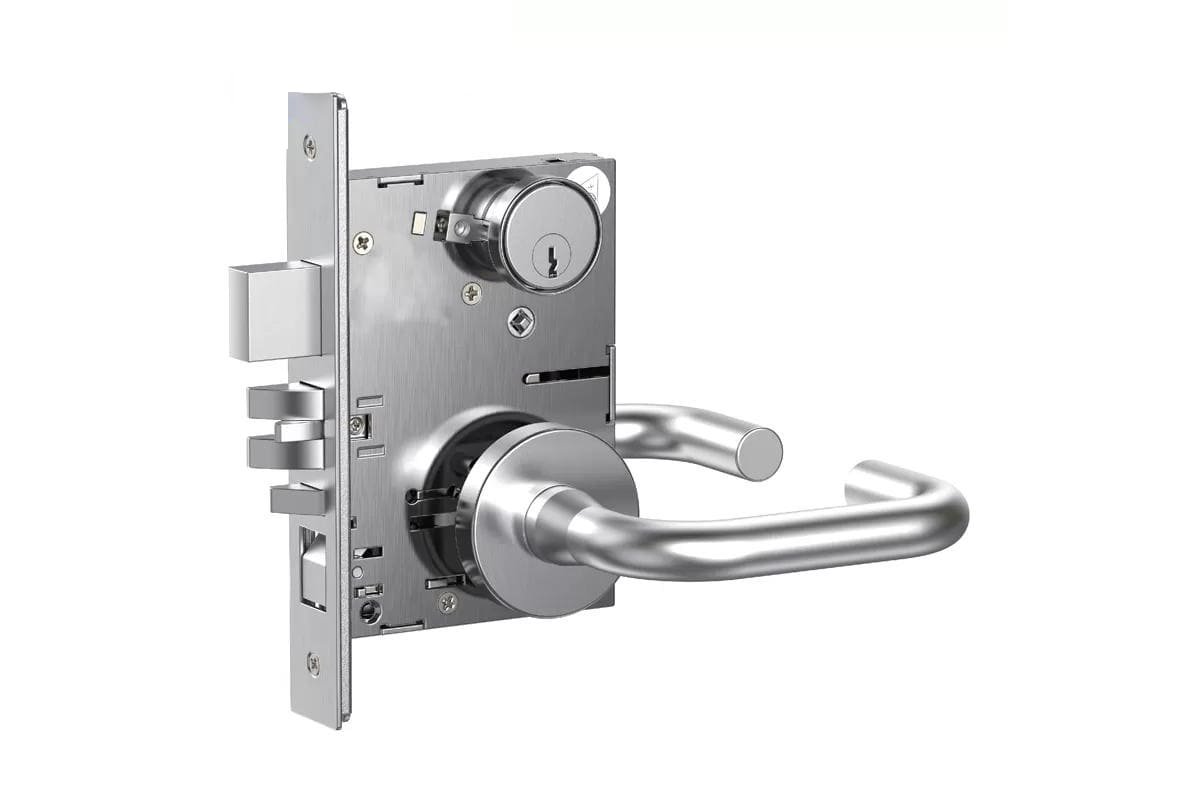
Buyers should verify testing, fire rating, and certification documents against the exact product model, standard, test scope, and issuing body. DIN-style dimensions or British Standard-style dimensions do not automatically prove compliance. Each claim should be supported by product-specific documents and professional evaluation when required.
Dimensional Standards Are Not the Same as Testing Standards
This is an important distinction. DIN 18251-style dimensions help define the lock body format and compatibility expectations. British Standard locks may follow UK-specific product dimensions and performance expectations. However, a dimensional format alone does not prove fire performance, durability, corrosion resistance, or security level.11
A lock can be:
- Dimensionally compatible but not fire tested.
- Fire tested for one door assembly but not another.
- Suitable for one market but not accepted by another project consultant.
- Produced in the same style but with different materials or internal components.
Because of this, buyers should avoid broad assumptions.
What Documents Should Buyers Request?
For B2B procurement, I suggest asking the supplier for documents that match the project requirement. These may include:
Technical drawing
- Lock case dimensions
- Faceplate dimensions
- Backset
- Center distance
- Latch and bolt projection
Material specification
- Case material
- Latch and bolt material
- Faceplate material and thickness
- Follower material
- Spring and internal component details where relevant
Finish information
- Surface treatment type
- Salt spray requirement if needed
- Color reference or sample approval
Testing or certification documents
- Fire-rated test documents, if applicable
- CE-related documents, if applicable
- Durability or cycle test information
- Security test documents where required
Quality control records
- Incoming material inspection
- In-process inspection
- Finished product inspection
- Functional testing records
At SDH Hardware, our core products are available with authoritative CE certification and fire-rated certification documents for applicable items. Still, I always tell buyers to verify the specific document against the exact product model, project use, and local market requirements.
Why Fire Rating Needs Special Care
Fire-rated hardware is not only about the lock. It is usually assessed as part of a door assembly or under a defined test scope12. A lock that appears in one fire-rated configuration may not automatically apply to every door material, thickness, or installation condition.
For this reason, I recommend that buyers confirm:
- Product model number
- Door type and material
- Door thickness
- Fire resistance time requirement
- Test standard referenced
- Scope of application
- Allowed hardware configuration
- Validity and traceability of the report
If the project is high-risk or legally sensitive, buyers should consult a qualified fire door professional, test laboratory, or local authority. I can provide manufacturing information and product documents, but project-specific compliance decisions should be made by qualified professionals.
Supplier Evaluation Questions
When I help buyers compare suppliers, I like to use direct questions. These questions reveal whether the supplier understands the lock system or only sells by catalog name.
| Question | Why I Ask It |
|---|---|
| What is the center distance? | Confirms 72mm, 70mm, or another system |
| Can you provide a full drawing? | Prevents dimension assumptions |
| Which cylinder or key system fits? | Confirms accessory compatibility |
| What is the backset? | Confirms door edge preparation |
| What testing documents are available? | Separates format from compliance |
| Are documents tied to this exact model? | Avoids using unrelated certificates |
| Can you support OEM packaging? | Helps brands and wholesalers |
| Can you provide sample inspection? | Reduces batch risk |
Quality Control Beyond Paperwork
Documents matter, but product consistency also matters. A good supplier should control the full process, from raw material inspection to finished product testing.
In our factory work, I pay attention to:
- Raw material screening
- Stamping or machining accuracy
- Lock case assembly consistency
- Spring performance
- Latch movement
- Bolt throw
- Handle follower rotation
- Finish quality
- Packaging protection
- Final inspection before shipment
For buyers, this quality control process is as important as the standard name. A lock with the correct standard but poor production control can still create after-sales problems.
How Can Buyers Choose the Right Euro vs British Standard Lock Supplier?
A Euro vs British Standard lock supplier should do more than quote a price. If the supplier cannot read drawings, confirm compatibility, or explain documents, I would be careful. The lowest unit price may become expensive after rework and complaints.
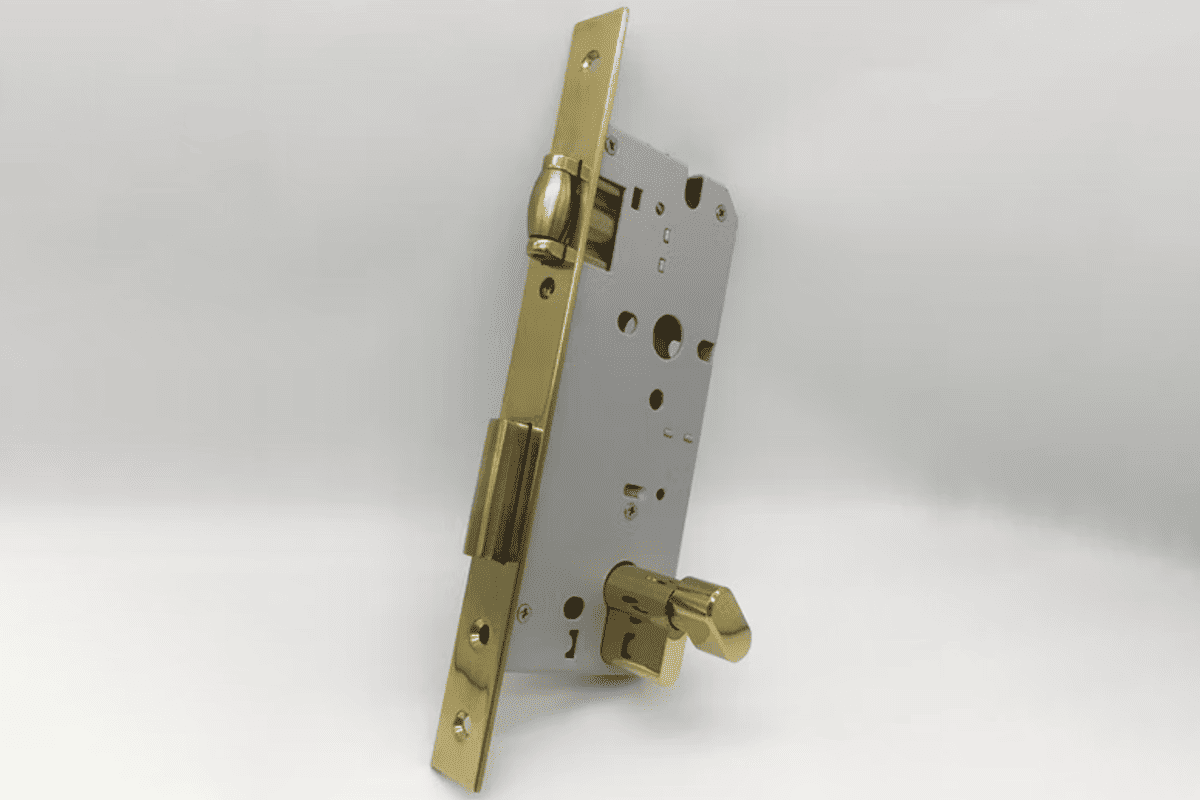
Buyers should choose a supplier that can confirm dimensions, provide drawings, support accessory matching, manage quality control, and supply product-specific documents. A reliable supplier should ask technical questions before production, especially about center distance, backset, faceplate, door preparation, target market, and certification needs.
Supplier Selection Is a Risk Control Process
I see supplier selection as risk control, not only purchasing. A mortise lock is a functional component. If it fails to fit or operate correctly, the customer may blame the door brand, the installer, or the wholesaler. That creates commercial pressure across the supply chain.
A qualified supplier should help reduce that risk before production starts.
What I Look for in a Lock Supplier
If I were buying for a door factory or hardware brand, I would check these points:
- Manufacturing experience: Does the supplier understand lock production or only trade finished goods?
- Drawing ability: Can the supplier provide clear 2D or 3D drawings?
- Customization support: Can they adjust faceplate, finish, accessory configuration, or packaging?
- Testing equipment: Can they perform functional and dimensional checks?
- Inspection process: Do they inspect raw material, semi-finished goods, and final products?
- Document control: Can they match documents to specific models?
- Communication quality: Do they ask the right questions?
- Sample process: Can they provide samples before bulk order confirmation?
Factory-Direct Supply Advantages
For B2B buyers, factory-direct supply can offer practical advantages. It may improve communication on technical details and reduce confusion between trading layers.
At SDH Hardware, we operate as a China-based architectural door hardware manufacturer with more than 10 years of specialized production experience. Our team supports OEM and ODM orders, customized specifications, surface treatments, logo services, packaging design, drawings after order confirmation, and inspection after production.
This background is helpful when buyers need a complete door hardware series, not only one lock item. A one-stop sourcing model can help align:
- Euro mortise locks
- Stainless steel lever handles
- Butt hinges
- Concealed door hinges
- Euro brass cylinders
- Door accessories
- Packaging and branding
Sample Approval Before Bulk Production
I strongly prefer sample approval for new projects. A sample helps both sides confirm real-world fit and function.
A useful sample approval process includes:
- Confirm technical drawing.
- Produce or select sample.
- Check door cut-out fit.
- Test handle and cylinder operation.
- Confirm faceplate and strike plate alignment.
- Review finish and packaging.
- Approve or revise before mass production.
This process is simple, but it prevents many problems.
Red Flags in Supplier Communication
I would be cautious if a supplier says:
- “They are the same. Do not worry.”
- “70mm and 72mm can be used together.”
- “No drawing is needed.”
- “All locks have certification.”
- “This certificate applies to everything.”
- “You can confirm after production.”
These statements create risk. A professional supplier should be willing to confirm details before order approval.
Conclusion
The Euro vs British Standard lock difference is not a simple quality comparison. It is a compatibility and standards decision. Euro/DIN-style mortise locks commonly use 72mm centers, while British Standard locks commonly include 70mm centers and different market expectations. Before buying, I would confirm drawings, center distance, backset, lock case, faceplate, accessories, door preparation, and required documents. If you need factory-direct support for Euro mortise locks, cylinders, handles, hinges, or customized door hardware sets, contact SDH Hardware to review your specification before production.
"DIN 18251: The German Standard for Mortise Locks", https://umaylocks.com/din-18251/. A standards-body or standards-catalog entry for DIN 18251 supports that the standard concerns locks and latches and their dimensional classification; it provides standards context, although the exact 72 mm center distance should be verified against the relevant lock type and edition of the standard. Evidence role: general_support; source type: institution. Supports: DIN 18251 is a dimensional reference for locks and latches, and 72 mm centers are commonly associated with DIN-style mortise locks.. Scope note: Contextual support; the exact dimensional requirement may depend on the DIN 18251 part, edition, and lock function. ↩
"How to choose a mortice lock for timber doors", https://www.eraeverywhere.com/news/how-to-choose-a-mortice-lock/. A BSI or standards-body source on British lock standards supports that UK mortice locks are assessed under British or European performance standards; any statement that 70 mm centers are common should be treated as a market convention and checked against the specific lock type. Evidence role: general_support; source type: institution. Supports: UK lock standards and British Standard mortice locks have distinct dimensional and testing expectations compared with DIN-style locks.. Scope note: Contextual support; British Standard compliance does not necessarily prescribe one universal center distance for all mortice locks. ↩
"087100 – DOOR HARDWARE - Facilities and Campus Services", https://fcs.cornell.edu/087100-door-hardware. Standards-based lock dimension references support that mortise locks are defined by measurable interfaces such as center distance, backset, case size, and faceplate dimensions; this supports the compatibility concern, although interchangeability must be determined from the exact product drawings. Evidence role: mechanism; source type: institution. Supports: Different lock standards specify or imply different dimensional interfaces, which can affect interchangeability with doors and hardware.. Scope note: Contextual support; standards references explain why mismatch is plausible but do not prove incompatibility for every pair of locks. ↩
"BS EN 12209:2016 - TC | 30 Jun 2016", https://knowledge.bsigroup.com/products/building-hardware-mechanically-operated-locks-and-locking-plates-requirements-and-test-methods. Standards documentation for mechanical locks supports the distinction between dimensional compatibility and performance classifications such as durability, corrosion resistance, and security; the source supports the principle but does not rank Euro-style or British Standard locks as better or worse. Evidence role: expert_consensus; source type: institution. Supports: Dimensional standards and performance/security standards address different aspects of lock specification.. Scope note: Contextual support; the conclusion depends on the specific model and certification. ↩
"Architectural ironmongery", https://en.wikipedia.org/wiki/Architectural_ironmongery. An architectural hardware glossary or training reference supports that lock centers are measured between the handle spindle or follower and the keyhole or cylinder center; terminology may vary between UK and European sources. Evidence role: definition; source type: education. Supports: Center distance or lock centers refers to the spacing between the handle follower/spindle and the cylinder or keyhole center.. Scope note: Contextual support; terminology may appear as center distance, centres, PZ distance, or lock centers depending on region. ↩
"How to measure and choose the right mortise lock size", https://www.blue-id.com/en/blog/mortise-lock-mass. A standards or architectural hardware reference supports that 72 mm PZ distance is a common configuration for DIN-style Euro mortise locks; the source supports common usage, not a universal rule for all Euro locks. Evidence role: general_support; source type: institution. Supports: A 72 mm spindle-to-cylinder distance is common in DIN-style Euro mortise lock configurations.. Scope note: Contextual support; Euro-style locks can be produced in other center distances. ↩
"Yale P-M562-CH-80 PM562 76mm British Standard 5 ...", https://www.amazon.com/Yale-M562-High-Security-Deadlock/dp/B001QGMGFY. A neutral standards or technical reference on UK mortice lock dimensions would support whether 70 mm centers are common in the relevant British Standard-style lock category; the citation should be limited to the lock types documented by the source. Evidence role: general_support; source type: institution. Supports: Some British Standard-style mortise locks are specified with 70 mm centers.. Scope note: Contextual support; UK mortice locks do not all share one center-distance dimension. ↩
"087100 – DOOR HARDWARE - Facilities and Campus Services", https://fcs.cornell.edu/087100-door-hardware. A technical installation or architectural hardware training source supports that mortise locks and trim require aligned drilling, routing, and strike placement for proper operation; the source explains the mechanism but does not quantify every acceptable tolerance. Evidence role: mechanism; source type: education. Supports: Door lock installation depends on the alignment of lock centers, spindle holes, cylinder holes, and related trim or strike components.. Scope note: Contextual support; exact tolerances vary by manufacturer and standard. ↩
"Manufacturing", https://www.nist.gov/manufacturing. Manufacturing quality research supports that dimensional nonconformance can lead to rework, scrap, and schedule disruption in batch production; this evidence supports the production-risk mechanism rather than proving the exact number of affected door leaves in a specific order. Evidence role: mechanism; source type: research. Supports: Dimensional nonconformance in repeat manufacturing can create rework, scrap, delays, and quality costs across a production batch.. Scope note: Contextual support; the scale of impact depends on batch size, tooling, and the stage at which the mismatch is discovered. ↩
"Investigating the Impact of Standards-Based ...", https://www.nist.gov/publications/investigating-impact-standards-based-interoperability-design-manufacturing-and-quality. An institutional source on industrial standardization supports that common specifications promote repeatability, interoperability, and quality control; the source provides general manufacturing support rather than lock-industry-specific proof. Evidence role: general_support; source type: institution. Supports: Standardization supports interoperability, repeatability, quality control, and replacement compatibility in manufacturing systems.. Scope note: Contextual support; the cited benefits apply generally and must be connected to lock dimensions by analogy. ↩
"BS EN 12209:2003 – Mechanical Operated Locks, Latches ...", https://www.hoppe.com/in-en/contacts-service/standards/bs-en-12209/. Standards documentation for mechanically operated locks supports that performance characteristics are classified through defined tests rather than inferred from lock format alone; this supports the compliance distinction but not the performance of any particular model. Evidence role: expert_consensus; source type: institution. Supports: Mechanical lock standards separate dimensional compatibility from performance classifications such as durability, corrosion resistance, fire behavior, and security.. Scope note: Contextual support; product-specific certificates are still required for a specific lock. ↩
"NSPIRE Standard - Door - Fire", https://www.hud.gov/sites/dfiles/PIH/documents/NSPIRE-Standard-Door-Fire-Labeled_20230811.pdf. A government or fire-safety authority source supports that fire-door performance depends on the tested door assembly and approved hardware configuration; the source supports the principle and does not extend a rating to untested door materials or installation conditions. Evidence role: expert_consensus; source type: government. Supports: Fire door hardware ratings are tied to tested assemblies, installation conditions, labeling, and the applicable scope of the test evidence.. Scope note: Contextual support; the applicable rating must be checked against the exact test report and local code requirements. ↩