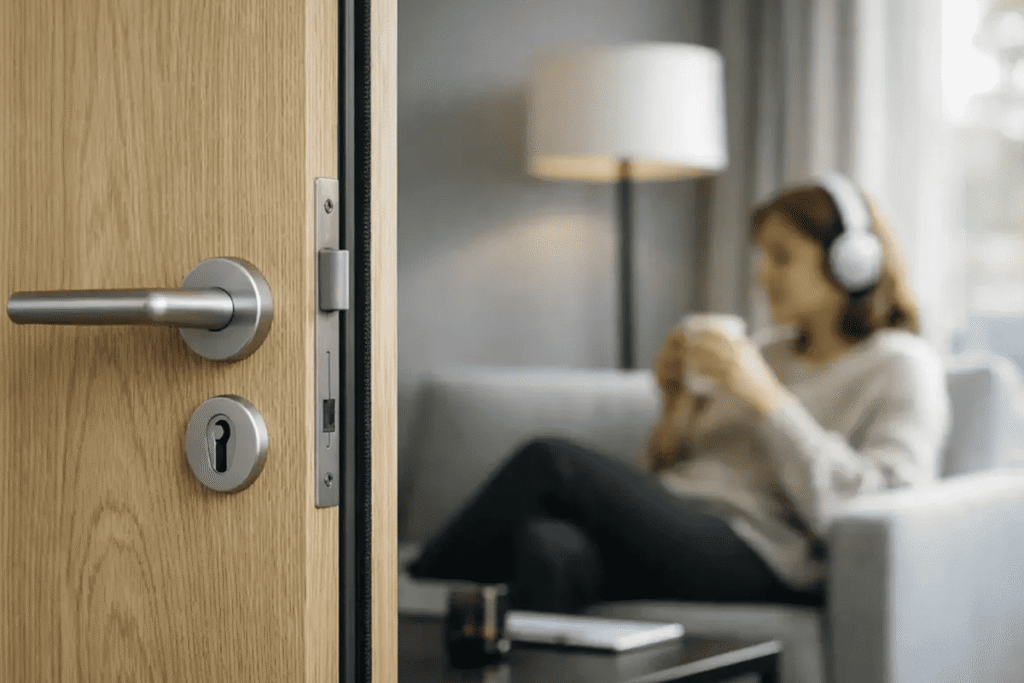
How to Choose the Best Silent Door Lock: The Ultimate Guide for Bulk Buyers?
The best silent door lock is not always the one that sounds quietest in a sample room. A latch can feel smooth in one test, yet create problems later through poor fire-rating fit, weak security, difficult installation, or batch inconsistency. I use a risk-based selection framework to help bulk buyers choose safely.
The best silent door lock for bulk buyers is the lock that matches the door application, required certification, latch material, security level, installation process, and long-term batch consistency. Anti-friction latches suit durability and compliance-focused projects, nylon latches suit many interior doors, and nylon magnetic latches suit clean-design interior applications with lower security needs.
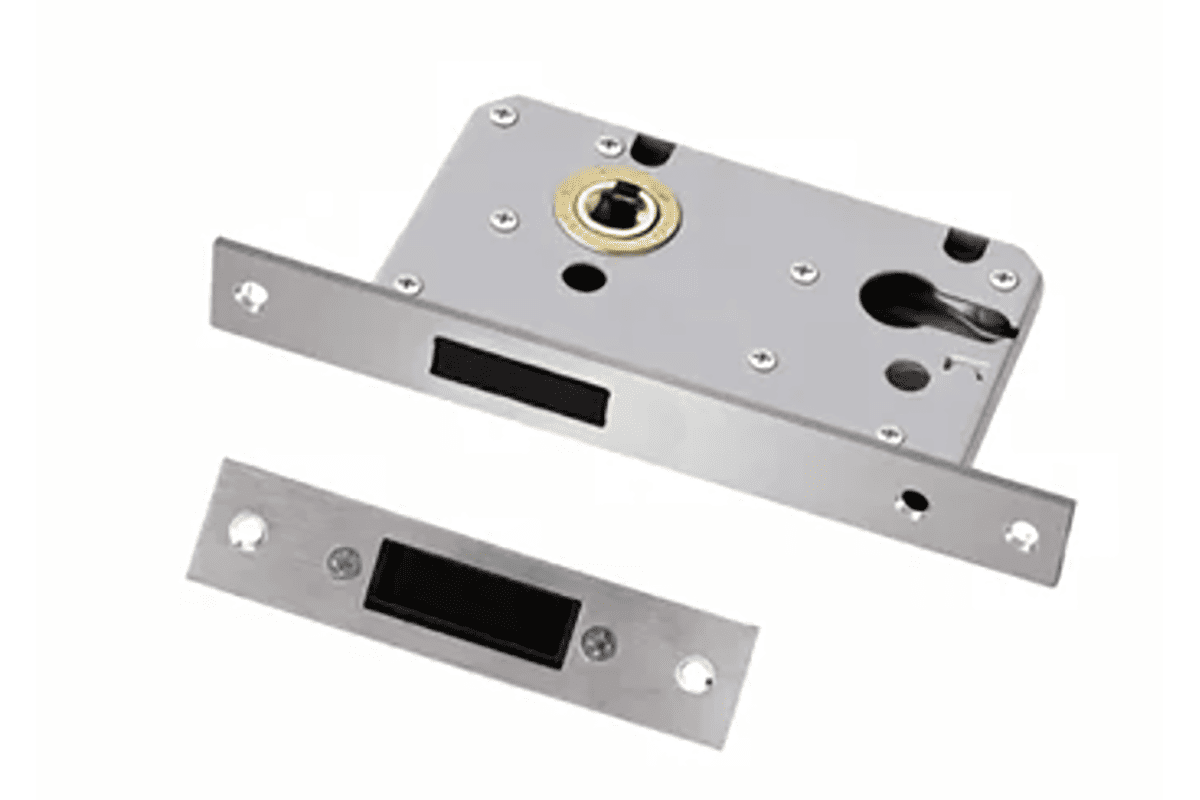
A quiet latch is only one part of the decision. In factory production, I have seen buyers focus on sound first, then discover problems with door gaps, strike plate alignment, fire-rating documents, or customer complaints. So, I suggest starting with application risk, not just decibel performance.
What Makes the Best Silent Door Lock Different for Bulk Buyers?
Choosing the best silent door lock becomes more complicated when a buyer orders thousands of sets. One perfect sample does not guarantee stable delivery. Small changes in latch structure, door frame tolerance, or installation habit can become expensive when repeated across a full project or a finished door production line.1
The best silent door lock for bulk buyers combines quiet closing, reliable latch engagement, suitable material, documented compliance, stable dimensions, and easy installation. Buyers should evaluate the lock as part of the complete door system, not as a single loose hardware item tested by hand on a desk.
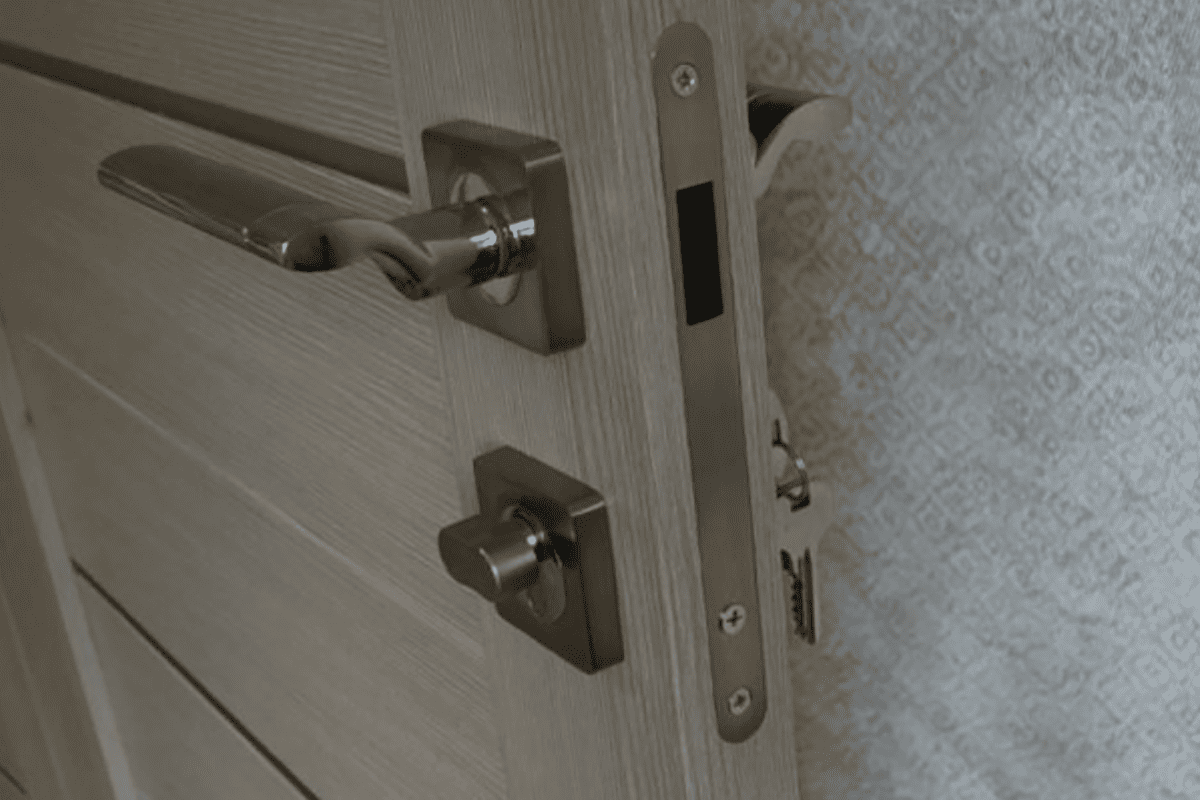
Why “quiet” is not enough
I understand why many buyers start with the closing sound. Hotel owners want guest rooms to feel premium. Apartment developers want fewer complaints. Door factories want an upgraded product line. However, in bulk procurement, sound is only the first filter.
A silent latch must also answer practical questions:
- Will the latch work with the target door thickness?
- Will it fit the buyer’s existing mortise lock body standard?
- Will it tolerate normal door and frame deviation?
- Will it pass the buyer’s required fire-rated or CE documentation review?
- Will installers need extra adjustment on every door?
- Will the latch material behave safely under the expected environment?
In my factory work, I often see that the most costly problem is not the lock price. The costly problem is rework. If a door factory needs an extra three minutes to adjust each lock, that time becomes serious across 5,000 or 20,000 doors.
Bulk buyers need a system decision
A retail buyer may ask, “Which lock is quiet?” A door manufacturer should ask, “Which lock remains suitable after production, painting, installation, transport, and user operation?”
Here is a practical comparison:
| Evaluation point | Why it matters for bulk buyers | What I check first |
|---|---|---|
| Latch type | It affects noise, strength, fire-rating potential, and appearance | Anti-friction, nylon, or magnetic nylon latch |
| Lock body dimensions | It affects door machining and installation consistency | Backset, center distance, faceplate size |
| Door application | It determines security and compliance needs | Hotel, apartment, villa, office, fire door |
| Strike plate fit | It affects closing sound and latch engagement | Gap tolerance and frame material |
| Certificate scope | It affects project approval | Product model, standard, test scope, expiry |
| Batch consistency | It affects complaints and rework | Inspection records and sample confirmation |
What I recommend before ordering
Before a bulk order, I usually recommend buyers prepare a simple project sheet. It does not need to be complicated. It should include:
- Door type: wooden door, steel door, fire-rated door, hotel door, interior residential door.
- Door thickness: common ranges include 35–45 mm or 45–55 mm, but project standards differ.
- Required standards: CE, fire-rated report, market-specific requirements, or brand internal testing.
- Target lock type: mortise lock, magnetic lock, bathroom lock, passage lock, privacy lock.
- Expected finish: satin stainless steel, PVD, black, antique, or customized surface.
- Installation method: manual installation, CNC machining, or door factory assembly line.
I prefer this method because it moves the discussion from “send me your quietest lock” to “send me the safest lock for my door and market.”
That shift protects both sides. It helps the buyer avoid unsuitable products. It also helps the manufacturer recommend the correct latch structure, testing document, and production control plan.
Which Silent Latch Type Is Best for Your Door Application?
A quiet sample can create false confidence if the latch type does not match the door. Some latches are quieter because they use softer material. Others keep stronger metal structures but reduce friction through design. If I ignore the application, I may choose silence at the cost of compliance or durability.
The main silent latch types are anti-friction latch, nylon latch, and nylon magnetic latch. Anti-friction latches are better for durability, security, and possible fire-rated projects when certified. Nylon latches suit many interior doors. Nylon magnetic latches offer a clean appearance but usually fit lower-security interior applications.
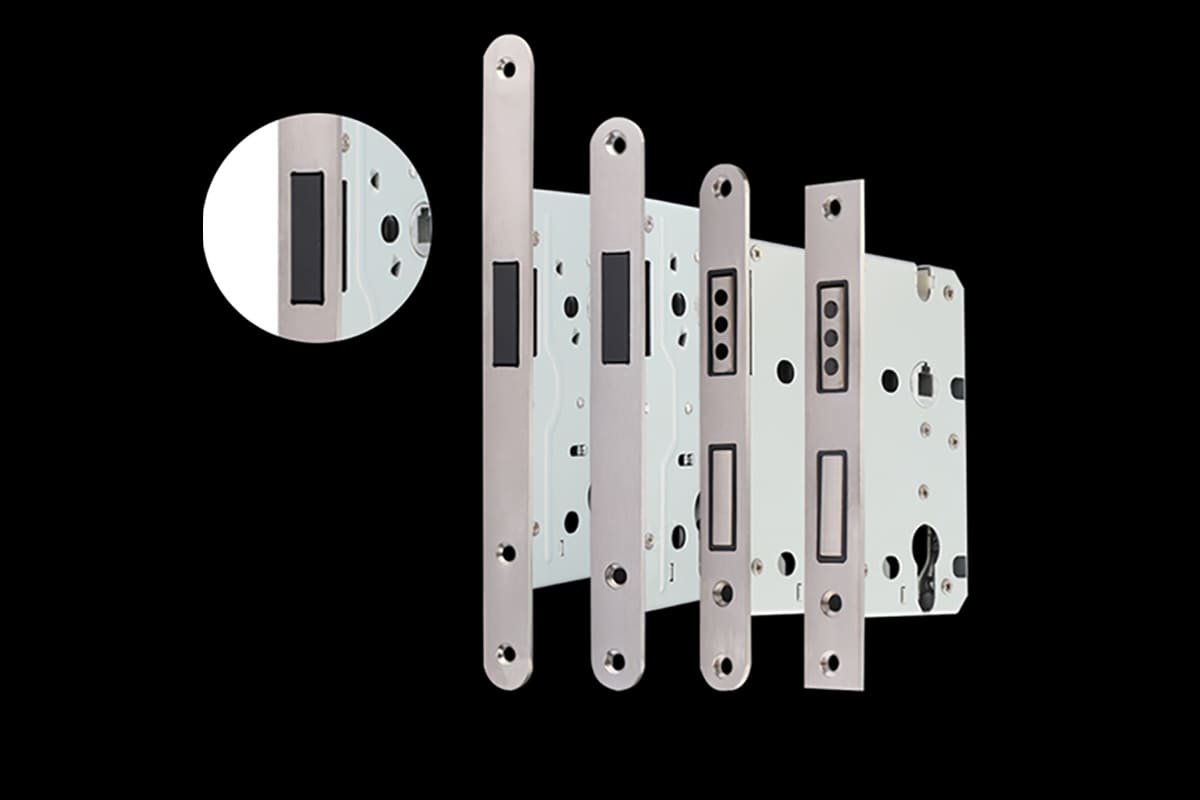
Comparing the three common silent latch types
For bulk buyers, I normally explain the three structures in plain language:
| Latch type | Main advantage | Main limitation | Typical use |
|---|---|---|---|
| Anti-friction latch | Stronger structure, smoother closing, better durability | Not always as soft-sounding as nylon | Commercial doors, hotel doors, higher-spec interior doors, selected fire-rated projects |
| Nylon latch | Quieter contact sound | Lower heat resistance than metal | Interior residential doors, non-fire-rated doors |
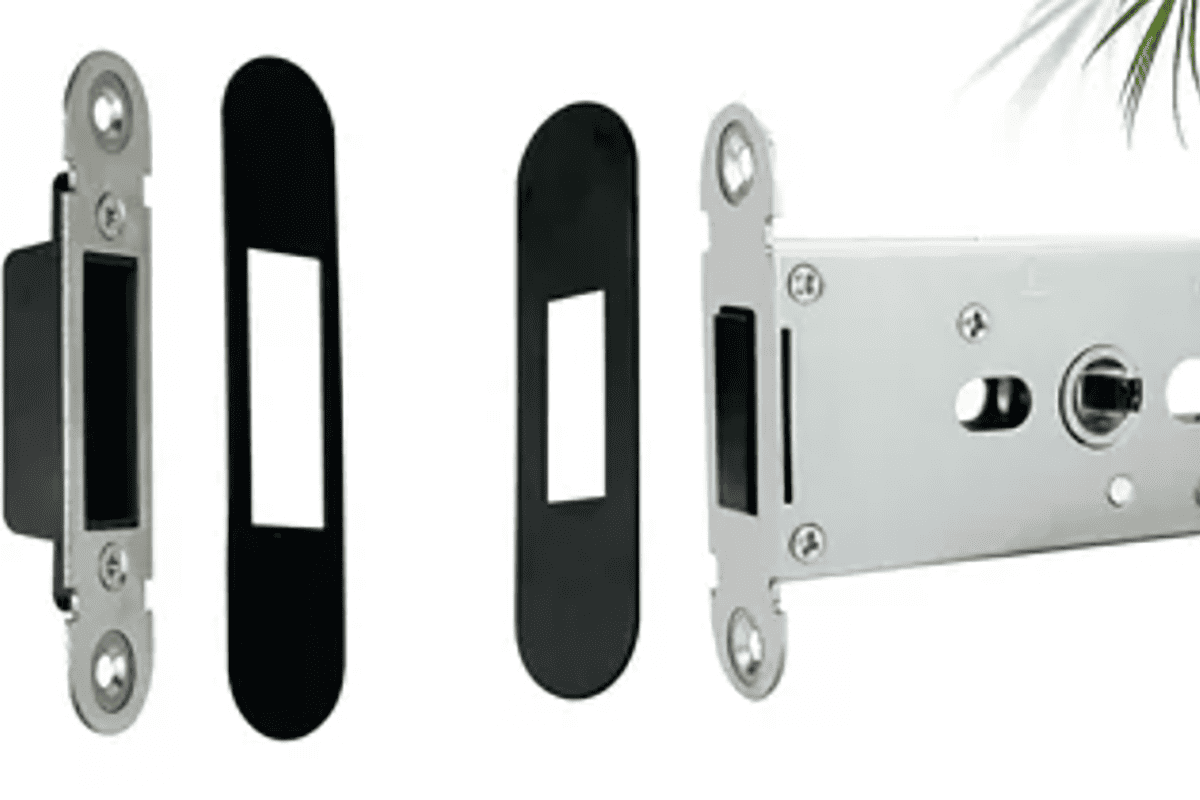
| Nylon magnetic latch | Clean appearance, latch stays hidden until closing | Weaker security and not suited for fire-rated use | Modern interior doors, design-focused rooms |
Anti-friction latch: balanced for strength and compliance
An anti-friction latch usually keeps a stainless steel or metal latch structure while using a reduced-friction design. The goal is to lower closing noise without giving up the basic strength buyers expect from a conventional latch.
I often see this type used when the project needs:
- Better resistance to daily impact
- More stable latch engagement
- Stronger perceived security
- Compatibility with commercial or hotel door expectations
- Potential alignment with fire-rated lock requirements, if the specific product is tested and certified
This point is important. I do not suggest assuming every anti-friction silent latch is fire-rated. The buyer should verify the exact model, lock body, latch design, test standard, and certificate scope.
Nylon latch: quiet but application-limited
A nylon latch is naturally quieter because nylon contact creates a softer sound than metal-to-metal contact. It can be a good choice for interior passage doors, bedrooms, residential rooms, and projects where comfort is more important than fire resistance or heavy-duty security.
However, nylon has a lower melting point than stainless steel or other metal latch structures.2 This makes it generally unsuitable for fire-rated door applications unless a specific tested system proves otherwise.3 In most procurement discussions, I treat nylon latches as interior-door hardware, not as universal replacements for metal latches.
Nylon magnetic latch: clean design, lower security
A nylon magnetic latch uses magnetic force to project or engage the latch when the door closes. Many designers like it because the latch can remain hidden when the door is open. The appearance is clean, simple, and modern.
However, I always explain the trade-off clearly. A magnetic latch usually has weaker mechanical security than a traditional latch structure.4 It also depends heavily on door gap, strike plate alignment, and stable installation.5 For this reason, I usually see it as a good option for:
- Private residential interiors
- Design-focused apartment doors
- Wardrobe or light interior doors
- Non-fire-rated room doors
- Projects where aesthetics matter more than forced-entry resistance
My practical selection rule
I use this simple rule when discussing silent latch choices with door factories:
- If the door needs fire-rating, durability, or stronger security, start with an anti-friction latch and verify certification.
- If the door is a standard interior room door, consider a nylon latch for better noise reduction.
- If the door needs a minimalist look, consider a nylon magnetic latch, but review security and installation tolerance carefully.
This approach prevents a common mistake: choosing the quietest latch for every application. Bulk buyers should not treat these three latch types as direct substitutes. They solve different problems, and they create different risks.
Is the Best Silent Door Lock Always Suitable for Fire-Rated Doors?
The best silent door lock for an interior bedroom may be completely wrong for a fire-rated project door. Fire-rated doors involve system performance, tested components, and strict documentation. If a buyer selects a latch only by noise level, the project may face approval delays or replacement costs.
No, the best silent door lock is not always suitable for fire-rated doors. Fire suitability depends on the tested lock model, latch material, lock structure, door system, fire standard, and certificate scope. Buyers should verify fire-rated documents for the exact product before using any silent latch in fire-rated applications.
Why fire-rated use changes the decision
A fire-rated door is not judged only by appearance or normal function. It must help maintain the performance of the full door assembly under fire test conditions.6 The lock body, latch, faceplate, cylinder area, handle set, hinges, seals, and door core may all affect the final system.7
From a procurement point of view, this means one thing:
A silent lock can only be considered for fire-rated use when the specific product and application are supported by suitable test evidence.
I keep this wording careful because fire-rating rules differ by market and project. A product may have a valid certificate for one configuration but not for another.8 For example, a model tested with a specific door type, lock body size, and latch material may not automatically cover a customized version.
Material behavior matters
Silent locks often reduce noise by changing the latch contact material. This is where fire-rated decisions become sensitive.
| Material or structure | Noise performance | Fire-rated suitability consideration |
|---|---|---|
| Stainless steel anti-friction latch | Moderate to good silent performance | May be suitable when properly designed and certified |
| Nylon latch | Good quiet closing | Usually limited to non-fire-rated interior doors |
| Nylon magnetic latch | Very quiet and clean-looking | Generally not suitable for fire-rated applications |
| Mixed material latch | Depends on design | Must be checked by exact certificate and test report |
Nylon performs well for noise because it softens the closing contact. However, buyers must consider its heat behavior. A lower melting point can make nylon unsuitable where fire resistance is required. This does not mean nylon is a bad material. It means the application must be correct.
Certificate review should be model-specific
When I work with buyers, I encourage them to review certification like a technical document, not like a marketing badge. The buyer should ask:
- Does the certificate show the same lock model?
- Does it include the same latch structure?
- Does it mention the tested fire duration, such as 30, 60, 90, or 120 minutes?
- Does the report apply to the buyer’s door material and thickness?
- Does the certificate cover the intended market standard?
- Does customization affect the approved structure?
At SDH Hardware, we manufacture architectural door hardware with EU-standard product ranges, and applicable products can be supported with CE and fire-rated documentation. Still, I always tell buyers to verify the exact documents against their own project requirement. That is the responsible way to handle technical procurement.
Fire-rated projects need early coordination
A common mistake is to choose the lock after the door design is already frozen. That creates pressure. The door factory may need to redesign machining, change a faceplate, or adjust the strike plate. These changes can delay production.
I suggest involving the hardware supplier early when the project includes:
- Fire-rated doors
- Hotel guest room doors
- Public corridor doors
- Commercial office doors
- School, hospital, or public building doors
- Export projects with third-party inspection
Early review helps confirm whether a silent lock is compatible with the door system. It also reduces the risk of discovering a certificate mismatch after sample approval.
How Should Bulk Buyers Evaluate Silent Door Lock Quality Across Batches?
The best silent door lock must perform consistently after mass production, not only during sample testing. A buyer may approve one smooth lock, but the real challenge appears when thousands of lock bodies, latches, springs, faceplates, and strike plates must remain stable within tolerance.
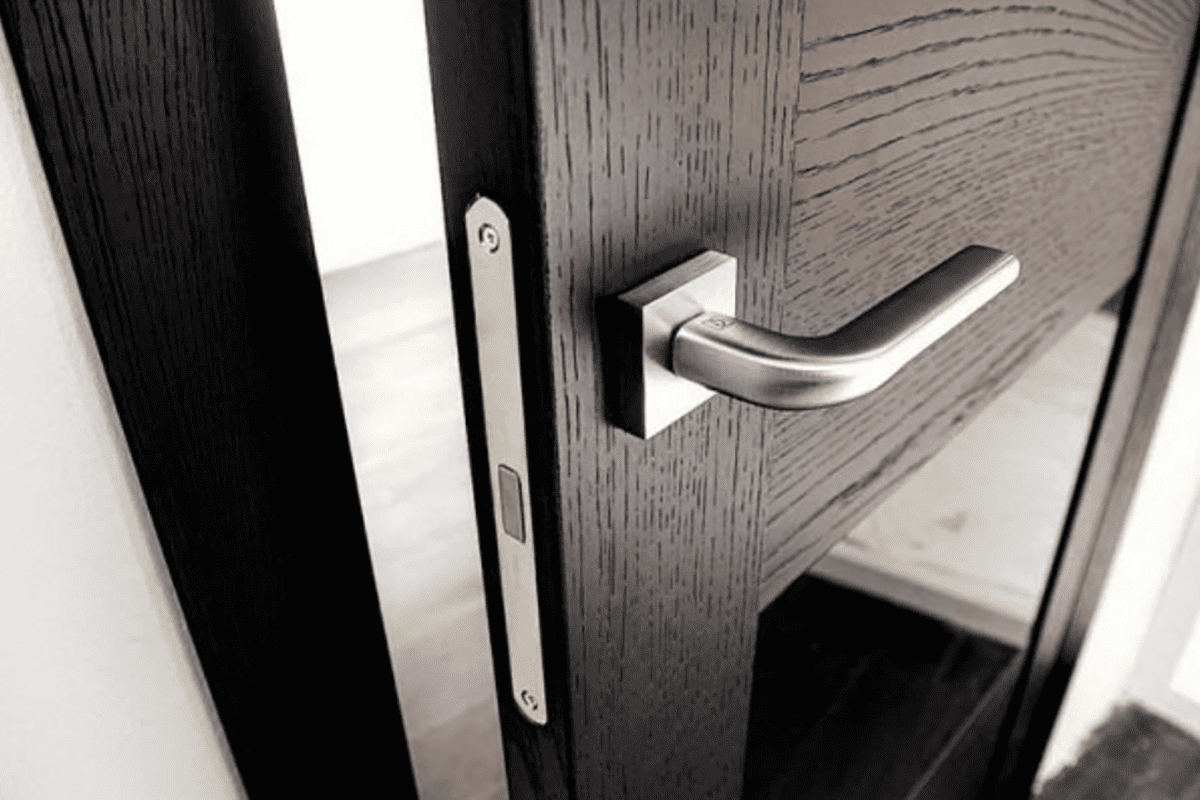
Bulk buyers should evaluate silent door lock quality through dimensional inspection, latch movement testing, cycle testing, surface checks, installation trials, packaging review, and batch sampling.9 The goal is to confirm that every delivered batch matches the approved sample in sound, fit, finish, function, and application compatibility.
The difference between sample quality and batch quality
A sample is usually made with extra care. A batch is made through a repeatable production process. Good manufacturers must control both. In our factory work, I pay close attention to the points that affect silent lock performance during repeat production.
Those points include:
- Latch head dimension
- Spring force
- Latch projection
- Lock case riveting
- Faceplate flatness
- Strike plate hole position
- Surface treatment thickness
- Screw hole alignment
- Packaging protection
- Key and cylinder matching, when included
If one of these points moves outside tolerance, the lock may still look acceptable but perform poorly after installation.
Practical inspection checklist
For bulk silent lock orders, I like to use a staged inspection process:
| Inspection stage | What I check | Why it matters |
|---|---|---|
| Raw material inspection | Stainless steel grade, nylon quality, brass or zinc components | It affects strength, wear, and finish |
| In-process inspection | Lock body assembly, spring force, latch movement | It catches defects before full assembly |
| Function testing | Smooth operation, handle return, latch engagement | It verifies daily usability |
| Installation trial | Fit with door sample and strike plate | It reduces site adjustment |
| Surface inspection | Scratches, color difference, coating thickness | It protects brand image |
| Final sampling | Random carton checks and quantity verification | It confirms batch consistency |
Cycle testing and real-use expectations
Many buyers ask how many cycles a silent lock should handle. The answer depends on the lock grade, project requirement, and standard. However, the buyer should always ask the supplier what test method is used. A simple repeated hand test is not the same as controlled cycle testing.10
In our production environment, specialized testing machines can be used to check function and durability across different stages. For procurement, I recommend asking for:
- Cycle test data for the lock body or latch mechanism
- Handle return test results, if handles are supplied together
- Latch projection measurement
- Salt spray test information11 for surface finish, when relevant
- Packing drop-test method, especially for export orders
- Final inspection report after production is completed
Installation consistency is a hidden cost
Door factories should pay special attention to installation consistency. A silent lock may be technically good but difficult to install if it demands a very narrow door gap. This matters especially for magnetic latches, which rely heavily on correct alignment.
I recommend testing the lock on real door samples before mass production. The test should include:
- Normal door gap
- Slightly larger door gap
- Slightly smaller door gap
- Different frame materials
- Painted or laminated finished doors
- Left-hand and right-hand opening, if applicable
This trial reveals problems that do not appear when the lock is tested loose in hand.
Confirm the golden sample
Before mass production, I suggest approving a golden sample. This sample should define:
- Lock body structure
- Latch type
- Surface finish
- Faceplate size
- Strike plate design
- Screw type
- Packaging
- Logo position
- Certificate model reference, if needed
The golden sample should be kept by both buyer and supplier. If a dispute appears later, both sides can compare the production batch against the approved reference. This simple practice prevents many arguments.
What Supplier Factors Reduce Procurement Risk for the Best Silent Door Lock?
Finding the best silent door lock also means finding a supplier who can control engineering details. A low price can be attractive, but weak communication, unstable production, missing inspection, or unclear certification can increase the real cost of a bulk order.
Bulk buyers should choose a silent door lock supplier by checking production capability, product range, customization support, inspection process, certificate transparency, export experience, and technical communication. A strong supplier helps match the latch type to the door application and reduces risk before mass production begins.
Why supplier evaluation matters
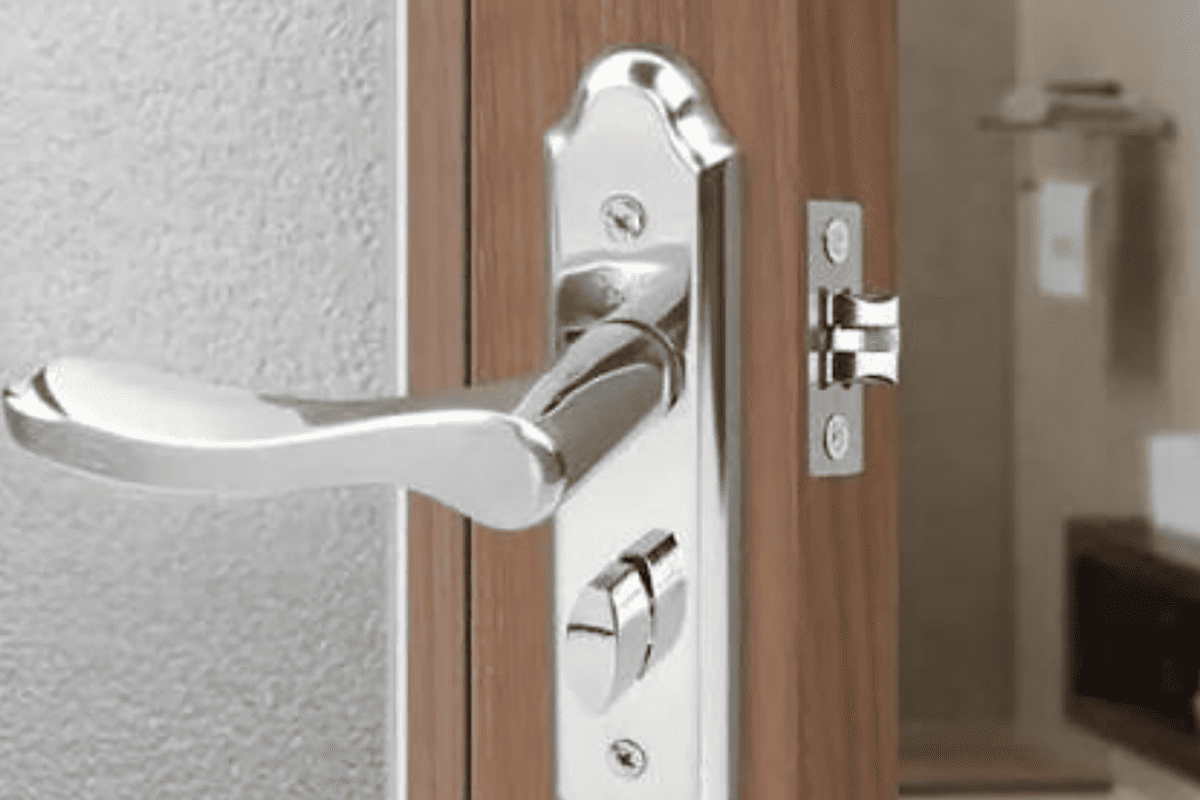
Silent locks are not only purchased. They are integrated into a door production system. That system may include CNC machining, edge banding, painting, packaging, site installation, and after-sales service. If the supplier does not understand this chain, the buyer may face avoidable problems.
I suggest checking the supplier in five areas:
- Manufacturing control
- Product engineering
- Quality inspection
- Documentation support
- Customization discipline
Manufacturing control
A factory-direct supplier can often respond faster to technical changes than a trading-only supplier. This does not mean every factory is automatically better. It means buyers should verify whether the supplier controls key processes and inspection points.
Useful questions include:
- Does the supplier operate its own production lines?
- Can the supplier explain the latch structure clearly?
- Can the supplier provide drawings after order confirmation?
- Can the supplier keep dimensions stable across repeat orders?
- Can the supplier support OEM or ODM requirements?
- Can the supplier handle matching handles, cylinders, hinges, and accessories?
At SDH Hardware, our work covers mortise locks, stainless steel lever handles, butt hinges, concealed door hinges, Euro brass cylinders, and door accessories. For many door factories, this full-category supply reduces matching problems across the complete door hardware set. Still, I recommend buyers verify samples and documents before committing to large orders.
Product engineering and customization
Customization is valuable, but it also creates risk. A buyer may request a special finish, logo, packaging, latch material, or faceplate size. Each change can affect production time, cost, function, or certification scope.
Here is how I usually separate safe customization from high-risk customization:
| Customization request | Risk level | Buyer action |
|---|---|---|
| Logo stamping or laser marking | Low to medium | Confirm position and sample |
| Custom color packaging | Low | Confirm artwork and carton strength |
| Surface finish change | Medium | Check color tolerance and corrosion test |
| Faceplate size change | Medium | Confirm door machining compatibility |
| Latch structure change | High | Recheck function and certification impact |
| Fire-rated model modification | High | Verify certificate scope before approval |
Quality inspection transparency
A serious supplier should be willing to discuss inspection. Buyers do not need every factory secret. They do need enough evidence to trust batch consistency.
I recommend asking for:
- Pre-production sample confirmation
- In-process quality control plan
- Finished product inspection report
- Function test method
- Surface inspection standard
- Packing photos or video
- Third-party inspection cooperation, if required
For large orders, buyers can also request AQL sampling inspection12. Common general inspection levels may be used, but the buyer should define critical defects clearly. For example, a silent latch that does not engage should be treated more seriously than a small carton mark.
Communication reduces after-sales problems
Good communication is not a soft issue. It affects cost. If the supplier understands the target market, door type, and installation method, the recommendation will be more accurate.
I suggest sending the supplier:
- Door drawing
- Lock cut-out drawing
- Door thickness
- Frame material
- Project location
- Required standards
- Annual quantity forecast
- Target price range
- Sample deadline
- Packaging and branding needs
Conclusion
The best silent door lock for bulk buyers is not just the quietest latch. It is the safest fit for the door type, project requirement, material behavior, security level, installation process, and batch quality expectation. I recommend comparing anti-friction, nylon, and nylon magnetic latch structures before confirming samples. If your project needs factory-direct architectural door hardware, customized specifications, or document-supported lock selection, you can contact SDH Hardware for practical product evaluation and bulk supply support.
"Potential Cost Savings as US Manufacturers Spend ...", https://www.nist.gov/news-events/news/2021/06/potential-cost-savings-us-manufacturers-spend-billions-machinery. Studies of manufacturing quality costs associate process variation and defects with increased rework, scrap, and production expense; this evidence is contextual because it addresses manufacturing systems generally rather than silent door locks specifically. Evidence role: general_support; source type: paper. Supports: Research on manufacturing quality costs should support that process variation and defects can increase rework time and cost at scale.. Scope note: The source may address manufacturing rework generally rather than door-lock production specifically. ↩
"Nylon", https://en.wikipedia.org/wiki/Nylon. Materials references report nylon/polyamide melting temperatures in the low hundreds of degrees Celsius, whereas stainless steels melt at temperatures above 1,000 degrees Celsius, supporting the relative heat-resistance comparison. Evidence role: statistic; source type: education. Supports: Materials data should support the approximate melting range of nylon/polyamide and the substantially higher melting range of stainless steel.. ↩
"Fire Doors and NFPA 80 FAQs", https://www.nfpa.org/news-blogs-and-articles/blogs/2025/04/11/fire-doors-faqs. Fire-door standards require latching hardware to be listed or otherwise included within the tested door assembly, and nylon's lower heat resistance provides contextual support for treating polymer latches cautiously in rated applications. Evidence role: expert_consensus; source type: institution. Supports: Fire-door standards should support that latching hardware for rated doors must be listed or included in the tested assembly, while material-property data explains why polymers require caution.. Scope note: The source may not state that all nylon latches are unsuitable; the stronger direct support is the requirement for listed or tested hardware in the specific assembly. ↩
"NIST.SP.800-53r5.pdf", https://nvlpubs.nist.gov/nistpubs/SpecialPublications/NIST.SP.800-53r5.pdf. Door-lock security standards evaluate mechanical engagement, latch-bolt strength, and resistance to forced entry, which provides contextual support for distinguishing mechanically latched locks from magnetic interior latches. Evidence role: general_support; source type: institution. Supports: Door-lock security standards or access-control guidance should support that mechanical engagement, latch-bolt strength, and resistance to forced entry are key security measures.. Scope note: The evidence may support the mechanical-security principle rather than directly testing the specific nylon magnetic latch described in the article. ↩
"How do I figure out my door latch and strike plate alignment", https://diy.stackexchange.com/questions/124846/how-do-i-figure-out-my-door-latch-and-strike-plate-alignment. Door-hardware installation and inspection guidance links proper latching to controlled clearances, strike alignment, and adequate latch engagement; this supports the alignment concern, although not necessarily for every magnetic-latch design. Evidence role: mechanism; source type: institution. Supports: Door-hardware installation or fire-door inspection guidance should support that clearances, strike alignment, and latch engagement affect proper closing and latching.. Scope note: The source may discuss latches generally or fire-door latching rather than silent magnetic latches specifically. ↩
"Fire Doors and NFPA 80 FAQs", https://www.nfpa.org/news-blogs-and-articles/blogs/2025/04/11/fire-doors-faqs. Fire-door standards and listing guidance treat fire doors as assemblies whose rated performance depends on tested configurations, including the installed hardware. Evidence role: mechanism; source type: institution. Supports: Fire-door standards and listing guidance should support that fire resistance is evaluated at the assembly level, including installed hardware.. ↩
"Important Tips for Specifying Fire Door Assemblies", https://steeldoor.org/tips-for-specifying-fire-door-assemblies/. Fire-door assembly guidance identifies the door leaf, frame, seals, hinges, locks, latches, and related hardware as elements whose configuration can affect rated fire performance. Evidence role: mechanism; source type: institution. Supports: A fire-door standard or certification body should support that door leaf, frame, seals, hinges, locks, latches, and other hardware are part of the rated assembly.. ↩
"Doors, Windows and Related Hardware Application Guide | UL ...", https://www.ul.com/thecodeauthority/knowledge/ul-fire-rated-doors-guide. Certification and listing systems generally limit approval to the identified model, construction, standard, and conditions of use, so a modified configuration may require separate verification. Evidence role: general_support; source type: institution. Supports: Certification guidance should support that listings and certificates are limited to specified products, configurations, standards, and conditions of use.. ↩
"A156.13 - 2022 Mortise Locks", https://buildershardware.com/ANSI-BHMA-Standards/Hardware-Highlights/A15613-2022-Mortise-Locks. Recognized door-hardware standards specify performance tests for locks and latches, including functional operation, durability cycling, dimensions, and finish-related requirements, providing a standards basis for multi-point batch evaluation. Evidence role: expert_consensus; source type: institution. Supports: Door-hardware standards should support testing of lock function, durability, dimensions, finishes, and related performance criteria.. Scope note: The cited standard may not cover every packaging or installation-trial item in the article's broader procurement checklist. ↩
"Laboratory Safety Manual", https://www.utc.edu/sites/default/files/2020-09/laboratorysafetymanual-v15-fall-2019-8-14-19.pdf. Door-lock durability standards define controlled test conditions and cycle requirements, demonstrating that standardized cycle testing is distinct from informal repeated hand operation. Evidence role: general_support; source type: institution. Supports: Lock testing standards should show that durability testing is performed under defined conditions and cycle requirements rather than informal hand operation.. ↩
"Salt spray test", https://en.wikipedia.org/wiki/Salt_spray_test. ASTM B117 and ISO 9227 describe standardized salt-spray exposure methods for evaluating corrosion behavior of metals and coatings; such tests provide comparative laboratory evidence but do not by themselves predict exact field service life. Evidence role: general_support; source type: institution. Supports: ASTM or ISO standards should support that salt spray tests are standardized laboratory corrosion exposure methods for coatings and metal finishes.. Scope note: Salt spray results are comparative laboratory data and may not directly predict real-world corrosion performance. ↩
"ISO 2859-1", https://chemistry.unt.edu/~tgolden/courses/iso2859-1.pdf. ISO 2859-1 and ANSI/ASQ Z1.4 define acceptance sampling procedures using acceptable quality limits for inspecting production lots by attributes. Evidence role: definition; source type: institution. Supports: An ISO or ANSI/ASQ source should define AQL and acceptance sampling for inspection by attributes.. ↩