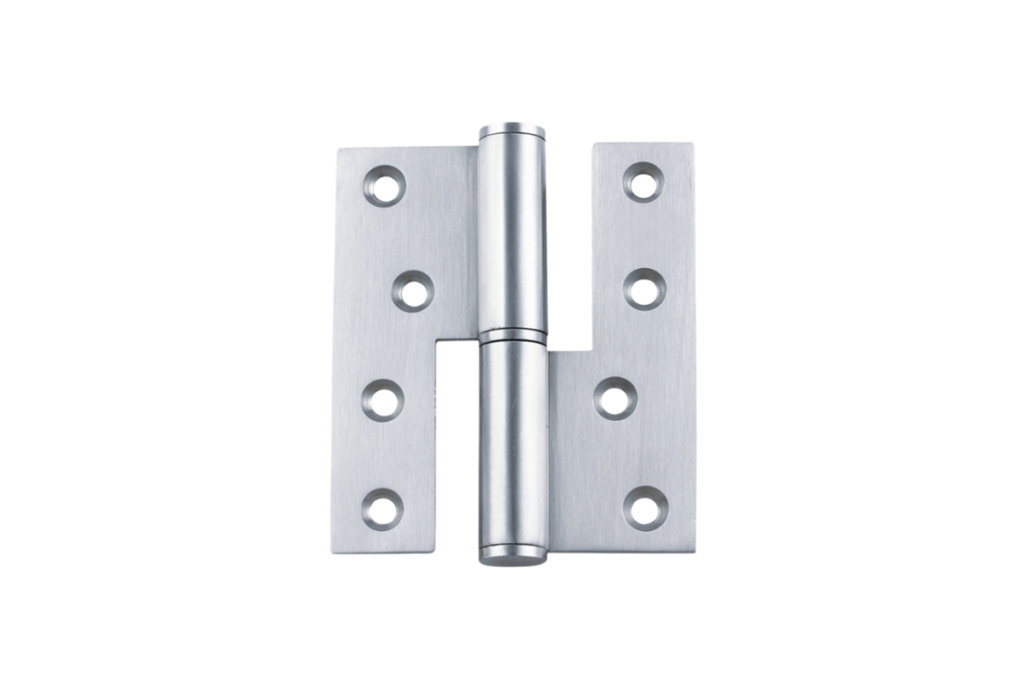
What Is a Flag Hinge? Design, Load Capacity and Applications
A flag hinge looks simple, but choosing the wrong one can create real problems for door manufacturers, importers, and project buyers. A weak hinge may sag, bind, or fail early. I usually treat it as a functional component, not a decorative detail, because the right selection depends on door type, load range, installation method, and long-term service conditions.
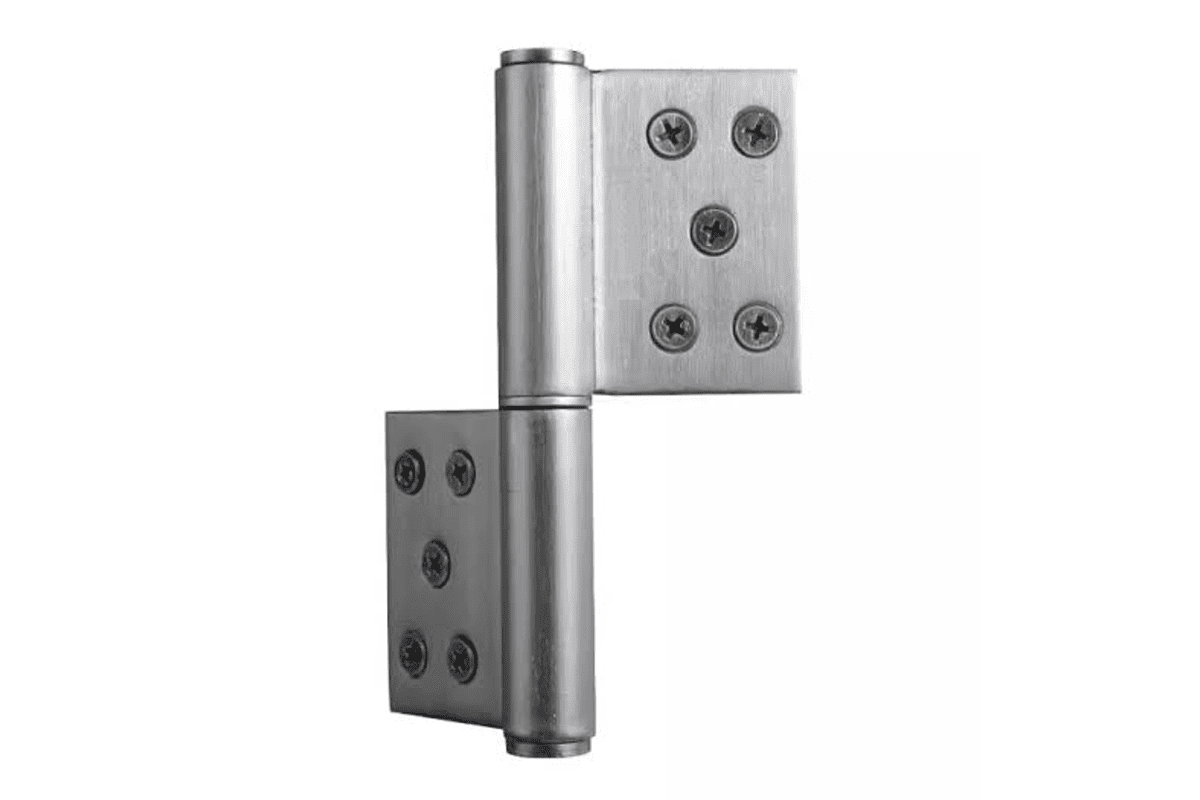
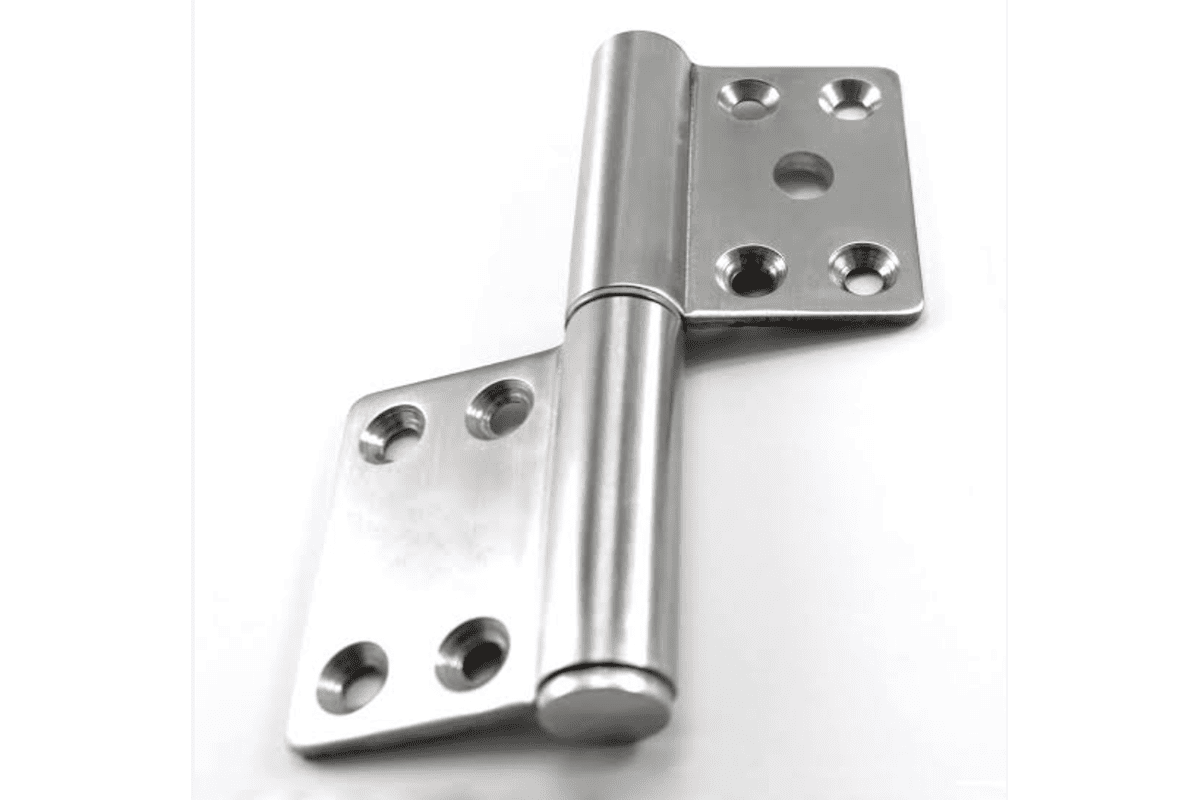
A flag hinge is a detachable door hinge with one or more leaf plates shaped like a small flag.1 It allows the door leaf to be lifted off more easily than many traditional hinge types, which helps with installation, maintenance, and replacement. Its suitability depends on hinge size, material, pin structure, fixing method, door weight, and frame strength.
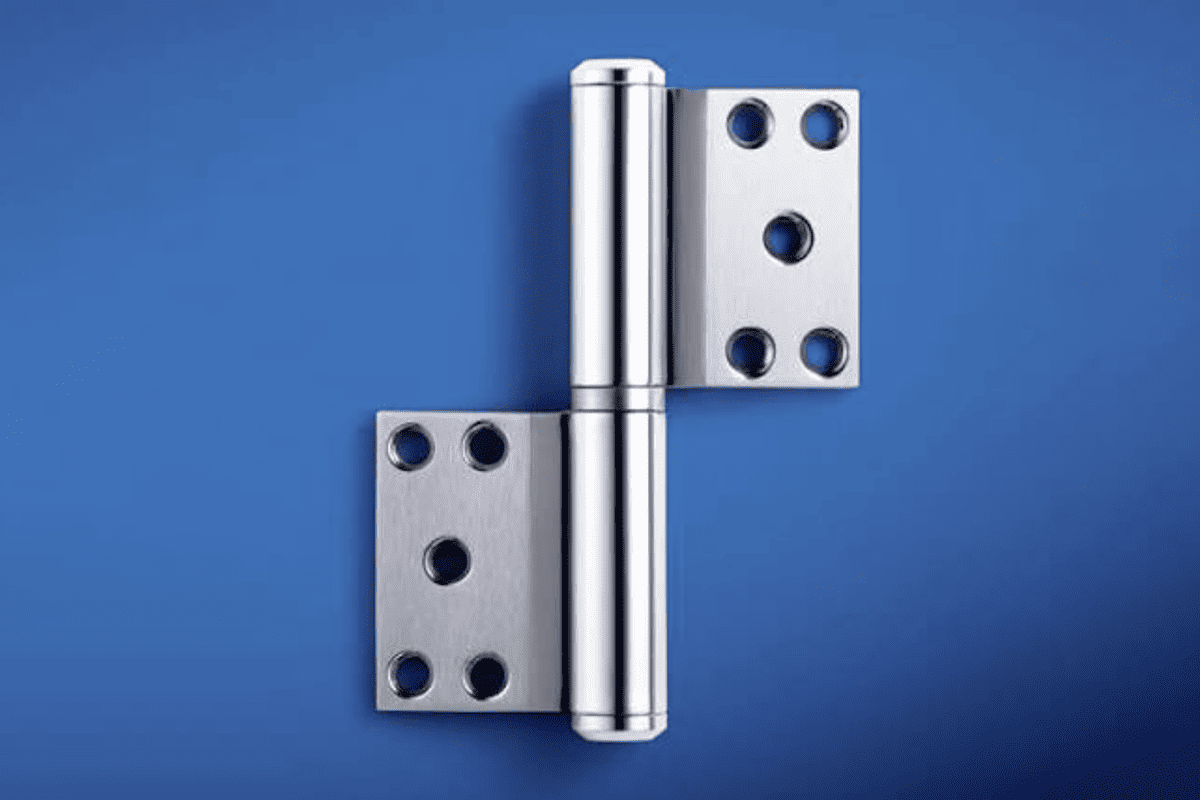
Many buyers first notice the convenient installation. However, I have learned from production and order discussions that the real decision is more detailed. A good hinge choice should balance installation speed, load capacity, door compatibility, surface finish, certification documents, and batch consistency.
What Is a Flag Hinge and How Is It Different From a Butt Hinge?
A flag hinge is often confused with a standard butt hinge, and that confusion can lead to wrong purchasing decisions. A buyer may expect easy door removal, but a standard butt hinge may not offer the same detachable behavior. I always clarify the structure first before discussing price or finish.
A flag hinge is a hinge with a detachable structure and leaf shape that resembles a flag. Unlike many butt hinges, it is commonly designed so the door leaf can be lifted away from the frame side after installation.2 This makes it useful when doors need easier mounting, adjustment, removal, or replacement.
Basic Structure
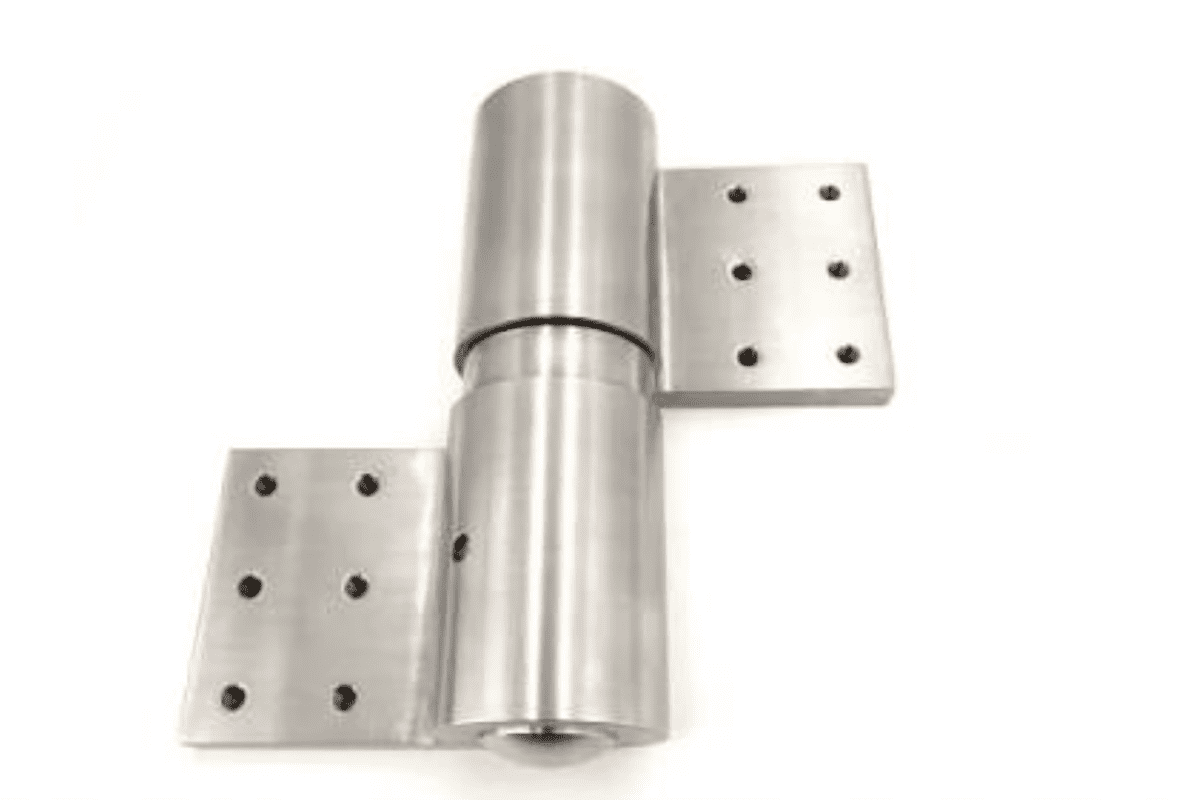
A typical flag hinge includes:
- Frame-side leaf fixed to the door frame
- Door-side leaf fixed to the door panel
- Vertical pin or knuckle structure
- Screw fixing holes
- Optional washer, bearing, or bushing design
- Surface treatment, such as zinc plating, powder coating, satin nickel, or stainless finish
The “flag” description comes from the shape of the hinge leaf. It does not mean every product with a flag-like plate performs the same. In factory sourcing, I see many variations in thickness, pin diameter, plate width, hole pattern, material grade, and finishing process.
Flag Hinge vs. Butt Hinge
A butt hinge usually has two rectangular leaves joined by interlocking knuckles and a pin.3 It is often mortised into the door and frame, although surface-mounted versions also exist.4 A flag hinge is usually more focused on lift-off convenience and simplified alignment.
| Feature | Flag Hinge | Standard Butt Hinge |
|---|---|---|
| Main value | Detachable door leaf and easier installation | General-purpose door swinging |
| Common mounting style | Surface-mounted or semi-surface-mounted | Mortised or surface-mounted |
| Door removal | Often easier by lifting the door leaf | Usually requires pin removal or unscrewing |
| Preparation work | May reduce mortising or opening work | Often needs more precise recess preparation |
| Selection risk | Load and fixing strength must be confirmed | Mortise accuracy and pin strength must be confirmed |
Why Buyers Use It
I see door factories and hardware importers consider this hinge when they want faster assembly, easier replacement, or a specific door opening behavior. It can reduce complex preparation work in some door systems, especially where the design avoids deep mortising.
However, I avoid saying “no drilling” unless the specific model truly requires no drilled fixing holes. Most models still need screws or prepared fixing points. A more accurate statement is this:
A flag hinge may reduce mortising or opening work, but it normally still requires proper screw fixing, alignment, and frame preparation.
That difference matters. If a buyer markets the product as “no drilling” and the installer still needs screw holes, the claim creates disputes. In B2B supply, precise wording protects both the supplier and the buyer.
How Does a Flag Hinge Design Affect Installation and Door Removal?
A flag hinge can make installation easier, but only when the design matches the door system. Poor alignment, thin plates, weak screws, or an unsuitable frame can remove the benefit quickly. I usually check the installation method before I check the surface finish.
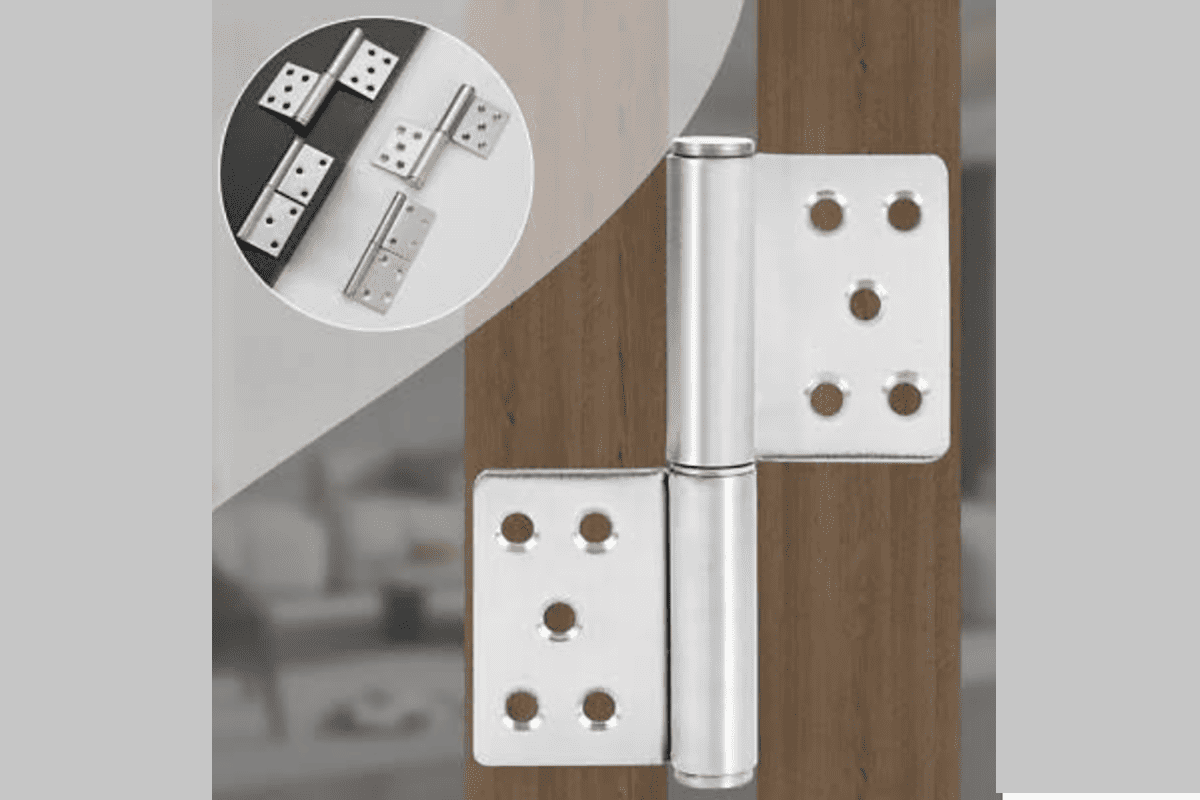
The design affects installation through its lift-off structure, leaf geometry, fixing hole layout, and pin direction. A well-matched flag hinge lets installers mount the frame side and door side separately, then place the door onto the hinge pin. This can reduce handling difficulty and simplify future door removal.
Why Installation Feels Faster
In many projects, the heaviest part of hinge installation is not the hinge itself. It is the door handling, alignment, drilling, recess cutting, and correction work. A detachable hinge can help because the installer can work in stages.
A common installation flow looks like this:
- Mark the hinge position on the frame and door leaf.
- Fix the frame-side leaf with suitable screws or fasteners.
- Fix the door-side leaf according to the drawing.
- Lift the door leaf onto the pin or hinge axis.
- Check clearance, swing, and alignment.
- Adjust fixing points if needed.
This process may reduce complex preparation compared with some mortised hinge systems. Still, it does not remove the need for accurate measurement. If the hinge positions are not aligned vertically, the door may bind or create uneven load on one hinge.5
Design Points I Check First
When I review a hinge sample, I pay close attention to these details:
- Plate thickness: Thicker plates usually improve rigidity, but the full design still matters.
- Pin diameter: A stronger pin may support heavier doors, depending on material and fit.
- Knuckle fit: Loose fit may cause shaking; overly tight fit may affect smooth movement.
- Hole pattern: The hole location should distribute load into the frame properly.
- Screw compatibility: The screw type must suit steel, wood, aluminum, or composite frames.
- Lift-off direction: Left-hand and right-hand installation may differ by model.
- Clearance design: The hinge must allow the required door gap and swing angle.
Surface-Mounted Does Not Mean Low Standard
Some buyers assume a surface-mounted hinge is less professional than a mortised butt hinge. I do not think that is always true. The correct design depends on the door construction and market standard.
For example, a steel door producer may value repeatable positioning on a production line. A door replacement project may value fast door removal. A wholesaler may need a hinge that fits common regional door types without complex machining. In those cases, the design can be very practical.
Where Installation Risk Appears
Installation risk usually comes from mismatch. The hinge may be acceptable, but the door system may not be.
Common problems include:
- Frame material is too weak for the screw load.
- Door weight exceeds the hinge set capacity.
- Only two hinges are used on a tall or heavy door.
- Screw holes are too close to the edge.
- The installer does not keep the hinge axis vertical.
- Surface finish is damaged during installation.
At SDH Hardware, I prefer to discuss drawings, samples, door weight, and frame material before confirming a hinge for bulk supply. That habit helps reduce later complaints. For custom orders, the small details of hole pattern and plate thickness can make a major difference in real installation.
What Load Capacity Can a Flag Hinge Support?
A flag hinge does not have one universal load capacity. I sometimes see buyers ask whether it can hold 40–60 kg, but that range is only meaningful when connected to a specific hinge size, material, number of hinges, door height, fixing method, and installation condition.
The load capacity depends on hinge dimensions, steel or stainless material grade, pin design, bearing structure, number of hinges per door, screw strength, frame rigidity, and installation accuracy. A 40–60 kg range may be a useful reference for some products, but buyers should confirm tested or declared data for the exact model.6
Why One Number Is Not Enough
A hinge may look strong on a product page, but load performance is a system result. The hinge, door, frame, screws, and installer all work together. If one part is weak, the whole system becomes weak.
For example, two hinges on a short light door behave differently from three hinges on a tall steel-wood door. A thicker plate also does not guarantee better performance if the pin is weak or the screw fixing is poor.
Main Load Capacity Factors
| Factor | Why It Matters | Buyer Checkpoint |
|---|---|---|
| Hinge size | Larger leaves may distribute load better | Confirm length, width, and thickness |
| Material | Steel, stainless steel, or alloy affects strength and corrosion resistance | Request material specification |
| Pin diameter | The pin carries shear and movement stress | Check diameter and fit |
| Number of hinges | More hinges may distribute door weight | Confirm 2, 3, or 4 hinges per door |
| Door height | Tall doors create higher leverage | Match hinge spacing to door size |
| Frame strength | Weak frames fail before hinges do | Check steel gauge or wood density |
| Screw fixing | Screws transfer load into the structure | Confirm screw type and length |
| Installation accuracy | Misalignment creates uneven loading | Require installation instructions |
About the 40–60 kg Reference Range
Some flag hinge products may be used in door systems around 40–60 kg, but I would not present that as a universal capacity. It should be treated as a reference range only after confirming:
- Exact hinge model and dimensions
- Material and surface treatment
- Pin structure and knuckle design
- Quantity of hinges per door
- Door size and weight distribution
- Frame material and fixing method
- Test standard or internal inspection method
If a buyer asks me whether one model can support a specific door, I prefer to ask for the door drawing first. A 50 kg compact door may be easier to support than a 50 kg tall door because the leverage is different.7 The hinge load is not only vertical weight. It also includes movement stress, opening force, impact, and long-term sag risk.
Static Load vs. Real Use
A hinge may pass a simple static weight check but still fail in daily use.8 Doors are opened, slammed, pushed, pulled, and sometimes misused. Exterior doors may face wind load. Toilet doors may face moisture and frequent use. Security doors may be heavy and subject to stricter performance expectations.
For this reason, I separate load questions into three levels:
- Static load: Can the hinge physically hold the door weight?
- Cycle performance: Can the hinge keep working after repeated opening and closing?
- Application risk: Can the hinge perform safely in the actual environment?
For project buyers, I recommend confirming test reports, inspection records, or sample testing before placing large orders. Certifications and test documents should be verified against the exact product model and intended market requirements. For safety-critical or fire-rated applications, a qualified professional evaluation is important.
Where Is a Flag Hinge Commonly Used?
A flag hinge can be used on several door types, but it should not be treated as a universal solution. I often see it considered for security doors, steel-wood doors, exterior doors, toilet doors, and utility doors. The correct use depends on weight, exposure, frequency, frame design, and safety requirements.
It is commonly selected where easy installation, removable door leaves, and practical maintenance matter. It may suit certain steel doors, steel-wood doors, exterior service doors, toilet doors, and light-to-medium duty architectural doors, provided the hinge specification matches the door structure and performance expectations.
Application 1: Steel Doors
Steel door producers may use flag-style designs because they can work well with production-line assembly. The frame and door panel can be prepared with repeatable hole positions, which helps batch manufacturing.
However, not every steel door is suitable. A heavy steel security door may need a stronger hinge system, additional hinges, welded reinforcement plates, or tested hardware sets. I would check the total door weight, reinforcement location, and market requirements before recommending a model.
Application 2: Steel-Wood Doors
Steel-wood doors can vary widely. Some use a steel frame with wood core. Others use mixed construction with decorative panels. These doors may be medium weight, but their fixing strength depends on the internal structure.
For these doors, I check:
- Whether screws bite into steel, wood, or reinforcement
- Whether the hinge screws are long enough
- Whether the door leaf edge can resist pull-out
- Whether the hinge finish matches the door design
- Whether the door will be removed often during installation or maintenance
A detachable hinge can be useful when the door leaf needs to be installed after frame positioning. It also helps if the door needs to be removed for site adjustment.
Application 3: Exterior Doors
Exterior doors create more risk because they face weather, temperature changes, and sometimes wind pressure.9 A flag hinge for this use should have suitable corrosion resistance and stable mechanical performance.
Possible finish choices include:
- Zinc plating for general indoor or protected use
- Powder coating for color matching and added protection
- Stainless steel for better corrosion resistance in demanding environments
- Electrophoretic coating or special coating where the market requires it
I would avoid choosing only by appearance. Exterior applications need more attention to salt spray expectations, coating thickness, and maintenance conditions.10
Application 4: Toilet Doors and Utility Doors
Toilet doors, service doors, and utility doors often need practical, cost-effective hardware. A flag hinge may make sense when the door is light or medium duty and easy removal is useful.
Still, toilet doors may face high humidity. The buyer should consider corrosion resistance, screw quality, and whether the hinge can keep smooth operation after repeated use. In commercial buildings, the cycle frequency can be much higher than in residential settings.
When Another Hinge Type May Be Safer
A flag hinge is not always the best choice. I would consider another hinge type when the door has special requirements.
Examples include:
- Very heavy entrance doors
- Certified fire door assemblies
- High-security doors with strict anti-lift requirements
- Concealed-design premium doors
- Doors requiring specific EN, CE, or fire-rated hardware systems
- High-traffic public doors with strong cycle requirements
For these cases, butt hinges, ball bearing hinges, concealed hinges, or specialized fire-rated hinges may be better. The final choice should be based on application testing, local regulations, and professional review.
How Should B2B Buyers Evaluate a Flag Hinge Supplier?
A flag hinge purchase is not only about unit price. A low-cost hinge can become expensive if the batch has poor consistency, weak plating, inaccurate hole positions, or unclear load data. I always advise buyers to evaluate the supplier’s production control as carefully as the product sample.
B2B buyers should evaluate a supplier by checking product drawings, material specifications, load references, surface treatment quality, inspection process, certification documents, customization ability, packaging control, and batch consistency. A good supplier should help match the hinge to the door system, not just offer a catalog item.

What I Check Before Bulk Orders
When I review a hinge supplier or prepare our own production confirmation, I focus on measurable details. The goal is to reduce risk before mass production.
Important checkpoints include:
Technical drawing
- Overall size
- Plate thickness
- Hole diameter
- Hole position
- Pin size
- Opening direction
Material confirmation
- Steel grade or stainless grade
- Pin material
- Washer or bushing material
- Screw material if supplied
Surface finish
- Color consistency
- Coating adhesion
- Corrosion resistance expectation
- Scratch control during packing
Performance reference
- Load range for the exact model
- Recommended number of hinges
- Door size range
- Cycle testing if available
Packaging
- Individual protection
- Carton strength
- Label accuracy
- Custom branding requirements
Supplier Comparison Table
| Evaluation Area | Low-Risk Supplier Behavior | Higher-Risk Warning Sign |
|---|---|---|
| Drawings | Provides detailed drawings before order | Only sends photos |
| Load data | Explains model-specific conditions | Claims one capacity for all models |
| Quality control | Uses incoming, in-process, and final inspection | Relies only on final visual check |
| Customization | Confirms tooling, samples, and tolerances | Promises any change without review |
| Certification | Provides documents for verification | Uses vague certification claims |
| Packaging | Supports buyer labels and protection | Uses generic weak cartons |
Why Factory Control Matters
At SDH Hardware, our work in architectural door hardware includes hinges, locks, handles, cylinders, and accessories. That gives me a broad view of how one component affects the full door set. A hinge that looks acceptable alone may not work well with the lock position, door gap, frame reinforcement, or target market standard.
For OEM and ODM customers, I usually want the buyer to share:
- Door type and size
- Door weight range
- Frame material
- Target market
- Finish requirement
- Packaging requirement
- Expected certification or compliance documents
- Annual or batch quantity
- Sample approval process
This information helps the factory recommend a more realistic hinge structure. It also helps avoid overengineering. Not every door needs the thickest hinge. Not every market needs the same finish. A good procurement decision balances cost, function, compliance, and user expectations.
Certification and Testing Documents
Many architectural hardware products may involve CE documents, fire-rated documents, or other market-specific reports. Buyers should verify whether the document applies to the exact product model, size, and use case.
I avoid treating certification as a marketing slogan. It is a document that should be checked. For fire-rated doors or regulated projects, the hinge should be considered as part of the complete door assembly11, and buyers should consult qualified professionals or local authorities when needed.
Frequently Asked Questions
Is a flag hinge the same as a lift-off hinge?
A flag hinge is often a type of lift-off hinge, but the terms are not always identical. The key feature is the detachable structure that allows the door leaf to be lifted away. Buyers should confirm the hinge direction, pin design, and installation method before ordering.
Can a flag hinge carry a 60 kg door?
Some flag hinge models may support doors around 60 kg under specific conditions, but this is not universal. The real capacity depends on hinge size, material, number of hinges, door height, frame strength, screws, and installation accuracy. Buyers should confirm data for the exact model.
Does a flag hinge require drilling?
Most flag hinges still require screws or prepared fixing holes. Some designs may reduce mortising or complex opening work, but “no drilling” should not be claimed unless the specific installation system truly allows it. I recommend checking the installation drawing before purchase.
Is a flag hinge suitable for exterior doors?
A flag hinge can be suitable for some exterior doors if the load capacity, corrosion resistance, fixing strength, and door design are appropriate. Buyers should check surface treatment, material, weather exposure, and local project requirements before using it outside.
How many flag hinges should be used on one door?
Many doors use two or three hinges, but the correct number depends on door height, weight, width, usage frequency, and frame strength. Heavy or tall doors may need more hinges or a different hinge type. The supplier should confirm recommendations based on the door specification.
Conclusion
A flag hinge is best understood as a detachable, installation-friendly hinge rather than just a hinge with a flag-like shape. Its real value depends on structure, load range, fixing strength, door compatibility, and supplier quality control. I recommend buyers confirm drawings, material, finish, load conditions, and test documents before bulk orders. If you need factory-direct support for door hinge selection, OEM customization, or complete architectural hardware sourcing, SDH Hardware can help you evaluate the right solution for your market.
"Hinge", https://en.wikipedia.org/wiki/Hinge. A technical reference on hinge types defines lift-off or flag-style hinges as detachable hinges in which one leaf can be separated from the other, supporting the article’s functional definition of a flag hinge. Evidence role: definition; source type: encyclopedia. Supports: A neutral reference should define flag or lift-off hinges as detachable hinge designs and describe the flag-like leaf form where applicable.. Scope note: The source may discuss lift-off hinges generally rather than using the exact commercial term “flag hinge.” ↩
"Specialty Lift-Off Hinges", https://www.hardwaresource.com/collections/specialty-lift-off-hinges. Institutional guidance on lift-off hinges describes their separable pin-and-leaf arrangement, supporting the claim that such hinges permit the door leaf to be lifted away after installation. Evidence role: mechanism; source type: institution. Supports: A technical hardware source should explain that lift-off hinges allow a door leaf to be removed by lifting it off the hinge pin or mating leaf.. Scope note: This would support the mechanism for lift-off hinges generally; individual flag hinge models may vary by hand, pin direction, and security design. ↩
"Hinge", https://en.wikipedia.org/wiki/Hinge. A reference entry on butt hinges describes the common construction as two leaves joined by interlocking knuckles around a pin, supporting the article’s structural comparison. Evidence role: definition; source type: encyclopedia. Supports: A general reference should describe the conventional butt hinge structure with two leaves, knuckles, and a pin.. ↩
"How to Install a Butt Hinge Mortise",
Educational guidance on door hinge installation describes butt hinges as commonly mortised into the door edge and jamb, while recognizing that some hinge designs are surface mounted. Evidence role: general_support; source type: education. Supports: An educational or technical source should describe mortised butt hinge installation and note that some hinges can be surface mounted.. Scope note: The source would support common installation practice rather than proving the prevalence of mortised butt hinges in every market. ↩"Common Door Hinge Issues and How to Fix Them", https://www.hardwaresource.com/a/blog/post/common-door-hinge-issues-and-how-to-fix-them. Technical door-installation guidance explains that hinge axes must be aligned to prevent binding and abnormal loading, supporting the article’s warning about vertical hinge misalignment. Evidence role: mechanism; source type: education. Supports: A technical installation source should explain that hinges must share a common axis and that misalignment can increase friction, binding, or uneven hinge loading.. ↩
"Understanding BS EN 1935:2002 single-axis hinge grades", https://uk.sfs.com/resources/article/understanding-bs-en-1935. Hinge performance standards classify hinges by tested criteria such as door mass, durability cycles, and application conditions, supporting the article’s caution that load capacity should be verified for the exact hinge model. Evidence role: expert_consensus; source type: institution. Supports: A hinge standard or certification source should show that hinge performance is classified or tested by specific hinge type, grade, mass, and durability conditions.. Scope note: The source would not validate the article’s 40–60 kg example unless it includes that specific mass range; it would mainly support the need for model-specific testing. ↩
"28.18 -- Open door to demonstration preparation area", https://web.physics.ucsb.edu/~lecturedemonstrations/Composer/Pages/28.18.html. Engineering mechanics texts define moment as the product of force and perpendicular distance from the pivot, providing the mechanical basis for why doors of equal weight can impose different hinge stresses depending on their geometry. Evidence role: mechanism; source type: education. Supports: An engineering source should explain that moment or torque depends on force and distance from the pivot, making geometry relevant even when weight is the same.. Scope note: This is contextual physics support; it does not calculate the exact hinge load for any specific door design. ↩
"Understanding BS EN 1935:2002 single-axis hinge grades", https://uk.sfs.com/resources/article/understanding-bs-en-1935. Door-hinge standards include durability or cycle testing in addition to load-related criteria, supporting the article’s distinction between static weight checks and service-life performance. Evidence role: expert_consensus; source type: institution. Supports: A standards source should show that hinge performance is evaluated not only by load but also by durability cycles and operating conditions.. ↩
"A Compilation of Wind Resistant Provisions", https://www.fema.gov/sites/default/files/2020-07/2018-ibc-compliation-wind-resistant-provisions.pdf. Government building guidance treats exterior doors as part of the building envelope subject to environmental exposure and wind effects, supporting the article’s claim that exterior door hardware faces additional service risks. Evidence role: general_support; source type: government. Supports: A building-code or building-science source should describe exterior doors as envelope components exposed to weather and wind loads.. Scope note: The source may address exterior door assemblies generally rather than flag hinges specifically. ↩
"Salt spray test", https://en.wikipedia.org/wiki/Salt_spray_test. Corrosion-test standards such as neutral salt spray methods are used to evaluate the corrosion behavior of coated metals, supporting the article’s emphasis on salt-spray expectations and coating quality for exterior applications. Evidence role: general_support; source type: institution. Supports: A corrosion or coating standard should show that salt spray testing and coating characteristics are used to evaluate corrosion resistance of coated metal products.. Scope note: Salt spray results are comparative laboratory indicators and do not directly predict service life in every outdoor environment. ↩
"Decoded: NFPA 80 Requirements for Hinges, Pivots, and ...", https://idighardware.com/2016/07/decoded-nfpa-80-requirements-for-hinges/. Fire-door standards treat the door, frame, and hardware as a rated assembly, supporting the article’s statement that hinges for fire-rated or regulated projects must be evaluated within the complete assembly. Evidence role: expert_consensus; source type: institution. Supports: A fire-door standard or testing body should state that fire doors are assemblies and that hardware must be suitable or listed for the rated assembly.. ↩