
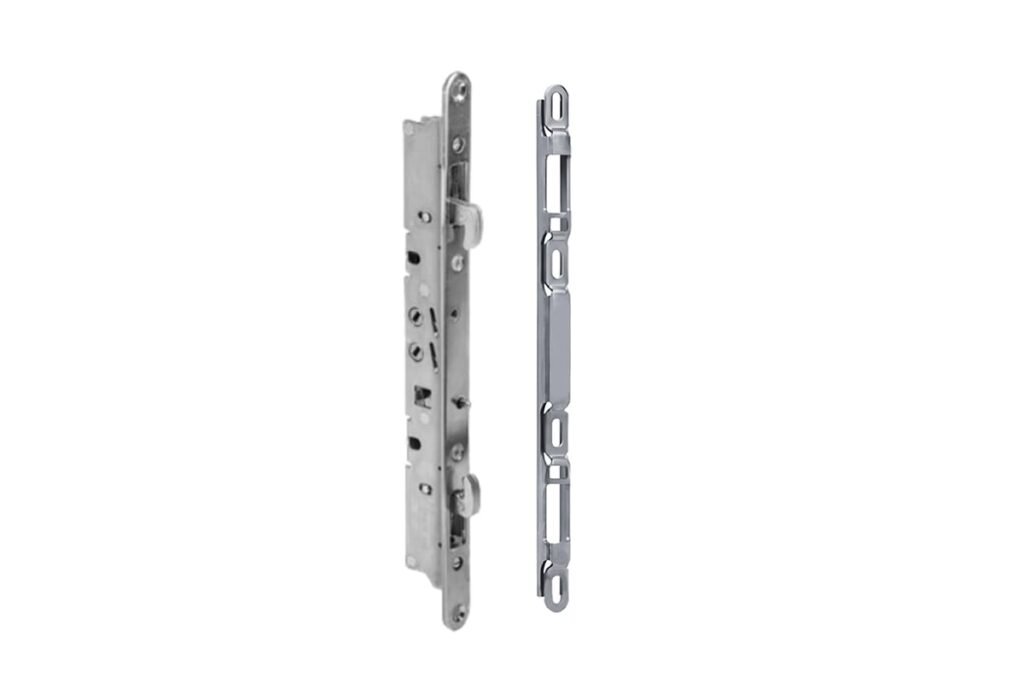
CE Passage Latch vs Deadbolt Mortise Lock: Which Function Fits the Door?
CE passage latch vs deadbolt mortise lock is a common comparison I hear from door factory procurement teams. The problem is that both may look similar in size, finish, or certificate wording. That creates confusion. The better approach is simple: match the lock body to the door’s real use, not only to price or appearance.
A CE passage latch lock is used when a door needs easy passage and only needs the latch to hold the door closed. A deadbolt mortise lock is used when the door needs cylinder-operated controlled access. The correct choice depends on door function, handle configuration, certificate scope, and project requirements.
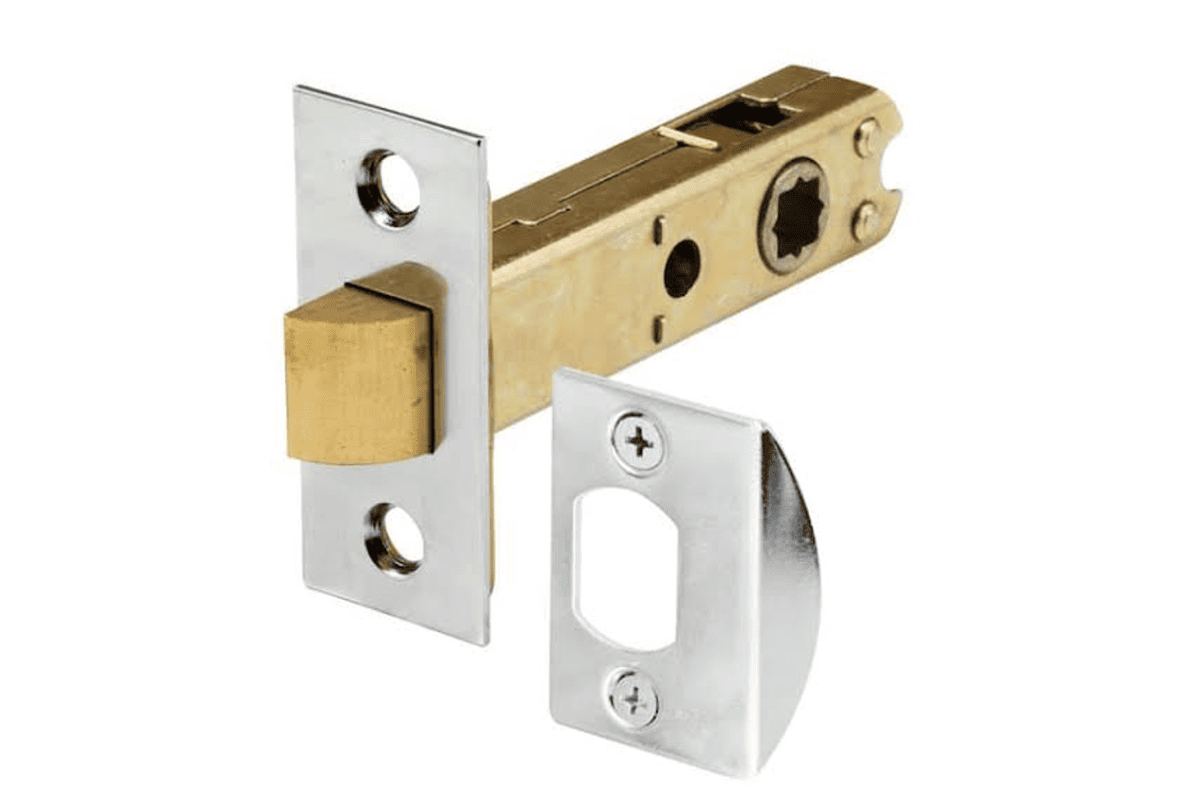
In my factory-side work, I often see buyers compare drawings first. That is useful, but it is not enough. A passage latch and a deadbolt lock solve different door problems. Once we define the door use, the lock selection becomes much clearer.
What Is the Practical Difference in CE Passage Latch vs Deadbolt Mortise Lock?
When a buyer only checks lock size, faceplate length, or CE status, the wrong lock can be selected. That creates rework during door assembly. It can also delay project approval. I always start with one question: does this door need daily passage or controlled locking?
A CE passage latch vs deadbolt mortise lock comparison is mainly a comparison of function. A passage latch lock has a latch bolt for holding the door closed and works with lever handles.1 A deadbolt mortise lock has a deadbolt operated by a cylinder and is used for controlled access doors.2
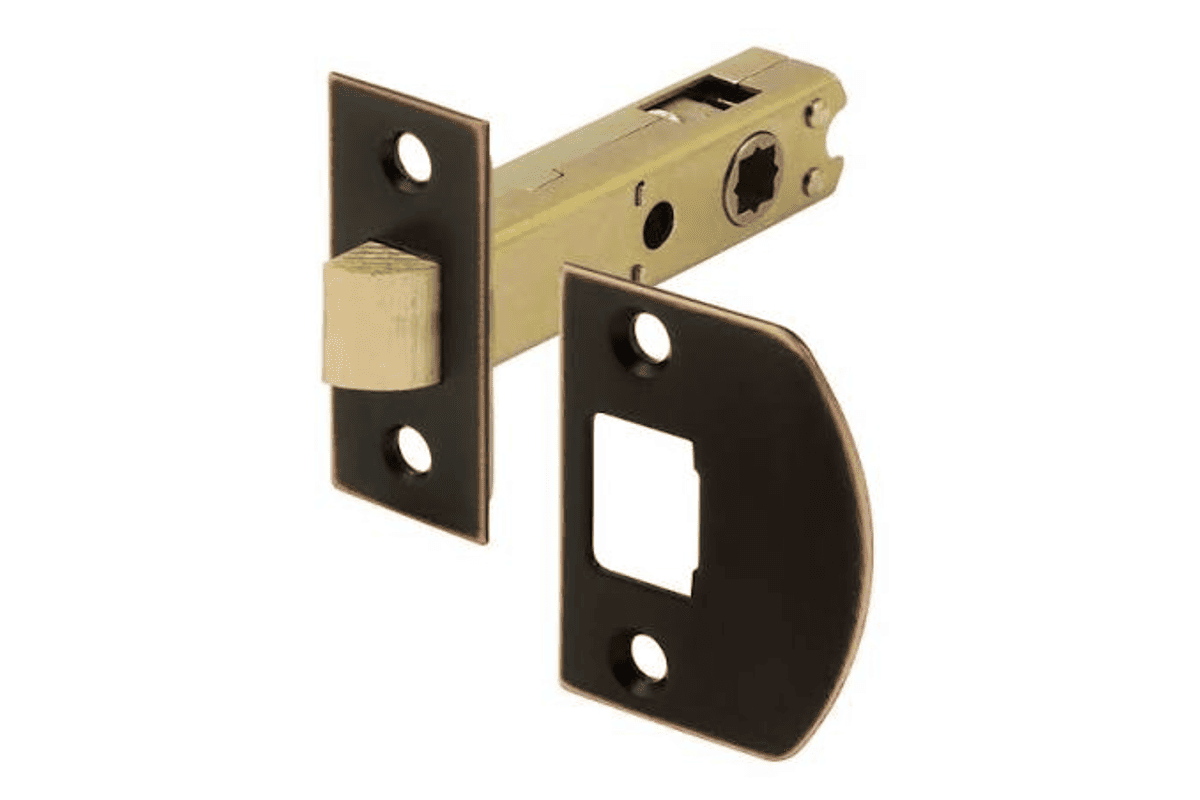
Latch Bolt vs Deadbolt
A passage latch lock and a deadbolt mortise lock may both fit inside a mortise pocket. However, their internal working purpose is different.
| Item | Passage Latch Lock | Deadbolt Mortise Lock |
|---|---|---|
| Main bolt type | Latch bolt only | Deadbolt only |
| Locking function | No locking function | Cylinder-operated locking |
| Typical operation | Lever handle retracts latch | Key or cylinder thumb turn operates deadbolt |
| Typical door type | Corridor doors, passage doors, high-frequency access doors | Pipe shaft doors, maintenance doors, low-frequency access doors |
| Common handle match | Stainless steel lever handles | Fixed pull handle, sometimes no lever handle |
| Main purpose | Keep door closed against movement or wind | Control access to restricted areas |
A passage latch lock is not a security lock. It does not lock the door. Its latch bolt keeps the door closed when the door is pushed shut. A lever handle retracts the latch and allows easy passage. This is useful where people need to move through the door frequently.
A deadbolt mortise lock is different. It does not provide daily lever-handle passage in the same way. The deadbolt extends and retracts through the cylinder operation. This makes it more suitable for doors that stay closed most of the time and only need to be opened by authorized staff.
Why “CE” Does Not Decide the Door Function
CE documentation is important in procurement. I always encourage buyers to verify the certificate, test report, product model, and exact configuration. However, CE status does not change the basic function of the lock body.3
For example:
- A CE passage latch lock can still be only a latch function.
- A CE deadbolt mortise lock can still be only a deadbolt function.
- A certificate may apply to a specific model, material, size, or configuration.4
- Fire-rated suitability must be checked according to the tested assembly and project requirement.5
In my experience, buyers sometimes ask, “Which one is better?” My answer is usually, “Better for which door?” A corridor door may perform poorly with a deadbolt-only lock because users expect quick passage. A pipe shaft door may not need a lever-operated latch because staff only open it occasionally for service.
The correct selection is not about choosing the stronger-sounding name. It is about matching the lock body to the door’s access pattern.
When Should a CE Passage Latch vs Deadbolt Mortise Lock Use Passage Function?
A door that opens many times each day needs simple operation. If the lock requires key operation every time, users may complain and maintenance teams may modify the hardware later. That creates avoidable cost. This is where passage function becomes the practical choice.
A passage latch lock should be used when the door only needs to stay closed and allow easy movement. It suits corridor doors, passage doors, and similar high-frequency access doors. The latch bolt holds the door against wind or movement, while lever handles allow quick opening from both sides.6
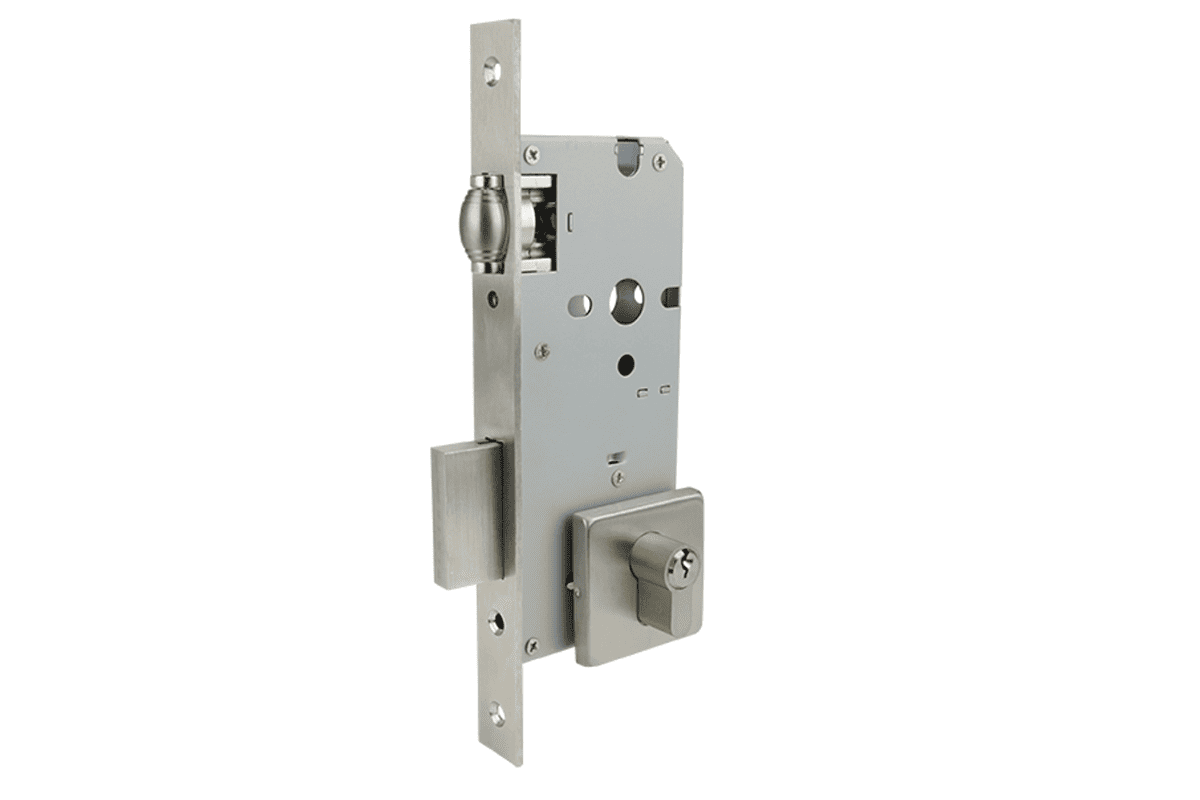
Typical Door Applications for Passage Latch Locks
A passage latch lock fits doors where access control is not the main purpose. The door needs to close reliably, but it should not restrict daily movement.
Common B2B project uses include:
- Corridor doors in commercial buildings
- Internal passage doors in public or semi-public areas
- Connecting doors between low-risk functional zones
- High-frequency access doors in offices, schools, hotels, or facilities
- Non-private technical area doors where locking is not required by design
The main job is simple. The latch catches into the strike plate when the door closes. The lever handle retracts the latch when a user presses down. That is why the correct handle match matters.
Hardware Configuration for Passage Use
For a passage latch lock, the usual configuration is:
- Latch-only mortise lock body
- Stainless steel lever handles
- Spindle and fixing accessories
- Strike plate matched to the door frame
- Optional fire-rated configuration if required and certified
At SDH Hardware, I often review customer drawings where the lock case size is correct, but the handle plan is incomplete. For passage doors, I normally remind the buyer to confirm:
- Door thickness
- Backset
- Center distance, if applicable
- Faceplate length and width
- Forend shape and corner radius
- Strike plate type
- Lever handle material and fixing method
- Finish, such as SS304 satin, polished, PVD, or other project finish
Passage Function Is Not a Locking Function
This point is important. A passage latch lock does not provide locking. It only provides holding. It prevents the door leaf from swinging due to air pressure, wind, or small movement. It does not restrict authorized or unauthorized entry.
That difference matters during project specification. If a buyer chooses a passage latch for a door that should be restricted, the door will not meet the intended access function.7 If a buyer chooses a deadbolt for a busy corridor, the door may become inconvenient for daily use.
A simple selection rule works well:
| Door Requirement | Recommended Function |
|---|---|
| Door must allow free movement | Passage latch |
| Door only needs to stay closed | Passage latch |
| Door must restrict entry | Deadbolt mortise lock or another locking function |
| Door is opened many times per day | Passage latch |
| Door is normally closed and opened only by staff | Deadbolt mortise lock |
When procurement teams use this function-first method, supplier communication becomes easier. They can send a clearer inquiry, and the factory can offer a more accurate product drawing, quotation, and sample plan.
How Should Buyers Evaluate Fire-Rated Passage Latch Locks?
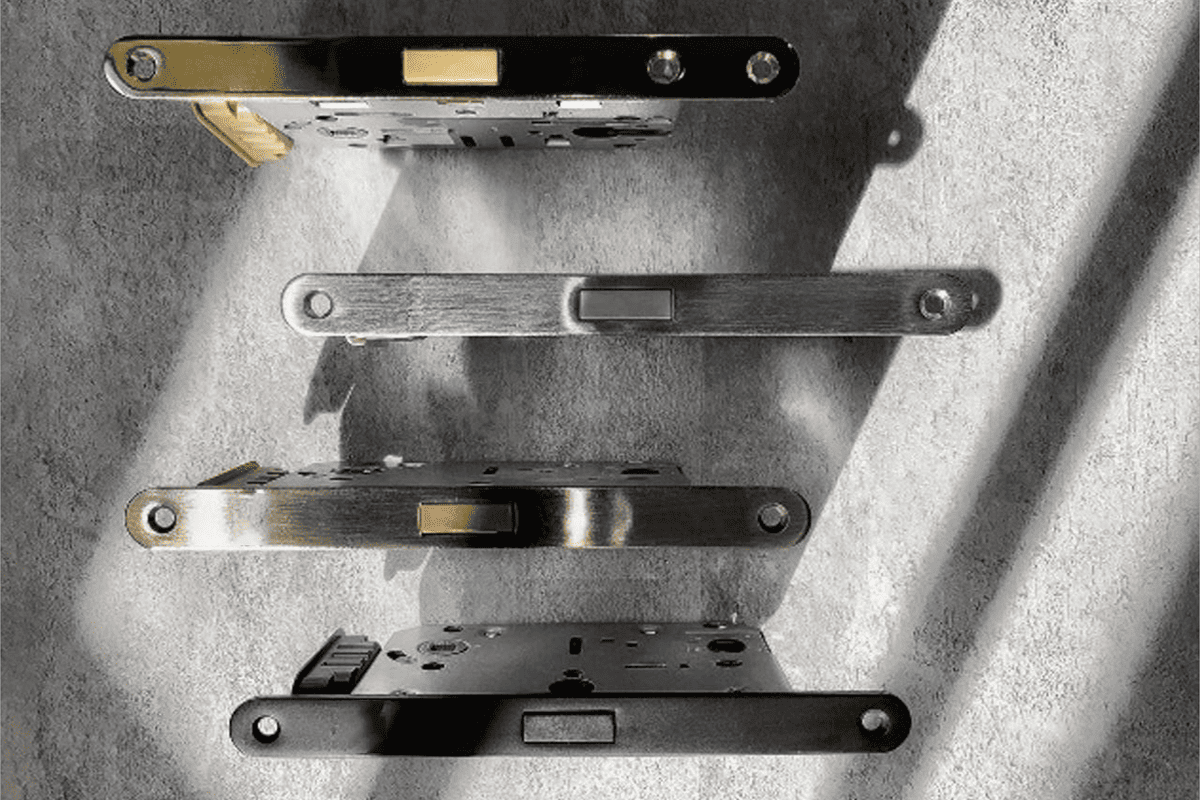
Fire-rated doors create a special risk in hardware selection. A normal passage latch may look suitable, but appearance is not proof of compliance.8 If the selected hardware is outside the tested scope, the project can face inspection problems. I always ask buyers to confirm the fire-rated requirement before production.
A fire-rated passage latch lock should be selected only when its exact configuration is covered by suitable fire-rated documentation. Buyers should verify the lock body, lever handle, door type, installation details, and certificate scope. A normal passage latch should not be assumed to meet fire-door requirements.
What Buyers Should Verify
For fire-rated passage doors, procurement teams should not only ask, “Do you have a fire certificate?” They should check whether the specific product configuration is supported.
Key verification points include:
- Exact lock model number
- Latch material and dimensions
- Faceplate material and size
- Lever handle material, often stainless steel for commercial projects
- Door type and door material in the tested scope
- Fire rating duration, such as 30, 60, 90, or 120 minutes if stated9
- Installation method
- Applicable standards
- Certificate validity and issuing body
- Whether accessories are included in the tested assembly
At SDH Hardware, our role as a manufacturer is to provide product documents for buyer review. However, the final acceptance usually depends on the project specification, local code, door assembly, and approval authority. I recommend that buyers involve qualified fire-door professionals when the requirement is application-specific.
Why Stainless Steel Lever Handles Matter
A passage latch usually works with lever handles. For fire-rated passage applications, the lever handle selection should not be treated as decoration only. The handle must match the door usage, durability needs, and certificate requirements.
Common considerations include:
| Handle Factor | Why It Matters |
|---|---|
| Material | Stainless steel is common for durability and project consistency |
| Fixing method | Poor fixing can loosen under high-frequency use |
| Spring support | Door operation should remain smooth over time |
| Finish | Finish must match project environment and brand standard |
| Fire-rated suitability | The handle may need to be part of the approved configuration |
Some buyers focus heavily on the lock body and forget the handle. That is risky. A passage lock is operated through the handle many times per day.10 If the handle is weak, the door experience becomes poor even when the lock body is acceptable.
Fire-Rated Does Not Mean Universal
Fire-rated suitability is not universal. A lock tested with one door type may not automatically apply to another door type.11 A passage latch tested with one handle or accessory set may not automatically approve a different handle.
That is why I suggest a simple document checklist before confirming a purchase order:
- Project door schedule
- Lock body drawing
- Handle drawing
- Certificate or test report copy
- Installation requirement
- Door factory confirmation
- Local consultant or authority review, when required
This process is slower than choosing from a catalog image, but it reduces risk. For B2B orders, especially in Europe, the Middle East, and Southeast Asia, one wrong assumption can affect many door sets. A careful pre-order review is usually cheaper than site correction.
When Is a Deadbolt Mortise Lock the Better Fit?
Some doors do not need daily passage. They need controlled access. If a passage latch is used there, the door may close neatly but remain freely openable. That can be a problem for service shafts, maintenance rooms, or restricted technical spaces. A deadbolt mortise lock solves a different need.
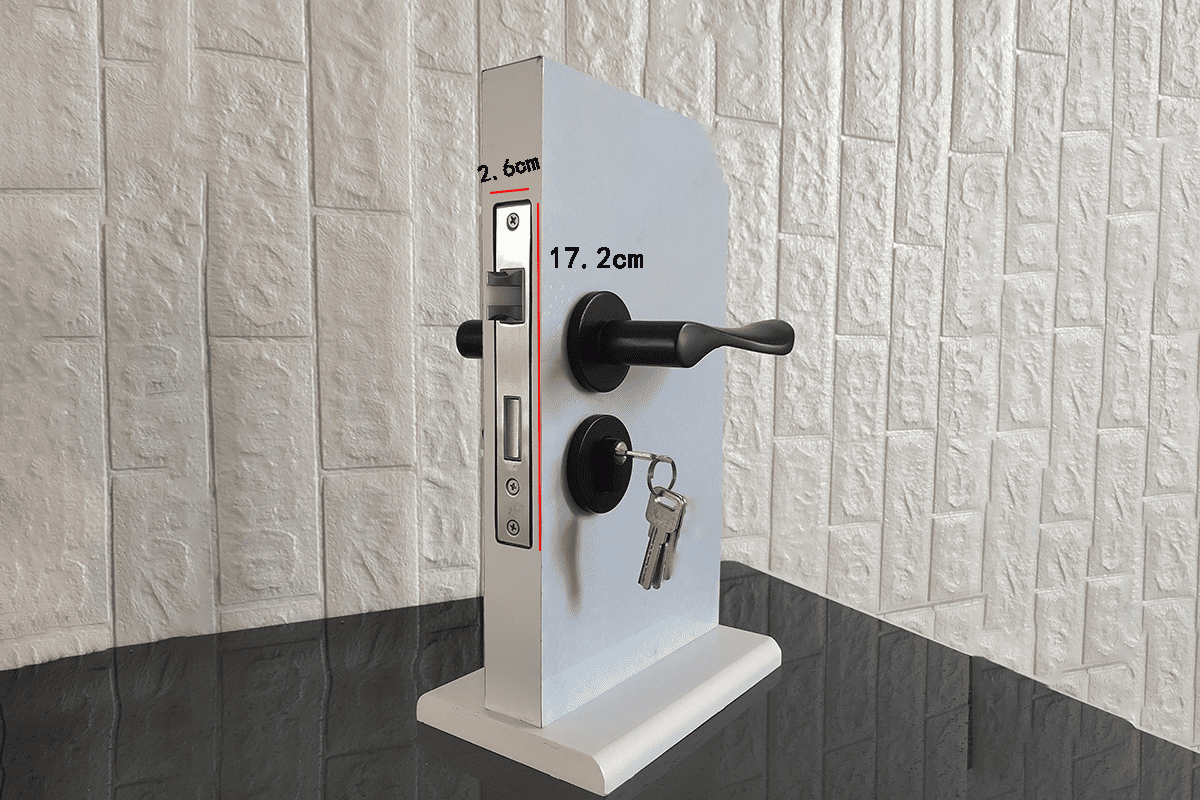
A deadbolt mortise lock is better suited for doors that are normally closed and opened only occasionally by authorized personnel. It has a deadbolt operated by a cylinder. It is commonly used for pipe shaft doors, maintenance access doors, and similar low-frequency service doors.
Best-Fit Door Types
Deadbolt-only mortise locks are often selected for doors that do not serve regular pedestrian movement. These doors may exist for inspection, maintenance, or utility access.
Typical examples include:
- Pipe shaft doors
- Electrical riser access doors
- Mechanical service doors
- Maintenance access doors
- Storage or restricted technical doors, depending on project design
These doors usually stay closed. A technician opens them when needed. The lock’s purpose is not smooth daily passage. The purpose is controlled access.
Cylinder Operation Defines the Function
A deadbolt mortise lock normally works with a cylinder. The cylinder throws or retracts the deadbolt.12 This means the buyer must confirm the cylinder type at the same time as the lock body.
Important cylinder details include:
| Cylinder Detail | Procurement Question |
|---|---|
| Cylinder profile | Is it Euro profile or another regional standard? |
| Cylinder length | Does it match the door thickness and escutcheon setup? |
| Keying system | Is keyed alike, keyed different, or master key needed? |
| Finish | Does the cylinder finish match the handle or pull? |
| Certification | Does the cylinder need separate project documentation? |
At SDH Hardware, we manufacture Euro brass cylinders as part of our door hardware range. When a buyer asks for a deadbolt-only solution, I usually ask about door thickness and keying plan early. If this is missed, the lock body may be correct, but the full door set may still be incomplete.
Deadbolt-Only Doors May Need Fixed Pull Handles
This is a detail that gets missed often. A deadbolt-only mortise lock does not use a latch bolt for passage operation. So, a standard lever handle may not be necessary or suitable. The door may need a fixed pull handle instead.
A typical deadbolt-only configuration can include:
- Deadbolt mortise lock body
- Euro profile cylinder
- Cylinder escutcheon or rosette
- Fixed pull handle
- Strike plate
- Mounting screws and accessories
The fixed pull handle allows the user to pull the door after unlocking. The cylinder controls access. This setup is practical for maintenance-type doors because the user is not moving through constantly.
Deadbolt Is Not Always “Better”
It is easy to assume that a deadbolt is better because it locks. I avoid saying that. A deadbolt is better only when the door requires that function.
For example:
- A corridor door may become inconvenient with deadbolt-only hardware.
- A passage door may fail user expectations if people must use a key.
- A maintenance door may be too freely accessible if fitted with passage latch hardware.
- A fire-rated door may require a specific tested lock and handle combination.
So the practical question is not “Which lock is stronger?” The practical question is:
“What should the door do during normal use?”
That question usually leads to the right answer.
How Can Procurement Teams Specify CE Passage Latch vs Deadbolt Mortise Lock Correctly?
A vague inquiry creates a vague quotation. If a buyer sends only “CE mortise lock needed,” the supplier must guess the function. That can lead to wrong samples, wrong handle matching, or wrong certificate expectations. A clear specification saves time for both sides.
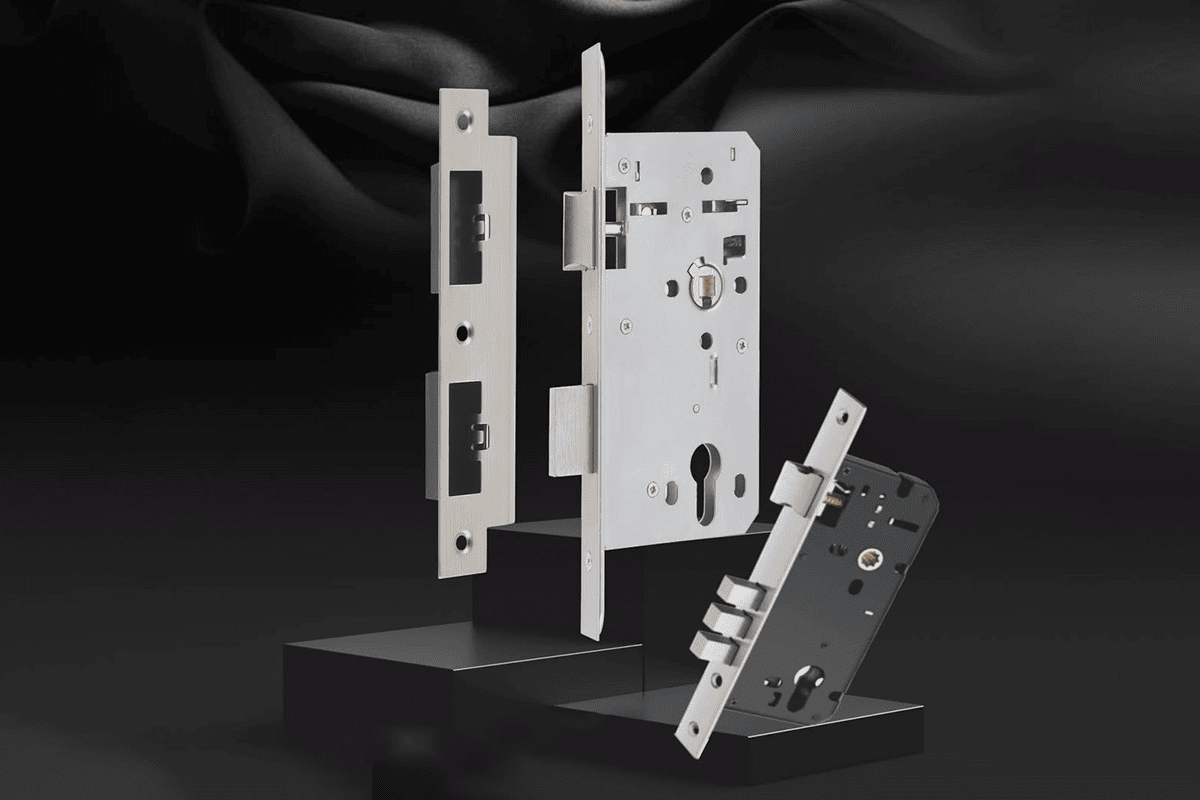
Procurement teams should specify CE passage latch vs deadbolt mortise lock by door function, bolt type, handle configuration, cylinder requirement, door thickness, finish, and certificate needs. The most important step is to describe how the door will be used, not only the lock dimensions.
A Practical Inquiry Checklist
When I receive a technical inquiry, I prefer to see the following information:
Door application
Example: corridor door, passage door, pipe shaft door, maintenance access door.Required function
Example: latch-only passage or cylinder-operated deadbolt.Door material and thickness
Example: timber door, steel door, fire-rated door, 45 mm thickness.Lock body dimensions
Include backset, case depth, faceplate size, and forend shape.Handle or pull handle plan
Lever handles for passage use, fixed pull handles for deadbolt-only access doors.Cylinder requirement
Euro profile cylinder, keying system, length, finish, and certification needs.Finish requirement
Stainless steel satin, polished stainless steel, PVD, powder coating, or other finish.Certification requirement
CE documents, fire-rated documents, and any local project compliance requirements.Order type
Standard product, OEM branding, ODM adjustment, custom packing, or full door hardware set.
Sample Specification Table
A clear table can prevent misunderstanding between the door factory and the hardware supplier.
| Door Type | Lock Function | Main Hardware | Notes |
|---|---|---|---|
| Corridor door | Passage latch | Latch lock + lever handles | Confirm high-frequency durability and finish |
| General passage door | Passage latch | Latch lock + stainless steel lever handles | No locking function |
| Fire-rated passage door | Fire-rated passage configuration | Certified latch lock + suitable lever handles | Verify exact certificate scope |
| Pipe shaft door | Deadbolt | Deadbolt lock + cylinder + fixed pull handle | Low-frequency authorized access |
| Maintenance access door | Deadbolt | Deadbolt lock + cylinder + pull handle | Confirm cylinder keying plan |
This kind of table helps the supplier quote the right items. It also helps the buyer compare offers more fairly.
How I Usually Guide Customers
When a customer sends a drawing, I do not only check dimensions. I ask how the door is used. This habit comes from seeing too many projects where the lock technically fit the cutout but did not fit the door function.
My usual process is:
- I identify the door type.
- I confirm whether passage or locking is required.
- I match the bolt function.
- I recommend the handle or pull configuration.
- I check the certificate requirement.
- I review whether customization is needed.
- I confirm packaging, branding, and inspection requirements for bulk orders.
For OEM and ODM customers, this early review is especially important. A brand may need consistent product appearance across a full series, while different doors still need different lock functions. A passage latch lock and a deadbolt mortise lock can share a similar finish and faceplate style, but they should not be mixed without functional review.
Supplier Selection Points
When choosing a mortise lock supplier, buyers should look beyond unit price. A reliable supplier should help reduce selection risk.
Useful supplier evaluation points include:
- Product range depth
- Experience with architectural door hardware
- In-house production capability
- Drawing support
- Sample consistency
- Raw material control
- Finished product inspection
- CE and fire-rated document support
- OEM logo and packaging service
- Ability to supply matching handles, cylinders, hinges, and accessories
SDH Hardware operates as a factory-direct architectural door hardware manufacturer in China. We support standardized and customized hardware supply for door manufacturers, hardware brands, and wholesalers. Still, I always suggest that buyers verify documents against the exact project requirement before final approval.
Frequently Asked Questions
Is a passage latch lock the same as a locking mortise lock?
No. A passage latch lock has a latch bolt only. It keeps the door closed against movement or wind, but it does not lock the door. It is normally paired with lever handles for easy passage through corridor doors and internal passage doors.
Can a passage latch lock be used on a fire-rated door?
It can be used only if the exact passage latch configuration is suitable for the fire-rated door requirement. Buyers should verify the certificate, tested model, handle configuration, door type, and project standard. A normal passage latch should not be assumed to be fire-rated.
When should I choose a deadbolt mortise lock?
You should choose a deadbolt mortise lock when the door needs cylinder-operated controlled access and is opened only occasionally. Common examples include pipe shaft doors, maintenance access doors, and service area doors. It is not automatically better for high-frequency passage doors.
Does a deadbolt mortise lock need lever handles?
Not always. A deadbolt-only mortise lock often works with a cylinder and a fixed pull handle instead of lever handles. The cylinder controls locking and unlocking, while the fixed pull handle helps the user open the door after the deadbolt is retracted.
What information should I send before requesting a quotation?
You should send the door type, door thickness, lock function, backset, faceplate size, finish, handle or pull handle requirement, cylinder details, and certificate needs. If the door is fire-rated, you should also send the project standard and any required approval documents.
Conclusion
CE passage latch vs deadbolt mortise lock selection should start with door function. A passage latch lock suits doors that need easy movement and simple wind-holding closure. A deadbolt mortise lock suits doors that need cylinder-operated controlled access and occasional opening. Buyers should also verify CE and fire-rated documents by exact configuration. If your door factory or hardware brand needs help matching lock bodies, lever handles, cylinders, and certificates, I can support a practical factory-side review for your next project.
"SECTION 087111 - DOOR HARDWARE (SCHEDULED BY ...", https://fpm.usc.edu/wp-content/uploads/2021/11/087102-USC-HSC-door-hardware-Guide-Specification_1.pdf. Door-hardware reference materials define passage latchsets as non-locking assemblies in which a latch bolt is retracted by lever or knob operation, supporting the functional distinction between passage and locking hardware. Evidence role: definition; source type: institution. Supports: A neutral door-hardware source should define a passage latch or passage set as non-locking hardware using a latch bolt operated by handles or levers.. Scope note: Such sources define the hardware category generally and do not verify the specifications of any particular product model. ↩
"Mortise lock", https://en.wikipedia.org/wiki/Mortise_lock. Reference descriptions of mortise locks and deadbolts identify the deadbolt as a locking bolt commonly actuated by a key cylinder, providing context for the use of such hardware where access must be controlled. Evidence role: definition; source type: encyclopedia. Supports: A reference source should explain that a deadbolt is a locking bolt typically actuated by a key cylinder and that mortise locks are installed in a door pocket.. Scope note: This support establishes the general mechanism and does not prove suitability for every controlled-access project or code environment. ↩
"CE marking", https://en.wikipedia.org/wiki/CE_marking. European Commission guidance explains that CE marking indicates a manufacturer's declaration of conformity with applicable EU legislation, not an independent statement of general quality or a change in the product's mechanical function. Evidence role: general_support; source type: government. Supports: An official EU source should state that CE marking indicates conformity with applicable EU requirements rather than defining a product's functional use.. Scope note: The source addresses CE marking generally and does not discuss passage latches or mortise deadbolts specifically. ↩
"Declaration of Performance and conformity - CE Marking", https://single-market-economy.ec.europa.eu/sectors/construction/construction-products-regulation-cpr/ce-marking-and-declaration-performance-and-conformity_en. The EU Construction Products Regulation links declarations of performance to identified product types, intended uses, and declared essential characteristics, supporting the need to verify that documentation matches the exact lock configuration supplied. Evidence role: general_support; source type: government. Supports: An official construction-products source should show that compliance documents identify product types, intended uses, and declared characteristics rather than covering all variants automatically.. ↩
"Fire Doors and NFPA 80 FAQs", https://www.nfpa.org/news-blogs-and-articles/blogs/2025/04/11/fire-doors-faqs. Fire-safety guidance treats fire doors as rated assemblies consisting of the door, frame, glazing, seals, and hardware, so hardware suitability depends on the tested or listed assembly and the applicable project code. Evidence role: expert_consensus; source type: institution. Supports: A fire-safety institution should explain that fire doors are rated as assemblies and that hardware must be compatible with the tested or listed assembly.. Scope note: Specific acceptance still depends on the jurisdiction, authority having jurisdiction, and the exact listing or test report. ↩
"Latch", https://en.wikipedia.org/wiki/Latch. Technical descriptions of door latches explain that a spring latch or latch bolt engages the strike plate to hold the door closed and is retracted by operation of a knob or lever handle. Evidence role: mechanism; source type: education. Supports: A technical or educational source should describe a latch bolt engaging a strike plate and being retracted by handle operation.. Scope note: This supports the general mechanism but not the performance of a specific latch under wind-pressure or durability conditions. ↩
"Understanding Lock Functions", https://lockdontblock.org/wp-content/uploads/2017/07/Understanding-Lock-Functions-DH-May-2015.pdf. Door-hardware function classifications distinguish passage sets from locking entry functions, with passage hardware generally providing latch operation without keyed access restriction. Evidence role: general_support; source type: institution. Supports: A hardware standard or institutional glossary should distinguish passage functions from locking or entry functions.. Scope note: This supports the functional distinction and does not address special project designs that add separate access-control devices. ↩
"NSPIRE Standard - Door - Fire", https://www.hud.gov/sites/dfiles/PIH/documents/NSPIRE-Standard-Door-Fire-Labeled_20230811.pdf. Fire-door certification guidance bases compliance on tested, listed, or labeled assemblies and components, indicating that visual similarity is not evidence that a latch is acceptable for a rated fire-door application. Evidence role: expert_consensus; source type: institution. Supports: A fire-door certification or safety source should state that fire-door components are established by testing, listing, labeling, or certification rather than appearance alone.. Scope note: The source would support the compliance principle but not determine whether any specific latch model is approved. ↩
"Fire resistance classes of the components quickly explained", https://www.cws.com/en/fire-safety/news/fire-resistance-classes-of-components. Fire-resistance classification systems express performance as time-based ratings, with commonly used classes including 30, 60, 90, and 120 minutes depending on the standard and application. Evidence role: statistic; source type: institution. Supports: A standards or code source should show that fire-resistance classifications are expressed as time-based ratings and include common minute-based classes.. Scope note: Exact rating increments and terminology vary by jurisdiction and standard, so the cited source should be matched to the project's regulatory context. ↩
"SECTION 087111 - DOOR HARDWARE (SCHEDULED BY ...", https://fpm.usc.edu/wp-content/uploads/2021/11/087102-USC-HSC-door-hardware-Guide-Specification_1.pdf. Lever-handle standards such as EN 1906 classify door furniture by use category and durability testing, indicating that repeated handle operation is a recognized specification factor for passage hardware. Evidence role: general_support; source type: institution. Supports: A lever-handle standard should show that door handles are classified by use category and durability cycle testing.. Scope note: The standard supports the relevance of durability testing but does not quantify how many operations this article's example doors will experience. ↩
"What is EN 1634-1 and why does it matter for fire doors?", https://metacon-next.com/en/knowledge-base/what-is-en-1634-1-and-why-does-it-matter-for-fire-doors/. Fire-resistance test and classification frameworks distinguish the tested construction from its permitted field of application, so results for hardware on one door assembly do not automatically authorize use on a different door type. Evidence role: general_support; source type: institution. Supports: A fire-test standard or certification source should explain that fire-test evidence is limited by the tested construction and its defined field of application.. Scope note: The degree of transferability depends on the specific test report, extended-application rules, and certification body. ↩
"Deadbolt", https://en.wikipedia.org/wiki/Deadbolt. Descriptions of cylinder locks and deadbolts identify the key cylinder as the actuator that moves the locking bolt into or out of the strike, supporting the stated deadbolt operating mechanism. Evidence role: mechanism; source type: encyclopedia. Supports: A reference source should explain that key-cylinder operation actuates the locking bolt in a deadbolt mechanism.. Scope note: This supports the general mechanism and may not cover all regional cylinder profiles or proprietary lock designs. ↩
