
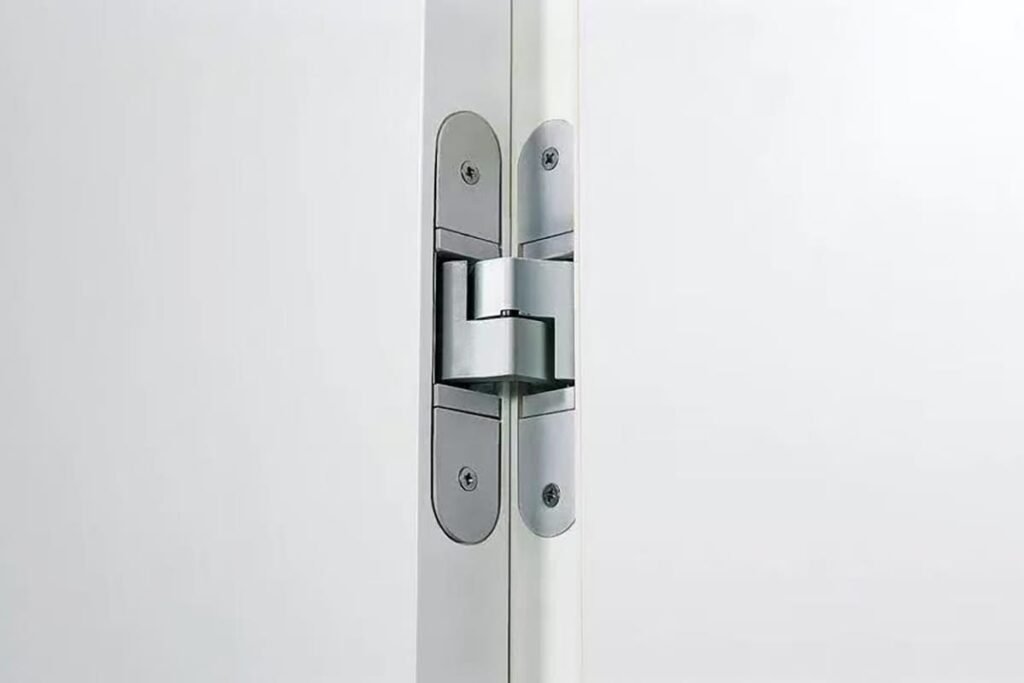
Concealed Hinges for Cleanroom Doors: Non-Particulate, Easy Sanitizing Hardware
Concealed hinges for cleanroom doors can reduce exposed hardware surfaces that collect dust, residue, and cleaning chemicals. However, a poor hinge choice can create hidden gaps, corrosion points, or installation problems. I approach them as part of the whole door system, not as a simple visual upgrade.
Concealed hinges for cleanroom doors are suitable when the hinge design supports smooth wiping, controlled gaps, corrosion-resistant materials, and stable long-term door movement. They do not guarantee cleanroom performance by themselves, but they can help reduce cleaning blind spots when matched correctly to door weight, frame structure, seals, and cleaning routines.
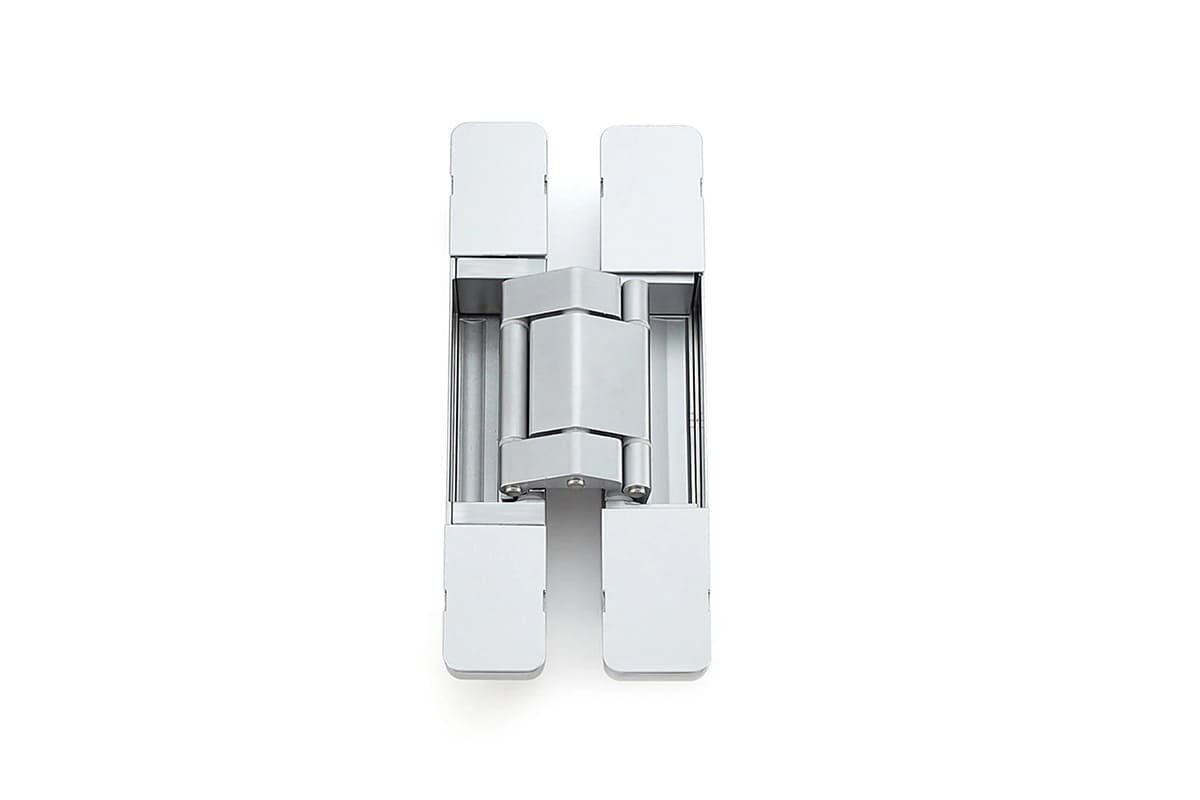
In my work with door factories and project buyers, I often see hinge discussions start with load capacity only. That matters, but cleanroom projects need a wider checklist. The best results usually come from reviewing structure, material exposure, cleaning chemicals, seal design, and batch consistency together.
Why Do Concealed Hinges for Cleanroom Doors Matter Beyond Appearance?
Cleanroom buyers sometimes treat hidden hinges as a design preference. That creates risk because hardware geometry affects cleaning and maintenance1. If a hinge has exposed knuckles, deep grooves, or residue traps, sanitation teams may spend more time cleaning or miss critical areas during routine work.2
Concealed hinges for cleanroom doors matter because they can reduce exposed hinge surfaces and support easier sanitizing when properly specified.3 The main value is not appearance. The value is fewer cleaning blind spots, better protection from accidental contamination points, and more controlled integration with the door leaf, frame, gasket, and maintenance process.
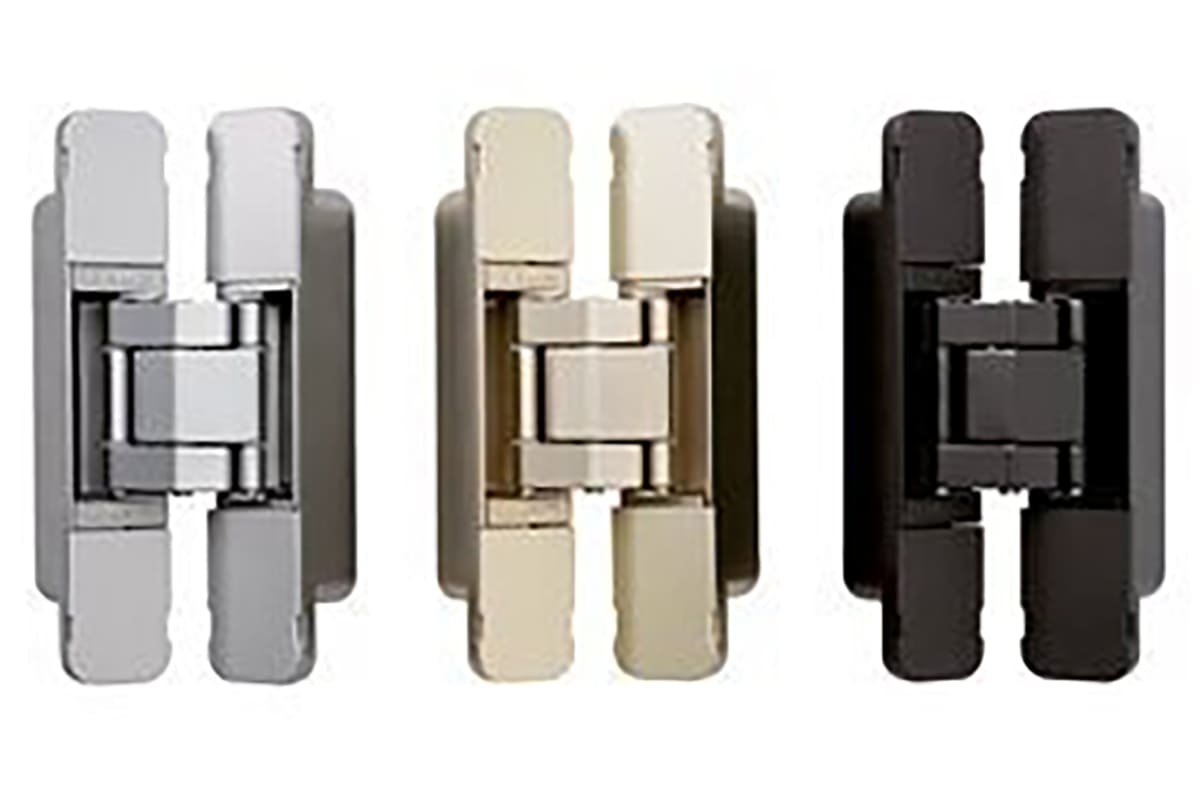
The hinge is part of contamination-control thinking
I do not advise buyers to view a hinge as an isolated component. In a cleanroom, even a small hardware detail can affect cleaning time, residue buildup, and door reliability4. A hinge area can become a problem when it includes:
- Open mechanical gaps that are difficult to wipe
- Sharp corners where dust or residue can sit
- Materials that discolor or corrode under disinfectants
- Poor alignment that causes gasket compression problems
- Loose fasteners that create vibration or metal dust over time
Concealed hinge systems can help because the main hinge body is recessed into the door and frame. This can leave a cleaner exterior surface compared with traditional exposed butt hinges. However, this benefit depends on machining accuracy and installation quality. If the mortise pocket is rough, misaligned, or poorly sealed, the project may simply move the problem from the surface into a hidden cavity.5
I often tell procurement teams that a concealed hinge is only “cleanroom-friendly” when the full installation detail is cleanroom-friendly.
Appearance is secondary in controlled environments
In commercial interiors, buyers often choose concealed hinges for a minimalist look. In cleanroom, medical, laboratory, electronics, or food-related spaces, the discussion should start somewhere else.
The main evaluation points include:
- Can workers wipe the area easily?
- Can the hinge resist regular cleaning chemicals?
- Can the door close consistently against seals?
- Can the hinge carry the door weight without sagging?
- Can the supplier keep batch dimensions stable?
For example, a stainless steel exposed hinge with smooth geometry may perform better than a concealed hinge that is undersized, difficult to install, or incompatible with the frame. So I never say every cleanroom door must use a concealed hinge. I say the hinge should match the operational risk.
What buyers often overlook
Many purchasing teams ask me three questions first:
| Common Buyer Question | Why It Is Not Enough |
|---|---|
| What is the load capacity? | Capacity does not confirm hygiene suitability or chemical resistance. |
| How many cycles can it pass? | Cycle life does not confirm cleaning compatibility or corrosion behavior. |
| Is it concealed? | Hidden hardware is not automatically easier to sanitize if gaps are poorly managed. |
A stronger cleanroom door hardware inquiry should include the door structure, cleaning process, and operating environment. Door factories usually know the door size and thickness. Engineering contractors often know the room use and cleaning chemical exposure. Procurement teams need to collect both sets of information before choosing concealed hinges for cleanroom doors.
At SDH Hardware, I prefer to review drawings or at least basic door details before recommending a hinge model. This reduces the chance of later problems, especially when projects include gasket compression, flush panels, stainless steel skins, or heavy insulated cores.
How Should Buyers Specify Concealed Hinges for Cleanroom Doors?
Many hinge failures begin before production. The buyer sends only a photo or a load request, and the supplier guesses the rest. That creates avoidable trouble during installation. A cleanroom door project needs a specification process that connects hinge design with door construction and daily cleaning conditions.
Buyers should specify concealed hinges for cleanroom doors by sharing door size, weight, thickness, frame profile, opening angle, seal layout, usage frequency, cleaning chemicals, humidity level, and required surface finish. These variables help the manufacturer confirm fit, load suitability, corrosion resistance, and installation consistency before mass production starts.
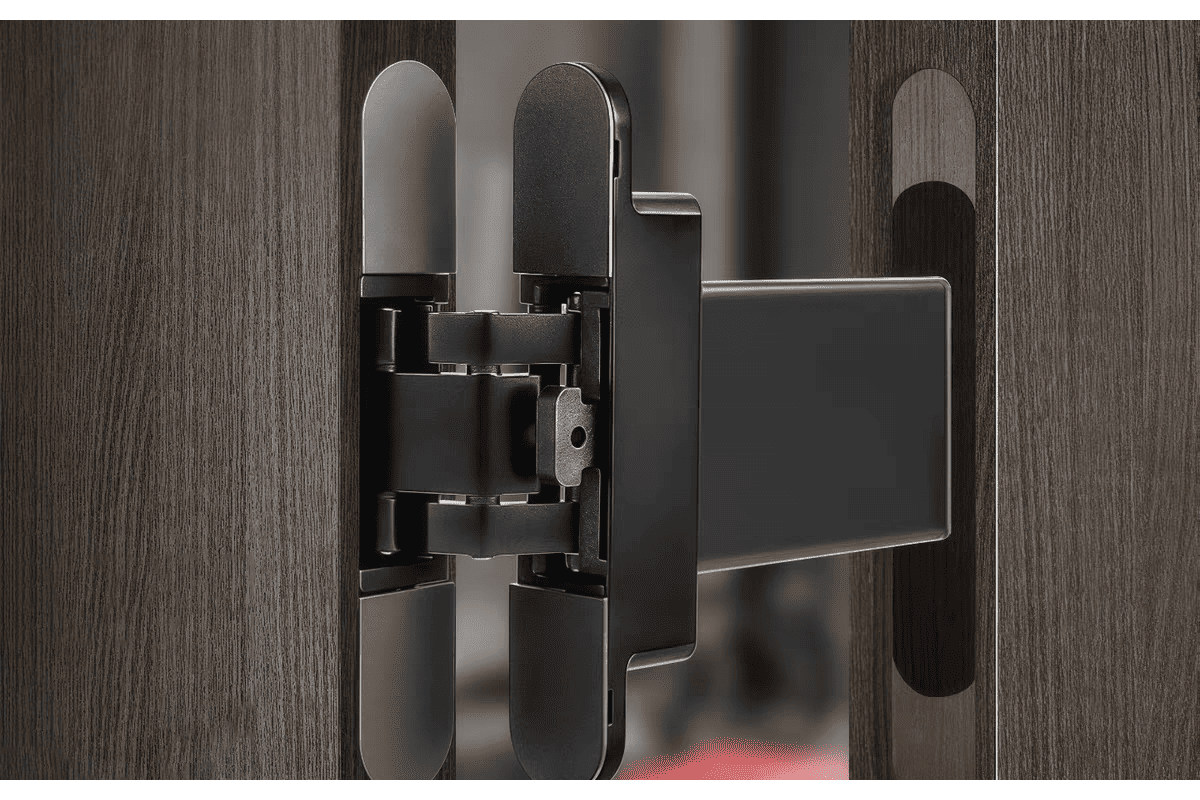
Start with application variables
A good inquiry does not start with “send me your best hinge.” It starts with the real door system. I usually ask buyers for the following information:
- Door width and height
- Door weight or estimated core material
- Door thickness
- Door leaf material, such as steel, stainless steel, HPL, aluminum, or composite panel
- Frame material and profile
- Gasket or seal design
- Required opening angle
- Expected traffic level
- Cleaning agents or disinfectants
- Humidity, washdown, or corrosion exposure
- Fire-rated or CE documentation needs, where applicable
- Required finish, such as satin stainless, powder coating, or other treatment
This information helps prevent mismatches. A hinge that works well on a standard interior door may not suit a heavy cleanroom door with thick seals. A hinge that looks smooth may not resist repeated chemical exposure. A hinge that fits one frame profile may not fit another without adjustment.
A practical specification table
| Selection Variable | Why It Matters | What I Check as a Manufacturer |
|---|---|---|
| Door weight | Prevents sagging and closing failure | Load range and number of hinges |
| Door thickness | Confirms mortise depth and body size | Hinge pocket compatibility |
| Frame profile | Determines fixing position | Screw location and clearance |
| Seal design | Affects closing force and alignment | Compression space and reveal gap |
| Cleaning chemicals | Influences material and finish | Corrosion resistance expectations |
| Opening angle | Affects usability and stress | Hinge geometry and stopper needs |
| Traffic frequency | Affects wear risk | Cycle expectations and structure |
| Certification documents | Supports project compliance review | CE or fire-rated files for buyer verification |
I treat CE and fire-rated certificates as important project documents, but buyers should verify them against the exact product, application, and local project requirement. A hinge certificate or related document does not replace the approval of a qualified cleanroom designer, fire consultant, or local authority.
Number of hinges is not a guess
Cleanroom doors can be heavier than ordinary doors because they may include metal skins, special cores, flush surfaces, vision panels, automatic closers, or seal systems. The number of hinges should reflect the total door load and operating stress.
A simplified approach looks like this:
- Confirm actual door weight, not only door size.
- Check the hinge manufacturer’s recommended load range.
- Consider seal resistance and closing force.
- Add margin for high-traffic doors.
- Review long-term alignment risk.
For some projects, three hinges may be enough. For heavier or high-frequency doors, more support may be needed. The decision should be made with the door manufacturer or project engineer. I can advise from a hardware manufacturing perspective, but final application-specific decisions should involve qualified professionals who understand the full door assembly and cleanroom design.
Drawings reduce procurement risk
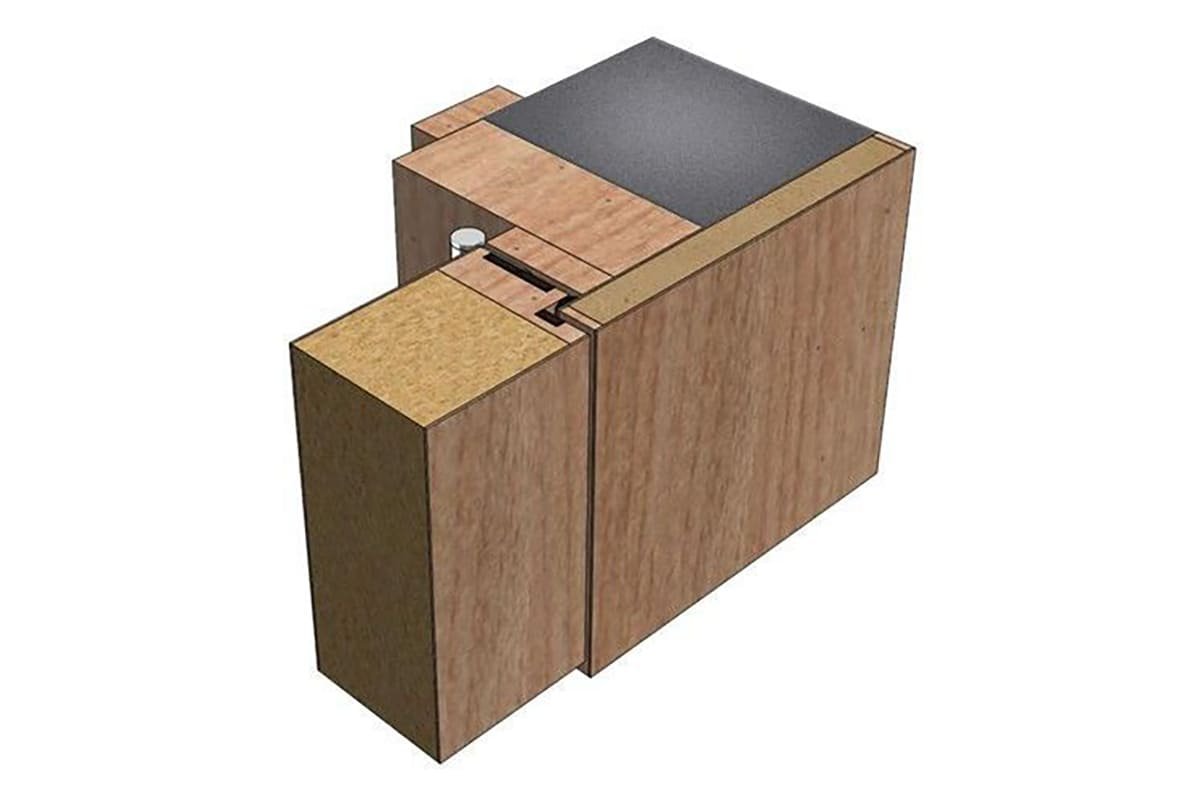
I prefer projects that include drawings. Even a simple section drawing can show the door leaf, frame, hinge pocket, gasket, and clearances. This helps both sides identify issues before tooling, machining, or bulk shipment.
For OEM and ODM buyers, SDH Hardware can support product drawings after order confirmation, surface treatment discussions, and inspection service after order completion. That does not remove the need for project approval, but it gives procurement teams clearer technical control.
What Materials and Finishes Work Best for Cleanroom Concealed Hinges?
A hinge may look acceptable in a sample room but fail in service because of cleaning chemistry. Cleanroom doors may face alcohol, disinfectants, moisture, temperature changes, or frequent wiping. If the material or finish is poorly chosen, corrosion and residue marks can appear over time.
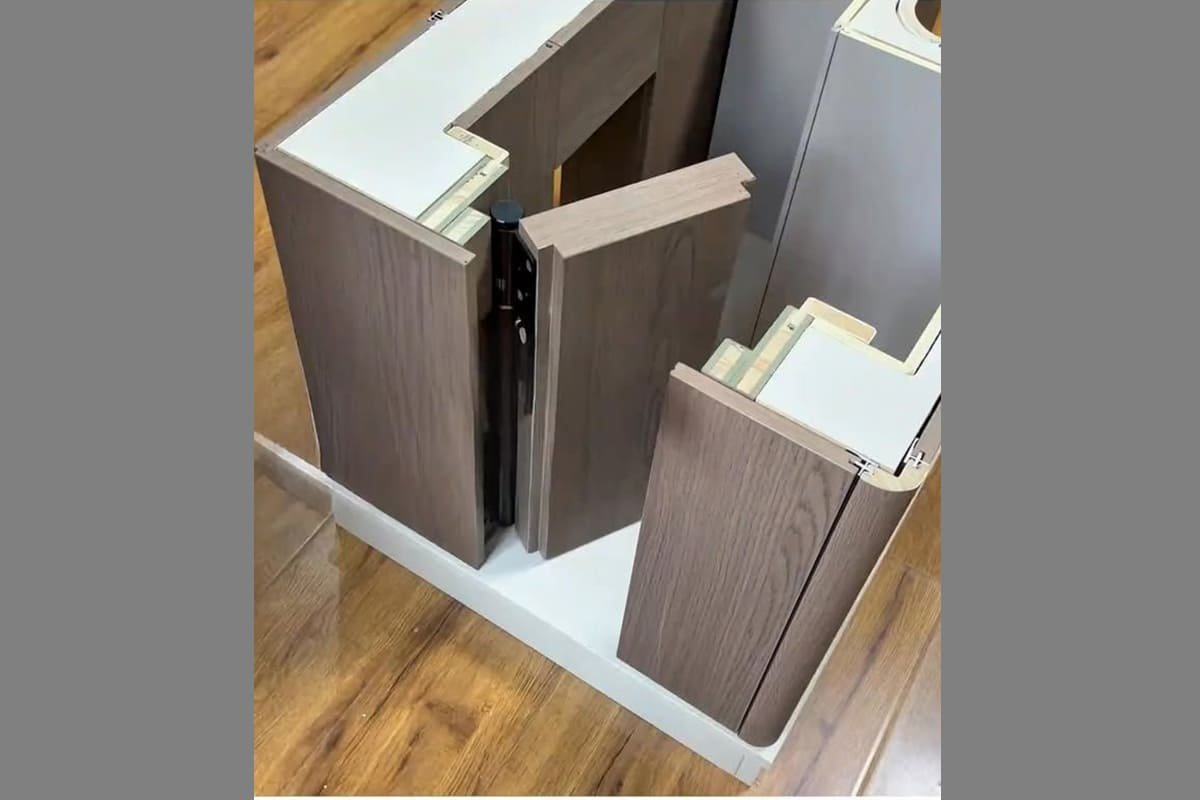
The best materials and finishes for cleanroom concealed hinges are those that match the cleaning agents, humidity, and corrosion exposure of the project. Stainless steel, suitable plated finishes, and carefully controlled surface treatments may be used, but buyers should confirm chemical compatibility and request samples or documentation before bulk purchasing.
Material choice should follow exposure
I often see buyers request stainless steel because it sounds safe. Stainless steel is commonly preferred in hygiene-sensitive environments, but the grade, surface condition, and actual exposure still matter.6 Some cleanroom-adjacent spaces are dry and moderate. Others involve regular disinfectant use, humidity, or washdown.
The main material questions include:
- Will the hinge face frequent alcohol-based cleaning?
- Will chlorine-based disinfectants be used?
- Will the environment include humidity or condensation?
- Will the door be near food processing, laboratories, or medical areas?
- Will the hinge be hidden but still exposed through gaps?
- Will fasteners need the same corrosion resistance level?
Buyers should not evaluate only the hinge body. Screws, pins, internal components, and adjustment parts also matter. If the visible hinge cover resists corrosion but the fasteners do not, maintenance issues can still appear.7
Common material and finish considerations
| Option | Potential Advantage | Procurement Caution |
|---|---|---|
| Stainless steel | Good corrosion resistance and clean appearance | Grade and finish must match cleaning exposure |
| Zinc alloy with treatment | Flexible for concealed hinge structures | Finish durability must be checked |
| Powder coating | Color matching and surface coverage | Chipping risk and chemical compatibility need review |
| Plated finish | Can improve appearance and corrosion resistance | Thickness and batch consistency should be controlled |
| Brushed or satin finish | Hides minor marks better than mirror finish | Directional texture may still need proper cleaning |
I avoid saying one material is always best because project conditions vary. A dry electronics cleanroom door may have different needs from a food or medical environment. The better approach is to match material and finish to the cleaning protocol.
Surface finish affects wipeability
A cleanroom hinge should not have unnecessary roughness, burrs, or exposed edges. Smooth surfaces are easier to wipe.8 Rounded transitions can reduce residue traps.9 Stable coating or plating can reduce flaking risk when properly specified and produced.
From a manufacturing point of view, I look closely at:
- Burr control
- Edge finishing
- Surface uniformity
- Coating adhesion
- Plating consistency
- Screw hole quality
- Movement smoothness
- Packaging protection
Packaging matters more than many buyers expect. If a finished hinge is scratched during transport, the surface may become harder to clean or more vulnerable to corrosion. For bulk wholesalers and brand enterprises, this also affects resale quality. Custom color packaging and better inner protection can reduce these problems.
Cleaning chemicals should be discussed early
Procurement teams do not always know the exact cleaning agent. That is understandable. However, the contractor or end user often knows whether the site uses alcohol, quaternary ammonium compounds, chlorine-based products, peroxide-based disinfectants, or neutral detergents10.
I recommend asking this question before selecting concealed hinges for cleanroom doors. If chemical exposure is uncertain, buyers should request samples and conduct project-specific compatibility checks. Hardware suppliers can provide manufacturing information and material options, but they should not replace laboratory testing or the cleanroom consultant’s judgment.
When Are Concealed Hinges for Cleanroom Doors Not the Best Choice?
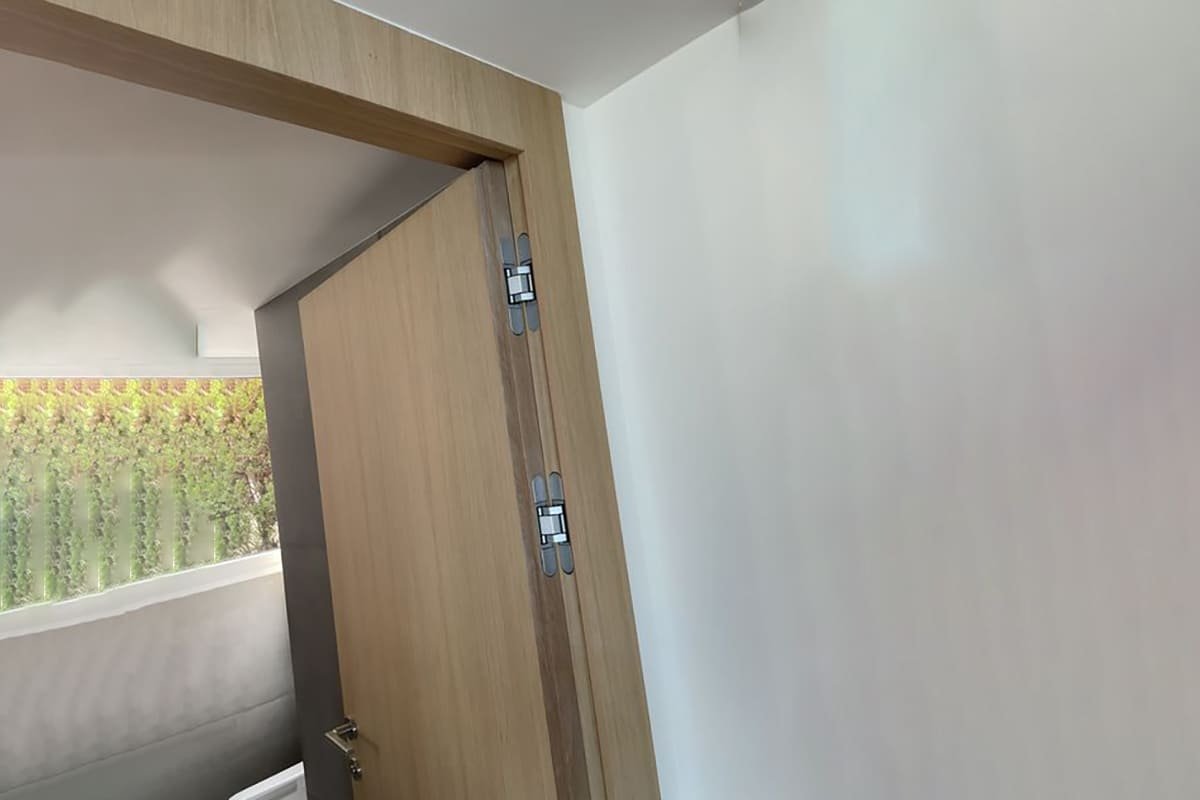
Concealed hinges can solve some cleaning and appearance issues, but they can also create new problems if the door structure is not suitable. If the leaf is too thin, the frame lacks enough depth, or the hinge pocket weakens the structure, a concealed design may increase installation risk.
Concealed hinges for cleanroom doors may not be the best choice when the door is too thin, too heavy for the selected hinge, incompatible with the frame, difficult to machine accurately, or dependent on seal details that the hinge cannot support. In those cases, a smooth exposed hinge may be more practical.
Suitability depends on door and frame construction
A concealed hinge requires a pocket in the door leaf and frame. This pocket must be accurate. If machining is inconsistent, the door may not align correctly. In cleanroom doors, alignment is not only about appearance. It can affect gasket compression, closing force, air leakage control, and maintenance frequency.11
Concealed hinges may be difficult when:
- The door leaf is too thin for the hinge body
- The frame has limited depth or an unusual profile
- The door core cannot hold fasteners securely
- The seal design needs a special pivot position
- The opening angle exceeds the hinge capability
- The door is extremely heavy or high traffic
- The project site cannot machine pockets accurately
- Maintenance teams need very fast hardware replacement
These issues do not mean concealed hinges are wrong. They mean the project needs checking before ordering.
Compare concealed and exposed hinge options
| Factor | Concealed Hinge | Smooth Exposed Hinge |
|---|---|---|
| Exterior appearance | Very clean and minimal | Visible hardware |
| Cleaning surface | Fewer exposed hinge parts | Depends on knuckle and leaf design |
| Installation tolerance | Requires accurate mortising | Usually easier to install |
| Door/frame requirements | More specific | More flexible |
| Adjustment | Often adjustable by design | Depends on model |
| Maintenance access | May be less direct | Usually more direct |
| Suitability | Strong when structure fits | Strong when practicality matters |
This table shows why I do not recommend concealed hinges automatically. A well-designed exposed stainless steel hinge may be the safer option for a simple utility cleanroom door if fast maintenance is the top priority. A concealed hinge may be the better option for a flush, high-spec door system where cleanability and visual integration are both important.
Installation consistency is a quality issue
Manufacturers and door factories need to control tolerance carefully. If hinge pockets vary from door to door, installers will struggle. If screw positions shift, the hinge may bind. If the door leaf sags after installation, the seal may not compress evenly.
At SDH Hardware, our role as a hardware manufacturer is to support consistent product dimensions, stable surface treatment, and inspection before shipment. We also communicate with B2B buyers about installation fit, drawings, and customized requirements. This is especially important for OEM and ODM orders because one small dimensional difference can repeat across hundreds or thousands of doors.
Maintenance should be planned before purchase
Cleanroom hardware should be easy to inspect and maintain.12 A concealed hinge can hide the mechanism from direct contamination, but maintenance teams still need access for adjustment or replacement. Buyers should ask:
- Can the hinge be adjusted after installation?
- Can the cover or fixing area be cleaned easily?
- Can spare parts be supplied consistently?
- Can the same hinge model be reordered later?
- Can the door be removed without damaging the frame?
I have seen projects where the sample looked good, but the replacement plan was unclear. That becomes a procurement risk. For cleanroom door manufacturers and contractors, long-term supply stability can be just as important as the first shipment price.
How Can Procurement Teams Evaluate a Concealed Hinge Supplier?
A cleanroom door hardware supplier should offer more than a catalog. Buyers need stable production, clear communication, documented quality control, and support for customization. Without those capabilities, the hinge may pass sample review but fail during bulk installation or long-term supply.
Procurement teams should evaluate a concealed hinge supplier by checking manufacturing experience, product range, quality inspection process, drawing support, customization ability, batch consistency, certification documents, and communication speed. For cleanroom-related projects, the supplier should also understand cleaning, corrosion, sealing, and installation-fit concerns.
Ask manufacturing questions, not only sales questions
When I speak with professional buyers, I appreciate direct technical questions. They usually reveal whether a supplier understands the project. A good supplier should be able to discuss:
- Door weight and hinge quantity
- Frame and leaf pocket dimensions
- Material and surface treatment options
- Screw and accessory configurations
- Batch tolerance control
- Packaging for finished surfaces
- Inspection procedures
- Lead time and reorder stability
- OEM or ODM customization limits
A supplier does not need to act as a cleanroom certification authority. In fact, I think it is a warning sign if a hardware seller claims that hinges alone can guarantee cleanroom classification. A responsible supplier should explain the hardware role and recommend qualified project evaluation for room-level performance.
Review the quality-control process
For technical B2B procurement, quality control should be visible. Buyers can ask for inspection photos, drawings, samples, packaging details, or quality checkpoints. At SDH Hardware, our production approach includes raw material screening, standardized production supervision, and finished product inspection. We also use specialized testing machines for product development and final checking.
For cleanroom-related concealed hinges, I suggest checking these points:
| QC Point | Why It Matters |
|---|---|
| Raw material screening | Reduces corrosion and strength variation risk |
| Dimensional inspection | Supports stable mortise fit |
| Surface inspection | Helps prevent rough areas and coating defects |
| Movement testing | Confirms smooth opening and closing |
| Fastener matching | Prevents installation mismatch |
| Packaging check | Protects finished surfaces during shipping |
| Batch sample review | Confirms consistency before shipment |
Buyers should request documentation that matches the actual ordered product. If CE certification or fire-rated documentation is needed, buyers should verify model scope, validity, and project relevance. Local regulations and project specifications can differ, so final acceptance should come from the proper authority or consultant.
Supplier selection should include communication quality
Good communication reduces technical mistakes. A project buyer may send an incomplete inquiry. A capable supplier should ask follow-up questions instead of rushing to quote the cheapest item. I consider that a sign of professionalism.
For cleanroom door projects, I like to clarify:
- What room type is the door serving?
- What is the door and frame material?
- What seal system will be used?
- What cleaning chemicals are expected?
- What surface finish is preferred?
- What certificates or documents must be verified?
- What packaging and branding requirements apply?
- What is the annual or project purchase volume?
SDH Hardware works with door manufacturers, hardware brand enterprises, and bulk wholesalers. Our product portfolio includes Euro mortise locks, stainless steel lever handles, butt hinges, concealed door hinges, Euro brass cylinders, and door accessories. For buyers who need one-stop sourcing, this can simplify matching finishes, packaging, and accessory configurations across a full door hardware set.
Sample testing protects both sides
Before bulk orders, samples help confirm fit and finish. I recommend that door factories install samples into the actual door and frame profile whenever possible. This is much better than judging from photos.
A practical sample review should include:
- Door opening and closing feel
- Seal compression consistency
- Screw fixing strength
- Alignment after repeated use
- Cleaning access around the hinge area
- Surface reaction after exposure to approved cleaning agents
- Installer feedback on mortise accuracy
This process takes time, but it reduces expensive corrections later. For cleanroom engineering contractors, it also supports better communication with the final user.
Conclusion
Concealed hinges for cleanroom doors should be selected as functional hygiene-supporting hardware, not just hidden decorative hardware. The best choice depends on door weight, frame structure, seal design, material exposure, cleaning chemicals, installation accuracy, and supplier quality control. I recommend starting every inquiry with project variables and drawings whenever possible. If you need factory-direct concealed hinges or complete architectural door hardware support, contact SDH Hardware for B2B sourcing, OEM/ODM discussion, samples, and technical quotation support.
"Water, sanitation and hygiene and infection prevention and ...", https://iris.who.int/server/api/core/bitstreams/e2f298b2-d445-4731-9584-4465f28e3f31/content. Institutional hygienic-design guidance states that cleanable surfaces should minimize niches, crevices, and difficult-to-access areas, supporting the article’s point that hardware geometry can affect cleaning and maintenance. Evidence role: general_support; source type: institution. Supports: Cleanability and maintenance are influenced by surface design, crevices, joints, and other geometry-related features.. Scope note: This would support the general design principle rather than provide hinge-specific performance data. ↩
"Sanitary Design and Construction of Food Equipment1", https://ucfoodsafety.ucdavis.edu/sites/g/files/dgvnsk7366/files/inline-files/26502.pdf. Hygienic-design guidance identifies crevices, dead spaces, and inaccessible areas as features that can retain residues and microorganisms, which provides a mechanism for why exposed knuckles or grooves may increase cleaning difficulty. Evidence role: mechanism; source type: institution. Supports: Hard-to-clean grooves, crevices, and dead spaces can retain soils or microorganisms and complicate sanitation.. Scope note: The evidence is based on general hygienic-design principles and may not quantify cleaning time for a particular hinge model. ↩
"Cleanroom Doors: Types, Seals, Interlocks, and Specs", https://cantrolenvironmental.com/cleanroom-doors-guide/. Cleanroom and hygienic-design guidance emphasizes smooth, accessible, cleanable surfaces and the avoidance of contamination-retaining details, contextualizing the claim that reducing exposed hinge surfaces can support sanitizing. Evidence role: general_support; source type: institution. Supports: Reducing exposed, complex, or inaccessible surfaces is consistent with cleanability principles in controlled environments.. Scope note: The source would support the cleanability rationale, not prove that all concealed hinges outperform exposed hinges. ↩
"GMP Cleanroom Design Principles and Requirements", https://usvalidation.com/kb_article/cleanroom-design-principles/. Cleanroom design literature treats fixtures, finishes, and component details as part of contamination-control planning, supporting the article’s claim that small hardware details can affect cleaning and maintenance outcomes. Evidence role: general_support; source type: research. Supports: Cleanroom components and surface details can influence cleaning, contamination control, and maintenance requirements.. Scope note: This is contextual support and may not isolate hinges as the sole variable. ↩
"Cleanability of Metal Surface Finishes Found in Medical ...", https://pmc.ncbi.nlm.nih.gov/articles/PMC9767432/. Studies of hygienic surface design and microbial retention report that roughness, crevices, and inaccessible cavities can impair cleaning, supporting the concern that a poorly prepared concealed-hinge pocket may transfer contamination risk into a hidden space. Evidence role: mechanism; source type: paper. Supports: Rough surfaces, unsealed joints, and cavities can retain residues or microorganisms and reduce cleanability.. Scope note: The evidence would address the mechanism of retention and cleanability rather than test the specific mortise-pocket configuration described. ↩
"Examining the Relationship Between Post-Build ...", https://www.nist.gov/publications/examining-relationship-between-post-build-microstructure-and-corrosion-resistance. Materials and hygienic-design references describe stainless steel as common in hygiene-sensitive applications but note that corrosion resistance depends on alloy grade, surface condition, and environmental exposure. Evidence role: expert_consensus; source type: research. Supports: Stainless steel is commonly selected for hygienic applications, while its corrosion resistance varies with alloy grade, surface finish, and exposure chemistry.. Scope note: The source would support material-selection principles rather than validate any particular hinge alloy. ↩
"Which Fastener Materials Work Together & Which Ones Don't", https://wilsongarner.com/which-fastener-materials-work-together-which-ones-dont/. Corrosion-engineering references explain that fasteners and accessory components must be selected for compatible corrosion resistance because localized or galvanic corrosion can compromise an assembly even when the main visible component remains intact. Evidence role: mechanism; source type: research. Supports: Fasteners and dissimilar or lower-resistance components can corrode and compromise an otherwise corrosion-resistant assembly.. Scope note: This supports the corrosion mechanism generally and not a measured failure rate for cleanroom hinges. ↩
"Cleanability of Metal Surface Finishes Found in Medical ...", https://pmc.ncbi.nlm.nih.gov/articles/PMC9767432/. Research on surface roughness and hygienic cleanability shows that smoother surfaces tend to reduce retention of soils and microorganisms, supporting the statement that smooth surfaces are easier to wipe. Evidence role: mechanism; source type: paper. Supports: Lower surface roughness and smoother finishes generally improve cleanability by reducing soil and microbial retention.. Scope note: The effect can vary with material, soil type, disinfectant, and cleaning method. ↩
"𝐅𝐨𝐨𝐝𝐒𝐚𝐟𝐞𝐭𝐲𝐖𝐨𝐫𝐝𝐎𝐟𝐓𝐡𝐞𝐃...", https://www.facebook.com/foodsafetytrendsph/posts/%F0%9D%90%85%F0%9D%90%A8%F0%9D%90%A8%F0%9D%90%9D%F0%9D%90%92%F0%9D%90%9A%F0%9D%90%9F%F0%9D%90%9E%F0%9D%90%AD%F0%9D%90%B2%F0%9D%90%96%F0%9D%90%A8%F0%9D%90%AB%F0%9D%90%9D%F0%9D%90%8E%F0%9D%90%9F%F0%9D%90%93%F0%9D%90%A1%F0%9D%90%9E%F0%9D%90%83%F0%9D%90%9A%F0%9D%90%B2-%F0%9D%90%82%F0%9D%90%A8%F0%9D%90%AF%F0%9D%90%A2%F0%9D%90%A7%F0%9D%90%A0in-food-facilities-%F0%9D%90%9C%F0%9D%90%A8%F0%9D%90%AF%F0%9D%90%A2%F0%9D%90%A7%F0%9D%90%A0-is-a-hygienic-design-feat/1779241217542614/. Hygienic-design guidance recommends radiused or rounded transitions instead of sharp corners to reduce soil retention and improve cleaning access, supporting the article’s statement about residue traps. Evidence role: mechanism; source type: institution. Supports: Rounded corners and transitions are preferred in hygienic design because sharp internal corners and crevices can trap soil or residues.. Scope note: This is general sanitary-design support and may not specify cleanroom door hinges directly. ↩
"Chemical Disinfectants | Infection Control", https://www.cdc.gov/infection-control/hcp/disinfection-sterilization/chemical-disinfectants.html. Government disinfection guidance identifies alcohols, chlorine compounds, quaternary ammonium compounds, and hydrogen-peroxide products among recognized disinfectant classes, supporting the article’s list of likely cleaning-chemical exposures. Evidence role: definition; source type: government. Supports: Alcohols, quaternary ammonium compounds, chlorine compounds, and peroxide-based products are recognized categories of disinfectants or cleaning agents.. Scope note: The source would identify disinfectant categories, not determine compatibility with a specific hinge finish. ↩
"Attic Access: Provide Adequate Insulation Coverage and ...", https://apps1.eere.energy.gov/buildings/publications/pdfs/building_america/26447.pdf. Building and door-sealing guidance explains that proper alignment and seal contact are necessary to control air leakage, supporting the article’s claim that hinge alignment can affect gasket compression and leakage performance. Evidence role: mechanism; source type: government. Supports: Proper door alignment and seal compression are important for limiting air leakage and maintaining door performance.. Scope note: General door-sealing guidance may not address cleanroom pressure-control requirements in detail. ↩
"Cleanroom Materials Explained", https://www.scisafetyalliance.com/resources/cleanroom-materials/. Cleanroom contamination-control guidance treats cleaning, inspection, and maintenance access as part of facility and component design, supporting the statement that cleanroom hardware should be easy to inspect and maintain. Evidence role: expert_consensus; source type: institution. Supports: Cleanroom components should be accessible for cleaning, inspection, and maintenance as part of contamination-control practice.. Scope note: The support is for cleanroom maintainability principles and may not provide hinge-specific acceptance criteria. ↩
