
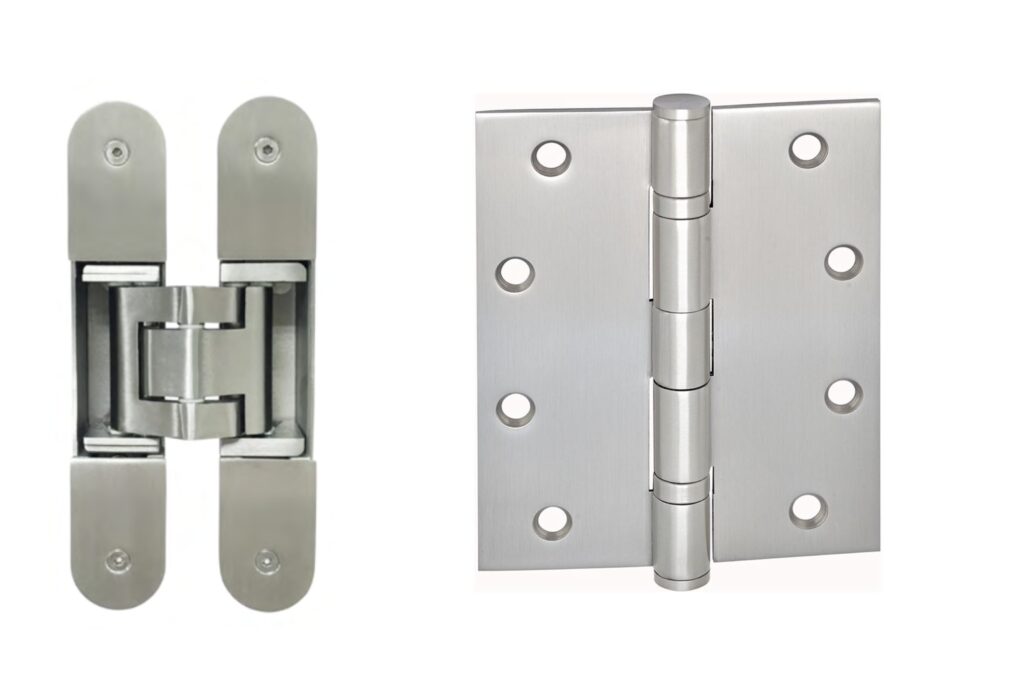
How to Choose the Right Stainless Steel Butt Hinge for Your Project
A stainless steel butt hinge looks simple, but the wrong choice can create door sagging, noisy operation, corrosion complaints1, or installation delays. Many buyers start with size, yet size alone does not confirm performance. I usually guide customers to match the hinge to the door, environment, usage, and documentation needs first.
To choose the right stainless steel butt hinge, start with the door weight, door size, usage frequency, installation environment, hinge thickness, pin or bearing structure, screw compatibility, finish quality, and required project documents. The best hinge is not always the largest or most expensive one. It is the model that fits the door application and verified compliance requirements.
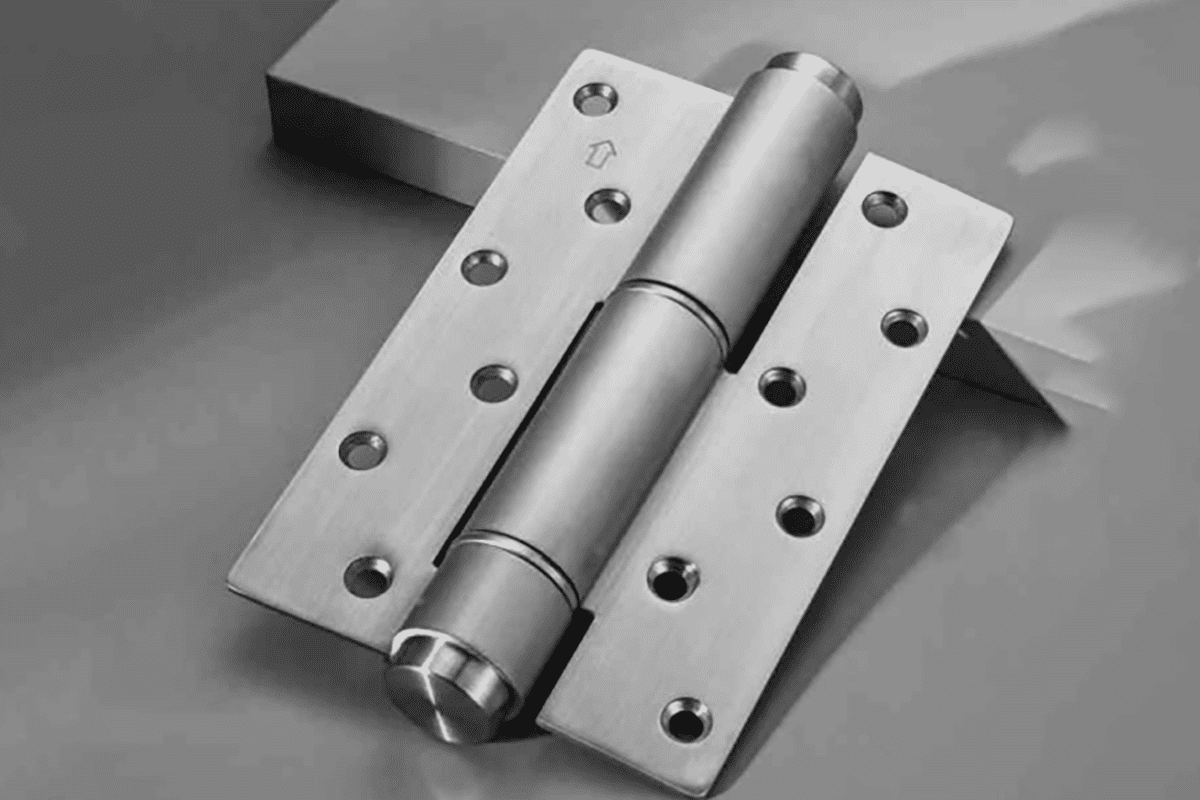
In my factory-side conversations with door manufacturers and hardware buyers, I often hear one first question: “What size hinge do you have?” That is a fair starting point, but it is not enough. A better selection process reduces risk before mass production, project bidding, or container loading begins.
Why should stainless steel butt hinge selection start with the door?
Door hardware problems often appear after installation, not during purchasing. That makes hinge selection risky when buyers only compare length, width, and price. If the hinge does not suit the door weight, size, and opening pattern, the final door set may suffer from poor alignment and user complaints.
The right stainless steel butt hinge should be selected according to the door’s weight, height, width, thickness, installation position, opening frequency, and expected service environment.2 These door conditions determine the load on the hinge and help buyers choose the proper size, material grade, thickness, structure, and quantity per door leaf.
Start with the door data
When a door factory sends me an inquiry, I prefer to confirm the door information before recommending a hinge. This is not because I want to make the conversation longer. It is because hinge selection depends on the door system.
I normally ask about:
- Door material: wooden door, metal door, fire-rated door, acoustic door, or special project door
- Door weight: approximate weight per leaf
- Door size: height, width, and thickness
- Opening frequency: residential, office, hotel, hospital, school, or commercial circulation
- Installation location: interior, exterior, humid, coastal, or industrial environment
- Frame material: wood, steel, aluminum, or composite
- Required documents: CE-related documents, fire-rated reports, drawings, inspection records, or other project files
These details help prevent common selection mistakes. For example, a tall door may need different hinge planning from a standard internal door. A heavy door may need more than a normal light-duty hinge. A humid location may require a different stainless steel grade or finish control than a dry interior space.
Why size alone can mislead procurement teams
Many buyers compare hinges by nominal dimensions, such as 4 inches, 5 inches, or 6 inches. This is useful, but it is not complete. Two hinges with the same external dimensions may behave differently3 because of:
| Factor | Why it matters |
|---|---|
| Leaf thickness | Thicker leaves generally provide better rigidity under load |
| Pin diameter | The pin affects hinge axis strength and long-term movement |
| Bearing type | Bearings can improve operation for higher-use doors |
| Knuckle forming | Accurate forming supports smoother rotation |
| Screw hole design | Screw compatibility affects installation strength |
| Surface finish | Finish quality affects corrosion resistance and appearance4 |
| Machining tolerance | Poor accuracy can create alignment and noise issues |
I have seen buyers request a specific dimension because it was used in a previous project. That can work when the new project is similar. However, it can create problems when the new door is heavier, taller, installed outdoors, or used in a busier building.
My practical rule is simple: choose the hinge after understanding the door, not before.
How many hinges should be used?
The number of hinges depends on the door height, weight, usage, and project requirements. Many standard doors use three hinges5, while taller or heavier doors may require more. However, this should not be guessed. Door factories should confirm the hinge quantity with their door design team, project specification, or a qualified technical professional.
For procurement evaluation, I suggest buyers ask suppliers for:
- Recommended application range for each hinge model
- Matching screw specifications
- Material and thickness details
- Drawing confirmation before order
- Sample testing before bulk production when the project is new
This approach keeps the purchasing process practical. It also helps both sides avoid disputes caused by unclear application conditions.
Which stainless steel grade is right for a stainless steel butt hinge?
Stainless steel grade is often discussed as if one grade is always superior. That is too simple. A hinge used in a dry interior room does not face the same corrosion exposure as a hinge installed near the sea. If the material does not match the environment, both cost and performance can suffer.
The right stainless steel grade for a stainless steel butt hinge depends on the installation environment. 201 may suit some dry interior applications, 304 is widely used for general corrosion resistance, and 316 is often considered for coastal or higher-corrosion environments.6 Buyers should match the grade to exposure conditions and project requirements.
201, 304, and 316 are environment choices
In many inquiries, customers ask, “Is 304 better than 201?” or “Should I use 316 for everything?” I usually answer carefully. Stainless steel grades should not be judged only as good or bad. They should be matched to the installation condition, budget, and required service expectation.
Here is a simple comparison for procurement discussions:
| Stainless steel grade | Common selection logic | Typical consideration |
|---|---|---|
| 201 stainless steel | Often considered for cost-sensitive interior use | Better suited to dry, less corrosive environments |
| 304 stainless steel | Common choice for general architectural hardware | Better corrosion resistance than 201 in many normal conditions |
| 316 stainless steel | Often considered for coastal, humid, or higher-corrosion areas | Higher corrosion resistance, usually higher cost |
This table is not a substitute for project engineering. It is a practical starting point for supplier and buyer discussions.
Match grade to exposure, not only price
For door factories and wholesalers, price is always important. I understand that very well because we quote for different markets, from Southeast Asia to the Middle East and Europe. However, the lowest initial price can create higher after-sales risk if the product is installed in the wrong environment.
Buyers should consider these questions:
- Will the door be used indoors or outdoors?
- Will the hinge face rain, salt air, cleaning chemicals, or humidity?
- Is the building near the coast?
- Will the hinge be installed in a hotel, hospital, school, or public building?
- Does the project specification already require a certain grade?
- Does the customer expect a specific finish, such as satin stainless steel or polished stainless steel?
Surface finish also matters
Material grade is only one part of corrosion performance. Surface treatment and finishing consistency also matter. A poorly finished hinge may show visible defects, rough edges, or uneven appearance. In B2B supply, this can affect both installation acceptance and brand reputation.
When I review hinge samples with customers, I suggest checking:
- Surface uniformity under normal lighting
- Edge finishing for burrs or sharpness
- Leaf flatness before installation
- Knuckle alignment along the hinge axis
- Visible scratches or stains on the surface
- Packaging protection for transport and storage
Avoid over-specifying when it is not needed
Using 316 stainless steel for every project may sound safe, but it can increase cost unnecessarily. Some interior projects do not require that level of corrosion resistance. On the other hand, choosing 201 only for price may be a poor decision for humid or coastal areas.
A responsible hinge supplier should help buyers balance:
- Project environment
- Target market
- Required service life
- Budget
- Compliance documents
- Brand positioning
At SDH Hardware, I prefer to treat stainless steel grade as a matching decision. This helps customers choose a hinge that is technically reasonable and commercially practical.
How do hinge structure and thickness affect stainless steel butt hinge performance?
A hinge may look strong in a product photo, but hidden structural details often decide how well it works. Thickness, pin design, bearing choice, machining accuracy, and screw layout can change the user experience. If these are ignored, the door may work poorly even when the hinge size seems correct.
Hinge structure and thickness affect load support, rotation smoothness, installation stability, and long-term door operation. For a stainless steel butt hinge, buyers should evaluate leaf thickness, pin or axis structure, knuckle accuracy, bearing design, screw hole compatibility, and flatness instead of relying only on external dimensions.
Thickness changes rigidity
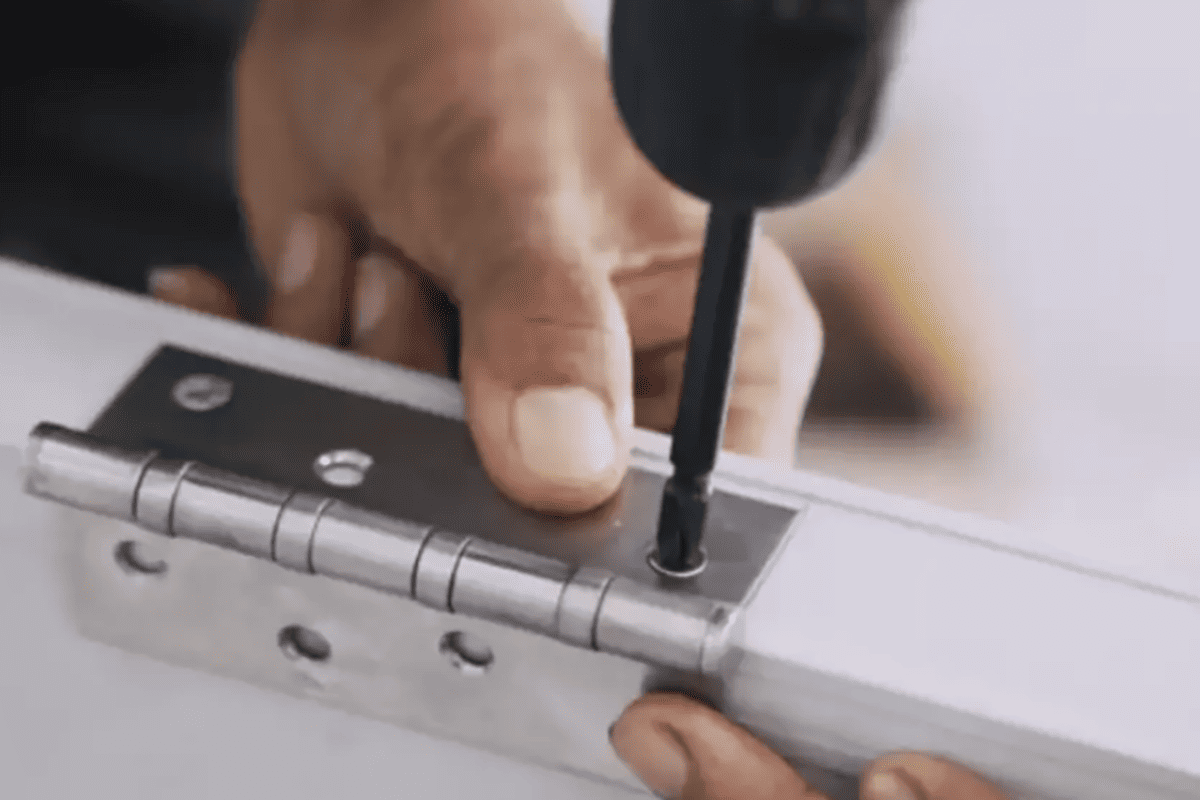
The thickness of the hinge leaf affects how the hinge resists bending under door load.7 A thin hinge may be acceptable for a light interior door. A thicker hinge may be needed for heavier doors or higher-use applications.
However, thickness should still match the door and frame preparation. A thicker hinge may require suitable mortising depth, matching screws, and compatible frame strength. If the hinge is stronger than the fixing base, the full door set may still fail to perform well.
Pin and knuckle accuracy affect movement
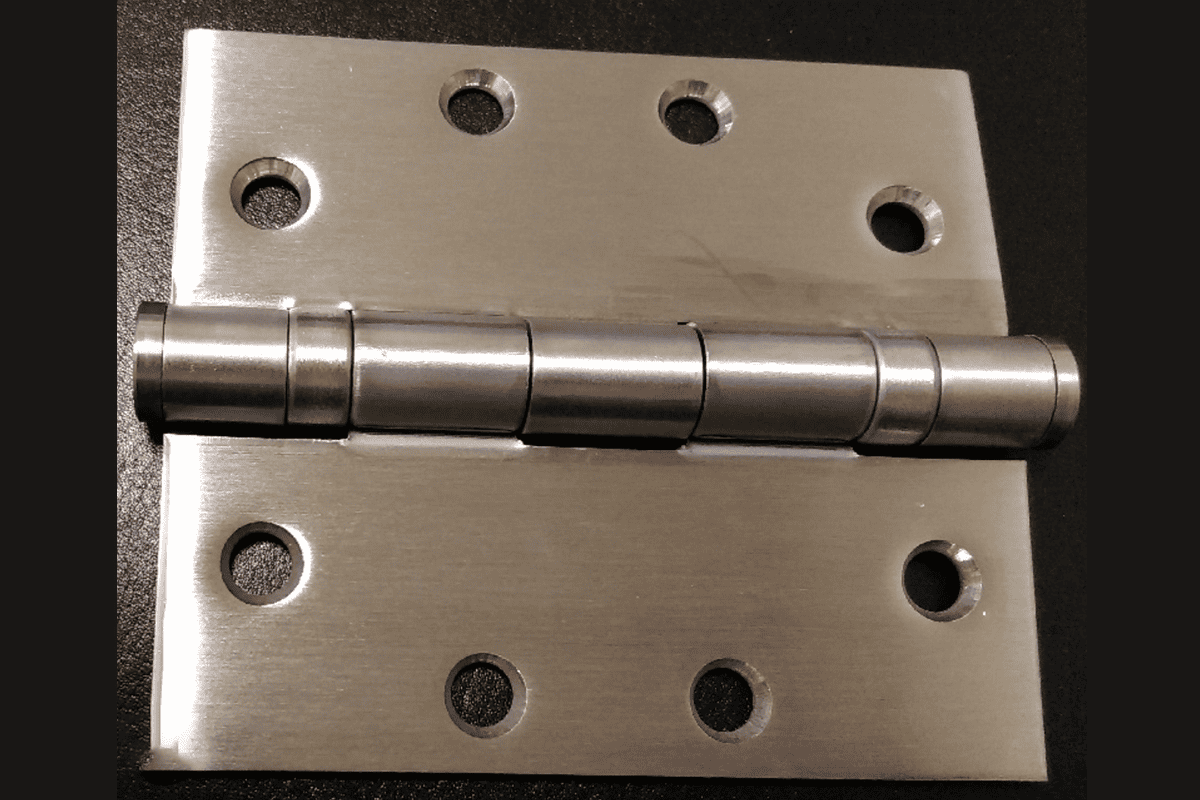
The pin is the axis of the hinge. The knuckles hold the pin and allow the leaves to rotate. If the knuckles are poorly formed or misaligned, the door can feel stiff, noisy, or uneven during operation.
Procurement teams should not only look at photos. They should test samples by hand and check:
- Does the hinge open smoothly?
- Does the pin sit straight?
- Is there excessive looseness?
- Are the knuckles evenly formed?
- Does the hinge close flat?
- Is there abnormal noise during movement?
These are simple checks, but they reveal a lot about production consistency.
Bearing hinges and plain bearing hinges
Some butt hinges use bearing structures to support smoother movement, especially for heavier or more frequently used doors. Other hinges use a simpler structure for standard applications. Neither is automatically correct for every project.
| Hinge structure | Common use logic | Buyer consideration |
|---|---|---|
| Plain bearing butt hinge | Standard interior doors or lower-frequency use | Cost-effective when matched correctly |
| Ball bearing butt hinge | Heavier doors or higher-frequency operation | Smoother movement and better wear behavior in many applications8 |
| Rising butt hinge | Special door clearance needs | Requires careful project confirmation |
| Security butt hinge | Doors needing additional security features | Must match door and frame design |
The key is to confirm the application. If a customer tells me the door will be used in a hotel corridor, office building, school, or hospital, I pay more attention to usage frequency and operational smoothness. A door that opens hundreds of times per day has different needs from a storage room door.
Screw compatibility is part of hinge performance
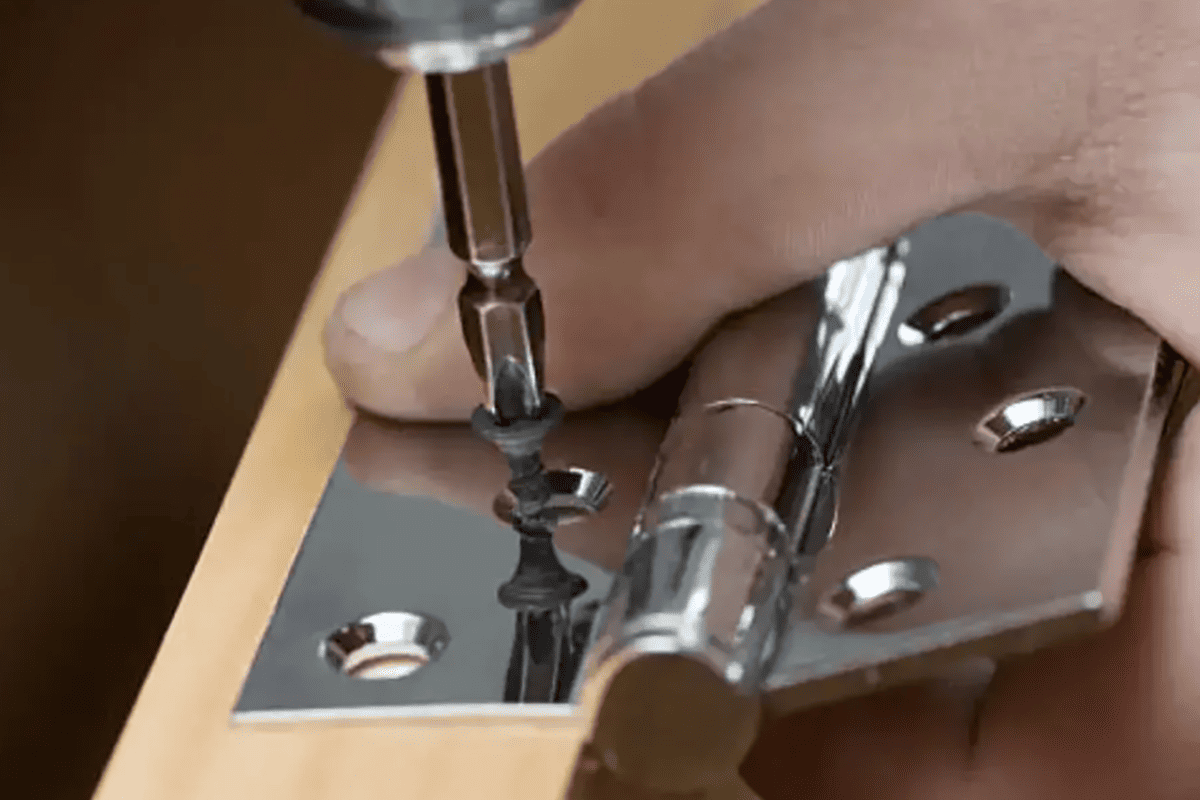
A hinge is only as reliable as its fixing method. Screw hole shape, screw diameter, screw length, and countersinking quality all affect installation.9 Buyers should confirm whether the hinge is supplied with screws and whether those screws match the door and frame material.
For B2B orders, I recommend confirming:
- Screw size and material
- Countersunk hole accuracy
- Hole position tolerance
- Door and frame material compatibility
- Packaging method for screws and accessories
- Whether the customer needs special screws
Manufacturing consistency matters in bulk orders
A good sample is important, but production consistency is more important for bulk supply. As a manufacturer, I know that buyers often evaluate one sample, then order thousands of pieces. That makes production control essential.
A practical supplier evaluation should include:
- Material inspection
- Stamping or forming control
- Hole position checking
- Surface finishing inspection
- Function testing
- Final packaging inspection
At SDH Hardware, our production process is built around full-process quality control, from raw material screening to finished product inspection. Buyers should still verify the exact model, order requirements, and inspection standard before confirming bulk production.
What project documents should buyers verify for a stainless steel butt hinge?
Certification claims can make a product look safer on paper, but buyers should not treat general claims as project approval. Door hardware compliance is application-specific. A document must match the hinge model, door type, test scope, and project requirement10, or it may not satisfy the buyer’s customer or building authority.
Buyers should verify that any CE, fire-rated, or compliance document for a stainless steel butt hinge is connected to the actual model, intended door application, and project specification. They should request relevant certificates, test reports, drawings, material details, and inspection records before approving the hinge for bulk supply.
Certificates should be checked by model and application
In international architectural hardware supply, I often see buyers ask, “Do you have CE?” or “Do you have fire-rated certification?” These are important questions, but they need follow-up details.
A more complete question is:
“Do you have valid documents for this hinge model, this door type, and this project application?”
This matters because certification scope can be limited. A fire-rated document may apply to a specific hinge type, door construction, test condition, or installation method. A CE-related document may also be tied to certain product categories and requirements. Buyers should review the document scope instead of relying only on a short claim in a quotation.
Documents buyers may request
For project supply, procurement and technical teams may need several files before approval.
| Document type | Why buyers request it |
|---|---|
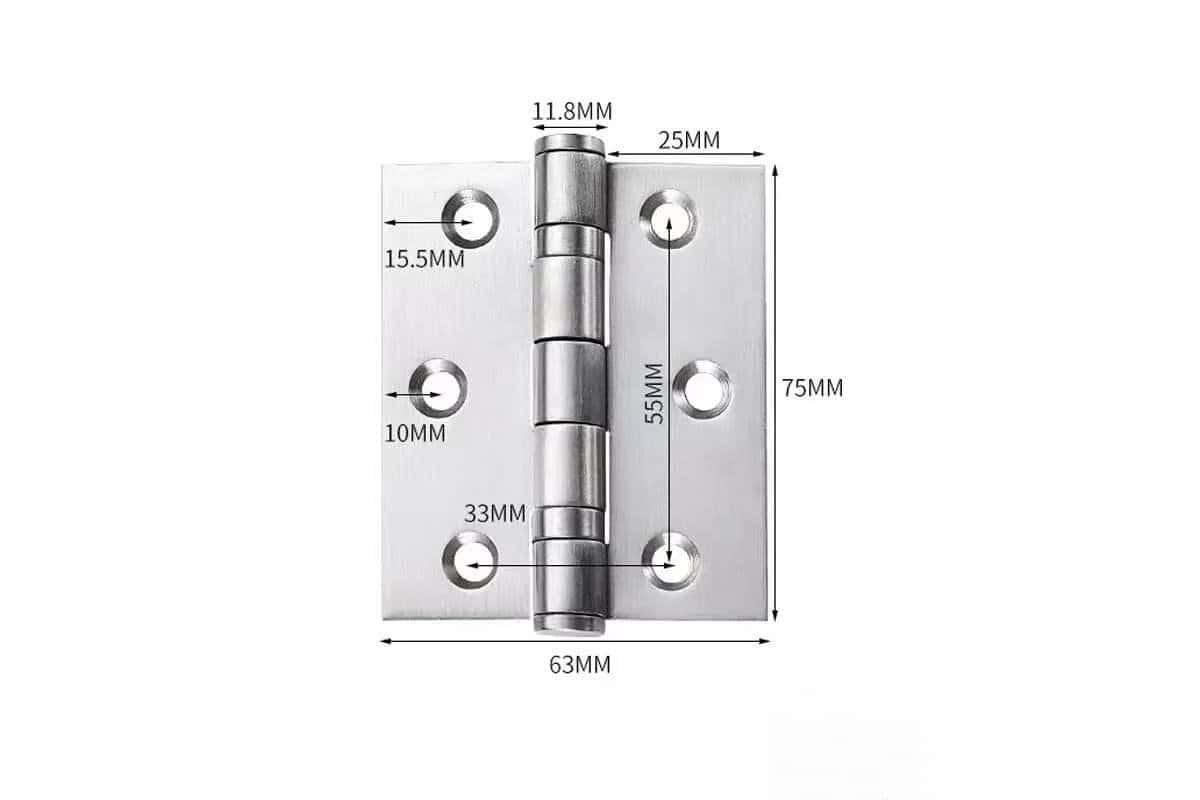
| Product drawing | Confirms size, hole position, thickness, and structure |
| Material specification | Confirms stainless steel grade and component material |
| Certificate or test report | Supports compliance review for specific requirements |
| Fire-rated document | Helps verify suitability for fire door applications |
| CE-related document | Supports European market or specification review |
| Inspection report | Confirms finished goods were checked before shipment |
| Packing list and label details | Supports warehouse and project traceability |
| Sample approval record | Reduces disputes before mass production |
At SDH Hardware, we can provide product drawings upon order confirmation and inspection service after order completion. However, I always recommend that buyers verify document relevance for their specific project and market.
Fire-rated doors need extra caution
Fire-rated door hardware selection should not be handled casually. A hinge for a fire-rated door must be reviewed as part of the full door assembly11 and project requirement. Buyers should confirm the required fire rating, door material, test standard, and approved hardware list.
A hinge may be made from stainless steel and still not be automatically acceptable for every fire door. Fire-rated applications should be reviewed by qualified professionals, relevant test documentation, and the project authority where applicable.
CE and international requirements
CE marking and other international compliance documents help buyers evaluate products12, especially for European or specification-driven markets. Still, procurement teams should confirm:
- Is the document current?
- Does it show the relevant product type?
- Does the model number match?
- Does the report cover the required application?
- Is the issuing body acceptable for the project?
- Does the customer require additional local documents?
This careful approach protects both buyer and supplier. It also prevents problems after shipment, when correcting documentation issues becomes expensive and slow.
Traceability supports B2B supply
For bulk wholesalers and hardware brand enterprises, traceability is part of risk control. Even when the hinge itself is not complex, buyers benefit from clear production records, packaging labels, order references, and inspection results.
I suggest that buyers build a simple document checklist for each hinge project. This checklist should be shared before ordering, not after production. It saves time and keeps all parties aligned.
How should buyers evaluate a stainless steel butt hinge supplier?
A good hinge supplier should do more than quote a price. The supplier should ask the right questions, confirm drawings, understand target markets, and support consistent production. If the supplier only answers with size and price, the buyer may carry more technical and commercial risk.
Buyers should evaluate a stainless steel butt hinge supplier by reviewing manufacturing capability, quality control process, material control, customization ability, documentation support, communication quality, sample consistency, and export experience. A reliable supplier helps match the hinge to the project rather than pushing one standard model for every door.
Factory capability affects consistency
For door factories and hardware brands, stable supply is as important as product selection. A supplier may provide a good sample, but buyers need to know whether the factory can repeat that quality in bulk production.
As a manufacturer with independent factory operations, I see this from the production side every day. Hardware buyers usually care about three things:
- Can the factory make the product correctly?
- Can the factory keep quality stable?
- Can the factory deliver with the required packaging and documents?
These questions are more useful than asking only for the lowest price.
What to check during supplier evaluation
A structured supplier review helps buyers compare options clearly.
| Evaluation area | What to check | Why it matters |
|---|---|---|
| Production capability | Equipment, process flow, capacity | Supports stable supply |
| Quality control | Incoming, in-process, and final inspection | Reduces defects and claims |
| Product range | Hinges, locks, handles, cylinders, accessories | Supports one-stop sourcing |
| Customization | Size, finish, logo, packaging, drawings | Helps match brand and project needs |
| Documentation | Certificates, test reports, inspection records | Supports project approval |
| Communication | Technical questions, fast confirmation, clear records | Reduces mistakes |
| Export experience | Market familiarity and packaging control | Supports international delivery |
SDH Hardware supplies architectural door hardware for door manufacturers, hardware brand enterprises, and bulk wholesalers. Our product range includes stainless steel lever handles, butt hinges, concealed hinges, Euro mortise locks, brass cylinders, and door accessories. This full-category supply can help buyers who want aligned finishes and coordinated hardware sets.
Sample approval before bulk orders
For a new buyer or new project, sample approval is important. However, sample review should be systematic. Buyers should not only check appearance.
I suggest checking:
- Dimensions against drawing
- Leaf thickness
- Hole position
- Flatness
- Surface finish
- Smooth opening and closing
- Screw fit
- Packaging method
- Marking or logo accuracy if customized
If the project uses special doors, the buyer should test the hinge with the actual door construction whenever possible. This is especially important for heavy doors, fire-rated doors, high-use doors, or export projects with strict specifications.
Customization and branding
Many B2B buyers need more than a standard hinge. They may need:
- Custom surface treatment
- Customer logo stamping or laser marking
- Custom color packaging
- Specific screw packs
- Adjusted hole positions
- Market-specific dimensions
- Matching hardware series
Conclusion
Choosing the right stainless steel butt hinge is a project-fit decision, not just a size-first purchase. Buyers should start with the door, confirm the environment, compare hinge structure, verify documents by model, and evaluate supplier capability before bulk ordering. This process helps reduce sagging, corrosion, noise, and specification mismatch. If you need factory-side support for stainless steel butt hinges, drawings, samples, OEM packaging, or project-based sourcing, I welcome you to contact SDH Hardware for a practical specification review.
"Installation Troubleshooting Guide for Standard Steel Doors & Frames | SDI", https://steeldoor.org/sdi-122/. Industry installation and troubleshooting guides for architectural doors note that misapplied or improperly selected hinges commonly lead to door sagging, misalignment, and squeaking, underscoring the need to match hinge type to door and usage conditions. Evidence role: expert_consensus; source type: institution. Supports: Industry guidance identifies improper hinge selection/installation as common causes of door sagging, misalignment, and noisy operation.. Scope note: Many such guides focus on steel door assemblies; details for wood doors may be covered by different standards. ↩
"A156.1 - 2025 Butts and Hinges", https://buildershardware.com/ANSI-BHMA-Standards/Hardware-Highlights/A1561-2025-Butts-and-Hinges. Hinge performance standards classify hinges by parameters such as door mass, durability cycles, and corrosion resistance, indicating that appropriate selection depends on door weight/size, expected usage frequency, and environmental exposure rather than nominal dimensions alone. Evidence role: general_support; source type: institution. Supports: Hinge standards classify products by load capacity, durability (cycles), and corrosion performance, implying selection should consider door mass/size, frequency of use, and environment.. Scope note: Standards provide performance classes but do not prescribe a single selection method for all projects. ↩
"ANSI/BHMA A156.1-2021", https://buildershardware.com/Portals/0/156_1%20HH%202021.pdf. Standards for butts and hinges differentiate bearing constructions and evaluate durability and load performance, indicating that hinges with similar nominal dimensions can have materially different operating characteristics due to design and construction. Evidence role: general_support; source type: institution. Supports: Standards distinguish bearing vs. non-bearing hinges and assess durability and load capacity, reflecting performance differences beyond external dimensions.. Scope note: Standards set criteria but do not compare specific commercial models. ↩
"Stainless steel", https://en.wikipedia.org/wiki/Stainless_steel. Metallurgical guidance notes that corrosion resistance of stainless steel improves with smoother, properly finished surfaces, while roughness and surface contamination promote corrosion initiation and degrade appearance. Evidence role: mechanism; source type: institution. Supports: Technical literature explains that smoother, clean stainless surfaces inhibit corrosion initiation better than rough or contaminated finishes.. Scope note: Mechanistic guidance is general and not specific to any one hinge geometry. ↩
"087100 – door hardware part 1 - general 1.01 summary", https://fcs.cornell.edu/sites/default/files/imce/site_contributor/Design_Standards/087100_Door%20Hardware.pdf. Fire door standards specify two hinges for doors up to 60 inches in height, with an additional hinge for each additional 30 inches or fraction thereof, making three hinges common for many standard-height doors. Evidence role: definition; source type: institution. Supports: Standards specify minimum hinge quantities by door height, making three hinges typical for many standard doors.. Scope note: This requirement explicitly applies to fire-rated doors; non–fire-rated doors may follow similar industry practice but are governed by project specifications. ↩
"Marine grade stainless", https://en.wikipedia.org/wiki/Marine_grade_stainless. Technical guidance on stainless steel selection for marine and coastal atmospheres recommends molybdenum-bearing grade 316 over 304 because it offers improved resistance to chloride-induced pitting and crevice corrosion typical of sea-salt exposure. Evidence role: general_support; source type: institution. Supports: Authoritative guidance recommends 316 for chloride-rich coastal environments due to enhanced pitting/crevice corrosion resistance relative to 304.. Scope note: Actual performance depends on design details, finish quality, and maintenance. ↩
"Bending of plates", https://en.wikipedia.org/wiki/Bending_of_plates. Mechanics of materials principles explain that bending stiffness depends on the section’s second moment of area, which increases rapidly with thickness, so thicker leaves resist bending more effectively under load. Evidence role: mechanism; source type: encyclopedia. Supports: Mechanics of materials shows that bending stiffness scales with geometric section properties that increase strongly with thickness.. Scope note: The exact stiffness gain depends on the leaf’s geometry and material properties. ↩
"Bearing (mechanical)", https://en.wikipedia.org/wiki/Bearing_(mechanical). Technical overviews of hinges explain that incorporating bearings reduces friction at the pivot, yielding smoother operation and lower wear than plain bearing designs, benefits that are particularly relevant for heavy or frequently cycled doors. Evidence role: mechanism; source type: encyclopedia. Supports: Reference materials describe that bearings in hinges reduce friction, enabling smoother motion and reducing wear relative to plain bearing designs.. Scope note: General descriptions do not quantify performance for specific models. ↩
"087100 – DOOR HARDWARE - Facilities and Campus Services", https://fcs.cornell.edu/087100-door-hardware. Installation guidance for architectural doors specifies compatible hinge fasteners and proper attachment to door and frame reinforcements, highlighting the importance of correct screw size, hole pattern, and countersinking for reliable hinge performance. Evidence role: general_support; source type: institution. Supports: Installation standards specify hinge fastener types and proper attachment to reinforcements, underscoring that screw size and hole/countersink accuracy affect performance.. Scope note: Referenced guidance is typically written for steel doors; wood doors follow other industry standards. ↩
"Compliance FAQs: CE Marking", https://www.nist.gov/standardsgov/compliance-faqs-ce-marking. European regulatory guidance for construction products states that the Declaration of Performance and CE marking are specific to the product type and intended use and must identify the model and declared performance relevant to the application. Evidence role: definition; source type: government. Supports: Under the EU CPR, the Declaration of Performance and CE marking identify the specific product type and declared performance for the intended use.. Scope note: This regulatory framework applies to the EU market; other jurisdictions use different conformity schemes. ↩
"NSPIRE Standard - Door - Fire", https://www.hud.gov/sites/dfiles/PIH/documents/NSPIRE-Standard-Door-Fire-Labeled_20230811.pdf. Fire door standards require that hinges and other hardware be listed or labeled for use on fire door assemblies and used in accordance with the assembly’s listing, reflecting evaluation of the complete assembly rather than isolated components. Evidence role: definition; source type: institution. Supports: Fire door standards require hinges and other hardware to be listed/labeled for use on fire door assemblies and installed in accordance with the assembly’s listing.. Scope note: Adoption and enforcement can vary by jurisdiction; equivalent provisions exist in other standards regimes. ↩
"CE marking", https://en.wikipedia.org/wiki/CE_marking. European Commission guidance states that CE marking for construction products indicates conformity with the product’s Declaration of Performance under the Construction Products Regulation and is a requirement for placing covered products on the EU market. Evidence role: general_support; source type: government. Supports: Official EU guidance explains that CE marking for construction products indicates conformity with the Declaration of Performance under the CPR and is relevant for placing products on the EU market.. Scope note: Applicability depends on whether a harmonized standard covers the product. ↩
