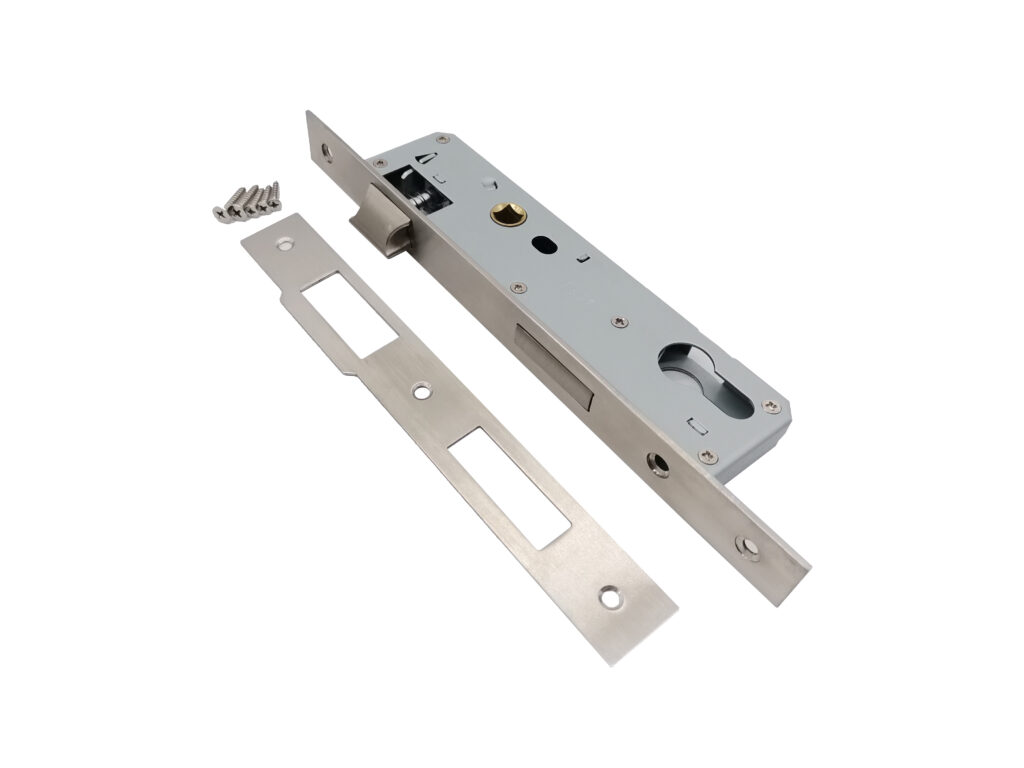
1. Euro Standard Narrow Stile Mortise Door Locks: Essential Guide for Aluminum and UPVC Doors
Introduction to Narrow Stile Mortise Door Locks
Euro standard narrow stile mortise door locks represent a specialized category of security hardware designed specifically for modern aluminum and UPVC door systems. These locks are characterized by their unique mechanical design and standardized dimensions that conform to European security and quality standards. The term “narrow stile” refers to the lock’s adaptation for doors with narrower frame profiles (typically ranging from 20mm to 60mm), which are common in contemporary aluminum and UPVC door systems . Unlike traditional residential locks, these specialized mechanisms are engineered to provide enhanced security while maintaining the aesthetic integrity of sleek, modern door designs.
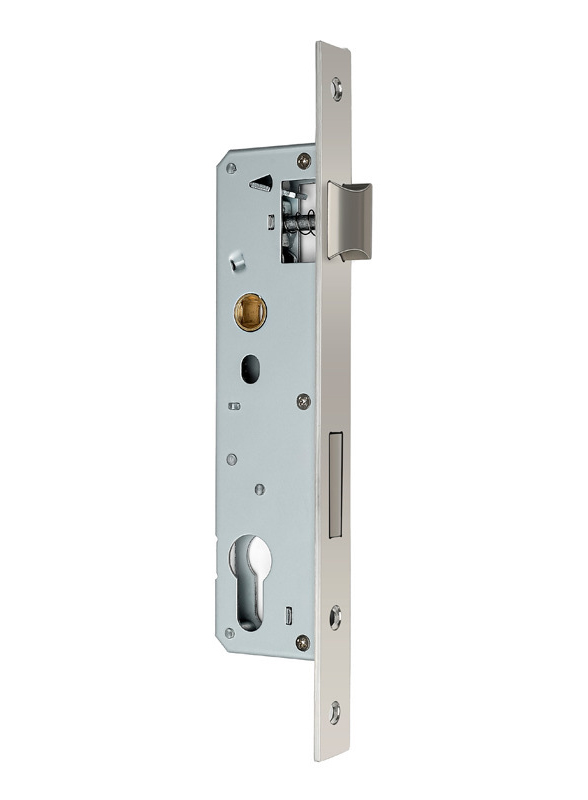
The mortise-style construction means the lock body is installed within a pocket (mortise) cut into the door, creating a integrated security system that distribizes locking mechanisms across multiple points. According to certification standards, these locks must undergo rigorous testing including 200,000 cycles under 50N door lock load while maintaining Grade 6 protection levels . This European standardization (EN 12209, EN 14846) ensures that regardless of manufacturer, these locks maintain consistent performance characteristics and interoperability with various door hardware systems .
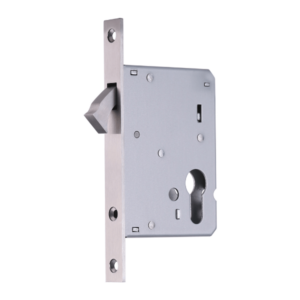
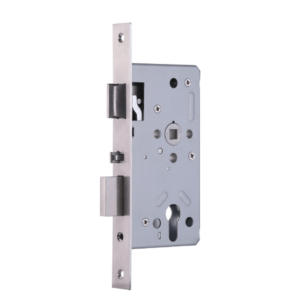
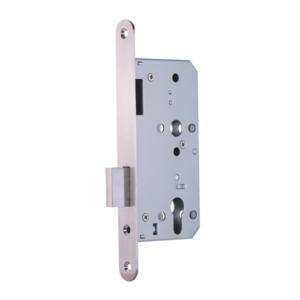
The fundamental architecture of these locks typically includes a mortise housing, deadbolt mechanism, latch system, and cylinder assembly. Premium versions often feature stainless steel 304 components (particularly latch bolts and deadbolts) with galvanized steel cases for maximum corrosion resistance . The backset measurements (distance from door edge to cylinder center) typically range between 55mm to 80mm, with multiple options available to accommodate different door profiles . This flexibility in configuration makes them suitable for various applications from residential entry doors to commercial security installations.
2. Advantages and Benefits of Narrow Stile Door Locks
2.1 Security Advantages
Narrow stile mortise locks provide exceptional security performance through their multi-point locking systems and robust construction. Unlike standard cylindrical locks, the mortise design distributes locking forces across a larger area, making them significantly more resistant to forced entry. The Euro standard versions undergo rigorous testing to meet Grade 3 security standards (200,000 test cycles) and fire rating requirements (EN1634: 260min fire rated) . Many premium models feature anti-drill protection, anti-pick cylinders, and reinforced strike plates that collectively provide comprehensive protection against common burglary techniques. The mechanical guarantee often extends up to 10 years, testament to their durability and reliability .
2.2 Durability and Weather Resistance
Constructed from premium materials including stainless steel 304, iron, and brass components, narrow stile mortise locks offer exceptional longevity even in demanding environments. The SS304 stainless steel models provide superior corrosion resistance, making them ideal for coastal areas or regions with extreme weather conditions . Surface treatments such as PVD (Physical Vapor Deposition), polishing, powder coating (baking paint), and various electrochemical finishes enhance both appearance and environmental resistance . These treatments undergo specialized salt spray testing to ensure they can withstand prolonged exposure to moisture, UV radiation, and temperature fluctuations without degrading performance or appearance .
2.3 Design and Aesthetic Benefits
The low-profile design of narrow stile locks complements modern architectural aesthetics without compromising security. Available in various finishes including satin nickel, bright chrome, gold, matt black, and satin graphite, they can seamlessly integrate with diverse design schemes from contemporary to classical European styles . The hidden installation approach (fully concealed within the door) maintains clean sight lines and prevents visual clutter on door surfaces. For aluminum and UPVC doors specifically, which often feature slim profiles and modern aesthetics, these locks provide the crucial balance of technical performance and design sensitivity that architects and builders require.
2.4 Functional Benefits
The smooth operation and ergonomic functionality of quality narrow stile mortise locks enhance user experience significantly. European-style designs often incorporate precision engineering that reduces operating force required while maintaining security, with torque requirements typically 30-40% lower than standard locks . The reversible mechanisms in many models allow for handedness flexibility (usable on both left and right-opening doors), simplifying inventory management for installers and distributors. Additionally, many manufacturers offer customization options for cylinder lengths, backset measurements, and finish colors, enabling perfect adaptation to specific project requirements .
Table: Comparative Advantages of Narrow Stile Mortise Locks
| Feature | Standard Locks | Narrow Stile Mortise Locks |
|---|---|---|
| Security Level | Basic single-point locking | Multi-point locking with anti-forcing features |
| Durability | 100,000 cycles typical | 200,000+ cycles (EN 12209 certified) |
| Weather Resistance | Limited corrosion protection | SS304 stainless steel with PVD coating |
| Design Integration | Often protrudes from door | Low-profile, concealed installation |
| Customization | Limited options | Multiple backset, finish, and configuration options |
3. Common Applications and Usage Scenarios
3.1 Residential Applications
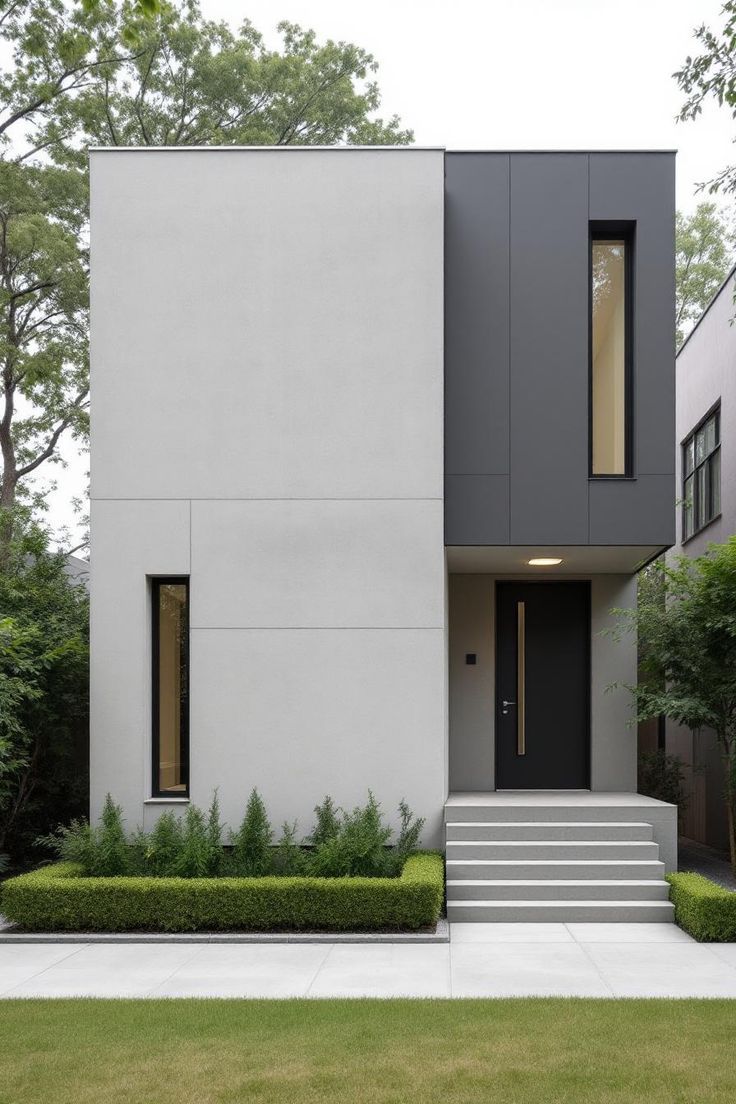
In residential settings, narrow stile mortise locks provide enhanced security for aluminum and UPVC entrance doors, which are increasingly popular in modern home design. These locks are particularly valued for their sleek appearance that complements contemporary architectural styles while providing protection against intrusion attempts. For homeowners, the key advantages include simple operation, long service life (typically 10+ years), and minimal maintenance requirements compared to traditional locking systems . The multi-point locking systems common in these mechanisms significantly improve the thermal efficiency and weather sealing of exterior doors by drawing the entire door panel tightly against weather stripping—a crucial benefit for energy-conscious homeowners.
Beyond primary entrance doors, these locks find application in secondary access points including patio doors, balcony doors, and garden access points where security and weather resistance are equally important. The availability of various finish options allows homeowners to match hardware across all entry points while maintaining appropriate security levels. For internal security applications, some models with privacy functionality are used for bedrooms and bathrooms in high-end residential projects where design consistency matters .
3.2 Commercial and Institutional Applications
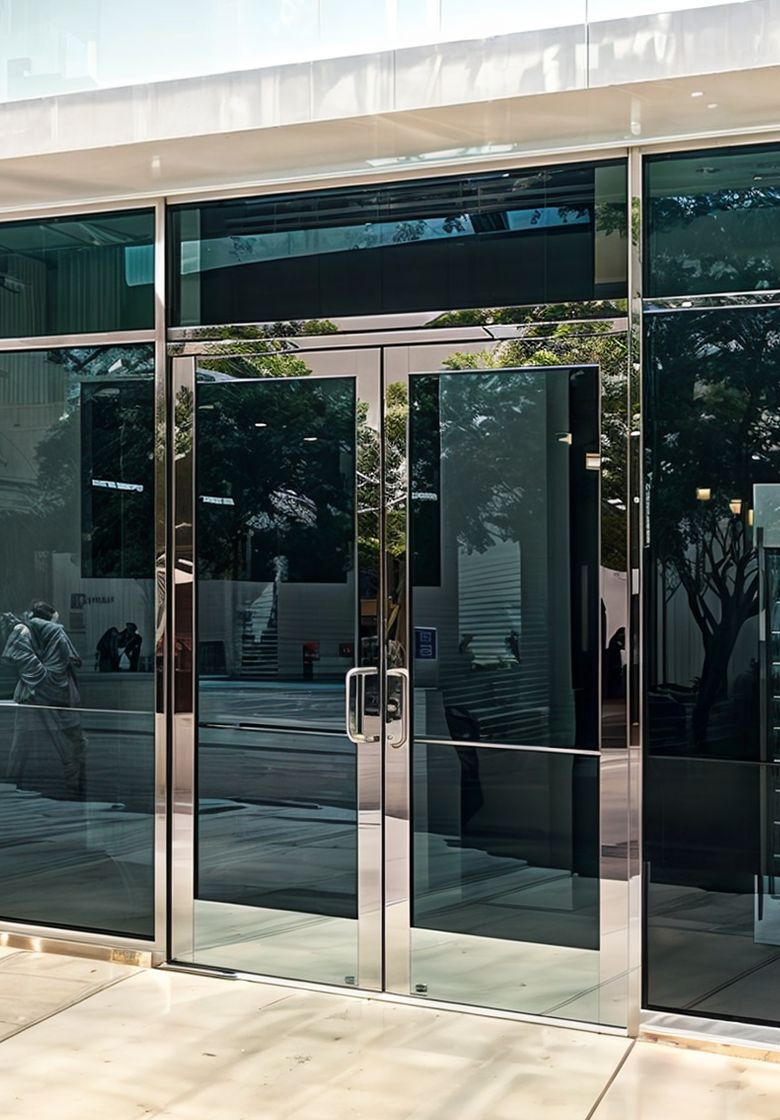
The commercial sector represents a significant application area for narrow stile mortise locks, particularly in office buildings, educational institutions, healthcare facilities, and retail establishments. Their robust construction meets the demands of high-traffic environments while maintaining security protocols. In commercial settings, these locks often integrate with access control systems, automated entry systems, and emergency egress mechanisms to provide comprehensive security management .
For institutional applications requiring compliance with fire safety regulations, specialized versions with panic hardware functionality and fire-rated certifications (up to 3-hour fire resistance) are available. These models feature mechanisms that allow immediate egress during emergencies while maintaining security during normal operation . The 2000 Series Narrow Head Exit Devices, for example, are UL/cUL listed for panic hardware and certified to ANSI/UL305 and ANSI/BHMA A156.3 Grade 1 standards—the highest commercial security grade available .
3.3 Specialized Applications
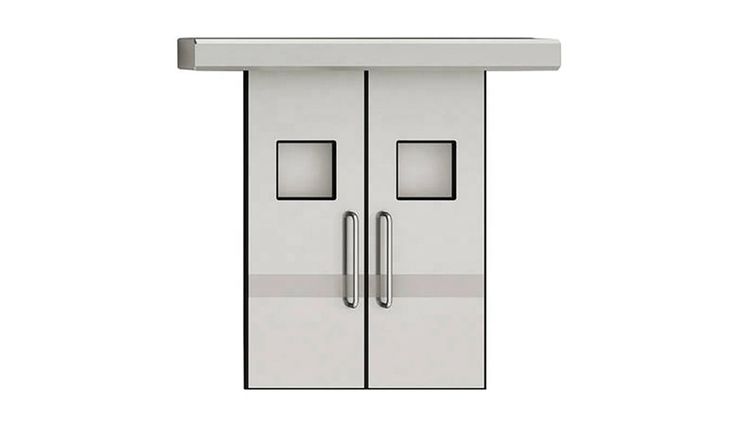
Beyond standard residential and commercial applications, narrow stile mortise locks serve specialized purposes in high-security facilities, coastal properties (thanks to superior corrosion resistance), and historical buildings where traditional security solutions might compromise architectural integrity. The availability of custom finishes and reduced projection designs enables preservation of historical aesthetics while meeting modern security requirements .
In industrial settings, heavy-duty versions with reinforced mechanisms and protective coatings provide security for equipment rooms, storage facilities, and access control points. The E8 adjustable draw latches, for instance, offer maximum working loads of 1560N (350 lbs.) with corrosion-resistant materials suitable for both indoor and outdoor industrial applications .
4. How to Choose the Right Narrow Stile Door Lock
4.1 Material Considerations
Selecting appropriate materials is fundamental to ensuring long-term performance and corrosion resistance. For the lock body, stainless steel 304 represents the premium choice for exceptional corrosion resistance, particularly in coastal regions or areas with high pollution levels . For budget-conscious applications, galvanized steel cases provide good protection when combined with quality surface treatments. Internal mechanisms benefit from brass components for their self-lubricating properties and corrosion resistance. When evaluating materials, consider:
- Material certifications: Look for ISO, SGS, or other third-party verification of material composition
- Surface treatments: PVD coatings provide superior durability compared to electroplating
- Environmental compatibility: Ensure materials appropriate for local climate conditions
- Internal mechanism materials: Prefer brass or stainless steel for critical wear components

4.2 Certification and Security Standards
Verifying appropriate certifications ensures the lock meets required security and safety standards. For European markets, CE marking according to EN 12209 and EN 14846 standards is essential . For international projects, look for ANSI/BHMA grading (Grade 1 representing the highest commercial standard) . Additional certifications to seek include:
- Fire resistance ratings: EN1634 certification for fire doors
- Safety certifications: UL/cUL listing for panic hardware
- Quality management: ISO 9001 certification of manufacturing facilities
- Corrosion resistance: Salt spray testing results (typically 96+ hours for quality locks)
These certifications provide independent verification of performance claims and ensure the product meets regulatory requirements for your specific application.
4.3 Measurement and Compatibility Factors
Proper measurements are critical to ensuring successful installation and operation. Key dimensional considerations include:
- Backset distance: Typically 55mm, 60mm, 70mm, or 80mm for Euro profile locks
- Door thickness compatibility: Verify range of door thicknesses the lock accommodates
- Lock cylinder length: Usually 45-110mm, must match door preparation
- Stile width: Narrow stile locks designed for stiles as narrow as 20mm
Always measure existing doors carefully before specifying locks, and consider ordering samples for test fitting when working with large quantities. Many manufacturers provide customization services for non-standard dimensions, though this typically increases cost and lead time .
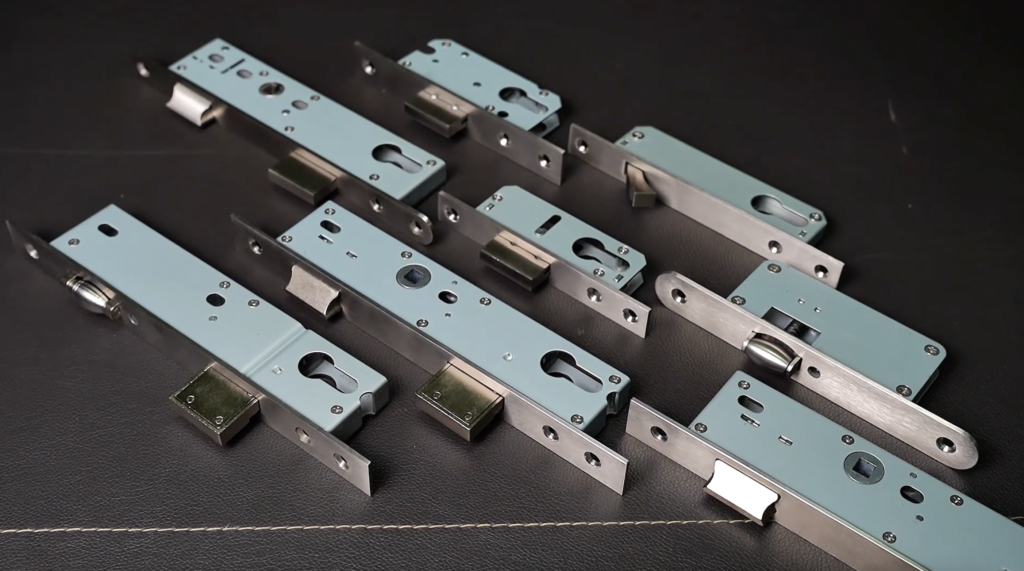
4.4 Design and Aesthetic Considerations
The visual appearance of door hardware significantly impacts overall architectural aesthetics. When selecting narrow stile mortise locks, consider:
- Finish options: Available finishes including SSS (satin stainless), PSS (polished stainless), PVD (physical vapor deposition in various colors), AB (antique brass), AC (antique copper)
- Design style: European contemporary vs. traditional profiles
- Hardware coordination: Availability of matching hinges, handles, and accessory hardware
- Visual prominence: Some designs emphasize low-profile integration while others make decorative statements
For aluminum and UPVC doors, which typically feature modern aesthetics, simpler designs with clean lines often integrate most successfully .
Table: Key Selection Criteria for Narrow Stile Mortise Locks
| Selection Factor | Importance Level | Recommendations |
|---|---|---|
| Security Grade | Critical | Minimum Grade 3 EN 12209 for residential; Grade 1 ANSI/BHMA for commercial |
| Material Quality | Critical | SS304 stainless steel for corrosion resistance; brass internal mechanisms |
| Certifications | High | CE marking, fire ratings (if required), quality management certifications |
| Dimensional Compatibility | High | Precise backset measurement; verify door thickness range |
| Aesthetic Appeal | Medium | Finish matching existing hardware; style appropriate to architecture |
| Budget Constraints | Variable | Balance between initial cost and lifetime value |
5. Installation and Maintenance Guidelines
5.1 Professional Installation Recommendations
While experienced DIY enthusiasts may attempt installation of narrow stile mortise locks, professional installation is strongly recommended to ensure optimal performance and security. The complex mortise cutting requires precision tools and expertise to avoid compromising door structural integrity. Professional installers typically follow these steps:
- Template application: Using manufacturer-provided templates to mark cutting locations
- Mortise cutting: Precise cutting of the door pocket using specialized mortising equipment
- Bore drilling: Creating cylinder and spindle holes with exact diameter and placement
- Hardware installation: Mounting lock body and attaching all operational components
- Strike plate alignment: Precise alignment with door frame to ensure smooth operation
- Function testing: Verification of all locking functions and adjustments as needed
Many quality locks come with detailed installation instructions and template guides to facilitate proper installation. Some manufacturers offer technical support services to assist installers with challenging applications .
5.2 Maintenance Requirements
Regular maintenance ensures long-term reliability and security of narrow stile mortise locks. A comprehensive maintenance program includes:
- Semi-annual cleaning: Removing debris from mechanisms using compressed air
- Lubrication: Applying graphite-based lubricants (not oil-based) to moving parts every 6-12 months
- Inspection: Checking for wear on bolts, strikes, and internal mechanisms annually
- Fastener tightening: Verifying all mounting screws are properly tightened
- Weather sealing inspection: Ensuring weather seals aren’t interfering with operation
High-quality locks typically require minimal maintenance beyond occasional lubrication and inspection. Many manufacturers offer replacement parts for wear items such as cylinders, springs, and bolts, extending the usable life of the hardware .
6. Conclusion: Making the Right Choice for Your Doors
Euro standard narrow stile mortise door locks represent the intersection of advanced security engineering, durable materials technology, and refined aesthetic design. For aluminum and UPVC doors, which demand specialized hardware solutions, these locks provide the precise combination of features needed for long-term performance and reliability. The comprehensive European standardization system ensures consistent quality and performance across manufacturers, while the variety of available configurations enables customization for specific project requirements.
When selecting narrow stile mortise locks, prioritize certified security ratings, appropriate material selection, and precise dimensional compatibility with your doors. Consider both the immediate requirements and long-term performance expectations, including environmental exposure patterns and usage intensity. By investing in quality hardware from reputable manufacturers and ensuring professional installation, you secure not just openings but the people and assets behind them—which after all is the fundamental purpose of any door locking system.
Whether securing a residential entry, commercial facility, or specialized application, narrow stile mortise locks offer a sophisticated security solution worthy of consideration for any project involving aluminum or UPVC doors. Their combination of technical excellence and design sensitivity makes them an outstanding choice for architects, builders, and property owners seeking to balance security needs with aesthetic considerations.