Door handles are among the most frequently touched pieces of architectural hardware in our daily lives. Typically paired with mortise locks, they come in a wide variety of materials and styles to suit different environments and design preferences. In this guide, we’ll walk through the most common types of door handles and help you understand where each one performs best.
1. Stainless Steel Door Handles
Stainless steel door handles are widely used in public buildings, fire-rated doors, and interior doors where durability is essential. Their design tends to be clean and minimal, focusing on strength and long-term performance—even under harsh conditions.
High-quality stainless steel handles are usually made from SUS304, offering excellent resistance to heat and corrosion. The internal spindle is often crafted from brass or stainless steel and securely connected using laser welding technology.
For more cost-sensitive projects, manufacturers may use SUS201 stainless steel, with internal spindles made from galvanized iron. While more affordable, these options may not match the longevity of higher-grade materials.
When more intricate designs are required, stainless steel casting is often used instead of tubing. Although this increases production cost, it allows for more complex shapes, improved durability, and a more refined appearance.

2. Nylon Door Handles
Nylon door handles are known for their practicality and comfort. Typically constructed with a steel core wrapped in nylon, they maintain structural strength while offering a softer touch.
One key advantage of nylon is its low thermal conductivity—meaning it won’t feel excessively hot in summer or cold in winter. This makes nylon handles especially comfortable in environments with extreme temperatures.
In healthcare settings, such as hospitals, manufacturers often incorporate antibacterial additives like silver ions into the nylon material to help reduce the spread of germs.

3. Zinc Alloy Door Handles
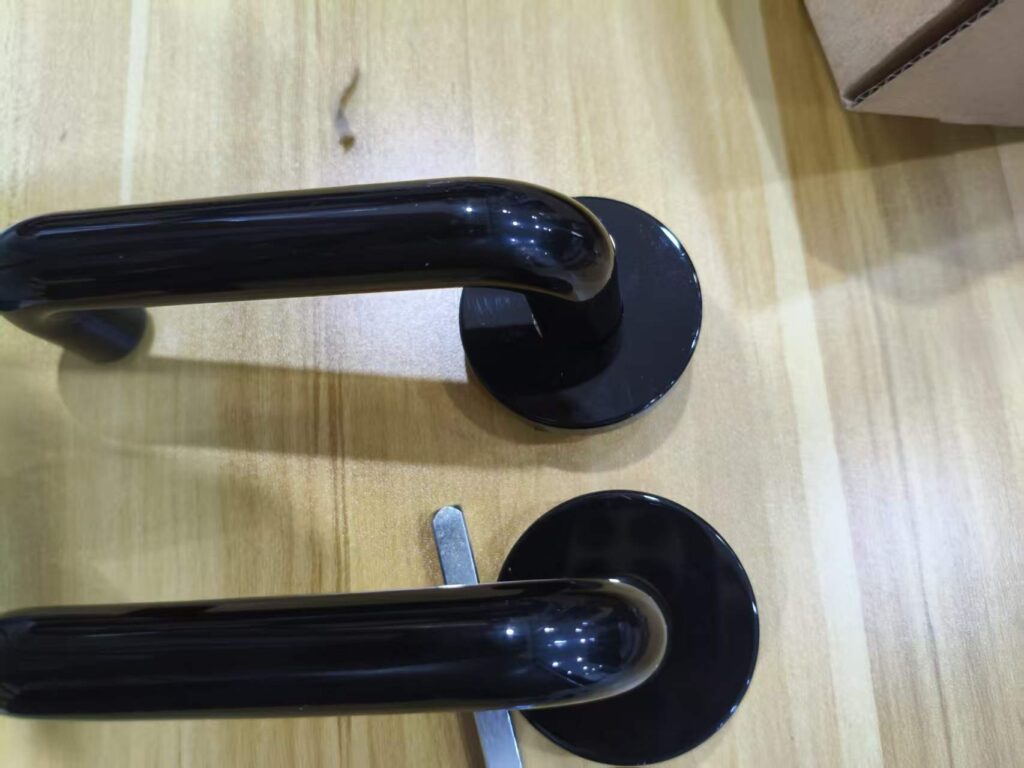
Zinc alloy handles are a popular choice for high-end residential interior doors. This material is highly versatile and allows for detailed, elegant designs through die-casting processes.
Zinc alloy also provides excellent electroplating performance, resulting in premium finishes such as chrome, matte black, or brushed gold. While not as strong as stainless steel, its aesthetic advantages make it ideal for residential use where design is a priority.

4. Aluminum Alloy Door Handles
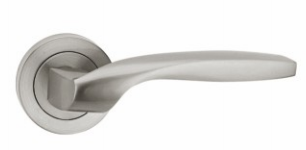
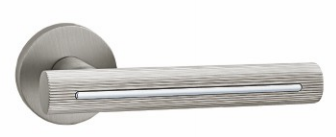
Aluminum alloy handles are another common option for residential interiors. Compared to zinc alloy, they are lighter and more cost-effective, making them a practical choice for projects with tight budgets.
Despite their lower cost, aluminum handles can still achieve a wide range of styles and finishes. They strike a good balance between affordability and visual appeal, making them popular in value-driven housing projects.
5. ABS Door Handles
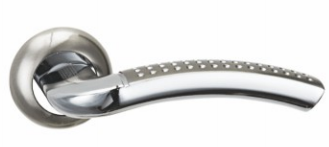
ABS (Acrylonitrile Butadiene Styrene) is an engineering plastic known for its high strength and impact resistance—often comparable to certain metals, but at a significantly lower cost.
ABS door handles are widely used in residential interior doors, especially in large-scale housing developments where cost efficiency is critical. They offer durability, ease of manufacturing, and design flexibility.
Let’s Talk About Your Project
Choosing the right door handle depends on your project’s requirements—whether that’s durability, aesthetics, budget, or specific functional needs like fire resistance or hygiene.
Feel free to reach out and discuss your project with us:
WhatsApp: +86 13869164675
Email: alfred@euprotek.com
We’re happy to help you find the best solution.