Mortise locks are one of the oldest and most secure locking mechanisms available. Typically, a mortise lock combines a deadbolt with a latch, which is installed into the door itself, providing an extra layer of protection that cannot be easily tampered with or bypassed.
A mortise lock is a type of door lock which typically combines a latch and deadbolt in one unit. It requires a pocket, or mortise, to be cut into the edge of the door for installation. The locking components are usually contained inside the door itself, providing an aesthetically pleasing design with no visible hardware from the outside. Mortise locks offer increased security and privacy compared to other types of door locks, as their internal mechanisms are not visible from the outside. Many mortise locks contain a built-in cylinder that can be used with a key for added security. Mortise locks are typically more difficult to install than other types of door locks, but they provide greater protection for any home or business.
Due to its strength and durability, mortise locks are often used in commercial buildings and hotels, where security is paramount. With its multiple layers of protection, it’s no wonder that mortise locks are so popular for those who take their safety and security seriously. Not only do they provide an extra layer of security, but the fact that it also requires a physical key to open makes them extremely difficult to pick or duplicate. As such, you can rest assured that your property is secure when using a mortise lock. All in all, the popularity and longevity of the mortise lock speak to its effectiveness as a locking mechanism, making it a great choice for those who want an extra layer of security.
History of Mortise Locks
Mortise locks boast a long and storied history, dating back to antiquity.
Initially, they were frequently paired with pull handles; by the mid-19th century, they had become a standard feature in grand mansions. Today, the application of mortise locks is remarkably widespread, spanning a diverse range of structures—from private residences to commercial establishments.
This mortise lock door hardware successfully bridges the gap between traditional craftsmanship and contemporary security requirements. Property owners and security professionals continue to rely on mortise lock systems because they deliver consistent performance and durability that newer technologies often struggle to match.
Main Components of Mortise Lock Sets
1. Mortise Lock Body
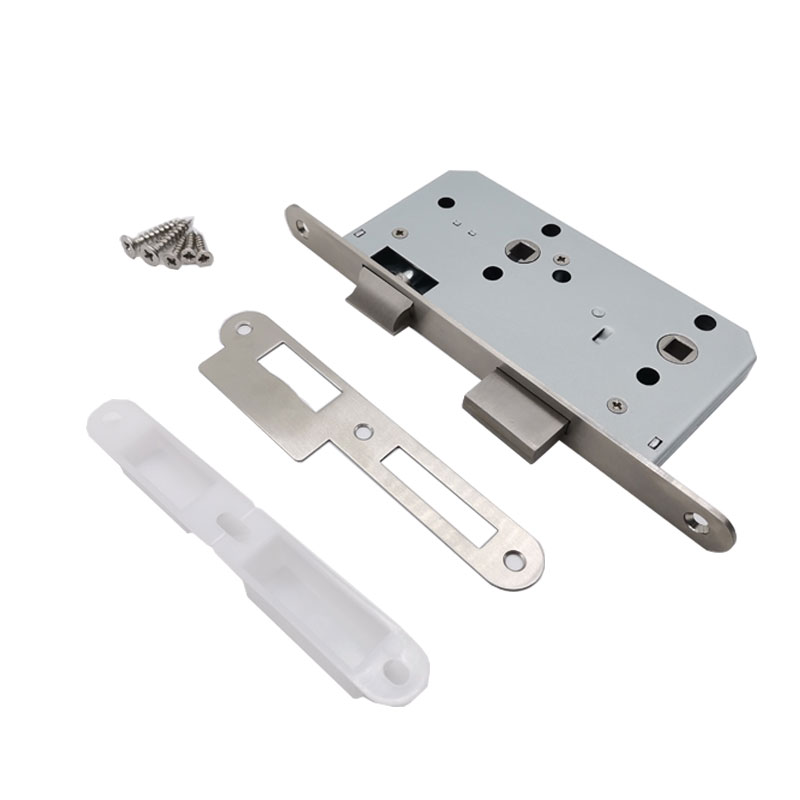
The mortise lock body serves as the core of the mortise lock system, housing the intricate internal mechanism responsible for its functionality. This critical component is engineered to deliver reliability and security, making it an essential element in any high-quality lock. Mortise lock bodies are designed to meet different regional standards.
Mortise lock bodies serve multiple functions depending on your needs. Passage locks allow free movement without locking. Privacy locks provide interior locking for bathrooms or bedrooms. Entrance locks require keys from outside but thumb-turn inside. Commercial mortise locks for classroom applications let teachers control access, while storeroom locks stay locked until keyed open.


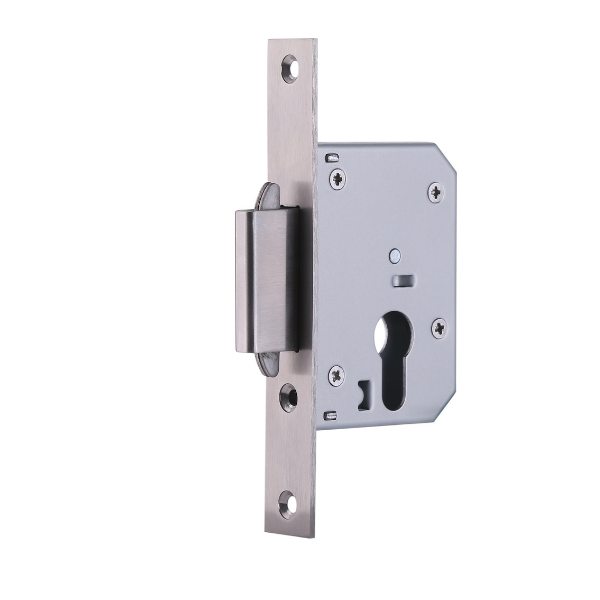
Shengda Hardware is a Chinese manufacturer of European-style mortise door locks. The company is CE certified and meets fire-resistance standards. Its product range includes, but is not limited to, sashlocks, passage locks, deadbolts, bathroom locks, night latches, and anti-panic locks. Shengda’s Euro-profile mortise locks are easy to install—facilitating the addition of supplementary security measures or simple replacement—making them one of the most widely utilized lock types among locksmiths and architectural hardware suppliers.
2. Door Handles for Mortise Lock Sets
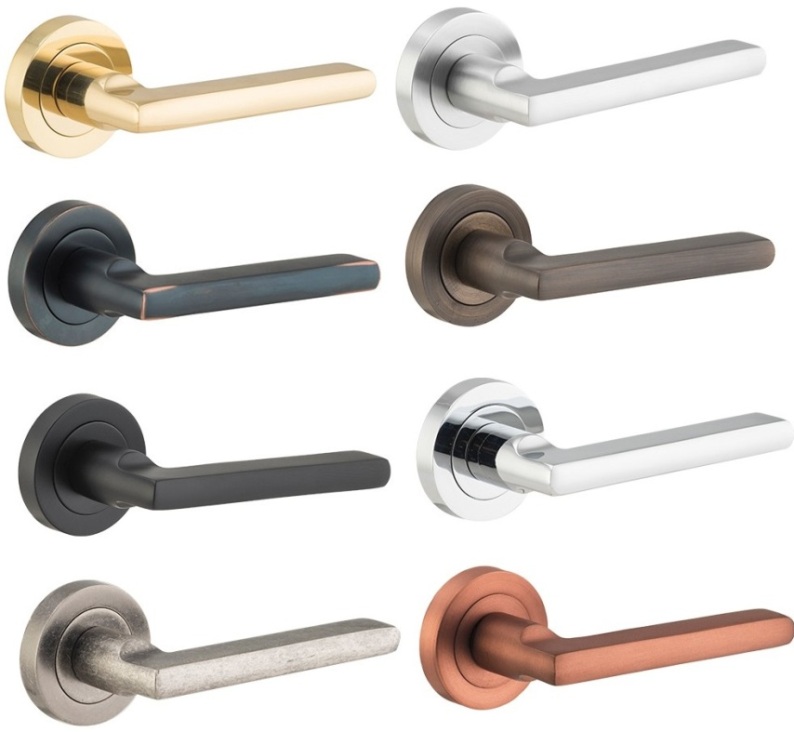
Door handles serve as the primary interface between users and the mortise lock door hardware system, making their selection crucial for both functionality and user experience. Without properly matched handles, even the highest-grade commercial mortise lock cannot perform effectively.
3. Thumbturns: Interior Control for Mortise Lock Door Hardware
Thumbturns provide convenient interior deadbolt control, allowing occupants to lock or unlock doors without keys. They’re particularly useful in bedrooms, bathrooms, and offices where quick security access is needed. Thumbturns connect directly to the mortise lock’s deadbolt mechanism through internal linkages. While door handles operate the latch for passage, thumbturns specifically control the deadbolt for security.

4. Cylinders: The Key-Operated Heart of Mortise Lock Sets
Cylinders translate key insertion and rotation into mechanical action within mortise lock sets. When the correct key enters, it aligns internal pins to the shear line, allowing cylinder rotation to operate latches or deadbolts. Cylinders connect to mortise lock bodies through threaded mounting and cam mechanisms, controlling locks from the exterior side only. In complete commercial mortise lock installations, cylinders work with interior thumbturns and handles, creating comprehensive mortise lock door hardware security systems where each component serves distinct operational roles.

5. Strike Plates
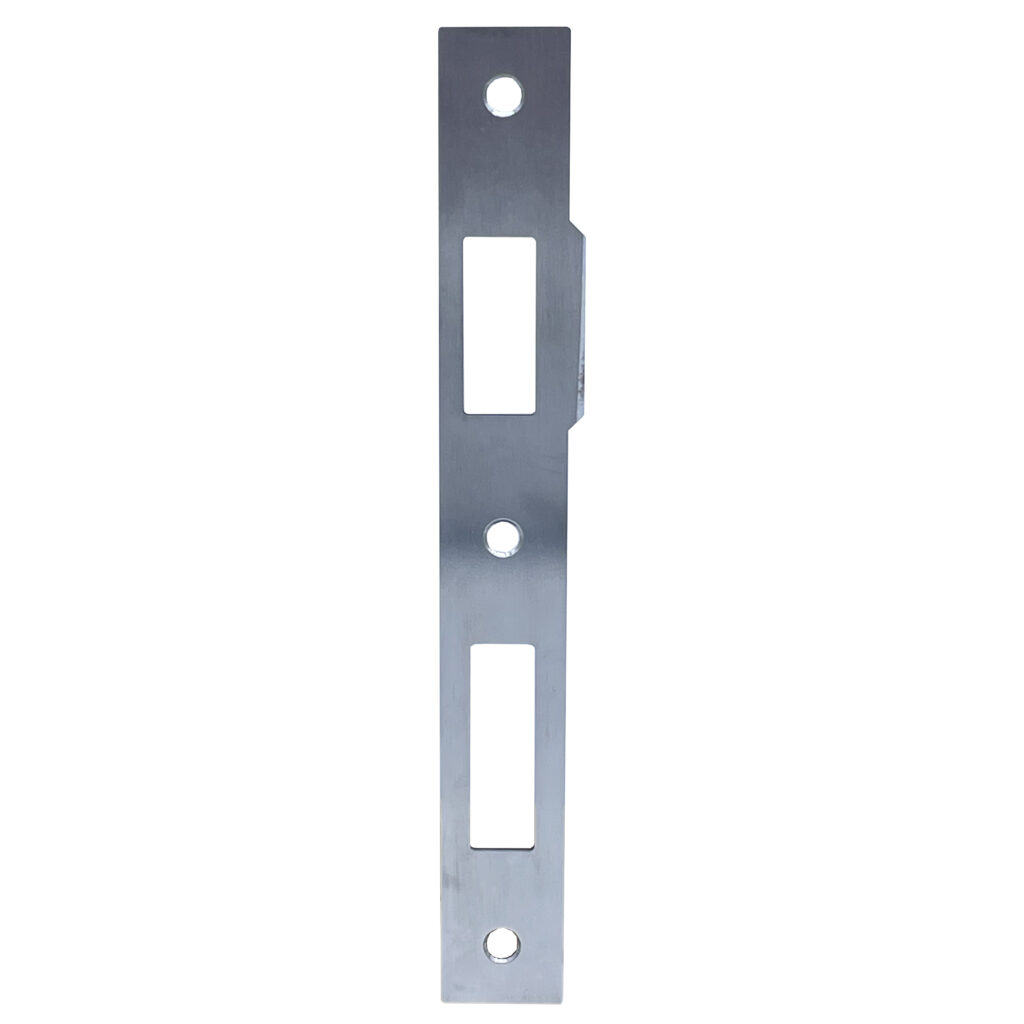
Strikes serve as receiving components for mortise lock door hardware mechanisms, providing secure receptacles for latch bolts and deadbolts in the door frame. When doors close, latches slide into strike plates, creating the characteristic “click” sound. Beyond basic function, strikes reinforce doors and protect mortise lock sets mechanisms, making entry more difficult for intruders while improving weather resistance.
What is the working principle of a mortise lock?
When a mortise lock is employed to control the opening and closing of a door, the door handle is utilized to actuate the latch bolt.
The latch bolt, in turn, drives an internal mechanism to rotate, thereby retracting the bolt and allowing the door to open.
Upon the handle returning to its resting position, the latch spring housed within the mortise lock body engages, causing the latch bolt to likewise return to its original position.
When the door is closed, the latch bolt engages with the strike plate, thereby securing the door in the closed state.
When a mortise lock serves not only to control door access but also to provide security functionality, its core security safeguard resides in the lock cylinder.
The lock cylinder is a device designed to rotate the deadbolt and actuate the latch bolt.
When a key is inserted into the cylinder and turned, an internal cam mechanism drives the deadbolt to extend or retract.
With the door closed and secured by the latch bolt, turning the cylinder knob or using a key to lock the door effectively fulfills the requisite security requirements.
Whv Choose a Mortise Lock?
- Mortise locks are one of the most secure door locks available today. Unlike traditional door knobs, mortise locks require a key to be inserted into the lock before opening it. This ensures that no unauthorized person can gain access to your home or office. Additionally, these locks offer superior levels of durability and strength. They are constructed from thick metal and are designed to withstand extreme temperatures, corrosion, and physical force.
- Mortise locks also provide greater protection against forced entry attempts. While doorknobs and other traditional locks can be easily picked or broken into, a mortise lock requires a much more complex process in order to gain access.
- The installation process for mortise locks is also very simple. Installation can be done by an experienced locksmith in a matter of minutes. This means you don’t have to spend hours trying to install the lock yourself, as it can easily be done by a professional.
- Finally, mortise locks are incredibly stylish and can add an elegant touch to any door. They come in a variety of different styles and colors, so you can easily find one that complements the décor of your home or office. With all these advantages, it is easy to see why mortise locks are becoming increasingly popular. They are a great choice for anyone looking to add extra security and style to their door.