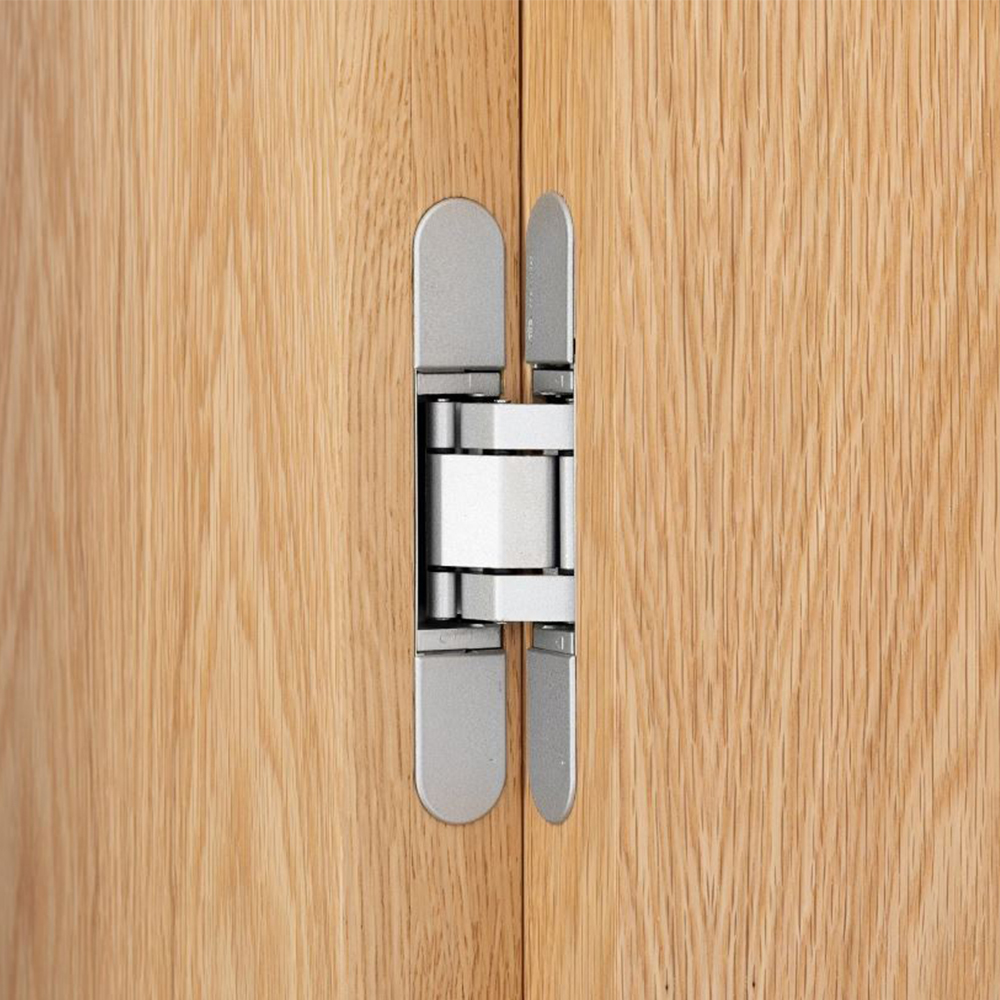
Modern architecture is increasingly focused on clean lines, minimalist aesthetics, and high-performance functionality. As a result, 3D adjustable concealed hinges have become one of the most popular solutions in the architectural door hardware industry.
Compared with traditional butt hinges, concealed hinges offer a cleaner appearance, better adjustment capability, and improved long-term performance. Today, they are widely used in residential projects, luxury apartments, hotels, offices, and commercial buildings around the world.
In this article, we will explain what 3D adjustable concealed hinges are, their advantages, common applications, and how to choose the right model for your project.
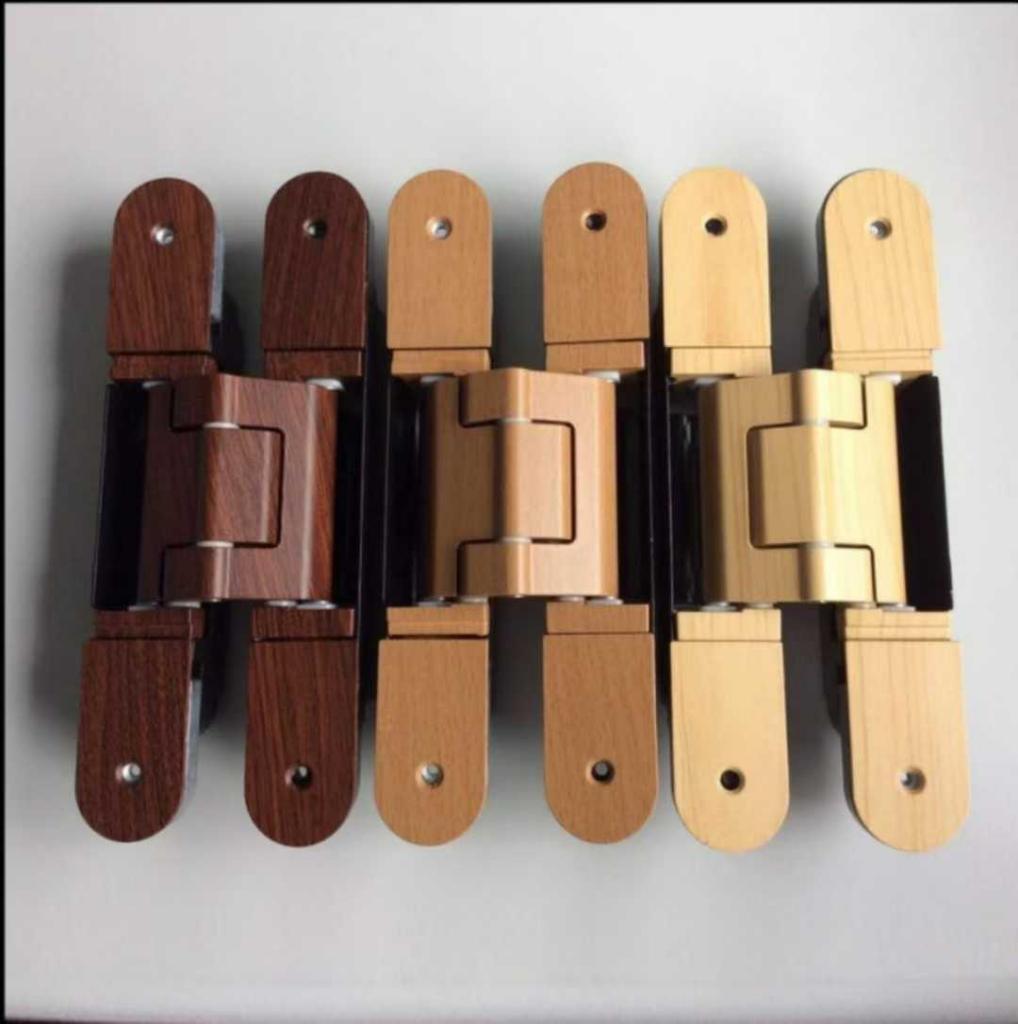
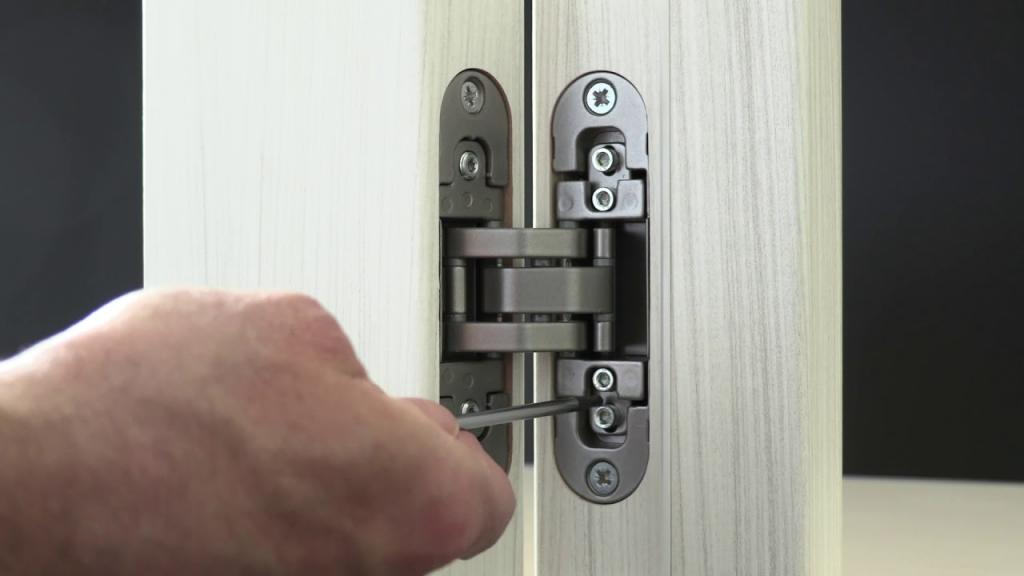
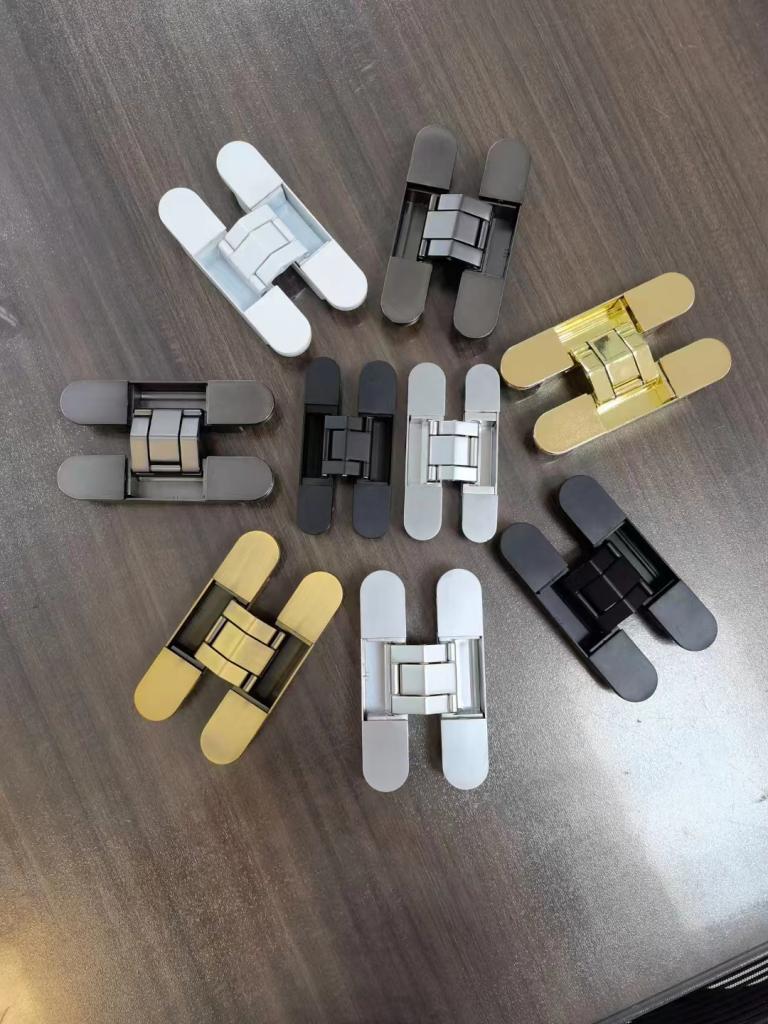
What Is a 3D Adjustable Concealed Hinge?
A 3D adjustable concealed hinge, also known as an invisible hinge or hidden door hinge, is installed inside the door and frame. When the door is closed, the hinge remains completely invisible from the outside.
The “3D adjustable” feature means the hinge can be adjusted in three directions after installation:
- Vertical adjustment (up and down)
- Horizontal adjustment (left and right)
- Depth adjustment (in and out)
This flexibility allows installers to precisely align the door and maintain consistent gaps even after long-term use.
Unlike traditional hinges, concealed hinges provide both functional and aesthetic advantages, making them ideal for modern architectural designs.
Why Traditional Butt Hinges Are No Longer Enough
Traditional butt hinges have been widely used for decades because they are affordable and easy to install. However, they also come with several limitations.
First, traditional hinges remain visible after installation, which can interrupt the clean appearance of modern interior designs. Second, once the door begins to sag or shift over time, adjustment options are limited. In many cases, installers must remove the door completely to correct alignment issues.
For high-end residential and commercial projects, these disadvantages can increase maintenance costs and reduce overall user experience.
This is why more architects and builders are choosing concealed hinge systems.
Advantages of 3D Adjustable Concealed Hinges
Clean and Minimalist Appearance
One of the biggest advantages of concealed hinges is aesthetics. Since the hinge is hidden inside the door and frame, the door surface appears cleaner and more elegant.
This design is especially popular in modern luxury homes, hotels, and office buildings where flush doors and invisible details are preferred.
Easy Post-Installation Adjustment
3D adjustable concealed hinges allow installers to fine-tune the door position even after installation.
If the door settles slightly because of humidity, temperature changes, or long-term use, adjustments can be made quickly without removing the door.
This feature significantly improves installation efficiency and reduces maintenance time.
Strong Load Capacity
High-quality concealed hinges are designed to support heavy wooden doors, steel doors, and oversized interior doors.
Premium models are usually manufactured from high-strength zinc alloy or stainless steel materials to ensure long-term durability and stability.
For larger doors, multiple concealed hinges can distribute the weight evenly and prevent door sagging.
Improved Safety and Security
Because concealed hinges are hidden inside the door and frame, they cannot easily be tampered with from the outside.
This provides additional security advantages compared with exposed hinge systems.
In commercial environments, concealed hinges are also less vulnerable to accidental impact and dust accumulation.
Suitable for Fire-Rated Doors
Many modern concealed hinges are tested for fire-rated applications and can meet strict building safety requirements.
Some commonly used 3D adjustable concealed hinge models supplied by SDH Hardware have successfully passed 68-minute fire resistance testing, making them suitable for residential and commercial fire-rated door applications.
As global fire safety standards continue to improve, fire-rated concealed hinges are becoming increasingly important in architectural projects.
Common Applications of Concealed Hinges
3D adjustable concealed hinges are widely used in:
- Luxury residential interior doors
- Hotel guest room doors
- Office wooden doors
- Flush invisible doors
- Modern minimalist interiors
- Fire-rated doors
- High-end customized furniture doors
In recent years, concealed hinges have also become increasingly popular in smart home systems where silent operation and modern appearance are highly valued.
How to Choose the Right Concealed Hinge
When selecting a concealed hinge, several important factors should be considered.
Door Weight
Always confirm the hinge load capacity before installation. Heavy solid wood doors may require larger hinges or additional hinge quantity.
Door Thickness
Different concealed hinge models are designed for different door thickness ranges. Choosing the correct specification is essential for smooth operation.
Material Quality
High-quality zinc alloy and stainless steel materials provide better durability, corrosion resistance, and long-term reliability.
Adjustment Precision
A professional concealed hinge should offer stable and accurate 3-way adjustment without loosening after years of use.
Fire Certification
For commercial buildings and public projects, fire-rated certification may be mandatory depending on local regulations.
The Future of Architectural Door Hardware
As modern architecture continues to emphasize minimalist design and high-performance functionality, 3D adjustable concealed hinges are becoming the preferred choice for architects, contractors, and door manufacturers.
Their combination of aesthetics, adjustability, durability, and security makes them far superior to traditional hinge systems in many applications.
With the growing demand for premium interior doors and fire-rated solutions, concealed hinge technology will continue to play an important role in the future of architectural hardware.
For distributors, builders, and project developers, understanding the benefits of concealed hinges is essential for staying competitive in today’s evolving construction market.