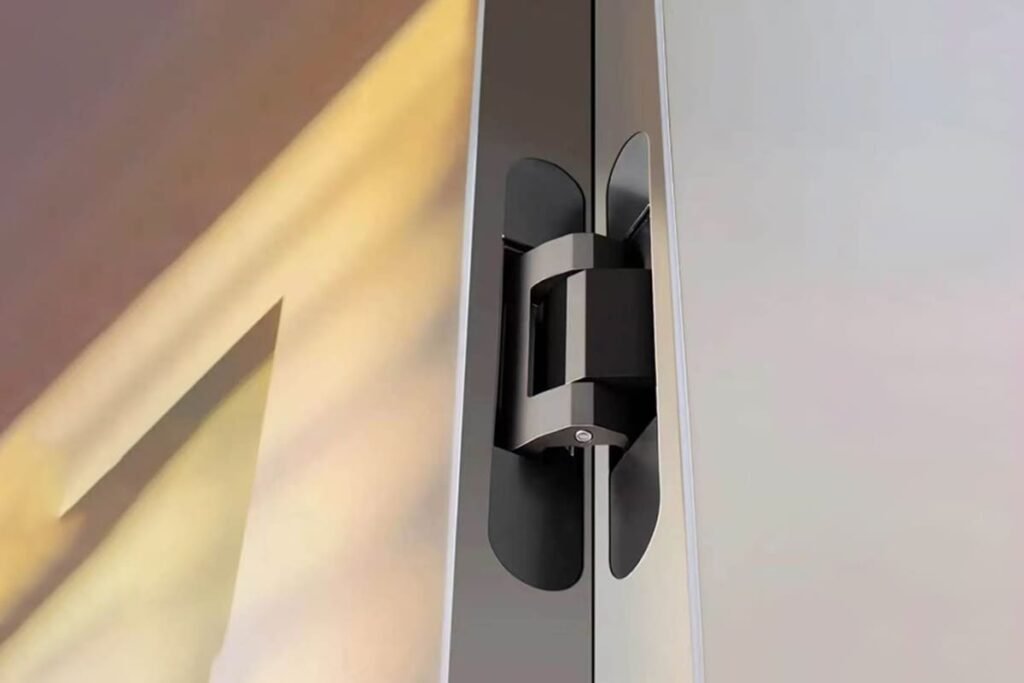
Can I Replace One Door Hinge with Two Hinges for Better Support?
Replacing a weak or insufficient door hinge can be frustrating, leading to sagging doors and poor operation1. You might think adding an extra hinge is a simple fix to boost support, but it's not always that straightforward. I want to show you how to properly evaluate if this change is truly beneficial and feasible.
Replacing one door hinge with two can improve support and stability for heavier doors, but only if your door and frame have enough side space. The new hinges must also precisely match existing specifications like size, screw holes, and material. Improper installation can cause more problems than it solves.
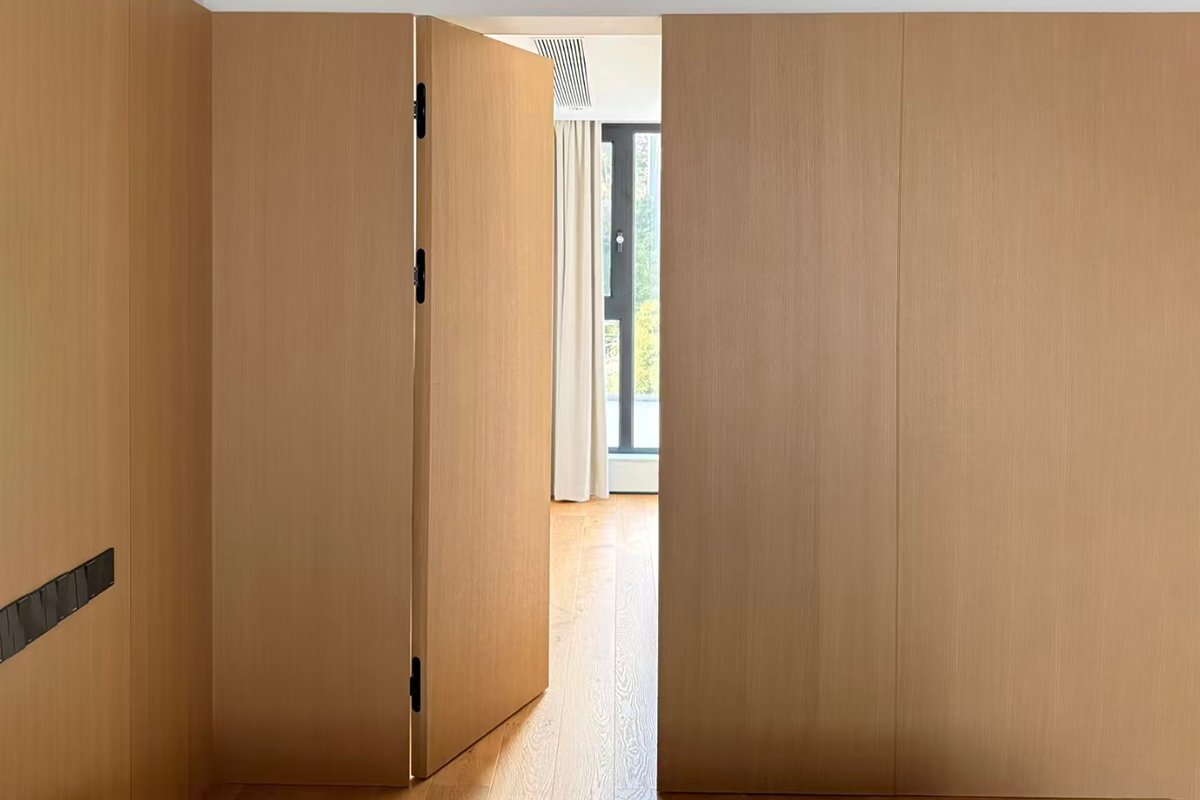
From my experience in architectural door hardware, customers often ask about upgrading their door's support by adding more hinges. It is a common idea. My goal is to walk you through the real steps and considerations. I want to make sure you avoid common pitfalls. This way, your door performs as expected for years to come.
Is Side Space on My Door and Frame Enough for More Hinges?
A sagging door makes daily life difficult and causes constant annoyance. You might think an extra hinge will easily solve this issue. But without enough space, adding more hinges can weaken your door and frame structure. I will explain why checking side space is the very first step.
The side space on both your door leaf and door frame is critical when you consider adding another hinge. If there is not enough clearance, the new hinge can interfere with the door's operation. It can also weaken the structural integrity of the wood or metal2. This means you could end up with a door that binds or does not close properly, requiring costly rework.
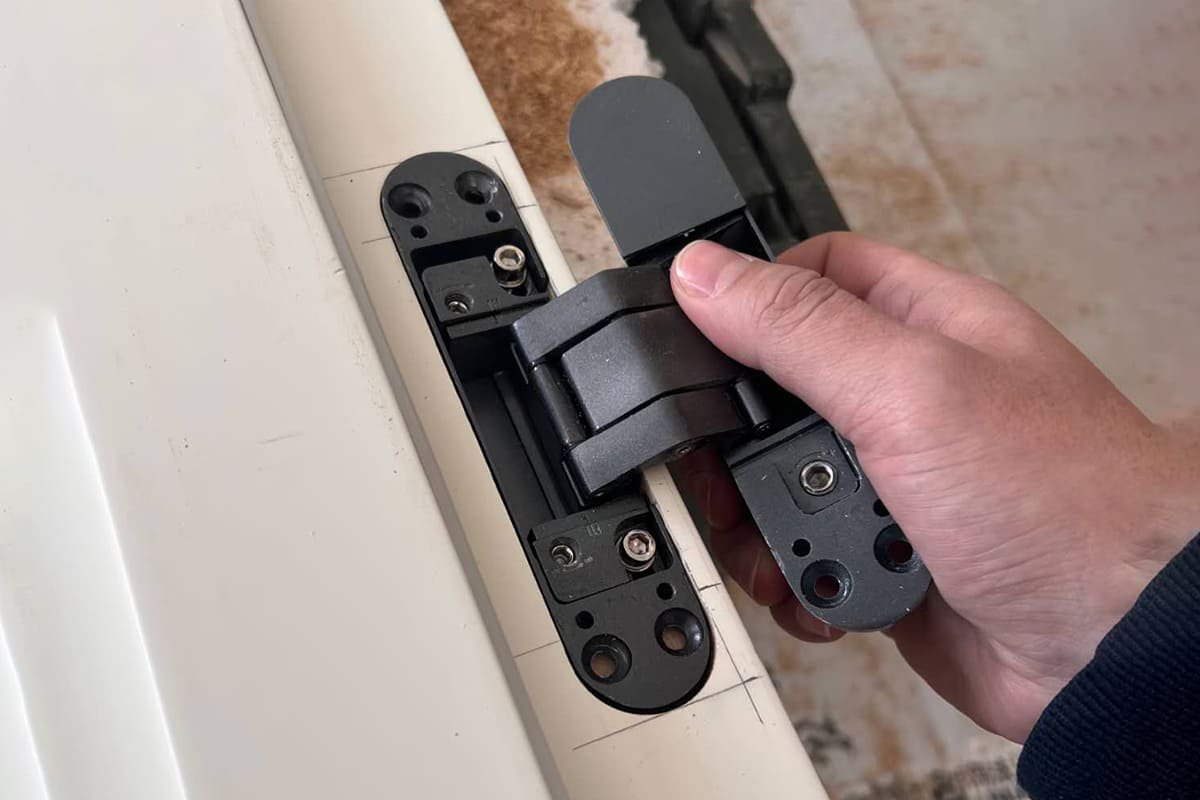
When I talk to door manufacturers and hardware buyers, this often comes up. They sometimes overlook the physical constraints of the door design. Adding a hinge is not just about screw holes. You need to consider the full dimension of the hinge leaf itself. Each hinge leaf needs a flat, stable surface on both the door edge and the door frame. If the door's Stiles or the frame's Jambs are too narrow, the new hinge could extend beyond the solid wood. This can create weak points or cause the hinge to sit unevenly.
For example, a standard door often has a certain amount of material around the hinge mortise. This material needs to be solid to hold screws securely. If you place a new hinge too close to the edge of the door or frame, the screws might split the wood. Or they might not engage enough material to provide real support. This leads to loose hinges and continued door problems. We always recommend measuring the width of the door stile and frame jamb at the proposed hinge location. You need to ensure there is sufficient material for both the existing hinge and the new one. This includes the width of the hinge leaves plus a safe margin. This margin prevents splitting and maintains structural strength. Ignoring this step can lead to a wobbly door. It can also cause gaps that let air or sound pass through. Always start with a careful measurement of available space. This will prevent many headaches later.
Here is a simple guide for assessing side space:
| Component | Measurement Point | Minimum Requirement (approx) | Risk if Insufficient |
|---|---|---|---|
| Door Stile | Width from door edge to panel/glass line | Hinge Leaf Width + 10mm3 | Wood splitting, hinge instability, poor screw hold |
| Frame Jamb | Width from frame edge to wall/trim line | Hinge Leaf Width + 10mm | Frame damage, interference with door swing, gaps |
| Mortise Depth | Depth of existing hinge cutout in door/frame | New Hinge Leaf Thickness | Hinge protrusion, door binding, uneven closure |
| Overall Clearance | Space between door and frame when closed | Must allow for both hinges | Door binding, scratching, inability to close fully |
Always remember that precision is key in hardware.
Does Adding Hinges Automatically Solve Door Sagging Issues?
You might believe that simply increasing the number of hinges will fix any door sagging problem. It is an appealing thought. However, simply adding more hinges does not automatically guarantee a solution. I want to explain why a deeper look at the door system is needed.
More hinges can help distribute the door's weight better4. This can reduce stress on individual hinges and the door frame. But this effect is not automatic. It greatly depends on several factors. These include the quality of the hinges, the precision of their installation, the actual weight of the door, and the strength of the door frame itself. If any of these elements are weak, adding more hinges might not provide the expected stability or might even create new problems.
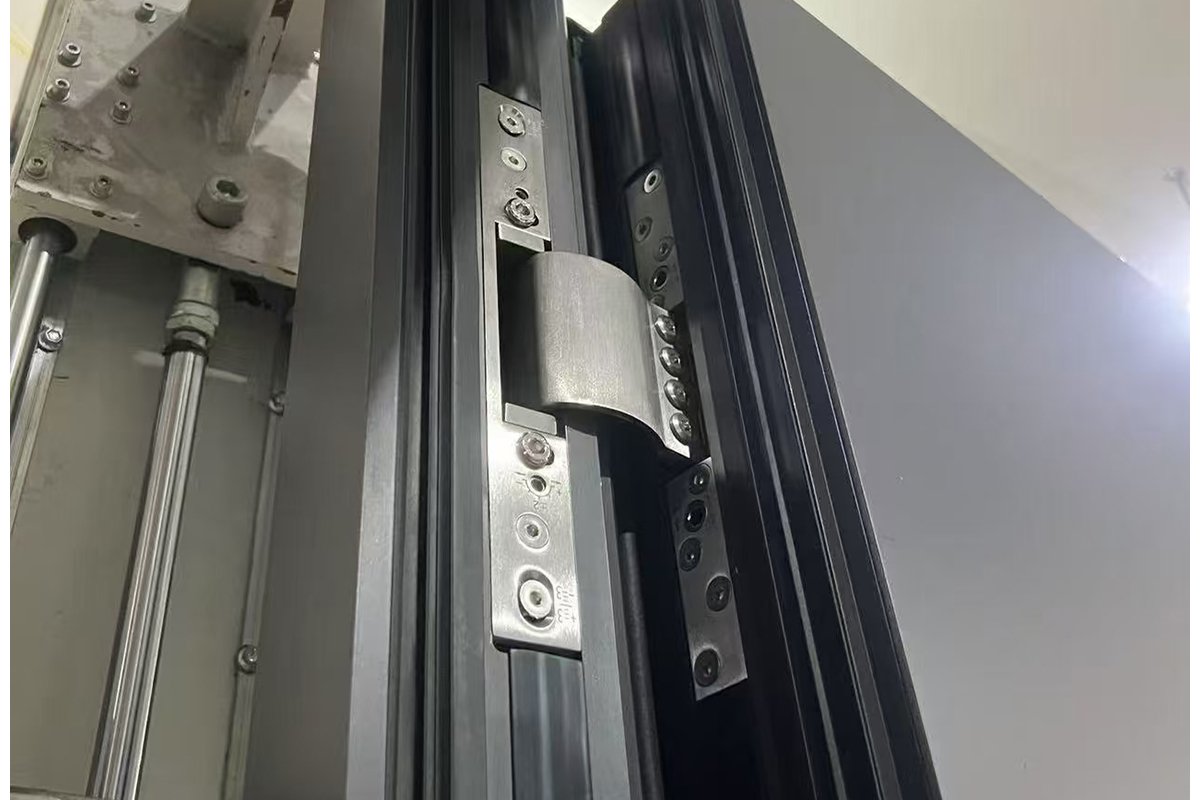
From my years working with door manufacturers, I have seen many cases where additional hinges were installed without success. Sometimes, the problem was not the number of hinges. It was the quality of the original installation. Or it was due to a compromised door frame. For example, if your door frame is rotting or has become loose over time, adding another hinge will not magically make it strong again. The new hinge will just be installed into a weak point. This will not provide any lasting support. We always advise assessing the overall condition of the door system first. This includes checking the frame's integrity, the door's weight, and the existing hinges' quality. If the existing hinges are low quality, replacing all of them with higher-quality ones, even if you keep the same number, might be more effective than just adding an extra poor-quality hinge.
Moreover, the positioning of the new hinge matters greatly. Hinges should be placed at strategic points along the door's height. This distributes the load evenly. Poorly placed hinges, even if there are more of them, can still lead to uneven weight distribution. This can concentrate stress on certain areas. This might cause the door to bind or sag in different spots. Also, the type of door matters. A solid core door is much heavier than a hollow core door5. It needs robust support. The frame material also plays a big role. A solid wood frame can handle more stress than a particleboard frame. Our engineering team often emphasizes that a complete solution considers the entire door system. It is not just about counting hinges. We can provide consultation based on the door type, weight, and intended use. This ensures the best solution for long-term performance.
Which Hinge Materials Are Best for Added Strength and Durability?
When you consider adding hinges for better support, the material of the new hinge is crucial. Choosing the wrong material can undermine your efforts. You need to know which materials offer the best strength and durability.
Stainless steel and zinc alloy are two common and preferred hinge material options6 in our industry. Each material offers distinct advantages. The best choice depends on your specific application and the demands on the door. Stainless steel hinges are generally stronger. They offer superior durability and excellent corrosion resistance. Zinc alloy hinges can be suitable for lighter-duty or decorative applications, depending on the product design and load requirements.
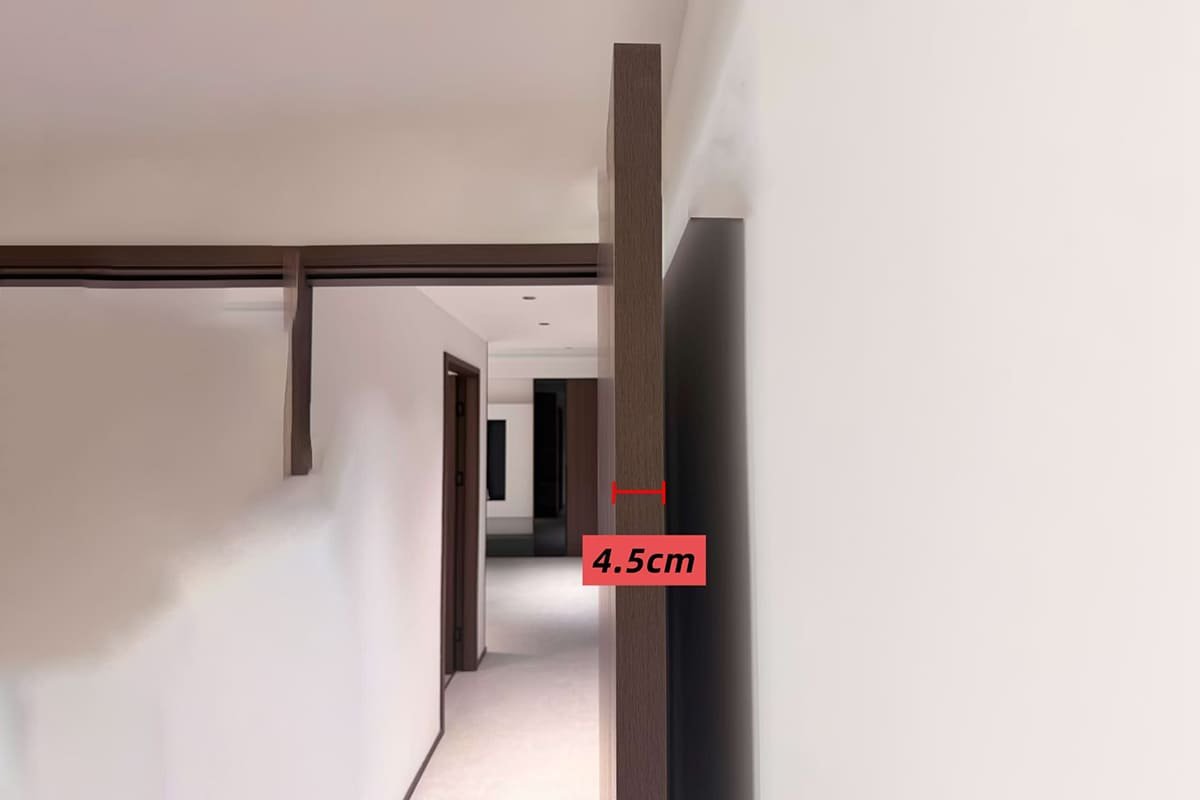
At SDH Hardware, we frequently recommend stainless steel for demanding environments. I have personally seen stainless steel hinges perform exceptionally well in high-traffic commercial buildings and coastal regions. Their resistance to rust and wear makes them a reliable choice for heavy doors or areas with moisture. Our 304 and 316-grade stainless steel7 hinges, for instance, are designed to withstand significant load and environmental challenges. They meet strict EU standards and often come with CE and fire-rated certifications8. This is critical for many of our European and Middle Eastern clients. When a door needs truly enhanced support, stainless steel provides the structural integrity you need. It reduces the risk of hinge failure over time.
Zinc alloy, on the other hand, offers good value for certain applications. It is often used for internal doors that are not excessively heavy. Our zinc alloy hinges are cast with precision. They provide a sleek finish and reliable function for standard residential or office doors. While they are durable for their intended use, they typically do not match the sheer strength and corrosion resistance of stainless steel. If you are adding a hinge to a very heavy door, or a door in an external or high-humidity environment, I would always lean towards stainless steel. It offers the peace of mind that comes with superior material properties. The cost difference is often justified by the extended lifespan and reduced maintenance. We ensure our materials are consistently high quality. This way, our customers get exactly what they need for their specific projects.
Here is a material comparison to help you decide:
| Feature | Stainless Steel (e.g., 304, 316) | Zinc Alloy |
|---|---|---|
| Strength | High | Moderate |
| Durability | Excellent, long-lasting | Good for lighter loads |
| Corrosion Resistance | Excellent (especially 316) | Moderate, suitable for interior dry environments |
| Load Capacity | High, ideal for heavy doors | Lower, for standard or light doors |
| Applications | Commercial, external, high-traffic, fire-rated doors | Residential, internal, decorative doors |
| Cost | Higher | Lower |
| Certifications | Often CE, Fire-rated (our products) | Typically not required for heavy-duty certifications |
Always match the material to the door's weight and environmental conditions for optimal performance.
How Important is Matching Hinge Size, Thickness, and Screw Holes?
You might think that any hinge will do, as long as it looks similar. But it is a critical mistake to ignore the precise specifications of your existing door hardware. I want to highlight why matching every detail is not just recommended, it is essential.
The new hinges must precisely match the original door conditions. This means paying close attention to hinge size, thickness, screw hole position, and mortise depth. This also includes the existing hole layout. Poor matching can cause many problems. It can lead to misalignment of the door, loose screws, uneven gaps around the door, or a door that grinds and sticks when opening and closing.
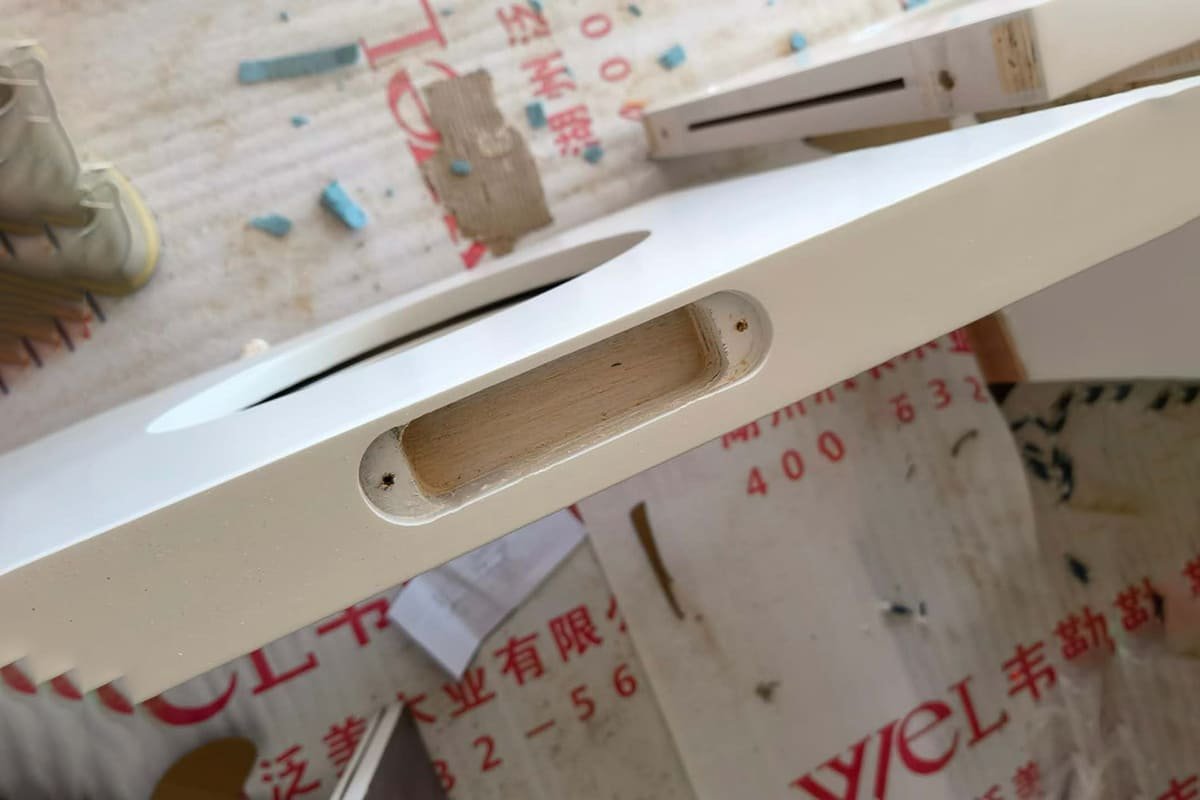
In my work helping door manufacturers and wholesalers, I often emphasize this point. A hinge that is even slightly off in thickness can cause the door to bind in its frame. If the new hinge is thicker, it will push the door leaf outwards. This creates a tight spot or an uneven reveal. If it is thinner, the door might sag on that side. It could also create a larger gap. Similarly, screw hole patterns are rarely universal. Our factory produces hinges for many international standards. I can tell you that screw placements vary significantly9. Trying to force a new hinge onto misaligned existing screw holes can strip the wood10. It can also create weak points where the screws will not hold. This compromises the door's security and stability.
Mortise depth is another overlooked detail11. If your new hinge does not fit perfectly into the existing mortise cut-out, it will either protrude or sit too deep. Both scenarios lead to functionality issues and an unprofessional finish. At SDH Hardware, we understand these nuances. This is why we offer flexible customization options. We can adjust hinge specifications, surface treatments, and accessory configurations. This helps tailor hardware solutions for different customer projects and regional market standards. For example, if you have a unique screw pattern or an unusual mortise depth, we can produce hinges that fit perfectly. This saves time and avoids costly reworks for our clients. Always measure twice and compare thoroughly12. This ensures a seamless fit and optimal door performance.
Conclusion
Adding a second hinge can improve door support, but only with careful consideration. You must check side space, assess door system strength, and choose the right materials like stainless steel. Always ensure precise matching of hinge size, thickness, and screw holes for successful installation.
"Easy Fix For Sagging Doors - YouTube",
. Building science literature documents that inadequate hinge support causes doors to sag due to gravitational stress on mounting points, leading to misalignment and operational difficulties. Evidence role: mechanism; source type: education. Supports: the mechanical relationship between hinge condition and door alignment problems. Scope note: This supports the general mechanism but does not quantify specific failure thresholds. ↩"[PDF] optimization of hinge configuration of furniture doors using finite ...", https://bioresources.cnr.ncsu.edu/BioRes_07/BioRes_07_Unsecured/BioRes_07_4_5809_Zhou_HHYJ_Hinge_Config_Doors_FiniteElement_3335.pdf. Wood engineering principles establish that fasteners placed too close to material edges create stress concentrations that reduce holding capacity and increase splitting risk. Evidence role: mechanism; source type: education. Supports: how inadequate edge distance in fastener installation compromises material strength. Scope note: This addresses general fastener placement principles rather than door hinges specifically. ↩
"Chapter 4: Entrances, Doors, and Gates - Access-Board.gov", https://www.access-board.gov/ada/guides/chapter-4-entrances-doors-and-gates/. Carpentry standards and building guidelines recommend maintaining adequate edge distance for hinge installation to prevent material failure, though specific measurements vary by door type and material. Evidence role: general_support; source type: government. Supports: minimum edge distance requirements for door hardware installation. Scope note: The exact 10mm figure may represent industry practice rather than a codified standard. ↩
"Optimization of hinge configuration of furniture doors using finite ...", https://bioresources.cnr.ncsu.edu/resources/optimization-of-hinge-configuration-of-furniture-doors-using-finite-element-analysis/. Structural mechanics demonstrates that distributing loads across multiple support points reduces stress concentration at individual points, though effectiveness depends on proper alignment and load path continuity. Evidence role: mechanism; source type: education. Supports: the principle that multiple support points distribute load more evenly. ↩
"[PDF] section 08 10 00 – doors, frames, and hardware", https://www.ivytech.edu/media/o4tjfz3t/08.pdf. Building materials references indicate that solid core doors typically weigh 2-3 times more than hollow core doors of the same dimensions, with solid cores ranging from 25-40 kg and hollow cores from 10-15 kg for standard residential sizes. Evidence role: statistic; source type: education. Supports: the weight difference between solid core and hollow core door construction. Scope note: Weight varies significantly based on specific materials, dimensions, and construction methods. ↩
"[PDF] SECTION 087111 - DOOR HARDWARE (SCHEDULED ... - USC FPM", https://fpm.usc.edu/wp-content/uploads/2021/11/087102-USC-HSC-door-hardware-Guide-Specification_1.pdf. Hardware industry sources identify stainless steel and zinc alloys as widely used materials for door hinges due to their balance of strength, corrosion resistance, and cost-effectiveness across various applications. Evidence role: general_support; source type: institution. Supports: the common use of these materials in door hardware applications. Scope note: This reflects general industry practice but does not establish these as the only or universally preferred options. ↩
"Marine grade stainless - Wikipedia", https://en.wikipedia.org/wiki/Marine_grade_stainless. Materials science references establish that 304 stainless steel provides good corrosion resistance for general applications, while 316 grade offers superior resistance to chlorides and marine environments due to molybdenum content, making both suitable for hardware in varying conditions. Evidence role: definition; source type: education. Supports: the corrosion resistance and mechanical properties of these stainless steel grades. ↩
"CE & UKCA Guidance | Door Hardware Online", https://www.doorhardware-online.co.uk/briton-hardware-ce-ukca-guidance-door-hardware-online. European regulations require CE marking for construction products including door hardware to demonstrate conformity with safety standards, while fire-rated certifications verify that hardware maintains door integrity during fire resistance testing per EN standards. Evidence role: definition; source type: government. Supports: the regulatory framework for door hardware certification in Europe. ↩
"Exterior Door Hinge Screw Pattern? : r/Home - Reddit", https://www.reddit.com/r/Home/comments/14ewfkj/exterior_door_hinge_screw_pattern/. Hardware standards documentation shows that hinge specifications including screw patterns vary across regional standards (ANSI, DIN, BS) and manufacturers, reflecting different historical practices and building traditions. Evidence role: general_support; source type: institution. Supports: the lack of universal standardization in door hinge mounting specifications. Scope note: This confirms variation exists but does not quantify the extent or catalog all differences. ↩
"[PDF] Wood Handbook, Chapter 08: Fastenings", https://research.fs.usda.gov/download/treesearch/37424.pdf. Wood technology literature explains that forcing screws into misaligned holes crushes wood fibers and enlarges the hole, significantly reducing thread engagement and pull-out resistance. Evidence role: mechanism; source type: education. Supports: how misaligned or oversized fasteners damage wood and reduce holding capacity. ↩
"How To Mortise Hinges By Hand for a Perfect Fit - YouTube",
. Carpentry and installation guides emphasize that mortise depth must match hinge leaf thickness to ensure proper door alignment, noting that improper depth is a frequent installation error affecting door operation. Evidence role: general_support; source type: education. Supports: the importance of proper mortise depth in hinge installation. ↩"[PDF] Dartmouth Design & Construction Guidelines January 2023 08 71 00", https://www.dartmouth.edu/fom/docs/2023_construction_guidelines/08_71_00_door_hardware.pdf. Installation standards and carpentry best practices emphasize accurate measurement and verification as critical steps to ensure proper fit, alignment, and long-term performance of door hardware. Evidence role: expert_consensus; source type: institution. Supports: the importance of precise measurement in achieving proper door hardware installation. Scope note: This represents general professional practice rather than a specific technical requirement. ↩