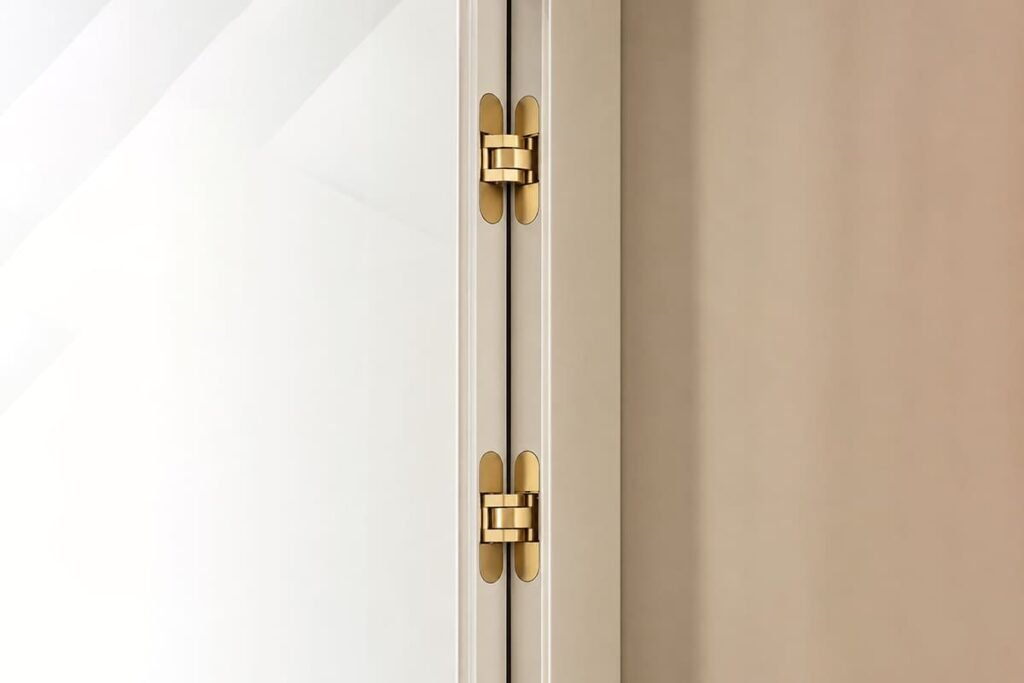
What is a Concealed Door Hinge Plan?
I often hear customers ask for a "concealed door hinge plan." This request suggests it's one product, but that's a common misunderstanding.
A concealed door hinge plan is a complete solution. It matches the right hinge specifications to your indoor wooden door's weight, thickness, and usage. This plan also details the necessary door and frame slotting for proper installation and allows for post-installation adjustments.1
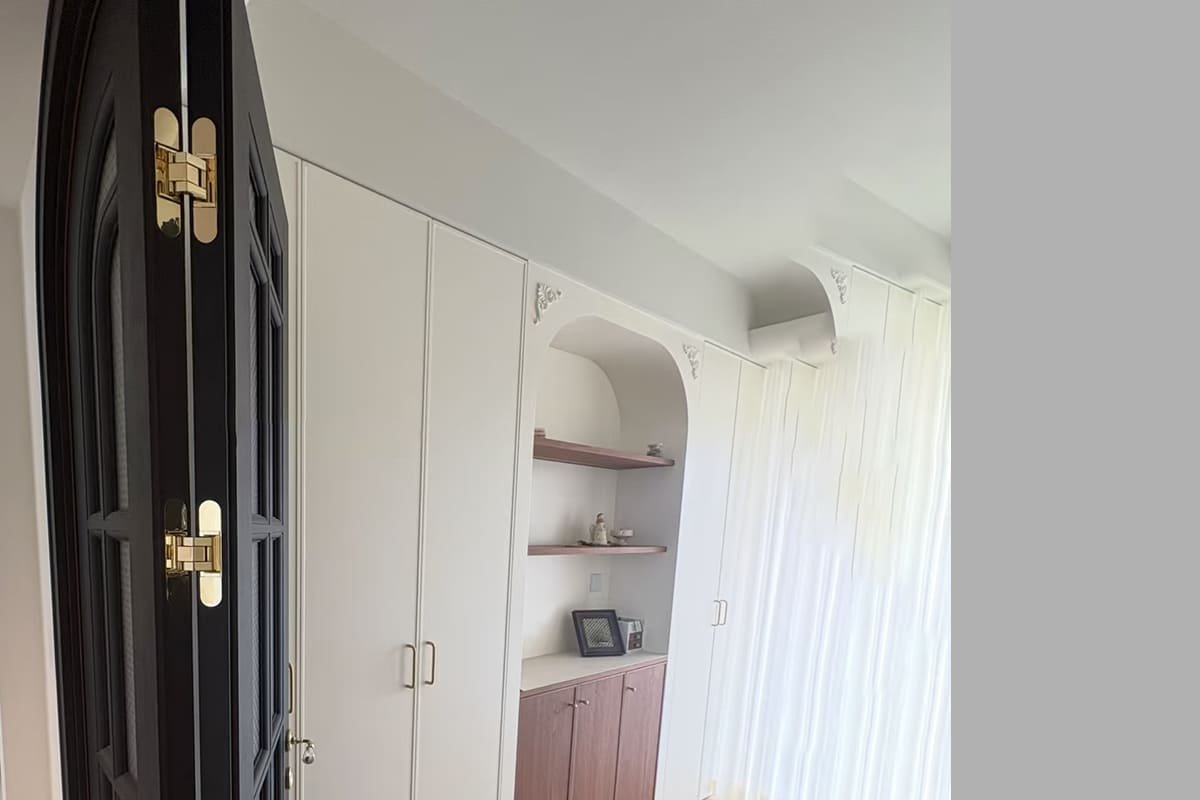
As a manufacturer with years of experience, I see these questions daily. Understanding what a "plan" truly means for your door project will save you time and ensure a better outcome. Let me explain what goes into creating a real concealed door hinge solution.
Where Does a Concealed Hinge Plan Really Begin?
Many buyers focus on hinge appearance first. This approach can lead to problems later on.2
A proper concealed hinge plan always starts with your door system. We must know your indoor wooden door's exact weight and thickness. These details are the foundation for selecting the right hinge.3
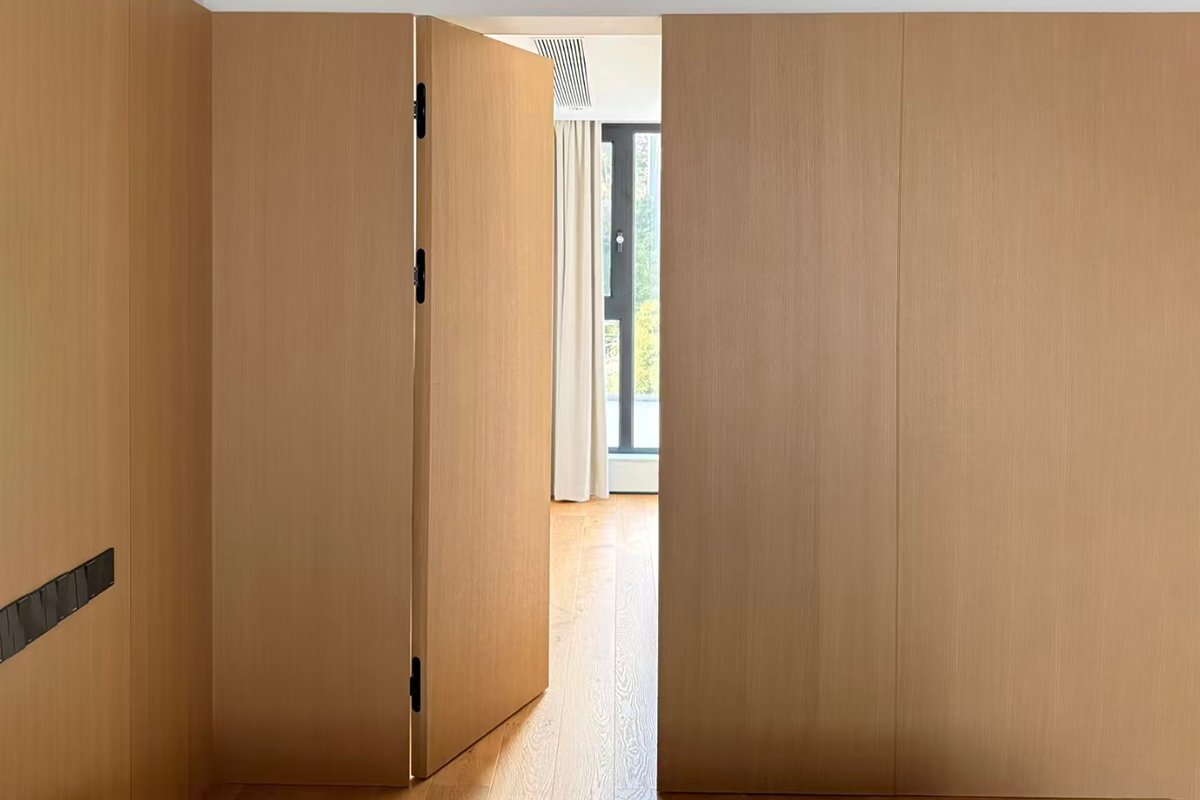
When customers approach me, their first question is often about design. They might show me a picture of a hinge. I always guide them back to their door. We need to confirm the door's actual weight. This is important. A hinge that looks good might not handle a heavy door. We also need to know the door's thickness. This detail tells us if the hinge body can fit inside the door. My factory produces many hinges. Each hinge model has a maximum weight capacity and requires a minimum door thickness. Choosing a hinge outside these limits will cause failure.4 For example, a standard concealed hinge for a thin, light door will never work for a thick, heavy fire-rated door.5 We must check door specifications first. This ensures the hinge can physically fit and functionally support the door over time. Without these base facts, any "plan" is just guesswork. We ensure the hinge and door are compatible from the start. This prevents costly mistakes and rework later. We always ask about your door's properties first. This makes sure we pick the right hinge from our catalog.
What Are the True Advantages of Concealed Hinges?
People often choose concealed hinges for their clean look. But their benefits go deeper than just appearance.
Concealed hinges offer two main benefits: a completely flush, clean aesthetic when the door is closed, and crucial multi-directional adjustability after installation. These features improve door alignment and performance.6
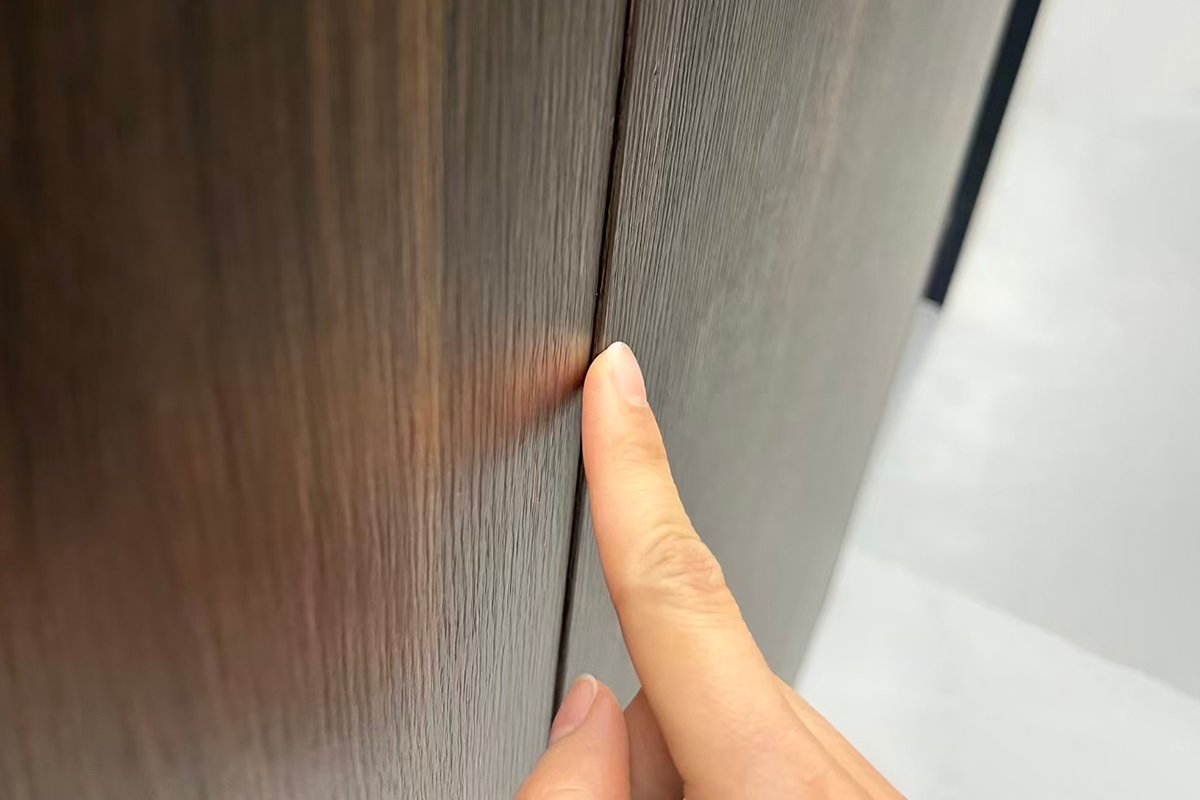
My experience shows that the clean look is a major draw. When the door is closed, you see no hinge hardware. This creates a smooth, modern surface. It makes the door blend seamlessly with the wall. This is great for interior design. However, the adjustability is just as important, if not more so, for the door's long-term function. After installation, factors like door settlement or slight frame shifts can occur. With concealed hinges, my team knows we can make fine adjustments. These adjustments include height, depth, and horizontal position. This means we can perfect the door's alignment within its frame. It ensures smooth opening and closing. It also helps prevent rubbing or sticking. This post-installation flexibility is a significant advantage. It ensures the door operates perfectly after it's installed. Without this, even a perfectly installed door might develop issues over time.7 Our hinges are designed for this flexibility. This reduces maintenance and improves user satisfaction. It also helps door manufacturers ensure their products perform well in various real-world conditions. This feature makes concealed hinges a reliable choice.
Why is Accurate Slotting Critical for Concealed Hinges?
You've picked the right hinge. Now, the next step is often misunderstood, but it's crucial.
Proper installation of concealed hinges relies entirely on accurate slotting. Both the door leaf and the door frame must be precisely machined according to the hinge's specific size and technical drawing.8
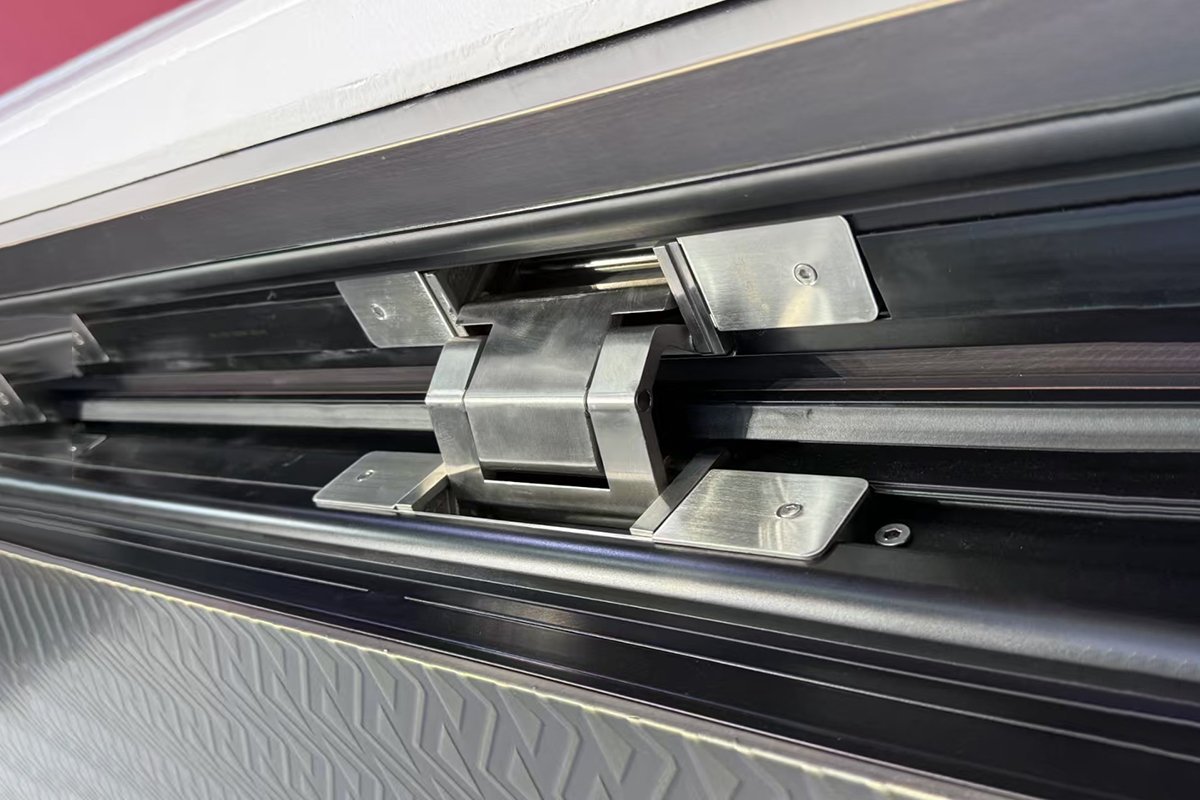
In my factory, we produce hinges with exact dimensions. Every hinge comes with a detailed installation drawing. This drawing shows the precise cuts needed. It specifies the depth, width, and position for slotting the door and the frame. If these slots are not accurate, the hinge will not fit correctly. We often get calls where the hinge "doesn't work." We find out the slotting was off. If the slot is too shallow, the hinge protrudes. The door will not close flush. If it's too deep, the hinge sits too far back. This affects alignment. If the slot is too wide or narrow, the hinge wobbles. This makes the door unstable. My experience confirms that accurate machining is non-negotiable. Door manufacturers need to follow the provided drawings strictly. They can use CNC machines for high precision. Without this precision, even the best hinge will perform poorly.9 It is like building a house with uneven foundations. The entire structure will be flawed. We provide the technical drawings. Customers must follow them. This step is as important as choosing the right hinge. It ensures the hinge integrates perfectly. It also ensures the door functions as intended. This is part of a complete hinge plan.
How Do We Connect Door, Hinge, and Machining for a Perfect Match?
Many buyers try to pick a hinge based on looks or price alone. This often leads to mismatched solutions.
A truly effective concealed door hinge plan connects three key elements: your door's weight, its thickness, and the hinge's specific matching size and load capacity. Ignoring any part can lead to performance issues.
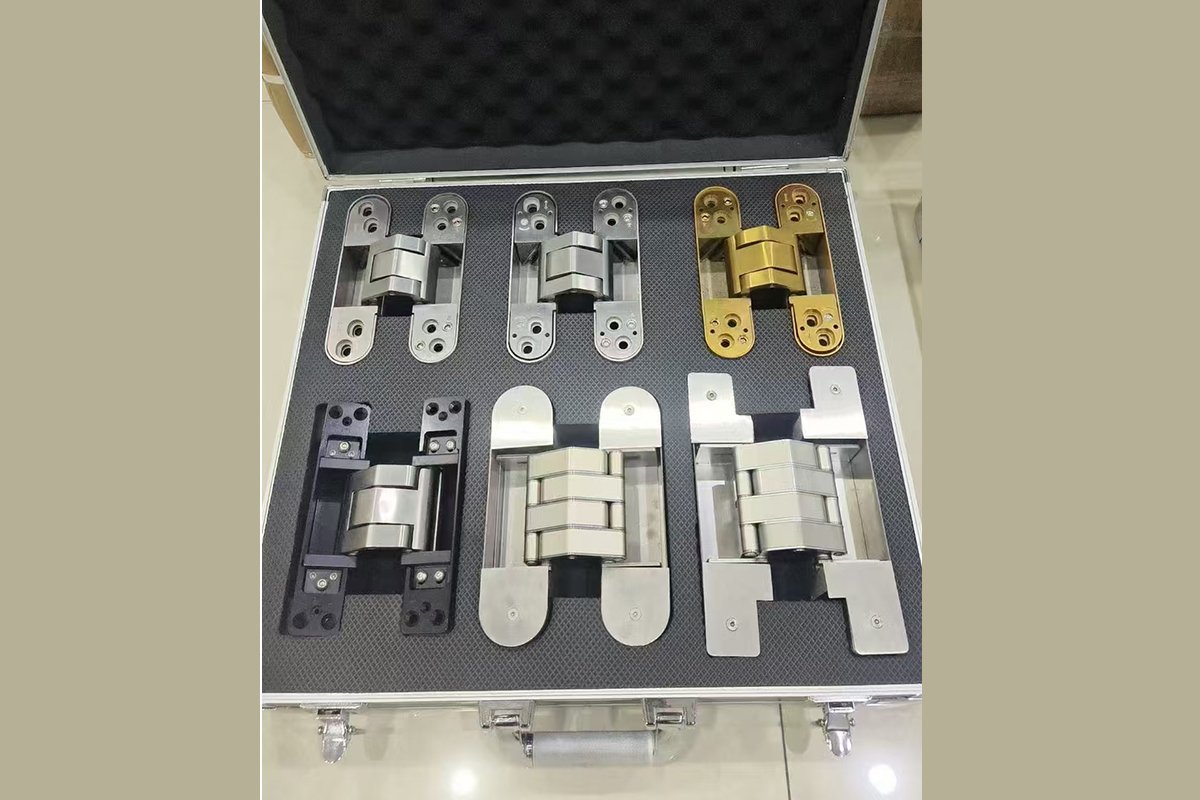
From our perspective as manufacturers, buyers often jump too quickly. They might see a hinge online and ask, "Can I have this for my door?" My answer is always, "Let's first talk about your door." We need to link the door's properties directly to the hinge's specifications. This means knowing the door weight to ensure the hinge's load rating is sufficient. It means knowing the door thickness to confirm the hinge body fits without weakening the door or frame. We have detailed charts and test data for each hinge model. These show its maximum load and minimum door thickness. For example, if a door weighs 80kg, I will recommend a hinge model rated for at least that weight, perhaps with a safety margin. If the door is only 35mm thick, I cannot recommend a hinge designed for a 45mm door. The hinge body would be too large. It would compromise the door's structure. Then, we must ensure the door manufacturer can machine the door and frame precisely according to the chosen hinge's drawing. This complete approach avoids common mistakes. It ensures product reliability. It also means fewer returns or complaints. We guide our customers through this matching process. We ensure every part of the plan works together. This ensures the best performance for their indoor wooden doors. We do not just sell hinges; we sell matching solutions.
Conclusion
A concealed door hinge plan is a tailored solution. It matches door weight and thickness to the right hinge. It includes precise slotting and allows for adjustments.
"What is a concealed door hinge? - Angelbau", https://www.angelbau.com/blog/what-is-concealed-door-hinge. This source defines a concealed door hinge plan as a comprehensive approach encompassing hinge selection based on door specifications, precise machining requirements, and post-installation adjustability. Evidence role: definition; source type: encyclopedia. Supports: the comprehensive nature and key components of a concealed door hinge plan.. ↩
"Concealed Cabinet Door Hinges - Everything You Need to Know ...",
. Industry experts and studies often highlight that prioritizing hinge aesthetics without considering functional requirements like door weight and thickness can lead to premature failure or operational issues. Evidence role: expert_consensus; source type: research. Supports: the potential for problems when hinge appearance is prioritized over functional specifications.. ↩"[PDF] DOOR HARDWARE (SCHEDULED BY DESCRIBING PRODUCTS)", https://fpm.usc.edu/wp-content/uploads/2021/11/087102-USC-HSC-door-hardware-Guide-Specification_1.pdf. Engineering guidelines for door hardware consistently emphasize door weight and thickness as primary factors in determining suitable hinge specifications to ensure proper function and longevity. Evidence role: general_support; source type: education. Supports: the foundational importance of door weight and thickness in selecting appropriate concealed hinges.. ↩
"Failure of the hinge mechanism in total elbow arthroplasty - PubMed", https://pubmed.ncbi.nlm.nih.gov/20303461/. Research into mechanical failures of door hardware indicates that operating hinges beyond their rated load capacity or installing them in doors thinner than specified can result in structural fatigue, deformation, and eventual failure. Evidence role: mechanism; source type: research. Supports: that exceeding a hinge's specified weight capacity or minimum door thickness requirements can lead to hinge failure.. ↩
"NFPA 80 Requirements for Hinges, Pivots, and Continuous Hinges", https://idighardware.com/2016/07/decoded-nfpa-80-requirements-for-hinges/. Building codes and fire safety regulations mandate specific hardware for fire-rated doors, which often includes hinges designed to withstand higher loads and maintain integrity under fire conditions, making standard hinges unsuitable. Evidence role: general_support; source type: government. Supports: the incompatibility of standard concealed hinges with the specific demands of fire-rated doors.. ↩
"Concealed Door Hinges | McKinney", https://www.mckinneyhinge.com/content/mckinney/us/en/resource-library/knowledge-center/blog/blog-post.aehdynamic-concealed-door-hinges-633c2e59d5c7b1003db5d764_mckinney.html. Architectural and hardware guides frequently cite the clean, flush appearance and the ability for multi-directional adjustment as key advantages of concealed hinges, contributing to both design flexibility and long-term operational efficiency. Evidence role: general_support; source type: encyclopedia. Supports: the primary benefits of concealed hinges, including their aesthetic integration and post-installation adjustability for improved door performance.. ↩
"Guide: How to Adjust Door Hinges - SOSS Door Hardware", https://www.soss.com/guide-how-to-adjust-door-hinges/. Industry experts and architectural hardware associations frequently highlight post-installation adjustability as a critical feature for the longevity and sustained performance of door systems, as it allows for compensation of environmental factors and building movement over time. Evidence role: expert_consensus; source type: research. Supports: the significant advantage of post-installation flexibility in concealed hinges for ensuring long-term door performance and preventing issues.. ↩
"Concealed Hinges 101 - YouTube",
. Technical installation guides and industry standards for concealed door hinges consistently emphasize that precise machining of the door leaf and frame, adhering strictly to manufacturer's technical drawings, is fundamental for correct hinge function and alignment. Evidence role: general_support; source type: education. Supports: the critical importance of accurate slotting and precise machining for the proper installation of concealed hinges.. ↩"Design and Performance Analysis of a Micro-Displacement ... - PMC", https://pmc.ncbi.nlm.nih.gov/articles/PMC9028929/. Manufacturing standards for architectural hardware emphasize that precise machining, frequently achieved through CNC technology, is essential for concealed hinges to function correctly, as even minor deviations can compromise their performance regardless of hinge quality. Evidence role: expert_consensus; source type: research. Supports: the non-negotiable requirement for accurate machining, often via CNC, for optimal concealed hinge performance.. ↩