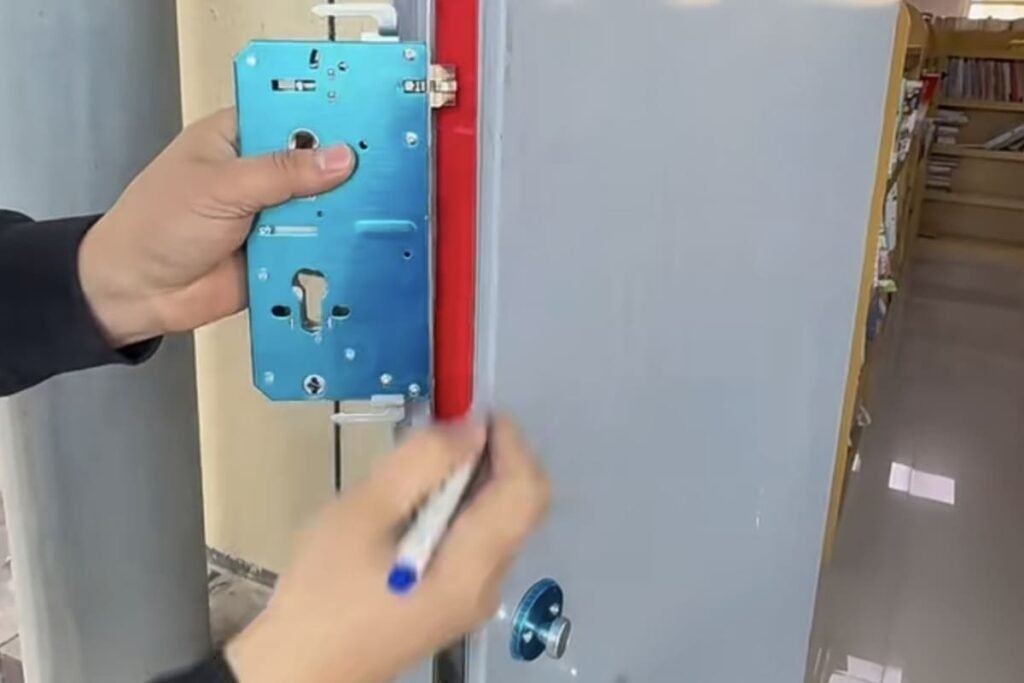
Are mortise locks harder to pick?
You want a simple answer about mortise locks. You fear weak security. The name sounds strong. The truth is more complex. The whole door-lock system sets real resistance.
Mortise locks are not always harder to pick. Security depends on the cylinder, door use, installation fit, materials, and standards.1 Choose by application and match the cylinder and hardware to the door and environment.
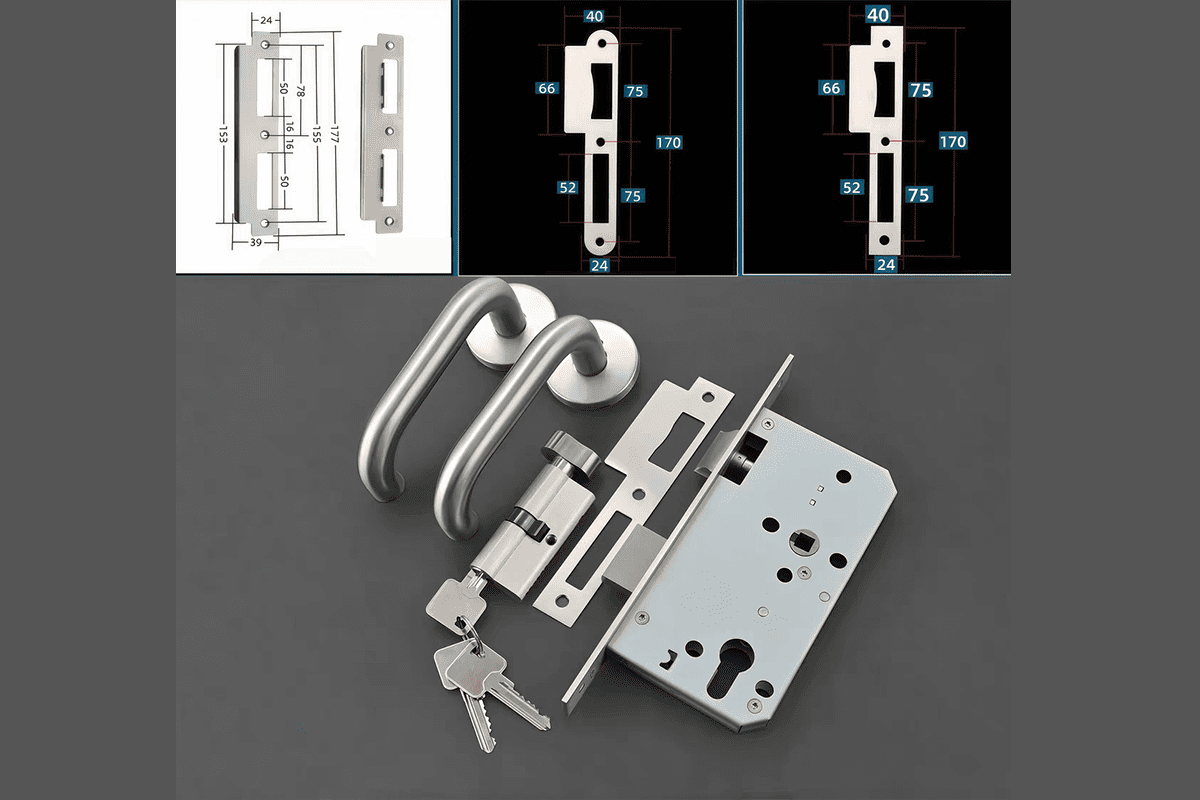
You want a clear answer you can use today. I will give it without tricks or hype, and I will keep it practical for real doors, real projects, and real buyers who must deliver.
Should I judge pick resistance by lock type alone?
You face pressure to decide fast. Labels promise safety. Doubt grows. The fix is not a label. It is a system choice. I keep it focused and simple.
Do not judge security by “mortise” alone. Real resistance comes from the cylinder grade, the door function, the fit of parts, and verified standards. Choose the system that matches the project.

What matters more than the “mortise” name
I build and match mortise locks every week. I see the same trap. People ask if mortise is harder to pick. They skip the rest. I push back. I check the door use, the cylinder, the hinges, the strike, and the frame. I also check space in the door profile. A strong cylinder in a bad fit is weak.2 A basic cylinder in a careful, certified system can be enough for an interior door. I never share bypass tips. I do not teach attacks. I focus on selection.
Core factors and their impact
| Factor | Why it changes “pick resistance” |
|---|---|
| Cylinder type and spec | The main variable for manipulation resistance and key control.3 |
| Door function and usage | Sets duty cycle and risk level for the door. |
| Installation fit | Poor fit creates easy targets and reliability issues. |
| Materials and finish | Affects durability, not direct manipulation resistance. |
| Standards and certification | Independent proof of performance and compliance. |
Which door function decides the mortise lock I choose?
Your project has many doors. Each door works differently. One lock type cannot do all jobs. If the function is wrong, the risk goes up fast.
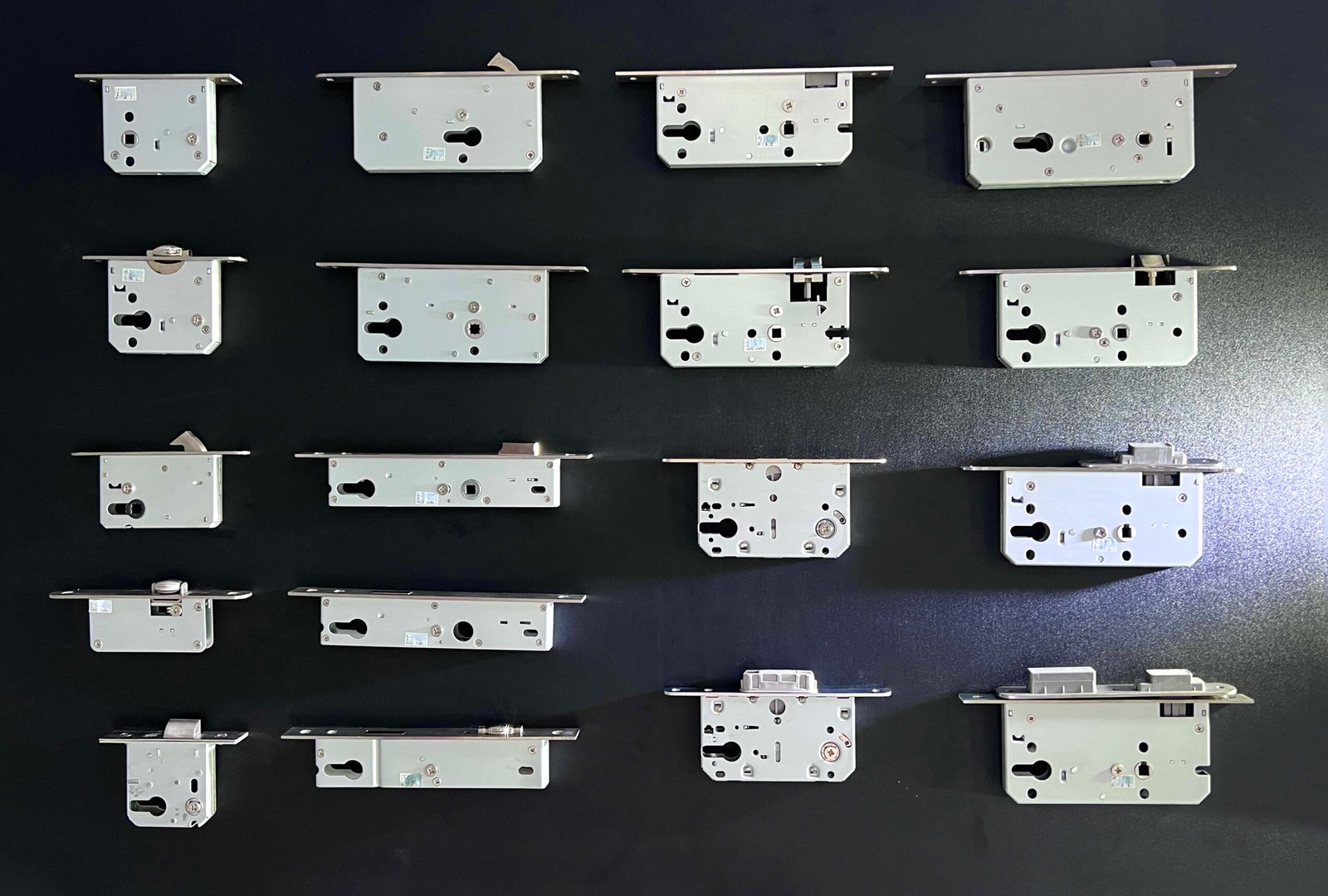
Choose the mortise lock body by door function. Match to sash, passage, deadbolt, bathroom, hook, night latch, anti-panic, classroom, magnetic, narrow, or X-ray room needs. Function first, security follows.
Application-led lock selection
I start with the door’s job. An entrance door wants a sash lock or a sash lock with a separate deadbolt, paired with a good cylinder. A bathroom door needs a bathroom lock with privacy function and an inside release. A classroom door needs a classroom function lock that respects safety rules.4 For sliding doors on narrow profiles, I use a narrow lock or hook lock. For escape routes, I use anti-panic locks that work with panics and meet local rules. For X-ray room doors, I use a mortise lock designed for shielded leaves. I avoid a one-label answer. I pick what the door needs, then I set the cylinder and handle to match.
Typical mapping of function to lock body
| Door type | Typical mortise body choice | Notes |
|---|---|---|
| Entrance / apartment | Sash lock or sash + deadbolt | Pair with a certified cylinder. |
| Interior passage | Passage lock | No key cylinder needed. |
| Bathroom / WC | Bathroom lock | Privacy set with inside release. |
| Classroom / institutional | Classroom lock | Follows local safety function. |
| Sliding / narrow profile | Narrow or hook lock | Check profile width and backset. |
| Escape / panic | Anti-panic lock | Match exit devices and standards.5 |
| Specialty (X-ray) | X-ray room lock | Avoid interfering with shielding. |
How does the cylinder make or break security?
You may have a solid lock body. You might still feel unsure. The cylinder decides much of the real resistance. A poor cylinder pulls the whole system down.
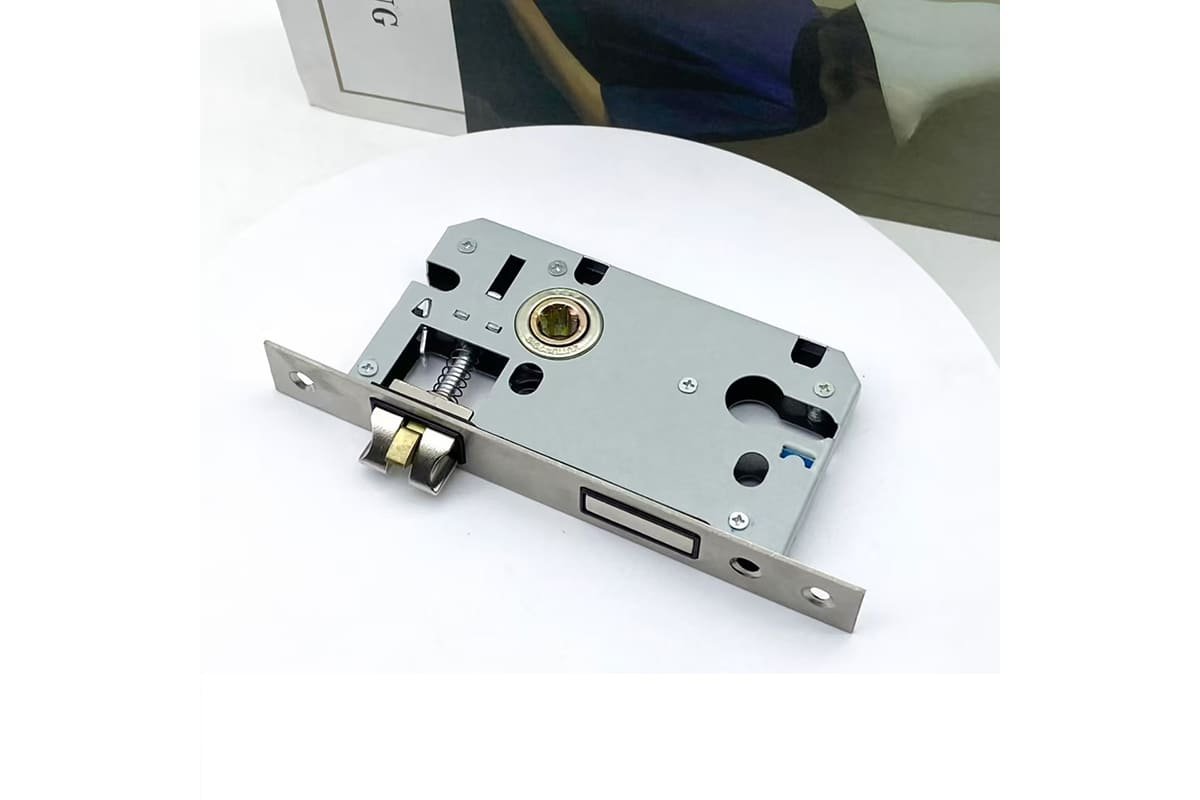
Treat the cylinder as the key security part. Size it to the door. Avoid protrusion. Choose a tested cylinder or core. Match Euro, KIK, or IC to the lock body and the rose depth.
Euro cylinders, KIK, and IC cores
In Euro-standard systems, I size the cylinder to the door thickness and the rose or escutcheon height on both sides. I make sure the cylinder does not stick past the cover. I avoid exposed grab points. In American-style mortise bodies, I size KIK or IC cores by the trim set. I check the rose depth. I center the cam. I avoid any end that sticks out. I prefer cylinders with proven anti-manipulation features and compliance marks.6 I confirm they fit the lock case cam type and tailpiece profile. I never teach how to bypass them. I only guide the match.
Cylinder fit rules you can apply
| Cylinder standard | Sizing approach | Fit checks |
|---|---|---|
| Euro cylinder | Door thickness + both escutcheon heights | No protrusion past cover; correct cam; correct screw length. |
| KIK core | Measure trim set and rose depth | Core shoulders align; retainer correct; cam centered. |
| IC core | Follow lock body and housing spec | Correct control key function; housing depth; tailpiece match. |
Why does installation fit affect safety?
You may choose a good lock and cylinder. If the fit is off, the door feels rough and unsafe. Gaps invite trouble. Wrong handing can cause daily pain.
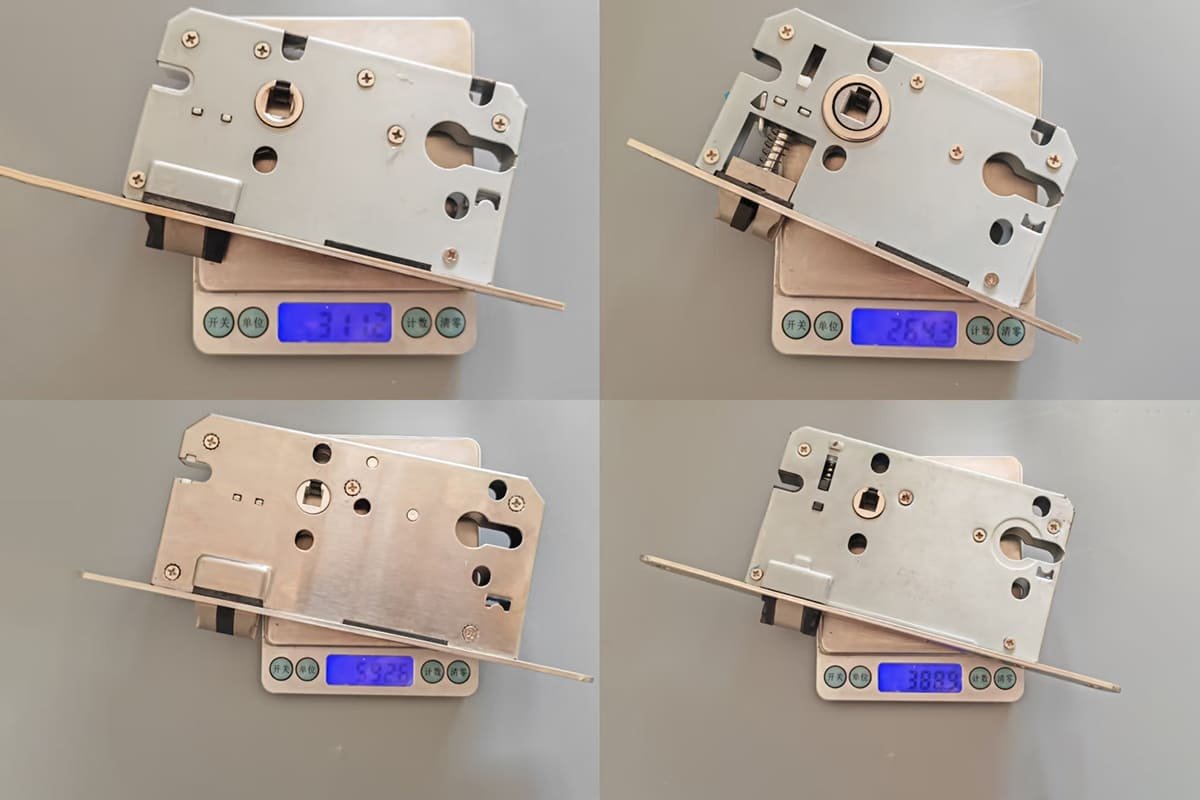
Fit changes reliability and risk. Confirm backset, case size, faceplate size, strike position, profile width, handing, and door swing. A correct fit protects the cylinder and keeps the latch and bolt secure.7
Dimensions that decide success
I check backset, case depth, and case height. I make sure the door profile can hold the case without weakening the stile. I confirm the faceplate size to match the routing. I set the strike box and the lip to match the frame and gasket. I hand the lock left or right, and I check in-swing or out-swing. I align the spindle with the handle trim. I set the follower size to the handle standard. A wrong cutout or a proud cylinder can make a good lock feel cheap and unsafe. I learned this the hard way on a narrow aluminum door project. I changed the case to a narrow version and fixed it.
Installation checklist and why it matters
| Item to check | What to confirm | Why it matters |
|---|---|---|
| Backset | Matches door stile space | Keeps cylinder centered and protected. |
| Case depth/height | Fits profile without weakening | Prevents weak spots and rattle. |
| Faceplate size | Matches routing and finish line | Clean look and solid seating. |
| Strike and lip | Align with latch and gasket | Full latch engagement, no rubbing. |
| Handing and swing | Left/right, in/out correct | Smooth operation and code fit. |
| Spindle/follower | Size and position | Handle returns and feels firm. |
What materials and finishes matter in harsh environments?
You want long life with stable looks. Humidity and salt hurt metal. Corrosion does not pick a lock, but it can make a door fail.
Pick materials for the environment. Use stainless steel for moisture. Consider 316 stainless or PVD in coastal or salt-alkali areas. Separate corrosion resistance from anti-manipulation security. Verify standards before claims.
Durability without confusion
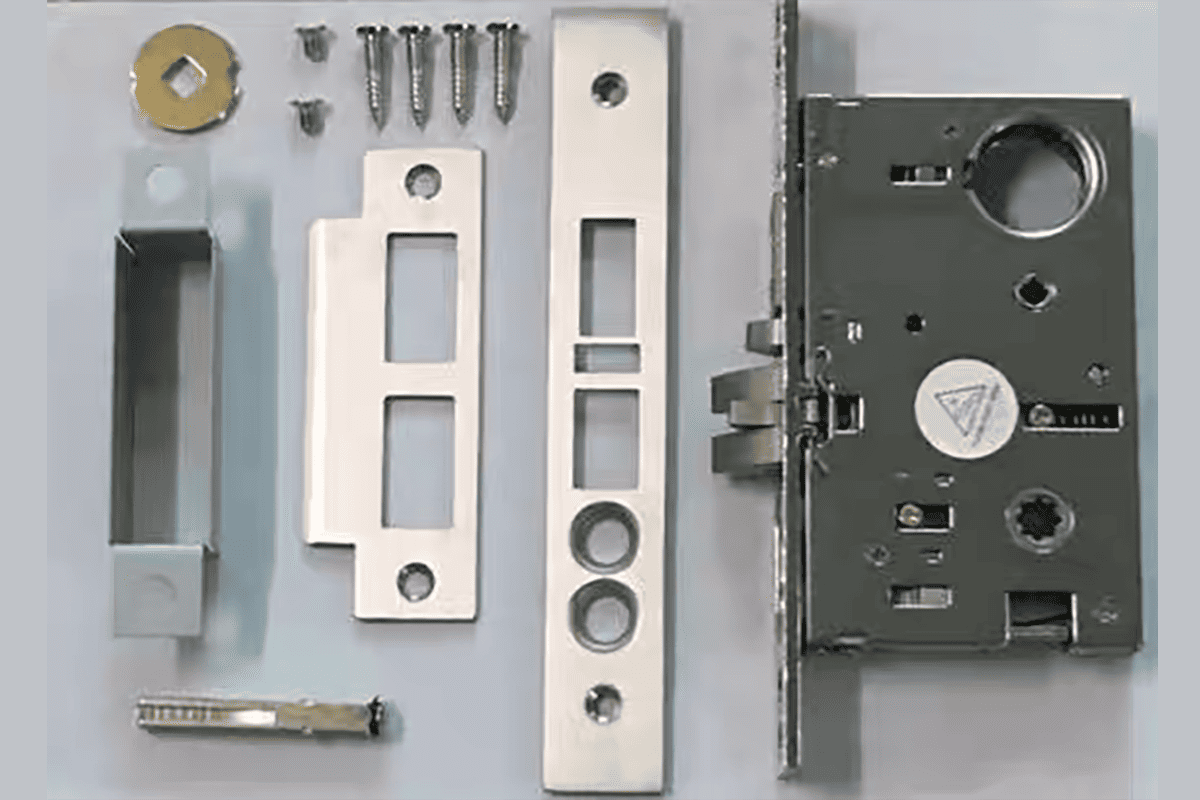
I do not mix corrosion tests with anti-pick claims. They measure different things. In humid rooms and outdoors, I favor stainless steel bodies, forends, and levers.8 In harsh coastal areas, I move to higher-grade stainless or PVD finishes that resist wear and corrosion.9 I keep screws and springs in proper materials to avoid early failure. I will reference CE or fire-rated compliance when the project needs it. I confirm current standards before I put anything on paper. When a client in a coastal city sent me failing brass-plated levers, I switched them to stainless with a durable finish. Their returns dropped. Their doors kept working.
Environment-led material guidance
| Environment | Suggested material/finish | Note |
|---|---|---|
| Dry interior | Standard stainless or zinc alloy trim | Focus on function match. |
| Humid interior | Stainless steel components | Avoid early tarnish or binding. |
| Coastal/salt | 316 stainless or PVD finish | Better resistance to corrosion. |
| Heavy traffic | Hardened latch parts, robust trim | Durability under cycles. |
Do brands and factories change procurement risk?
You face deadlines and budgets. You fear inconsistent parts. Brand names help, but they are not magic. Process, control, and support reduce risk.
Choose reputable brands and stable factories for consistency, not for a “pick-proof” promise. Quality control, tight tolerances, and compliance support lower procurement risk across batches and projects.10
What a stable manufacturer adds
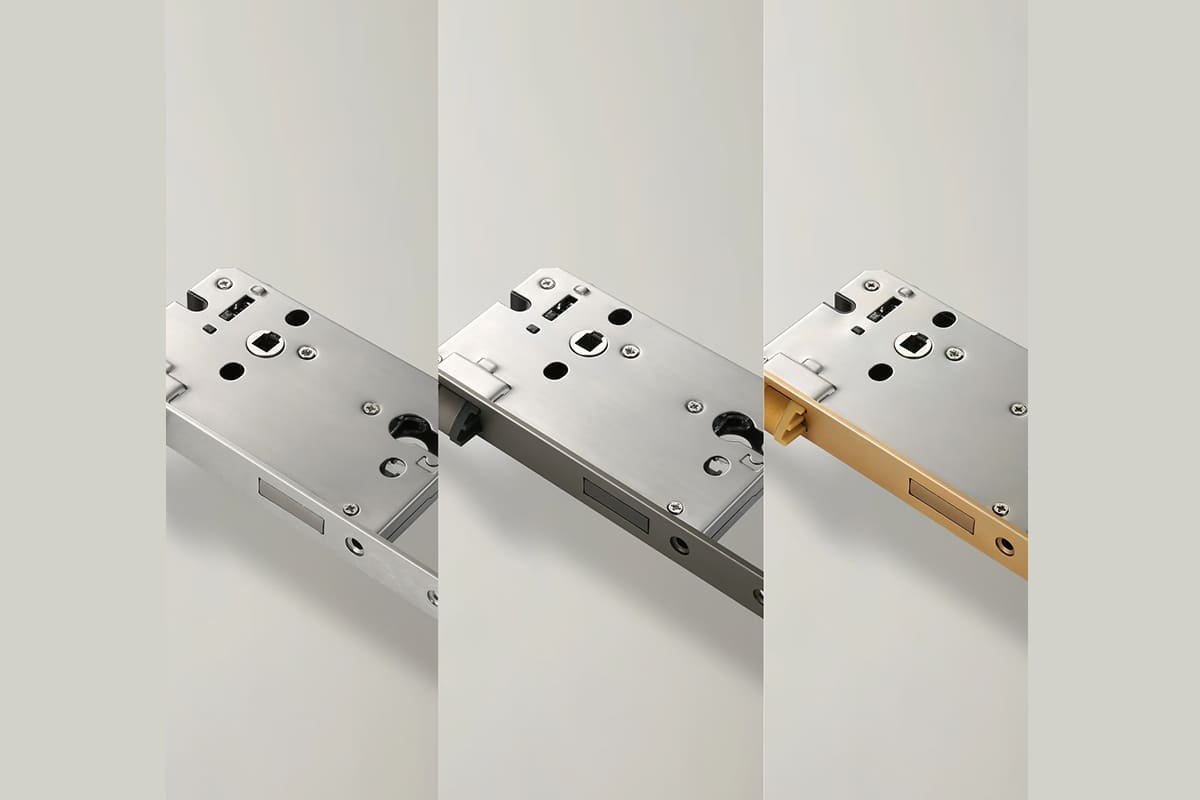
I run an original factory setup. I see how control helps buyers. We screen materials. We keep tolerances tight. We check finishes across batches. We verify CE and fire-rated compliance when required.11 We document dimensions, handing, and trim compatibility. This does not make a lock unpickable. It makes parts repeatable and safe to install. It also makes project handover calm. I once supported a hotel roll-out with multiple door types. We matched sash locks, bathroom locks, and anti-panic sets, all with one finish line. The schedule held because sizes, holes, and cylinders stayed consistent.
Supplier factors and buyer benefits
| Supplier factor | Buyer benefit |
|---|---|
| Documented QC and inspections | Fewer surprises on site. |
| Consistent dimensions and finishes | Faster installs and clean look. |
| Verified certifications | Smoother approvals and audits. |
| Flexible customization | Correct function for each door. |
| Stable capacity | On-time, repeatable supply. |
Conclusion
Picking resistance depends on cylinder, function, fit, materials, and standards. Share door type, thickness, profile space, opening direction, function, cylinder standard, finish environment, and certifications, and I will match the right mortise lock system.
"How Often Should You Replace a Door Mortise Lock? - Umay", https://umaylocks.com/replace-a-door-mortise-lock/. This source supports the claim that the security of a door lock system is a complex interplay of multiple components and installation factors, not solely dependent on the lock body. Evidence role: expert_consensus; source type: research. Supports: the multi-faceted nature of door lock security, extending beyond the lock type itself.. ↩
"Do smart locks have any inherent security issues? - Reddit", https://www.reddit.com/r/cybersecurity/comments/1r0l8om/do_smart_locks_have_any_inherent_security_issues/. This source supports the assertion that the security performance of a high-grade lock cylinder can be significantly degraded by improper installation or a poor fit within the door assembly. Evidence role: mechanism; source type: institution. Supports: the principle that improper installation, such as a poor fit or protrusion, can compromise the security benefits of an otherwise strong lock cylinder.. ↩
"[PDF] Student Guide Course: Lock and Key Systems - CDSE", https://www.cdse.edu/Portals/124/Documents/student-guides/PY104-guide.pdf. This source supports the claim that the lock cylinder's type and specifications are the most critical factors determining a lock's resistance to manipulation and its key control functionality. Evidence role: expert_consensus; source type: institution. Supports: the cylinder's role as the primary component influencing a lock's resistance to manipulation and its key control features.. ↩
"[PDF] April 24, 2017 Subject: Door Locking Hardw", https://sfm.illinois.gov/content/dam/soi/en/web/sfm/sfmdocuments/documents/securitylockingsystems.pdf. This source supports the requirement for classroom doors to utilize specific lock functions designed to meet safety regulations and institutional standards for occupant security and emergency egress. Evidence role: general_support; source type: government. Supports: the necessity for classroom doors to be equipped with specific 'classroom function' locks that adhere to safety regulations and building codes.. ↩
"Anti-panic function - AWILUX - Eurostar Fenestration", https://www.esfwindows.com/pagesView,204,anti-panic-function,EN. This source supports the claim that anti-panic locks must be correctly integrated with compatible exit devices and conform to relevant safety and building standards to ensure effective emergency egress. Evidence role: general_support; source type: institution. Supports: the critical need for anti-panic locks to be compatible with specific exit devices and to comply with established safety and building code standards for emergency egress.. ↩
"1 vs 3 Star Euro Cylinder (FAQ) | Coastal Group - YouTube",
. This source supports the assertion that lock cylinders featuring proven anti-manipulation designs and recognized compliance marks offer a higher level of security against various attack methods. Evidence role: general_support; source type: institution. Supports: the enhanced security provided by lock cylinders that incorporate proven anti-manipulation features and carry recognized compliance marks.. ↩"Avoiding Lock Installation Mistakes - Northeast Security Solutions", https://northeastsecuritysolutions.com/lock-installation-mistakes/. This source supports the claim that precise installation fit is paramount for both protecting the lock cylinder from external attacks and ensuring the consistent, secure engagement of the latch and bolt mechanisms. Evidence role: expert_consensus; source type: institution. Supports: the critical role of a correct installation fit in safeguarding the lock cylinder and ensuring the secure and reliable operation of the latch and bolt.. ↩
"Humidity Sensors Principle, Mechanism, and Fabrication ... - PMC", https://pmc.ncbi.nlm.nih.gov/articles/PMC4063076/. This source supports the use of stainless steel for lock components in humid and outdoor settings, citing its material properties that provide enhanced resistance to corrosion compared to other metals. Evidence role: mechanism; source type: research. Supports: the recommendation of using stainless steel for lock bodies, forends, and levers in humid or outdoor environments due to its inherent corrosion resistance.. ↩
"PVD for Decorative Applications: A Review - PMC - NIH", https://pmc.ncbi.nlm.nih.gov/articles/PMC10381906/. This source supports the application of higher-grade stainless steel or PVD finishes for lock hardware in harsh coastal environments, attributing their suitability to enhanced resistance against wear and corrosive elements. Evidence role: mechanism; source type: research. Supports: the recommendation of higher-grade stainless steel or PVD finishes for lock components in harsh coastal environments due to their superior resistance to wear and corrosion.. ↩
"Strategies in Procurement Risk Management - Webster University", https://enroll.webster.edu/strategies-in-procurement-risk-management/. This source supports the claim that stringent quality control, precise manufacturing tolerances, and robust compliance support from suppliers are crucial for minimizing procurement risks in complex projects involving manufactured components. Evidence role: general_support; source type: education. Supports: the role of quality control, tight tolerances, and compliance support in mitigating procurement risks for manufactured components.. ↩
"Compliance FAQs: CE Marking | NIST", https://www.nist.gov/standardsgov/compliance-faqs-ce-marking. This source supports the requirement for lock components to undergo verification for CE marking and fire-rated compliance when such certifications are stipulated by project requirements or relevant regulatory frameworks. Evidence role: general_support; source type: government. Supports: the necessity of verifying CE marking and fire-rated compliance for lock components when mandated by project specifications or regulatory bodies.. ↩