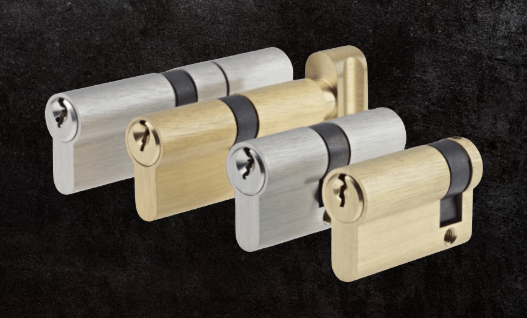
Which is better cylindrical or mortise lockset?
A wrong lock choice looks small at first. It later creates door rework, slow delivery, buyer complaints, and extra after-sales cost.
A cylindrical lockset is better for simple, cost-sensitive, and easy-replacement doors. A mortise lockset is usually better for standardized, project-grade, and European-style doors that need stronger matching, better hardware coordination, and lower long-term procurement risk.
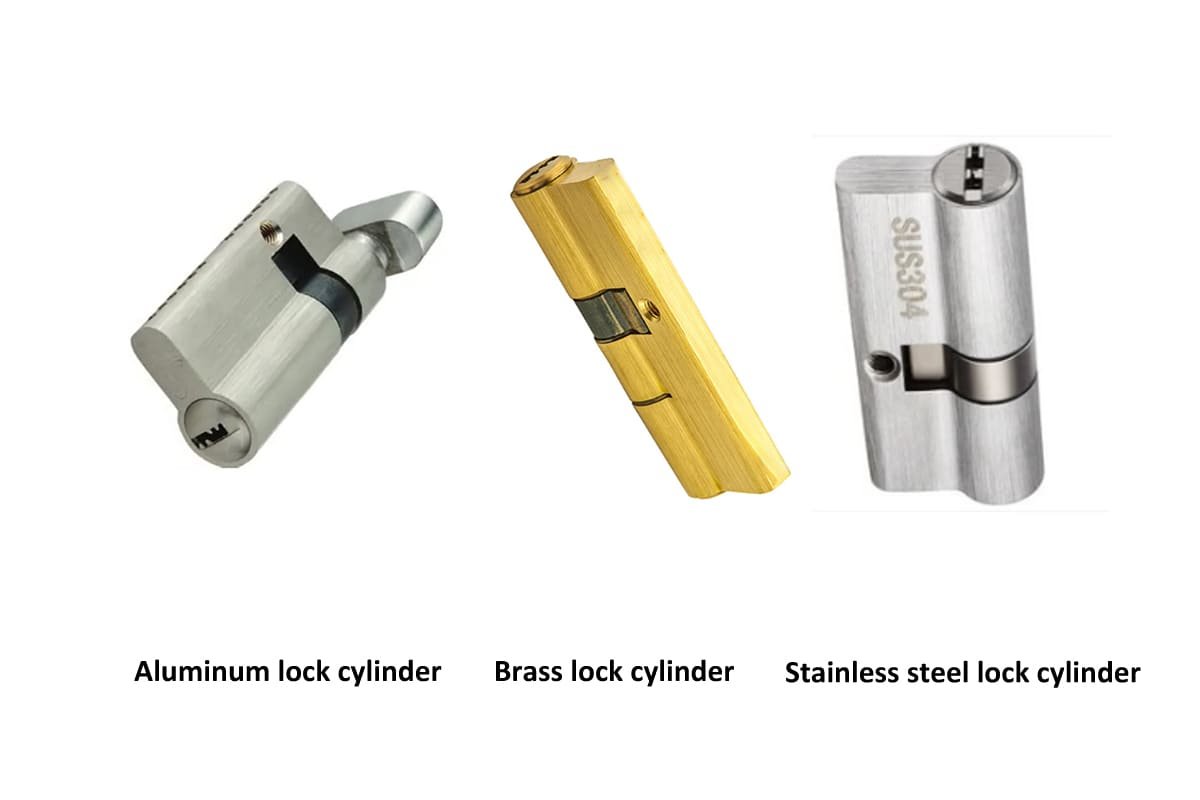
I do not start this comparison by asking which lock is stronger in a general way. I start with the door, the market, and the buyer’s risk. I have seen many orders fail not because the lock was bad, but because the lock did not fit the door standard, the local market habit, or the project requirement.
Does the lockset fit the door preparation and market standard?
A lock can look correct in a catalog. It can still become a problem when the door factory starts machining the door.
A lockset fits well when its body size, backset, center distance, forend, strike plate, spindle hole, and cylinder system match the door design and the local market standard.
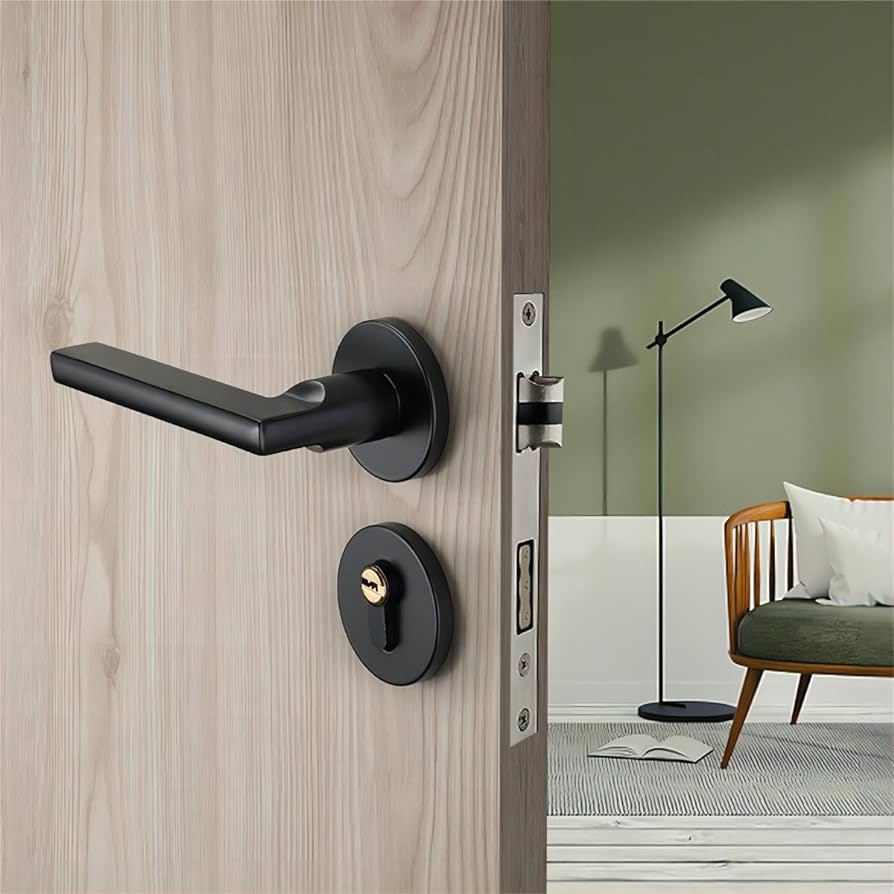
I first check the door, not the lock
In my factory work, I often ask buyers for the door drawing before I talk about price. I do this because the lockset must fit the door preparation. A cylindrical lockset usually needs round holes. A mortise lockset needs a pocket cut inside the door edge.1 These two systems are not easy to replace with each other after door production starts.2
For B2B buyers, this point is very important. A small mismatch can affect hundreds or thousands of doors. It can also affect handle sets, cylinders, strike plates, screws, and packing plans.
| Check point | Cylindrical lockset | Mortise lockset |
|---|---|---|
| Door machining | Usually simpler round drilling | More precise mortise pocket cutting |
| Market fit | Common in some cost-sensitive or simple applications | Common in DIN or European-style systems |
| Hardware matching | Often more limited | Usually more complete with handles and cylinders |
| Replacement | Easy if the same bore standard is used | Easy if the same mortise standard is used |
I do not say one type is always better. I say the correct type is the one that fits the door preparation and the market standard.
When does a cylindrical lockset make sense for batch buying?
A cylindrical lockset can be the right choice when the door design is simple, the budget is controlled, and the market accepts this structure.
A cylindrical lockset makes sense for cost-sensitive doors, simple replacement programs, and projects where round-bore preparation is already fixed and accepted by the target market.
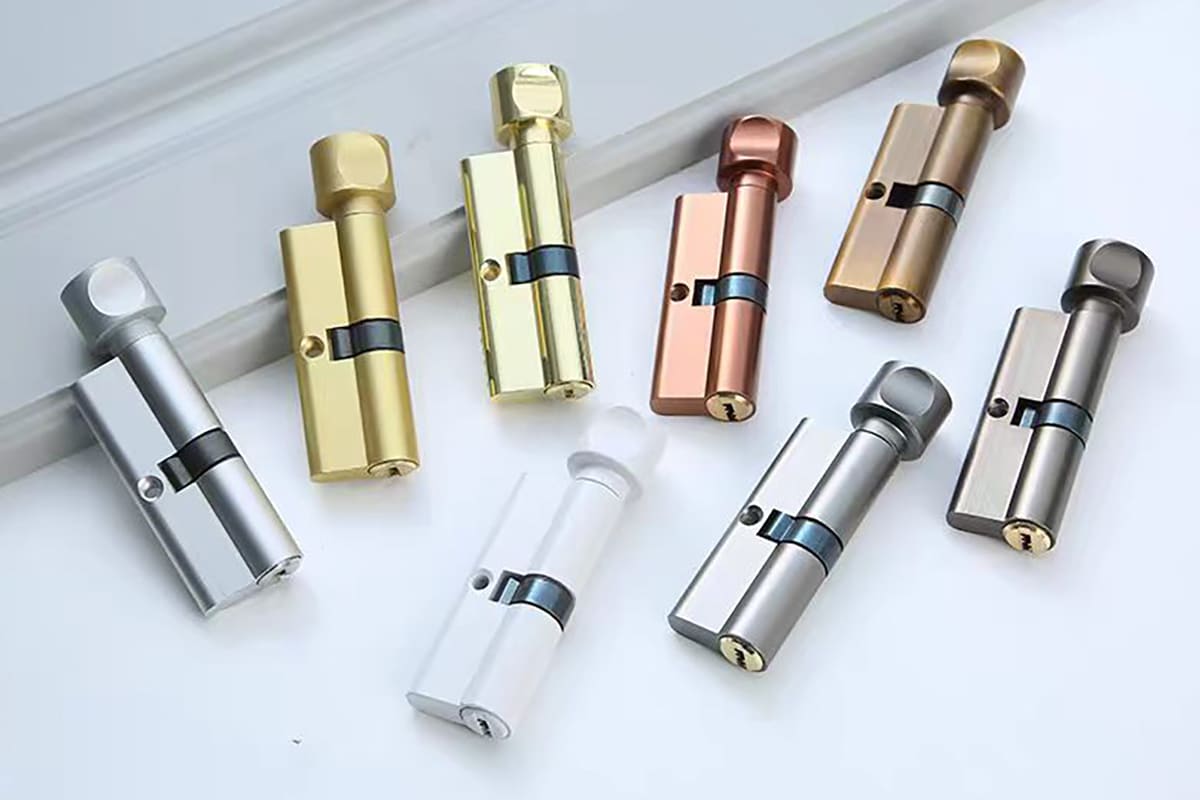
I use cylindrical locks when the project logic is simple
I do not reject cylindrical locksets. I only check where they are suitable. In some markets and some door types, a cylindrical lockset gives a practical solution. The installation can be quick. The door preparation can be simple. The buying cost can also be easier to control.
For wholesalers, this can help when the product line targets basic residential doors or low to medium project levels. For replacement demand, a cylindrical lockset can also work well if the existing door already uses the same bore pattern.
| Buyer need | Cylindrical lockset advantage | Risk I still check |
|---|---|---|
| Lower entry cost | The structure can be simple | The market may prefer mortise locks |
| Fast installation | Round drilling is often easy | Door thickness and bore size must match |
| Replacement sales | Existing bore may be reused | Different brands may not fit the same |
| Simple stock | Fewer components in some models | Finish and function range may be limited |
I pay attention to the market habit. If a buyer sells into a region where builders expect mortise locks, a cylindrical lockset may look like a lower-level product even if the function is acceptable.
Why do DIN-style mortise locksets reduce procurement risk?
A mortise lockset is often safer for standardized door production because the lock body dimensions and matching parts can follow known market systems.
DIN-style mortise locks reduce risk because standards such as DIN 18251 help define common dimensions, which makes door machining, lock replacement, and hardware matching more predictable in many markets.3
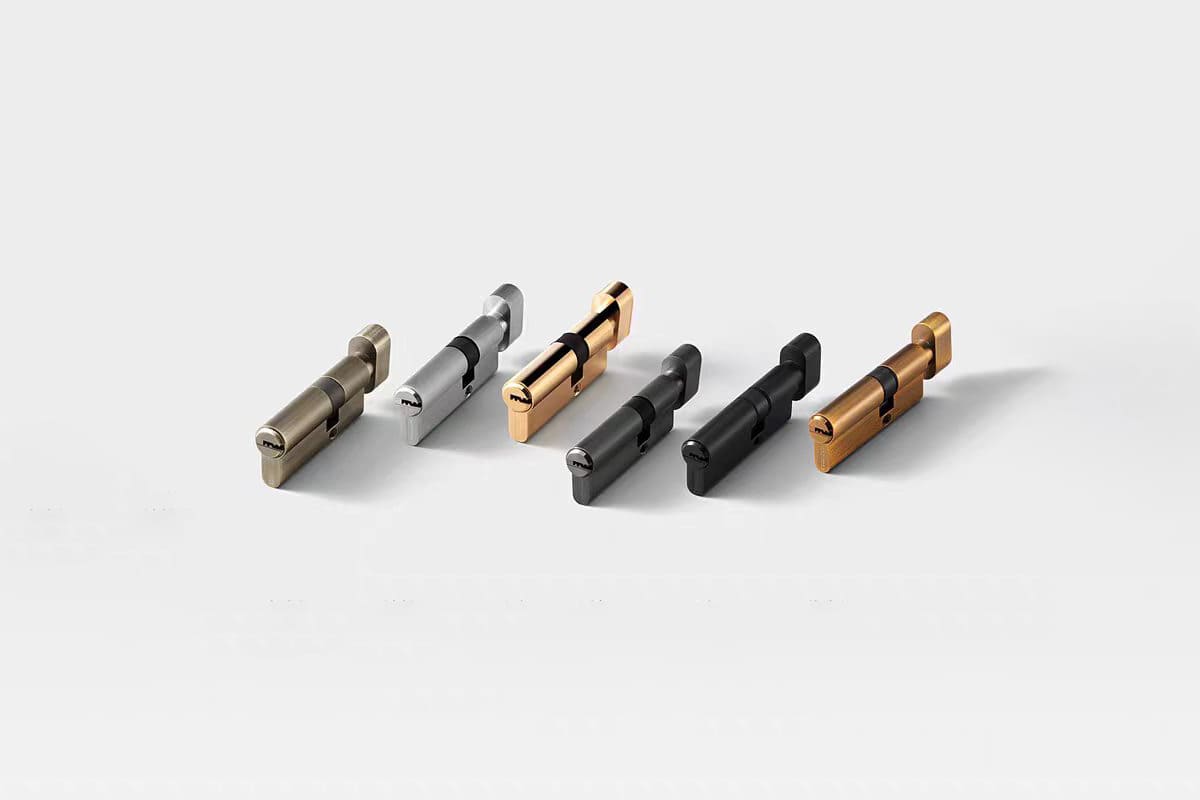
I see DIN dimensions as a supply chain tool
When I work with European and Middle East buyers, DIN-style mortise locks come up very often. DIN 18251 is one important reference for mortise lock dimensions.4 I treat this as a practical tool, not just a technical term. It helps door factories, hardware brands, and wholesalers speak the same language.
If the lock body, forend, backset, center distance, follower, and cylinder position follow the expected system, the buyer has less risk. The door factory can prepare the door with more confidence. The buyer can source matching handles and profile cylinders more easily. The after-sales team can replace the lock later with less confusion.
| Item | Why it matters in mortise locks |
|---|---|
| Backset | It decides the handle and key position from the door edge |
| Center distance | It affects handle and cylinder alignment |
| Forend size | It affects door edge appearance and fit |
| Strike plate | It affects closing feel and frame preparation |
| Cylinder type | It affects regional sales and security level |
I still tell buyers to confirm the exact project drawing. Standards help a lot, but real orders still need clear specifications.
How should I judge mortise lock quality beyond the lock type?
A mortise lockset is not high quality only because it is a mortise lock. The real quality comes from materials, structure, surface treatment, and stable production control.
I judge mortise lock quality by checking the forend, strike plate, latch bolt, dead bolt, spring, transmission parts, lock case coating, and the consistency of bulk production.
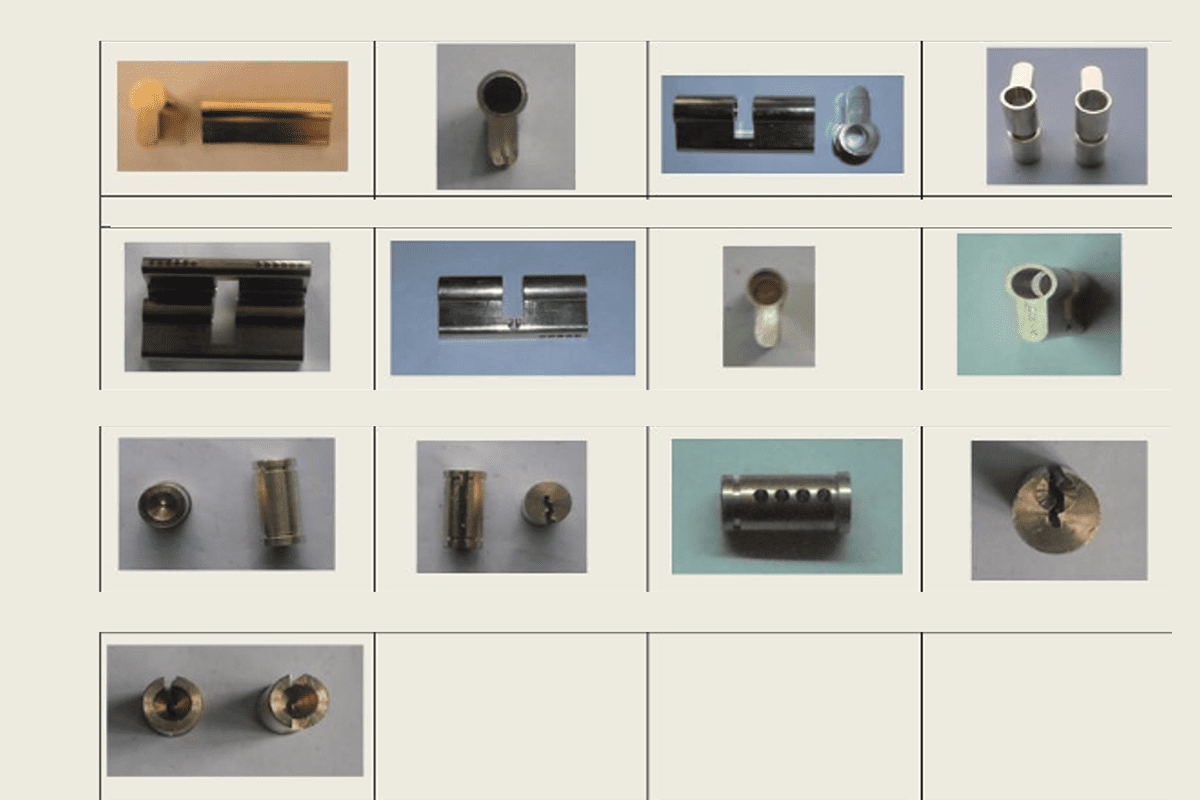
I look at both visible parts and internal parts
Many buyers first touch the forend and strike plate. I agree with this habit because these parts are visible after installation. Good exposed parts help the door look clean. In many higher-level mortise locks, the forend, strike plate, latch bolt, and dead bolt may use 304 stainless steel. This can help with corrosion resistance and surface consistency.5
I also check the internal structure. A latch bolt spring may use 65Mn steel when the design needs stronger spring performance.6 Internal transmission parts may also receive strengthening or surface treatment. These details are not always visible in a catalog photo, but they affect long-term feel and stability.
| Component | What I check | Why I check it |
|---|---|---|
| Forend | Material, thickness, finish | It affects appearance and corrosion resistance |
| Strike plate | Fit, finish, screw holes | It affects closing and frame matching |
| Latch bolt | Material and smooth movement | It affects daily use feel |
| Dead bolt | Strength and alignment | It affects locking performance |
| Spring | Material and rebound | It affects long-term operation |
| Lock case | Coating and forming quality | It affects storage and service life |
I also check the lock case surface. A good lock case may use galvanized steel, a light-blue anti-fingerprint coating, or another protective treatment. This helps during storage, shipping, and project use.7
What role do EN 12209 and fire-rated needs play in selection?
Certificates do not replace factory quality control. They do help buyers choose the correct level for different markets and projects.
EN 12209 gives a framework for testing and classifying mechanically operated locks, including durability and other performance items.8 Fire-rated requirements should be checked against the exact door system and certificate scope.9
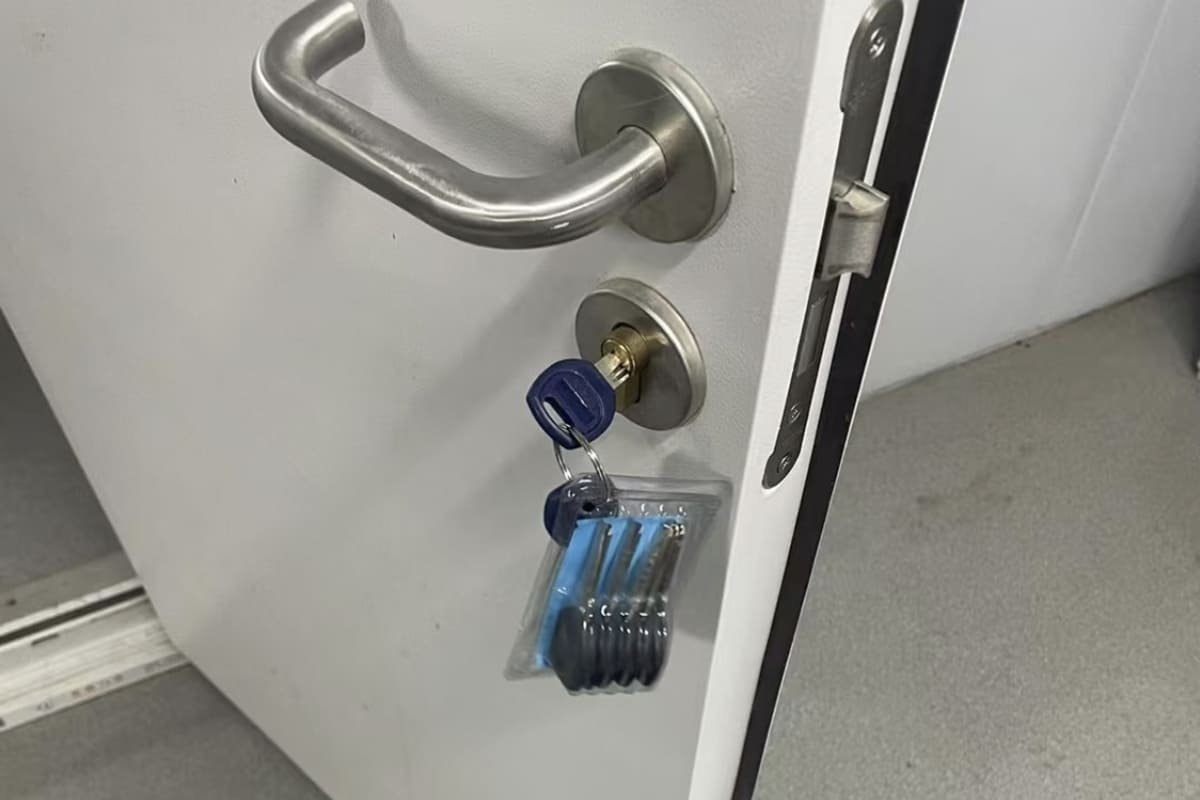
I use standards to reduce unclear buying decisions
For project buyers, standards make the discussion clearer. EN 12209 is often used for mechanically operated locks and latches in European-related markets. It includes classification items for performance. Buyers can use the classification to match the project level. I always suggest checking the latest official wording before final publication or tender use, especially for grade names, public-building claims, and fire-related wording.
Fire-rated locks also need careful handling. A lock may be part of a fire door system, but the certificate must match the tested configuration. I do not advise buyers to treat one certificate as proof for every door type, every door thickness, and every accessory combination.
| Requirement | What I ask for | Why it matters |
|---|---|---|
| EN 12209 | Valid report or certificate details | It supports mechanical performance claims |
| CE marking | Document scope and product model | It supports market access needs |
| Fire-rated use | Fire test scope and door system match | It reduces project approval risk |
| Model traceability | Item number and drawing match | It avoids certificate mismatch |
| Batch control | Inspection and packing records | It supports stable supply |
I see certificates as part of procurement risk control. I still check the actual product, drawing, material list, and factory process.
How do I compare total cost instead of only lock price?
A cheap lock can become expensive when it causes door rework, missing accessories, finish mismatch, or slow replacement.10
I compare total cost by adding lock price, door machining cost, installation time, matching hardware cost, inspection cost, delivery risk, and future replacement cost.11
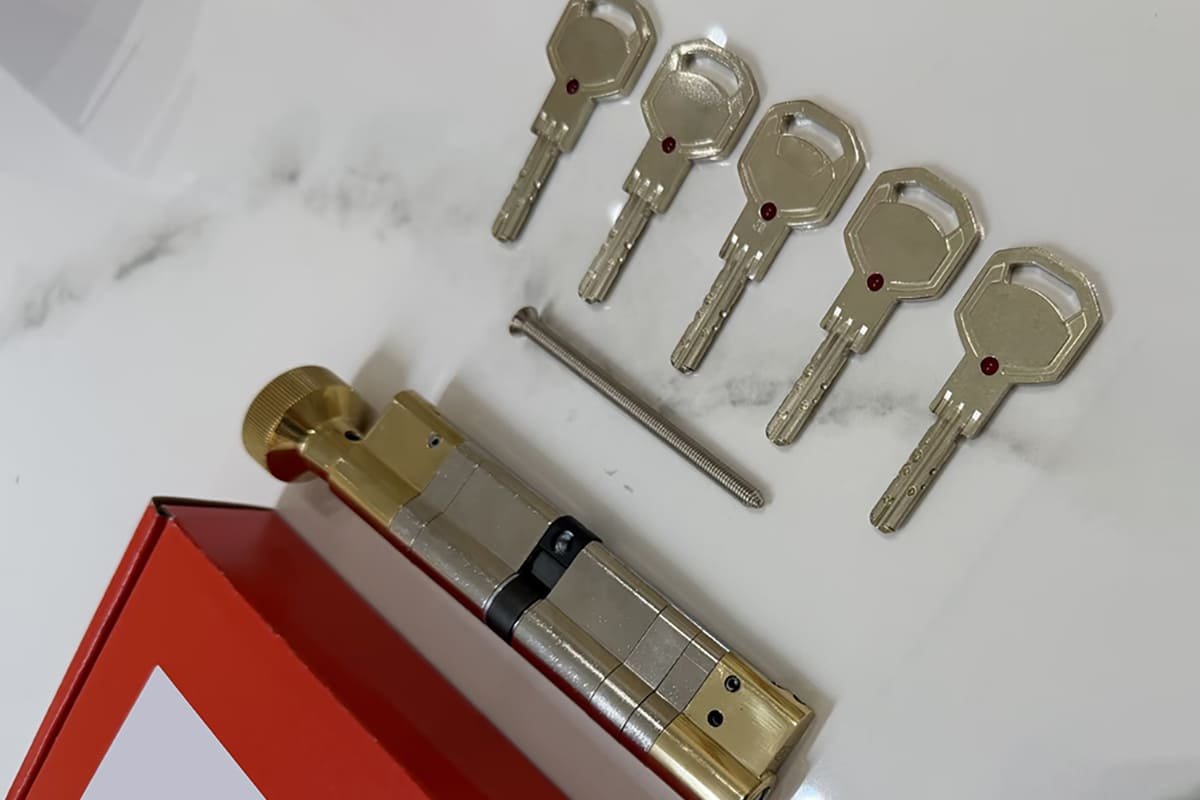
I do not let unit price hide the real cost
In B2B sourcing, the lock unit price is only one part of the decision. I have seen buyers focus on a small price difference and later spend more on rework or urgent replacement. This is more common when the lockset does not match the door factory’s standard process.
A mortise lockset may have a higher product cost than a simple cylindrical lockset.12 It may still lower risk in a DIN-style door program because the hardware system is more complete. A cylindrical lockset may be cheaper and faster for simple doors. It may still create trouble if the market expects a mortise lock with a profile cylinder and lever handle set.
| Cost area | Question I ask |
|---|---|
| Door machining | Does the factory already support this preparation? |
| Installation | Can workers install it without extra adjustment? |
| Hardware matching | Do handles, cylinders, and strike plates fit the same system? |
| Stock control | Can the buyer replace parts later from normal inventory? |
| Market acceptance | Does the local buyer expect this lock type? |
| After-sales | Can the problem be solved without changing the door? |
I always compare the lock as part of a door hardware system. This gives a more honest cost view.
Which lockset is usually better for European and Middle East project supply?
For many European-style and Middle East project channels, a mortise lockset is usually the stronger choice because the market already accepts this structure.
A DIN/EN-compatible mortise lockset is usually better for European-standard doors, commercial projects, door factories, and wholesalers that need stable dimensions, complete matching, and easier replacement planning.
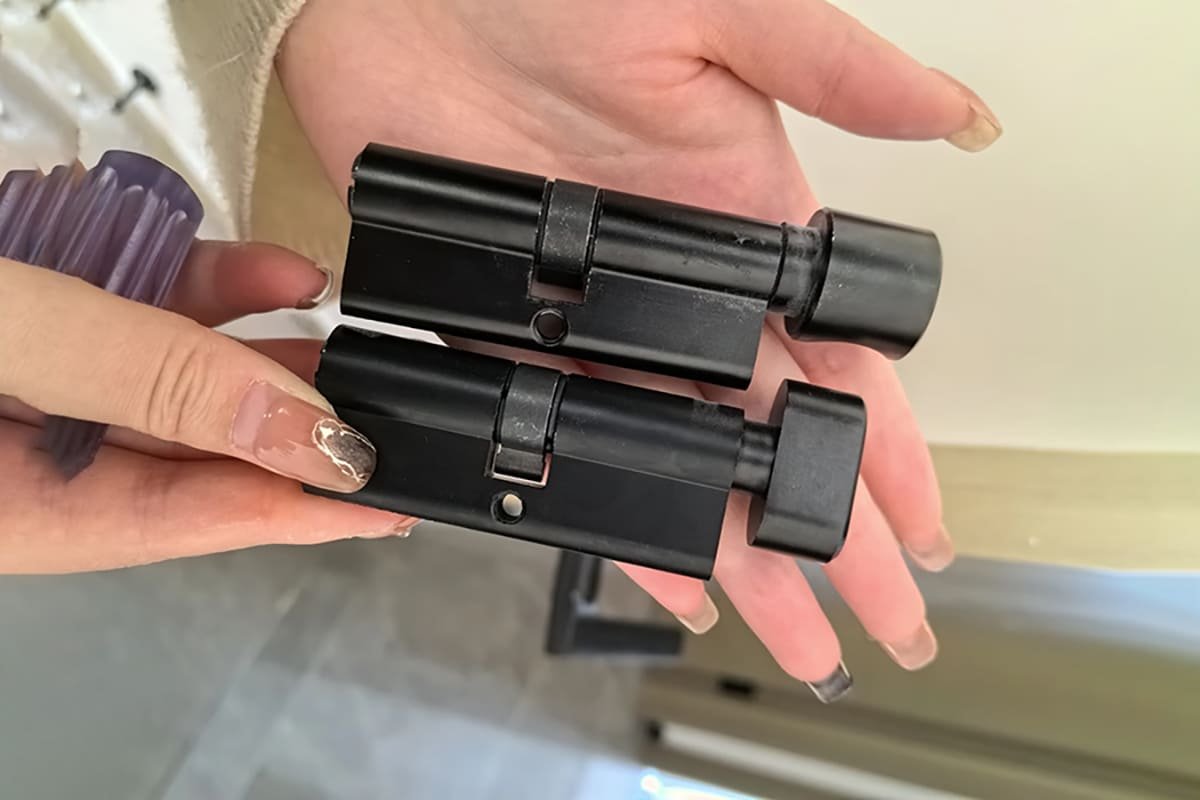
I match the lock to the channel and project level
In my export work, I often see mortise locksets used with lever handles, profile cylinders, escutcheons, and full door hardware sets. This makes sense for door factories and hardware brands. They need a complete system. They also need stable appearance across different batches.
For the Middle East, Europe, and some Southeast Asian markets, buyers often ask for mortise locks because their door designs and sales channels already follow this habit. A DIN-style mortise lock also helps when a wholesaler wants to build a product line with different backsets, functions, finishes, and cylinder options.
| Sales channel | My usual lock direction |
|---|---|
| Door factory | Mortise lockset when door machining is standardized |
| Hardware brand | Mortise lockset for wider product matching |
| Bulk wholesaler | Mortise lockset when market replacement demand exists |
| Simple project supplier | Cylindrical or mortise, based on door preparation |
| Cost-sensitive distributor | Cylindrical may work if the market accepts it |
I do not force one answer. I look at the door, the channel, the standard, and the buyer’s long-term plan.
How do I make the final B2B sourcing decision?
The final decision should come from a clear specification sheet, not from a general opinion about lock types.
I choose the lockset by confirming door preparation, target market, standard reference, function, material configuration, certificate needs, finish, packing, MOQ, delivery time, and replacement plan.
I use a simple checklist before production
Before I quote or confirm production, I prefer to create a lock specification sheet. This sheet reduces misunderstanding between the buyer, the factory, and the door production team. It also helps the buyer compare suppliers in a fair way.
For a cylindrical lockset, I confirm bore diameter, backset, door thickness, latch type, function, finish, and strike plate. For a mortise lockset, I confirm lock body size, backset, center distance, forend size, follower size, cylinder type, latch direction, dead bolt design, strike plate, screws, finish, and certificates.
| Decision step | My factory-side action |
|---|---|
| Confirm door drawing | I check machining and lock position |
| Confirm market standard | I check DIN, EN, or local common practice |
| Confirm function | I check passage, privacy, entrance, classroom, or project needs |
| Confirm material | I check stainless steel, zinc alloy, brass, or steel parts |
| Confirm finish | I check color consistency for bulk orders |
| Confirm certificates | I check scope, model, and report validity |
| Confirm packing | I check label, carton strength, and accessory list |
| Confirm replacement | I check if future parts can match the same system |
My final answer is practical. I choose cylindrical locks for simple and accepted applications. I choose mortise locks for standardized and higher-requirement door programs.
Conclusion
I choose the better lockset by matching the door, market, standard, quality level, certificate need, and long-term procurement risk.
"Mortise lock", https://en.wikipedia.org/wiki/Mortise_lock. A lock hardware standard or institutional reference distinguishes bored/cylindrical locksets from mortise locksets by their door preparation, supporting the article's statement that the two systems use different machining methods. Evidence role: definition; source type: institution. Supports: A source should define cylindrical or bored locksets as using bored holes and mortise locksets as requiring a mortised pocket in the door edge.. Scope note: This supports the technical distinction, not the article's broader sourcing recommendation. ↩
"Mortise Locks (UK) Guide & Smart Lock Compatibility", https://ardanshield.com/blogs/buying-guides/a-comprehensive-guide-to-mortise-locks-uk?srsltid=AfmBOoqDq-W1xmTImJg8fWKhuz5XLOlEM1EdvI84LEtpQ3z7taAaD3uB. Technical guidance on lockset retrofitting indicates that mortise and cylindrical locksets rely on different door cutouts, which supports the claim that changing systems after door preparation can require rework. Evidence role: mechanism; source type: institution. Supports: A source should show that different lock formats require different cutouts, making interchangeability dependent on additional door machining or retrofit hardware.. Scope note: The source may describe retrofit difficulty generally rather than quantify the cost or failure rate for batch door production. ↩
"How to measure and choose the right mortise lock size", https://www.blue-id.com/en/blog/mortise-lock-mass. DIN 18251 specifies dimensional and classification requirements for mortise locks and latches, providing contextual support for the article's claim that DIN-style dimensions can make door preparation and replacement planning more predictable. Evidence role: general_support; source type: institution. Supports: A standards body or technical summary should confirm that DIN 18251 addresses dimensional requirements for mortise locks and latches.. Scope note: The standard supports dimensional consistency, but it does not by itself prove reduced procurement risk in every market. ↩
"DIN standards", https://www.sullus.com/glossary/din-standards/. A standards listing for DIN 18251 identifies it as a reference for locks and latches, including mortise lock requirements, supporting the article's use of the standard as a dimensional reference. Evidence role: definition; source type: institution. Supports: A standards listing or technical institution page should identify DIN 18251 as a standard concerning mortise locks and latches.. Scope note: A listing may confirm scope but may not provide full dimensional tables unless the paid standard is consulted. ↩
"Corrosion Behavior of Sensitized AISI 304 Stainless Steel in ...", https://pmc.ncbi.nlm.nih.gov/articles/PMC9740934/. Materials engineering references describe AISI 304 stainless steel as an austenitic stainless steel with good general corrosion resistance, supporting its use where exposed lock components require corrosion-resistant surfaces. Evidence role: mechanism; source type: education. Supports: A materials science source should explain that 304 stainless steel is widely used for its corrosion resistance and surface stability in general environments.. Scope note: This supports the material property, not the claim that all higher-level mortise locks use 304 stainless steel. ↩
"Super strength of 65Mn spring steel obtained by ...", https://www.sciencedirect.com/science/article/abs/pii/S0921509319303508. Materials references classify 65Mn as a high-carbon manganese spring steel, supporting the article's statement that it may be selected for components requiring spring performance. Evidence role: mechanism; source type: research. Supports: A materials database, research paper, or educational source should identify 65Mn as a spring steel and describe its relevant mechanical properties.. Scope note: The source supports the general material suitability, not the specific design choice for any particular latch bolt spring. ↩
"Corrosion of galvanized steel in soils", https://nvlpubs.nist.gov/nistpubs/jres/049/jresv49n5p299_A1b.pdf. Corrosion engineering references explain that zinc galvanizing and related protective coatings reduce steel corrosion by forming a protective barrier and, in the case of zinc, providing sacrificial protection. Evidence role: mechanism; source type: research. Supports: A corrosion engineering source should explain that zinc galvanizing and protective coatings reduce corrosion of steel surfaces.. Scope note: This supports the protection mechanism generally and does not evaluate the performance of a specific light-blue anti-fingerprint coating. ↩
"BS EN 12209:2016 Mechanically operated locks, latches ...", https://www.acornironmongery.com/2022Standards/GAI-Guide-to-standards-8-BSEN12209-2016-22-final%20(1).pdf. EN 12209 is a European standard for mechanically operated locks and latches that sets performance requirements and classification categories, including durability-related criteria. Evidence role: definition; source type: institution. Supports: A standards body or accredited standards summary should confirm that EN 12209 covers mechanically operated locks and latches and includes classification/performance requirements.. Scope note: The citation verifies the standard's scope; it does not certify that any specific lock model complies with the standard. ↩
"Doors, Windows and Related Hardware Application Guide", https://www.ul.com/thecodeauthority/knowledge/ul-fire-rated-doors-guide. Fire-door guidance from testing and fire-safety institutions treats locks and other hardware as components of a tested or listed door assembly, supporting the need to verify the certificate scope for the exact configuration. Evidence role: expert_consensus; source type: institution. Supports: A fire-safety institution or testing body should state that fire-door hardware must be used within listed or tested assemblies and according to certificate limitations.. Scope note: The source supports the compliance principle, but the applicable rules may vary by jurisdiction and certification scheme. ↩
"Quantifying the Costs of Field Rework in Construction", https://ascelibrary.com/doi/10.1061/JCEMD4.COENG-17026. Construction management studies identify rework and defect correction as significant contributors to project cost overruns, supporting the article's broader argument that the cheapest component price may not represent the lowest total cost. Evidence role: statistic; source type: paper. Supports: A construction management study should quantify or discuss how rework and defects increase project costs beyond initial purchase price.. Scope note: Such studies usually address construction rework generally rather than locksets specifically. ↩
"Life Cycle Cost (LCC)", https://www.waru.edu/acquipedia-article/life-cycle-cost-lcc. Life-cycle costing and total-cost-of-ownership guidance in public procurement recommends evaluating acquisition costs together with installation, operation, maintenance, risk, and replacement costs, supporting the article's total-cost comparison method. Evidence role: expert_consensus; source type: government. Supports: A government procurement guide or life-cycle costing standard should support considering costs beyond purchase price, including installation, maintenance, and replacement.. Scope note: The guidance supports the evaluation framework generally, not the exact list or weighting of lockset cost factors. ↩
"Mortise vs Cylindrical Locks: Cost, Durability & Best Use ...", https://oaksecurity.com/mortise-locks-vs-cylindrical-locks/. Building-hardware references describe mortise locks as more complex assemblies installed into a mortised pocket, providing contextual support for the article's statement that they may carry a higher upfront cost than simple cylindrical locksets. Evidence role: general_support; source type: institution. Supports: A building-hardware institution or educational source should explain that mortise locks are more complex assemblies than cylindrical locks and can involve higher material or installation requirements.. Scope note: The source may support complexity rather than provide direct market price comparisons across suppliers. ↩