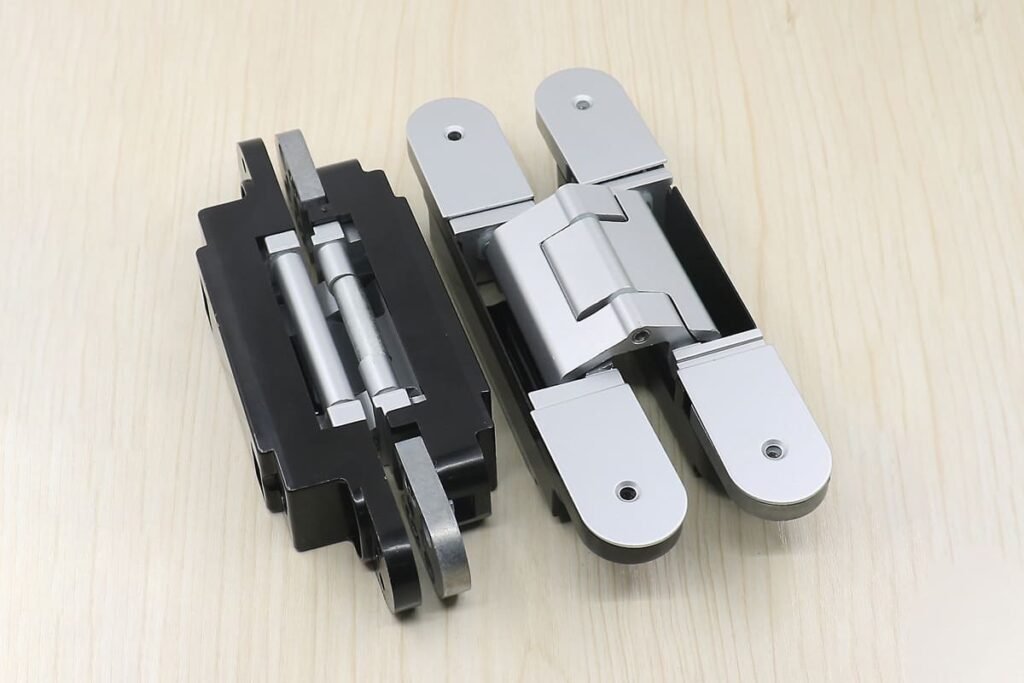
Hinge Made Of Mild Steel HSN Code used for Export Import?
The world of door hardware can be complicated, especially when it comes to understanding materials and customs codes. Mild steel hinges, often overlooked, play a crucial role here.
For a mild steel hinge, the commonly referenced HS/HSN code for export/import is 8302.10.00001. This code aligns with the hinge's function as a base-metal component2, yet always verify with your customs broker for accuracy.
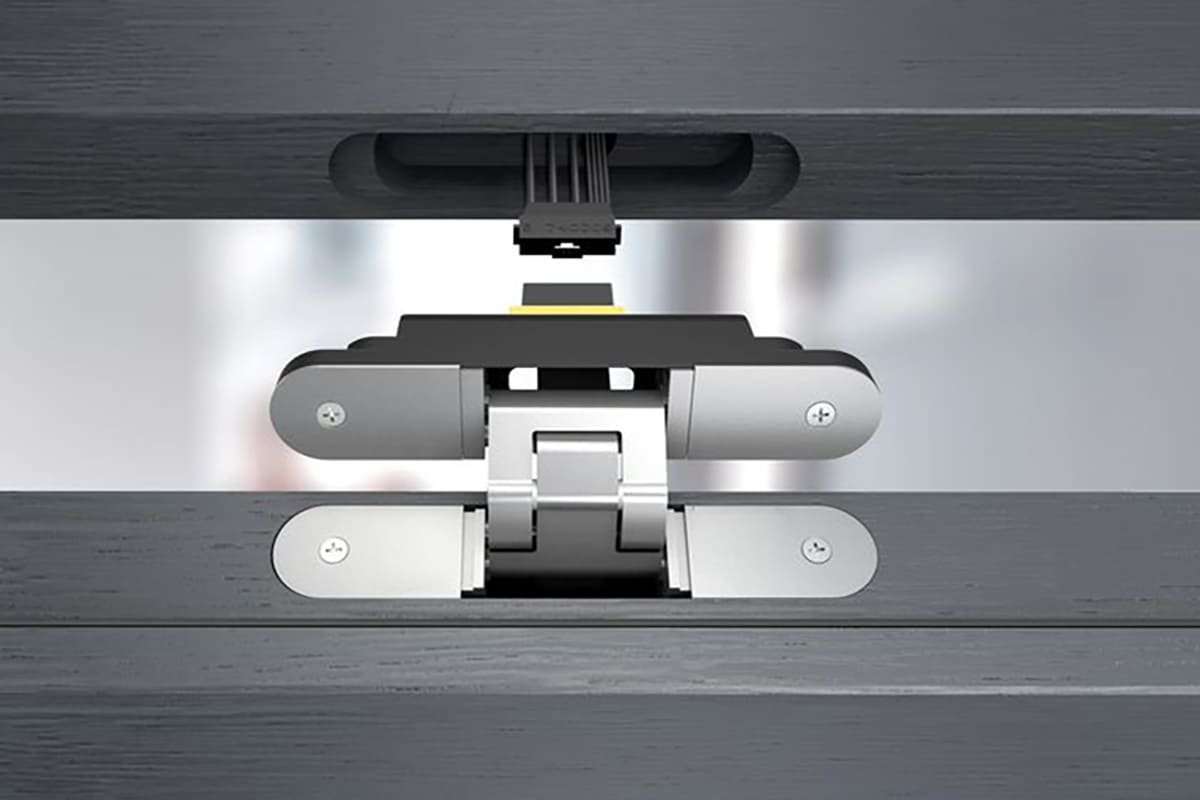
It’s vital to understand that while the HS code offers a framework for categorizing these hinges, your shipment's final classification should always be confirmed by local customs authorities. As someone deeply embedded in the door hardware industry, I have seen the occasional confusion arise when discussing material specifications, especially related to mild steel hinges.
What exactly is a mild steel hinge?
A mild steel hinge is primarily made from low-carbon steel strip, which typically includes a carbon content of around 0.05%–0.25%3. This balance makes mild steel both ductile and tough4, advantageous for applications requiring bending and stamping. Importers often prefer mild steel for its cost-effectiveness and availability.
When deciding on hinges, understanding the material is crucial. Mild steel is widely used due to its affordability and versatility5 in standard door, furniture, and general hardware applications.
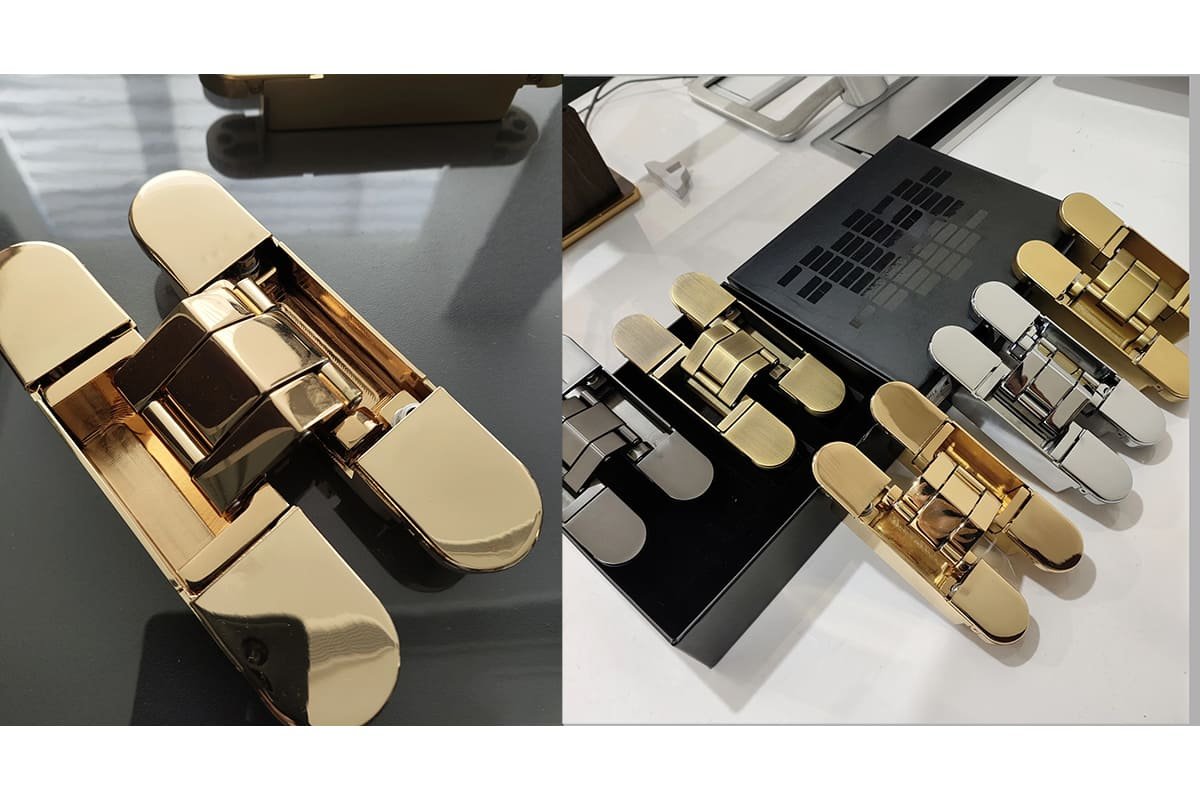
The selection of mild steel hinges comes with some trade-offs. While they are beneficial for many applications, their moderate load-bearing capacity6 means they may not be the best choice for very heavy-duty doors. Additionally, mild steel is prone to rust7, which necessitates surface treatments like electroplating, painting, or other coatings to enhance durability8.
Which code should I use for mild steel hinges?
The reference HS/HSN code for mild steel hinges is 8302.10.0000. This code is a part of a broader category labeled 8302, which refers to base-metal mountings and fittings for furniture, doors, and windows. Specifically, 8302.10 narrows it down to hinges and their components.
It’s essential to note that the customs classification under this code tends to be broad. In China, hinge items are generally categorized without differentiating between material types. Thus, mild steel, stainless steel, and other base metals may all fall under the same hinge subheading, depending on how the product declaration is structured.
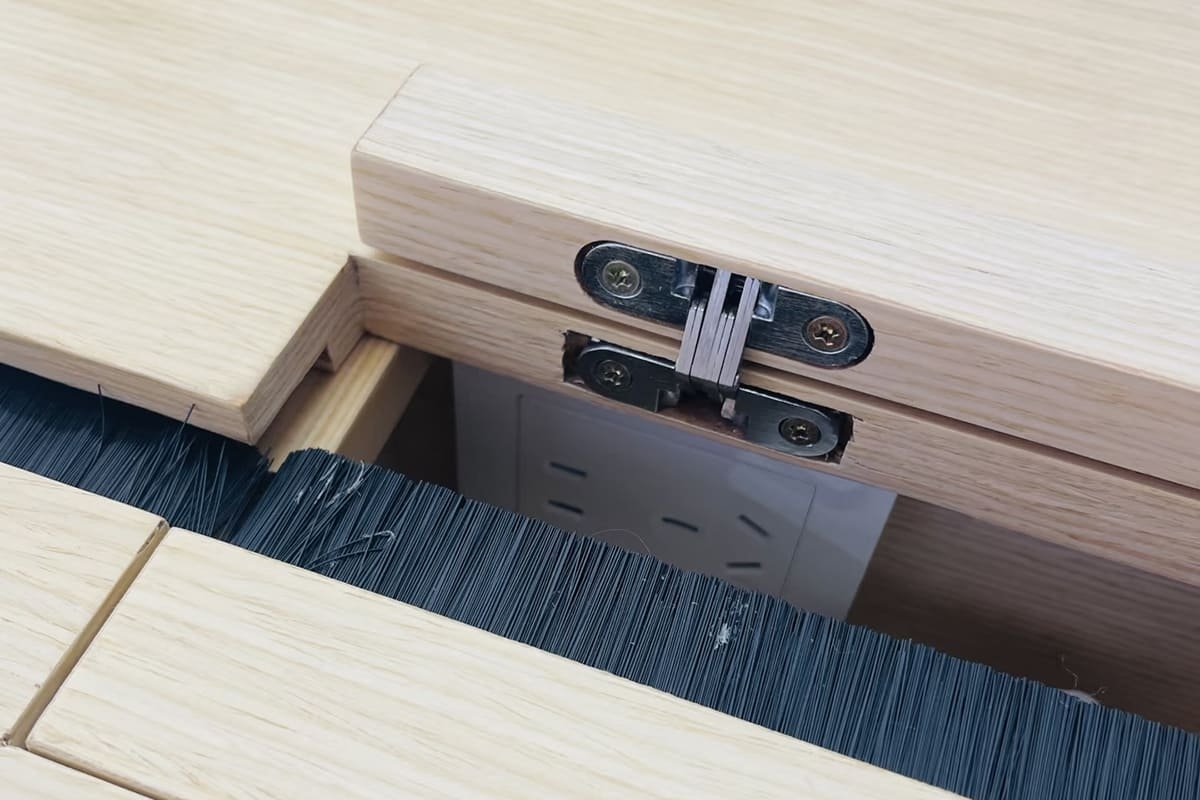
As someone who has navigated this sector for years, I emphasize the importance of precise documentation. The declaration of a mild steel hinge should align with the material used and how it is applied. Always keep in mind that while 8302.10.0000 is a commonly accepted reference, the final shake-out should always be confirmed with a qualified customs broker in your destination country.
Why does surface treatment matter?
The surface treatment of mild steel hinges plays a crucial role in their performance and longevity. Without adequate surface treatment, mild steel can quickly succumb to rust and corrosion. Depending on the application, various treatments are used:
| Surface Treatment | Description | Pros | Cons |
|---|---|---|---|
| Electroplating | Coating with a thin layer of metal | Offers good protection and aesthetic appeal | May wear off over time if not properly maintained |
| Painting | Coating with paint | Cost-effective and can be aesthetically pleasing | Needs reapplication over time |
| Powder coating | Coated with a polymer powder | Durable and weather-resistant | More expensive than basic painting |
Due to these surface treatments, mild steel hinges can be adapted for various environmental conditions. This adaptability is what makes them appealing for different markets, yet it highlights the complexity of ensuring proper compliance and classification during export and import.
Conclusion
Understanding mild steel hinges and their HS/HSN code is vital for smooth transactions in door hardware. Always verify the final code with customs professionals to ensure compliance and accuracy.
"8302.10.30.00 - Harmonized Tariff Schedule - usitc", https://hts.usitc.gov/search?query=8302.10.30.00. The Harmonized Tariff Schedule lists subheading 8302.10.0000 for hinges, providing official support for using this code as a reference classification for base-metal hinge articles. Evidence role: definition; source type: government. Supports: An official tariff schedule lists subheading 8302.10.0000 for hinges and similar hinge articles under base-metal mountings and fittings.. Scope note: Tariff classifications can vary by jurisdiction, product details, and national tariff extensions, so the source supports the general code reference rather than a binding classification for every shipment. ↩
"[PDF] Base Metal Mountings and Fittings", https://www.cbp.gov/sites/default/files/documents/icp082_3.pdf. Official tariff descriptions for heading 8302 identify it as covering base-metal mountings, fittings, and similar articles, which contextualizes the classification of a mild steel hinge as a base-metal hardware component. Evidence role: definition; source type: government. Supports: Official tariff language describes heading 8302 as covering base-metal mountings, fittings, and similar articles, including those for doors, furniture, and related uses.. Scope note: This supports the heading-level rationale, not the final classification outcome for a particular product configuration. ↩
"EML2322L -- Materials and material selection", https://web.mae.ufl.edu/designlab/Class%20Projects/Background%20Information/Materials%20and%20material%20selection.htm. Materials-engineering references define mild steel as a form of low-carbon steel and commonly place its carbon content in a low range comparable to about 0.05%–0.25%, supporting the article's compositional description. Evidence role: definition; source type: education. Supports: A materials-science or engineering source defines mild or low-carbon steel by a low carbon range broadly consistent with 0.05%–0.25%.. Scope note: Published ranges differ slightly by standard and source, so the citation should be treated as support for the approximate range rather than a universal specification. ↩
"Improving Fatigue Characteristics of Cold Formed Low Carbon Steel", https://knowledgeconnect.sastra.edu/theses/151/. Materials-science sources describe low-carbon steel as relatively ductile and formable, which supports the explanation that mild steel can be shaped by bending and stamping processes. Evidence role: mechanism; source type: education. Supports: Low-carbon steel is generally described as ductile and formable, which explains its suitability for bending and stamping operations.. Scope note: The source would support the general material mechanism, while actual hinge performance also depends on grade, thickness, heat treatment, and manufacturing process. ↩
"[PDF] Mild Steel Specifications Chart - extnag.tacc.utexas.edu", https://extnag.tacc.utexas.edu/Download_PDFS/u32933/244299/Mild%20Steel%20Specifications%20Chart.pdf. Engineering references commonly describe mild or low-carbon steel as inexpensive, readily fabricated, and widely used across general-purpose applications, supporting the article's statement about its affordability and versatility. Evidence role: general_support; source type: education. Supports: Engineering references characterize mild or low-carbon steel as widely used, relatively inexpensive, and suitable for many general fabrication applications.. Scope note: This provides contextual support for material selection generally, not a quantified market share for door or furniture hinges specifically. ↩
"Hinge Load Capacity: Everything To Know - Cooke Brothers", https://www.cookebrothers.co.uk/latest-news/2024/01/24/understanding-hinge-load-capacity-guide/. Technical hinge-selection guidance and door-hardware standards treat hinge load capacity as dependent on material, thickness, construction, and duty rating, supporting the article's caution that ordinary mild steel hinges may be unsuitable for very heavy-duty doors. Evidence role: general_support; source type: institution. Supports: Technical guidance or standards explain that hinge load capacity is governed by material, dimensions, gauge, construction, and intended duty class.. Scope note: This would support the selection principle rather than proving that every mild steel hinge has only moderate load capacity. ↩
"(PDF) Atmospheric Corrosion of Carbon Steel and Corresponding ...", https://www.academia.edu/117361505/Atmospheric_Corrosion_of_Carbon_Steel_and_Corresponding_Corrosion_Products. Corrosion-science sources explain that carbon steels form rust through electrochemical reactions in the presence of oxygen and moisture, supporting the article's statement that untreated mild steel is susceptible to corrosion. Evidence role: mechanism; source type: research. Supports: Corrosion references explain that carbon steel rusts when exposed to oxygen and moisture and often requires protective coatings in corrosive environments.. Scope note: The rate of corrosion depends on environment, alloy composition, surface condition, and exposure conditions. ↩
"[PDF] Upgrading Corrosion Control Technologies During System RESET", https://www.waru.edu/sites/default/files/Migrated/CopDocuments/Upgrading%20Corrosion%20Control%20Technologies%20During%20System%20Reset.pdf. Coatings and corrosion literature describes electroplated metallic layers and organic coatings such as paint or powder coating as protective systems that can reduce corrosion of steel substrates, supporting the article's claim that such treatments enhance durability. Evidence role: mechanism; source type: research. Supports: Coatings literature explains that metallic and organic coatings can act as barriers or sacrificial layers to reduce corrosion of steel substrates.. Scope note: The protection achieved depends on coating type, thickness, surface preparation, application quality, and service environment. ↩