What is the actual difference between a Yale-type night latch and a mortice lock?
Are you a door manufacturer or a hardware buyer confused about lock types? Many people use "Yale lock" as a general term1, but understanding the specific differences between a Yale-type night latch and a mortice lock is very important for your projects. Let's make this clear.
A Yale-type night latch is a surface-mounted lock that provides automatic latching convenience2, while a mortice lock is recessed into the door's edge3 for integrated security and a cleaner look. These two types of locks are very different in how they are installed, how they work, and what security they offer for a door.
I often talk with customers, and a common question I hear is about "Yale locks." This confusion is understandable because the term can mean different things. In my experience at SDH Hardware, knowing the exact type of lock helps us provide the best solutions.
What do people really mean by a "Yale lock" anyway?
Do you find yourself wondering what a "Yale lock" actually is when a customer asks? This term can be confusing for many in our industry, often referring to a specific lock type that gives automatic convenience but is not recessed.
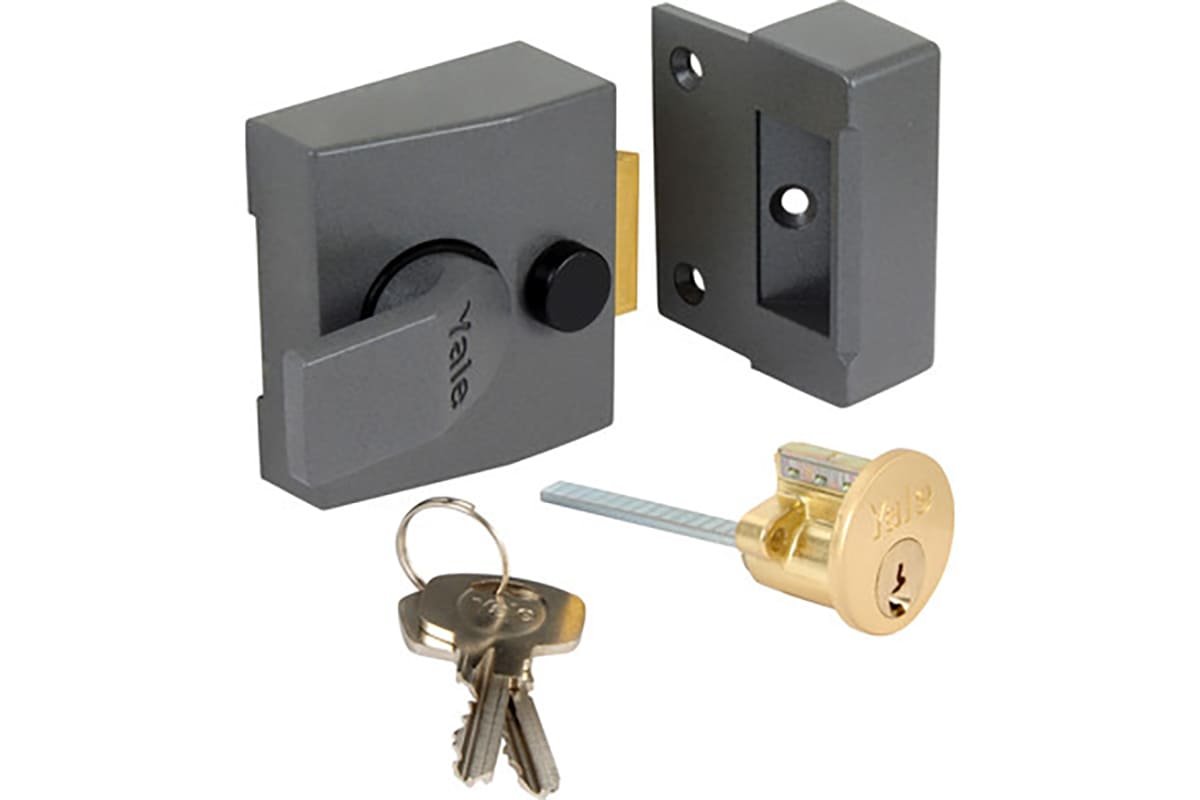
A "Yale lock" usually means a Yale-type night latch. This lock is a rectangular metal case that sits on the inside surface of your door. It works with a separate cylinder that passes through the door itself. This cylinder lets you open the lock from the outside with a key4. On the inside, you use a knob or a small thumb turn to open it. When the door closes, this lock latches automatically5. This design is very common for residential front doors6 and sometimes for specific hotel or care home interior doors. It offers quick security as the door closes, but it is not always a full deadlocking solution on its own7. Often, I see it paired with another, stronger lock for better security. We at SDH Hardware understand how these locks fit into different door systems.
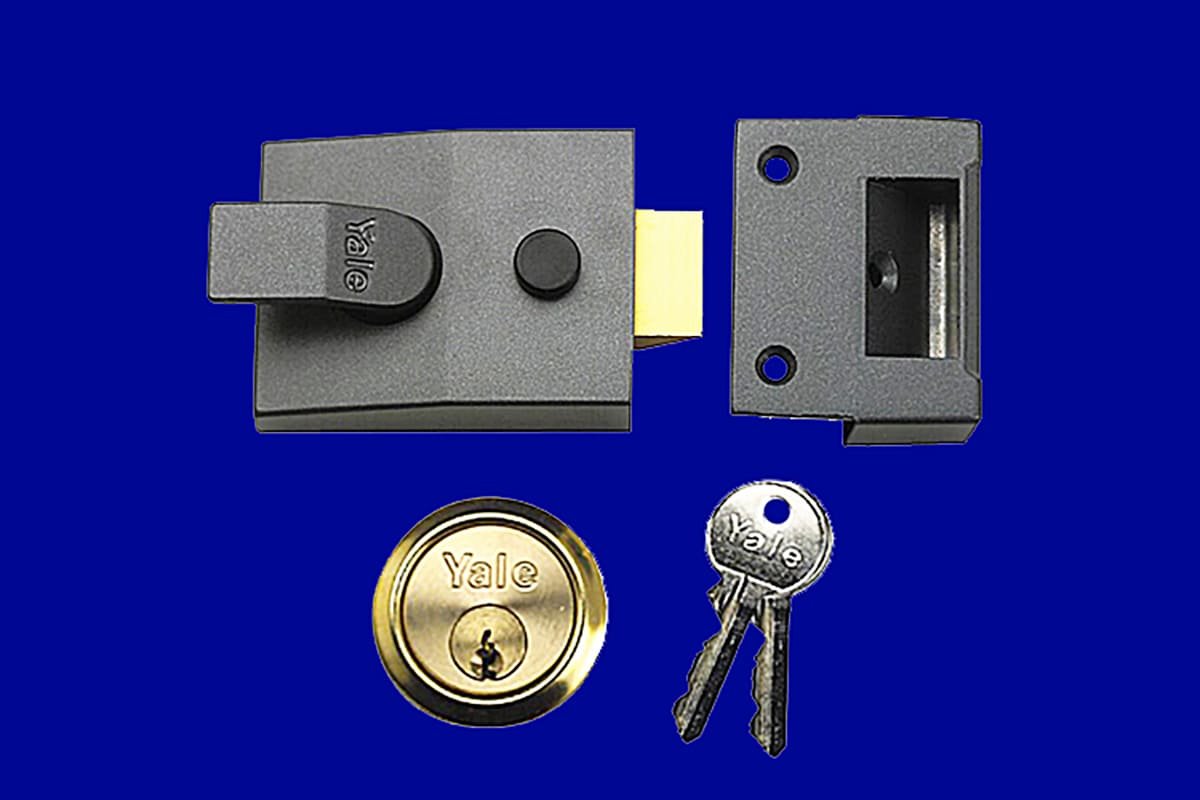
Dive deeper Paragraph: When I talk about a Yale-type night latch, I am describing a surface-mounted automatic rim lock. It sits on the inside face of the door, not inside the door itself. The key cylinder goes through the door. This design means installation is simpler because you do not need to cut a deep pocket into the door's edge. The automatic latching function is a key feature. When someone pulls the door shut, the bolt automatically springs into the strike plate on the door frame. This is a big plus for convenience. For example, in a busy household or a specific care home setting, this means the door is always latched. However, it is important to remember that this automatic latch is not always a deadlock. A deadlock means the bolt is fixed and cannot be pushed back8. Many Yale-type night latches only provide spring latching unless a separate deadbolt action is engaged. This is why for higher security needs, we often advise pairing it with another lock. From a manufacturing view, compatibility with door thickness for the cylinder and ensuring the strike plate aligns properly are important considerations. This lock type offers quick closure but often needs support for full security.
How does a mortice lock work and where does it fit into the door?
Are you looking for a cleaner, more integrated look for your doors, or stronger security that is less visible? Many professional buyers, like you, will find the mortice lock to be a much better fit for modern door designs and higher security needs.
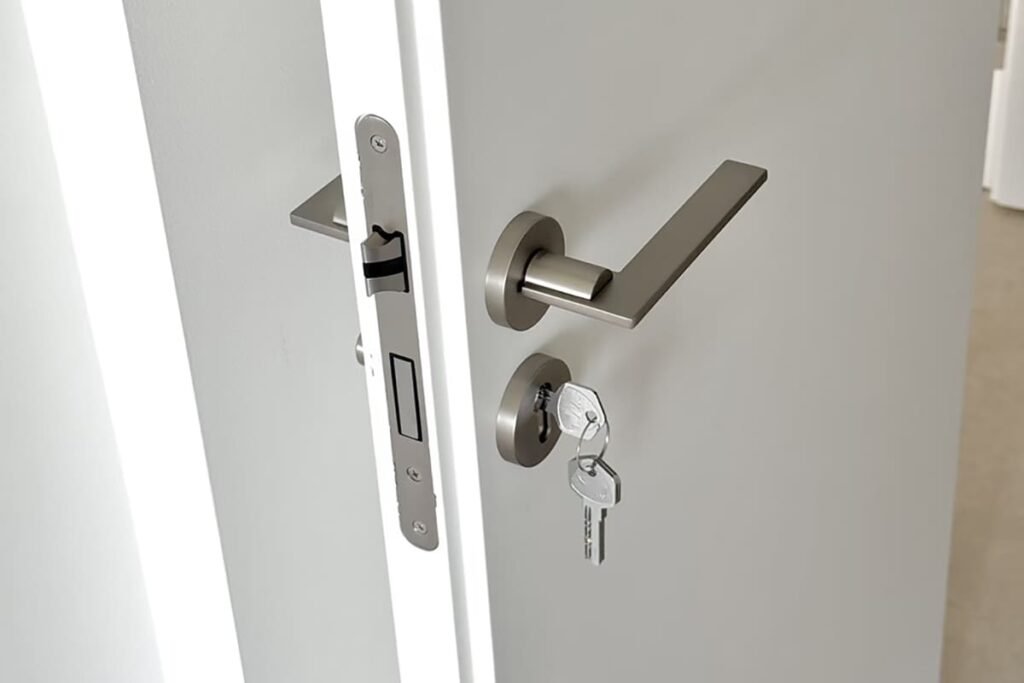
A mortice lock is completely different from a Yale-type night latch. This lock is installed into a deep pocket that is cut right into the edge of the door. You will only see a small metal faceplate on the door's edge. You will also see the keyhole area and the handle area. The main lock body is hidden inside the door itself. In a deadlock style mortice lock, a key operates the bolt from both sides9. This means the lock does not rely on a spring latch for its main security. This design makes the door look much cleaner. It also makes the lock more resistant to forced entry because the main body is protected inside the door's structure10. We at SDH Hardware often recommend these for projects needing a sleek finish and strong performance.
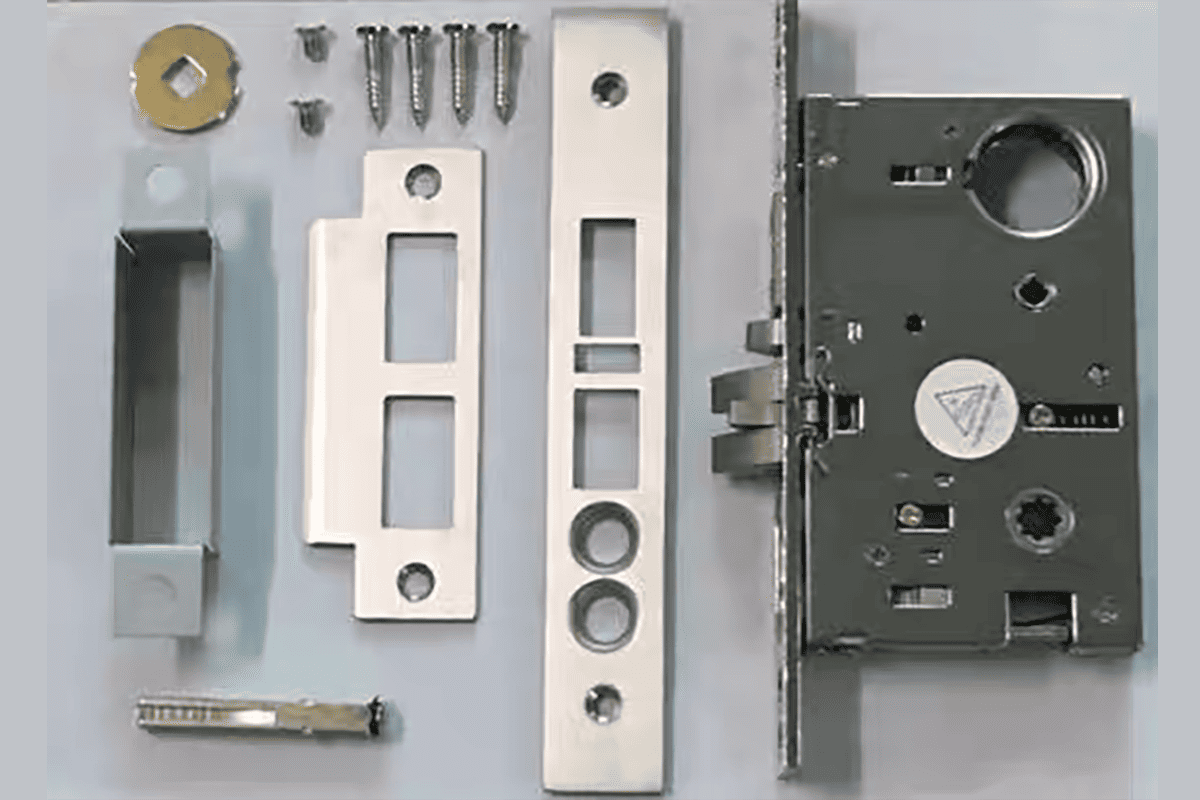
Dive deeper Paragraph: For us at SDH Hardware, manufacturing mortice locks means precision. The lock body, which is the heart of the mechanism, slides into a deep, carefully machined cavity in the door's edge. This cavity is called a mortice. Only a slim faceplate, the key cylinder opening, and the handle spindle openings are visible from the outside. This hidden installation provides a very clean and flush appearance, which is important for modern architectural designs. Beyond aesthetics, the fact that the lock body is encased within the door material adds a significant layer of physical security. It is much harder to pry the lock body away from the door frame or attack its internal parts when it is embedded. We produce mortice locks in various sizes and backsets to match different door thicknesses and hardware needs. For instance, euro standard mortise locks are common in Europe and the Middle East. They are designed to fit with specific euro profile cylinders and lever handles. We ensure our mortice locks meet these precise standards, including CE and fire-rated certifications. This ensures the lock works seamlessly with other door hardware components and performs reliably in various critical applications. The integrated design makes it a robust part of the door's overall security system.
Which lock offers better security for my door project?
Are you prioritizing security for your door projects, and wondering which lock type provides the best protection? It is a common question, and the answer is not always simple, as many factors play a role beyond just the lock type itself.
Generally speaking, a mortice lock offers better resistance to prying and impact than a Yale-type night latch. This is because the main lock body of a mortice lock is hidden inside the door. This protects it from direct attacks. However, it is very important to qualify this statement. The actual security level depends on many other things. These include the material of the door itself, how strong the door frame is, and how well the strike plate is fixed. It also depends on the quality of the key cylinder used and the accuracy of the installation. For us, ensuring our mortice locks comply with CE and fire-rated standards means they meet tough performance benchmarks. We provide robust solutions, but the final security is a system effort.
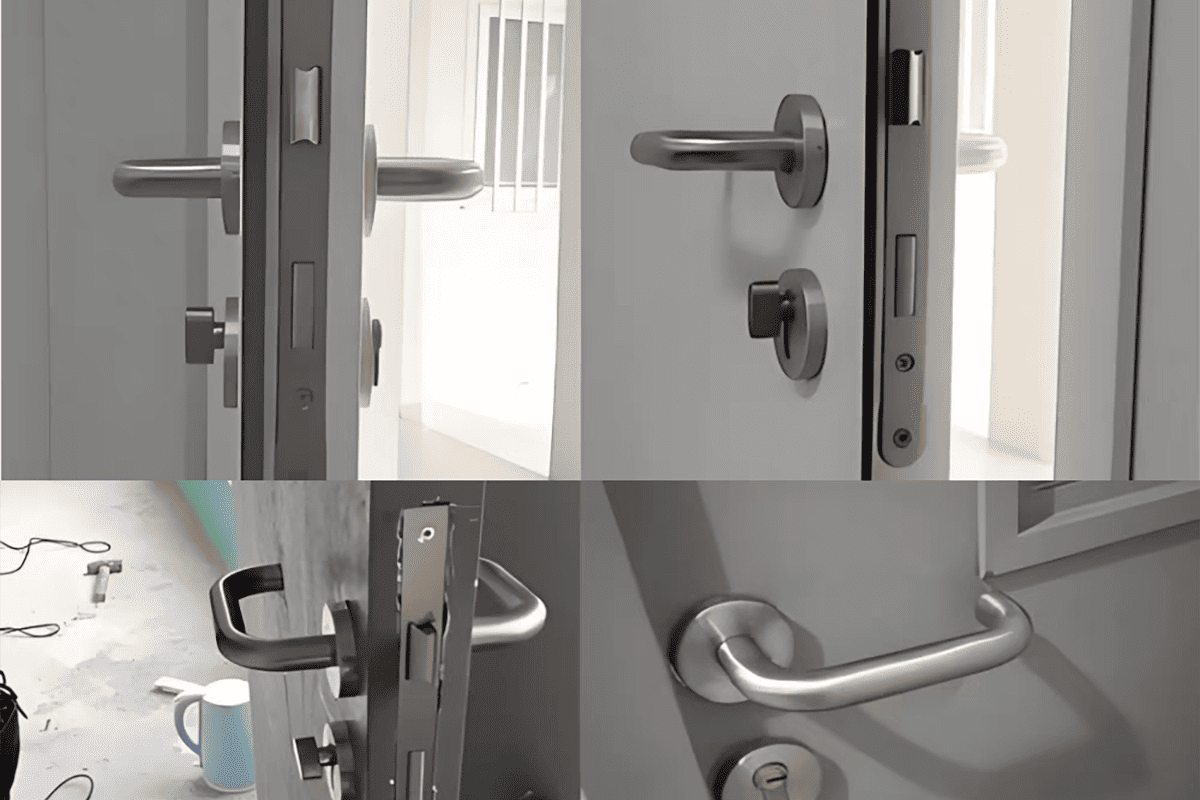
Dive deeper Paragraph: When my team and I discuss security with our customers, we emphasize a holistic view. While a mortice lock is generally more secure due to its embedded nature, it is not a standalone solution. Consider this: a high-quality mortice lock in a weak, hollow-core door offers less real security than a Yale-type night latch on a solid, well-installed door. The strike plate, which is the metal piece on the door frame that the bolt engages, must be strong and secured with long screws into the frame's studs. A weak strike plate or short screws can make even the best lock vulnerable. Also, the quality of the cylinder in both lock types is very important11. A cheap cylinder can be easily picked or forced, regardless of the lock body's strength. We focus on producing mortise locks and cylinders that comply with international standards like EN 12209 for mechanical resistance and fire safety12. This means our products are designed to withstand specific forces and perform in critical situations. But even with certified products, poor installation or a weak door system can compromise security. We often work with door manufacturers to ensure our hardware is compatible with their door designs for optimal performance and security.
How do I choose between a Yale-type night latch and a mortice lock for my needs?
Are you a product manager or buyer trying to decide between these two lock types for your next project? Making the right choice involves understanding your project's specific needs, balancing security, aesthetics, and user convenience.
Choosing between a Yale-type night latch and a mortice lock depends on your project's specific requirements. You should choose Yale-type night latches when automatic closing convenience and surface installation are key. This is good for doors where quick, automatic latching is more important than deep security. Think of certain interior doors or specific low-security applications. On the other hand, you should choose mortice locks when your project needs a cleaner appearance, stronger integrated locking, and better compatibility with modern door designs. They are ideal for main entry doors, high-traffic areas, or where a unified aesthetic with other door hardware is desired. At SDH Hardware, we help you match the right lock to your door design and market needs.
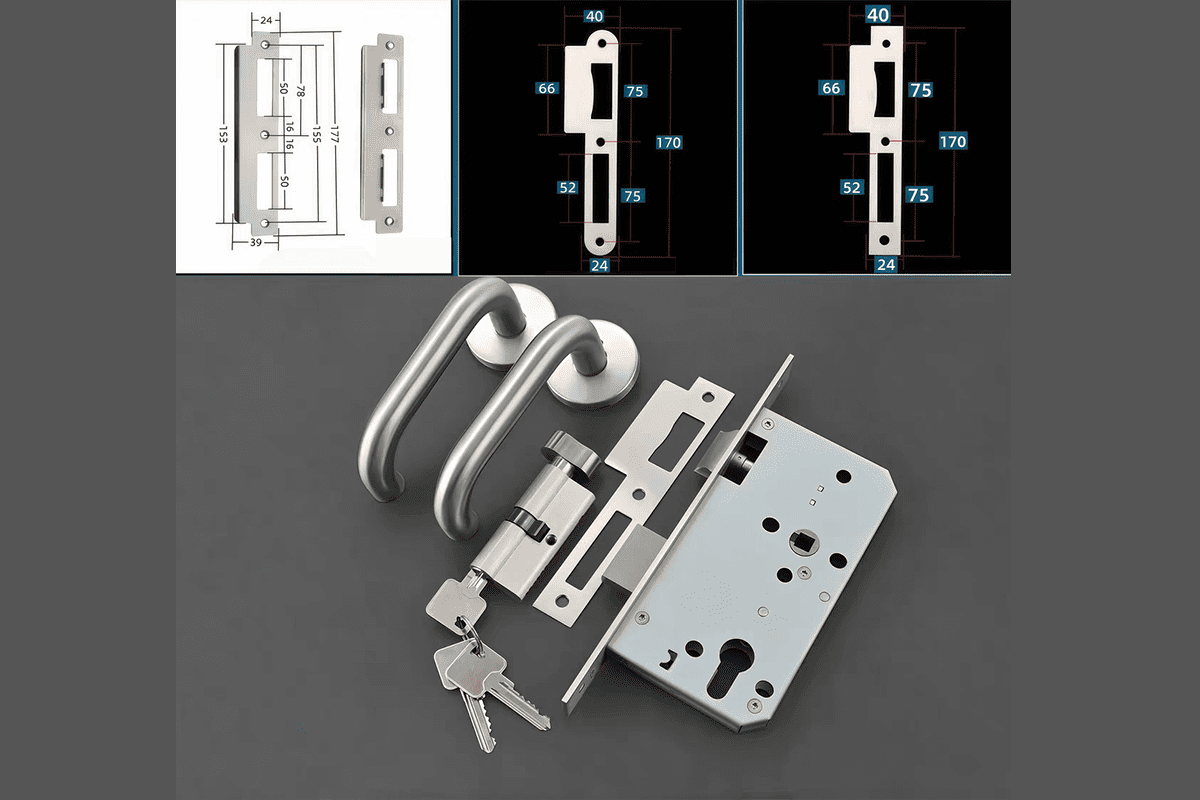
Dive deeper Paragraph: When guiding our clients—door manufacturers, hardware brand enterprises, and bulk wholesalers—on lock selection, I stress a few key points. For projects where efficiency and simple security are prioritized, and aesthetics are secondary, a Yale-type night latch might be suitable. Its surface mounting makes it easy to install on existing doors without complex machining. This can save time and cost for certain applications. However, for projects demanding high security, a sleek appearance, and integration into a full door hardware system, the mortice lock is the clear winner. The critical aspect for mortice locks is door preparation. It requires precise cutting of a deep pocket, which affects both the door's structural integrity and the installation cost. We provide detailed specifications and technical drawings for our mortice locks to ensure door manufacturers can prepare their doors accurately. We also offer customization for specific backsets and faceplate dimensions. Our goal is to ensure the lock fits perfectly with your door design and integrates seamlessly with other hardware like handles and cylinders.
| Feature | Yale-type Night Latch | Mortice Lock |
|---|---|---|
| Installation | Surface-mounted on inside face of door | Recessed into the door's edge |
| Visibility | Lock body visible on door interior | Only faceplate, keyhole, handle visible |
| Security Emphasis | Convenience, basic deterrent, automatic latching | Integrated, strong resistance to attack, clean look |
| Common Use | Residential entry doors (often paired), interior doors where auto-latching is key | Main entry doors, commercial doors, modern design projects |
| Door Preparation | Simple drilling for cylinder and screws | Precise deep pocket cutting (morticing) |
| Aesthetics | Less sleek, functional | Clean, integrated, premium |
Conclusion
Understanding the difference between a Yale-type night latch and a mortice lock is important for choosing the right hardware. A night latch offers surface-mounted convenience, while a mortice lock provides integrated security and a cleaner look for your doors.
"Yale (company) - Wikipedia", https://en.wikipedia.org/wiki/Yale_(company). Historical references to Yale locks identify the Yale name with influential cylinder-lock designs, which helps explain why the term is sometimes used broadly in everyday speech. Evidence role: historical_context; source type: encyclopedia. Supports: The source should provide context on the Yale name in lock history and its association with common pin-tumbler or cylinder locks.. Scope note: The source may document historical association and common terminology rather than measure how frequently people use the term generically. ↩
"Latch - Wikipedia", https://en.wikipedia.org/wiki/Latch. A general lock reference defines a night latch as a surface-mounted door latch that commonly engages automatically when the door is closed. Evidence role: definition; source type: encyclopedia. Supports: The source should define a night latch as a surface-mounted rim lock or latch that can automatically secure the door when closed.. ↩
"Mortise lock - Wikipedia", https://en.wikipedia.org/wiki/Mortise_lock. A lock reference describes a mortice lock as a lock case installed within a mortise cut into the edge of the door. Evidence role: definition; source type: encyclopedia. Supports: The source should explain that a mortice or mortise lock is fitted into a pocket or mortise cut into the door edge.. ↩
"How to change a rim lock cylinder - YouTube",
. Technical descriptions of rim night latches state that an exterior key cylinder operates the latch through the door while the latch case is mounted on the inside face. Evidence role: mechanism; source type: institution. Supports: The source should explain that a night latch is commonly operated from outside by a key cylinder passing through the door.. ↩"Best lock that locks automatically when door closes? : r/Locksmith", https://www.reddit.com/r/Locksmith/comments/17y13or/best_lock_that_locks_automatically_when_door/. Locksmithing references describe night latches as self-latching devices in which the latch engages the keep or strike when the door is closed. Evidence role: mechanism; source type: institution. Supports: The source should describe the self-latching or automatic-latching action of night latches when the door shuts.. ↩
"A Simple Guide to Yale Locks + Most Secure Night Latch", https://www.locksmiths.co.uk/faq/night-latches-guide/. Public home-security guidance commonly discusses night latches in the context of domestic front-door locking arrangements. Evidence role: general_support; source type: government. Supports: The source should identify night latches as a common type of lock found on domestic entrance doors.. Scope note: Such guidance supports common residential use but may not provide market-share statistics. ↩
"Night latch - Wikipedia", https://en.wikipedia.org/wiki/Night_latch. Lock references distinguish ordinary spring-latch operation from deadlocking mechanisms, indicating that a night latch is not necessarily a full deadlock unless a deadlocking function is provided. Evidence role: definition; source type: institution. Supports: The source should distinguish spring latches or standard night latches from deadlocks or deadlocking night latches.. ↩
"How To Fix a Misaligned Deadbolt | Hard To Lock - YouTube",
. Technical lock terminology defines deadlocking as a condition in which the bolt is secured against retraction by direct pressure on the bolt. Evidence role: definition; source type: institution. Supports: The source should define a deadlock or deadlocking latch as preventing the bolt from being retracted by pressure on the bolt itself.. ↩"Mortise lock - Wikipedia", https://en.wikipedia.org/wiki/Mortise_lock. Descriptions of mortice deadlocks note that the deadbolt may be operated by key, including configurations in which key operation is provided from both sides of the door. Evidence role: mechanism; source type: institution. Supports: The source should explain that mortice deadlocks may be key-operated from both sides, depending on the lock and cylinder configuration.. Scope note: This supports a common mortice-deadlock configuration, not every mortice lock design. ↩
"How To STOP Home Invasion BREAK-INS With These GENIUS ...",
. Technical descriptions of mortice locks state that the lock case is housed within the door, which provides contextual support for the claim that the case is less directly exposed than a surface-mounted lock. Evidence role: mechanism; source type: institution. Supports: The source should explain that mortice locks are housed inside the door and that this concealed installation can reduce direct access to the lock case.. Scope note: The source may support the mechanism of concealment but may not quantify the resulting improvement in forced-entry resistance. ↩"Is anti-drill useless? : r/lockpicking - Reddit", https://www.reddit.com/r/lockpicking/comments/mtx05d/is_antidrill_useless/. Cylinder-lock standards and security guidance evaluate cylinders for key security and resistance to physical attack, supporting the view that cylinder quality is a major component of overall door-lock security. Evidence role: expert_consensus; source type: institution. Supports: The source should show that lock cylinders are assessed for security-relevant properties such as key security and resistance to physical attack.. ↩
"EN12209 - Classification Code for Mechanically Operated Lock", https://www.dirock.com/EN12209-Classification-Code-for-Mechanically-Operated-Lock-id43533806.html. EN 12209 is a European standard for mechanically operated locks and latches that classifies performance characteristics such as durability, mechanical strength, security, and suitability for fire or smoke-door assemblies. Evidence role: expert_consensus; source type: institution. Supports: The source should identify EN 12209 as a standard for mechanically operated locks and latches and describe its classification of durability, strength, security, and fire or smoke-door suitability.. Scope note: The standard supports the existence of performance classifications; it does not by itself prove that any specific product complies unless certification or test documentation is provided. ↩