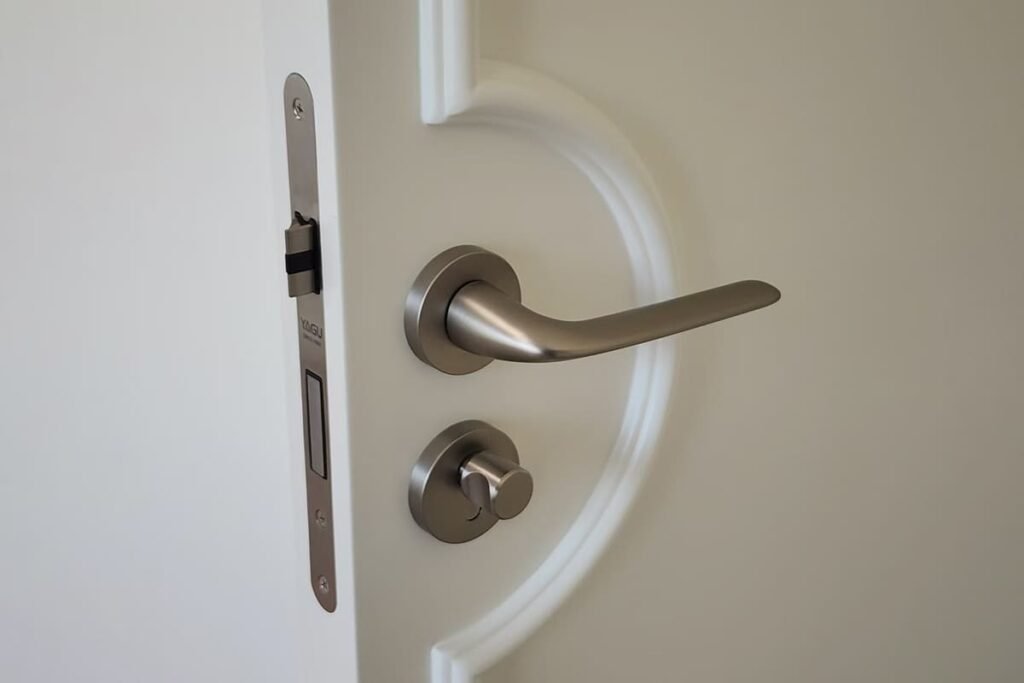
How Does a Mortise Lock and Handle Work With Key?
I often see buyers confused by keyed mortise lock sets. One wrong match can delay sampling, waste cost, and create project risk.
A mortise lock and handle with key work as a system. The handle turns the spindle to retract the latch. The key turns the cylinder. The cylinder cam drives the lock body to move the deadbolt, so the door can be locked or unlocked.
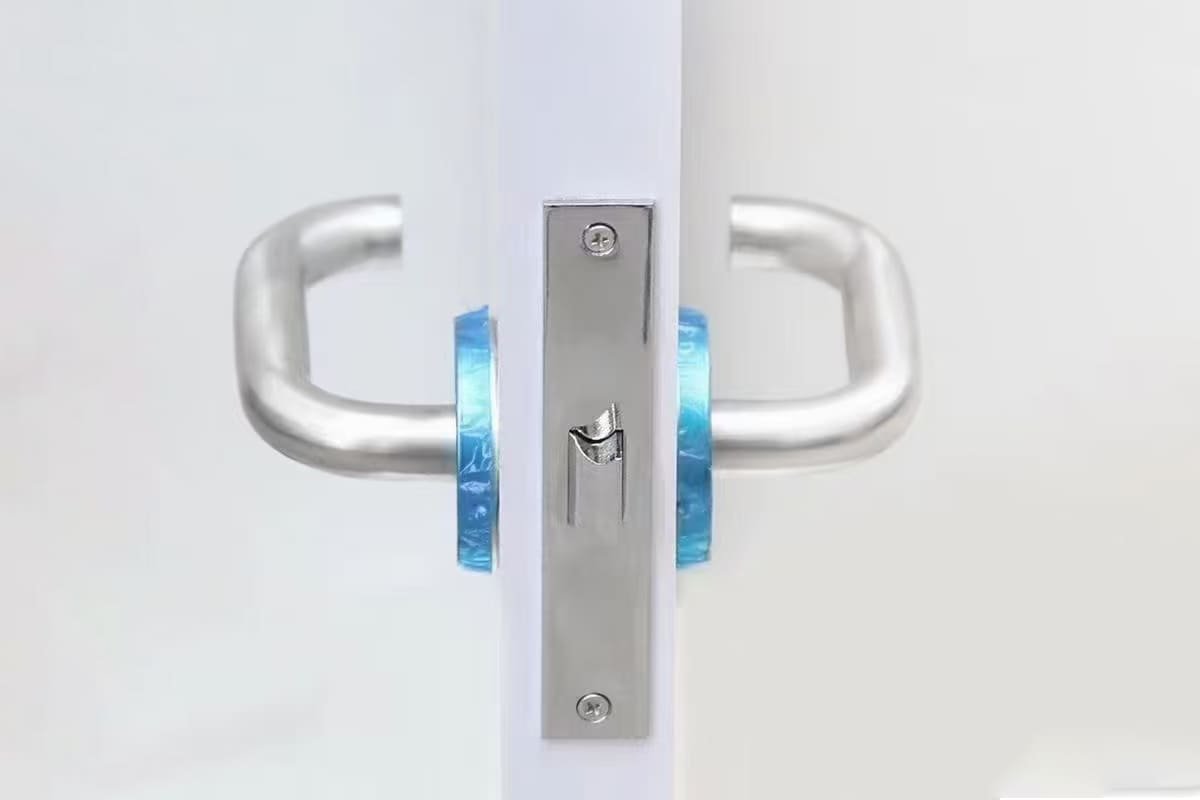
I explain this point often during B2B inquiries. A buyer may send me one photo and ask for “mortise lock with handle and key.” I can understand the need, but the photo does not always show the lock body size, cylinder type, center distance, backset, door thickness, or opening direction. These details decide whether the full set can work together. I want to explain the working logic first, then connect it to product selection.
What Parts Make Up a Keyed Mortise Lock Set?
I know this set can look like one product in a catalog. But it is really a group of parts that must fit each other.
A keyed mortise lock set usually includes the mortise lock body, lever handles, spindle, cylinder, keys, strike plate, screws, and sometimes escutcheons or roses.1 Each part has its own job, so each part must match the door and the project.
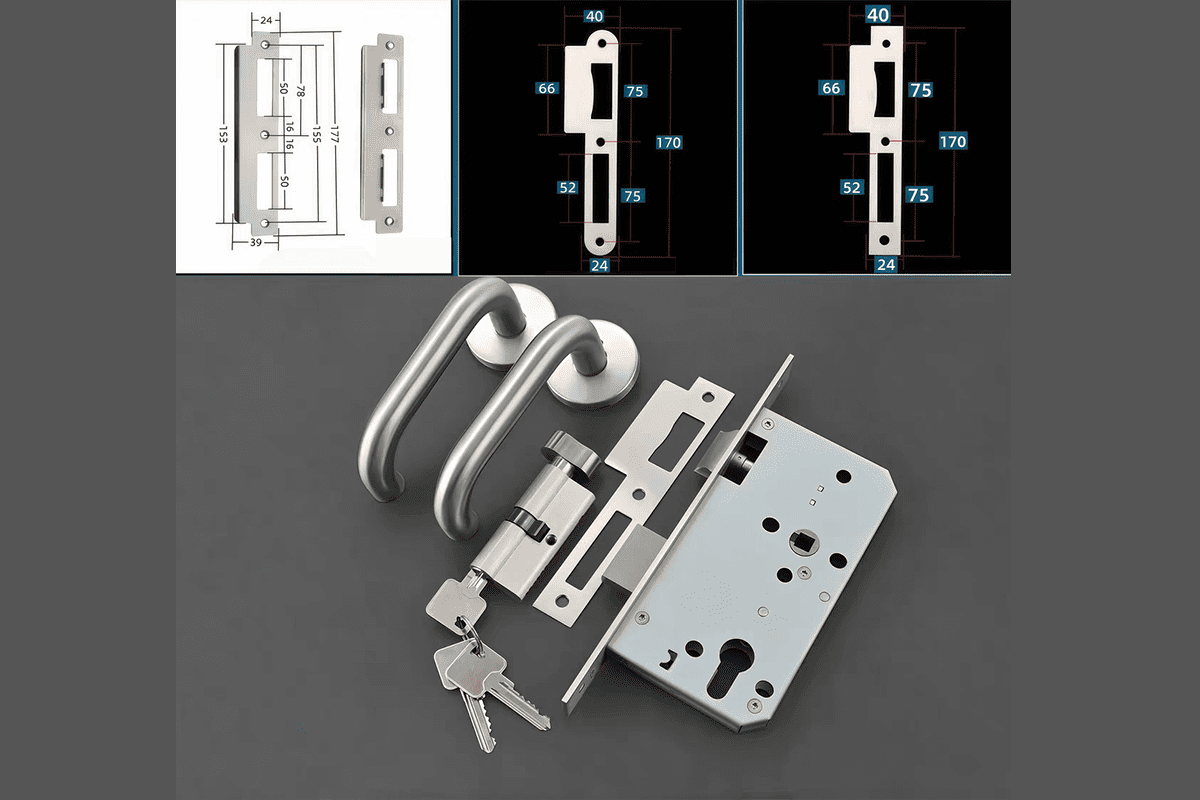
I usually start a quotation by separating the set into working parts. This keeps the inquiry clear. In common Euro-style mortise lock configurations, the lock body sits inside the door edge. The lever handle sits on both door faces. The spindle passes through the lock body and connects the two handles. The cylinder passes through the lock body at the keyhole position. The key enters the cylinder, not the handle. The strike plate is fixed on the frame, and it receives the latch bolt and deadbolt.2
| Part | What I check | Why it matters |
|---|---|---|
| Mortise lock body | Backset, center distance, faceplate, case size | It decides door machining and part matching |
| Lever handle | Hole type, spindle size, rose or plate type | It decides handle operation and appearance |
| Spindle | Size and length | It must suit door thickness and handle design |
| Cylinder | Profile, length, cam type, keying | It must operate the lock body correctly |
| Strike plate | Shape and size | It must match the lock body and frame |
| Screws and accessories | Length, material, finish | They affect installation and final fit |
I see many buyers focus only on the handle style. That is normal because the handle is visible. But the hidden lock body and cylinder decide the main function. If I do not confirm these parts, the set may look right but fail during assembly.
How Does the Handle Operate the Latch Bolt?
I see one common problem. Many buyers think the handle and key control the same part, so they miss the spindle and latch detail.
The lever handle operates the latch bolt through the spindle. When I press down the handle, the spindle rotates inside the lock body. This movement retracts the latch bolt, so the door can open if the deadbolt is not locked.
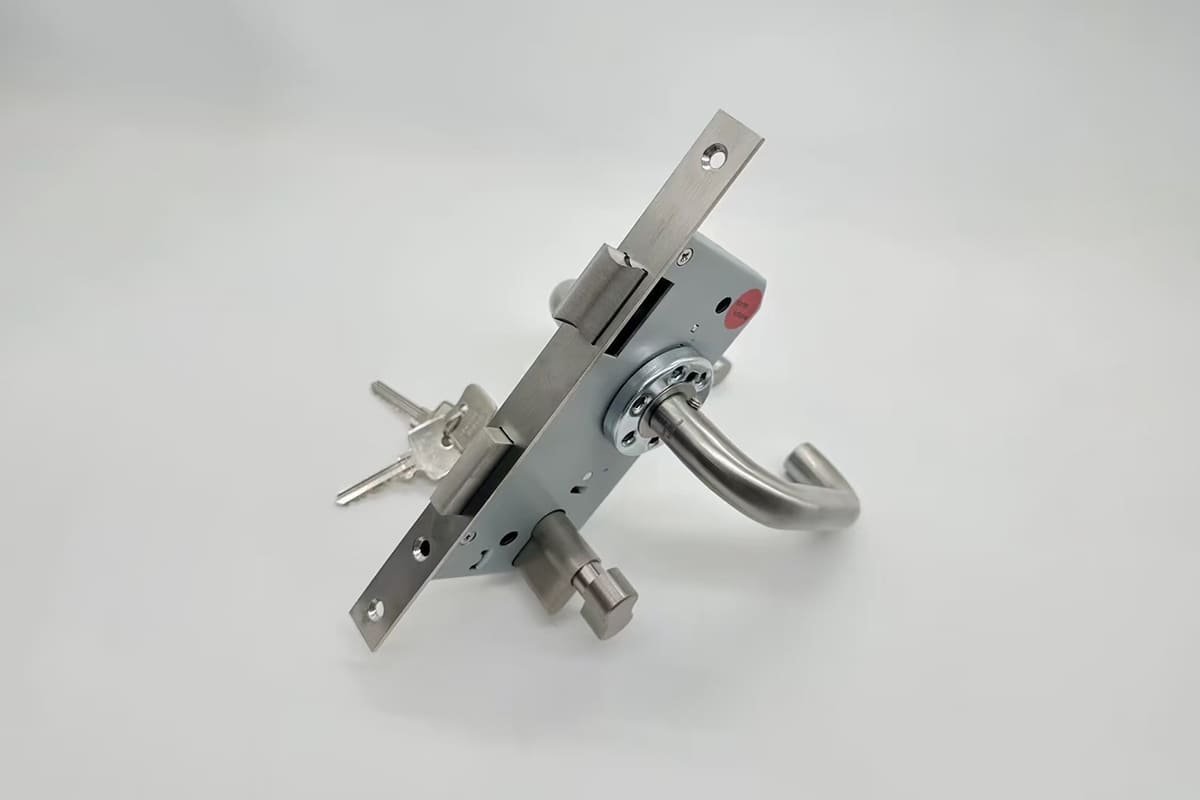
The handle function is simple, but it needs correct matching. The spindle is usually a square bar.3 It connects the outside handle and the inside handle through the follower in the lock body. When I press the lever down, the follower rotates. Then the internal spring and latch mechanism pull the latch bolt back. When I release the handle, the spring pushes the latch bolt out again.
This means the handle is mainly for daily passage. It does not usually lock the door by itself in this type of configuration.4 The handle lets the door open and close smoothly. The latch bolt holds the door closed in the frame, but it is not the same as the deadbolt.
| Handle action | Inside movement | Door result |
|---|---|---|
| I press the lever down | Spindle rotates the lock follower | Latch bolt retracts |
| I release the lever | Spring returns the follower | Latch bolt extends again |
| Door is pulled or pushed | Latch enters or leaves the strike plate | Door closes or opens |
| Deadbolt is locked | Latch may still move, based on lock design | Door stays secured by deadbolt |
For procurement, I always ask about spindle size and handle type. A common spindle size in many Euro-style products is 8 mm5, but buyers should not assume it is always the same. Door thickness also matters because the spindle must be long enough. Handle plate type also matters because the screw positions must match the lock body and door preparation.
How Does the Key Operate the Cylinder and Deadbolt?
I often hear this question from buyers. They ask if the key controls the handle. In most common sets, it does not.
The key turns the cylinder. The cylinder cam then moves the lock body mechanism. This movement throws or retracts the deadbolt, so the door changes between locked and unlocked positions.
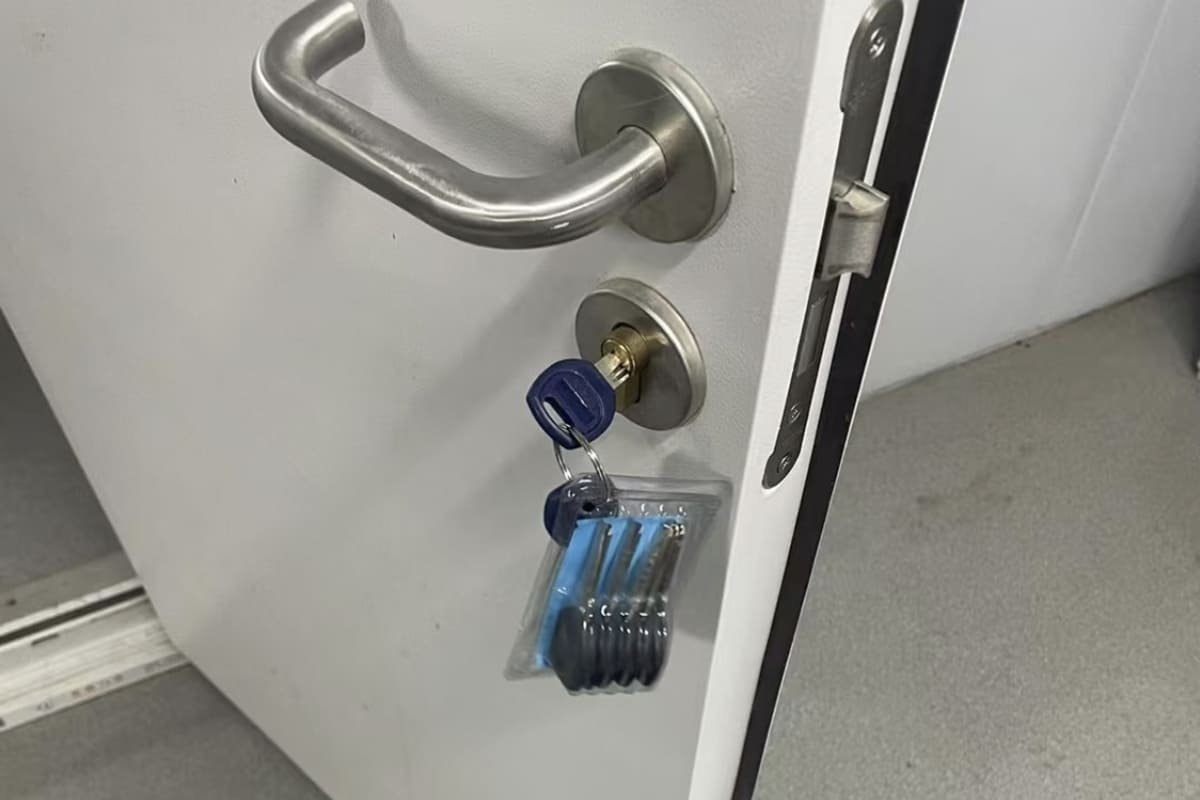
The key works through the cylinder, not through the lever handle. I tell buyers to imagine two action lines inside the same lock body. One line is the handle line. It operates the latch. The other line is the key and cylinder line. It operates the deadbolt. These two lines meet inside the same lock body, but they do different jobs.
In a common Euro profile cylinder system, the key turns the plug inside the cylinder. The cylinder cam rotates. The cam then pushes or pulls the lock body parts that move the deadbolt. When the deadbolt extends into the strike plate, the door is locked. When the deadbolt retracts, the door can open with the handle.
| Key action | Cylinder action | Lock body action | Result |
|---|---|---|---|
| I insert the correct key | Key aligns cylinder parts | Plug can rotate | Cylinder can operate |
| I turn the key | Cam rotates | Mechanism moves | Deadbolt changes position |
| I lock the door | Deadbolt extends | Bolt enters strike plate | Door is secured |
| I unlock the door | Deadbolt retracts | Bolt leaves strike plate | Handle can open door |
This is why cylinder selection is very important. I need to know the cylinder profile, total length, inside and outside length, cam type, finish, and keying need. Some projects need keyed alike cylinders. Some need keyed different cylinders. Some need a thumb turn on the inside. Some need double key cylinders. These choices change the product configuration.
Why Does the Key Not Directly Control the Handle?
I meet this misunderstanding in many early inquiries. It sounds small, but it can cause the wrong product request.
The key does not normally control the handle directly. The handle works the latch through the spindle. The key works the deadbolt through the cylinder and lock body. They are linked by the lock body, but they perform different functions.6
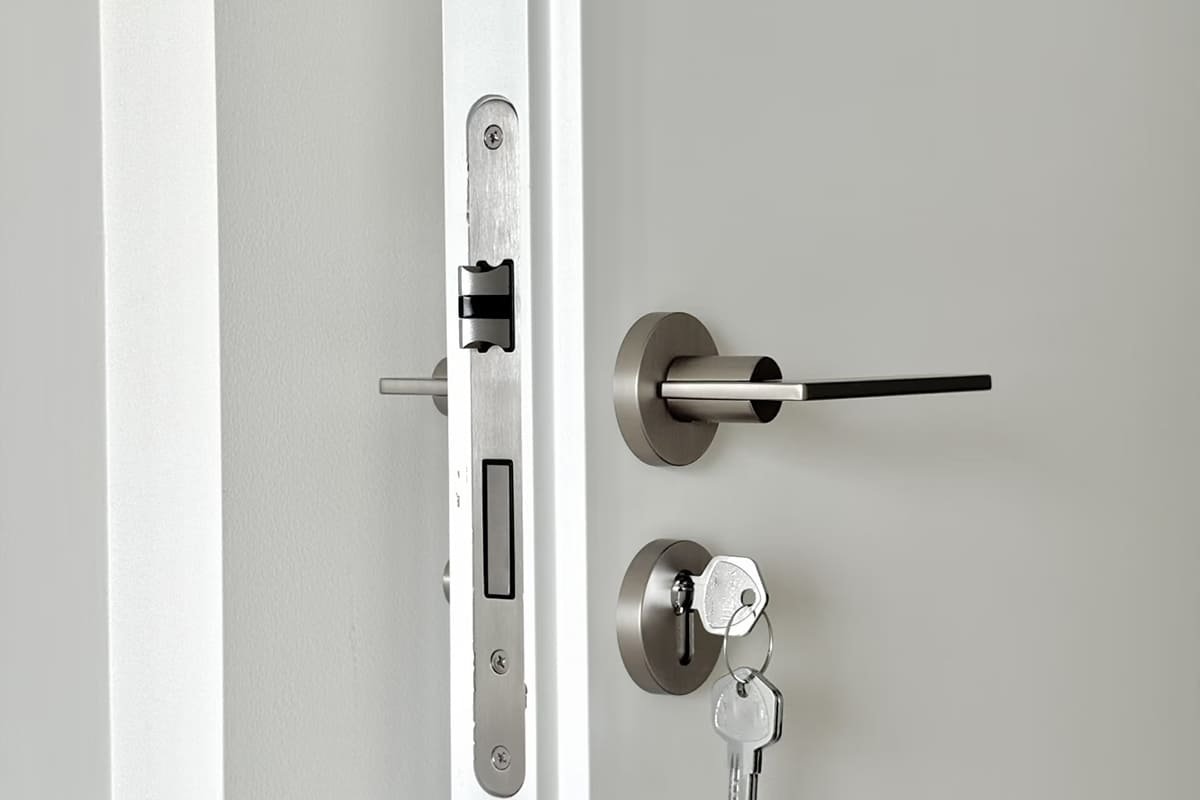
I think this point is important for product managers and buyers. If a buyer says, “I need a handle with key,” I need to know whether they mean a mortise lock set with cylinder, a handle plate with cylinder hole, or a different lock function. A lever handle can have a keyhole on the plate, but that does not mean the key is inside the handle. The key still enters the cylinder. The cylinder still passes through the lock body. The lock body still controls the deadbolt.
This matters even more when the buyer wants to change only one part. For example, a buyer may want to use their own handle with my mortise lock body. I must confirm the spindle hole, screw hole distance, plate size, cylinder hole position, and center distance.
| Misunderstanding | What I clarify | Buyer decision |
|---|---|---|
| “The key locks the handle.” | The key usually locks the deadbolt. | Confirm lock body function |
| “Any cylinder can fit.” | Cylinder profile and length must match. | Confirm cylinder specification |
| “Any handle can fit the lock.” | Spindle, hole, and plate positions must match. | Confirm handle drawing |
| “A photo is enough.” | Hidden sizes are not visible. | Provide measurements or sample |
| “The same look means same function.” | Internal function can differ. | Confirm function before order |
I also ask about regional habits. Some markets prefer plate handles with visible keyholes. Some prefer separate roses and escutcheons. Some door factories already machine doors based on a fixed lock body size.7 If I ignore this detail, the hardware may not fit their current production line.
What Specifications Should I Confirm Before Ordering?
I never treat a mortise lock set as only a picture. I treat it as a matched system with sizes and functions.
Before ordering, I should confirm the lock body, cylinder, handle, spindle, door thickness, door material, opening direction, finish, certification needs, and packing details.8 These details reduce sample changes and bulk order risk.
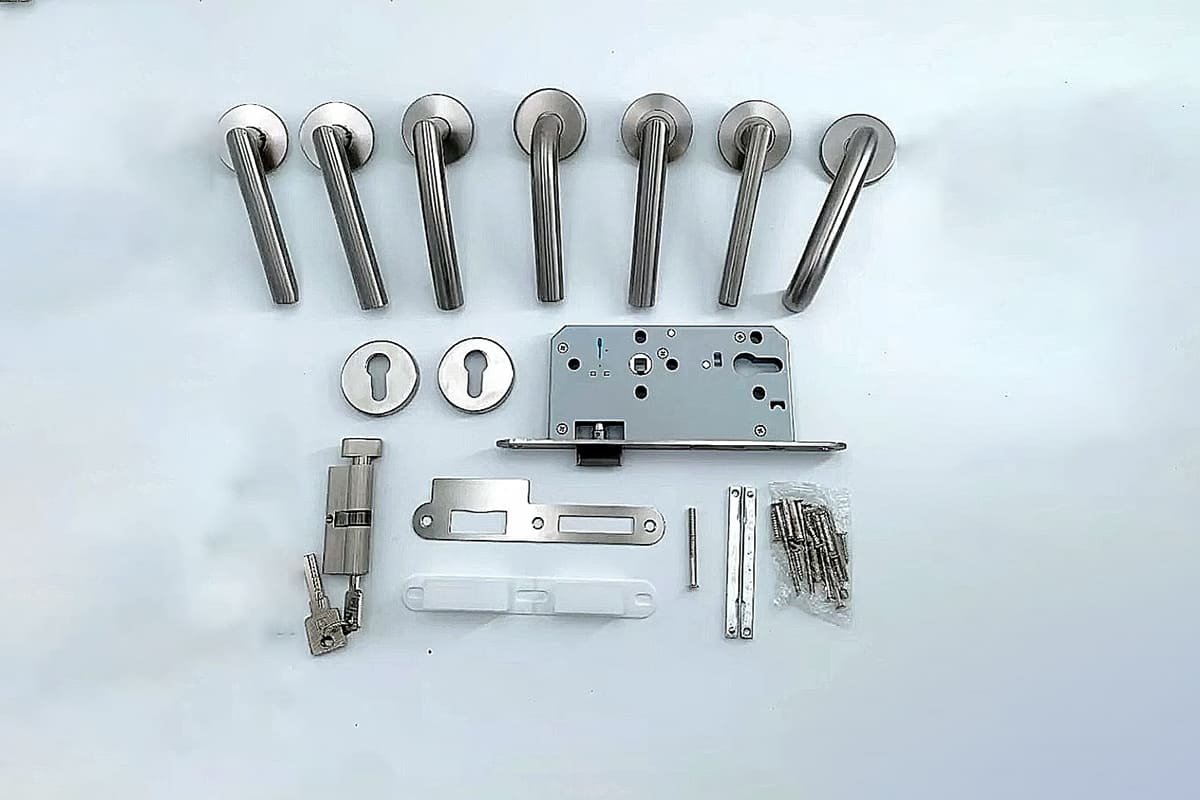
When I receive an inquiry, I usually guide the buyer through a simple checklist. This checklist is not only for my factory. It also helps the buyer compare offers from different suppliers in a fair way. If two suppliers quote different lock bodies or different cylinder lengths, the price is not really comparable.
The main lock body dimensions include backset and center distance. Backset is the distance from the door edge to the handle spindle center. Center distance is the distance between the handle spindle center and the cylinder center. These two numbers decide door cutting and handle plate matching.9
| Specification | What I need from buyer | Why I need it |
|---|---|---|
| Lock body size | Backset, center distance, faceplate size, case depth | To match door preparation |
| Cylinder | Profile, length, cam, keying, thumb turn or double key | To lock and unlock correctly |
| Handle | Lever design, plate or rose, hole positions, spindle size | To match function and appearance |
| Door thickness | Exact thickness or range | To choose spindle and cylinder length |
| Door material | Wood, steel, aluminum, fire door, or other | To choose suitable screws and accessories |
| Opening direction | Left, right, inward, outward | To confirm latch direction and handing |
| Finish | SS, satin, polished, PVD, painted, or custom | To keep batch appearance consistent |
| Certification | CE, fire-rated, or project document need | To meet market or project requirements |
I also ask about the door usage. Hotel doors, apartment doors, office doors, and project fire doors can have different needs.10 I do not say one lock fits every case. I prefer to confirm the application first. Then I can suggest a stable configuration.
What Procurement Risks Happen When the Set Is Not Matched?
I see many problems start from unclear information. The buyer wants speed, but missing details can slow the whole order.
If the mortise lock body, handle, cylinder, and accessories do not match, the door factory may face wrong drilling, poor assembly, finish mismatch, delayed samples, and bulk order rework.11 Clear specifications reduce these risks.
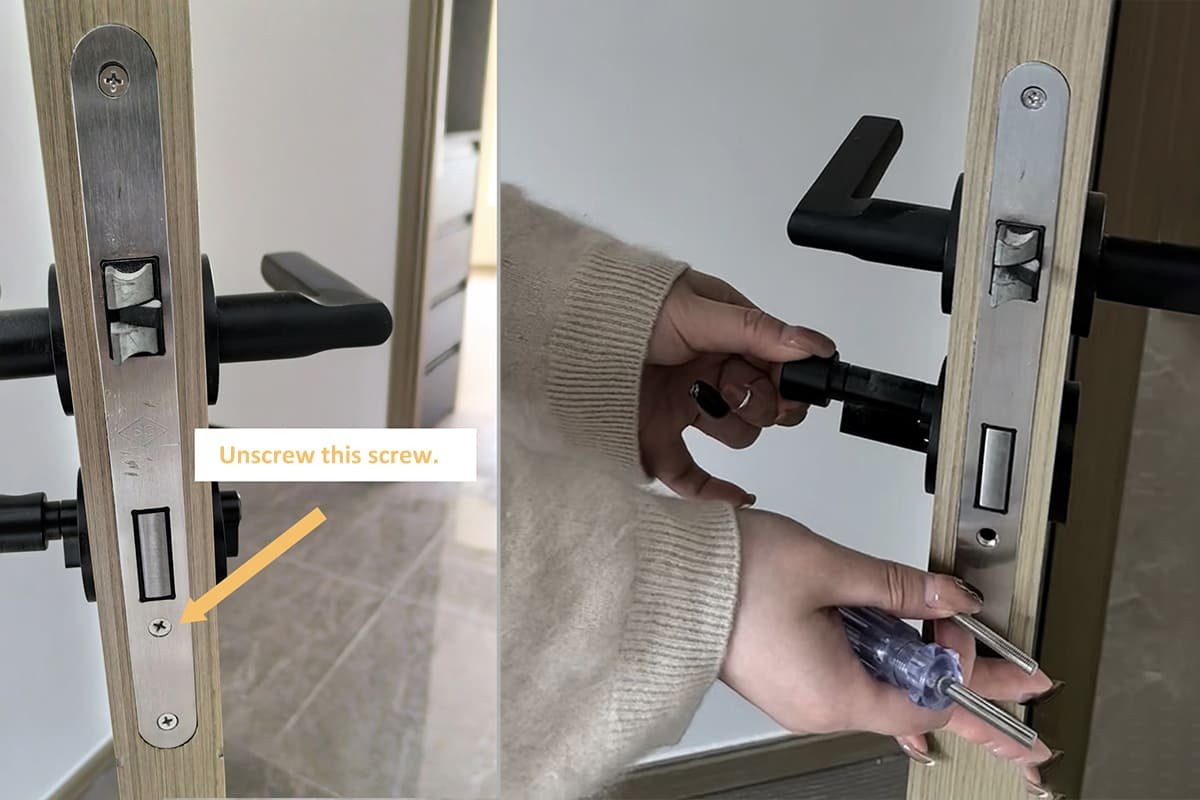
In factory communication, a small missing size can create many follow-up questions. A buyer may send me a handle photo, but I still need the lock body center distance. A buyer may send me a cylinder photo, but I still need the length split. A buyer may send me a lock body photo, but I still need the door thickness and handle plate drawing. This is not because the supplier wants to make the process complex. It is because the parts must work together after installation.
| Missing information | Possible problem | Better action |
|---|---|---|
| No backset | Lock body may not fit door machining | Confirm drawing or measure sample |
| No center distance | Handle plate keyhole may not align | Confirm lock body standard |
| No cylinder length | Cylinder may sit too short or too long | Match length with door thickness |
| No spindle size | Handle may feel loose or fail to operate | Confirm follower size |
| No handing | Latch may face wrong direction | Confirm opening direction |
| No finish standard | Batch color may not match buyer line | Confirm finish sample or code |
| No certification need | Product may not meet project documents | Confirm before quotation |
I also pay close attention to bulk order consistency. Door factories need stable size and finish. Hardware brands need a clear product line. Wholesalers need products that their customers can replace and understand. If the first sample is not configured clearly, the later order can become harder. I prefer to spend more time on technical confirmation before sampling, because that saves time before mass production.
How Should I Send an Inquiry for a Mortise Lock With Handle and Key?
I like simple inquiries, but I like complete simple inquiries more. A clear request saves time for both sides.
To inquire correctly, I should send product drawings or samples, lock body sizes, cylinder requirements, handle style, door thickness, door material, opening direction, finish, quantity, and certification needs. This lets the supplier build a compatible set.
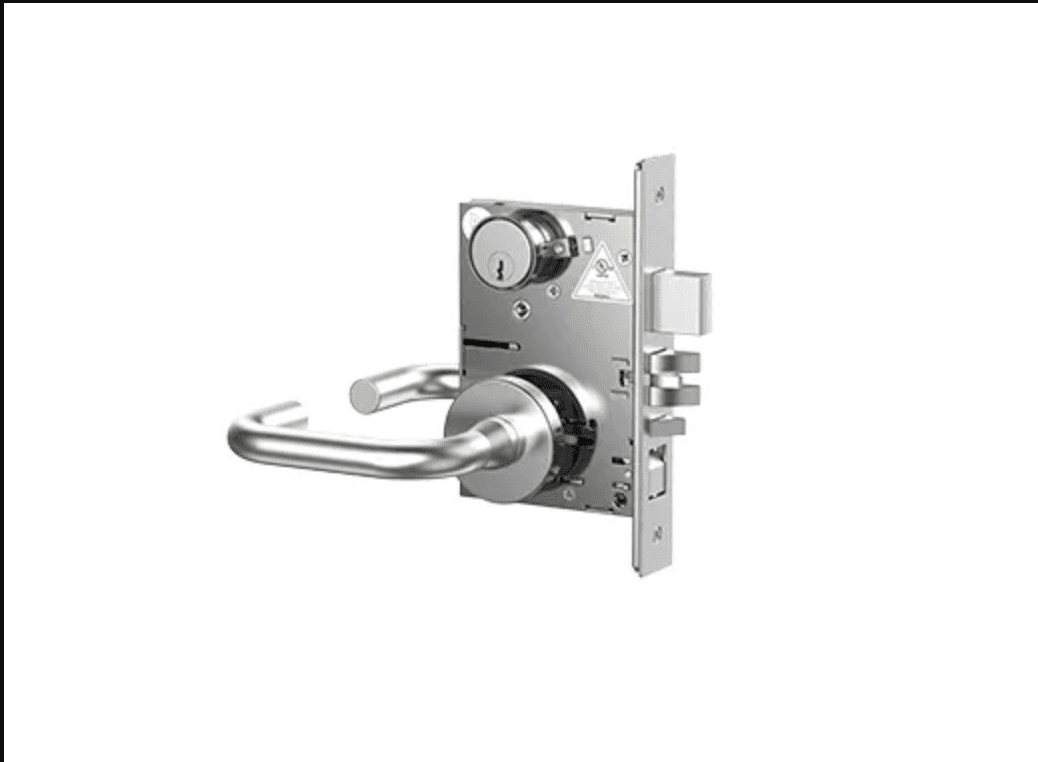
When a buyer asks me for a complete set, I usually suggest that they send information in one message. A photo is useful, but a photo is not enough. A drawing is better. A physical sample is even better when the buyer needs exact replacement.12 If the buyer is developing a new door series, I can help match the lock body, handle, cylinder, and accessories from the beginning.
Here is the inquiry format I often find useful:
| Inquiry item | Example information to send |
|---|---|
| Product use | Interior wooden door, apartment door, project fire door |
| Lock body | Backset 50 mm, center distance 85 mm, stainless steel faceplate |
| Cylinder | Euro profile, 70 mm length, double key, keyed different |
| Handle | Lever on plate, stainless steel, matching cylinder hole |
| Door thickness | 40 mm, 45 mm, or 50 mm |
| Door material | Wood, steel, aluminum, or fire-rated door |
| Opening direction | Left hand or right hand, inward or outward |
| Finish | Satin stainless steel, polished, PVD, or custom finish |
| Quantity | Sample quantity and bulk order estimate |
| Documents | CE, fire-rated, or other project documents if needed |
I use this format because it moves the conversation from “Do you have this?” to “Can this full set match my door and market?” That change is useful. It helps me give a more accurate quotation. It also helps the buyer avoid hidden differences between suppliers. A lower price is not always lower cost if the cylinder, lock body, or accessories are not the same.
Conclusion
I choose keyed mortise lock sets by system matching, not by photo alone. The handle, cylinder, lock body, and door details must work together.
"Mortise lock - Wikipedia", https://en.wikipedia.org/wiki/Mortise_lock. This list of components aligns with common industry definitions for a keyed mortise lock set, which typically comprises the lock body, handles, spindle, cylinder, keys, strike plate, and associated hardware. Evidence role: definition; source type: encyclopedia. Supports: the standard components typically found in a keyed mortise lock set.. ↩
"Mortise lock - Wikipedia", https://en.wikipedia.org/wiki/Mortise_lock. The described arrangement of components, including the lock body within the door edge, handles, spindle, cylinder, and strike plate, is characteristic of standard Euro-style mortise lock configurations. Evidence role: mechanism; source type: institution. Supports: the typical configuration and operational principles of a Euro-style mortise lock system.. ↩
"Door Knob Spindle and Dummy Spindle Hardware", https://www.houseofantiquehardware.com/shop-by-type/antique-door-hardware/locksets/door-knob-parts/door-knob-spindle?srsltid=AfmBOoouRIS2XXKYLJF9oE9oId2UgJ4758VY4Q4MO0ybeVFFVMKSBMuC. Door handle spindles in mortise lock applications are typically manufactured as square bars to ensure a secure and rotational connection between the handles and the lock's follower mechanism. Evidence role: definition; source type: encyclopedia. Supports: the common shape of a door handle spindle in mortise lock systems.. Scope note: This refers to common designs and may not encompass all specialized or historical spindle types. ↩
"Commercial Mortise Lock Function Guide - Quality Door", https://qualitydoor.com/pages/commercial-mortise-lock-function-guide?srsltid=AfmBOoqLXBa-zqRGIrkpKfqfN_6RsaGAirGfkdAZGlOaCs20Pk8ykI9B. In typical mortise lock configurations, the handle's primary role is to retract the latch bolt, allowing for door passage, while the deadbolt mechanism, operated by a key or thumbturn, provides security. Evidence role: definition; source type: encyclopedia. Supports: the primary function of a lever handle in a mortise lock system is for operating the latch for daily passage, not for securing the door in a locked state.. Scope note: This applies to standard passage/privacy functions and not to specialized integrated locking handle sets. ↩
"What is a Spindle and what kind do I need? - Our Blog - More Handles", https://www.morehandles.co.uk/blog/more-handles-technical-guides-what-is-spindle-and-how-do-i-know-what-kind-i-need/. The 8 mm square spindle is a widely adopted standard size for door handles in many European mortise lock systems, facilitating compatibility across various hardware components. Evidence role: statistic; source type: institution. Supports: the prevalence of 8 mm as a common spindle size in Euro-style mortise lock products.. Scope note: While 8 mm is common, other sizes exist, and specific project requirements should always be verified. ↩
"Lock and key - Wikipedia", https://en.wikipedia.org/wiki/Lock_and_key. Standard mortise lock designs separate the functions of the handle, which operates the latch for entry and exit, and the key, which engages the cylinder to control the deadbolt for security. Evidence role: mechanism; source type: encyclopedia. Supports: the distinct operational mechanisms of the key (controlling the deadbolt via the cylinder) and the handle (controlling the latch via the spindle) in a mortise lock.. Scope note: This explanation pertains to common mortise lock types and does not cover specialized integrated locking handle designs. ↩
"[DOC] SECTION 08 7100 - LANL Engineering Standards", https://engstandards.lanl.gov/specs/08_7100R3.doc. Market analysis in architectural hardware indicates varying regional preferences for door handle styles and mounting, alongside common manufacturing practices where door factories pre-prepare doors for specific lock body dimensions. Evidence role: expert_consensus; source type: research. Supports: the existence of diverse market preferences for door hardware aesthetics (e.g., plate handles vs. roses/escutcheons) and the practice of door factories pre-machining doors to specific lock body sizes.. Scope note: Specific market data would be needed to quantify these preferences, but the general observation is widely recognized within the industry. ↩
"[PDF] DOOR HARDWARE (SCHEDULED BY DESCRIBING PRODUCTS)", https://fpm.usc.edu/wp-content/uploads/2021/11/087102-USC-HSC-door-hardware-Guide-Specification_1.pdf. Industry best practices for architectural hardware procurement emphasize the importance of detailing specifications such as lock body dimensions, cylinder type, handle design, door thickness, material, and certifications to prevent errors and delays. Evidence role: expert_consensus; source type: institution. Supports: the necessity of confirming a comprehensive list of specifications for mortise lock components to ensure compatibility and reduce procurement risks.. ↩
"[PDF] SECTION 08 71 00 – DOOR HARDWARE", https://design.missouristate.edu/_Files/Standards/Division8/087100DoorHardware.pdf. Backset, defined as the distance from the door edge to the spindle center, and center distance, the measurement between the spindle and cylinder centers, are fundamental dimensions in mortise lock specifications that dictate door machining and hardware fit. Evidence role: definition; source type: encyclopedia. Supports: the definitions of backset and center distance as critical dimensions for mortise lock bodies and their role in door preparation and hardware compatibility.. ↩
"[PDF] DOOR HARDWARE (SCHEDULED BY DESCRIBING PRODUCTS)", https://fpm.usc.edu/wp-content/uploads/2021/11/087102-USC-HSC-door-hardware-Guide-Specification_1.pdf. Building codes and industry standards often mandate specific hardware requirements for different door applications, such as enhanced security for apartment doors, fire-rating for project fire doors, and specific access control for hotel doors. Evidence role: expert_consensus; source type: government. Supports: the varying functional and regulatory requirements for door hardware based on building type and application (e.g., hotels, apartments, fire doors).. Scope note: This is a general statement; specific requirements would depend on local codes and project specifications. ↩
"Microbial Contamination of Door Handles: A Global Systematic ...", https://pmc.ncbi.nlm.nih.gov/articles/PMC12035165/. Industry analyses and manufacturing case studies frequently highlight that incompatible door hardware components lead to significant production inefficiencies, including increased scrap rates, assembly delays, and costly rework in door factories. Evidence role: case_reference; source type: research. Supports: the operational and financial risks, such as incorrect drilling, assembly issues, and rework, that arise from using mismatched components in door hardware manufacturing.. Scope note: While the general risks are well-documented, specific financial impacts would vary by project and factory. ↩
"Technical drawing - Wikipedia", https://en.wikipedia.org/wiki/Technical_drawing. Engineering and manufacturing best practices advocate for the use of detailed technical drawings over photographs for precise component specification, with physical samples offering the most accurate reference for replication or compatibility verification. Evidence role: expert_consensus; source type: education. Supports: the hierarchy of information quality in hardware procurement, where technical drawings provide more precise data than photos, and physical samples offer the highest level of detail for exact matching.. ↩