Which One Is Best, Brass vs Stainless Steel, in Door Handles?
Brass vs stainless steel door handles is a common question I hear from door factories, hardware wholesalers, and project buyers. The problem is that many buyers compare only the material name or unit price. That can lead to corrosion complaints, finish inconsistency, or unnecessary cost. The better solution is to match the handle material to the real project conditions.
For most high-frequency, humid, coastal, entrance-door, and project-supply applications, stainless steel door handles are usually the safer choice because they offer strong corrosion resistance, stable hardness, and easier batch consistency.1 Brass door handles are better for luxury decorative projects where premium appearance, warmer touch, and custom shaping are more important than cost and low maintenance.2
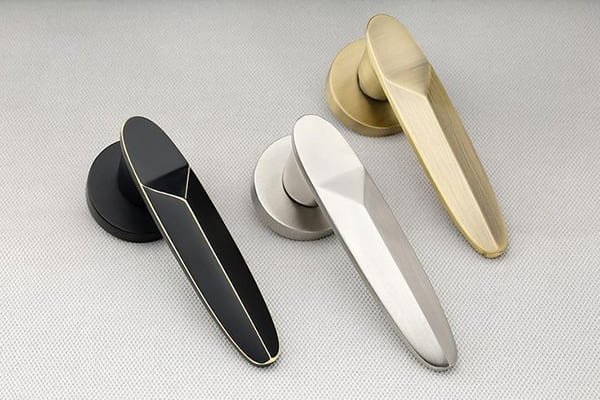
In my factory experience, the “best” material is rarely decided by material prestige alone. I usually ask buyers about the door type, climate, usage frequency, surface finish, compliance needs, and expected after-sales risk before I recommend stainless steel or brass.
Are Brass vs Stainless Steel Door Handles Better for Different Projects?
Choosing brass vs stainless steel door handles becomes difficult when the project has many door types. A hotel, apartment, office, villa, or fire-rated door project may need different priorities. If buyers use one simple rule for all doors, the final hardware package can become either over-specified or under-protected.
The best choice depends on the application. Stainless steel is usually better for busy public areas, entrance doors, humid regions, and cost-sensitive bulk supply.3 Brass is usually better for premium decorative areas, luxury interiors, and custom designs where appearance and design value are the main selling points.

Project Conditions Matter More Than Material Names
In B2B door hardware supply, I do not start with “Which material is more expensive?” I start with the door environment. A lever handle on a coastal apartment entrance door faces a very different risk from a handle on a luxury villa bedroom door. The first one needs corrosion resistance, finish stability, and mechanical reliability. The second one may need visual weight, warmer color, and decorative detail.
Here is a simple way I compare common project types:
| Project Type | Usually Better Choice | Main Reason |
|---|---|---|
| Apartment entrance doors | Stainless steel | Better durability and lower maintenance risk |
| Fire-rated door projects | Certified complete handle set, often stainless steel | Material alone is not enough; certification matters |
| Coastal or humid markets | Stainless steel | Stronger resistance to rust and surface problems |
| Luxury villas | Brass or premium stainless steel | Decorative value and design positioning matter |
| Boutique hotels | Brass for feature areas; stainless steel for high-use areas | Balance design and maintenance |
| Office buildings | Stainless steel | Stable performance under frequent use |
| Hardware wholesale stock | Stainless steel | Easier batch consistency and broader demand |
Why I Avoid One-Answer Recommendations
I have seen buyers choose brass because it sounds more premium, then later worry about oxidation, plating stability, or color difference between batches. I have also seen buyers choose stainless steel for every door, then realize that a luxury design line needs a warmer and more sculptural appearance.
So I usually divide the decision into five questions:
Where will the handle be installed?
Indoor, outdoor, coastal, bathroom-adjacent, or air-conditioned interior?How often will users touch it?
A hotel corridor handle may be used hundreds of times per week4, while a villa guest room handle may be used far less.How important is visual positioning?
Some brands need a luxury image. Brass can support that story very well.How sensitive is the project to after-sales claims?
For large apartment projects, even a small complaint rate can become expensive.5Does the complete product need certification?
A material cannot replace CE, fire-rated, or other verified product-level documents.
In batch production and project supply, I usually advise buyers to check usage environment, surface finish stability, hardness, maintenance needs, and order consistency before choosing the material.
For this reason, stainless steel often becomes the practical default for many door manufacturers and wholesalers. Brass remains an excellent option when the project can justify the higher decorative value and the maintenance expectations are clear.
Why Do Brass vs Stainless Steel Door Handles Often Favor Stainless Steel for Bulk Procurement?
When buyers compare brass vs stainless steel door handles for bulk orders, the biggest problem is not only the purchase price. The real issue is procurement risk. A lower initial cost or a more luxurious material name can lose its value if the finish is unstable, the handle deforms, or the project creates repeated after-sales claims.
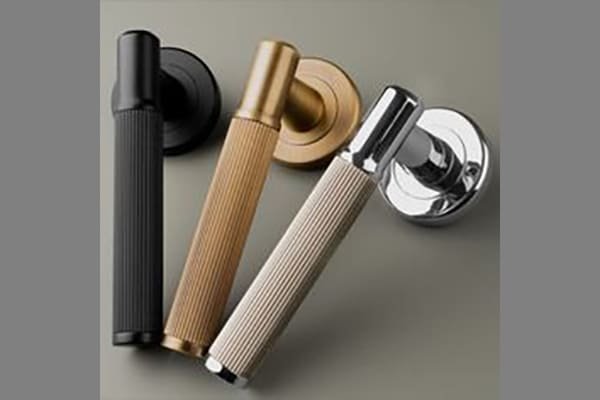
Stainless steel often wins in bulk procurement because it offers strong corrosion resistance, higher hardness, good wear resistance, and easier finish consistency.6 It is especially suitable for door factories, wholesalers, and engineering buyers who need stable quality across repeated orders and different project batches.
Stainless Steel Reduces Several Common Project Risks
In production, stainless steel has practical advantages that matter in volume supply. It is not only about strength. It is also about consistency. When a buyer orders thousands of lever handles for apartment doors, office doors, or entrance doors, the buyer cares about whether the finish looks uniform, whether the handle keeps its shape, and whether the product performs reliably after installation.
The main advantages include:
- Corrosion resistance in humid or coastal markets
- Higher hardness compared with softer decorative metals
- Lower deformation risk under frequent use
- Good wear resistance for high-touch areas
- Stable surface finish options, such as brushed or mirror finishes
- Better suitability for standardized production
- Easier maintenance expectations for end users and project owners
Surface Finish Still Matters
Stainless steel is durable, but poor finishing can still create problems. For example, uneven brushing direction, rough polishing marks, or unstable color treatment can make a good material look cheap. In our production checks, I pay close attention to surface uniformity because buyers often judge quality first by appearance.
Common stainless steel handle finishes include:
| Finish Type | Typical Use | Buyer Concern |
|---|---|---|
| Brushed stainless steel | Apartments, offices, public doors | Consistent grain direction |
| Mirror finish | Decorative interior doors | Fingerprints and polishing marks |
| Satin finish | General project supply | Batch color consistency |
| PVD color finish | Premium product lines | Color stability and supplier control |
Stainless Steel and Fire-Rated Door Projects
Many buyers ask whether stainless steel is better for fire-rated doors. I answer carefully. Stainless steel generally has better heat resistance than many decorative materials7, but material alone does not make a handle fire-rated8. The complete handle set, including structure, accessories, lock compatibility, and installation conditions, must match verified fire-rated certification.
This point is important for project procurement. If a buyer supplies a fire-rated door project, the buyer should not rely on a simple material description in a catalog. The buyer should request:
- Valid fire-rated certification for the relevant product type
- CE or other required compliance documents where applicable
- Complete technical drawings and specifications
- Clear information about spindle, screw, rosette, and lock compatibility
- Written confirmation from the supplier about project suitability
Why Stainless Steel Is Often the Safer Default
For door factories and wholesalers, stainless steel is often easier to manage across markets. It works well in the Middle East, Europe, and Southeast Asia, especially where humidity, frequent use, and price competition are real concerns. It also supports a wide range of standardized handle designs, which helps buyers control inventory.
I do not say stainless steel is always better. However, when a buyer wants lower total risk, stainless steel usually gives a stronger balance of durability, cost control, batch stability, and maintenance simplicity.
When Do Brass vs Stainless Steel Door Handles Make Brass the Better Choice?
The discussion of brass vs stainless steel door handles should not make brass look inferior. That would be wrong. Brass has a strong role in architectural hardware, especially when the project sells emotion, design, warmth, and premium identity. The problem starts only when buyers use brass in conditions that do not match its maintenance needs.
Brass is the better choice for high-end decorative projects, villas, luxury hotels, and custom handle collections. It offers a warmer hand feel, strong decorative value, and better shaping flexibility for special designs. It is ideal when premium appearance matters more than lowest cost or lowest maintenance.
Brass Has a Premium Design Language
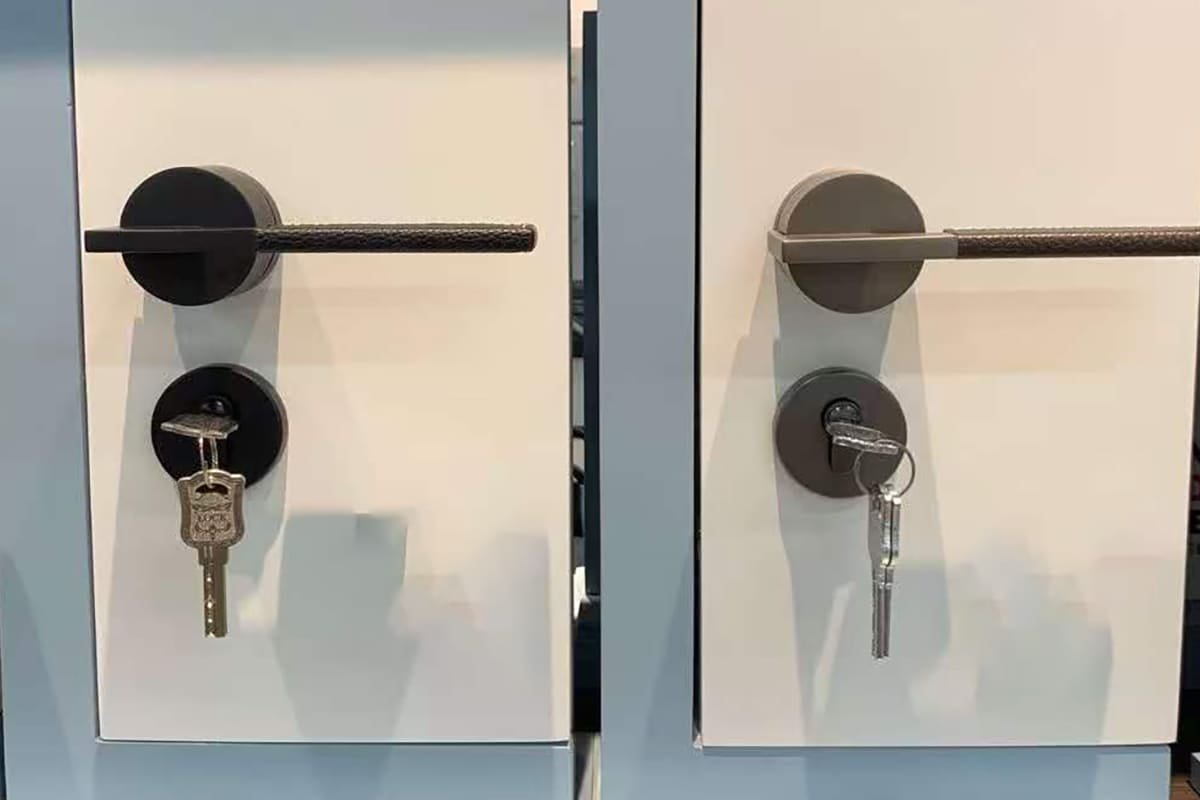
Brass gives a different feeling from stainless steel. It feels warmer, heavier, and more classic.9 In luxury villas, boutique hotels, and high-end interior doors, that feeling can support the entire design concept. Some buyers want a handle that does more than open a door. They want the handle to become part of the room’s visual identity.
Brass also works well for:
- Classic European-style handles
- Decorative rosettes and backplates
- Custom carved or sculptural shapes
- Premium antique finishes
- Luxury hotel suites
- Villa entrance and interior doors
- Brand product lines positioned above standard project hardware
The Main Brass Risk Is Not Brass Itself
In my experience, the main risk is poor surface protection or unclear maintenance expectations. Brass can oxidize or discolor if it is not protected properly.10 Many brass handles rely on plating, lacquer, or other protective treatments to reduce oxidation and maintain color.11 If the finishing process is weak, the handle may lose its appearance before the buyer expects it to.
That is why I suggest buyers check these points before placing a brass handle order:
What protective finish is used?
Is it lacquered, plated, polished, antique-treated, or another finish?Is the color stable across batches?
Luxury projects often need strict visual consistency.What is the expected maintenance method?
Buyers should not promise “zero maintenance” if the finish needs care.Is the handle shape suitable for mass production?
Complex decorative designs may need more tooling and inspection.Does the supplier understand premium finishing control?
Brass hardware depends heavily on finishing quality.
Brass vs Stainless Steel for Brand Positioning
For hardware brands, brass can help create a higher-end product story. A brass lever handle with a refined finish can be sold as a luxury item. Stainless steel, on the other hand, often communicates durability, practicality, and modern simplicity.
Here is how I often position the two materials:
| Buyer Goal | Better Material Direction |
|---|---|
| Build a luxury decorative collection | Brass |
| Supply apartment or office projects | Stainless steel |
| Reduce after-sales risk | Stainless steel |
| Create antique or classical designs | Brass |
| Serve coastal markets | Stainless steel |
| Offer premium villa hardware | Brass or premium stainless steel |
| Keep large orders consistent | Stainless steel |
Brass Works Best When Buyers Sell It Correctly
Brass is excellent when the customer understands what they are buying. It is not only a component. It is a design feature. However, buyers should explain finish care, installation environment, and expected appearance changes clearly to their customers.
For example, a brass handle in a luxury hotel suite can be a very good choice because the design value is high and maintenance can be controlled. A brass handle on a high-traffic coastal entrance door may create more risk unless the finish system and maintenance plan are very strong.
So, brass is not weaker as a category. It is simply more sensitive to application and finishing quality. When it is used in the right place, it can outperform stainless steel in perceived value and decorative appeal.
How Should Buyers Compare Brass vs Stainless Steel Door Handles Before Ordering?
Many buyers compare brass vs stainless steel door handles by asking for two prices and choosing the lower one. That method is risky. Unit price is important, but it does not show the total cost of complaints, replacement, color variation, delayed delivery, or failed project approval.
Buyers should compare the materials by environment, frequency of use, finish stability, hardness, deformation risk, maintenance needs, certification requirements, and batch consistency. The best material is the one that creates the lowest total procurement risk while matching the project’s design and performance goals.
A Practical B2B Selection Checklist
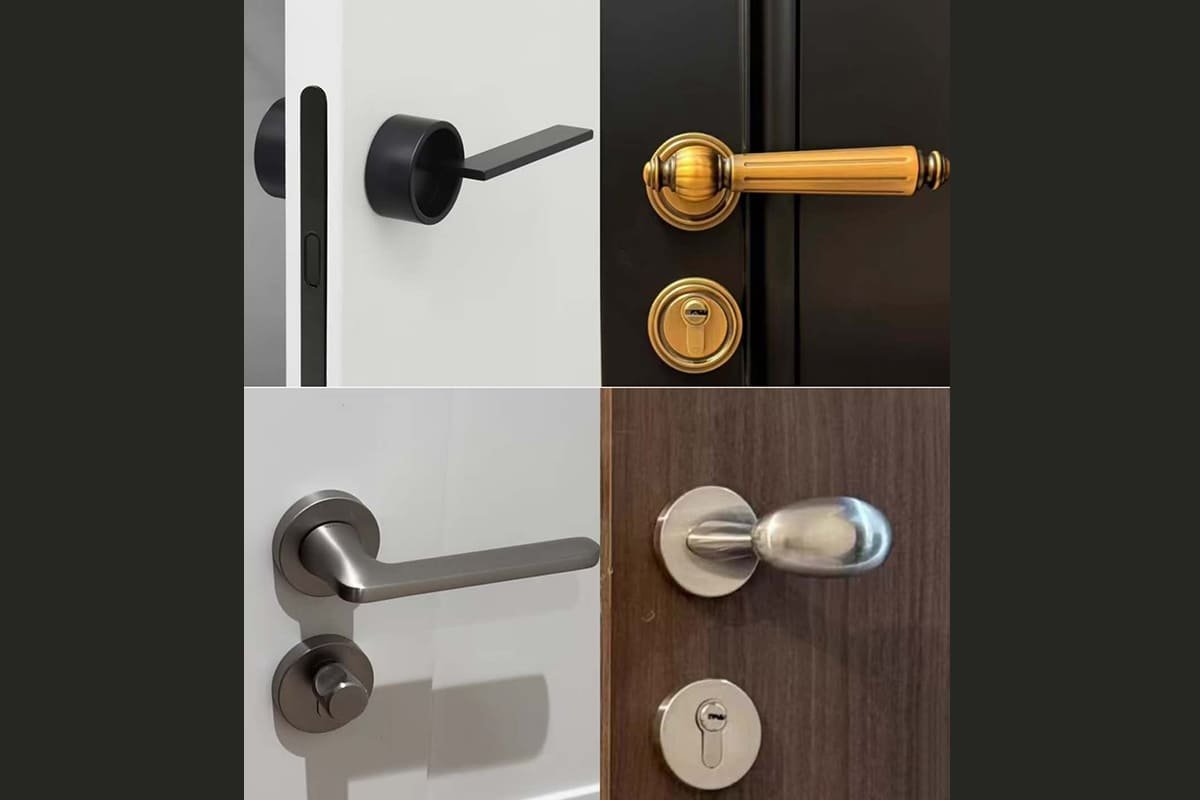
When I discuss handle materials with buyers, I prefer to use a checklist instead of a simple opinion. It helps both sides avoid misunderstandings. It also helps the buyer explain the decision to their boss, project manager, or customer.
Here is the checklist I recommend:
| Selection Factor | Stainless Steel Advantage | Brass Advantage |
|---|---|---|
| Humid environment | Strong | Depends on finish protection |
| High-frequency use | Strong | Moderate to strong with good design |
| Decorative detail | Moderate | Strong |
| Premium hand feel | Good | Strong |
| Cost control | Strong | Usually higher cost |
| Batch consistency | Strong | Requires stricter finish control |
| Maintenance simplicity | Strong | Depends on protective finish |
| Custom luxury design | Good | Strong |
| Fire-rated project suitability | Must verify complete product certification | Must verify complete product certification |
Ask the Supplier Better Questions
A reliable supplier should not only say, “This material is good.” The supplier should explain why it matches your project. If the supplier cannot discuss finish, hardness, corrosion risk, certification, and batch control, the buyer should be careful.
I suggest asking these questions:
- Which environments is this handle suitable for?
- What surface treatment is used, and how is consistency controlled?
- Can the finish remain uniform across repeated bulk orders?
- What inspection steps are used before shipment?
- Can the supplier provide CE or fire-rated certification when required?
- Can the supplier customize dimensions, finish, packaging, and accessories?
- What is the lead time for repeat orders?
- How does the supplier handle after-sales issues?
Sample Evaluation Method for Bulk Buyers
For project procurement, I recommend scoring each material before ordering. This makes the decision more objective.
| Evaluation Item | Weight | Stainless Steel Score | Brass Score |
|---|---|---|---|
| Corrosion resistance | 20% | High | Medium, finish-dependent |
| Decorative value | 15% | Medium | High |
| Cost control | 15% | High | Medium |
| Batch consistency | 15% | High | Medium, supplier-dependent |
| Maintenance needs | 15% | Low | Medium to high |
| Custom design flexibility | 10% | Medium | High |
| Certification support | 10% | Product-dependent | Product-dependent |
This kind of scoring is useful because it prevents emotional decisions. It also shows why stainless steel often wins in large standardized projects, while brass wins in luxury decorative lines.
Do Not Ignore Lock and Door Compatibility
A door handle is not used alone. It must work with the mortise lock, lock cylinder, spindle, screws, rosette, escutcheon, and door thickness. This is especially important for door factories that assemble complete door sets.
Before confirming an order, buyers should check:
- Door thickness range
- Lock body center distance
- Spindle size
- Screw position
- Rosette or backplate dimensions
- Handle return spring structure
- Finish match with hinges, locks, and cylinders
- Packaging method for assembly lines
- Certification requirements for the complete door system
I have seen projects where the handle material was correct, but the accessory configuration caused installation problems. That is why I always suggest evaluating the complete hardware set, not only the lever handle body.
Total Risk Is the Real Cost
For B2B buyers, “best” should mean lowest total risk, not highest material prestige. Stainless steel often reduces risk in durability, corrosion, and consistency. Brass adds value in design, warmth, and premium positioning. The right answer depends on which risk your project cannot afford.
Frequently Asked Questions
Are stainless steel door handles better than brass door handles?
Stainless steel door handles are usually better for high-frequency use, humid regions, entrance doors, and bulk project supply. Brass door handles are better for luxury interiors, villas, and decorative product lines. The best choice depends on environment, usage, finish quality, and maintenance expectations.
Do brass door handles rust?
Brass does not rust like iron or untreated steel, but it can oxidize, tarnish, or discolor over time. Protective finishes such as plating or lacquer can reduce this risk. Buyers should confirm the finish process and maintenance requirements before ordering brass handles in bulk.
Are stainless steel handles suitable for fire-rated doors?
Stainless steel has good heat resistance, but the material alone does not make a handle suitable for fire-rated doors. Buyers must check whether the complete handle set has valid fire-rated certification for the intended door system and market requirements.
Which material is better for coastal markets?
Stainless steel is usually the safer choice for coastal or humid markets because it offers stronger corrosion resistance and easier maintenance. However, buyers should still confirm the stainless steel grade, surface treatment, and supplier quality control before placing large orders.
Which handle material is better for luxury hotels?
Luxury hotels may use both materials. Brass is excellent for suites, villas, and decorative feature areas because it looks warm and premium. Stainless steel is often better for corridors, public areas, and high-use doors where durability and maintenance control matter more.
Conclusion
The best choice in brass vs stainless steel door handles depends on project risk, not only material name. Stainless steel is usually the safer option for bulk procurement, humid markets, entrance doors, fire-rated door projects with verified certification, and high-frequency use. Brass is better for luxury decorative projects where appearance, warmth, and custom design are the priority. If you are sourcing door handles for a project or wholesale line, I recommend comparing environment, finish, certification, and batch consistency first. Contact SDH Hardware to discuss a practical material and finish solution for your next door hardware order.
"Comparative Research of Microstructure and Mechanical ...", https://pmc.ncbi.nlm.nih.gov/articles/PMC8541422/. A materials-science source on stainless steel supports the claim that chromium-bearing stainless steels form a passive oxide layer that improves corrosion resistance and helps maintain mechanical performance in demanding environments; this is contextual support rather than a door-handle-specific performance test. Evidence role: mechanism; source type: research. Supports: The source should explain that stainless steels resist corrosion through a chromium-rich passive film and generally provide durable mechanical performance in service environments.. Scope note: Contextual materials evidence; it does not directly compare all commercial door-handle grades or finishes. ↩
"Brass - Wikipedia", https://en.wikipedia.org/wiki/Brass. A general materials reference on brass supports the statement that brass is a workable copper-zinc alloy with a decorative gold-like appearance and established use in ornamental applications; it does not directly prove buyer preference in luxury door-handle markets. Evidence role: general_support; source type: encyclopedia. Supports: The source should support that brass is valued for its gold-like appearance, workability, and use in decorative applications.. Scope note: Contextual support; aesthetic value and luxury positioning depend on market and design context. ↩
"Custom Stainless Steel Door Frames: Precision & Performance", https://www.millsnebraska.com/blog/custom-stainless-steel-door-frames-precision-performance-and-compliance. An institutional materials reference supports the general claim that stainless steel is widely used in architectural applications because of its corrosion resistance, durability, and relatively low maintenance requirements; it does not establish that stainless steel is always the lowest-cost option in every procurement market. Evidence role: general_support; source type: institution. Supports: The source should support stainless steel's corrosion resistance, durability, and low-maintenance use in architectural or building applications.. Scope note: Contextual support; procurement cost depends on grade, finish, supplier, and region. ↩
"Microbial Contamination of Door Handles: A Global ... - PMC", https://pmc.ncbi.nlm.nih.gov/articles/PMC12035165/. A peer-reviewed study of high-touch surfaces or building-use patterns can support the statement that door handles in hospitality or public environments are used frequently, although it may not report the exact figure of hundreds of operations per week for every hotel corridor. Evidence role: statistic; source type: paper. Supports: The source should provide empirical or modeled evidence that door handles in public or hospitality environments are frequently touched or operated.. Scope note: Contextual statistical support; usage varies by hotel size, occupancy, layout, and door location. ↩
"The Financial Impacts of Construction Defect Liability on Housing ...", https://ternercenter.berkeley.edu/research-and-policy/the-financial-impacts-of-construction-defect-liability-on-housing-development-in-california/. Research on construction quality costs supports the general principle that defects and warranty issues can produce significant cumulative expense in large projects; this provides contextual support and does not quantify door-handle complaint costs specifically. Evidence role: general_support; source type: paper. Supports: The source should support the principle that defects, rework, warranty claims, and quality failures can create substantial costs in construction or large-scale procurement.. Scope note: Contextual support; actual after-sales cost depends on contract terms, defect severity, labor rates, and installed quantity. ↩
"Stainless steel - Wikipedia", https://en.wikipedia.org/wiki/Stainless_steel. A technical materials reference supports the claim that stainless steels combine corrosion resistance with useful hardness and wear-related durability for many engineered applications; it does not directly prove superior finish consistency for every door-handle production process. Evidence role: general_support; source type: research. Supports: The source should support stainless steel's corrosion resistance and mechanical durability as material properties relevant to repeated-use products.. Scope note: Partly contextual; finish consistency depends on manufacturing controls, grade, polishing, and coating process. ↩
"High temperature characteristics of stainlesssteel - Academia.edu", https://www.academia.edu/67712665/High_temperature_characteristics_of_stainlesssteel. A materials-engineering source supports the general statement that many stainless steels retain useful properties and resist oxidation at elevated temperatures better than numerous decorative materials; this does not by itself establish fire-rated suitability for any particular handle assembly. Evidence role: general_support; source type: research. Supports: The source should support stainless steel's high-temperature resistance relative to many common decorative or lower-melting materials.. Scope note: Contextual support; heat resistance varies by alloy grade, component geometry, and finish. ↩
"Fire Doors and NFPA 80 FAQs", https://www.nfpa.org/news-blogs-and-articles/blogs/2025/04/11/fire-doors-faqs. Fire-door standards such as NFPA 80 support the statement that fire-rated openings rely on listed or otherwise approved assemblies and compatible hardware, so the base material of a handle is not sufficient evidence of fire-rated performance. Evidence role: expert_consensus; source type: institution. Supports: The source should support that fire-door hardware must be part of a tested, listed, or certified door assembly and cannot be accepted based on material alone.. ↩
"Experiments for Determining the Thermal Conductivity of ...", https://www.academia.edu/94702500/Experiments_for_Determining_the_Thermal_Conductivity_of_Brass_and_304_Stainless_Steel_with_Direct_Temperature_Measurement_Techniques_Using_Lorenz_Number_as_Validation. Engineering property data support the statement that brass and stainless steel differ in density and thermal behavior, which can affect perceived weight and tactile warmth; the description of brass as 'classic' remains an aesthetic judgment rather than a measurable material property. Evidence role: mechanism; source type: research. Supports: The source should provide material-property data showing differences in density and thermal behavior between brass and stainless steel that can affect perceived weight and touch.. Scope note: Contextual support; perceived warmth also depends on room temperature, surface finish, handle geometry, and user perception. ↩
"Initial oxidation of brass induced by humidified air - PMC - NIH", https://pmc.ncbi.nlm.nih.gov/articles/PMC3587402/. A university or educational chemistry source supports the claim that brass can tarnish or discolor as copper-containing alloys form surface corrosion products during exposure to air, moisture, or pollutants. Evidence role: mechanism; source type: education. Supports: The source should explain that brass, as a copper-zinc alloy, can tarnish or discolor due to surface oxidation or corrosion reactions.. ↩
"Protective coating for brass? : r/centuryhomes - Reddit", https://www.reddit.com/r/centuryhomes/comments/15a57uq/protective_coating_for_brass/. Research or conservation guidance on brass finishes supports the statement that lacquers, plating, and other protective coatings are used to reduce tarnishing and maintain brass surface appearance; coating durability still depends on application quality and service conditions. Evidence role: mechanism; source type: research. Supports: The source should support that lacquer, plating, or protective coatings can reduce tarnishing and color change on brass surfaces.. Scope note: Directly supports the coating mechanism but not the durability of any specific commercial handle finish. ↩