What Are Spring Hinges for Wooden Doors and How Do They Work?
Spring hinges for wooden doors look simple, but wrong selection can create weak closing, noise, loose movement, or customer complaints. Many buyers ask me if they can “close the door automatically.” The better question is whether the door, frame, and usage conditions are suitable for spring-hinge return closing.
Spring hinges for wooden doors are hinges with built-in spring tension around the hinge axis1. They support the door like normal hinges while helping the door return toward the closed position after opening. They are useful for suitable light-to-medium wooden doors, but they do not offer the same controlled speed, buffering, or performance range as door closers2.
I have handled many buyer questions where the main concern was not the hinge structure itself. The real issue was matching the hinge to the door weight, width, thickness, usage frequency, and installation condition. That is where good procurement decisions begin.
How Do Spring Hinges for Wooden Doors Work?
Spring hinges for wooden doors can be misunderstood when buyers focus only on “automatic closing.” That shortcut can cause specification mistakes. If the door is too heavy, too wide, or poorly installed, the spring may not close it properly.3 I prefer to start with the mechanism first.
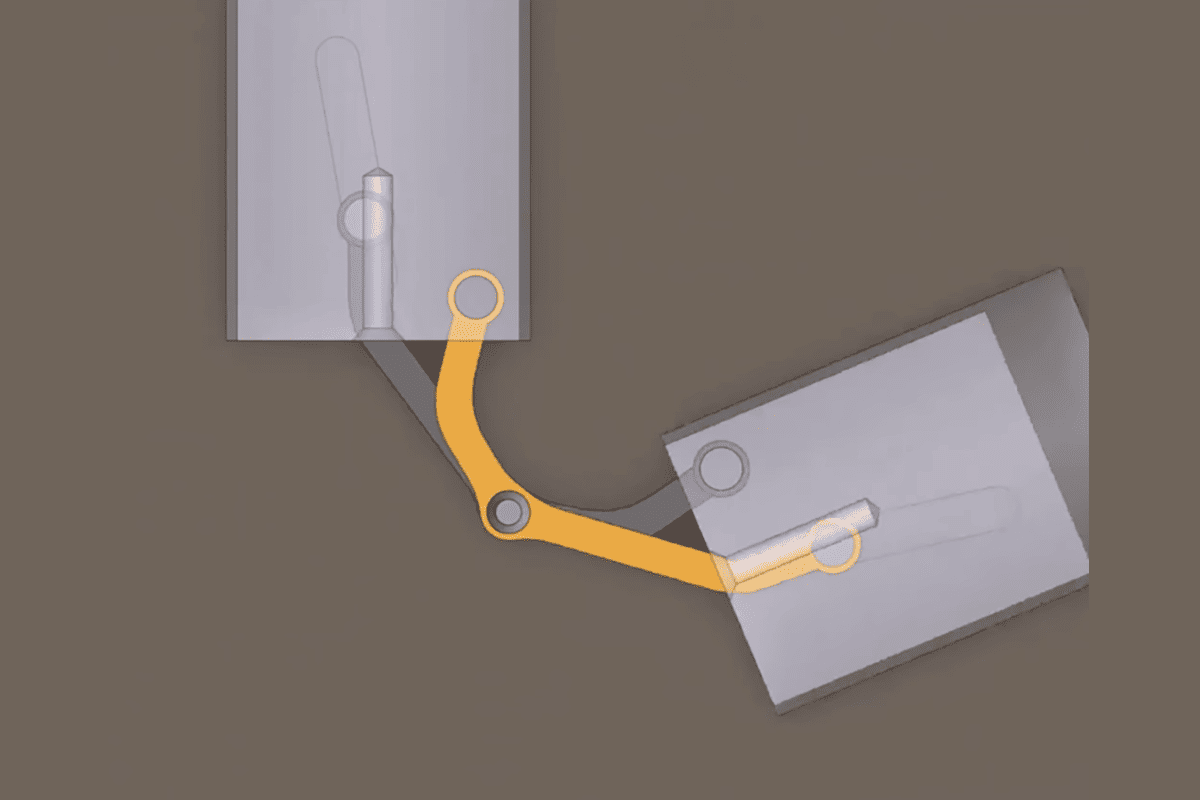
Spring hinges work by combining a hinge knuckle and pin structure with internal spring tension. When the wooden door opens, the spring stores force around the hinge axis. When the door is released, that force helps rotate the door back toward the closed position.
The basic structure
In a standard hinge, the hinge leaves are fixed to the door and frame. The knuckles rotate around the pin. A spring hinge adds a spring mechanism around that axis. The spring does not remove the normal hinge function. It adds a returning force.
From a manufacturing and supply point of view, I usually look at several structural points:
- Leaf thickness and flatness
- Pin alignment
- Knuckle forming consistency
- Spring tension stability
- Screw hole position accuracy
- Surface finish consistency
- Assembly looseness after repeated operation
These details matter more in bulk orders than many buyers expect. A sample may look acceptable on a table, but batch consistency decides whether the hinge installs smoothly across hundreds or thousands of doors.
What happens when the door opens?
The sequence is simple:
- The user opens the door.
- The hinge rotates around the pin axis.
- The spring tension increases as the door opens.
- The user releases the door.
- The spring force helps the door return toward closed position.
This mechanism is why many people describe spring hinges as “self-closing hinges.” However, I use that term carefully in B2B discussions. A spring hinge can help a door close, but the final result depends on the whole door system.
Why the door may not close fully
A buyer may think a stronger spring solves every problem. I do not recommend that approach. Stronger tension can create other issues, such as noise, impact, or uncomfortable operation.
Common reasons for poor closing include:
- The wooden door is too heavy for the hinge specification.
- The door is too wide, which increases leverage.
- The door rubs against the frame or floor.
- The frame is not square.
- The hinge mortise is not cut accurately.
- Too few hinges are installed.
- The expected closing angle is unrealistic.
- Air pressure or seals create resistance.4
- The user expects door-closer-style control.
Spring hinge mechanism versus buyer expectation
| Buyer expectation | What spring hinges usually provide | Procurement risk |
|---|---|---|
| Door closes by itself every time | Return force toward closing | May not latch if resistance is high |
| Smooth controlled closing | Limited control compared with a closer | Slamming or noise may occur |
| Works on all wooden doors | Works on suitable light-to-medium doors | Heavy doors may fail to close |
| Replaces a door closer | Different product category | Customer complaints after installation |
| Same result in every site | Depends on installation and door condition | Batch disputes may happen |
In my own supply conversations, the most useful early question is not “Do you have spring hinges?” It is “What kind of wooden door will this hinge work on?” Once I know the door weight, width, thickness, and installation environment, I can discuss a more realistic specification.
Are Spring Hinges for Wooden Doors the Same as Door Closers?
Spring hinges for wooden doors and door closers are often compared because both can help a door return. That comparison can be useful, but it can also mislead buyers. If a project needs controlled closing, a simple spring hinge may not be enough.
Spring hinges are not the same as door closers. A spring hinge provides spring return force at the hinge axis. A door closer usually provides controlled closing speed, hydraulic buffering, and wider performance adjustment.5 The two products solve related but different door-control problems.
The practical difference
I see this issue often with wholesalers and brand buyers. Their customer asks for “automatic closing,” and they want a lower-cost, simpler solution. A spring hinge may fit some doors. But if the end user expects slow, controlled, quiet closing, a closer is usually the more appropriate category.
A spring hinge is mainly a return-closing solution. It uses mechanical spring tension. A door closer is a controlled-closing device. It is designed to manage the closing motion more precisely.
Comparison table
| Item | Spring hinges for wooden doors | Door closers |
|---|---|---|
| Main function | Helps door return toward closed position | Controls door closing motion |
| Closing control | Limited | Usually stronger and more adjustable |
| Buffering | Limited or none depending on design | Usually designed for controlled speed |
| Installation position | Hinge side | Surface-mounted, concealed, or floor-mounted depending on type |
| Suitable door range | Light-to-medium wooden doors, depending on specification | Wider range, depending on closer grade |
| Appearance | Cleaner because hinge is part of door hardware | More visible unless concealed |
| Cost level | Often simpler and cost-effective | Usually higher |
| Procurement focus | Door size, weight, hinge quantity, fit | Door weight, width, usage, closer type, certification needs |
When a spring hinge is the better choice
Spring hinges can be attractive when the buyer wants:
- A cleaner appearance than a surface door closer
- A simple return-closing function
- A cost-effective hardware solution
- Installation similar to normal hinges
- A product suitable for standard wooden interior doors
- Consistent hardware appearance across a product line
For example, a door factory may want spring hinges for wooden doors in a product series where the doors are not too heavy and users do not require soft-controlled closing. In that case, a suitable hinge can make sense.
When a door closer is the safer choice
A door closer is usually better when the application needs:
- Controlled closing speed
- Reduced slamming
- Better closing force management
- Higher usage frequency6
- Larger or heavier doors
- Fire door system compatibility7
- More predictable closing performance
- Project-level performance requirements
I avoid telling buyers that spring hinges can replace all door closers. That claim creates downstream risk. If a contractor, distributor, or end customer expects hydraulic-style control, a spring hinge may disappoint them.
My practical rule is simple: if the buyer’s main requirement is “return closing,” I can discuss spring hinges. If the main requirement is “controlled closing,” I advise them to evaluate door closers or a qualified project hardware solution.
Why this distinction matters for B2B buyers
In bulk procurement, one wrong product description can become expensive. If a brand sells spring hinges as a full door-closer replacement, then complaints may appear after installation. The complaints may include:
- “The door closes too fast.”
- “The door does not latch.”
- “The hinge is noisy.”
- “The door feels too heavy to open.”
- “The customer expected soft closing.”
- “The hinge works on one door but not another.”
These issues are not always product defects. Many are specification mismatches. That is why I recommend clear product positioning in catalogs, quotations, and packaging descriptions.
When Are Spring Hinges for Wooden Doors Suitable?
Spring hinges for wooden doors are suitable only when the door and installation conditions match the hinge’s return-closing capability. If the product is chosen only by price or appearance, the result may be unstable. Buyers should evaluate the full door system before ordering.
Spring hinges are suitable for light-to-medium wooden doors where simple return closing is needed and controlled hydraulic closing is not required. The best applications have reasonable door weight, correct hinge quantity, accurate mortising, compatible frames, and moderate opening frequency.
Key selection variables
When a buyer sends me an inquiry, I usually ask for the basic door data first. These details are not paperwork. They decide whether the hinge can work well.
Important variables include:
- Door weight
- Door width
- Door thickness
- Door height
- Number of hinges per door
- Opening frequency
- Frame material and condition
- Hinge mortise design
- Required surface finish
- Required closing behavior
- Whether latching is required
- Whether controlled closing is required
Why door width matters
Many buyers focus on door weight, but door width is also important. A wider door creates more leverage.8 The hinge must handle both the load and the rotational force. A lightweight but very wide wooden door may still be difficult for a spring hinge to close consistently.
Why installation condition matters
Even a good hinge performs badly on a poor installation. If the frame is twisted or the hinge recess is uneven, the door can bind.9 If the door rubs against the floor, the spring force may not overcome the friction. If the screw holes are misaligned, the hinge may sit under stress.
For door factories, this point is critical. A hinge should be evaluated together with the door design and machining process.
Suitable and unsuitable cases
| Application condition | Suitability for spring hinges | Notes for buyers |
|---|---|---|
| Light interior wooden door | Often suitable | Confirm hinge size and quantity |
| Medium wooden door with moderate use | Possibly suitable | Check door width and required closing force |
| Heavy solid wooden door | Often unsuitable | Door closer or stronger system may be needed |
| Very wide wooden door | Risky | Leverage may reduce closing reliability |
| High-frequency commercial door | Risky | Evaluate durability and user experience carefully |
| Poor frame alignment | Unsuitable until corrected | Installation resistance affects closing |
| Door requiring soft controlled close | Unsuitable | Door closer category is more appropriate |
| Door with heavy seals or air pressure | Risky | Closing force may not overcome resistance |
Common B2B use cases
I see spring hinges requested by several customer types:
- Wooden door manufacturers who want a built-in return-closing option
- Hardware brand owners who want a simple self-closing hinge product line
- Wholesalers who serve light commercial and residential interior door markets
- Project suppliers who need cost-effective hardware for selected door types
- Importers who want consistent finish and packaging for repeated orders
Each buyer has a different risk profile. A door manufacturer cares about installation fit and production efficiency. A wholesaler cares about avoiding returns. A brand buyer cares about stable quality and consistent appearance across batches.
What I ask before recommending a specification
Before I discuss a spring hinge model, I prefer to receive:
- Door weight per leaf
- Door width and height
- Door thickness
- Door material and internal structure
- Frame material
- Required finish
- Number of hinges planned per door
- Opening direction
- Approximate daily usage
- Expected closing behavior
- Photos or drawings of the hinge position
- Packaging or branding requirements for bulk orders
This information helps prevent wrong assumptions. It also allows both sides to discuss realistic performance before mass production.
What Quality Factors Should Buyers Check in Spring Hinges for Wooden Doors?
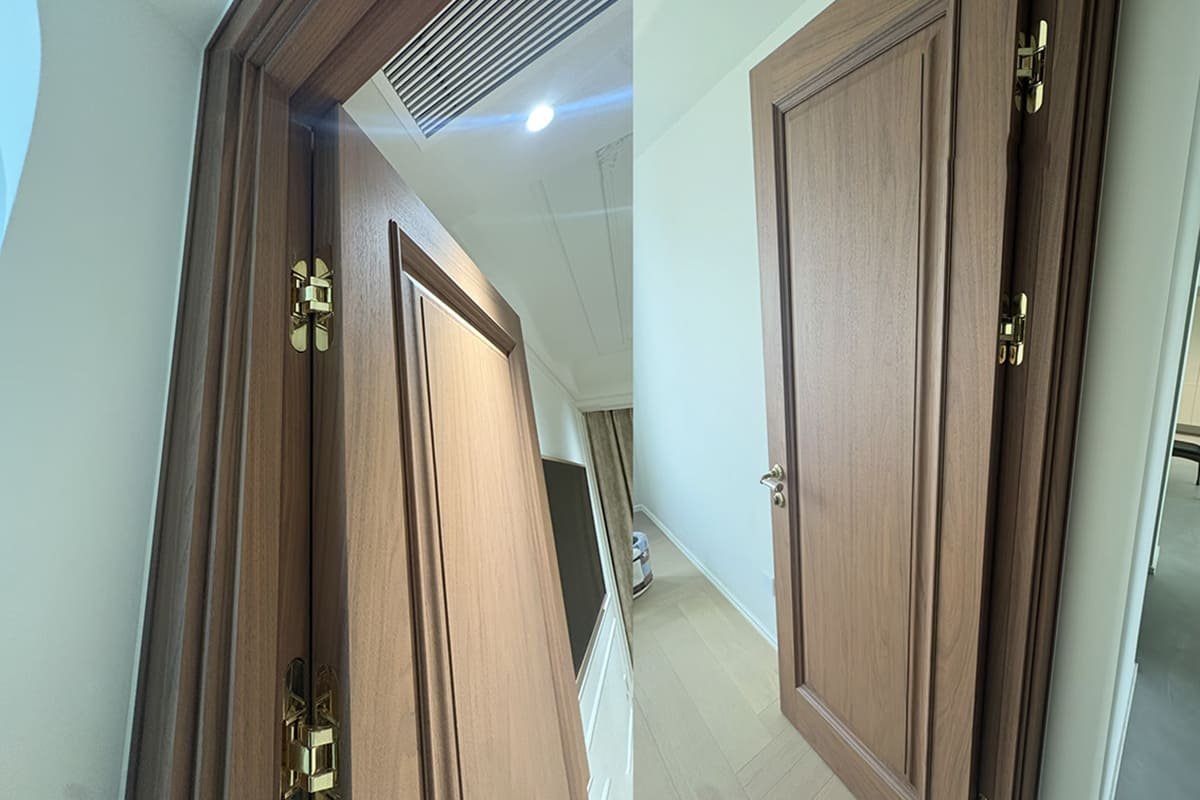
Spring hinges for wooden doors can look similar in photos, but the quality difference appears during assembly, installation, and repeated use. If buyers check only the surface finish, they may miss structural details that affect closing stability and long-term customer satisfaction.
Buyers should check material thickness, pin alignment, spring stability, leaf flatness, screw hole accuracy, finish consistency, and assembly tightness.10 They should also verify whether the hinge specification matches the wooden door size, weight, installation method, and expected opening frequency.
Material and structure
From my manufacturing perspective, a spring hinge is not only a hinge with an added spring. The whole structure must work together. If the hinge leaves are too weak, the door may sag. If the knuckles are poorly formed, the rotation may feel rough. If the spring tension is inconsistent, doors in the same batch may close differently.
Important quality points include:
- Base material selection
- Leaf thickness consistency
- Knuckle rolling accuracy
- Pin and axis alignment
- Spring assembly stability
- Screw hole location
- Countersink quality
- Surface treatment adhesion
- Corrosion resistance expectations
- Packaging protection
I do not present these as laboratory test claims. I present them as practical purchasing checkpoints based on factory production and supply experience.
Finish consistency
For brand buyers and wholesalers, finish consistency is often as important as basic function. A hinge may work mechanically, but if the finish varies across cartons, the customer may reject the batch.
Common finishes may include stainless steel color, satin finishes, polished finishes, black, brass color, or other market-specific finishes. The exact options depend on the manufacturer’s product line and production process.
Buyers should confirm:
- Approved finish sample
- Color tolerance expectation
- Surface texture
- Scratch protection method
- Packaging per pair or per set
- Labeling requirements
- Batch inspection method
Bulk order consistency
A single sample does not prove bulk consistency.11 I recommend buyers evaluate both the sample and the supplier’s production control process. For spring hinges, small variations can affect the closing feel.
A practical inspection checklist may include:
| Inspection item | Why it matters | What buyers can check |
|---|---|---|
| Leaf flatness | Affects installation fit | Place on flat surface and inspect gaps |
| Pin alignment | Affects smooth rotation | Open and close by hand |
| Spring tension consistency | Affects closing behavior | Compare several pieces from same batch |
| Screw hole accuracy | Affects fast installation | Check against drawing or template |
| Finish uniformity | Affects brand appearance | Compare multiple cartons |
| Assembly tightness | Affects noise and looseness | Shake and operate hinge |
| Packaging protection | Reduces transit damage | Check separators, bags, and cartons |
Supplier evaluation
When I work with professional buyers, they rarely ask only for a unit price. They also care about stable production, communication, documentation, and corrective action. That is the right approach.
A supplier should be able to discuss:
- Product drawings or dimensions
- Material and finish options
- MOQ and lead time
- Sample approval process
- Batch inspection process
- Packaging requirements
- ODM or private label needs
- Export market experience
- After-sales communication
At SDH Hardware, I would position this type of discussion within a broader door hardware sourcing program. We manufacture and supply architectural door hardware, including hinges, mortise locks, lever handles, lock cylinders, and concealed hinges. For spring hinges specifically, I would still ask for the door application data before suggesting any bulk specification.
Avoiding overclaiming
Buyers should be careful with vague claims such as “universal,” “fits all wooden doors,” or “replaces door closer.” These descriptions may help short-term sales, but they increase after-sales risk.
A better product description may say:
“Spring hinge for suitable light-to-medium wooden doors where return-closing function is required. Door weight, width, hinge quantity, installation condition, and closing expectations should be confirmed before order.”
That wording protects the supplier, the brand, and the end customer.
How Should Buyers Specify Spring Hinges for Wooden Doors Before Bulk Ordering?
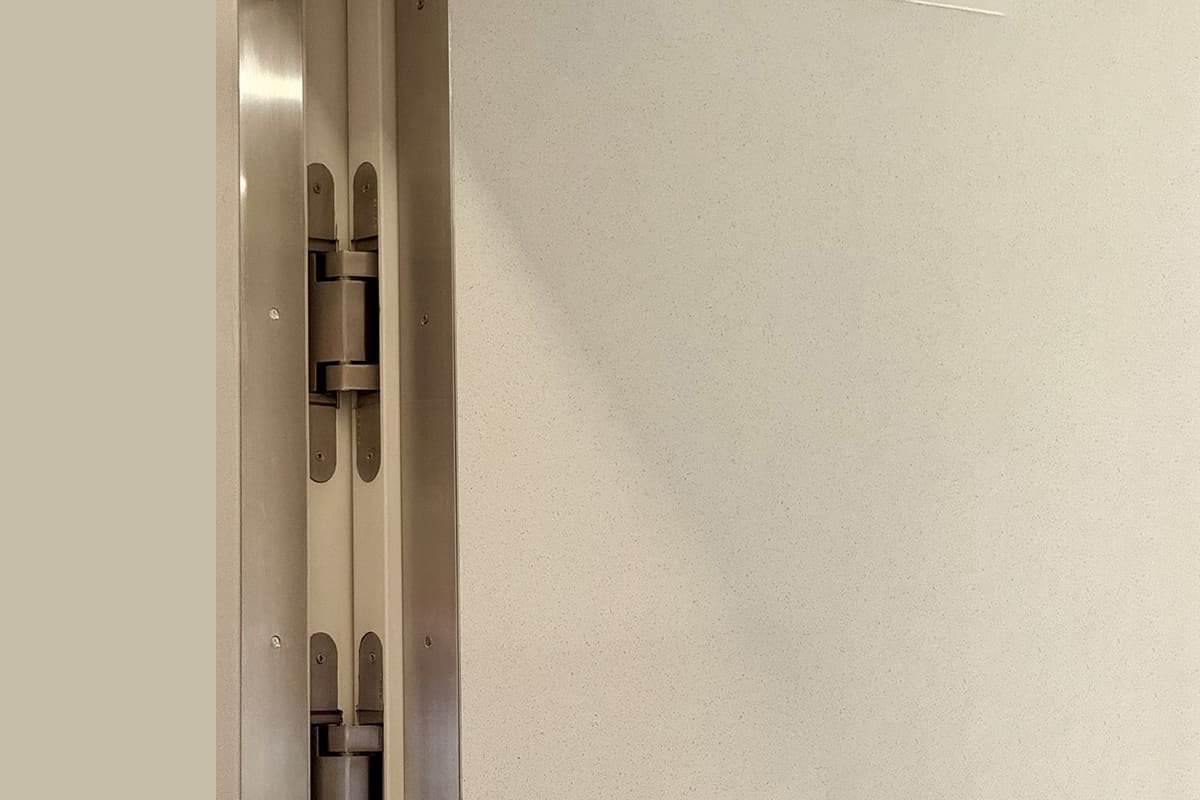
Spring hinges for wooden doors should not be specified by photo and price alone. That method may work for simple commodity items, but it is risky for return-closing hardware. The hinge must match the door structure, usage condition, and buyer’s market expectations.
Buyers should specify spring hinges by confirming door weight, width, thickness, height, frame condition, hinge quantity, opening frequency, surface finish, packaging, and expected closing behavior. They should test samples on the actual door type before approving bulk production whenever possible.
Step 1: Define the door application
The first step is to describe the door clearly. I often receive inquiries that say only “wooden door hinge with spring.” That is not enough. A supplier cannot responsibly recommend a product without the door data.
A better inquiry includes:
- Door type: solid wood, engineered wood, composite, or other
- Door size: height, width, and thickness
- Door weight: estimated or measured
- Frame type: wood, metal, or other
- Installation: new door production or replacement market
- Hinge recess: dimensions or drawing
- Number of hinges: two, three, or more
- Market: Europe, Middle East, Southeast Asia, or other
- Finish requirement: sample reference or color code
- Quantity and delivery schedule
Step 2: Define the closing expectation
This step prevents many disputes. The buyer should state what “closing” means in the target application.
For example:
| Expected behavior | Is a spring hinge likely enough? | Notes |
|---|---|---|
| Door returns toward closed position | Often possible | Confirm door resistance |
| Door closes and latches every time | Depends | Latch resistance and alignment matter |
| Door closes slowly and softly | Usually no | Door closer may be needed |
| Door closes under high traffic | Risky | Evaluate frequency and durability |
| Door resists slamming | Usually limited | Controlled closer is better |
| Door closes against seals | Depends | Spring force may not overcome seals |
I always recommend that buyers avoid promising soft closing unless the selected hardware is designed for that purpose.
Step 3: Approve samples under real conditions
A sample should not be evaluated only by hand operation. The best test is installation on the actual door or a realistic test door. This gives the buyer a better view of closing force, noise, alignment, and user feel.
Sample evaluation should include:
- Install on the intended wooden door type.
- Confirm hinge recess fit.
- Check screw position and holding.
- Open the door to normal use angles.
- Release the door and observe return.
- Check whether the door latches.
- Listen for noise or impact.
- Confirm user opening force.
- Inspect surface finish after installation.
- Record the result before bulk approval.
This process is especially important for door manufacturers. If the hinge becomes part of a standard door series, one wrong selection can affect many units.
Step 4: Lock the specification for production
After sample approval, buyers should lock the specification. In bulk door hardware sourcing, uncontrolled changes cause quality variation.
The purchase order should confirm:
- Product size
- Material
- Finish
- Screw type
- Packaging
- Logo or brand marking
- Quantity per carton
- Inspection standard
- Delivery schedule
- Approved sample reference
- Any accessories included
For ODM or brand orders, I also recommend keeping a signed sample, production drawing, and finish reference. This creates a clear standard for both the buyer and manufacturer.
Step 5: Plan after-sales communication
Spring hinges involve application conditions, so after-sales communication should be practical. If a customer reports poor closing, the first response should not be blame. The buyer and supplier should check the installation.
Useful troubleshooting questions include:
- What is the door weight and width?
- How many hinges are installed?
- Is the frame square?
- Does the door rub anywhere?
- Does the latch create high resistance?
- Is the hinge installed in the correct position?
- Was the spring tension changed during installation?
- Is the door used in a high-frequency area?
- Does the customer expect controlled closing?
This approach helps identify whether the issue is product quality, wrong specification, or installation condition.
What Problems Happen When Spring Hinges for Wooden Doors Are Misapplied?
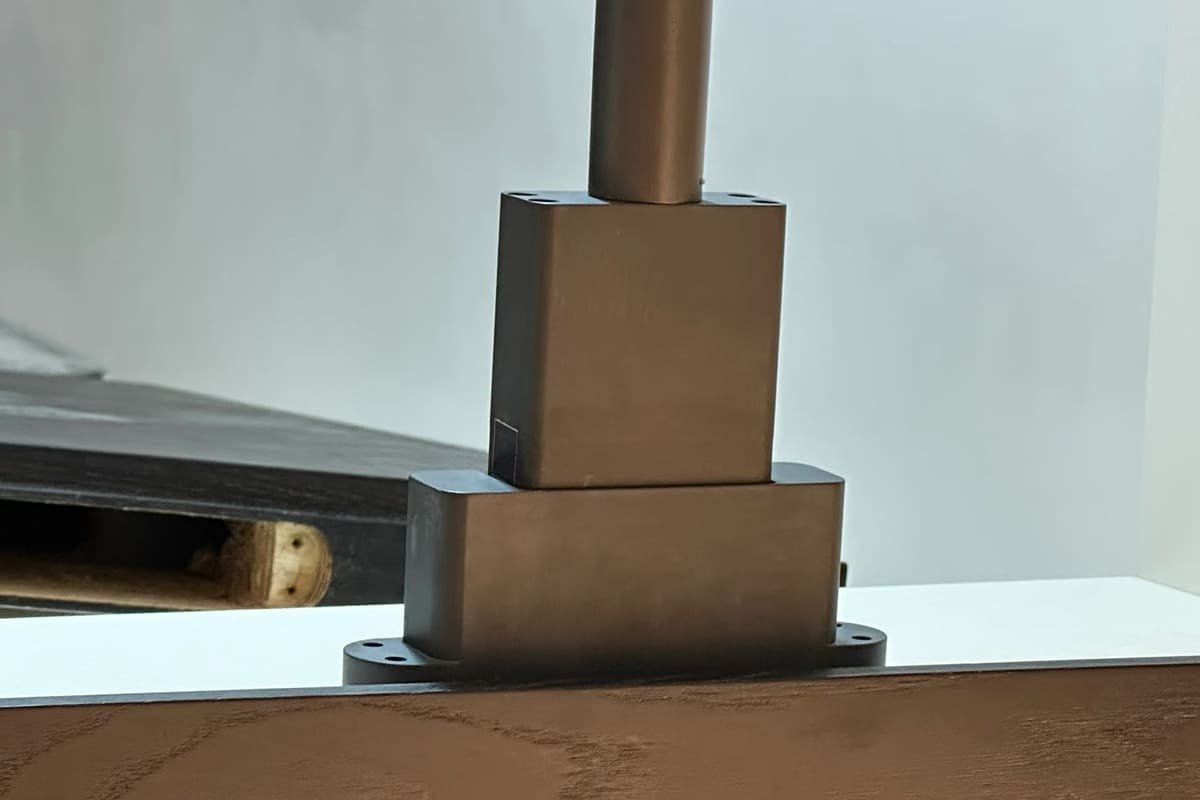
Spring hinges for wooden doors create problems when buyers expect them to perform beyond their category. The hinge may be well made, but the door system may still fail. This is why I treat application matching as part of quality control.
Misapplied spring hinges can cause weak closing, hard opening, slamming, noise, looseness, poor latching, customer complaints, and supplier disputes. These problems often come from heavy doors, wide doors, poor frame alignment, high-frequency use, or expectations that belong to door closers.
Weak closing
Weak closing is one of the most common complaints. The spring pulls the door back, but the door does not reach the fully closed position. This may happen because the door is too heavy, the frame has resistance, or the latch is not aligned.
In this case, the buyer should not immediately assume the hinge is defective. The first step is to inspect the whole door system.
Overly forceful closing
The opposite problem can also happen. If the spring force is too strong for the door, the door may close too quickly or create impact noise. Users may feel that the door is uncomfortable or unsafe.
This is why “stronger” is not always “better.” A suitable hinge should match the door and user expectation.
Conclusion
Spring hinges for wooden doors are useful return-closing hardware when the application is suitable. They combine normal hinge support with spring tension around the hinge axis, but they are not universal automatic closers and should not be sold as full door-closer replacements. I recommend buyers evaluate door weight, width, thickness, usage frequency, frame condition, hinge quantity, and closing expectations before ordering. If you are selecting hardware for a door series or bulk project, send us your door data and installation conditions so we can discuss a suitable specification.
"Hinge", https://en.wikipedia.org/wiki/Hinge. A general technical definition of self-closing or spring hinges supports that these hinges combine the pivoting function of a hinge with spring force that biases the door toward the closed position. Evidence role: definition; source type: encyclopedia. Supports: A spring hinge incorporates a spring mechanism into the hinge assembly so that the hinge can exert a closing force after opening.. Scope note: Such sources define the mechanism generally and may not address performance on specific wooden door sizes or installations. ↩
"Swing-door operator", https://en.wikipedia.org/wiki/Swing-door_operator. Technical descriptions of door closers state that they regulate a door’s closing motion, often through hydraulic or pneumatic damping, which contextualizes why a simple spring hinge does not provide the same level of speed control. Evidence role: definition; source type: encyclopedia. Supports: Door closers are designed to control the closing motion of doors, commonly using hydraulic or pneumatic mechanisms that regulate speed.. Scope note: This supports the category distinction rather than testing a specific spring hinge model against a specific door closer. ↩
"087100 – DOOR HARDWARE - Facilities and Campus Services", https://fcs.cornell.edu/087100-door-hardware. Engineering references on hinged doors explain that the torque required for door movement depends on load, geometry, and resistance at the pivot and frame, supporting the claim that heavy, wide, or poorly installed doors may exceed a spring hinge’s closing capacity. Evidence role: mechanism; source type: research. Supports: Door weight, door width, hinge geometry, and resistance at the frame affect the torque needed to move or close a hinged door.. Scope note: The source would establish the mechanical relationship but may not provide a pass-fail threshold for a particular hinge specification. ↩
"Chapter 4: Entrances, Doors, and Gates", https://www.access-board.gov/ada/guides/chapter-4-entrances-doors-and-gates/. Building-science and accessibility guidance note that pressure differentials and door seals can affect the force required to operate a door, supporting the claim that these conditions may resist spring-hinge closing. Evidence role: mechanism; source type: government. Supports: Pressure differentials and sealing systems can increase the force needed to open or close doors.. Scope note: The evidence is contextual because it addresses door-operating force broadly rather than a specific wooden-door spring hinge. ↩
"Door closer", https://en.wikipedia.org/wiki/Door_closer. Architectural-hardware standards and technical references describe door closers as devices that control closing motion and often include hydraulic speed adjustment, supporting the distinction between closers and spring hinges. Evidence role: definition; source type: institution. Supports: Door closers are hardware devices intended to control door closing, with many designs using hydraulic regulation and adjustable closing speed.. Scope note: The support applies to common door closer designs; some closer types vary in mechanism and adjustment range. ↩
"087100 – DOOR HARDWARE - Facilities and Campus Services", https://fcs.cornell.edu/087100-door-hardware. Architectural-hardware standards use cycle testing and grading to evaluate hinges and door closers under repeated operation, supporting the article’s concern that high-frequency doors require durability-appropriate hardware. Evidence role: expert_consensus; source type: institution. Supports: Door hardware standards use cycle testing and grades to evaluate durability under repeated operation.. Scope note: Standards indicate how durability is assessed but do not automatically classify every high-frequency wooden door as unsuitable for spring hinges. ↩
"Means of Egress (EXIT) Hardware Requirements", https://www.brightonny.gov/DocumentCenter/View/4580/Means-of-Egress-EXIT-Hardware-Requirements. Fire-door standards state that fire door assemblies must include suitable self-closing and latching hardware, supporting the article’s caution that fire-door applications require compatible door-control hardware rather than an assumed spring-hinge substitution. Evidence role: expert_consensus; source type: institution. Supports: Fire door assemblies are subject to standards that require approved self-closing and latching performance as part of the complete assembly.. Scope note: The source would establish regulatory context but would not determine whether any particular spring hinge is certified for a specific fire door assembly. ↩
"28.18 -- Open door to demonstration preparation area - UCSB Physics", https://web.physics.ucsb.edu/~lecturedemonstrations/Composer/Pages/28.18.html. Introductory mechanics sources define torque as the product of force and moment arm, which supports the statement that increasing a door’s width increases leverage about the hinge axis. Evidence role: mechanism; source type: education. Supports: Torque increases with the length of the moment arm, so a wider door can create greater leverage around the hinge axis.. Scope note: This is general mechanical support and does not by itself quantify the closing performance of a specific spring hinge. ↩
"8+ Easy Steps: How to Install Bifold Doors Fast!", https://bigblue.atlantisuniversity.edu/how-to-install-bifold-doors/. Building-maintenance references identify out-of-square frames and misaligned hinge installation as common causes of door binding, supporting the article’s explanation that installation condition can interfere with spring-hinge closing. Evidence role: general_support; source type: education. Supports: Door binding can result from misaligned frames, improper hinge placement, or uneven hinge recesses.. Scope note: Such references usually discuss door operation generally, not spring hinges exclusively. ↩
"A156.1 - 2025 Butts and Hinges", https://buildershardware.com/ANSI-BHMA-Standards/Hardware-Highlights/A1561-2025-Butts-and-Hinges. Architectural-hardware standards for hinges address dimensional, material, and performance requirements, supporting the article’s use of structural and assembly characteristics as quality-inspection criteria. Evidence role: general_support; source type: institution. Supports: Hinge standards and hardware specifications evaluate dimensions, materials, durability, and functional performance, supporting the relevance of structural inspection points.. Scope note: A standard may not list every purchasing checkpoint in the same wording or address finish consistency for private-label bulk orders. ↩
"6.2.1. What is Acceptance Sampling?", https://www.itl.nist.gov/div898/handbook/pmc/section2/pmc21.htm. Acceptance-sampling standards and statistical quality-control references explain that lot quality is evaluated through defined sampling plans rather than a single specimen, supporting the article’s warning that one sample does not prove bulk consistency. Evidence role: expert_consensus; source type: institution. Supports: Quality-control systems use sampling plans and lot inspection because individual samples may not represent batch variability.. Scope note: This supports the quality-control principle generally and does not establish the actual variability of any particular spring-hinge supplier. ↩