Do All Doors Require Panic Hardware? What You Need to Know About Safety and Compliance
Panic hardware is often misunderstood during door schedule reviews, and that confusion can lead to rejected submittals, delayed inspections, or unsafe escape routes. I have seen buyers choose a device too late in the project. The safer approach is to judge each door by its egress role, occupancy profile, and applicable standard.
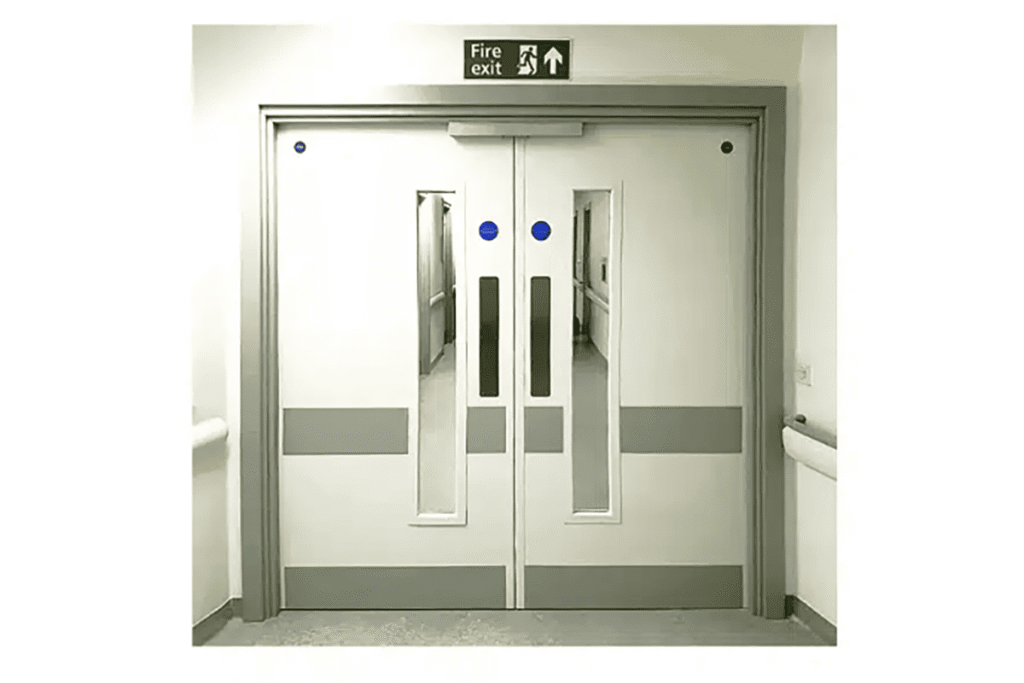
Not all doors require panic hardware.1 A door usually needs it only when it is part of a designated escape route or exit, opens in the direction of egress2, and serves an occupancy where immediate, no-skill evacuation3 is required. Public or high-density areas often require EN 1125 devices, while controlled areas may allow EN 179 devices if accepted locally.4
I write this from a factory-side R&D and certification perspective, not as a code official. I have worked with EN 1125, EN 179, and UL 305 type-testing evidence, but final interpretation always belongs to the local AHJ, adopted code, and project fire consultant.
When Does Panic Hardware Become Required on a Door?
Door teams often start with the hardware product, but I prefer to start with the door’s job. If the door is misclassified, the wrong device follows. That creates a real risk during procurement, installation, and final acceptance, especially on projects with public occupancy or fire-rated escape routes.
A door generally requires panic hardware when it is a designated exit or part of an escape route, opens in the egress direction, and serves users who may need fast evacuation without training. If the door is not on an escape route, panic hardware is usually not triggered, but local AHJ confirmation is still necessary.

I use a three-question decision framework
When I review a door schedule with customers, I usually ask three questions before discussing finishes, brands, or prices:
Is this door part of the escape route?
I check whether the door is a designated exit, fire exit, corridor exit, stair exit, or connection from an interior escape path to the outside.Does the door open in the egress direction?
I verify the swing direction against the escape route drawing. This detail matters because panic and emergency exit devices are intended for escape movement.Who will use the door during an emergency?
I ask whether the users are the general public, unfamiliar visitors, students, shoppers, cinema audiences, factory workers, trained staff, or controlled-access employees.
This framework is practical because panic hardware is not selected only by door location. It is selected by function plus user behavior under stress5.
Technical guidance only: I treat this framework as a procurement and specification tool. I do not treat it as legal approval. The adopted local code and AHJ decision must control the final requirement.
Why “door type” alone is not enough
Many buyers ask, “Is it an exterior door?” That question is useful, but it is not enough. An exterior door can be a main entrance, a service door, a maintenance access door, or a designated emergency exit. These are not the same.
For example:
| Door scenario | Panic hardware likely? | Reason to verify |
|---|---|---|
| Emergency exit from cinema hall | Yes | Public users and crowd pressure may require instant egress |
| Staff-only storage room door | Usually no | It may not be part of the required escape route |
| Exterior maintenance door | Usually no | Exterior status alone does not trigger panic hardware |
| Public corridor door on escape route | Often yes | It may serve multiple occupants during evacuation |
| Controlled office exit for trained staff | Maybe EN 179 | Local rules may permit emergency exit hardware |
In my lab and submittal work, I have seen one common mistake: a buyer chooses a lever-type emergency exit device because it looks cleaner, but the project actually requires a horizontal panic bar6. That mismatch can become an acceptance problem. It also creates a safety concern because crowded users may not identify or operate the device quickly enough.
Procurement implication for door manufacturers
For door factories and system suppliers, the decision should be made before production drawings are frozen. The device affects:
- Door leaf preparation
- Lock case or latch selection
- Strike location
- Double-leaf coordination
- Fire-rated assembly evidence
- Finish and branding
- Packaging and installation instructions
At SDH Hardware, I prefer to discuss these points early because late changes increase both cost and risk. A panic exit device cannot be treated like a decorative handle. It is part of an evaluated egress system, and the hardware schedule should show that clearly.
Which Doors Usually Need Panic Hardware in Real Projects?
Project teams often under-specify panic hardware on doors that look ordinary on the drawing. The problem appears later, when the inspector asks how occupants can escape without keys, knobs, or special knowledge. I have seen this issue most often in public interiors and mixed-use buildings.
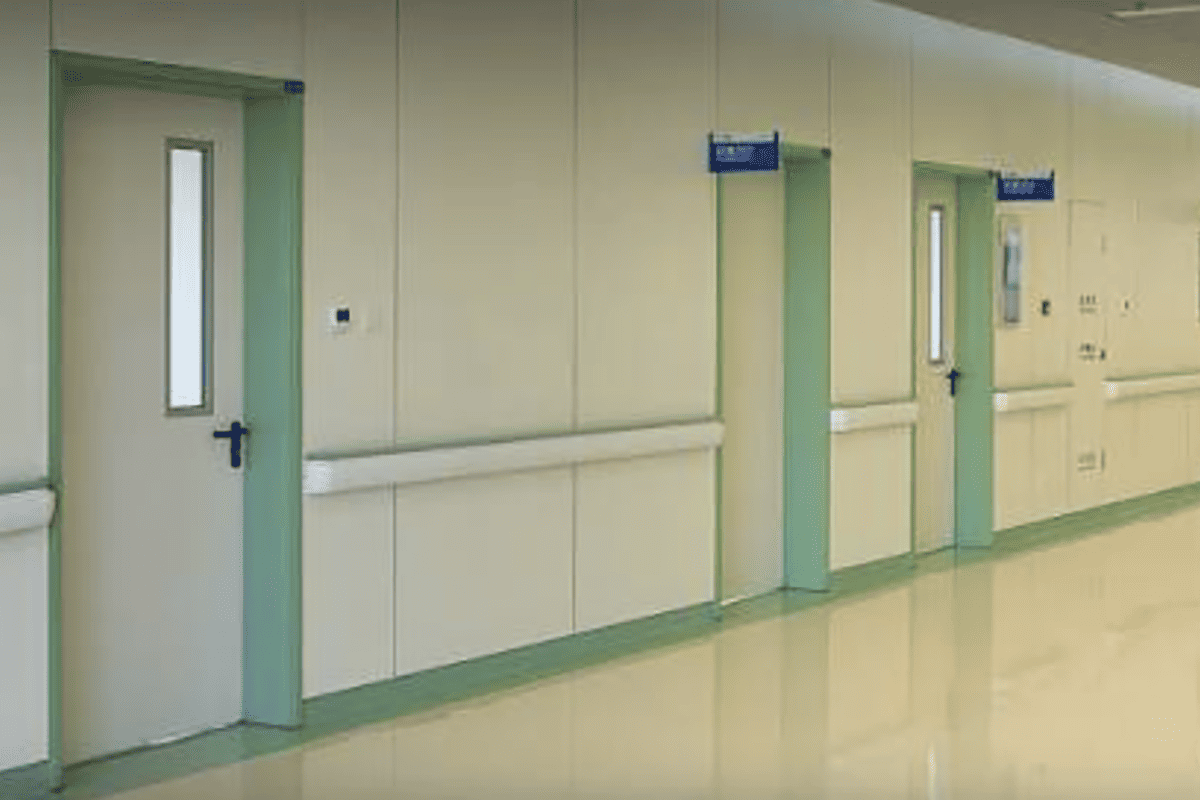
Panic hardware is commonly expected on emergency exits, fire exits, public corridor exits, and doors that connect indoor escape routes to outdoor safe areas. It is especially common in high-occupancy buildings such as schools, gyms, cinemas, shopping malls, stadiums, and transport facilities7.
Common project locations
In technical door reviews, I usually flag the following locations for closer review:
- Final exit doors
- Fire exit doors
- Stairwell exit doors
- Public corridor doors
- Assembly hall exits
- School and training center exits
- Mall and retail escape route doors
- Cinema and theater exit doors
- Gymnasium and sports facility exits
- Stadium concourse doors
- Doors serving unfamiliar visitors
These doors share one condition: users may need to escape immediately, and many users may not know the building layout.
Why public occupancy changes the hardware decision
EN 1125 is intended for situations where a panic condition may occur.8 In plain language, I interpret that as a scenario where users may be unfamiliar with the exit device, may be moving as a crowd, and may apply pressure to the door before consciously reading instructions.
That is why EN 1125 devices are operated by a horizontal bar across the door leaf. The device must support instinctive operation. A person should be able to push the bar and open the door without using a key, rotating a knob, or understanding a sequence.
This is different from routine access control. A shopping mall back exit, for example, might be locked from the outside for security. However, if it is part of the escape route, people inside must still be able to leave in an emergency.
Typical expectations by occupancy
The exact threshold varies by country, adopted code, building use, and AHJ interpretation. I avoid giving fixed numeric limits unless the project code states them clearly. However, the risk pattern is consistent.
| Occupancy or area | Typical user profile | Common device direction |
|---|---|---|
| Cinema, theater, auditorium | Public, unfamiliar, crowd risk | EN 1125 panic exit device |
| School, university, training center | Mixed users, students, visitors | EN 1125 often expected |
| Mall, supermarket, retail complex | Public, high movement | EN 1125 often expected |
| Stadium, sports venue, gym | Public, crowd movement | EN 1125 often expected |
| Factory staff-only area | Known users, trained staff | EN 179 may be acceptable |
| Office controlled staff area | Known users | EN 179 may be acceptable |
| Service or plant room | Limited trained users | Often no panic hardware, verify route role |
What I learned from acceptance feedback
In anonymized AHJ feedback I have reviewed, acceptance problems usually did not come from the metal quality of the device. They came from wrong application. The inspector asked questions like:
- Is this door on the approved escape route?
- Does the door swing with egress?
- Does the device marking match the required standard?
- Is the device type appropriate for public users?
- Does the double-leaf door open in the correct sequence?
- Are bolts, strikes, and coordinators installed as tested?
These questions are practical. They help buyers avoid treating panic hardware as a simple commodity. The correct device must match the door, occupancy, and documentation path.
For B2B buyers, I recommend asking suppliers for more than a product photo. Ask for the applicable certificate, marking information, test scope, installation instructions, and confirmation that the device type suits the intended door. At SDH Hardware, this is where factory-side support can reduce procurement uncertainty, especially for ODM/OEM door hardware packages.
When Is Panic Hardware Usually Not Required?
Some projects over-specify panic hardware because the team wants to “play safe.” I understand the instinct, but unnecessary devices can increase cost, complicate installation, and create mismatched certification documents. A better approach is to verify the escape-route role before selecting the device.
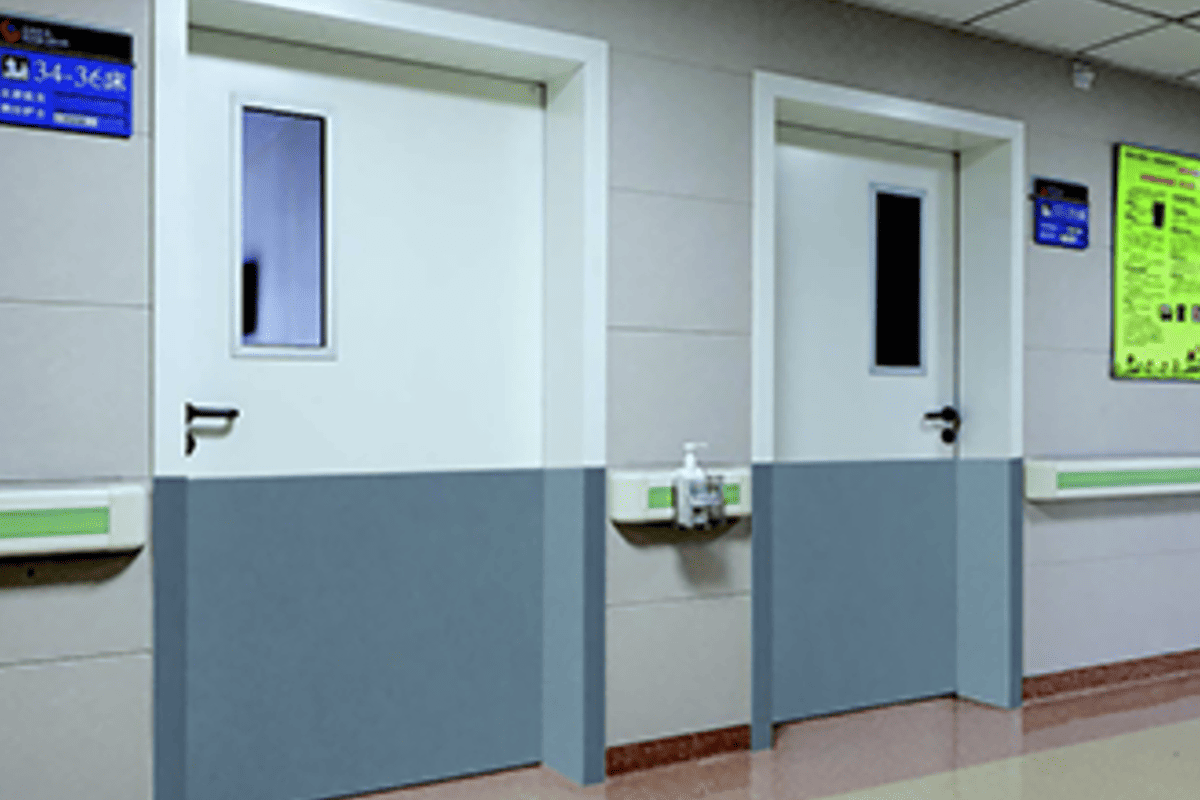
Panic hardware is usually not required on doors that are not designated exits, not part of the required escape route, or serve limited trained users in controlled areas. Examples may include private offices, storage rooms, equipment rooms, or maintenance doors, but each project still needs local code and AHJ verification.
The biggest myth: “all exterior doors need panic bars”
I hear this question often from procurement teams: “The door opens outside, so it needs a panic bar, right?” My answer is always cautious: not necessarily.
An exterior door can have many roles. It may be:
- A public final exit
- A staff-only exit
- A loading dock door
- A mechanical room door
- A roof access door
- A maintenance door
- A secondary entrance
- A door used only by trained personnel
The exterior location alone does not decide the hardware. The correct question is: Is this exterior door part of the required escape route for the relevant occupancy?
Cases where emergency exit hardware may be enough
EN 179 applies to emergency exit devices used where a panic situation is unlikely.9 This usually means users are familiar with the building and trained in the exit operation. These devices may use a lever handle or push pad rather than a horizontal panic bar.
A staff-only workshop exit may be a good example. Workers know the route. The area is controlled. The occupancy may not create public crowd pressure. In that case, the AHJ may accept EN 179 hardware instead of EN 1125 panic hardware. However, the project team must verify this with the adopted code.
Cases where no exit device may be required
Some doors may not need EN 1125 or EN 179 hardware at all. These can include doors that do not form part of an escape path or doors used for access to non-occupied spaces. Examples may include:
| Door type | Why panic hardware may not apply | What I still verify |
|---|---|---|
| Small storage room | Not a designated exit | Occupancy and locking rules |
| Mechanical room | Limited trained access | Fire rating and egress role |
| Private office door | Low occupant load, known users | Escape path from room |
| Non-egress service door | Not on exit route | Security and access control |
| Internal closet door | No escape function | Life-safety drawing notes |
Why over-specification can create problems
Over-specifying panic hardware may look harmless, but it can cause real project issues:
Cost increases
Panic exit devices usually cost more than standard locksets or emergency exit devices.Door preparation changes
The door leaf may need different reinforcement, fixing points, and cutouts.Fire-rated evidence may not align
A fire-rated door assembly should use hardware consistent with the tested or assessed configuration.10Aesthetic conflicts may appear
Architects may object when a panic bar appears on a door that did not need one.Maintenance complexity increases
More complex exit devices need inspection, adjustment, and spare parts planning.
I have seen hardware schedules that used panic bars on nearly every exterior door. That did not make the project easier. It created questions about certification scope and exposed inconsistency between the fire strategy and the hardware schedule.
My practical advice is simple: do not delete panic hardware to save money, and do not add it blindly to feel safer. Use the escape-route drawing, occupancy profile, and AHJ position to make a defensible decision.
How Should I Choose Between EN 1125 Panic Hardware and EN 179?
The choice between EN 1125 and EN 179 is not a style preference. I have seen this confusion cause real submittal rejection. A lever device may be certified, but it can still be wrong if the door requires a panic exit device for public or crowd evacuation.
EN 1125 panic hardware is used where panic conditions may occur and operation must be by a horizontal bar. EN 179 emergency exit hardware is used where users are familiar with the exit and panic is unlikely. These standards are not interchangeable, and the local AHJ should confirm the correct route.
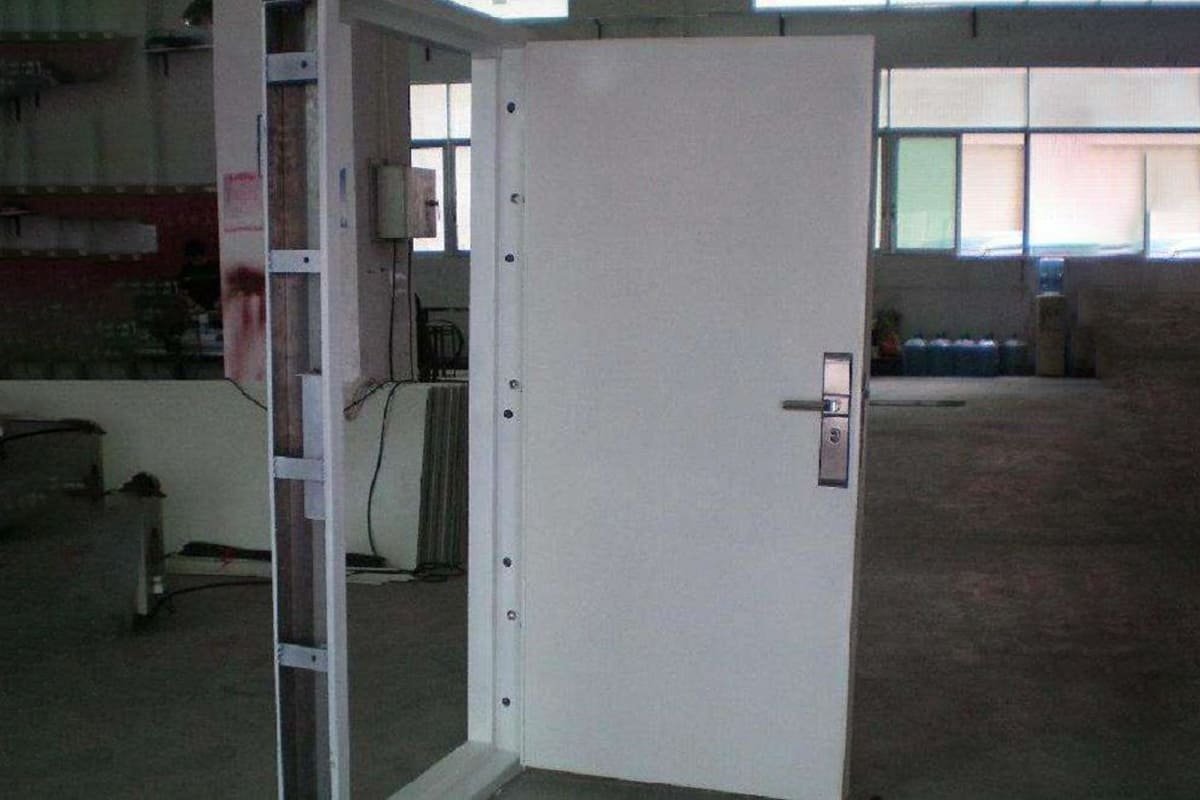
EN 1125 in practical terms
EN 1125 covers panic exit devices operated by a horizontal bar. The intent is fast, intuitive escape by people who may not be trained or calm. In my experience, this is the safer standard to review when the door serves:
- Public assembly areas
- Retail traffic
- Entertainment venues
- Schools and training spaces
- Transport or stadium flows
- Mixed public users
- Unfamiliar occupants
The user should not need to understand the hardware. The body or hand pressure on the bar should release the latch.
EN 179 in practical terms
EN 179 covers emergency exit devices where users are expected to be familiar with the building and hardware operation. The device may use a lever handle or push pad. It is not intended as a substitute for panic hardware in crowd conditions.
Typical applications may include:
- Staff-only offices
- Controlled factory areas
- Back-of-house rooms
- Restricted technical spaces
- Areas with trained occupants
This is why I always warn buyers not to compare EN 1125 and EN 179 only by price. They serve different risk assumptions.
EN 1125 vs EN 179 comparison table
| Evaluation point | EN 1125 | EN 179 |
|---|---|---|
| Common name | Panic exit device | Emergency exit device |
| Typical operation | Horizontal push/touch bar | Lever handle or push pad |
| User assumption | Public, unfamiliar, possible panic | Known, trained, controlled users |
| Typical spaces | Cinemas, malls, schools, stadiums | Offices, staff areas, service zones |
| Crowd suitability | Designed for panic situations | Not intended for panic crowd conditions |
| Procurement risk | Wrong model or installation scope | Misapplied where EN 1125 is required |
| AHJ focus | Correct panic device and markings | Suitability for trained-user area |
Why UL 305 should not be mixed into the EN route
UL 305 is a different testing and certification pathway commonly associated with panic hardware in markets using UL-based systems.11 It is not the same as EN 1125 or EN 179. I have worked around UL 305 type-test discussions, and I treat it as a separate compliance family.
A project should not mix documents loosely, such as using a UL 305 reference to justify an EN 1125 requirement unless the AHJ and project specification allow that route. The hardware may be high quality, but certification recognition depends on the adopted code and approved standard pathway.
A simple selection rule I use
I usually apply this practical rule during early procurement:
Public or unfamiliar users on an escape route?
Start with EN 1125 panic hardware.Known and trained users in a controlled area?
Review EN 179 emergency exit hardware.Not an escape route or designated exit?
Panic hardware may not be required, but verify locking and fire rules.Different certification system specified?
Follow the project specification and AHJ path. Do not blend EN and UL evidence casually.
This approach helps door manufacturers, wholesalers, and contractors avoid late-stage redesign. It also helps suppliers prepare the right test documents and installation notes before shipment.
What Evidence Will AHJs Check Before Accepting Panic Hardware?
A good product is not enough if the evidence package is weak. I have seen acceptance questions focus less on sales brochures and more on markings, certificates, installation consistency, and door assembly details. That is why I treat documentation as part of the hardware supply.
AHJs commonly check whether the panic hardware type matches the occupancy, whether the device is marked to the correct standard, whether the door swings in the egress direction, and whether installation follows the tested assembly. Double-leaf doors may also need correct sequencing, coordinators, bolts, or matching tested components.12
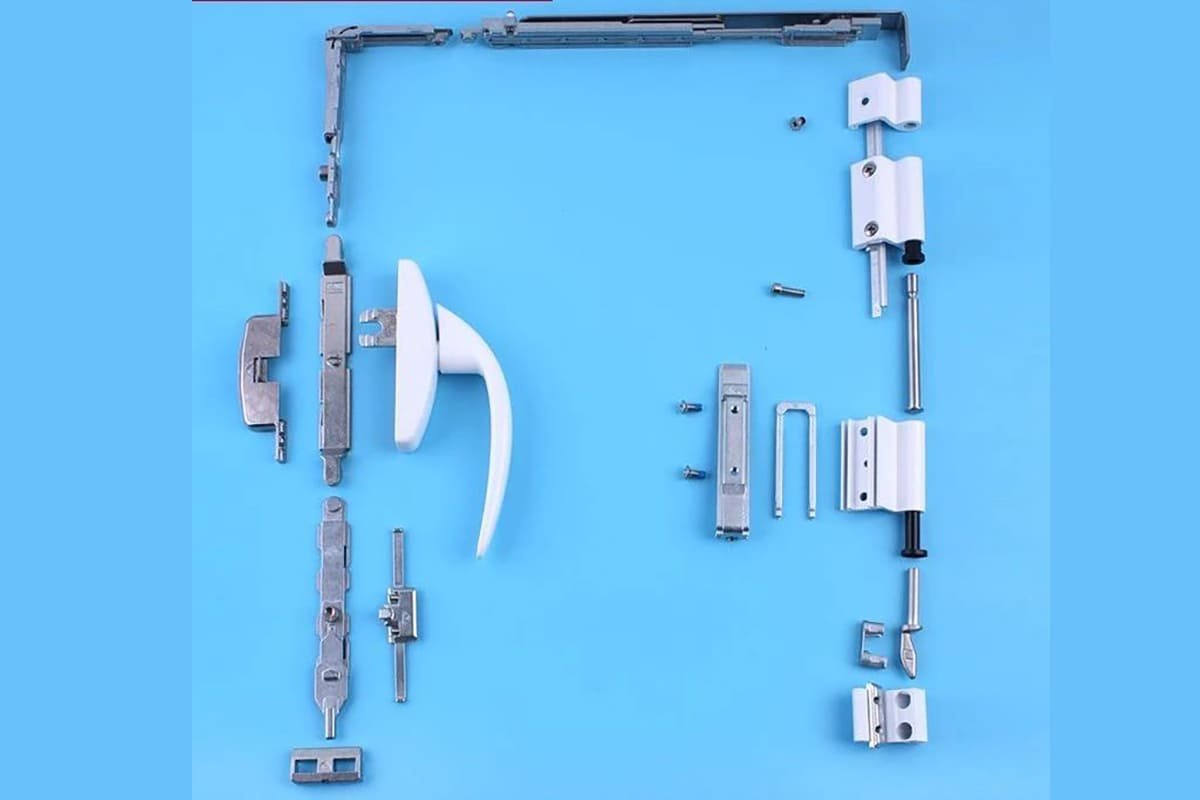
Evidence buyers should request from suppliers
For technical B2B procurement, I recommend asking for a clear evidence set before confirming mass production or shipment:
- Certificate or test report summary for EN 1125, EN 179, or the specified system
- Product marking details showing standard reference and classification where applicable
- Installation instructions matching the tested configuration
- Door type compatibility information
- Fire-rated application evidence if the door is fire-rated
- Double-leaf door application notes if used on pairs of doors
- Strike, latch, and locking point details
- Surface finish and corrosion suitability
- Maintenance and inspection guidance
- Project-specific deviation list, if any
At SDH Hardware, I prefer to review these items with customers before final packing. A missing document can create the same delay as a missing component.
What inspectors often notice first
During acceptance, inspectors and consultants often look at visible and functional details:
| Inspection item | Common issue | Buyer action |
|---|---|---|
| Standard marking | Device marked EN 179 but door needs EN 1125 | Confirm standard before ordering |
| Operation type | Lever used where panic bar expected | Match occupancy risk |
| Door swing | Door does not swing with egress route | Check drawings early |
| Installation height | Device installed outside allowed range | Follow manufacturer instructions |
| Double-leaf sequence | Inactive leaf blocks active leaf or wrong sequence | Use coordinators or approved devices |
| Fire-rated door | Hardware not covered by evidence | Confirm assembly compatibility |
| External locking | Outside security blocks inside escape | Ensure free egress from inside |
Double-leaf doors need special attention
Pairs of doors create more acceptance risk than single-leaf doors. I have seen projects fail because each leaf had a device, but the leaves did not open correctly together. On rebated double doors, the inactive leaf and active leaf may need coordinated operation. Some applications also require vertical rods, flush bolts, or sequence devices.
The key question is not only, “Does each device have a certificate?” The better question is, “Has this device been evaluated or accepted for this double-leaf configuration?”
Fire-rated escape doors need aligned documentation
Many panic hardware applications appear on fire-rated doors. That adds another layer of review. The exit device must support escape, but the door assembly must also maintain its fire performance as required by the project.
For procurement teams, this means the hardware package should be checked against:
- Door leaf construction
- Frame type
- Fire rating duration
- Latch engagement
- Strike preparation
- Door closer compatibility
- Coordinator requirements
- Intumescent or seal interactions
- Test or assessment documentation
I do not recommend guessing here. Fire-rated door hardware should be reviewed by qualified professionals, the door manufacturer, and the relevant AHJ or certification body.
Factory quality control still matters
Even when the standard selection is correct, quality control affects project reliability. For panic hardware, buyers should verify that the factory controls:
- Raw material consistency
- Spring and latch durability
- Bar operation force
- Finish adhesion and corrosion resistance
- Dimensional tolerance
- Screw and accessory completeness
- Batch inspection records
- Packaging protection for export
As a manufacturer, we use internal inspection and testing machines to reduce variation before shipment. However, I still tell buyers to verify certificates and project suitability independently. Certification documents show a tested or evaluated condition. The installed door must still match the intended use.
Frequently Asked Questions
Do all exterior doors require panic hardware?
No. An exterior door does not automatically require panic hardware. The requirement depends on whether the door is a designated exit or part of an escape route, who uses it, and what the local code and AHJ require. A maintenance exterior door may be treated differently from a public final exit.
Is EN 1125 the same as EN 179?
No. EN 1125 and EN 179 are not interchangeable. EN 1125 applies to panic exit devices for public or crowd-risk situations, usually with a horizontal bar. EN 179 applies to emergency exit devices for trained or familiar users, usually with a lever handle or push pad.
Can I use EN 179 hardware instead of panic hardware to reduce cost?
You should not substitute EN 179 for panic hardware if the door requires EN 1125. Cost is not the deciding factor. The deciding factors are escape-route role, occupancy profile, user familiarity, and AHJ acceptance. Misapplication can lead to rejection during inspection.
What documents should I request before ordering panic hardware?
You should request the relevant certificate or test evidence, product marking details, installation instructions, fire-rated application evidence if needed, and confirmation that the device suits the door configuration. For double-leaf doors, you should also verify coordination, sequencing, and tested assembly details.
Who makes the final decision on whether panic hardware is required?
The final decision belongs to the local AHJ, adopted building code, fire consultant, and project authority. I can provide technical guidance from a manufacturing and certification perspective, but I cannot replace local legal interpretation or project-specific professional review.
Conclusion
Panic hardware is not required on every door. I recommend starting with the door’s escape-route role, then reviewing occupancy, user familiarity, door swing, and the required standard. Public or crowd-risk doors often point toward EN 1125, while controlled trained-user areas may allow EN 179. If you are sourcing architectural door hardware for a project, contact SDH Hardware for factory-direct support, documentation review, and suitable OEM/ODM hardware options.
"1010.2.9 Panic and Fire Exit Hardware - UpCodes", https://up.codes/s/panic-and-fire-exit-hardware. Model building and life-safety codes such as the IBC and NFPA 101 specify panic hardware for defined occupancies, occupant-load thresholds, and egress conditions, supporting the point that panic hardware is not universally required on all doors. Evidence role: general_support; source type: institution. Supports: Panic hardware requirements are generally triggered by specific occupancy and egress criteria, not by the mere existence of a door.. Scope note: Model codes must be adopted or amended locally before they control a specific project. ↩
"1910.36 - Design and construction requirements for exit ...", http://www.osha.gov/laws-regs/regulations/standardnumber/1910/1910.36:F1910.36. OSHA egress regulations and model building codes require certain exit-route doors to swing in the direction of exit travel, supporting the article’s treatment of door swing as a compliance factor. Evidence role: general_support; source type: government. Supports: Egress-door swing direction is regulated in safety codes and may be required for certain exit-route conditions.. Scope note: The exact trigger depends on the applicable jurisdiction, occupancy, and occupant-load rules. ↩
"1910.36 - Design and construction requirements for exit ...", http://www.osha.gov/laws-regs/regulations/standardnumber/1910/1910.36:F1910.36. Egress regulations commonly require exit doors to be readily openable from the inside without keys, tools, or special knowledge, supporting the article’s description of no-skill evacuation. Evidence role: definition; source type: government. Supports: Egress doors are generally required to be openable from the egress side without keys, tools, or special knowledge.. Scope note: This supports the general egress principle, while detailed exceptions and locking allowances vary by adopted code. ↩
"What Kind of Door Hardware for Fire Rated Doors Is Suitable ...", https://sdhhardware.com/2026/08/10/what-kind-of-door-hardware-for-fire-rated-doors-is-suitable/. Standards-body descriptions of EN 1125 and EN 179 distinguish panic-exit devices for situations where panic may occur from emergency-exit devices for places where users are familiar with the exit and its operation. Evidence role: definition; source type: institution. Supports: EN 1125 and EN 179 address different exit-device use cases based on panic risk and user familiarity.. Scope note: The standards define device types and assumptions; local law or the AHJ determines when each standard is mandatory on a project. ↩
"Exit choice during evacuation is influenced by both the size ...", https://pmc.ncbi.nlm.nih.gov/articles/PMC8319842/. Evacuation and human-factors research shows that occupant familiarity, stress, crowding, and the simplicity of exit operation can affect egress performance, providing contextual support for considering user behavior when selecting exit hardware. Evidence role: mechanism; source type: research. Supports: Human behavior, familiarity, stress, and crowd conditions affect emergency egress performance and therefore influence hardware selection.. Scope note: Research on evacuation behavior supports the mechanism generally, but it may not prescribe a specific EN 1125 or EN 179 device for a particular door. ↩
"What Type of Fire Exit Hardware Do We Use on Fire Exits? - SDH ...", https://sdhhardware.com/2026/08/07/what-type-of-fire-exit-hardware-do-we-use-on-fire-exits/. Descriptions of EN 1125 identify panic-exit devices operated by a horizontal bar, whereas EN 179 covers emergency-exit devices such as lever-handle or push-pad types, supporting the article’s distinction between the two hardware forms. Evidence role: definition; source type: institution. Supports: EN 1125 panic exit devices are operated by a horizontal bar, while EN 179 devices may use lever handles or push pads.. Scope note: The source supports the standards distinction, not the compliance outcome for any individual project. ↩
"Decoded: Which doors need panic hardware?", https://idighardware.com/2026/01/decoded-which-doors-need-panic-hardware/. Model codes commonly address panic hardware in assembly and educational occupancies and at specified occupant-load thresholds, supporting the article’s identification of schools, theaters, gyms, stadiums, and similar high-occupancy venues as locations needing closer review. Evidence role: general_support; source type: institution. Supports: Assembly and educational occupancies are common code contexts for panic-hardware requirements.. Scope note: The listed examples are contextual; exact requirements differ by code edition, occupancy classification, occupant load, and local adoption. ↩
"What Type of Fire Exit Hardware Do We Use on Fire Exits? - SDH ...", https://sdhhardware.com/2026/08/07/what-type-of-fire-exit-hardware-do-we-use-on-fire-exits/. Standards descriptions of EN 1125 define it as covering panic-exit devices for emergency exits where panic situations may occur, directly supporting the article’s statement about the standard’s intended use. Evidence role: definition; source type: institution. Supports: EN 1125 is the European standard for panic exit devices intended for use where panic situations may arise.. ↩
"The Essential Guide to CE Door Hardware: Safety, Compliance, and ...", https://sdhhardware.com/2025/02/13/the-essential-guide-to-ce-door-hardware-safety-compliance-and-innovation-in-the-door-solutions-industry/. Standards descriptions of EN 179 state that it applies to emergency-exit devices for situations in which occupants are familiar with the exit and a panic situation is unlikely, directly supporting the article’s explanation of EN 179. Evidence role: definition; source type: institution. Supports: EN 179 covers emergency-exit devices for settings where occupants are familiar with the exit and panic is not expected.. ↩
"What Are the Fire Door Hinge Placement ... - SDH hardware", https://sdhhardware.com/2026/08/13/what-are-the-fire-door-hinge-placement-requirements-for-commercial-buildings/. Fire-door standards such as NFPA 80 require fire-door assemblies and their hardware to be maintained and installed in accordance with their listings and applicable instructions, supporting the article’s statement that fire-rated assemblies should use hardware consistent with the tested configuration. Evidence role: general_support; source type: institution. Supports: Fire-door hardware must be compatible with the tested or listed fire-door assembly and installed according to the applicable listing or standard.. Scope note: Specific accepted configurations depend on the door, frame, hardware listing, test evidence, and local authority review. ↩
"Commercial Panic Door Hardware Parts: How Should Buyers Select ...", https://sdhhardware.com/2026/08/11/commercial-panic-door-hardware-parts-how-should-buyers-select-the-right-system/. UL 305 is identified as a standard for panic hardware, supporting the article’s distinction between UL-based panic-hardware certification and the European EN 1125 and EN 179 standards. Evidence role: definition; source type: institution. Supports: UL 305 is a standard addressing panic hardware under a UL-based certification framework, separate from European EN standards.. Scope note: The source establishes the standard’s scope, but recognition on a project depends on the adopted code, specification, and AHJ acceptance. ↩
"What Type of Fire Exit Hardware Do We Use on Fire Exits? - SDH ...", https://sdhhardware.com/2026/08/07/what-type-of-fire-exit-hardware-do-we-use-on-fire-exits/. Fire-door standards and inspection guidance address latching, coordinators, and hardware compatibility for pairs of doors, supporting the article’s statement that double-leaf applications may require sequencing devices, bolts, or matching tested components. Evidence role: general_support; source type: institution. Supports: Double-leaf fire or egress doors may require coordinated operation and hardware compatible with the listed assembly.. Scope note: The need for any specific component depends on the door construction, leaf arrangement, fire rating, hardware listing, and local approval. ↩