Customized Door Hinges: A Complete Guide for Industrial Door Manufacturers
Customized door hinges can look simple on a drawing, but they become expensive when the door application, load direction, material behavior, and mold feasibility are not confirmed early. I have seen projects slow down after tooling because one practical detail was missed. The safer solution is a staged validation process before mass production.
Customized door hinges for industrial door manufacturers should be developed through application confirmation, mechanical review, prototype sampling, DFM analysis, mold trial, testing, pilot production, and controlled mass production. A drawing alone is not enough. Buyers should verify whether the supplier can turn the door scenario into a manufacturable, testable, and repeatable hinge solution.
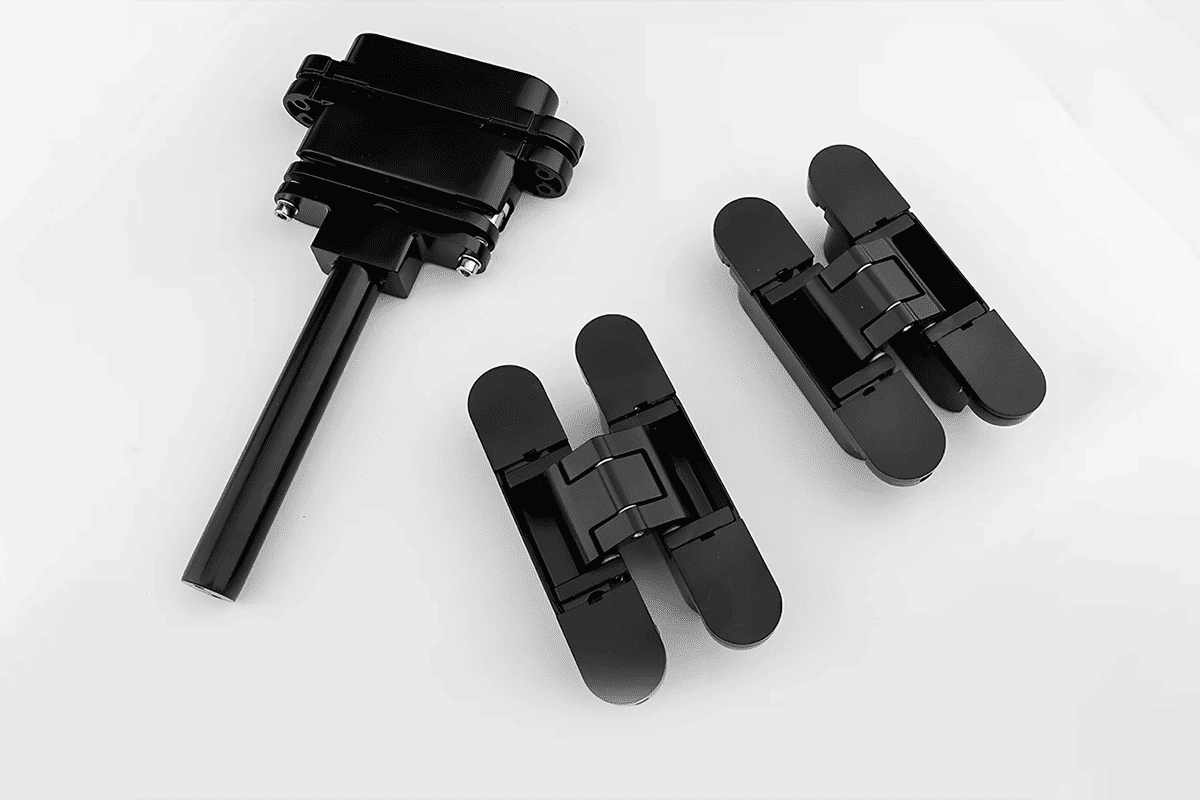
The best hinge project does not start with a catalog page. It starts with the door itself. In this guide, I will explain how I approach customized hinge development from the factory side, especially when a new mold, sample validation, and batch production control are involved.
Why Should Customized Door Hinges Start With Door Application Confirmation?
Many buyers begin customized door hinges projects by sending a drawing or asking for a similar model. That feels efficient, but it can create hidden risk. If the supplier does not understand the real door condition, the quotation, prototype, and tooling plan may all be based on incomplete assumptions.
Customized door hinges should start with application confirmation because hinge design depends on door thickness, height, width, weight, material, center of gravity, opening frequency, installation environment, and usage condition1. A supplier must understand whether the door is residential, commercial, or industrial before judging structure, material, and mold feasibility.
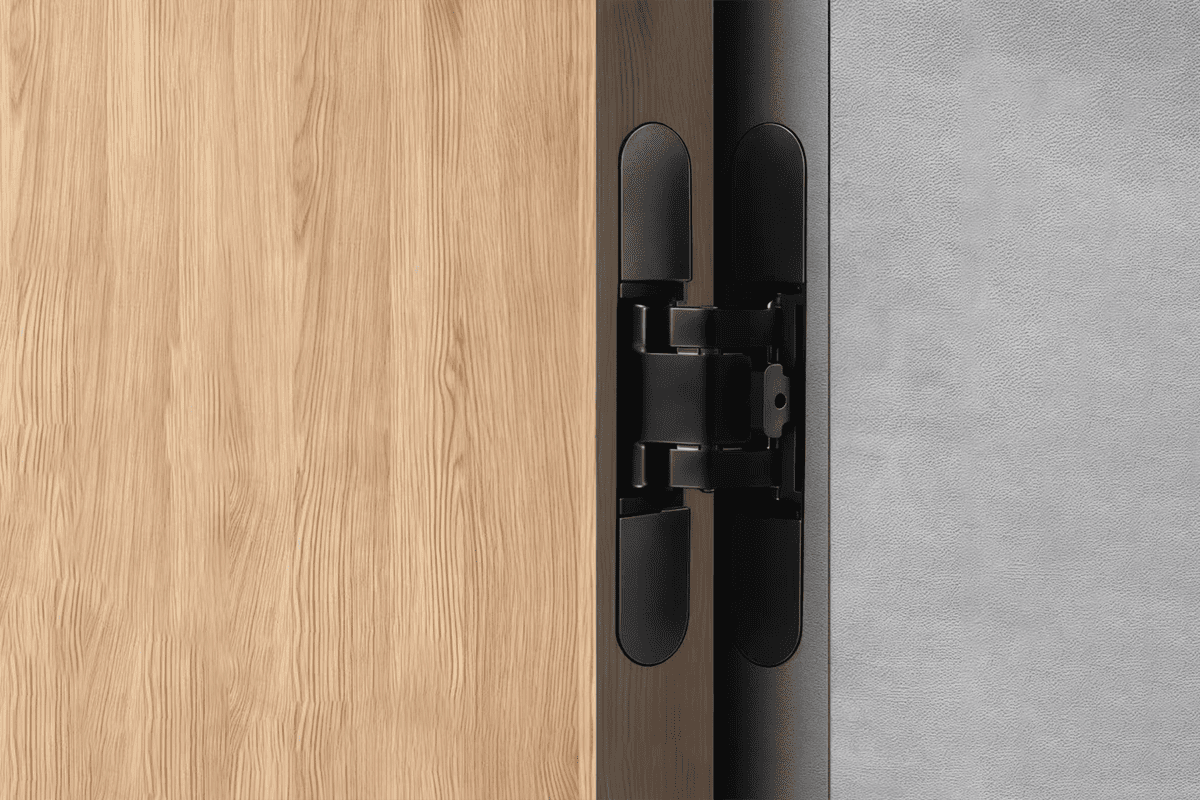
The door application decides the hinge strategy
In my factory-side experience, the first useful conversation is rarely about the hinge itself. It is about the door. A hinge for a light interior door and a hinge for a heavy industrial access panel may look similar in photos, but the engineering questions are very different.
Before I discuss mold opening for customized door hinges, I usually want to clarify these points:
- Door thickness: for example, 35 mm, 40 mm, 45 mm, 50 mm, or a special industrial thickness
- Door height and width: because a taller or wider door creates different leverage2
- Door weight: including hardware, glass, insulation, or cladding
- Door material: wood, steel, aluminum, composite, fire-rated core, or insulated panel
- Center of gravity: especially important for wide or asymmetrical doors
- Opening angle: 90°, 120°, 180°, or project-specific requirements
- Opening frequency: low-use service door or high-frequency commercial door
- Installation environment: indoor, coastal, high humidity, salt exposure, alkaline exposure, or chemical exposure
- Market requirements: EU market, Middle East project, Southeast Asian climate, or other regional standards
- End use: residential, commercial, industrial, clean room, hotel, hospital, or public building
Why this matters before quotation
A quotation for customized hinges is not only a unit price. It may include tooling cost, prototype cost, testing cost, surface treatment cost, packaging requirements, and future mold maintenance responsibility. If the application is unclear, the quotation can be misleading.
For example, a buyer may request a zinc alloy hinge because the appearance is good and the mold cost is acceptable. However, the real door may be heavy, frequently opened, and installed near the sea3. In that case, the supplier may need to review whether stainless steel, cold-rolled steel with suitable coating, or another structure is safer.
Here is a simple way I classify early project risk:
| Application Factor | Why It Matters | Risk If Ignored |
|---|---|---|
| Door weight | Affects load and deformation | Sagging, bending, early failure |
| Door width | Increases leverage on hinge knuckles and leaves | Higher stress than expected |
| Environment | Affects corrosion resistance | Rust, coating failure, complaints |
| Opening frequency | Affects cycle life demand | Premature wear |
| Door material | Affects screw holding and installation | Loose fixing, misalignment |
| Market standard | Affects testing and certification documents | Import or project approval issues |
The buyer’s checklist before design starts
I recommend that door manufacturers prepare a short technical file before asking for customized door hinges. It does not need to be complicated. It should be practical.
A useful file includes:
- Door drawing or door specification sheet
- Target hinge position and quantity per door
- Door weight range, not only one ideal number
- Photos or videos of the current installation
- Required surface finish, such as satin stainless steel, black, PVD, powder coating, or plated finish
- Project country or market
- Expected annual quantity
- Testing or certification documents required by the customer or authority
- Target cost range, if available
- Installation pain points from the existing hinge
I always prefer a clear application description over a beautiful but isolated hinge drawing. A drawing shows shape. The door application shows risk.
This early confirmation protects both sides. The buyer avoids unnecessary mold investment. The factory avoids promising a design that may not be stable in real use. This is the first step in making customized hinge development predictable.
How Do Customized Door Hinges Move From Mechanical Judgment to Material Selection?
A customized hinge project can fail when material is selected only by appearance or price. The problem becomes worse after tooling because structural changes become expensive. The better approach is to review force direction, load distribution, deformation risk, and production process before confirming material.
Customized door hinges move from mechanical judgment to material selection by matching the door load, opening direction, fixing method, environment, and manufacturing process to suitable materials. Common options include stainless steel, cold-rolled steel, zinc alloy, and aluminum alloy4, but the best choice depends on the actual door scenario and project requirements.
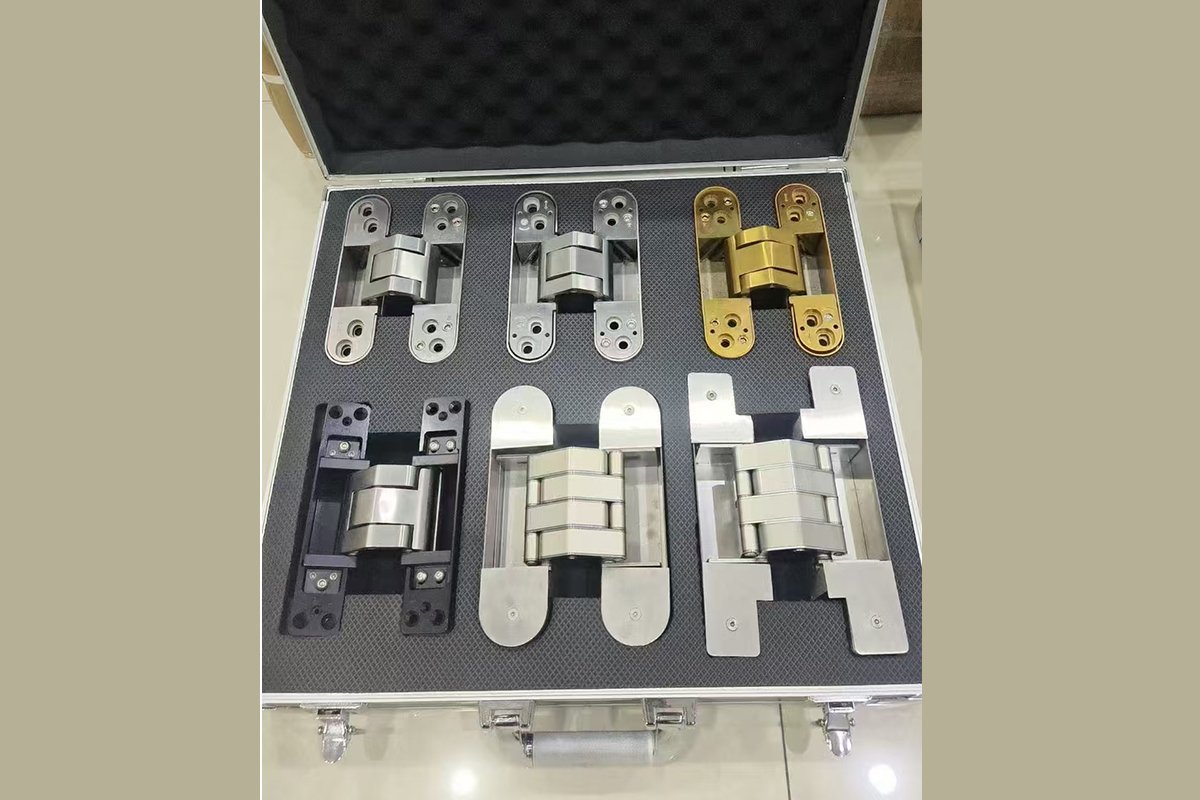
Mechanical review comes before material preference
Many hardware buyers already have a preferred material. That is understandable. Stainless steel looks reliable. Zinc alloy supports complex shapes5. Aluminum alloy can reduce weight6. Cold-rolled steel can be cost-effective and strong with the right finish.
However, customized door hinges need a mechanical review before the material decision becomes final. I normally look at these questions:
- Where does the main load act when the door is closed?
- What happens when the door is opened to its maximum angle?
- Does the hinge carry vertical load, side load, or twisting load?
- Is the leaf thickness enough for the screw holes and countersunk areas?
- Will the knuckle, pin, or concealed structure create a weak point?
- Is the expected deformation acceptable after repeated use?
- Can the material be processed consistently in mass production?
This is not always a formal structural certification. In many factory development projects, it is a practical engineering review based on product experience, sample testing, and customer installation feedback. If a door manufacturer needs structural certification or third-party engineering validation, that should be handled by a qualified professional or accredited laboratory.
Comparing common material options
The table below gives a practical overview. It is not a universal rule, because real performance depends on hinge geometry, thickness, heat treatment, surface treatment, pin design, installation, and testing scope.
| Material | Common Strengths | Common Limits | Typical Evaluation Point |
|---|---|---|---|
| Stainless steel | Corrosion resistance, premium appearance, stable for many architectural uses | Higher cost, forming limits for complex shapes | Coastal or humid environments, visible hardware |
| Cold-rolled steel | Good strength, cost control, suitable for stamping | Requires reliable surface treatment | High-volume projects with coating control |
| Zinc alloy | Good for complex die-cast shapes and decorative forms | May not suit high-load designs without review | Appearance-driven designs, controlled loads |
| Aluminum alloy | Lightweight, corrosion-resistant with proper treatment | Lower strength than steel in some designs | Lightweight doors, special profiles |
| Brass | Good corrosion resistance and premium feel | Higher material cost | Cylinders, decorative hardware, selected hinge parts |
Why geometry can matter more than material name
A stronger material does not automatically create a stronger hinge. Geometry often matters more7. A thin stainless steel hinge may deform sooner than a well-designed steel hinge with better section thickness and load path. A concealed hinge with poor force distribution may fail earlier than a simpler butt hinge with a robust pin and leaf structure.
For customized door hinges, I pay attention to:
Leaf thickness and width
The leaf must carry load and provide enough fixing strength. A narrow leaf may look clean but can concentrate stress.Pin diameter and material
The pin is central to rotation and wear. Pin material, diameter, clearance, and lubrication can change long-term performance8.Knuckle length and spacing
The knuckle arrangement affects load sharing and alignment.Screw hole location
Screw holes too close to edges can weaken the leaf or cause installation cracks in some door materials.Bearing or washer design
Some heavy or high-frequency doors may need washers, bearings, or bushings, depending on cost and application.Surface treatment thickness
Plating, powder coating, PVD, or passivation can affect fit, corrosion resistance, and appearance.
Practical force analysis in custom hinge development
Some projects benefit from 3D modeling and practical force review. I prefer careful wording here. A factory may use CAD models, experience-based load estimation, prototype testing, and installation trials to understand force direction and deformation risk. That does not replace project-specific engineering certification unless it is performed and documented under the required standard.
For industrial door manufacturers, the key is to ask the supplier:
- Can you explain the expected load path?
- Can you identify likely deformation points?
- Can you recommend material changes before mold investment?
- Can you make prototypes for installation testing?
- Can you support design modification after trial feedback?
The best supplier does not simply say, “Yes, we can make it.” The best supplier explains where the hinge may be weak, what can be improved, and what must be verified before tooling.
Why Is Sampling Critical Before Opening a Mold for Customized Door Hinges?
Tooling is expensive, and a finished mold can lock the buyer into a design that still has functional problems. The risk is not only cost. It is time, customer trust, and delayed market launch. Sampling reduces this risk before the mold-opening decision becomes irreversible.
Sampling is critical before opening a mold for customized door hinges because prototypes allow the buyer and supplier to check fit, opening feel, deformation, installation accuracy, and structural suitability under real door conditions9. CNC samples, metal 3D printed parts, or soft tooling samples can reveal problems before full mold investment.
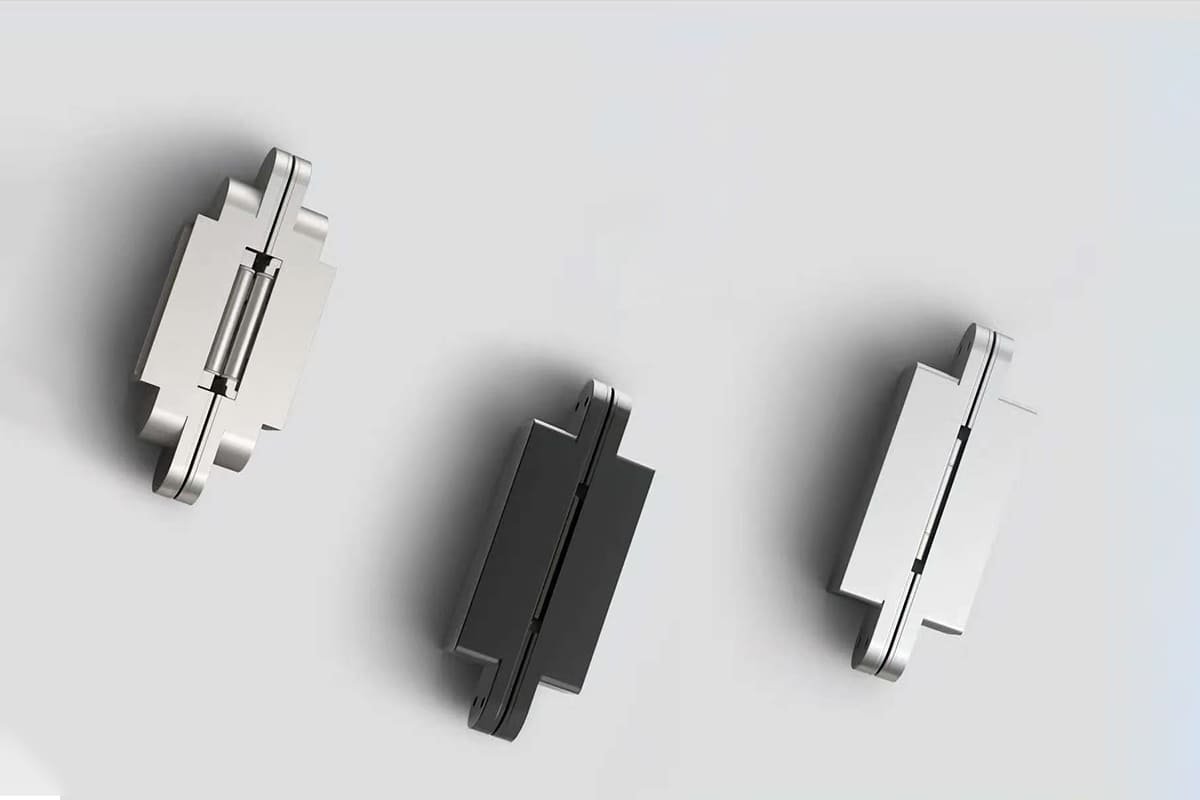
Sampling is a validation stage, not a ceremony
I have seen buyers treat samples as a visual approval step. They check the finish, size, and packaging, then approve tooling. That is not enough for customized door hinges, especially when the project requires new mold development.
A sample should answer practical questions:
- Does the hinge fit the door and frame without interference?
- Does the opening angle match the requirement?
- Does the door move smoothly?
- Does the hinge create noise or friction?
- Does the leaf sit flat after installation?
- Does the hinge show visible deformation under door weight?
- Does the screw location match the real door structure?
- Does the appearance meet the brand requirement?
- Does the customer’s installer find any difficulty?
Common prototype methods
The right sampling method depends on hinge type, geometry, material, cost, and timeline. No method is perfect.
| Sampling Method | Best Use | Advantages | Limits |
|---|---|---|---|
| CNC machining | Metal prototype with closer dimensional review | Good for fit and installation checks | Expensive for complex shapes |
| Metal 3D printing | Complex shape validation | Fast for unusual geometry | Surface and mechanical properties may differ from production10 |
| Laser cutting + bending | Sheet metal hinge prototypes | Useful for stamped hinge concepts | May not match final tooling exactly |
| Soft tooling | Pre-production process review | Closer to mass production | Higher cost and longer lead time |
| Existing similar part modification | Early concept check | Fast and low cost | Limited accuracy |
What the customer should test on the sample
For industrial door manufacturers, the most important test is often the real installation test. A laboratory fixture can be useful, but the door itself reveals practical problems.
I recommend that customers test samples in these ways:
Install on the actual door and frame
The sample should not only be measured on a table. It should be installed in the intended position.Check gap consistency
Door-to-frame gaps should remain stable when the door is opened and closed.Observe sagging
The door should not drop beyond the acceptable tolerance after installation.Open and close repeatedly
The installer should feel friction, noise, stiffness, or looseness.Test with full door weight
A sample tested on a light mock-up may not show real stress.Review screw and fixing performance
Screws must hold properly in the actual material.Record feedback with photos and video
Visual documentation helps the supplier adjust the design faster.
What should happen after sample feedback
Good sample feedback should lead to controlled design revision. It should not become informal back-and-forth messaging without version control. I like to use clear drawing revisions and change records.
A basic revision log may include:
| Version | Change Made | Reason | Approval Status |
|---|---|---|---|
| V1 | Initial prototype | Concept validation | Tested |
| V2 | Increased leaf thickness | Reduced deformation | Pending |
| V3 | Adjusted screw position | Better installation | Approved |
| V4 | Modified radius | Improved mold release | DFM review |
This record becomes very important later. If the buyer approves V3 but the mold is made from V2, the project can become disputed. A serious supplier should control drawings, samples, and approvals carefully.
For customized door hinges, the safest path is simple: confirm the application, produce samples, install samples, collect feedback, revise drawings, and only then move toward mold-opening review.
What Should a DFM Review Check Before Customized Door Hinges Go to Tooling?
A hinge drawing may look correct in CAD, but it may not be easy to mold, stamp, machine, polish, plate, or assemble. If DFM review is skipped, the project may face poor appearance, short mold life, difficult release, high scrap rate, or unstable dimensions.
A DFM review for customized door hinges should check gate position, parting line, draft angle, wall thickness, mold release, stress concentration, surface appearance, tolerance control, assembly method, mold life expectation, and future mold repair responsibility. This review should happen before final drawing approval and tooling payment.
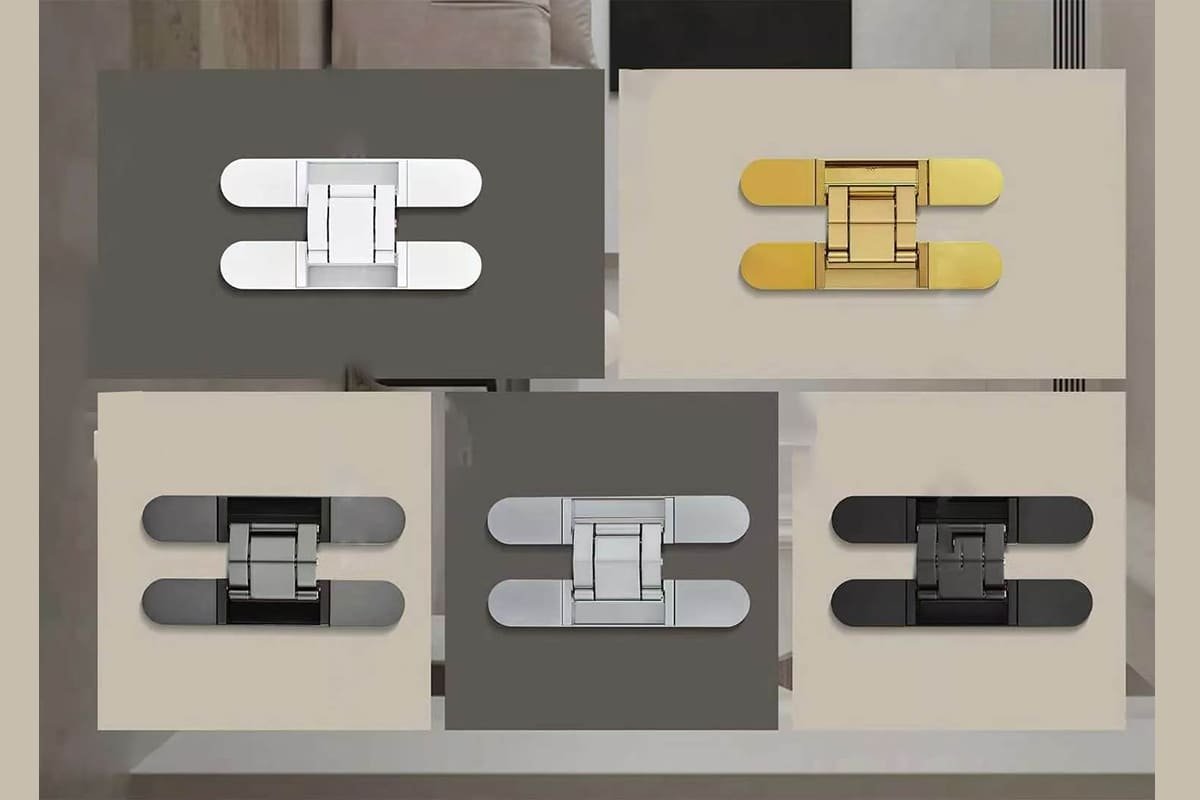
DFM turns a design into a manufacturable product
DFM means Design for Manufacturability11. In simple terms, it asks: “Can this design be produced repeatedly, at the expected cost, with stable quality?”
For mold-opening projects, DFM is one of the biggest differences between a trading-style response and a factory-side development response. At SDH Hardware, our work with door manufacturers and hardware brands often involves this stage because a nice concept must still pass production reality.
Key DFM checkpoints for mold-opening hinge projects
The checklist changes by process. Die casting, stamping, machining, and assembly all have different concerns. Still, many customized door hinges share common DFM questions.
| DFM Item | Why It Matters | Example Risk |
|---|---|---|
| Gate position | Affects flow, strength, and appearance | Visible marks or weak zones |
| Parting line | Affects surface and stress concentration | Poor appearance on visible face |
| Draft angle | Allows mold release | Scratches, sticking, deformation |
| Wall thickness | Affects cooling and strength | Shrinkage, porosity, bending |
| Rib design | Improves strength if designed correctly | Sink marks or stress concentration |
| Hole position | Affects machining and assembly | Misalignment or weak fixing |
| Tolerance stack-up | Affects hinge movement | Tight rotation or loose clearance |
| Surface treatment allowance | Affects final dimensions | Pin too tight after coating |
| Mold life | Affects long-term cost | Early mold repair or unstable parts |
| Repair responsibility | Affects future disputes | Unclear cost after mold wear |
Gate position and parting line are not small details
Buyers often focus on the visible front surface. That is fair. A hardware brand cares about appearance. However, gate position and parting line can also affect function.
For example:
- A gate mark on a visible surface may fail the customer’s appearance standard.
- A parting line near a high-stress area may increase cracking risk in some designs.
- Poor metal flow may create porosity in die-cast parts.
- A parting line across a polished area may increase finishing cost.
- A hidden gate may improve appearance but make mold flow harder.
These choices require discussion. They are not only the mold maker’s problem. They affect the buyer’s product quality and brand reputation.
Draft angle and mold release need early agreement
A designer may draw a vertical wall because it looks clean. A mold engineer may then request a draft angle to release the part. If the buyer discovers this after tooling starts, the appearance may change unexpectedly.
That is why I prefer to discuss draft angle before final approval. The buyer should know:
- Which surfaces need draft?
- Will the draft change the visible shape?
- Can the draft affect hinge fit?
- Will polishing or coating reduce dimensional clearance?
- Does the customer approve the final appearance?
Mold life and repair responsibility should be written clearly
Mold-opening projects can create future disputes if ownership and maintenance are unclear. Before tooling starts, the buyer should confirm:
- Who owns the mold?
- Where will the mold be stored?
- What is the expected mold life?
- What is included in the tooling cost?
- Who pays for mold repair caused by normal wear?
- Who pays for modification caused by design change?
- Can the mold be used for other customers?
- What happens if production is transferred or stopped?
I recommend putting these points into the purchase agreement or tooling contract. A clear agreement protects both the buyer and the factory.
DFM should happen before final drawing approval
A drawing alone is not enough to open a mold. A sample alone is also not enough if manufacturability has not been reviewed. The correct order should be:
- Application confirmation
- Concept design or customer drawing review
- Mechanical and material judgment
- Prototype sampling
- Customer installation testing
- Design revision
- DFM review
- Final drawing approval
- Tooling agreement
- Mold opening
This sequence reduces unnecessary risk. It also helps the buyer understand why responsible factories sometimes ask many questions before accepting a customized hinge project.
How Should Customized Door Hinges Be Tested and Ramped Up for Mass Production?
A mold trial sample may look good, but mass production can still expose variation. The problem may appear in torque, hole accuracy, finish stability, pin assembly, or packaging damage. Testing and production ramp-up help control these risks before large orders are shipped.
Customized door hinges should be tested and ramped up through mold trial inspection, load-based cycle testing where applicable, residual deformation checks, corrosion testing for surface treatment, fire-related testing if required, pilot production, process correction, and final mass production control. Test standards and acceptance criteria must be verified by market and project scope.
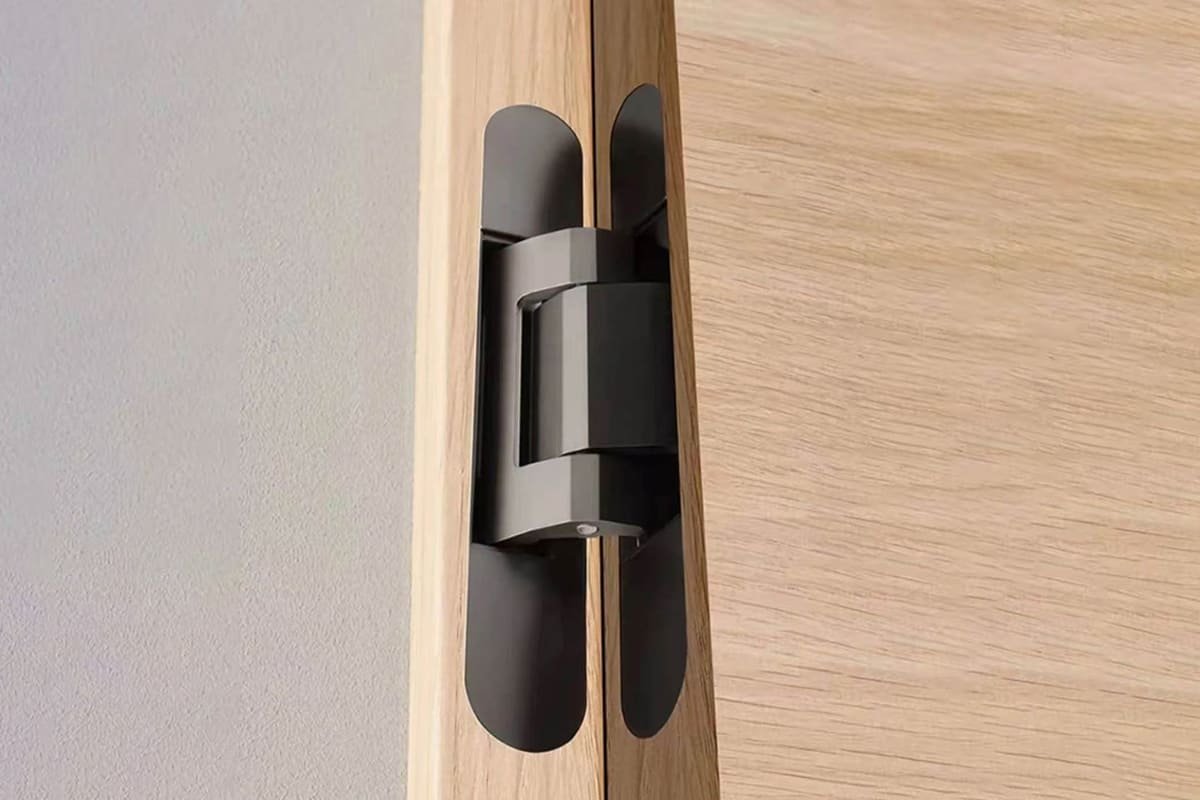
Mold trial is not the same as mass production
After the mold is completed, the first samples are usually called T0 or T1 samples, depending on the supplier’s process. These samples are useful, but they are not proof that mass production is stable.
For customized door hinges, I normally expect several review points after mold trial:
- Critical dimensions
- Surface appearance
- Parting line quality
- Hole position
- Assembly fit
- Pin rotation
- Opening angle
- Torque or opening resistance
- Coating adhesion
- Packaging protection
- Installation performance on the real door
If the mold trial reveals issues, the team should correct the mold or process before moving forward. Some corrections are minor. Others may require design discussion.
Testing should match the project, not a slogan
Buyers often ask about cycle testing, salt spray hours, and fire testing. These are important, but they must be applied correctly. No cycle number or test name should be treated as universal for every hinge.
For example:
- Some European projects may refer to cycle testing such as 200,000 cycles, depending on the applicable product type and standard.
- Some American market applications may involve higher cycle expectations, such as 1,500,000 cycles, depending on the hardware category and specification.
- Salt spray testing such as ≥72 hours may be relevant for some surface treatments, but the required duration depends on market, finish, and buyer standard.
- Fire-related testing, such as UL 10C or other fire door test requirements, must be verified against the exact door assembly, hinge type, certification scope, and local regulation.
Conclusion
Customized door hinges are not just selected from a catalog when industrial door manufacturers need new mold development. They should be validated through application confirmation, mechanical review, material selection, sampling, DFM discussion, testing, pilot production, and controlled mass production. This staged approach protects tooling investment and improves batch stability. If you are developing a customized hinge project, I recommend starting with your door application data and asking a factory to review feasibility before tooling. SDH Hardware can support ODM/OEM hinge development, sampling, mold coordination, and production evaluation for qualified B2B projects.
"What Hinge to Use for Different Doors? - SDH hardware- China ...", https://sdhhardware.com/2026/08/12/what-hinge-to-use-for-different-doors/. Architectural hardware guidance treats hinge selection as dependent on the door assembly and service conditions, including door size, weight, frequency of use, mounting conditions, and exposure environment; this supports the article’s premise that hinge design cannot be determined from shape alone. Evidence role: general_support; source type: institution. Supports: A neutral architectural hardware or engineering source should support that hinge selection depends on door dimensions, mass, use frequency, installation conditions, and service environment.. Scope note: Such sources generally support hinge-selection factors at a category level and may not validate the specific custom hinge design for a particular project. ↩
"Torque", https://en.wikipedia.org/wiki/Torque. Classical mechanics defines torque as the product of force and moment arm, so increasing the distance between a door’s center of mass or applied load and the hinge axis can increase the moment carried by the hinge. Evidence role: mechanism; source type: education. Supports: A physics or engineering education source should explain that torque or moment increases with the perpendicular distance between the force and the axis of rotation.. Scope note: This supports the mechanical principle, not a complete structural analysis of any specific door or hinge geometry. ↩
"Marine Atmospheric Corrosion of Carbon Steel: A Review - PMC", https://pmc.ncbi.nlm.nih.gov/articles/PMC5506973/. Corrosion literature identifies marine and coastal atmospheres as chloride-rich environments that can accelerate corrosion of exposed metals, making material grade and protective coating selection relevant to hinge durability. Evidence role: mechanism; source type: research. Supports: A corrosion science or standards source should support that chloride-rich coastal atmospheres accelerate corrosion and influence material and coating selection.. Scope note: This provides environmental context and does not prove that any one hinge material is suitable without project-specific testing. ↩
"Stainless Steel, Zinc Alloy, Steel, Copper, and Aluminum Alloy", https://sdhhardware.com/2025/02/12/exploring-common-materials-in-the-hardware-industry-stainless-steel-zinc-alloy-steel-copper-and-aluminum-alloy/. General references on hinges and architectural hardware describe common hinge materials as including steel, stainless steel, brass, aluminum, and other cast or formed metal alloys, consistent with the article’s material list. Evidence role: general_support; source type: encyclopedia. Supports: A general reference or architectural hardware source should verify that hinges are commonly made from steels, stainless steel, brass, aluminum, and cast alloys.. Scope note: A general reference can confirm common material categories but cannot determine which material is best for a specific custom hinge application. ↩
"Reusing Zinc Alloy Die Cast Scrap", http://www.mntap.umn.edu/industries/facility/metalcast/resources/zincalloy/. Manufacturing references on zinc die casting note that zinc alloys can be cast into complex, close-tolerance shapes, which supports their use for decorative or geometrically complex hinge components. Evidence role: mechanism; source type: research. Supports: A metallurgy or manufacturing source should support that zinc alloys are widely used in die casting for complex, dimensionally detailed parts.. Scope note: The source would support manufacturability characteristics, not load capacity for a particular hinge design. ↩
"Aluminum - MIT", https://www.mit.edu/~6.777/matprops/aluminum.htm. Materials property tables show that aluminum alloys have much lower density than steels, so replacing a steel part with an aluminum-alloy part of similar volume can reduce component mass. Evidence role: mechanism; source type: education. Supports: A materials science source should document that aluminum alloys have substantially lower density than steel, supporting weight reduction in equivalent-volume components.. Scope note: Lower density does not imply equivalent strength or stiffness; hinge performance still depends on alloy, geometry, and testing. ↩
"Effects of cross-sectional geometry and force direction on bending ...", https://bioresources.cnr.ncsu.edu/resources/effects-of-cross-sectional-geometry-and-force-direction-on-bending-strength-and-modulus-of-elasticity-of-some-softwood-beams/. Engineering mechanics relates bending stress and deflection to cross-sectional geometry, including section modulus and area moment of inertia, supporting the point that hinge geometry can control deformation as much as material selection. Evidence role: mechanism; source type: education. Supports: An engineering mechanics source should explain that cross-sectional geometry and load path strongly affect bending stress, stiffness, and deformation.. Scope note: The principle is general and does not rank geometry over material in every possible hinge configuration. ↩
"[PDF] Galling Failures in Pin Joints Greg A. Radighieri - DSpace@MIT", https://dspace.mit.edu/bitstream/handle/1721.1/89892/51814980-MIT.pdf?sequence=2. Tribology studies of pin joints and plain bearings show that material pairing, contact pressure, clearance, and lubrication influence friction and wear, supporting the article’s focus on hinge pin design for long-term performance. Evidence role: mechanism; source type: paper. Supports: A tribology or bearing-design paper should support that material pairing, contact pressure, clearance, and lubrication affect wear in rotating pin joints.. Scope note: Evidence from generic pin joints is contextual unless the source tests architectural door hinges specifically. ↩
"Product Design and Development", https://www.nist.gov/mep/product-design-and-development. Product-development literature describes prototyping as a design-validation activity used to evaluate fit, function, assembly, and performance before committing to production tooling. Evidence role: general_support; source type: research. Supports: A product-development or manufacturing source should support that prototypes are used to evaluate fit, function, manufacturability, and performance before production commitment.. Scope note: This supports the general validation role of prototypes and does not specify the exact prototype method needed for each hinge project. ↩
"Characterization of Additive Manufacturing Materials", https://www.nist.gov/programs-projects/characterization-additive-manufacturing-materials. Additive-manufacturing research notes that metal part properties depend on build process, orientation, microstructure, and post-processing, so a metal 3D-printed prototype may not directly represent production-part mechanical behavior. Evidence role: mechanism; source type: government. Supports: A NIST or research source should support that additive-manufactured metal properties depend on process parameters, orientation, microstructure, and post-processing, and may differ from conventionally manufactured parts.. Scope note: The statement is contextual; some qualified additive processes can meet specified properties when controlled and tested. ↩
"Manufacturing", https://www.nist.gov/manufacturing. Engineering design references define Design for Manufacturability as the practice of designing products for efficient, repeatable, and economical production, supporting the article’s use of DFM as a pre-tooling review framework. Evidence role: definition; source type: education. Supports: A university or engineering source should define Design for Manufacturability as designing products so they can be manufactured efficiently, consistently, and economically.. ↩