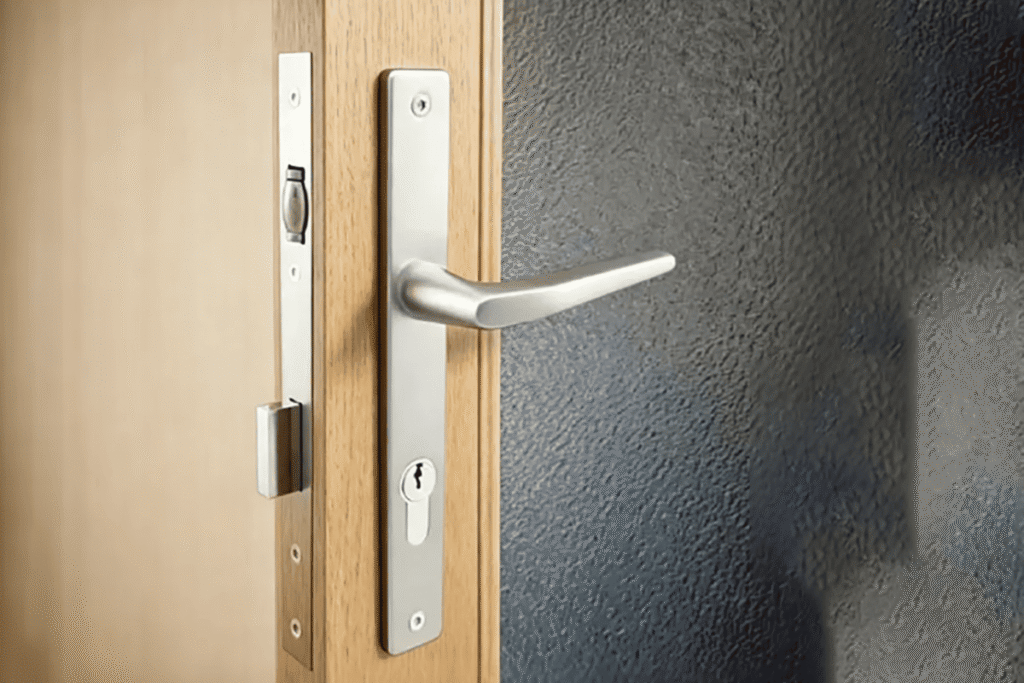
Can You Get Your Deadbolts and Locking Door Knobs Keyed Alike?
Deadbolts and locking door knobs keyed alike can look like an easy answer when a customer wants fewer keys. The problem is that convenience can hide a bigger access-control risk. If one key is lost, copied, or misused, every connected lock may be exposed. The better solution is to evaluate the door, the user, and the security expectation before choosing the key system.
Yes, deadbolts and locking door knobs can often be keyed alike when their cylinders and keyways are compatible, but it should not be treated as the default choice for security-sensitive doors. A keyed-alike setup means one identical key operates multiple locks, which improves convenience but concentrates risk if that key is lost or duplicated.
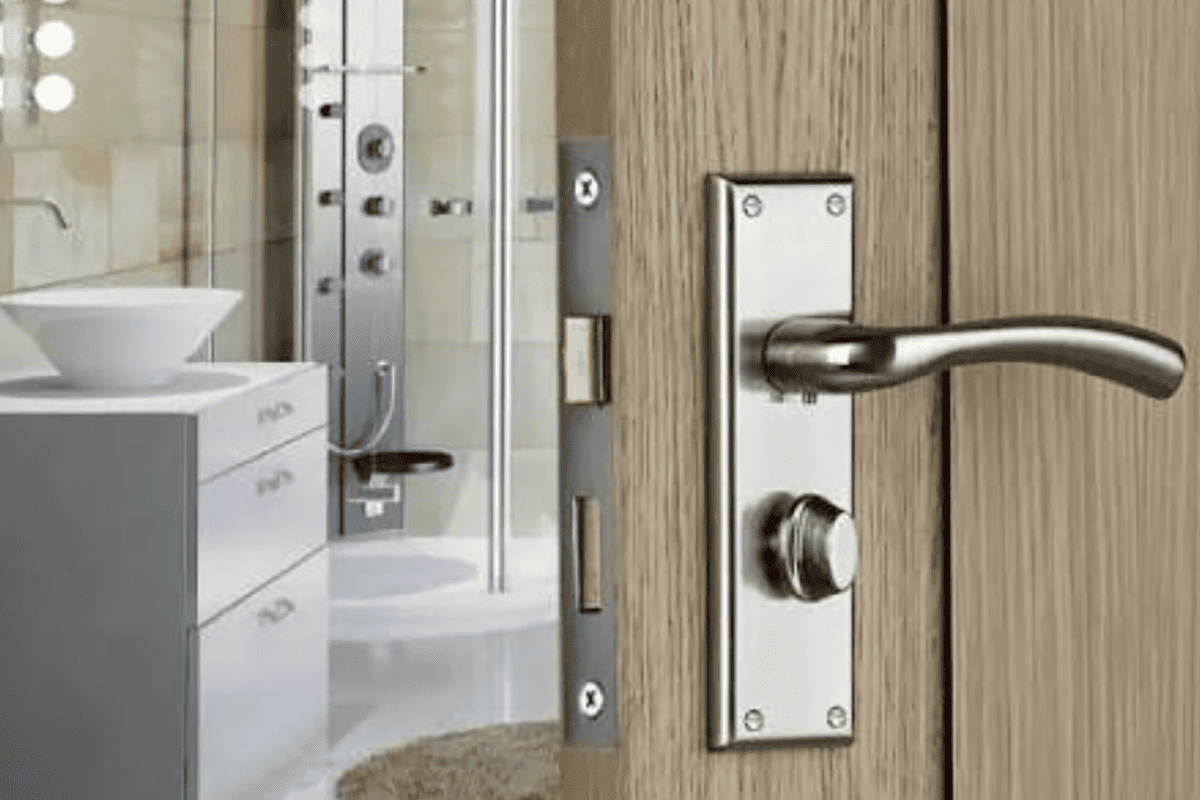
For wholesalers and distributors, the real question is not only “Can the factory supply it?” The more useful question is “Should this door use one shared key, or should the lock system separate security layers?” I have seen this distinction prevent misunderstandings during order communication, especially when customers expect both convenience and stronger protection.
What Does Deadbolts and Locking Door Knobs Keyed Alike Mean?
Deadbolts and locking door knobs keyed alike may sound like a small product detail, but it changes how access is managed. A customer may ask for one key because it feels simple. However, that same simplicity can create confusion if the door is expected to provide layered security.
A keyed-alike lock set means one identical key operates every lock in that set1. If a deadbolt and a locking knob are keyed alike, the same key opens both. This can reduce key quantity, but it also means one compromised key can compromise every lock connected to that key system.
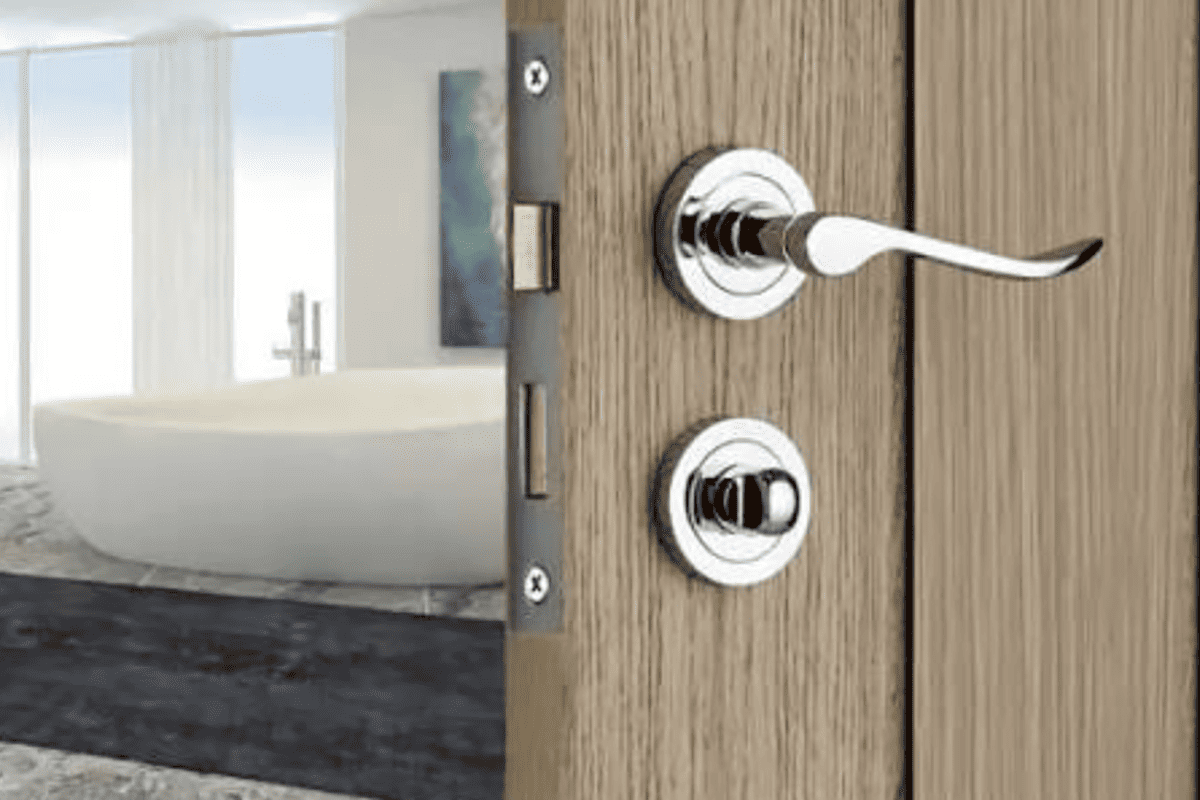
The basic definition
In lock hardware communication, keyed alike means multiple cylinders are pinned or configured so they respond to the same key2. For a homeowner, that may mean one key opens the front door knob, the deadbolt, and maybe a back door. For a wholesaler, it may mean hundreds of lock bodies or cylinders are supplied under the same key code or grouped key plan.
I usually explain it this way:
Keyed alike is a convenience feature, not automatically a security upgrade.
That distinction matters because many customers hear “same key” and assume the system is more organized. It may be more organized, but it may also be less controlled.
Why buyers request keyed-alike locks
Customers often request keyed-alike deadbolt and knob sets for practical reasons:
- Fewer keys for end users
- Faster access for maintenance teams
- Simpler packaging for retail or wholesale lock sets
- Easier inventory grouping for distributors
- Consistent user experience across similar doors
These are valid reasons. In many non-critical applications, a keyed-alike system can make sense. However, the buyer must understand the trade-off.
The key-control risk
The main risk is not that the lock suddenly becomes weak mechanically. The main risk is access concentration. If one key controls many locks, one lost or copied key affects the whole group.3
Here is a simple comparison:
| Key System | How It Works | Main Benefit | Main Risk |
|---|---|---|---|
| Keyed different | Each lock uses a unique key | Better separation of access | More keys to manage |
| Keyed alike | One key opens multiple locks | Convenience and simple access | One key can compromise all locks |
| Master keyed | Change keys open individual locks; master key opens all | Controlled hierarchy | Requires careful key management |
| Restricted keyway | Key duplication is controlled by authorization | Better key control | Higher planning and supply requirements |
For wholesale supply, this affects how the order should be confirmed. A keyed-alike request should include more than a product model. It should include:
- Door type
- Security expectation
- Quantity of locks
- Key grouping
- Cylinder type
- Required keyway
- Packaging and labeling
- After-sales replacement plan
At SDH Hardware, we often handle lock and cylinder configuration details during order communication. From a manufacturer and supplier perspective, I prefer to clarify the key plan early. It prevents the common problem where a buyer says “keyed alike” but actually needs “same style lock, different keys” or “one master key for management.”
Should Deadbolts and Locking Door Knobs Keyed Alike Be Used on Security Doors?
Deadbolts and locking door knobs keyed alike can be convenient, but security doors require a more careful decision. The danger is that one shared key may reduce the separation between two locking points. If the door is protecting higher-value space, convenience should not decide the system alone.
For a security-sensitive door, a keyed-alike deadbolt and locking knob should be evaluated as a risk-management choice, not a default hardware feature. Buyers should confirm the door’s use case, access-control needs, cylinder security level, and key-control policy before selecting one key for both locks.
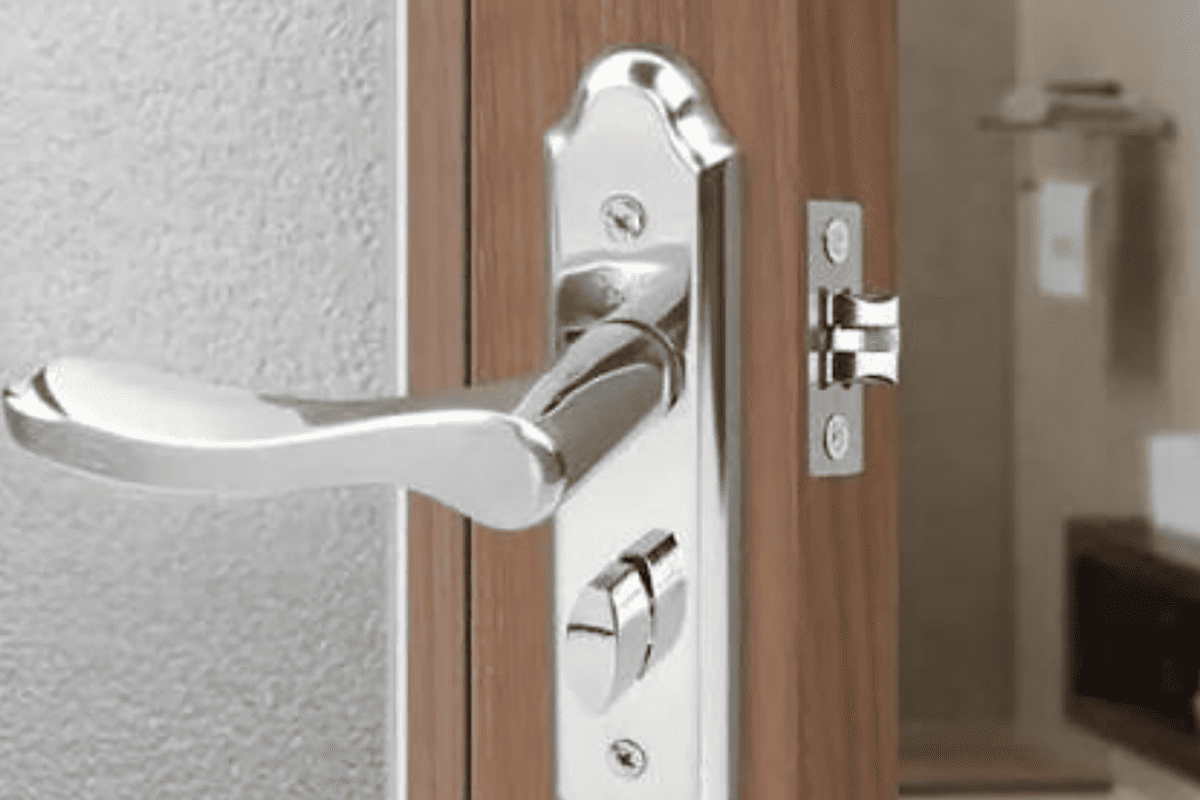
The real issue is not only mechanical compatibility
Many deadbolts and locking knobs can share a key if they use compatible cylinder formats and keyways. However, that does not mean every security door should use them in a keyed-alike arrangement.
A deadbolt and a locking door knob usually play different roles:
- The deadbolt provides a stronger locking point with a bolt that extends into the frame.
- The locking knob provides latch control and basic locking convenience.
- The cylinder system controls who can operate the lock.
- The key-control plan controls how keys are issued, copied, and replaced.
When both locks use the same key, the user gains convenience. But the door may lose part of its security separation4. If one key is duplicated without permission, both locking points become accessible.
When keyed alike may be reasonable
A keyed-alike deadbolt and knob may be acceptable when:
- The door is used in a low-to-moderate risk area
- The customer values convenience over strict access separation
- The number of users is limited
- The key can be replaced or rekeyed quickly if lost
- The lock system is part of a clearly documented key plan
- The customer understands the risk
For example, a small office entrance with limited staff may choose one key for both locks. A distributor may supply a keyed-alike set because the customer wants easy daily operation. That can be reasonable if the customer confirms the security level.
When I would be cautious
I would be more cautious with keyed alike on doors such as:
- Main entrance doors for commercial buildings
- Storage rooms with high-value inventory
- Fire-rated doors where hardware compliance must be verified
- Public-facing doors with many key holders
- Project doors with strict access-control specifications
- Doors where the deadbolt is intended as an independent security layer
For these cases, I would not position keyed alike as the “best” security choice. I would ask for a project specification or professional evaluation.
Security evaluation checklist for wholesalers
Before quoting a keyed-alike deadbolt and knob set, I suggest asking:
What type of door is this?
Residential, commercial, project, warehouse, hotel, office, or public building?Who will hold the keys?
Owner, staff, tenants, maintenance workers, contractors, or multiple departments?What happens if one key is lost?
Will all cylinders need replacement or rekeying?Is the lock system part of a master key plan?
If yes, keyed alike may interfere with the access hierarchy.Does the customer require a restricted keyway?
Restricted keyways can reduce unauthorized duplication5, but they require planning.Are there fire-rated or project compliance requirements?
Certifications should be verified against the exact product, door type, and application.
A practical B2B note
For wholesalers, the safest commercial position is this:
“We can discuss keyed-alike configuration if the cylinder system supports it, but we should confirm the door use case and security expectation before treating it as the default solution.”
This answer protects both sides. It avoids overpromising. It also shows the customer that keying is not just a packaging detail. It is part of the complete access-control decision.
How Can Wholesalers Quote Deadbolts and Locking Door Knobs Keyed Alike Correctly?
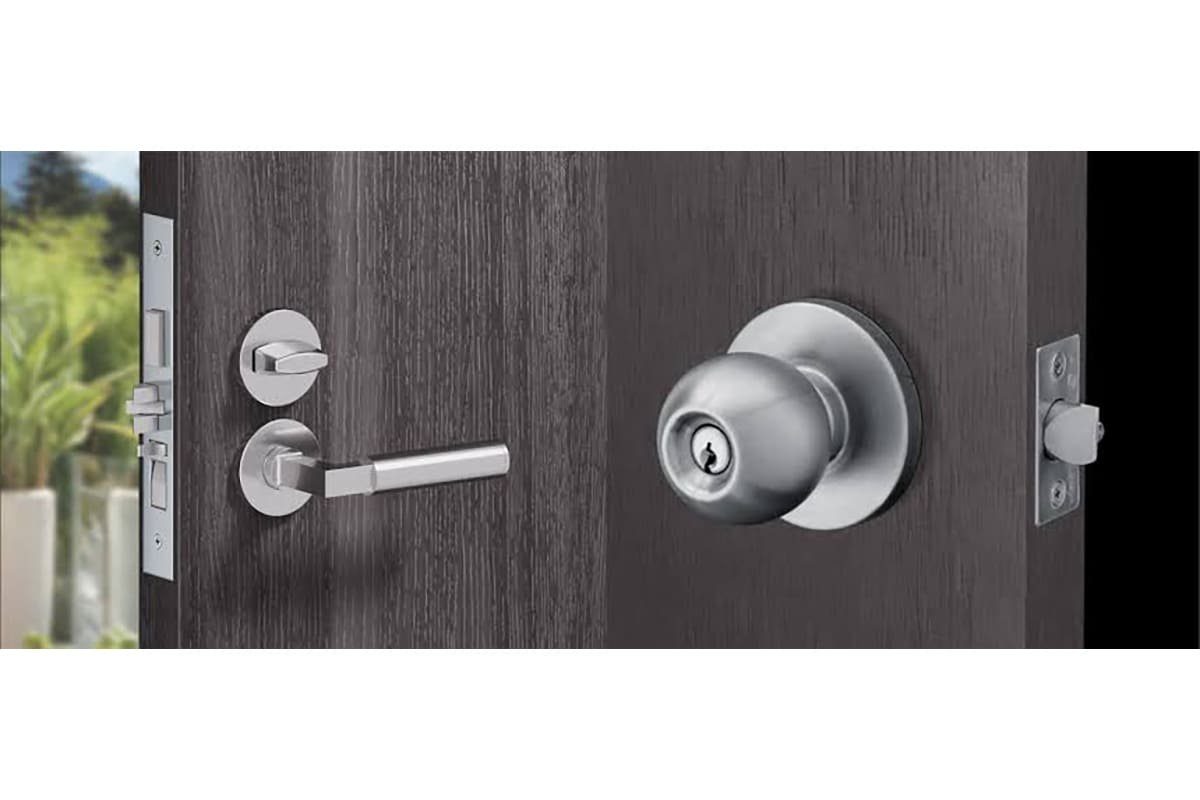
Deadbolts and locking door knobs keyed alike can create order problems if the quote is too simple. A buyer may ask for “same key,” but they may not define the key groups, cylinder type, packaging labels, or future replacement needs. Small wording gaps can become expensive after production.
Wholesalers should quote keyed-alike lock sets only after confirming the keying method, product compatibility, security expectation, key grouping, cylinder specification, and labeling requirement. A clear quote should define whether all locks share one key, whether groups are separated, and whether any master key or restricted keyway is required.
Why quoting needs precision
In architectural door hardware, the phrase “keyed alike” can mean different things to different buyers. One customer may mean:
- Every lock in the order uses the same key.
- Each carton has one keyed-alike group.
- Each building floor has a different keyed-alike group.
- The deadbolt and knob on one door share a key, but each door is different.
- All knobs share one key, while deadbolts use separate keys.
- A master key must open all locks, but users need separate keys.
These are very different production requirements. If the supplier and buyer do not align, the final shipment may be technically correct but commercially wrong.
Keying terms wholesalers should confirm
| Term | Meaning | Why It Matters |
|---|---|---|
| Keyed alike | Same key opens multiple locks | Convenient, but higher shared-key risk |
| Keyed different | Each lock has a separate key | Better separation, but more key management |
| Master keyed | Individual keys plus one higher-level master key | Useful for facilities, but needs planning |
| Construction keyed | Temporary access during construction stage | Must be removed or changed after handover |
| Restricted keyway | Key blanks controlled by authorization | Helps reduce unauthorized duplication |
| Keyed in groups | Locks divided into key groups | Common for wholesale and project orders |
What I ask before confirming a keyed-alike order
When I communicate with wholesale buyers, I prefer to clarify the following points before production:
Product models
Are the deadbolt and locking knob from compatible lock families?Cylinder type
Does the buyer need a Euro profile cylinder, rim cylinder, knob cylinder, or another format?Keyway compatibility
Can both products use the same key profile?Key quantity per set
Does each set need 2, 3, or more keys?Key grouping plan
Should all sets be keyed alike, or only per door, per carton, or per project area?Security positioning
Is the product for convenience, basic security, or higher security use?Logo and packaging
Does the buyer need stamped logos, laser logos, color boxes, or barcode labels?Inspection requirement
Should the factory provide post-production inspection reports or keying checks?
At SDH Hardware, we support ODM and OEM orders, and we often customize product specifications, surface treatments, accessory configurations, and branding details. For keying orders, the most important habit is still simple: confirm the key schedule in writing.
Example quotation language
Wholesalers can use careful wording like this:
“The deadbolt and locking knob can be supplied under a keyed-alike configuration if the selected cylinder and keyway are compatible. Please confirm whether all units share one key, or whether the order requires separate keyed-alike groups. For security-sensitive doors, we recommend confirming the access-control requirement before finalizing the key plan.”
This wording is clear and restrained. It does not claim that keyed alike is always possible. It also does not present it as the default security solution.
Quality-control points for keyed-alike supply
Keyed-alike orders require more than normal visual inspection. Buyers should ask how the supplier checks key operation.
Useful inspection points include:
- Key insertion and removal smoothness
- Cylinder rotation angle
- Locking and unlocking function
- Key interchange accuracy
- Deadbolt throw operation
- Knob latch locking function
- Correct key grouping
- Correct packaging labels
- Correct key quantity
- Random sampling across cartons
For bulk orders, even one mislabeled keyed group can cause site-level problems. A distributor may receive a complaint not because the lock body is defective, but because the key plan was not packed clearly.
What Alternatives Are Better Than Deadbolts and Locking Door Knobs Keyed Alike?
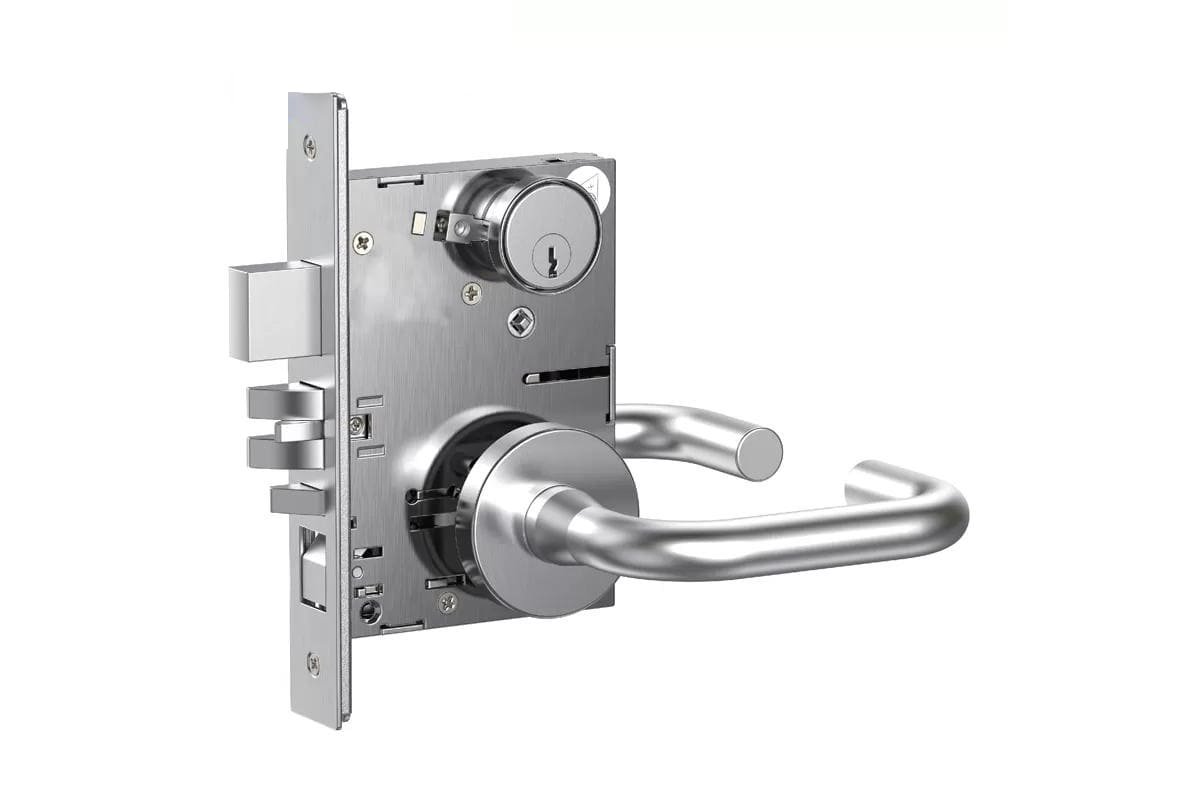
Deadbolts and locking door knobs keyed alike are not the only option when customers want easier access. Some buyers ask for one key because they do not know the alternatives. If the door has a stronger protection requirement, another keying structure may provide a better balance.
Alternatives to keyed-alike deadbolt and knob sets include keyed-different locks, grouped keying, master key systems, restricted keyways, and higher-grade cylinder choices. The best option depends on the door function, number of users, key-control policy, replacement plan, and required security level.
Option 1: Keyed different
Keyed different means each lock operates with its own unique key. This creates better access separation. If one key is lost, only one lock is affected.
This option is useful when:
- Each door needs separate control
- Users should not access other rooms
- Inventory loss risk is higher
- The buyer wants basic key separation without a master system
The downside is key management. More keys mean more labeling and more responsibility for the customer.
Option 2: Keyed alike by group
Grouped keying is often a good compromise for wholesale orders. Instead of one key for every lock, the buyer creates key groups.
Example:
| Group | Door Area | Keying Choice |
|---|---|---|
| Group A | Office entrances | Keyed alike within group |
| Group B | Storage rooms | Keyed different or restricted |
| Group C | Maintenance rooms | Master keyed |
| Group D | Showroom doors | Keyed alike for convenience |
This approach lets the buyer balance convenience and risk. I often like this option because it is practical for distributors. It also reduces the danger of one key controlling too many locks.
Option 3: Master key system
A master key system gives individual users their own change keys while allowing a manager to open multiple locks with a master key.6 This can be useful for commercial buildings, schools, offices, and facility management.
However, master key systems require careful planning. A poor master key plan can create security gaps.7 Buyers should confirm:
- Number of doors
- Number of users
- Access hierarchy
- Future expansion
- Cylinder compatibility
- Key duplication control
- Handover procedure
A qualified locksmith, security consultant, or project hardware specialist should evaluate the master key plan for complex or high-security applications.
Option 4: Restricted keyway
A restricted keyway helps control key duplication. The key blank is not freely available through ordinary channels.8 This does not make the lock invincible, but it improves key-control discipline.
Restricted keyways are useful when:
- Many people hold keys
- Unauthorized copying is a concern
- The project requires better access accountability
- The distributor wants to offer a higher-value solution
The buyer should verify how replacement keys are authorized and supplied. A restricted system is only useful if the control process is real.
Option 5: Better cylinder and hardware specification
Sometimes the keying plan is only one part of the problem. A customer may ask for keyed alike, but the actual need is a better lock specification.
For example, buyers may need to evaluate:
- Cylinder material
- Number of pins
- Anti-pick features
- Anti-drill protection
- Bolt throw length
- Strike plate strength
- Door frame reinforcement
- Fire-rated compatibility
- Corrosion resistance
- Cycle testing
- Finish durability
At SDH Hardware, our core product range includes Euro mortise locks, stainless steel lever handles, butt hinges, concealed door hinges, Euro brass cylinders, and door accessories. Our business context includes CE and fire-rated certification availability for core products. However, I always recommend buyers verify certificates against the exact product model, test scope, door assembly, and market requirement9.
Certifications are not just marketing documents. They are procurement documents. Buyers should review them before placing project orders.
How Should You Decide If Deadbolts and Locking Door Knobs Keyed Alike Fit Your Order?
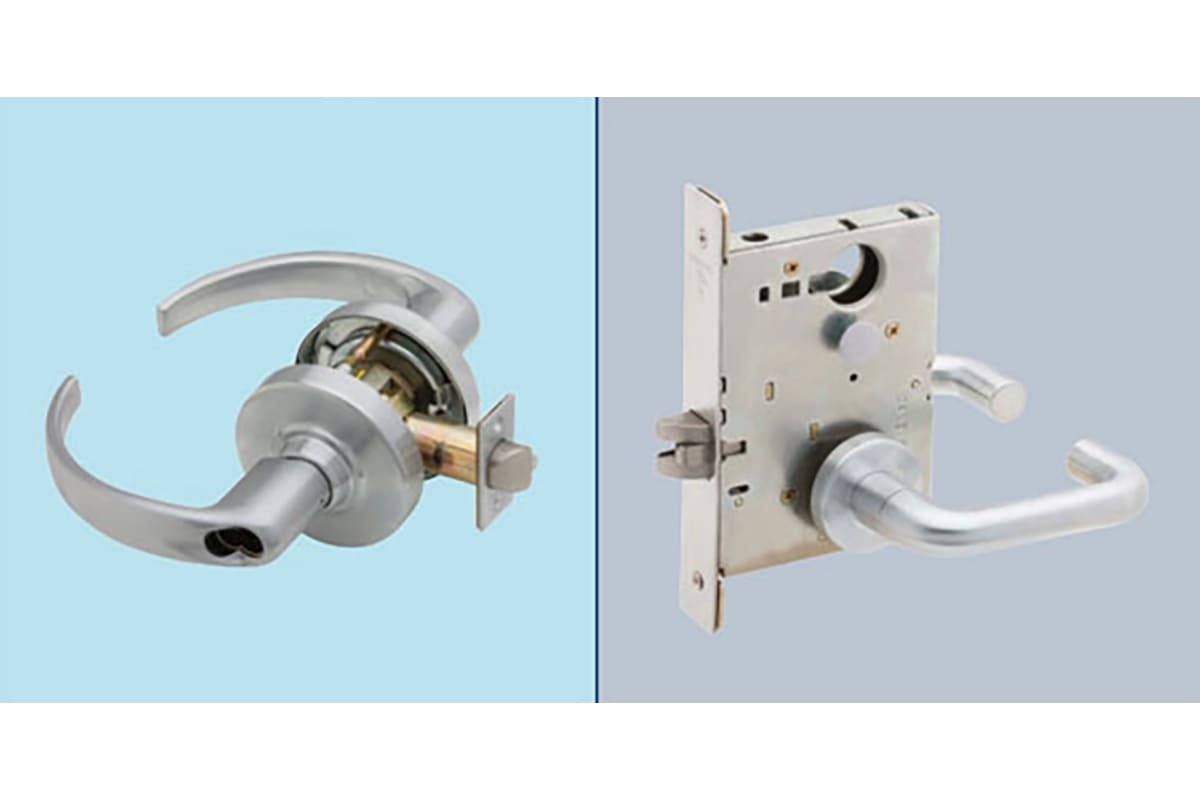
Deadbolts and locking door knobs keyed alike can fit some orders, but the decision should come after a structured review. If a wholesaler treats keying as a minor detail, the final customer may receive a system that is convenient but not suitable for the door’s real risk level.
You should decide by matching the keying plan to the door’s protection requirement, user group, cylinder compatibility, and replacement process. If the door is security-sensitive, you should not default to one shared key. You should confirm whether keyed alike, keyed different, grouped keying, or master keying is more appropriate.
A simple decision framework
I like to use a four-step framework when discussing key configuration with buyers.
1. Define the door’s purpose
The first question should always be about the door.
Ask:
- Is this an entrance door?
- Is this an internal office door?
- Is this a storage or service door?
- Is this a fire-rated door?
- Is this a project-specified commercial door?
- Is this a retail replacement product?
A low-risk internal door may accept keyed alike. A higher-risk entrance or storage door may need a different key-control strategy.
2. Define the user group
The second question is about people.
A lock system changes when the key holders change. A family using one door is different from a warehouse with 30 staff members. A distributor selling to many small installers is different from a project supplier handling a complete building.
More users usually means more risk.10 More risk usually means better key control is needed.
3. Define the consequence of key loss
This is the most practical question.
If one key is lost, what must happen?
- Replace one cylinder?
- Rekey two locks on one door?
- Rekey an entire building group?
- Replace all keyed-alike stock?
- Notify multiple end users?
If the consequence is expensive, keyed alike may not be the best choice.
4. Define the supply and inspection plan
The final question is about execution. Even a good key plan can fail if the order is packed poorly.
For bulk orders, I recommend written confirmation of:
- Model numbers
- Finish
- Cylinder type
- Keyway
- Key quantity
- Key group code
- Carton label format
- Logo requirement
- Packaging design
- Inspection standard
- Replacement policy
Procurement comparison table
| Buyer Priority | Recommended Direction | Reason |
|---|---|---|
| Maximum convenience | Keyed alike | One key is easy for users |
| Better separation | Keyed different | One lost key affects fewer locks |
| Facility management | Master keyed | Managers can control access hierarchy |
| Controlled duplication | Restricted keyway | Key copying is harder to do casually |
| Wholesale simplicity | Grouped keying | Balances inventory and risk |
| Higher-security door | Professional evaluation | Door, frame, cylinder, and policy must align |
Manufacturer perspective
From a factory-direct supply perspective, I see keyed-alike requests as a communication issue as much as a production issue. The physical product matters, but the expectation matters too.
A buyer may say:
“We need deadbolt and knob sets with the same key.”
I would usually respond with questions:
- “Same key for each door set only, or same key for the whole order?”
- “Is the door security-sensitive?”
- “Do you need a master key?”
- “Should the cylinders use a specific keyway?”
- “Do you need CE or fire-rated documentation for a project?”
- “How should key groups be marked on cartons?”
These questions may slow the quotation slightly, but they reduce mistakes. In B2B hardware, a clear order saves more time than a fast but incomplete quote.
My practical recommendation
If the door is basic and convenience is the main goal, keyed alike may be acceptable if the products are compatible. If the door has higher security expectations, I recommend treating keyed alike as only one possible option. The buyer should compare it with keyed different, grouped keying, master keying, or restricted keyway solutions.
For project doors, fire-rated assemblies, commercial entrances, or high-value areas, I recommend qualified professional evaluation. A lock cannot be judged alone. The door leaf, frame, hinges, strike, cylinder, installation quality, and key-control policy all affect performance.
Frequently Asked Questions
Can a deadbolt and a locking door knob use the same key?
Yes, they can often use the same key if the cylinders and keyways are compatible. However, this should be confirmed before ordering. For security-sensitive doors, buyers should also consider whether one shared key creates too much access risk.
Is keyed alike the same as master keyed?
No. Keyed alike means one key opens multiple locks at the same level. Master keyed means individual keys may open specific locks, while a master key opens multiple locks. Master key systems require more planning and stronger key-control discipline.
Are keyed-alike locks less secure?
Keyed-alike locks are not automatically weaker mechanically, but they can create higher access risk. If one key is lost or copied, every lock using that key may be compromised. The risk depends on the door type, user group, and key-control process.
Should wholesalers sell keyed-alike deadbolt and knob sets as standard?
Wholesalers should not treat keyed alike as the default security solution. They should confirm the customer’s door use case, security expectation, key grouping, cylinder compatibility, and packaging requirements before quoting or supplying keyed-alike sets.
Do fire-rated doors require special lock verification?
Yes. Fire-rated doors require hardware that matches the tested and approved door assembly11. Buyers should verify certificates, test reports, product models, and application scope. A qualified professional should review project-specific fire-rated hardware requirements.
Conclusion
Deadbolts and locking door knobs keyed alike can be supplied in many compatible lock systems, but the better question is whether that setup fits the door’s security requirement. One shared key improves convenience, yet it also concentrates access risk. For wholesalers and distributors, I recommend confirming the door use case, key grouping, cylinder system, and customer expectation before quoting. If you need factory-direct support for lock configuration, cylinder options, OEM packaging, or wholesale architectural hardware supply, SDH Hardware can help you review the order details clearly before production.
"Lock and key - Wikipedia", https://en.wikipedia.org/wiki/Lock_and_key. The cited reference defines keyed-alike locking as a configuration in which two or more locks are operated by the same key, supporting the article's use of the term. Evidence role: definition; source type: encyclopedia. Supports: A neutral reference should define keyed-alike locks as multiple locks configured to operate with the same key.. ↩
"Pin tumbler lock - Wikipedia", https://en.wikipedia.org/wiki/Pin_tumbler_lock. The cited technical source explains that pin-tumbler cylinders operate when their pin stacks align with a key's bitting, which provides the mechanical basis for configuring multiple cylinders to accept the same key. Evidence role: mechanism; source type: education. Supports: A technical educational source should explain that pin-tumbler cylinders are keyed by arranging pins to correspond to a key's bitting, allowing multiple cylinders to be configured for the same key.. Scope note: This supports the mechanism for common pin-tumbler cylinders and may not cover every cylinder technology. ↩
"Physical Security Toolbox: Lock Vulnerabilities and Their ...", https://www.fs.usda.gov/t-d/phys_sec/deter/vul.htm. Government physical-security guidance treats uncontrolled or lost keys as an access-control vulnerability because they may permit unauthorized entry to every lock or area for which the key is valid. Evidence role: general_support; source type: government. Supports: A government physical-security source should support the principle that lost, uncontrolled, or duplicated keys can compromise all areas or locks to which the key provides access.. Scope note: The source is likely to support the general key-control principle rather than test this article's specific deadbolt-and-knob scenario. ↩
"Physical Key Control | SMU", https://www.smu.edu/policy/6-facilities-management/6-5-physical-key-control. The cited access-control guidance supports compartmentalizing access permissions so that a single credential does not unnecessarily authorize multiple protected points; this provides contextual support for treating shared-key deadbolt-and-knob arrangements as reduced separation. Evidence role: general_support; source type: government. Supports: A physical-security or access-control source should support the general principle that combining access permissions under one credential reduces compartmentalization.. Scope note: This is contextual support from access-control principles, not direct empirical proof that every keyed-alike door is less secure. ↩
"[PDF] Facilities and Campus Services: Key Security 1.0 Purpose", https://www.uaa.alaska.edu/about/administrative-services/departments/facilities-campus-services/_documents/UAA_Campus_Key_Security_Policy_2023-09-05.pdf. The cited source explains that restricted keyway systems control the distribution of key blanks and duplication authorization, supporting the claim that they can reduce unauthorized key copying. Evidence role: mechanism; source type: institution. Supports: An institutional source should explain that restricted keyways limit access to key blanks and duplication channels, reducing casual or unauthorized copying.. Scope note: The source supports reduced duplication opportunity, not absolute prevention of illicit copying. ↩
"Master keying - Wikipedia", https://en.wikipedia.org/wiki/Master_keying. The cited reference defines master keying as a hierarchy in which change keys operate assigned locks and a master key operates more than one lock, supporting the article's description of the system. Evidence role: definition; source type: encyclopedia. Supports: A neutral reference should define a master key system as one in which individual keys operate assigned locks while a higher-level master key operates multiple locks.. ↩
"Locks and Full Disclosure - ADS", https://ui.adsabs.harvard.edu/abs/2003ISPri..99b..88S/abstract. Blaze's study of master-keyed mechanical locks shows that master-keying can create additional attack paths and rights-amplification risks, supporting the article's caution that master key plans require careful design. Evidence role: mechanism; source type: paper. Supports: A research paper should show that master-keyed mechanical lock systems can introduce additional vulnerabilities or rights-amplification risks if not designed and controlled carefully.. Scope note: The study analyzes vulnerabilities in master-keyed mechanical systems generally and does not evaluate the specific products discussed in the article. ↩
"What Are Restricted Keyways? | Key Me", https://key.me/article/what-are-restricted-keyways. The cited source defines restricted key systems as arrangements in which key blanks and duplication are controlled through authorization, supporting the article's statement that such blanks are not generally available through ordinary channels. Evidence role: definition; source type: institution. Supports: An institutional locksmithing or security source should define restricted key systems as systems in which blanks and duplication are controlled by authorization.. ↩
"FAQs - Certification and Third Party Testing", https://www.cpsc.gov/Business--Manufacturing/Testing-Certification/Third-Party-Testing/FAQs-Certification-and-Third-Party-Testing-OLD. Certification-body guidance states that product listings and conformity documents apply within defined models, constructions, intended uses, and test scopes, supporting the article's instruction to verify certificates against the exact product and application. Evidence role: general_support; source type: institution. Supports: A certification or conformity-assessment source should support that listings, certificates, and test reports apply only within specified product models, intended uses, and test scopes.. Scope note: The source supports the general certification principle; applicable legal requirements vary by market and project specification. ↩
"access control - Glossary - NIST CSRC", https://csrc.nist.gov/glossary/term/access_control. Government access-control guidance treats the population of authorized users and the management of credentials as factors in physical-security risk, providing contextual support for the article's statement that more users generally increase key-control exposure. Evidence role: general_support; source type: government. Supports: A government access-control source should support that access risk is affected by the number and type of authorized users and by how credentials are issued, tracked, and revoked.. Scope note: This is a general risk-management principle and not a quantitative rule that risk rises identically with every additional user. ↩
"What Are the Fire Door Hinge Placement ... - SDH hardware", https://sdhhardware.com/2026/08/13/what-are-the-fire-door-hinge-placement-requirements-for-commercial-buildings/. NFPA 80 and related listing practice treat locks, latches, hinges, and other hardware as components of a labeled fire-door assembly, supporting the requirement to verify that hardware matches the approved assembly. Evidence role: expert_consensus; source type: institution. Supports: A fire-door standard or certification body should support that fire-door hardware must be listed, labeled, or otherwise compatible with the tested fire-door assembly.. Scope note: Specific requirements depend on jurisdiction, adopted code edition, door rating, and the product's listing scope. ↩