The Best Coastal Door Handle: 316 Stainless Steel?
A coastal door handle can look excellent in a catalog but fail early when salt, humidity, and outdoor exposure begin to attack the surface. That failure creates complaints, replacement costs, and brand risk. I usually recommend 316 stainless steel for coastal projects because it gives buyers a safer corrosion-resistant base material.
The best coastal door handle is usually a 316 stainless steel handle, especially for seaside, humid, or chloride-exposed environments. 316 stainless steel contains molybdenum, which improves resistance to pitting and crevice corrosion caused by salt and chlorides.1 It is not completely rust-proof, but it is a stronger choice than general stainless steel for coastal use.
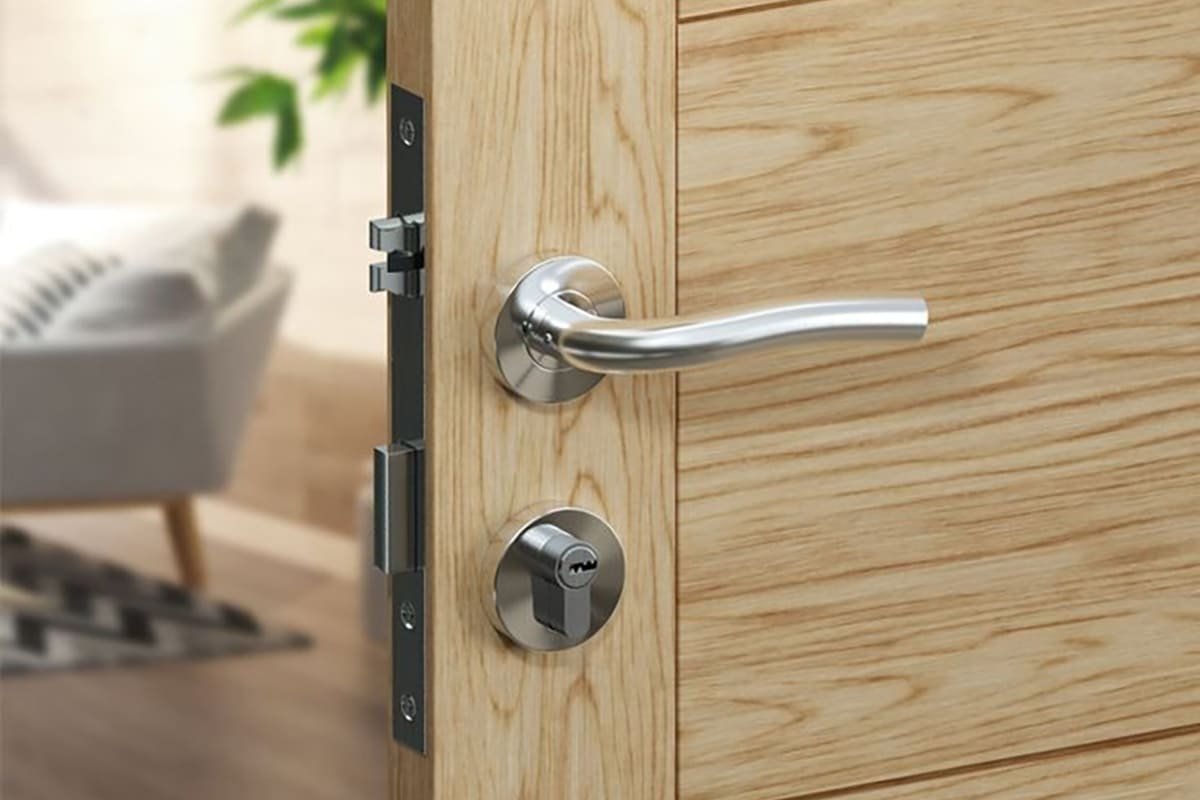
I have seen many buyers focus first on handle shape, color, or price. Those details matter, but coastal projects need one more question: will this handle keep its appearance and function after long exposure to salt-rich air? That is where material selection becomes a business decision.
Why Is 316 Stainless Steel a Better Coastal Door Handle Material?
A coastal door handle faces a harsher environment than a normal indoor handle. Salt air, moisture, and cleaning chemicals can weaken the surface over time. If the material is not suitable, small rust spots or pitting can appear, and those defects quickly become after-sales problems.
A 316 stainless steel coastal door handle performs better because 316 contains molybdenum. This alloying element improves resistance to chloride-related corrosion, especially pitting and crevice corrosion. For seaside homes, resorts, marinas, and coastal commercial buildings, 316 stainless steel gives buyers a more reliable material foundation.
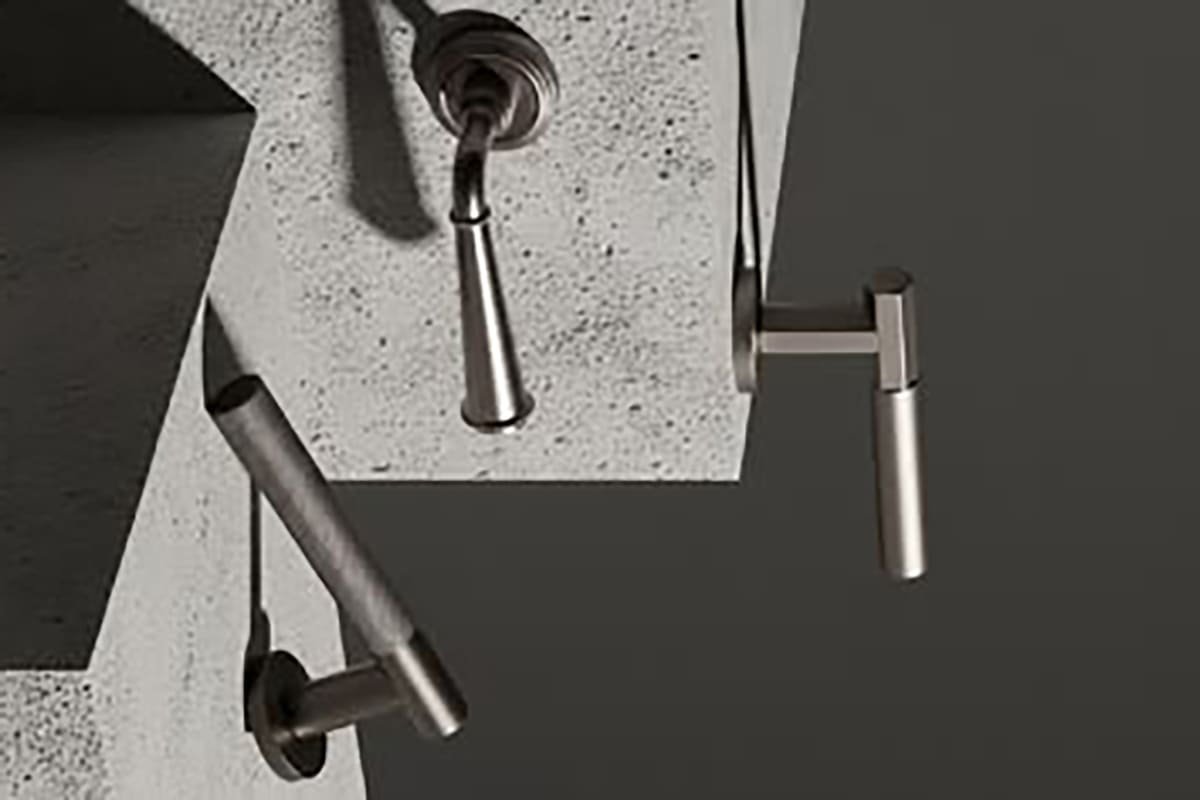
The material logic behind 316 stainless steel
I like to explain 316 stainless steel in simple terms. Stainless steel resists corrosion because chromium helps form a protective passive layer on the surface.2 However, coastal environments are difficult because chloride ions from salt can attack weak points in that passive layer.3
316 stainless steel contains molybdenum, and this is the main reason it is preferred for coastal and chloride-rich environments. Molybdenum helps improve resistance to:
- Pitting corrosion
- Crevice corrosion
- Salt-air exposure
- Chloride attack
- Surface staining risk
- Outdoor humidity stress
This does not mean 316 stainless steel will never rust. No responsible manufacturer should present it that way. I prefer to describe it as more corrosion-resistant and more suitable for harsh coastal conditions than common stainless steel grades used in general projects.
Why chloride exposure changes the buying decision
A normal apartment interior does not expose a door handle to the same stress as a seaside hotel or marina project. Coastal air often carries salt particles. These particles settle on the handle surface. Moisture then keeps the salt active for longer periods.4
That means buyers should not evaluate a coastal door handle only by appearance on day one. They should also evaluate how the material responds to real exposure.
| Environment | Exposure Level | Material Risk | Better Specification |
|---|---|---|---|
| Interior apartment door | Low | Normal wear and fingerprints | 304 or project-specific stainless steel may be enough |
| Balcony near the sea | Medium to high | Salt deposit and humidity | 316 stainless steel recommended |
| Ocean-view hotel entrance | High | Outdoor salt air and frequent cleaning | 316 stainless steel with suitable surface finish |
| Yacht marina facility | Very high | Chloride-rich air and moisture | 316 stainless steel strongly preferred |
| Swimming pool area | High | Chlorides from pool chemicals5 | 316 stainless steel recommended |
How this protects B2B buyers
For door factories, hardware brands, and importers, material choice affects more than product performance. It affects customer satisfaction and warranty pressure.
A better corrosion-resistant base material can help reduce:
- Appearance complaints from visible rust spots or surface staining
- Replacement risk when handles are installed in harsh outdoor areas
- Brand reputation damage in premium hotel or villa projects
- Maintenance pressure for distributors and project suppliers
- Configuration disputes when the product was not matched to the environment
At SDH Hardware, I often treat 316 stainless steel as a risk-control specification for coastal markets. It may cost more than a general stainless steel option, but the value becomes clearer when the project has higher exposure and higher end-user expectations.
When Should Buyers Choose a 316 Coastal Door Handle?
A coastal door handle should be specified with 316 stainless steel when the project is near the sea, exposed to outdoor humidity, or affected by chloride-rich air. The risk becomes higher when the handle is installed outside, near balconies, around pool areas, or in buildings with frequent wet cleaning.
Buyers should choose a 316 coastal door handle for seaside homes, ocean-view hotels, resorts, yacht marinas, coastal commercial buildings, swimming pool areas, and humid regions. The goal is not to over-specify every project. The goal is to match material performance with real environmental exposure.

Coastal projects are not all the same
I do not believe every door handle in every coastal city must automatically be 316 stainless steel. A hotel interior room far from direct salt air may have different requirements from an exterior entrance facing the ocean. Buyers should look at the actual exposure level.
I usually suggest asking these questions before confirming the specification:
- How close is the building to the sea?
- Will the handle be used outdoors or indoors?
- Will salt air reach the door directly?
- Will the handle be cleaned with strong chemicals?
- Is the project a premium hotel, villa, resort, or public building?
- What level of appearance retention does the end user expect?
- What warranty or after-sales pressure will the buyer carry?
These questions help the buyer avoid both under-specification and unnecessary cost.
Common applications for 316 stainless steel handles
A 316 stainless steel coastal door handle is especially suitable for projects where corrosion resistance and appearance durability matter. In my manufacturer experience, these are the common situations where buyers should consider upgrading the base material.
| Application | Why 316 Stainless Steel Helps |
|---|---|
| Seaside villas | Salt air can affect balcony and entrance doors |
| Ocean-view hotels | Premium appearance must be maintained for guests |
| Beach resorts | Outdoor doors often face humidity and salt deposits |
| Yacht marinas | Chloride exposure is usually high and continuous |
| Coastal commercial buildings | Public use increases cleaning and wear frequency |
| Swimming pool areas | Pool chemicals and moisture increase corrosion risk |
| High-humidity regions | Moisture can accelerate surface staining and corrosion |
The cost question: when is 316 worth it?
316 stainless steel is normally more expensive than common stainless steel options.6 Buyers naturally ask whether the upgrade is necessary. I think the answer depends on risk value, not only material price.
For example, a small cost saving at the handle level may not be meaningful if the project later faces complaints, replacement labor, shipping cost, or brand damage. This is especially true for B2B buyers who supply large quantities to door factories or branded hardware channels.
A simple way to think about it is this:
If the door handle will be exposed to salt, chlorides, outdoor humidity, or premium end-user expectations, 316 stainless steel is often easier to justify.
Procurement checklist for coastal buyers
Before placing a bulk order, I recommend that buyers request and verify the following:
- Material declaration for 316 stainless steel
- Product drawings with dimensions and fixing details
- Surface finish sample for color and texture approval
- Packaging method for export and project protection
- Relevant certificates where applicable, such as CE or fire-rated documents for suitable product categories
- Factory inspection process for finished goods before shipment
- Application confirmation from a qualified professional for project-specific requirements
At SDH Hardware, we can provide product drawings after order confirmation, support customized configurations, and arrange inspection service after production. I still advise buyers to verify certificates and test documents because serious procurement teams should treat documents as part of the evaluation process, not as marketing decoration.
Does PVD Make a Coastal Door Handle More Durable?
A coastal door handle can benefit from PVD finishing, but PVD should not be treated as a replacement for the correct base material. The base metal still matters. If a buyer needs better corrosion resistance in a chloride-rich environment, 316 stainless steel should come first.
PVD can improve scratch resistance, color stability, surface aesthetics, and design flexibility.7 For coastal projects, 316 stainless steel plus a suitable PVD finish is a premium configuration. However, PVD does not turn an unsuitable base material into a fully coastal-grade solution.
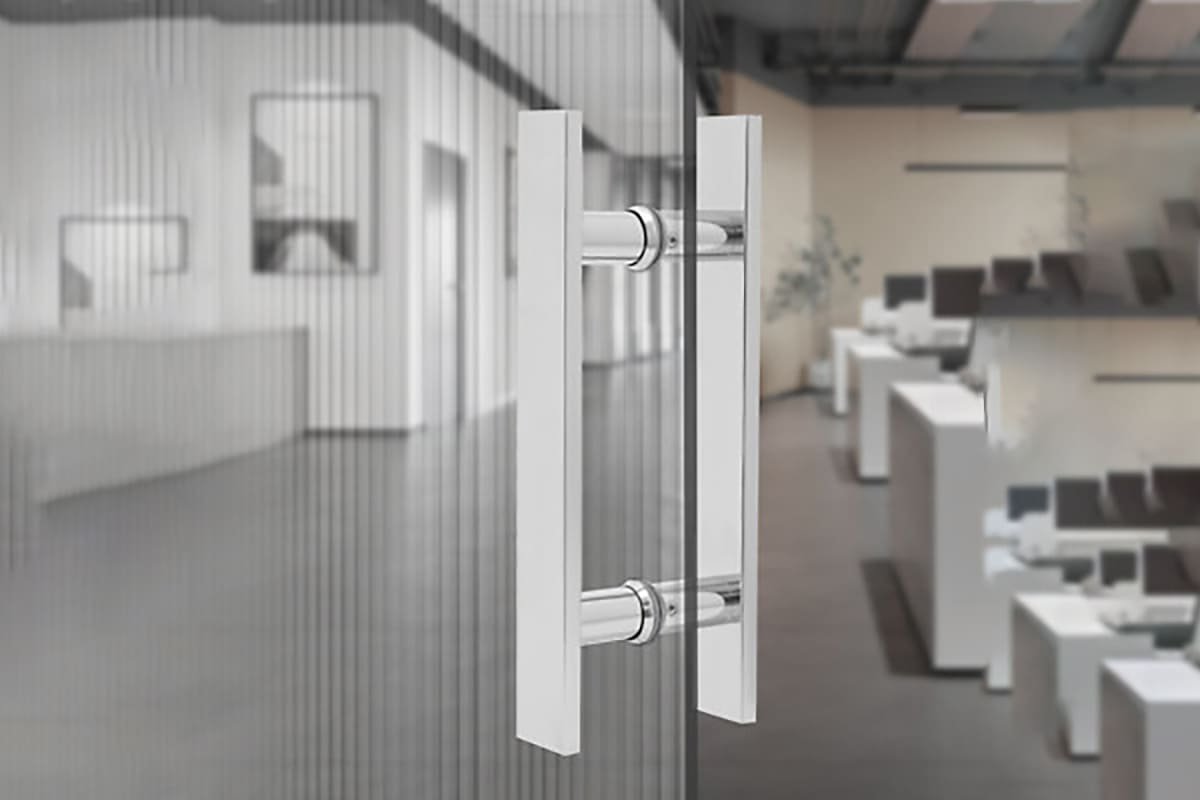
What PVD does well
PVD stands for Physical Vapor Deposition. It is a surface treatment process that deposits a thin coating on the metal surface.8 In architectural door hardware, PVD is often used to create attractive and durable finishes.
Common PVD color options may include:
- Satin gold
- Brushed bronze
- Matte black
- Graphite
- Champagne
- Rose gold
- Coffee
- Titanium grey
For hardware brands and project suppliers, PVD creates clear commercial value. It helps a product line match interior design trends. It also supports premium branding because the finish looks more refined than many basic surface treatments.
Why PVD does not replace 316 stainless steel
I always separate base material performance from surface finish performance.
- The base material affects corrosion resistance under the surface.
- The surface finish affects appearance, color, scratch resistance, and touch feel.
- The production process affects consistency, adhesion, and final quality.
- The environment affects how long the handle keeps its appearance.
If a coastal door handle uses a weak base material, PVD alone cannot remove the underlying risk. Once the coating is damaged by impact, installation scratches, or long-term wear, the base material becomes more important.9 That is why I prefer 316 stainless steel + PVD for premium coastal configurations.
Comparing common configurations
| Configuration | Strength | Limitation | Suitable Use |
|---|---|---|---|
| 304 stainless steel, basic finish | Cost-effective and common | Less suitable for high chloride exposure | General indoor or low-risk projects |
| 304 stainless steel + PVD | Better appearance and scratch resistance | Base material may still be a concern near salt | Interior premium projects |
| 316 stainless steel, satin finish | Strong corrosion-resistant base | Fewer color options than PVD | Coastal functional projects |
| 316 stainless steel + PVD | Strong base plus premium appearance | Higher cost | Hotels, resorts, villas, marinas, branded lines |
How I advise B2B buyers on finish selection
When a buyer asks me about finish choice, I first ask about the market and project environment. A black PVD handle for a coastal resort may be attractive, but the buyer should consider cleaning frequency, user traffic, installation handling, and expected warranty terms.
I usually suggest the following process:
Confirm the environment first.
The buyer should decide whether the project is indoor, outdoor, coastal, humid, or chloride-exposed.Select the base material second.
For harsh coastal conditions, 316 stainless steel is usually the safer choice.Choose the finish third.
PVD can support the design style and improve surface durability.Approve samples before mass production.
The buyer should check color, texture, hand feel, and compatibility with other hardware.Define inspection standards.
The buyer and supplier should agree on visible defects, color tolerance, packaging, and quantity inspection.
For ODM and OEM orders, this sequence reduces confusion. It also helps door factories and hardware brands avoid choosing a beautiful finish that does not match the environment.
How Should B2B Buyers Evaluate a Coastal Door Handle Supplier?
A coastal door handle is only as reliable as the material control, production process, surface treatment, and inspection system behind it. A supplier may offer an attractive price, but buyers need to verify whether the factory can support consistent quality for bulk orders.
B2B buyers should evaluate a coastal door handle supplier by checking material capability, surface treatment options, drawings, samples, production consistency, inspection procedures, certification documents, packaging, customization support, and communication quality. For coastal markets, supplier selection is a risk-management decision.
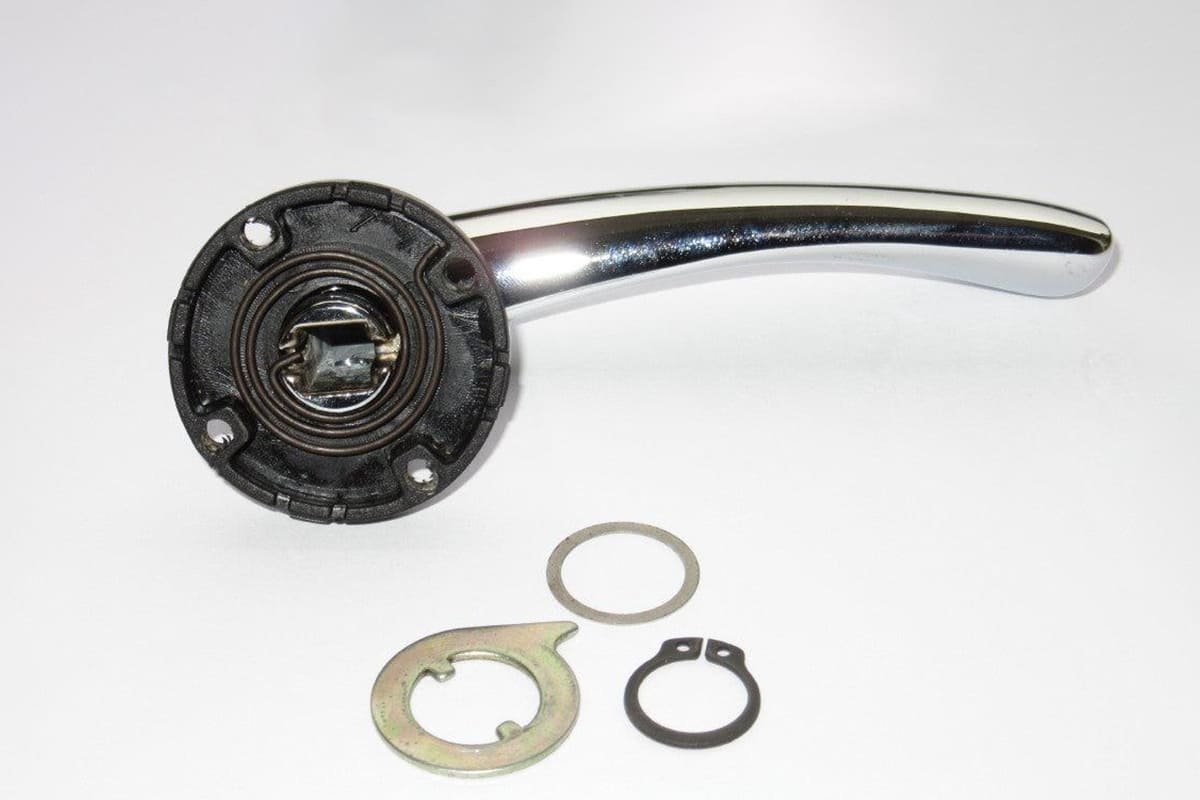
Supplier evaluation starts with material control
For coastal hardware, material control is not a small detail. If the buyer specifies 316 stainless steel, the supplier should be able to support that requirement through purchasing, production, and inspection.
I recommend that buyers ask suppliers for:
- Material specification confirmation
- Product construction details
- Finish and surface treatment options
- Handle dimensions and technical drawings
- Installation accessory information
- Packaging details
- Inspection process description
- Relevant certification documents for applicable products
At SDH Hardware, we manufacture architectural door hardware with independent factory operations. Our main product range includes Euro mortise locks, stainless steel lever handles, butt hinges, concealed door hinges, Euro brass cylinders, and door accessories. Because we produce and configure hardware for B2B customers, I see how easily a small specification misunderstanding can create a big project issue.
Quality control questions buyers should ask
A reliable factory should not only say, “We can make it.” The factory should explain how it controls the process. For a coastal door handle order, I would ask these questions:
- How is the raw material screened before production?
- How is the handle surface prepared before finishing?
- How is the PVD or other surface finish inspected?
- How are dimensions checked against drawings?
- How are assembled products tested or reviewed?
- How are finished products protected in packaging?
- Can the supplier support third-party inspection if required?
These questions are practical. They help the buyer understand whether the supplier has a structured system or only a sales answer.
Why one-stop sourcing matters for door factories
Many door factories do not buy only one handle. They often need a complete hardware configuration. That may include handles, mortise locks, cylinders, hinges, accessories, strike plates, screws, and packaging.
One-stop sourcing can help buyers reduce:
- Supplier communication time
- Color mismatch between hardware parts
- Packaging inconsistency
- Shipment coordination problems
- Drawing and accessory confusion
- After-sales responsibility disputes
SDH Hardware offers more than 3,000 architectural hardware articles for B2B customers. This matters because a door factory may need stainless steel lever handles, Euro mortise locks, butt hinges, and cylinders configured together. When those items come from a coordinated supply system, the buyer has a better chance of controlling the final door hardware set.
Customization and branding considerations
For hardware brands and wholesalers, the product is not only a functional item. It is also part of the brand identity. A coastal door handle may need customized packaging, logo marking, surface finish, or accessory configuration.
Common customization options include:
| Customization Item | Buyer Value |
|---|---|
| Laser logo or stamping | Supports brand identity |
| Custom color packaging | Improves retail or project presentation |
| Surface finish selection | Matches market design trends |
| Accessory configuration | Fits regional installation habits |
| Product drawings | Supports technical confirmation |
| ODM/OEM development | Helps brands build exclusive product lines |
I suggest that buyers confirm these details before production begins. Changes after mass production can be costly, especially for export orders.
Certificates should be verified, not assumed
Many architectural hardware products may require CE documentation, fire-rated certification, or other market-specific compliance documents. At SDH Hardware, our core products comply with EU standard specifications and are available with authoritative CE certification and fire-rated certification for applicable items.
However, I always recommend that buyers verify certificates, product scope, standards, and validity before making a procurement decision. The right document should match the right product, size, configuration, and intended application. For fire-rated doors or regulated projects, buyers should also consult qualified professionals or local authorities because application-specific decisions require proper technical review.
What Maintenance Helps a 316 Stainless Steel Coastal Door Handle Last Longer?
A coastal door handle made from 316 stainless steel still needs proper cleaning and care. The material is more resistant to corrosion, but salt deposits, dirt, and chemical residues can still affect the surface if they remain for long periods.
Regular fresh-water cleaning, gentle wiping, and avoiding harsh chemicals can help a 316 stainless steel coastal door handle maintain its appearance.10 Buyers should also educate installers and end users because poor handling, abrasive cleaning, and surface scratches can reduce long-term performance.
Why maintenance still matters
Some buyers hear “316 stainless steel” and assume the product can be ignored after installation. I do not recommend that assumption. Coastal exposure is aggressive. Salt can settle on the surface and combine with moisture. If the surface is never cleaned, the risk of staining increases.
A simple cleaning habit can protect the buyer’s investment. It also reduces unnecessary complaints from end users who may not understand the difference between material defect and poor maintenance.
Recommended cleaning habits
For most coastal or humid projects, I suggest a practical maintenance guide like this:
Rinse with clean fresh water.
This helps remove salt and dirt from the handle surface.Wipe with a soft cloth.
A microfiber cloth is usually safer than rough fabric.Use mild soap if needed.
The cleaner should be gentle and non-abrasive.Dry the surface after cleaning.
Drying helps reduce water marks and mineral deposits.Avoid harsh chemicals.
Strong acids, bleach, and abrasive powders can damage the surface or finish.11Inspect high-touch areas.
The user should check edges, crevices, screw areas, and underside surfaces.
Maintenance guidance for B2B customers
Door factories and hardware brands can reduce after-sales risk by including basic care instructions in the product package or project handover file. This is a small step, but it gives end users clearer expectations.
A good maintenance note should explain:
- The handle is corrosion-resistant, not maintenance-free.
- Coastal environments need more frequent cleaning.
- Abrasive tools can damage the finish.
- Salt deposits should be removed regularly.
- PVD finishes should be cleaned gently.
- Installation scratches should be avoided.
For project suppliers, this guidance is useful because it creates a shared understanding. The manufacturer provides the correct material. The installer handles the product carefully. The end user cleans it properly. All three parts matter.
Installation also affects performance
Maintenance begins before the door is used. Installation teams should avoid scratching the surface, dragging tools across the handle, or leaving metal dust on the product. Small installation damage can become the starting point for staining, especially near the coast.12
I recommend that buyers remind installers to:
- Keep handles in protective packaging until installation
- Use clean gloves where possible
- Avoid contact with cement, acidic cleaners, or metal dust
- Remove protective film according to the supplier’s instruction
- Clean the handle after installation work is complete
This approach is practical and low cost. It supports the full value of a 316 stainless steel coastal door handle without making unrealistic claims.
Frequently Asked Questions
Is 316 stainless steel completely rust-proof for coastal door handles?
No. 316 stainless steel is not completely rust-proof. It is more resistant to corrosion, pitting, and crevice corrosion than many general stainless steel options, especially in salt-rich and chloride-rich environments. Proper cleaning, installation care, and suitable surface treatment still matter.
Is 304 stainless steel acceptable for coastal door handles?
304 stainless steel may be acceptable for low-risk indoor areas or projects with limited chloride exposure. However, I usually recommend 316 stainless steel for seaside, outdoor, high-humidity, or poolside applications because it offers stronger resistance to salt-related corrosion.
Does a PVD finish protect a coastal door handle from salt corrosion?
PVD can improve scratch resistance, color stability, and surface appearance, but it does not replace the need for the correct base material. For coastal projects, 316 stainless steel plus a suitable PVD finish is a stronger premium configuration than relying on PVD alone.
What projects should use 316 stainless steel door handles?
316 stainless steel door handles are especially suitable for seaside homes, ocean-view hotels, resorts, yacht marinas, coastal commercial buildings, swimming pool areas, and high-humidity regions. These environments expose hardware to more moisture, salt, and chlorides than normal indoor projects.
What should importers check before ordering coastal door handles?
Importers should check material specification, product drawings, surface finish samples, packaging, inspection procedures, customization options, and relevant certification documents. They should also confirm whether the handle will be used indoors, outdoors, near the sea, or in a chloride-exposed area.
Conclusion
A coastal door handle should be selected with the environment in mind. I recommend 316 stainless steel for coastal, humid, outdoor, and chloride-exposed projects because its molybdenum-enhanced composition improves resistance to pitting and crevice corrosion. For premium projects, 316 stainless steel with PVD finish can balance durability, appearance, and brand value. If you are sourcing door handles for coastal markets, contact SDH Hardware to discuss material selection, surface finish, OEM/ODM configuration, and factory-direct B2B supply.
"Studies on the Cooperative Influence of Cr and Mo on ... - PMC", https://pmc.ncbi.nlm.nih.gov/articles/PMC10707140/. Corrosion-science studies identify molybdenum as a key alloying addition in 316 stainless steel that improves resistance to localized chloride corrosion, including pitting and crevice corrosion. Evidence role: mechanism; source type: paper. Supports: The source should explain that molybdenum in austenitic stainless steels such as 316 improves resistance to chloride-induced pitting and crevice corrosion.. Scope note: The source may address stainless steel alloys generally rather than door handles specifically. ↩
"Case Study: How Chromium Protects Steel - UMich MSE", https://mse.engin.umich.edu/internal/demos/case-study-how-chromium-protects-steel. Materials references describe stainless steel corrosion resistance as arising primarily from a chromium-rich passive oxide film that forms on the surface. Evidence role: mechanism; source type: education. Supports: The source should describe how chromium in stainless steel forms a thin passive oxide film that contributes to corrosion resistance.. Scope note: This supports the general mechanism of stainless steel corrosion resistance, not the performance of any specific door-handle product. ↩
"Localized corrosion: Passive film breakdown vs. Pit growth ...", https://www.osti.gov/biblio/1852324. Electrochemical corrosion literature reports that chloride ions can promote breakdown of the stainless-steel passive film and initiate localized pitting at susceptible surface sites. Evidence role: mechanism; source type: paper. Supports: The source should support that chloride ions can destabilize passive films on stainless steel and initiate localized corrosion.. Scope note: The evidence is mechanistic and does not quantify corrosion rates for door hardware in a specific coastal location. ↩
"Marine Atmospheric Corrosion of Carbon Steel: A Review - PMC", https://pmc.ncbi.nlm.nih.gov/articles/PMC5506973/. Atmospheric-corrosion research describes marine environments as exposing surfaces to chloride-containing aerosol deposits whose corrosive effects are promoted by humidity and surface wetness. Evidence role: mechanism; source type: research. Supports: The source should show that marine atmospheres deposit chloride-containing aerosols on materials and that humidity or surface moisture contributes to atmospheric corrosion.. Scope note: The source would support the environmental mechanism generally, not the exact exposure level at every coastal building. ↩
"What is the Difference Between Commercial and Residential Door ...", https://sdhhardware.com/2026/09/04/what-is-the-difference-between-commercial-and-residential-door-hardware/. Technical guidance on stainless steel in swimming-pool environments notes that chloride- or chlorine-containing conditions can increase the risk of corrosion, particularly where deposits, humidity, or inadequate cleaning are present. Evidence role: general_support; source type: institution. Supports: The source should indicate that swimming pool environments can expose stainless steel to chloride or chlorine-containing compounds that contribute to corrosion risk.. Scope note: This is contextual support for poolside exposure; the corrosion outcome depends on ventilation, cleaning, grade selection, and surface condition. ↩
"Door Pull Handles - The 5 Ws (and 1 H)? - SDH hardware- China ...", https://sdhhardware.com/2026/08/20/door-pull-handles-the-5-ws-and-1-h/. Materials-selection references commonly note that 316 stainless steel is more expensive than 304 stainless steel, in part because of its additional alloying elements such as molybdenum. Evidence role: general_support; source type: education. Supports: The source should support that 316 stainless steel is commonly more costly than 304 or general stainless steel grades, often because of higher alloying content such as molybdenum.. Scope note: The source would support a general cost relationship; actual prices vary by region, supplier, product form, and commodity markets. ↩
"PVD for Decorative Applications: A Review - PMC - NIH", https://pmc.ncbi.nlm.nih.gov/articles/PMC10381906/. Coatings literature reports that PVD films are widely used to enhance surface properties, including hardness, wear resistance, and decorative appearance. Evidence role: general_support; source type: paper. Supports: The source should support that PVD coatings are used to improve surface properties such as hardness, wear resistance, and decorative appearance.. Scope note: The source may support general PVD coating properties rather than scratch resistance or color stability for a specific door-handle finish. ↩
"Chemical vapor deposition", https://en.wikipedia.org/wiki/Chemical_vapor_deposition. Reference works define physical vapor deposition as a group of vapor-phase coating processes in which material is deposited as a thin film on a substrate. Evidence role: definition; source type: encyclopedia. Supports: The source should define Physical Vapor Deposition as a class of vacuum processes used to deposit thin films or coatings onto surfaces.. Scope note: The definition supports the process description, not the quality of any particular PVD finish used on door hardware. ↩
"Corrosion behavior of scratched coated steel structures in ...", https://ui.adsabs.harvard.edu/abs/2026AIPA...16f5024L/abstract. Protective-coating research shows that coating defects or scratches can expose the underlying substrate, allowing corrosion behavior to depend strongly on the base material and local environment. Evidence role: mechanism; source type: paper. Supports: The source should explain that defects or scratches in coatings can expose the substrate and allow localized corrosion processes to depend on the base metal.. Scope note: The evidence supports the general coating-defect mechanism and may not test PVD-coated door handles specifically. ↩
"Clear Water Rinsing, Covering, and Sea Water Spray", https://www.waru.edu/sites/default/files/webform/documents/24936/DOD-AUG22-18547.pdf. Stainless-steel maintenance guidance states that regular cleaning to remove salt and surface deposits, using mild methods and clean water, helps preserve appearance in marine or chloride-containing environments. Evidence role: general_support; source type: institution. Supports: The source should support that stainless steel in chloride or marine environments benefits from regular cleaning to remove salt deposits and from avoiding abrasive or aggressive cleaners.. Scope note: This supports maintenance practice generally; required cleaning frequency depends on exposure, finish, design crevices, and local conditions. ↩
"Selection and Use of Home Cleaning Products - Publications", https://pubs.nmsu.edu/_g/G304/. Stainless-steel care guidance warns that aggressive acids, chloride-containing bleach, and abrasive cleaners can damage the surface condition or promote corrosion and staining. Evidence role: mechanism; source type: institution. Supports: The source should state that chloride-containing bleach, strong acids, or abrasive cleaners can harm stainless steel surfaces or finishes.. Scope note: The source may address bare stainless steel generally; the effect on a specific PVD finish can vary by coating composition and quality. ↩
"Corrosion studies of stainless steel blades", https://digitalcommons.njit.edu/context/theses/article/1023/viewcontent/njit_etd2017_075.pdf. Corrosion studies indicate that surface defects, scratches, or contamination can act as initiation sites for localized attack on stainless steel under chloride-containing conditions. Evidence role: mechanism; source type: paper. Supports: The source should support that surface defects, scratches, or contamination can promote localized corrosion or staining of stainless steel, especially in chloride environments.. Scope note: The evidence is mechanistic and does not establish that all minor installation marks will lead to visible staining. ↩