Commercial Cylinder Keyways and Keying Compatibility: What Should Buyers Confirm?
Commercial cylinder keyways can look simple on a drawing, but they often create expensive confusion during sampling or bulk production. A buyer may approve the cylinder size, then later discover the key blank, key type, or keying plan does not match the market need. I use a structured confirmation process to prevent this problem before production starts.
Commercial cylinder keyways should be confirmed together with the key type, key blank, pin or track structure, and intended keying system. For Euro-profile cylinders, compatibility is not universal.1 Buyers should verify whether the cylinder uses dimple keys, S-groove keys, single-row pins, double-row pins, snake-groove structures, keyed alike groups, or master key planning before ordering.
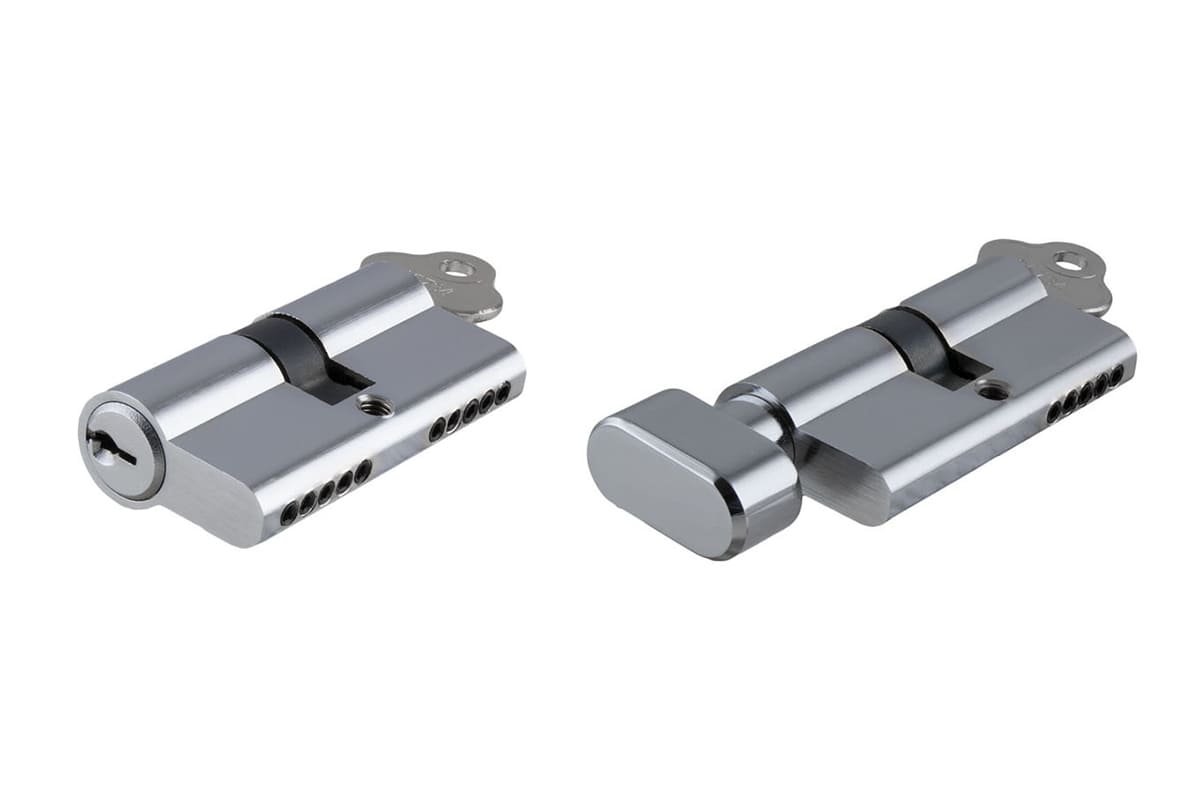
A Euro cylinder may fit a lock body correctly and still fail the buyer’s keying requirement. That is why I treat “fit,” “keyway,” and “keying system” as related but separate questions. Below, I will break down the checks that procurement teams, OEM customers, and project buyers should make before confirming samples.
What Are Commercial Cylinder Keyways in Euro-Profile Cylinders?
Commercial cylinder keyways are easy to underestimate because the visible slot seems to tell the full story. In practice, the keyway only shows part of the compatibility picture. If a buyer relies only on appearance, the sample may fit the door but fail the keying plan.
Commercial cylinder keyways are the shaped openings inside the cylinder plug that accept a specific key profile.2 In Euro-profile cylinders, the keyway must match the key blank and the internal key structure. However, cylinder size, keyway shape, pin arrangement, and keyed alike or master key planning are different issues that must be checked separately.
Why the Keyway Is Only One Part of Compatibility
In my factory order-confirmation work, I often hear one short question: “Is this cylinder universal?” I understand why buyers ask it. A Euro-profile cylinder has a familiar outside shape, and many lock bodies accept the same general cylinder format. However, that does not make the keyway universal.
A complete compatibility check usually includes these separate items:
Cylinder profile and size
The cylinder must physically fit the lock body and door thickness. Common Euro cylinder sizes include combinations such as 30/30, 30/35, 35/35, 40/40, and other project-specific lengths.3Cam type and cam position
The cam must operate the lock body correctly.4 Some lock cases require specific cam behavior or dimensions.Keyway profile
The key must enter the plug. A similar-looking key may still be incompatible if the grooves or profile differ.5Key type
Common Euro cylinder key types include dimple/computer keys and S-groove keys. These serve different market preferences and production requirements.Pin or track structure
A single-row pin structure is not the same as a double-row pin structure. A side snake groove also changes the key and cylinder design.Keying system
Keyed alike, keyed different, and master key systems need advance planning. The full group must use a compatible keyway system.
| Compatibility Item | What It Answers | Common Buyer Mistake |
|---|---|---|
| Cylinder size | Will the cylinder fit the door and lock body? | Treating size as key compatibility |
| Keyway | Will this key profile enter the plug? | Assuming similar-looking keys work |
| Key type | Is it dimple/computer or S-groove? | Ignoring local duplication habits |
| Pin/track structure | Does the internal coding system match? | Confusing keyway with tooth structure |
| Keying system | Can locks share keys or master keys? | Planning keyed alike after production |
I normally ask buyers to confirm all five areas before sample production, especially when the order includes OEM branding, custom packaging, or a project keying schedule.
For procurement teams, the safe approach is simple: do not approve a Euro cylinder only by its external size. A correct cylinder body can still use an unsuitable keyway, an unavailable key blank, or an incompatible keying structure.
How Do Commercial Cylinder Keyways Affect Key Type and Key Blank Matching?
Commercial cylinder keyways directly affect which key blank can be used, how easily the key can be duplicated locally, and whether the buyer’s market prefers a dimple/computer key or an S-groove key. If the key blank cannot be sourced or matched, the cylinder may create after-sales problems even when production quality is stable.
Commercial cylinder keyways should be matched with the intended key type and key blank before sampling. Dimple/computer keys are convenient because both sides can guide insertion, while S-groove keys are easier to process and often provide many tooth-profile options. Buyers should confirm local key blank availability before bulk production.
Dimple or Computer Keys
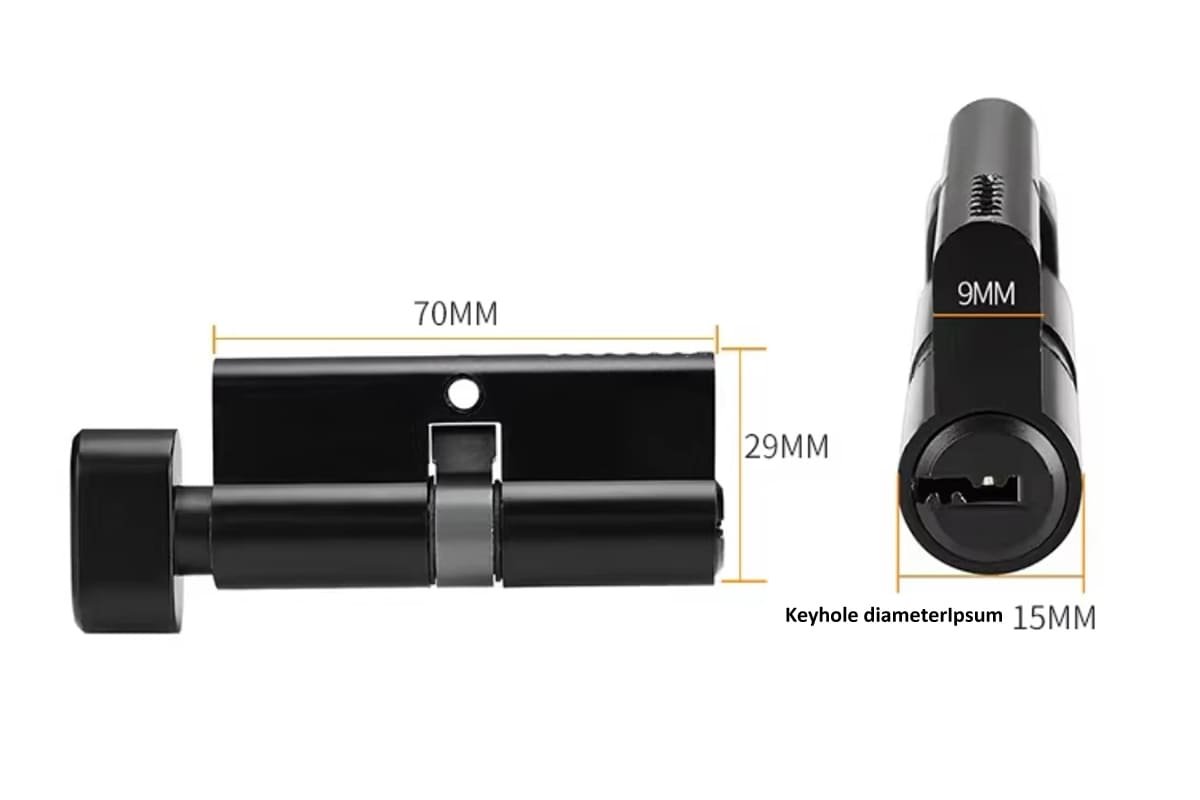
In many Euro-profile cylinder orders, buyers ask for what they call computer keys or dimple keys. These keys usually have drilled or milled points instead of traditional edge cuts.6 Many versions also have grooves on both sides, so users do not need to distinguish the front and back before inserting the key.7
That small convenience matters in real projects. For apartment doors, office doors, and commercial entrances, end users often prefer a key that feels easy and smooth. Dimple key systems can also support more complex structures, such as:8
- Double-row pin arrangements
- Side pin designs
- Snake-groove side tracks
- Multi-directional coding concepts
I do not present these features as a universal security guarantee. The actual security level depends on the complete cylinder design, material, tolerances, testing, and certification documents.9 However, from a production and procurement perspective, dimple keys often give buyers more design space for higher-positioned product lines.
S-Groove Keys
S-groove keys are also common in Euro cylinder markets. They are usually easier to process and can offer a wide range of tooth-profile options. Many buyers like them because local duplication and replacement may be more convenient, depending on the region.
Some buyers request YALE-style profiles because they are familiar in their target markets. That can be useful, but I always recommend confirming the exact profile and key blank with the buyer’s local channel. “YALE-style” is a broad market description, not a technical guarantee that every blank or machine will match.
| Key Type | Practical Advantage | Buyer Should Confirm |
|---|---|---|
| Dimple/computer key | Easy insertion, more complex design options | Blank profile, pin rows, side groove, supplier capability |
| S-groove key | Easier processing, many tooth profiles | Local duplication habit, tooth profile, exact blank |
| YALE-style S profile | Familiar in many markets | Actual compatibility with local blanks and lock shops |
| Custom OEM profile | Brand differentiation | Long-term blank supply and after-sales control |
Why Key Blank Matching Matters
A cylinder is not only a factory product. It becomes part of a local service chain after installation. If a wholesaler sells cylinders into a market where replacement key blanks are difficult to source, the product may create complaints later.
Before production, I usually ask customers to confirm:
- Do you need a standard market key blank or a restricted/custom profile?
- Should the key support local duplication?
- Do you want a branded key head or neutral design?
- Will this cylinder be used for retail replacement, door factory assembly, or project supply?
- Do you need the same blank for future repeat orders?
These questions are not small details. They affect tooling, production control, packaging, and after-sales support. A buyer who confirms the key blank early usually avoids delays during mass production.
Why Do Pin Rows and Snake Grooves Change Keying Compatibility?
Pin rows and snake grooves cause problems when buyers treat keyway compatibility as only a visible slot issue. A key may enter a cylinder and still not operate it because the internal pin rows, side coding, or track structure does not match. This is why similar appearance is not enough.
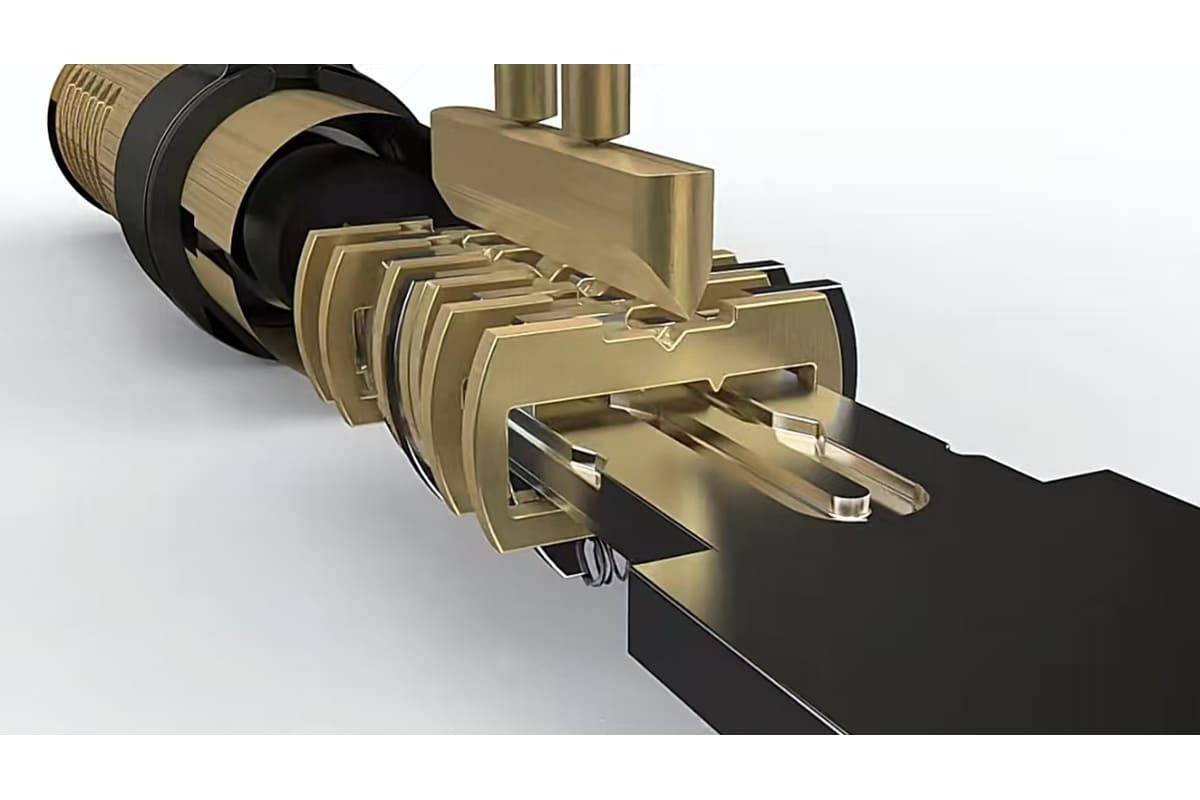
Pin rows and snake grooves change keying compatibility because they define how the key interacts with the cylinder’s internal mechanism.10 Single-row pins, double-row pins, and side snake grooves require different key tooth or track configurations. These structures affect whether cylinders can share keys or be included in a compatible keying system.
Single-Row Pin Structures
A single-row pin structure is common in many conventional cylinder designs. The key coding usually follows one main cutting or dimple line. This structure can be efficient for standard products, replacement markets, and cost-sensitive projects.
For B2B buyers, single-row pin systems may be suitable when:
- The project requires a practical standard cylinder.
- Local key duplication is important.
- The buyer wants stable mass production.
- The product line targets general residential or light commercial use.
- The keying plan is simple, such as keyed different or small keyed alike groups.
However, a single-row pin cylinder cannot automatically integrate with a double-row or side-track design. The internal structure is different.
Double-Row Pin Structures
Double-row pin systems add another layer of key coding. In dimple key cylinders, this may appear as dimples on both sides or in different positions. The goal is not only appearance. The key and cylinder are designed as a matched system.
From a manufacturing view, double-row systems require tighter confirmation of:
- Pin layout
- Key blank design
- Drilling or milling positions
- Testing standards
- Sample approval process
- Future repeat-order consistency
I prefer to confirm these details with drawings, sample keys, and written order notes. That process reduces disputes because everyone knows what is being produced.
Snake-Groove or Side-Track Structures
Some dimple/computer key systems include a snake groove, also called a side track in some markets. This side feature interacts with a related structure inside the cylinder. It can support a more complex key profile and help distinguish one product series from another.
However, buyers should not assume that all snake-groove keys are interchangeable. The exact curve, depth, position, and related cylinder structure must match. Even small differences can make the key incompatible.
| Structure | What It Means | Compatibility Impact |
|---|---|---|
| Single-row pins | One main coding row | Often simpler, but not compatible with all systems |
| Double-row pins | Two coding rows or more complex dimple layout | Requires matching blank and drilling positions |
| Snake groove | Side track feature on key | Must match side structure inside cylinder |
| Mixed structures | Combined pin and side coding | Needs strict sample and drawing confirmation |
What Buyers Should Avoid
I recommend avoiding these assumptions:
- “The key enters, so it must work.”
- “The key looks similar, so it can be copied.”
- “The cylinder is Euro profile, so the keyway is universal.”
- “A master key can be added later.”
- “Any dimple key blank can match any dimple cylinder.”
These assumptions often create delays after the sample stage. In a B2B order, the best time to solve keying compatibility is before production, not after the locks are packed.
Can Commercial Cylinder Keyways Support Keyed Alike and Master Key Systems?
Commercial cylinder keyways can support keyed alike or master key systems only when the full lock group is planned around a compatible keyway and key structure. If different cylinders use incompatible profiles, pin layouts, or key blanks, one-key access and management-key arrangements will not work reliably.
Keyed alike and master key systems depend on shared compatibility across the selected cylinders. The visible keyway is important, but it is not the whole system. Buyers must confirm the same keyway family, key blank, internal coding structure, and order schedule before production. Professional project evaluation is recommended for complex access plans.
Keyed Alike Is Not the Same as “Same Cylinder Size”
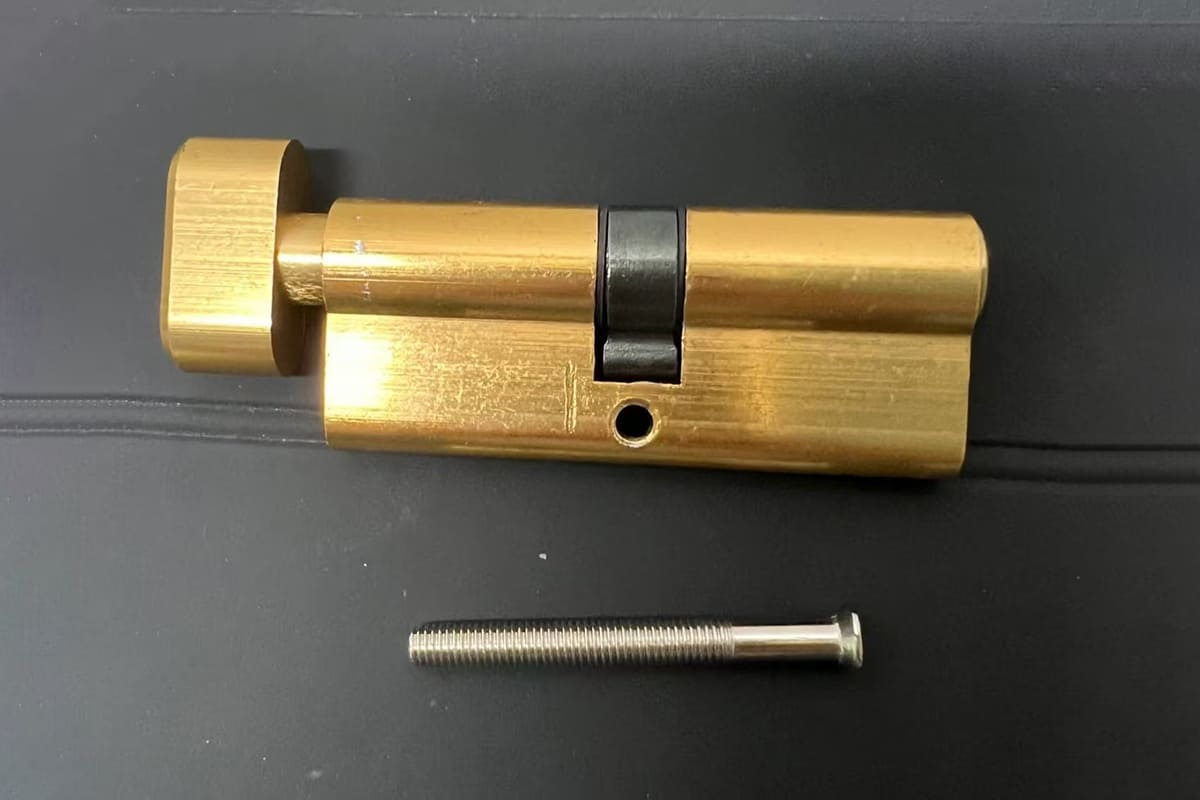
A keyed alike order means multiple cylinders can be opened by the same key.11 Buyers often request this for apartment doors, hotel service areas, office rooms, or storage spaces. The requirement sounds simple, but it must be arranged during production.
For a keyed alike group, I usually confirm:
- How many cylinders share one key?
- Are all cylinders the same size?
- Do they use the same keyway and key blank?
- Do they use the same internal structure?
- How many keys should be supplied per cylinder or per group?
- Should the packaging label show the key group number?
If a buyer mixes different keyway systems, the keyed alike plan can fail. The lock bodies may be correct. The cylinder lengths may be correct. But the keying requirement will still be wrong.
Master Key Systems Need Earlier Planning
A master key system allows different levels of access.12 For example, individual keys may open individual doors, while a management key opens a defined group. This can be useful for commercial projects, rental buildings, schools, and facilities.
However, master key planning should not be treated as a casual add-on. I am a manufacturer, not a certified access-control designer or locksmith. So I always keep my recommendation practical: buyers should provide a clear keying schedule and, for complex projects, obtain qualified professional evaluation before final approval.
A basic keying schedule may include:
- Door number
- Room name or area
- Cylinder size
- Finish
- Key group
- Master key level
- Quantity of user keys
- Quantity of management keys
- Packaging and labeling requirements
| Keying Requirement | Planning Needed | Risk If Not Confirmed |
|---|---|---|
| Keyed different | Each cylinder has its own key | Low risk, but labels still matter |
| Keyed alike | One key opens multiple cylinders | Wrong keyway can block the group |
| Master key | Management key opens selected cylinders | Poor planning can cause access errors |
| Grand master key | Higher-level management structure | Requires qualified review and strict schedule control |
Packaging and Labeling Matter
Keying compatibility is not only a production issue. It is also a warehouse and installation issue. If keyed alike or master key cylinders are packed without clear labels, installers may place the wrong cylinder in the wrong door.
For project orders, I prefer to confirm labels such as:
- KA-01, KA-02, KA-03 for keyed alike groups
- MK-A, MK-B for master key areas
- Door numbers printed on cartons
- Separate key bags for management keys
- Packing list cross-reference
This is a simple step, but it prevents many site problems. In my experience, clear labeling is one of the most valuable low-cost controls for B2B cylinder orders.
How Should Buyers Confirm Cylinder Compatibility Before Bulk Production?
Cylinder compatibility should be confirmed through a structured checklist before sampling and again before bulk production. If procurement teams only compare photos or ask whether a cylinder is “standard,” they may miss the keyway, key blank, pin structure, or keying system details that affect the final order.
Buyers should confirm cylinder compatibility by checking the lock body fit, Euro cylinder size, cam type, commercial cylinder keyways, key type, key blank, internal pin or track structure, keying requirement, certification documents, finish, packaging, and inspection plan. Written confirmation and approved samples should come before mass production.
A Practical Confirmation Checklist
At SDH Hardware, I usually treat order confirmation as a risk-control step, not just a sales step. A clear checklist helps both sides avoid assumptions.
Before sampling, buyers should confirm:
- Cylinder profile: Euro profile or another profile
- Cylinder size: internal/external length combination
- Cam: standard or project-specific requirement
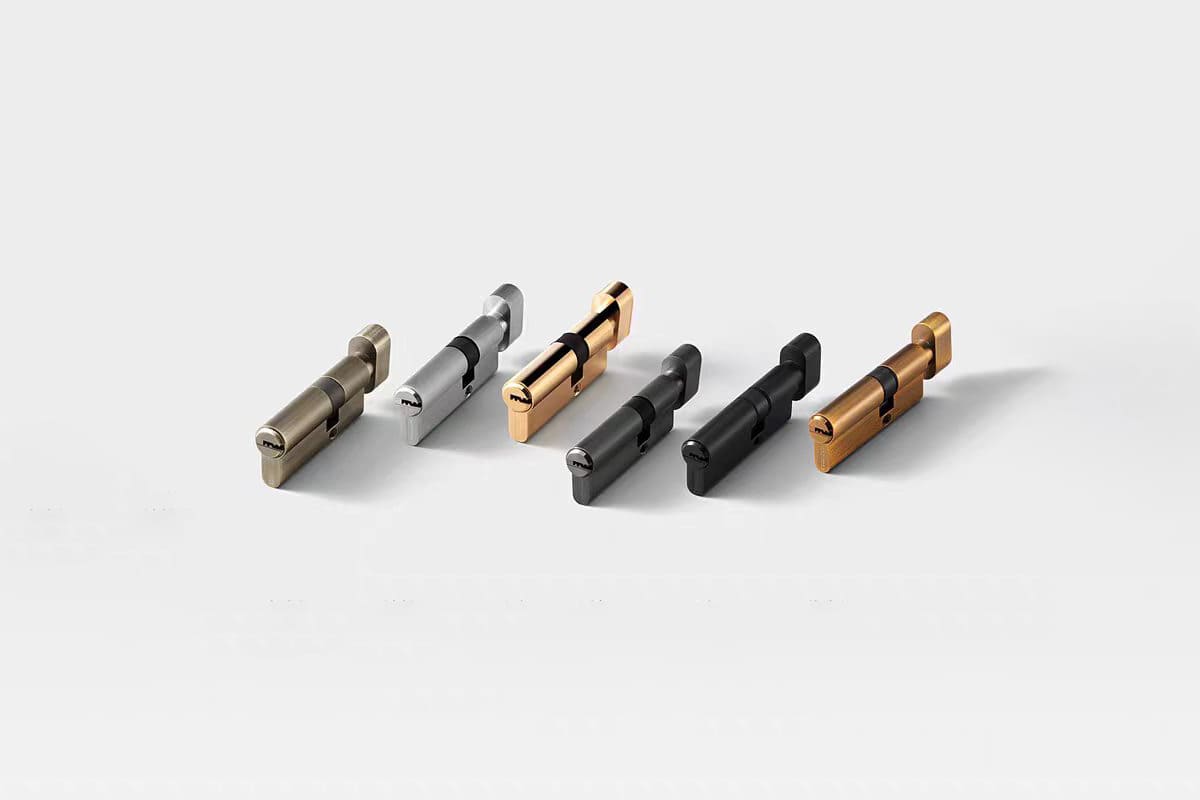
- Finish: brass, nickel, satin nickel, black, or custom finish
- Key type: dimple/computer key or S-groove key
- Key blank: standard, market-specific, or custom
- Keyway: exact profile and matching requirement
- Pin structure: single-row, double-row, or other structure
- Side track: whether snake groove or side coding is required
- Keying: keyed different, keyed alike, master key, or other schedule
- Keys per cylinder: common quantities include 3 keys or 5 keys, but this depends on the market
- Logo: stamped, laser logo, or neutral
- Packaging: neutral box, color box, OEM brand packaging
- Certificates: CE or fire-rated documents where applicable and verifiable
- Inspection: dimensions, function, finish, key operation, packing
Sample Approval Should Be Specific
A sample should not be approved with only one sentence such as “sample OK.” I prefer sample approval notes that name the important details.
A stronger approval note may say:
“Approved: Euro profile cylinder, 30/30 size, satin nickel finish, S-groove key, confirmed key blank, keyed different, 3 keys per cylinder, neutral packaging.”
That level of detail protects both the buyer and the factory. It also helps repeat orders because the next production batch can follow the same confirmed specification.
Supplier Evaluation for B2B Buyers
For door factories, hardware brands, and bulk wholesalers, the supplier’s production process matters as much as the product drawing. A cylinder order involves precision parts, surface treatment, assembly, key matching, inspection, and packaging. Weak control in any step can create after-sales problems.
When I were evaluating a cylinder supplier, I would ask for:
| Evaluation Area | What to Check | Why It Matters |
|---|---|---|
| Production capability | In-house machining, assembly, and testing | Supports stable repeat orders |
| Product range | Euro cylinders, locks, hinges, handles, accessories | Helps one-stop sourcing |
| Quality control | Raw material screening, process checks, final inspection | Reduces batch variation |
| Testing equipment | Function and durability testing machines | Supports objective evaluation |
| Documentation | Drawings, order confirmations, certificates | Helps procurement verification |
| Customization | Logo, finish, packaging, keying groups | Supports OEM/ODM needs |
Certification and Fire-Rated Requirements
Many buyers need CE certification or fire-rated documentation for project or market access. These documents should be treated as items to verify, not as marketing phrases. The buyer should confirm:
- Which product model the document covers
- Whether the certificate is current
- Which standard or test report applies
- Whether the cylinder is part of a fire-rated door hardware set
- Whether local project approval needs additional documentation
As a China-based architectural door hardware manufacturer, I can provide product documents for applicable items, but buyers should still verify certificates against their project requirements. For fire-rated applications, professional evaluation is especially important because the cylinder, lock body, door leaf, frame, and installation method may all affect compliance.
Why Written Confirmation Saves Money
A cylinder sample is inexpensive compared with a failed container order. Written confirmation saves money because it catches mismatches before production. It also creates a shared record for purchasing, engineering, warehouse, and after-sales teams.
I recommend that buyers never rely only on photos. A good photo helps, but it cannot fully confirm the key blank, internal structure, or master key plan. A confirmed sample, a clear drawing, and a written specification are much safer.
Frequently Asked Questions
Are commercial cylinder keyways universal?
No. Commercial cylinder keyways are not universal. A Euro-profile cylinder may fit the same lock body but use a different keyway, key blank, pin structure, or keying system. Buyers should confirm the exact profile and internal structure before sampling or ordering.
What is the difference between dimple keys and S-groove keys?
Dimple keys usually use drilled or milled points and may allow convenient two-sided insertion. They can support more complex structures such as double-row pins or side grooves. S-groove keys are often easier to process and may offer more common tooth-profile options in some markets.
Can different Euro cylinders be keyed alike?
Different Euro cylinders can be keyed alike only when they share a compatible keyway system, key blank, and internal keying structure. Cylinder size alone does not guarantee keyed alike compatibility. The keyed alike group should be planned and confirmed before production.
Does a master key system require the same keyway?
Yes, a master key system normally requires a compatible keyway family and planned internal structure across the relevant cylinders. Buyers should provide a keying schedule before production. For complex buildings or regulated projects, a qualified professional should review the access plan.
Should I choose a standard key blank or a custom key blank?
A standard key blank can make local duplication and replacement easier, depending on the market. A custom key blank can support brand differentiation and supply control. Buyers should choose based on sales channel, after-sales expectations, local availability, and long-term repeat-order planning.
Conclusion
Commercial cylinder keyways should never be confirmed by appearance alone. For Euro-profile cylinders, I recommend checking the cylinder size, cam, key type, key blank, pin or track structure, and keyed alike or master key plan before sampling. This process helps buyers avoid costly compatibility problems during production and installation. If you need factory-direct Euro cylinders with OEM branding, custom finishes, packaging, and structured order confirmation, contact SDH Hardware to review your project specifications.
"What Should I Know About European Cylinder Locks? | AKADA", https://akada-hardware.com/what-should-i-know-about-european-cylinder-locks/. Standards and technical references for cylinder locks distinguish dimensional form from key-related security and coding features, supporting the point that a Euro-profile body does not by itself establish key compatibility. Evidence role: general_support; source type: institution. Supports: The source should distinguish cylinder profile or dimensional form from key-related features such as keyway, coding, and security classification.. Scope note: This would provide contextual support for the general principle rather than proof for every Euro-profile cylinder sold in the market. ↩
"Lock and key", https://en.wikipedia.org/wiki/Lock_and_key. An encyclopedic reference on cylinder locks defines the keyway as the profiled opening in the plug that accepts a corresponding key, supporting the article’s use of the term. Evidence role: definition; source type: encyclopedia. Supports: The source should define a lock-cylinder keyway as the opening or profile in the plug that permits insertion of a compatible key.. ↩
"Euro Profile-Full Cylinder", https://www.allaboutdoors.com/Products/door-parts/hinged-residential-door-parts/Lock-Cylinders-Parts/Euro-Profile-Full-Cylinder?page=2&srsltid=AfmBOora1qcYiUyl8Oc5zYm4e_Z4F4n-wdenmXva8yw3jeppGTXQPnP-. Architectural hardware references describe Euro cylinders as being specified by paired length measurements from the fixing point, which contextualizes examples such as 30/30 and 35/35. Evidence role: general_support; source type: institution. Supports: The source should show that Euro cylinders are measured by two length values and that paired sizes such as 30/30 or 35/35 are recognized configurations.. Scope note: The source may support the measurement convention and representative sizes without establishing that the listed sizes are the most common in every market. ↩
"Euro Profile - Cylinders", https://www.abloy.com/gb/en/products/mechanical-locking/cylinders/euro-profile. Technical descriptions of cylinder locks identify the cam or tailpiece as the component that transmits key rotation to the lock mechanism, supporting the need to match cam behavior to the lock body. Evidence role: mechanism; source type: encyclopedia. Supports: The source should explain that the cam or tailpiece of a cylinder actuates the lock mechanism when the key turns.. ↩
"13 Things", https://webhelper.brown.edu/joukowsky/courses/13things/7641.html. Lock-mechanism references describe keyway profiles and warding as physical restrictions that a key must match, supporting the claim that visually similar keys can remain incompatible. Evidence role: mechanism; source type: encyclopedia. Supports: The source should explain that a key must match the keyway or warding profile as well as the bitting to enter and operate the lock.. ↩
"Lock and key", https://en.wikipedia.org/wiki/Lock_and_key. An encyclopedic source on dimple keys describes them as using drilled or milled depressions on the blade rather than conventional edge cuts, supporting the article’s definition. Evidence role: definition; source type: encyclopedia. Supports: The source should define dimple keys as keys with drilled or milled dimples or depressions used to position pins.. ↩
"CY110 Dimple Key System", https://www.assaabloy.com/pl/en/solutions/products/mechanical-key-systems/cy110. References on reversible keys explain that certain double-sided or symmetrical key designs can be inserted in either orientation, supporting the article’s statement about user convenience. Evidence role: mechanism; source type: encyclopedia. Supports: The source should explain that reversible key designs allow insertion in either orientation when the key profile and coding are symmetrical or duplicated.. Scope note: This supports reversible designs generally; it does not mean every dimple key on the market is reversible. ↩
"Multipick Double-Sided Dimple & Standard Cutaway Practice ...",
. Technical analyses of high-security mechanical cylinders document the use of multi-row pinning, side pins, and side-track or sidebar elements, supporting the article’s description of possible dimple-key structures. Evidence role: mechanism; source type: research. Supports: The source should document that dimple-style cylinder locks can include multi-row pins, side pins, sidebars, or side-track features.. Scope note: The evidence would show that these structures are possible and used in some systems, not that all dimple-key cylinders include them. ↩"BS EN 1303 – Cylinders", https://www.hoppe.com/in-en/contacts-service/standards/bs-en-1303/. Cylinder-lock standards such as EN 1303 classify cylinders across multiple performance dimensions, including durability, key-related security, and attack resistance, supporting the article’s caution that key type alone does not establish security level. Evidence role: expert_consensus; source type: institution. Supports: The source should show that lock-cylinder performance is classified using multiple factors such as durability, key-related security, attack resistance, and testing requirements.. Scope note: The standard provides a framework for assessment but does not verify the performance of any specific product unless that product has been tested and certified. ↩
"Pin tumbler lock", https://en.wikipedia.org/wiki/Pin_tumbler_lock. Technical sources on pin-tumbler and side-track cylinders explain that key cuts, dimples, and side features position internal locking elements, supporting the claim that these structures affect keying compatibility. Evidence role: mechanism; source type: research. Supports: The source should explain that the key’s cuts, dimples, or side-track features interact with pins or related locking elements inside the cylinder.. Scope note: This supports the general operating mechanism; exact compatibility still depends on the specific cylinder design. ↩
"Lock and key", https://en.wikipedia.org/wiki/Lock_and_key. University locksmithing and access-control glossaries define keyed-alike locks as multiple locks configured to operate with the same key, supporting the article’s definition. Evidence role: definition; source type: education. Supports: The source should define keyed alike as multiple locks or cylinders being operated by the same key.. ↩
"Master keying", https://en.wikipedia.org/wiki/Master_keying. Institutional locksmithing references describe master key systems as hierarchical arrangements in which change keys and master keys provide different scopes of access, supporting the article’s definition. Evidence role: definition; source type: education. Supports: The source should define a master key system as a hierarchical keying arrangement with different keys opening different groups of locks.. ↩