What Is Magnetic Locking And How Does It Work?
Magnetic locking can be confusing when a door project needs quieter closing, cleaner edges, or a more refined user experience. Many buyers worry that they may choose the wrong lock type, especially when access control is also involved. I usually solve this by separating mechanical magnetic latches from powered electromagnetic locks first.
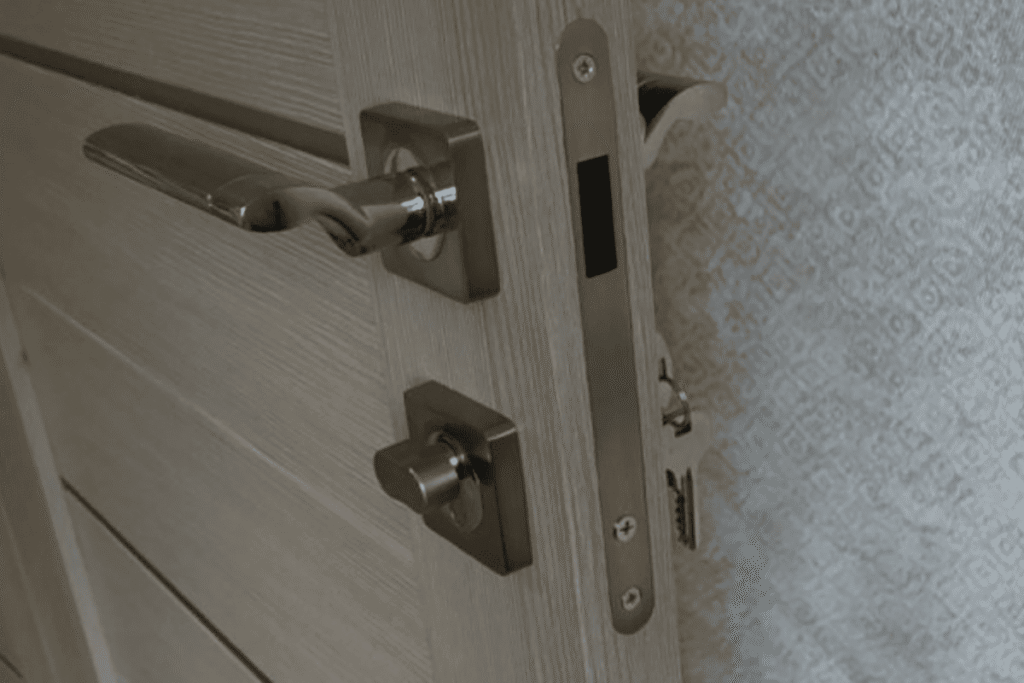
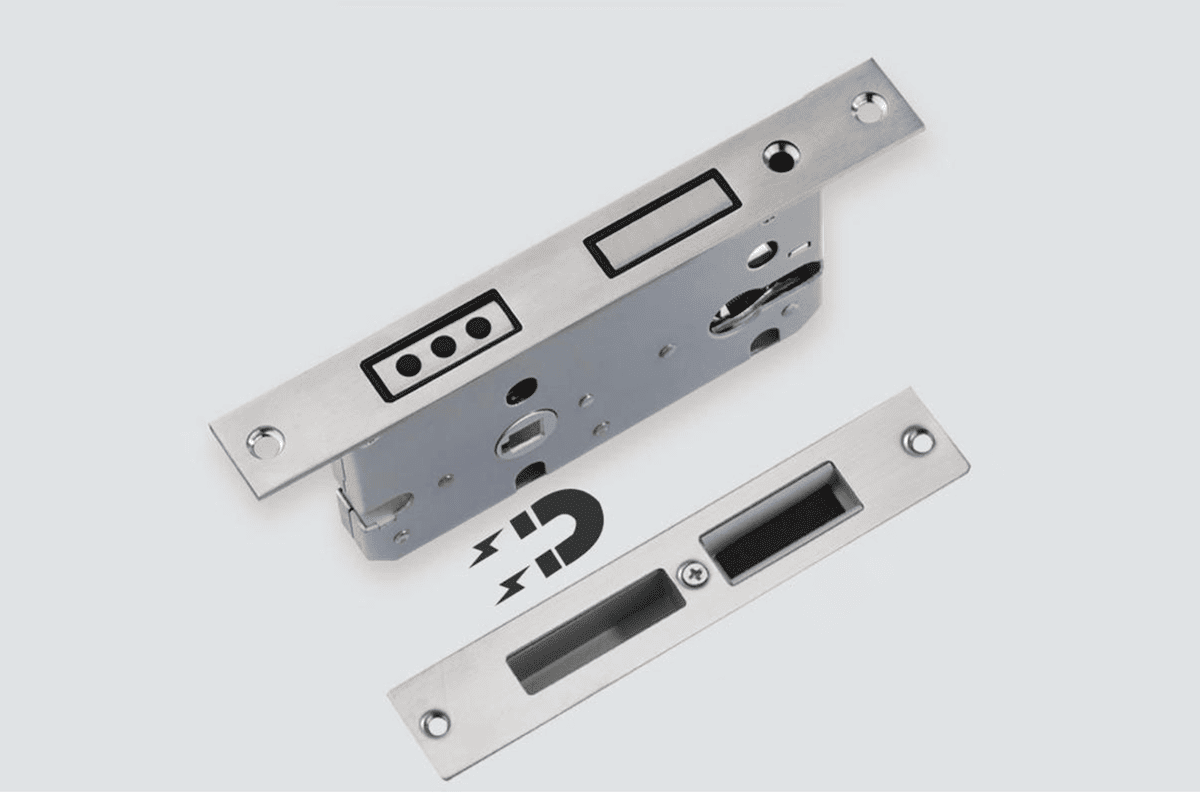
Magnetic locking is a mechanical door locking method where a magnetic latch stays hidden inside the lock body until the door reaches the strike plate1. The magnetic force pulls the latch into the keeper2, holding the door closed. The handle then retracts the latch so the door can open smoothly and quietly.
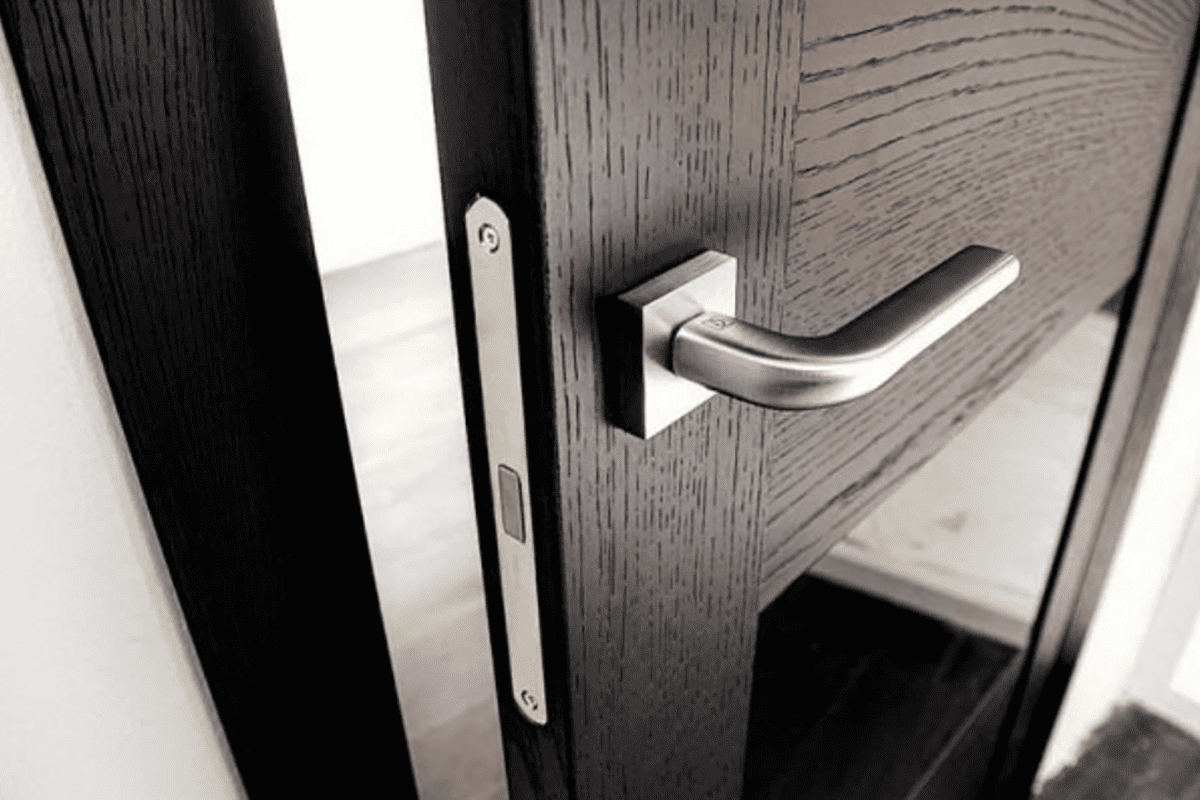
In supplier specification discussions, I often see buyers ask one simple question: “Is the magnet strong?” That question matters less than door type, door gap, frame alignment, lock body structure, and whether the project actually needs electric access control.
What Is Magnetic Locking in Door Hardware?
Magnetic locking in door hardware creates fewer visible parts and a quieter closing action. The problem is that many purchasers use the same term for different products. That creates wrong quotations, wrong samples, and sometimes unsuitable door specifications.
Magnetic locking, in this context, means a mechanical magnetic latch system for doors. It is not a powered access-control magnet.3 It uses a lock body, magnetic latch or tongue, strike plate, and handle operation to close and release the door in a smoother, more concealed way.
The simple definition I use with buyers
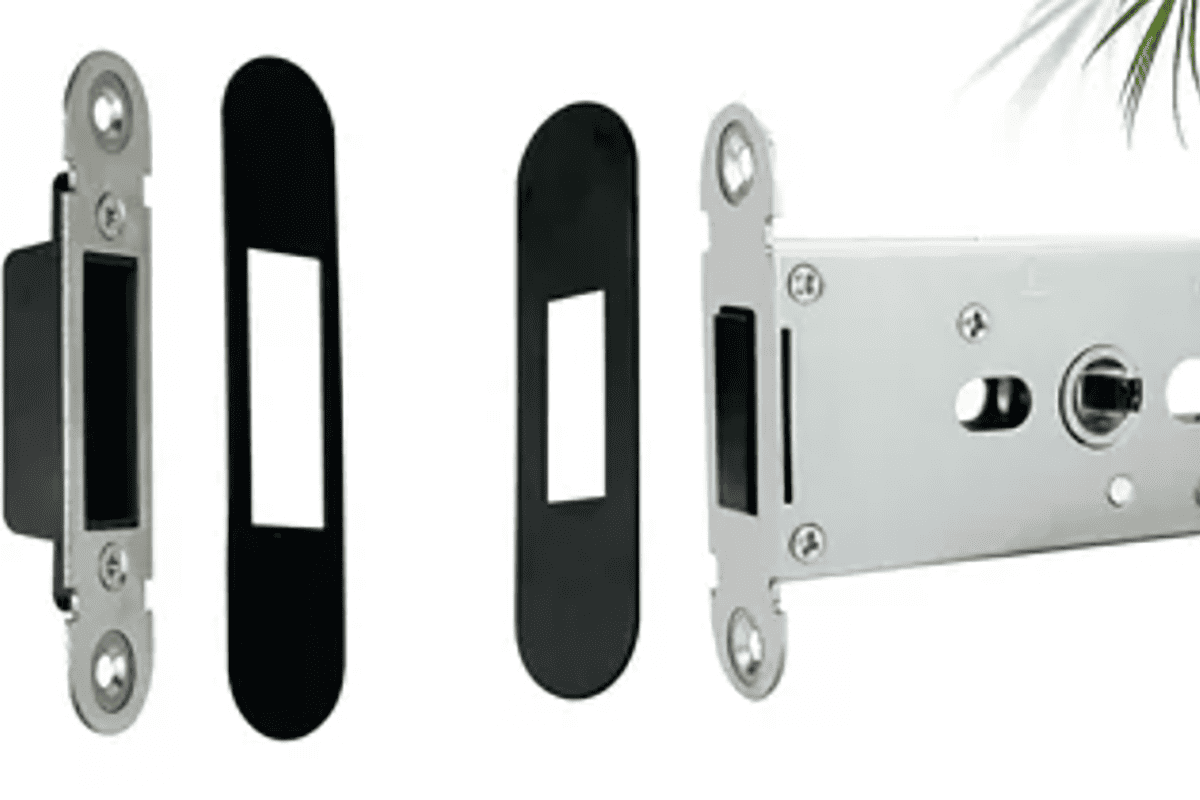
When I explain magnetic locking to door factories, I usually describe it as a mechanical latch that appears only when the door closes. In many traditional latch locks, the latch tongue projects from the door edge all the time. In a magnetic latch lock, the latch normally sits inside the lock body. When the door reaches the correct position, the magnet in the strike area pulls the latch into the keeper.
This design can make the door edge look cleaner. It can also reduce the clicking sound that many standard spring latches make when they hit the strike plate4. For residential interior doors, hotel doors, apartments, office partitions, and project doors where comfort matters, this is often the main reason buyers consider it.
However, I do not present it as a universal security upgrade. A magnetic latch does not automatically make a door “stronger.”5 The holding result depends on the lock structure, strike plate design, door material, door thickness, frame condition, and usage frequency.
Mechanical magnetic locking vs. access-control magnets
This distinction is important in procurement. A mechanical magnetic latch is not the same as an electromagnetic door lock.
| Item | Mechanical magnetic latch | Electromagnetic access-control lock |
|---|---|---|
| Power required | No | Yes |
| Main purpose | Quiet, smooth, concealed closing | Controlled entry and release |
| Common use | Interior doors, residential doors, hotel/project doors | Offices, secured entrances, commercial access control |
| Release method | Handle operation | Power signal, access system, button, card reader |
| Buyer focus | Door fit, latch alignment, strike position | Voltage, holding force, fail-safe/fail-secure logic |
If a buyer asks about fail-safe, fail-secure, power release, card readers, or access control panels, I would treat that as a different product inquiry. In that case, the buyer may need an electric strike, electromagnetic lock, smart lock, or other access-control hardware.
For mechanical magnetic locking, the purchasing discussion should stay focused on:
- Door thickness and material
- Door opening direction
- Door gap and frame tolerance
- Lock body size
- Strike plate position
- Handle compatibility
- Finish requirements
- Project usage scenario
At SDH Hardware, we often handle specification confirmation before sampling because small dimensional differences can decide whether the latch action feels smooth or unreliable. I have seen inquiries start with “magnetic lock,” but after several questions, the customer actually needed an access-control product. Clarifying that early saves both sides time.
How Does Magnetic Locking Work?
Magnetic locking works through alignment between the lock body and strike plate. If the door and frame meet correctly, the hidden latch is pulled outward by magnetic force when the door closes. When the handle turns, the mechanism retracts the latch and releases the door.
The operating principle is simple, but the real purchasing judgment is not only about magnet strength. A good result needs the lock body, latch, keeper, door gap, and frame position to work together within a suitable tolerance.
Main parts of a mechanical magnetic lock
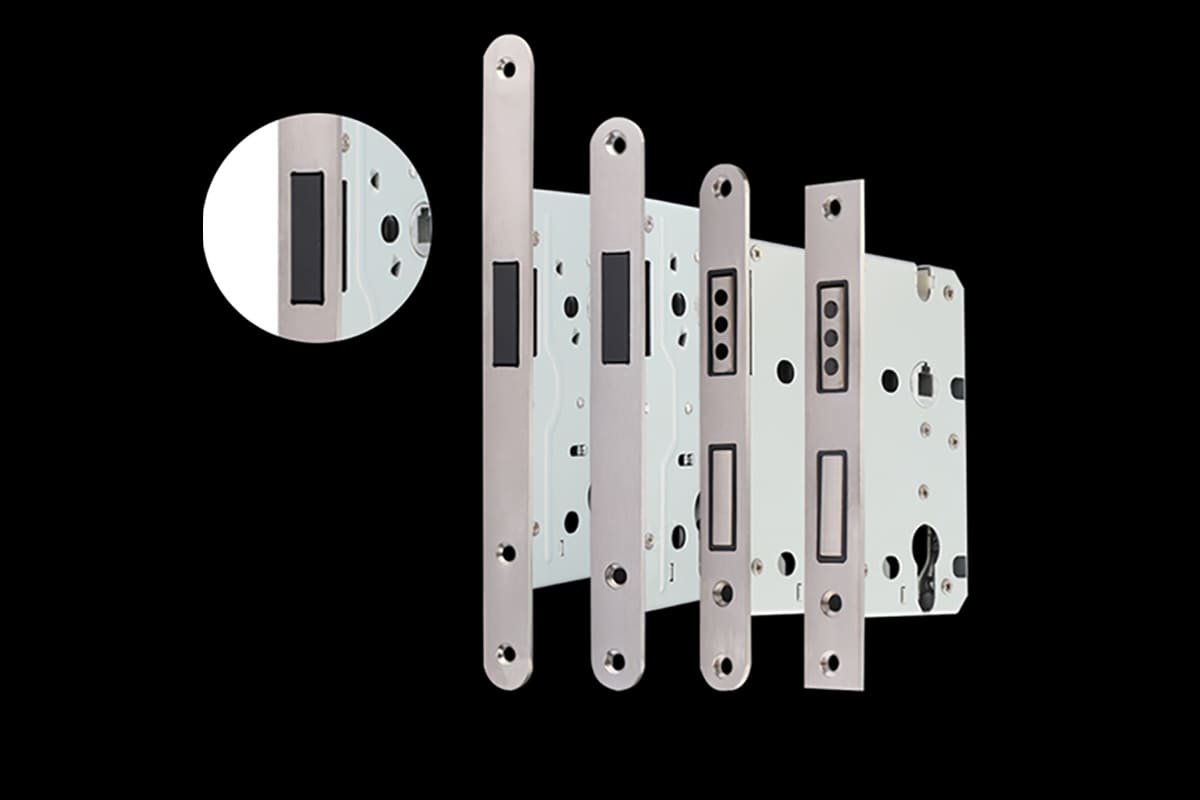
Most mechanical magnetic locking systems include several basic components. The design may vary by manufacturer, but the selection logic is usually similar.
Lock body
The lock body sits inside the door. It contains the latch mechanism and connects with the handle spindle.Magnetic latch or tongue
The latch is normally concealed inside the lock body. It moves toward the strike plate when the door reaches the correct closing position.Strike plate or keeper
The strike plate mounts on the frame. It receives the latch and holds the door closed.Handle set
The lever handle operates the internal mechanism. It retracts the latch when the user opens the door.Faceplate and finishing parts
These visible parts affect appearance, corrosion resistance, and project style consistency.
What happens when the door closes?
The working sequence is usually:
- The user pushes or pulls the door toward the frame.
- The door edge reaches the strike area.
- The magnetic force between the latch and keeper pulls the latch into position.
- The latch enters the strike plate opening.
- The door remains closed until the handle is operated.
- The handle retracts the latch and allows the door to open.
This process is why many people describe the closing feeling as smoother. The latch does not constantly scrape across the strike plate before engagement. The door edge also looks cleaner when open because the latch is not always protruding.
Why alignment matters more than “strong magnet” claims
In supplier conversations, I often hear, “How strong is the magnet?” I understand the question, but it can lead buyers in the wrong direction. Magnetic force does not work alone. If the strike plate is not in the correct position, a stronger magnet may not fix the problem.6
The better questions are:
- Is the door gap suitable for the lock design?
- Is the frame rigid enough to hold the strike plate accurately?
- Is the door likely to warp under local climate conditions?
- Is the lock body size compatible with the door stile?
- Is the latch travel enough for the project requirement?
- Is the usage frequency light, medium, or heavy?
- Does the door need privacy, passage, or higher security function?
For example, an interior wooden door with a stable frame may be a good match. A door with large movement, irregular frame installation, or high-impact public use may require a different lock structure or additional hardware evaluation.
Common project use cases
Mechanical magnetic locking is often considered for:
| Project type | Why buyers consider it | Main check point |
|---|---|---|
| Residential interior doors | Quiet closing and clean appearance | Door gap and handle feel |
| Hotel room or bathroom doors | Comfort and design consistency | Usage frequency and privacy function |
| Apartment doors inside units | Smooth operation | Door thickness and frame accuracy |
| Office interior partitions | Modern appearance | Frame material and alignment |
| Door factory product lines | Differentiated hardware option | Repeatable machining dimensions |
For bulk purchasing, I recommend confirming drawings, samples, and door-frame conditions before large orders. I do not treat the latch alone as the full solution. The door system decides the final result.
Is Magnetic Locking the Same as Electromagnetic Locking?
Magnetic locking is often confused with electromagnetic locking, but the two products serve different purposes. This confusion can cause serious procurement mistakes because one is a mechanical latch solution, while the other is a powered access-control device.
Mechanical magnetic locking does not use electricity. Electromagnetic locking uses power to hold or release a door through an access-control system.7 If a project needs card access, remote release, fail-safe behavior, or emergency unlocking logic, buyers should evaluate electric locking hardware instead.
Why the confusion happens
The word “magnetic” creates the confusion. Buyers may search for a magnetic lock because they want a quiet door latch. Other buyers search the same term because they need a door held by a powered magnet. Both products involve magnets, but the door behavior, safety logic, and purchasing parameters are very different.
A mechanical magnetic latch is usually selected as part of a door hardware set. It may be supplied with lever handles, cylinders, hinges, and matching accessories. The buyer evaluates it by mechanical fit and user experience.
An electromagnetic lock is usually selected as part of an access-control system. The buyer evaluates voltage, holding force, wiring, fire alarm integration, release method, and compliance with local life-safety codes8.
Questions that reveal the correct product type
When I receive an inquiry, I often ask a few simple questions before recommending a direction:
- Does the door need access control?
- Will the door connect to a card reader, keypad, or building system?
- Does the door need to release during power failure?
- Is the project asking for fail-safe or fail-secure behavior?
- Is the door an interior passage door or a controlled entrance?
- Does the buyer need quiet closing or controlled security access?
The answers usually make the product type clear.
If the buyer says, “I want the door to close quietly,” I think about a mechanical magnetic latch.
If the buyer says, “I want the door to unlock by card or button,” I think about access-control hardware.
Comparison for procurement teams
| Selection factor | Mechanical magnetic lock/latch | Electromagnetic lock |
|---|---|---|
| Electricity | Not required | Required |
| Door release | By handle | By power/control signal |
| Security role | Basic mechanical door holding, depending on design | Access-control holding device |
| Appearance benefit | Cleaner door edge, concealed latch | Usually visible mounted hardware |
| Main risk if misselected | Poor fit or wrong function | Safety/code issues or system incompatibility |
| Supplier documents to request | Drawings, material details, finish options, certificates where applicable | Electrical specs, test reports, access-control compatibility, safety compliance |
Certification and compliance perspective
For architectural hardware, buyers often ask about CE certification, fire-rated certification, or project compliance documents. At SDH Hardware, our core door hardware products are available with relevant certification documents according to product category and specification. However, I always recommend that buyers verify documents against their exact product model, project country, and application.
This is especially important when fire-rated doors, public buildings, hotels, or regulated markets are involved. A mechanical magnetic latch may be one part of a wider door assembly. The door leaf, frame, hinges, seals, closer, cylinder, and latch can all affect compliance.9 A qualified professional should confirm application-specific requirements before final project approval.
Why this distinction matters commercially
Misunderstanding the product can create several problems:
- The sample does not match the real project need.
- The quotation excludes required access-control components.
- The door factory machines the door for the wrong lock body.
- The project purchaser compares unrelated products by price.
- The end user expects electric release from a mechanical latch.
I have seen this happen in early-stage communication. A customer may send a photo of a silent interior door latch and request a “magnetic lock.” Another customer may send a security door drawing and use the same phrase. The supplier must slow down and confirm the usage scenario before quoting.
That is why I prefer a specification-based approach. It protects the buyer and the manufacturer.
How Should Buyers Choose Magnetic Locking for a Door Project?
Magnetic locking should be chosen by door type, usage scenario, frame accuracy, and required function. Buyers who focus only on magnet force may miss the more important issue: whether the full door system can support smooth and reliable latch movement.
For many door projects, the best selection process starts with door drawings, lock body dimensions, strike plate position, finish requirements, and sample testing. If access control is required, the buyer should not use a mechanical magnetic latch as a substitute for electric locking hardware.
Step 1: Confirm the door type
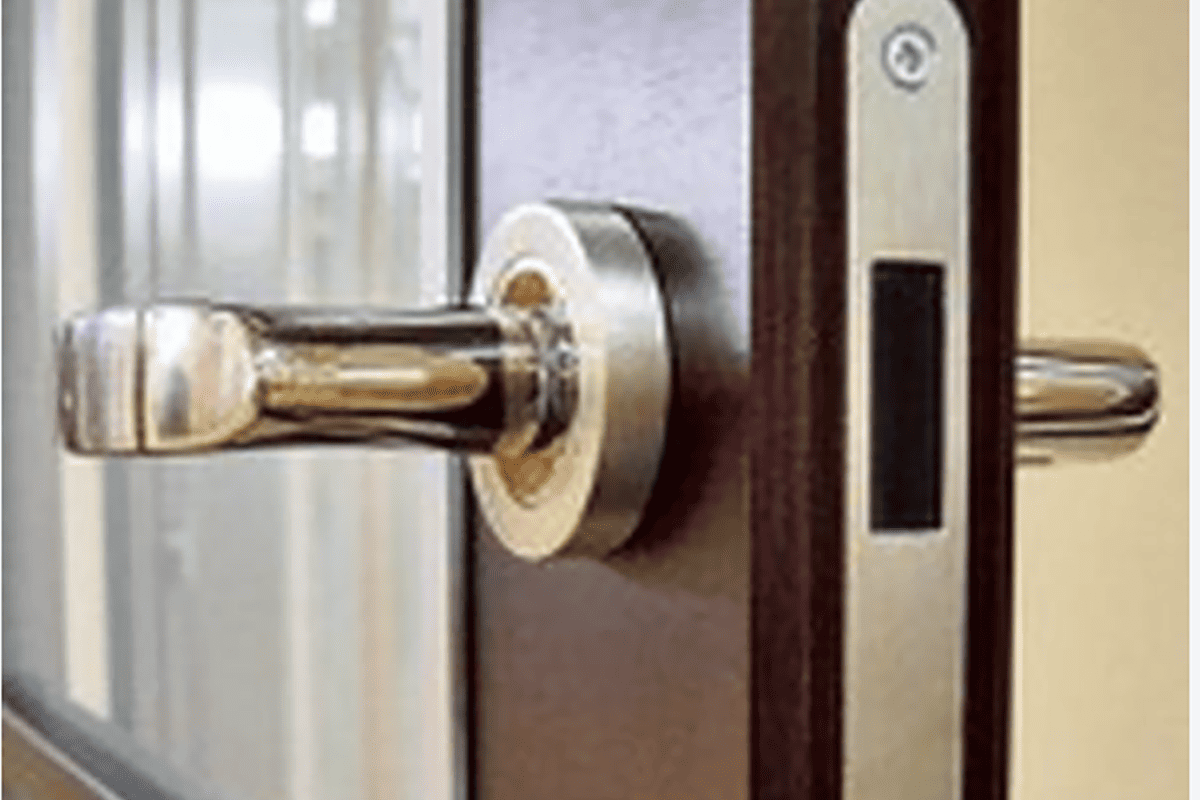
Different doors behave differently. A light interior wooden door and a heavy commercial door do not create the same hardware demand.10 A concealed magnetic latch can feel excellent on one door and unsuitable on another if the structure is wrong.
Buyers should confirm:
- Door material: wood, MDF, aluminum, steel, composite
- Door thickness
- Door height and width
- Door weight
- Door stile width
- Door opening direction
- Frame material
- Expected door gap
- Indoor or outdoor use
Mechanical magnetic locking is commonly considered for interior or semi-private doors where comfort, design, and quiet operation matter. It should not be automatically selected for every high-security or exterior application.
Step 2: Confirm the usage scenario
A door in a private apartment bedroom has different requirements from a hotel corridor door or a public office restroom. Usage frequency affects wear expectations and handle feel.11
| Usage scenario | Common buyer priority | Specification focus |
|---|---|---|
| Residential bedroom | Quiet closing | Smooth latch action, finish match |
| Bathroom/privacy door | Privacy function | Thumb turn, emergency release option |
| Hotel interior door | User experience | Consistent operation across many rooms |
| Office partition | Clean design | Frame alignment and handle style |
| Wholesale product range | Market flexibility | Multiple finishes and lock sizes |
I prefer to ask about the market and end user before recommending a model. A wholesaler in Southeast Asia may need different finishes and packaging from a European door manufacturer. A Middle East project buyer may focus more on project series consistency and hardware matching.
Step 3: Check door and frame fit
This is where many issues are prevented. Magnetic latch systems need suitable alignment. If the door and frame are poorly matched, the latch may not engage as expected.
Important fit checks include:
Door gap
The gap must allow the latch and keeper to attract correctly.Strike plate position
The strike must align with the latch path.Machining accuracy
The lock body pocket and faceplate cutout should match drawings.Frame stability
A weak or moving frame may reduce consistency.Door movement
Warping, swelling, or settlement can affect latch engagement over time.12
This is why I like to review drawings before order confirmation. For OEM and ODM orders, detailed drawings reduce misunderstanding. They also help both sides agree on the lock body, faceplate, strike plate, spindle size, and accessories.
Step 4: Evaluate supplier capability
A buyer should not evaluate only the lock sample. The supplier’s production and quality control process also matters, especially for bulk orders.
When comparing suppliers, I suggest checking:
- Factory experience with architectural door hardware
- In-house production capability
- Lock body consistency
- Surface treatment options
- Drawing support
- Sample confirmation process
- Finished product inspection
- Packaging customization
- Certification documents for relevant product categories
- Ability to supply matching handles, hinges, cylinders, and accessories
At SDH Hardware, we supply Euro mortise locks, stainless steel lever handles, butt hinges, concealed hinges, Euro brass cylinders, and door accessories. Because we handle full door hardware series, we often help customers check whether the selected magnetic latch fits the complete hardware set.
Step 5: Request the right documents and samples
Before placing a project order, buyers should request:
- Product drawings
- Material and finish details
- Lock body dimensions
- Strike plate drawings
- Handle compatibility information
- Available certificates, if relevant
- Packaging confirmation
- Sample approval record
- Inspection standard for bulk order
For fire-rated or regulated doors, buyers should verify whether the selected hardware is suitable for the complete certified assembly. The final decision should involve qualified project professionals, especially when local codes or fire door performance are involved.
Frequently Asked Questions
Is magnetic locking an electric lock?
No. In this article, magnetic locking means a mechanical magnetic latch for doors. It does not need electricity. If your project needs card access, remote release, fail-safe operation, or wiring, you are probably looking for electromagnetic or other access-control locking hardware.
Is magnetic locking stronger than a normal latch?
Not always. Magnetic locking is mainly valued for quieter closing, smoother operation, and a cleaner door edge. Its performance depends on lock body design, strike plate alignment, door gap, frame condition, and usage scenario. Buyers should not judge it by magnetic force alone.
Where is magnetic locking commonly used?
Magnetic locking is commonly used on interior residential doors, hotel doors, apartment doors, office partitions, and design-focused project doors. It works best where comfort, appearance, and smooth closing are priorities. It is not automatically suitable for every exterior, high-security, or access-control door.
What should I confirm before ordering magnetic locking hardware?
You should confirm door thickness, door material, lock body size, strike plate position, door gap, handle compatibility, finish, usage frequency, and certification needs. For bulk orders, you should approve drawings and samples before production.
Can SDH Hardware customize magnetic locking products?
Yes, SDH Hardware supports OEM and ODM door hardware orders, including specification adjustment, surface treatment options, logo marking, packaging design, product drawings, and inspection service. I recommend sharing door drawings and project requirements first so we can confirm suitability.
Conclusion
Magnetic locking is a mechanical door hardware solution designed for smoother closing, quieter operation, and a cleaner door edge. It should not be confused with powered electromagnetic access-control locks. Buyers should evaluate door type, frame accuracy, door gap, strike plate alignment, usage scenario, and required function before making a decision. If you are selecting magnetic locking for a door project or wholesale product line, contact SDH Hardware with your drawings and specifications. We can help you review the right hardware configuration before sampling or bulk order confirmation.
"Magnetic Door Latches: Designs & Uses", https://www.iqsdirectory.com/articles/latch/magnetic-door-latches.html. Patent literature on magnetic door latches describes mechanisms in which a latch element is retained within the lock body and moves into engagement with a keeper or strike during door closure; this supports the operating principle, although patent documents illustrate specific designs rather than a universal industry definition. Evidence role: mechanism; source type: government. Supports: A patent or technical source should describe a magnetic door latch in which a concealed latch element engages a keeper or strike when the door is closed.. Scope note: Contextual support from patent literature would show that such mechanisms exist, not that all products sold as magnetic locking use this exact design. ↩
"Electromagnetic lock", https://en.wikipedia.org/wiki/Electromagnetic_lock. Introductory physics sources explain that magnetic fields can exert attractive forces on magnetic or ferromagnetic materials, providing the physical basis for a latch being drawn toward a keeper; this supports the mechanism in general terms rather than verifying a particular lock model. Evidence role: mechanism; source type: education. Supports: A physics or engineering source should support that magnetic attraction can draw a ferromagnetic or magnetized component toward a keeper, while a technical latch source can connect that principle to door hardware.. Scope note: A physics source supports the force mechanism but would not by itself verify the design of a specific door hardware product. ↩
"Electromagnetic lock", https://en.wikipedia.org/wiki/Electromagnetic_lock. Reference sources define electromagnetic locks as electrically powered devices that use an electromagnet and armature plate to secure a door, supporting the distinction between powered access-control magnets and non-powered mechanical magnetic latches. Evidence role: definition; source type: encyclopedia. Supports: A neutral reference should define an electromagnetic lock as an electrically powered locking device used in access-control systems.. ↩
"Door Silencer Strike Plate - Hear What All The Noise Is About",
. Acoustics and mechanical-impact sources treat audible clicking as a result of contact between moving hardware components, which is consistent with the claim that reducing latch-to-strike impact can reduce closing noise; this is contextual support unless the source directly tests magnetic door latches. Evidence role: mechanism; source type: paper. Supports: A source should support that impact between mechanical components during door closure contributes to audible latch noise, or that magnetic/concealed latch designs are intended to reduce that impact.. Scope note: The support would be strongest if based on direct comparative testing of spring latches and magnetic latches; otherwise it only supports the noise mechanism. ↩"A156.2 - 2022 Locks and Latches", https://buildershardware.com/ANSI-BHMA-Standards/Hardware-Highlights/A1562-2022-Locks-and-Latches. Architectural hardware standards such as ANSI/BHMA lock classifications evaluate locks through criteria including strength, durability, and operational performance, supporting the point that a magnetic latch mechanism alone does not establish a door’s security level. Evidence role: expert_consensus; source type: institution. Supports: A lock or architectural hardware standard should show that lock strength and security are evaluated through graded performance criteria, not merely by whether the latch is magnetic.. ↩
"Magnetic field", https://en.wikipedia.org/wiki/Magnetic_field. Engineering sources explain that magnetic attraction depends strongly on distance and geometry, which supports the claim that poor strike alignment can prevent reliable engagement even when a stronger magnet is used; this is contextual unless paired with door-hardware installation data. Evidence role: mechanism; source type: education. Supports: A source should support that magnetic force depends on distance and alignment, while door hardware guidance should support that strike alignment affects latch engagement.. Scope note: Physics sources support the alignment mechanism generally, but direct support for a specific latch design would require manufacturer-independent hardware testing or installation standards. ↩
"Access Control System 1200lb Electric Magnetic Door Lock ...", https://www.amazon.com/Control-Electric-Magnetic-Lock-Kit/dp/B0CW9GY6V7. Access-control and life-safety guidance describes electromagnetic locks as electrically powered locking devices controlled by release signals or access-control systems, supporting the article’s distinction from manually operated mechanical latches. Evidence role: definition; source type: institution. Supports: An institutional or standards source should describe electromagnetic locks as powered access-control locking devices.. ↩
"What building and fire codes impact door locking systems?", https://www.maglocks.com/know-your-building-and-fire-code.html?srsltid=AfmBOornowzl110TTtr02iUzT3I1sXC3EHzeW_VoQx-ZS70aF5AmTD1d. Building and life-safety codes address access-controlled egress doors and electromagnetic locking arrangements by specifying release and emergency egress conditions, supporting the need to evaluate fire alarm integration and release methods for such systems. Evidence role: general_support; source type: institution. Supports: A building code or life-safety standard should support that electromagnetic locking arrangements are subject to egress and emergency-release requirements.. ↩
"Important Tips for Specifying Fire Door Assemblies", https://steeldoor.org/tips-for-specifying-fire-door-assemblies/. Fire-door standards and certification guidance treat the door leaf, frame, and associated hardware as elements of a rated assembly, supporting the statement that hinges, latches, closers, seals, and related components can affect compliance. Evidence role: expert_consensus; source type: institution. Supports: A fire-door standard or certification body should support that fire-door performance is assessed at the assembly level, including the door, frame, and hardware.. ↩
"ANSI Grade 1 vs. Grade 2 Door Hardware", https://www.pdqlocks.com/blog/a-guide-to-ansi-grade-1-vs.-grade-2-door-hardware. Architectural hardware standards classify locks and related door hardware by performance grades and duty expectations, supporting the general claim that light residential doors and heavy commercial doors impose different hardware requirements. Evidence role: general_support; source type: institution. Supports: A hardware standard should show that door hardware is classified or tested by duty level, cycle performance, or application type.. ↩
"087100 – DOOR HARDWARE - Facilities and Campus Services", https://fcs.cornell.edu/087100-door-hardware. Door-hardware standards use cycle testing and performance grades to evaluate repeated operation, supporting the statement that usage frequency affects wear expectations and operational feel. Evidence role: general_support; source type: institution. Supports: A door-hardware durability standard should support that locks and handles are tested for repeated operating cycles and graded by durability.. ↩
"Chapter 4: Moisture relations and physical properties of wood", https://research.fs.usda.gov/treesearch/62243. Government wood-materials guidance documents dimensional change, swelling, and warping in wood products as moisture conditions vary, supporting the claim that door movement can affect latch engagement over time. Evidence role: mechanism; source type: government. Supports: A building-science or wood-materials source should support that wood and door assemblies can change dimensions with humidity and that movement can affect alignment.. ↩