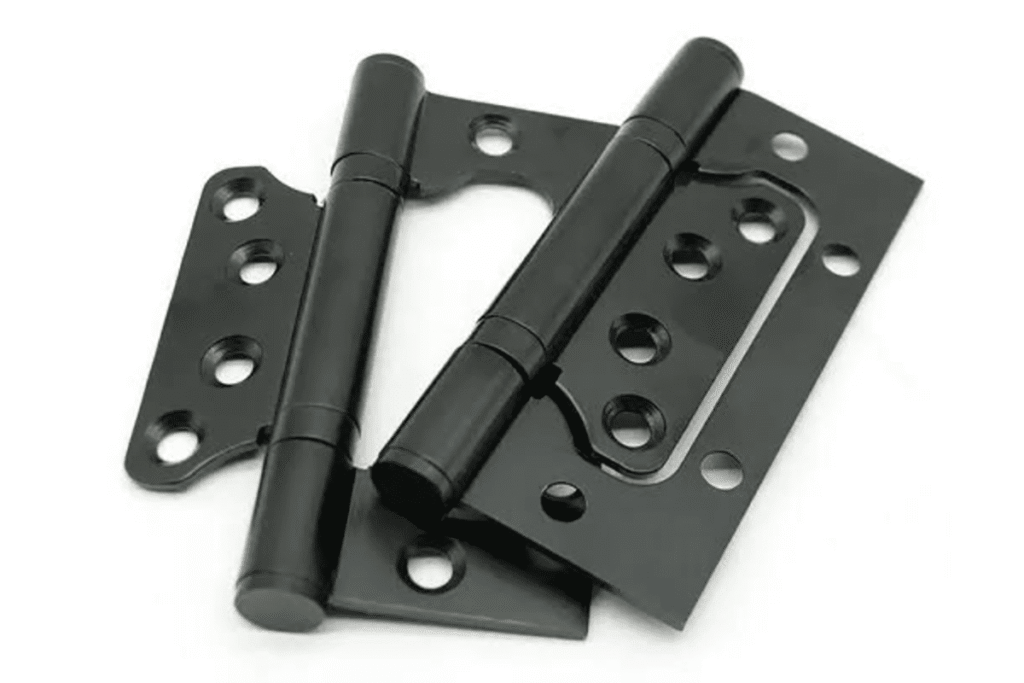
What Is A Butterfly Door Hinge?
A butterfly door hinge sounds simple, but many buyers still choose the wrong model because they judge it only by its shape. That mistake can lead to poor door alignment, weak load support, or unsuitable opening performance. I usually recommend starting with the hinge structure, door application, material, size, and required function before comparing price.
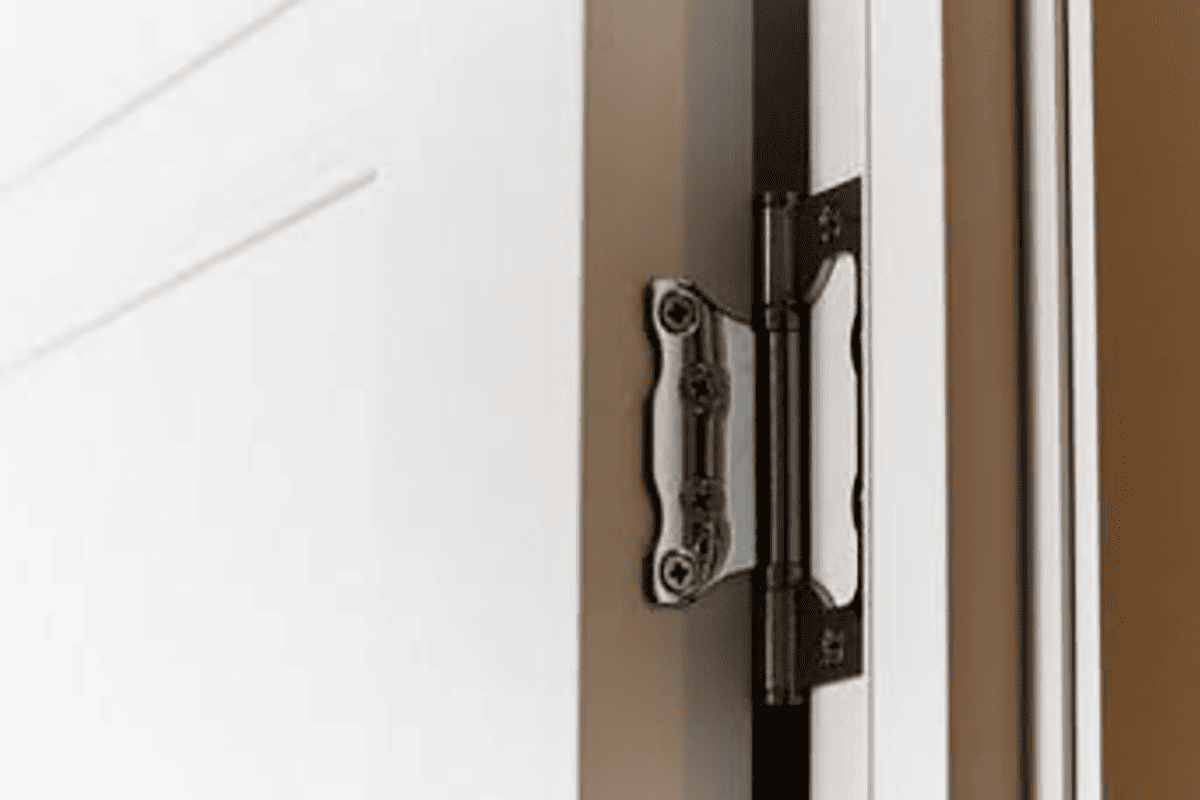
A butterfly door hinge is a visible, surface-mounted hinge with two wing-like leaves shaped like an opened butterfly. It is also called 子母合页 in some sourcing contexts. Buyers commonly use it for room doors and interior door applications where simple installation, visible hardware, and stable opening performance are acceptable.
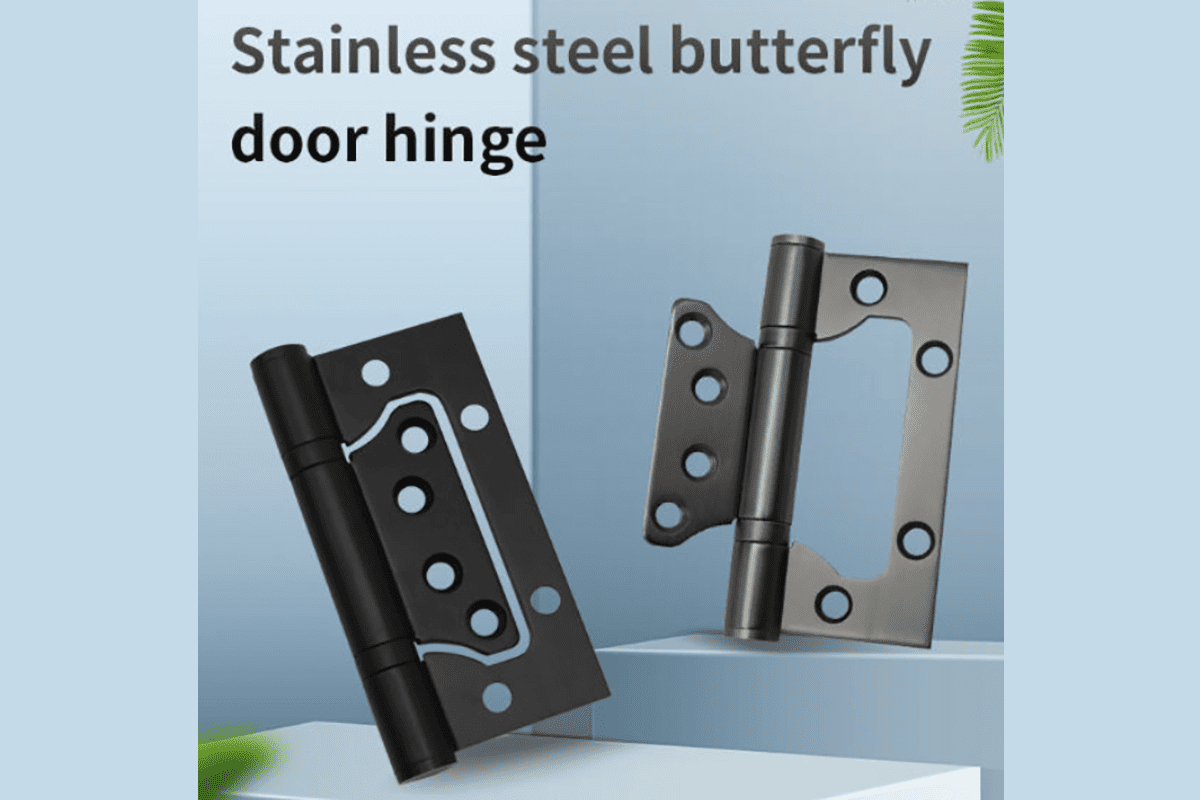
The name is useful, but it is not enough for procurement. In my factory work, I have seen the same hinge name used for different thicknesses, materials, hole positions, and functions. So the better question is not only “what is it?” but also “which version fits my door?”
What Is a Butterfly Door Hinge in Door Hardware?
A butterfly door hinge can look decorative, but its real value depends on the mechanical design behind the shape. If a buyer treats it as only a visual part, the hinge may not match the door weight, installation method, or expected opening frequency.
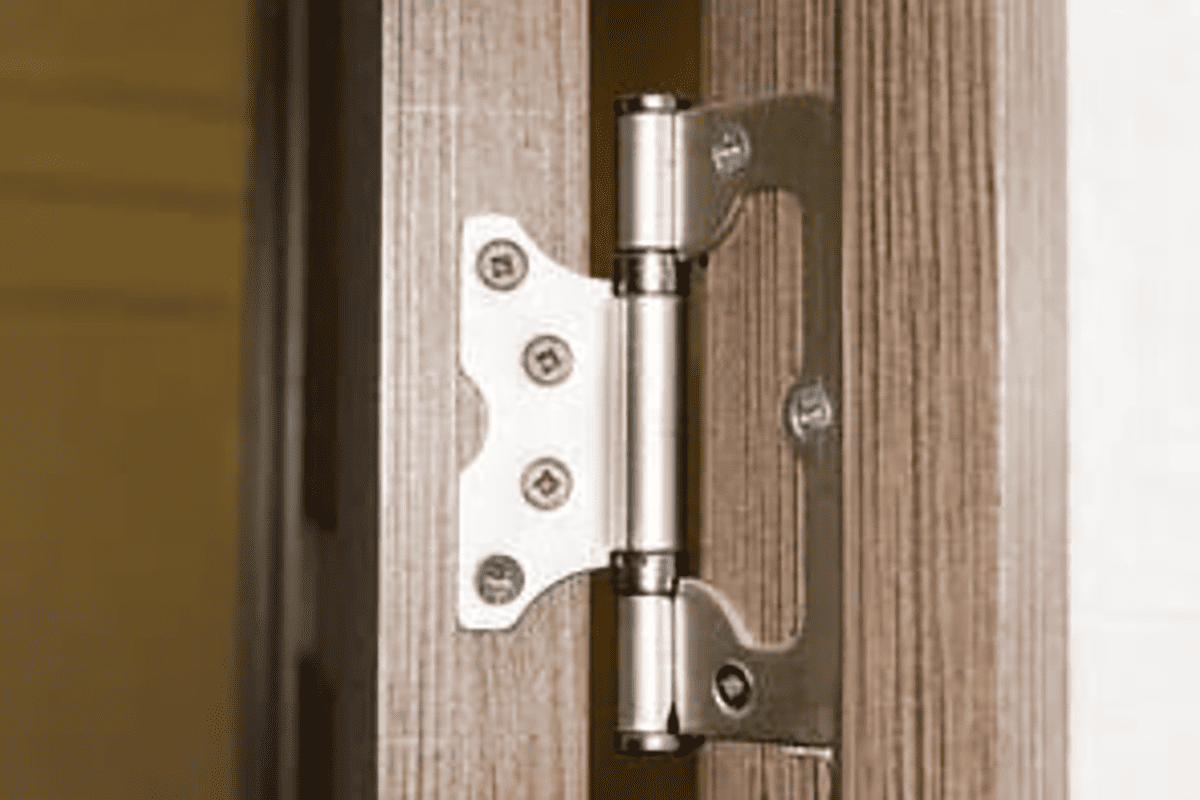
A butterfly door hinge is a surface-mounted door hinge with two visible leaves that spread from the central pin like butterfly wings1. In Chinese sourcing, it may be called 子母合页. It is not a concealed hinge. It remains visible after installation2 and connects the door leaf to the frame.
The basic structure
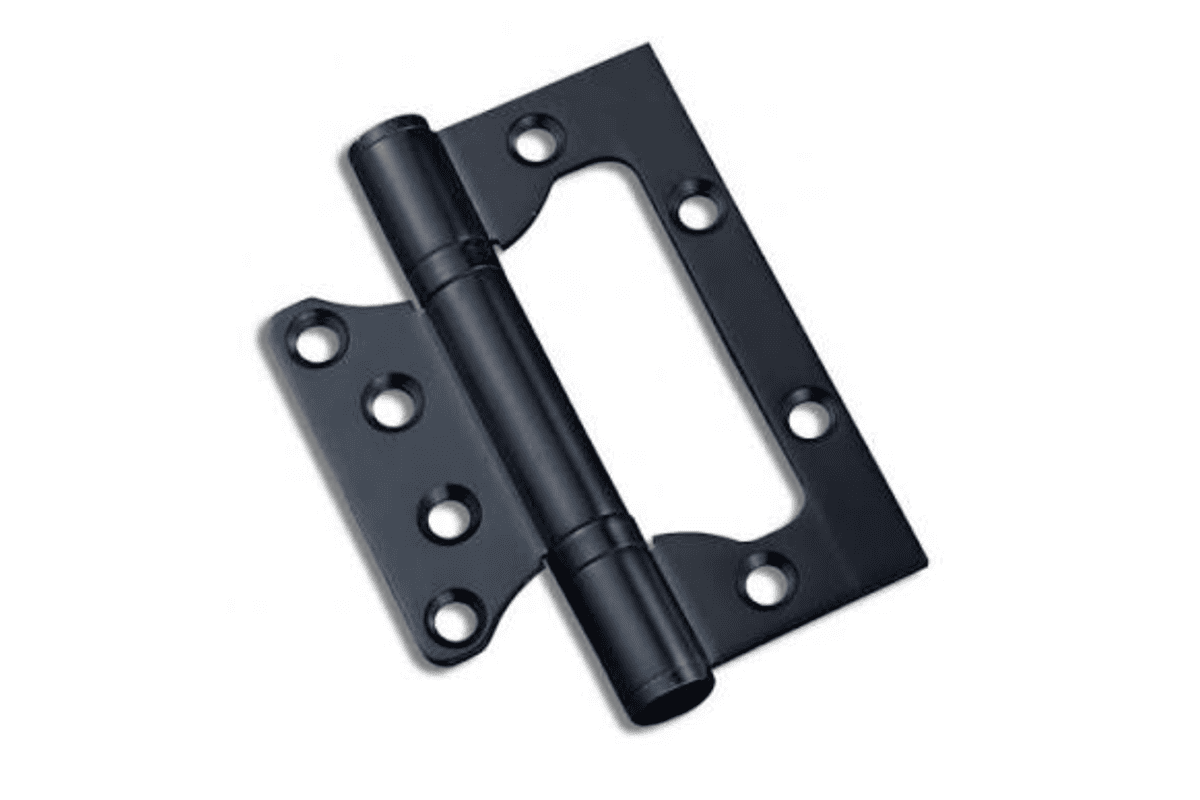
A typical butterfly hinge includes:
- Two hinge leaves: The flat wing-shaped plates fixed to the door and frame.
- Central knuckle or barrel: The rotating part that allows movement.
- Hinge pin: The shaft through the knuckle, depending on model design.
- Screw holes: Pre-punched holes for surface installation.
- Finish layer: Such as stainless steel, plated finish, powder coating, or other surface treatment.
The most important point is that the hinge is surface-mounted. The installer usually fixes it directly onto the door and frame surface. That makes installation simpler than some mortised hinge systems, because it may not require deep recess cutting3. However, installation still needs accurate alignment. A simple hinge can still cause problems if the hole position, screw size, or door gap is wrong.
Why the “butterfly” name can be misleading
I have received buyer inquiries where the buyer sent only the phrase “butterfly hinge” without a drawing. That creates risk because different markets use the same name for slightly different hinge designs. Some buyers mean a decorative small hinge. Some mean a larger room-door hinge. Some mean a hinge with a spring function. Some mean 子母合页 for a specific interior door set.
For B2B purchasing, the name should be treated as a starting point, not a final specification.
| Evaluation Item | Why It Matters |
|---|---|
| Hinge size | Affects door support, visual proportion, and installation fit |
| Leaf thickness | Influences strength and durability |
| Material | Affects corrosion resistance and load performance |
| Hole position | Must match door/frame design or buyer drawing |
| Opening angle | Depends on hinge structure and installation condition |
| Finish | Affects market preference, appearance, and corrosion protection |
| Function | Spring, return, or buffering functions must be confirmed separately |
What it is not
A butterfly hinge should not be confused with:
- Concealed door hinges, which are hidden inside the door and frame.
- Butt hinges, which are commonly mortised or semi-mortised depending on design.
- Heavy-duty architectural hinges, which may be required for high-traffic or fire-rated project doors.
- Special spring hinges, unless the product specification confirms spring structure.
In practical procurement, I ask buyers to share the door type, expected market, material preference, drawing, and installation method before quoting. That simple step avoids many misunderstandings.
My practical rule is simple: if the hinge remains visible on the door surface and has two wing-like leaves, it may be a butterfly hinge; but if the buyer needs performance assurance, the drawing and specification must decide.
Where Is a Butterfly Door Hinge Commonly Used?
A butterfly door hinge is often selected because it is easy to recognize and relatively simple to install. The problem starts when buyers apply it to every door type without checking door weight, traffic level, frame material, or project requirements.
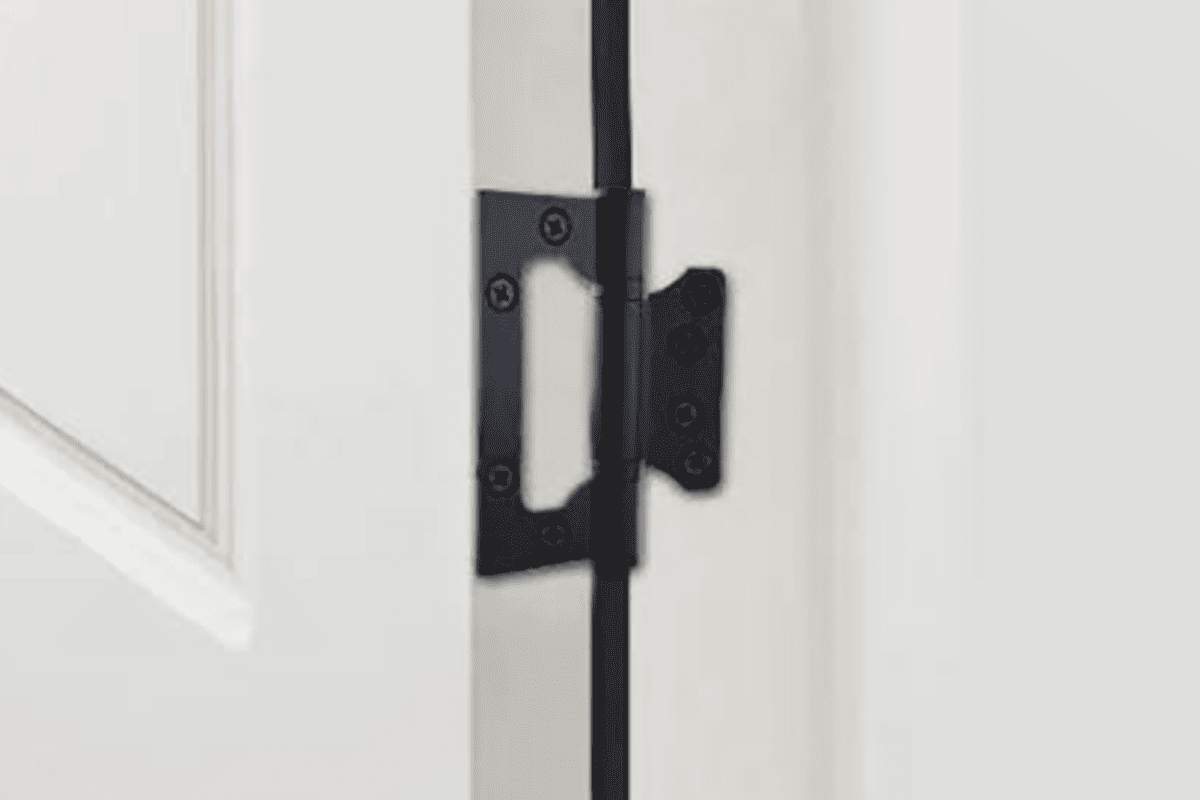
A butterfly door hinge is commonly used on room doors and similar interior door applications. It fits projects where visible surface-mounted hardware is acceptable, where the door is not too heavy4, and where the buyer values simple structure, stable movement, and practical installation over concealed appearance.
Typical applications
In normal B2B door hardware sourcing, I see butterfly hinges used in:
- Interior room doors
- Residential bedroom doors
- Light commercial interior doors
- Cabinet-style or light wooden doors, depending on size
- Regional door systems where 子母合页 is already common
- Cost-sensitive hardware sets where visible hinges are acceptable
This does not mean one model fits all of these applications. A small thin hinge for a lightweight panel is very different from a thicker hinge for a wooden room door. The buyer should always match the hinge design to the door structure.
Why it suits many interior doors
The butterfly hinge has several practical advantages for interior use:
- Visible installation makes inspection easy.
- Simple structure helps installers understand positioning quickly.
- Surface mounting can reduce machining requirements.
- Wing-shaped leaves distribute screw positions across the surface.
- Multiple finish options can match handles, locks, and door accessories.
For many door factories, these points matter because production speed and installation repeatability affect total cost. A hinge that saves time at the assembly stage can be valuable, even if the unit price is not the lowest.
Where buyers should be careful
A butterfly door hinge should not be assumed suitable for every architectural door. Buyers should be careful with:
| Door Condition | Procurement Risk |
|---|---|
| Heavy solid doors | The hinge may not have enough load capacity |
| High-frequency public doors | Wear performance may be insufficient5 |
| Fire-rated doors | Certification and test reports must be verified |
| Exterior doors | Corrosion resistance and sealing conditions matter |
| Premium concealed designs | Visible hinge may not match design intent |
| Special acoustic doors | Installation gaps may affect performance |
In my experience, the biggest mistake happens when a buyer chooses a hinge from a photo and ignores the door weight. A hinge can look strong in a picture, but the real performance depends on material thickness, pin design, screw engagement, and installation quality.
Market preference also matters
Different markets prefer different finishes and specifications. For example:
- Middle East buyers may ask for gold, satin nickel, black, or customized finishes.
- European buyers may focus more on standard dimensions, documentation, and consistency.
- Southeast Asian buyers may compare corrosion resistance, cost, and packing options closely.
At SDH Hardware, I usually recommend confirming a sample before bulk production, especially when the buyer is introducing a butterfly hinge into a new market. The sample helps verify finish color, screw hole position, opening feel, and packaging quality.
A surface-mounted hinge can be a good solution, but it must fit the door system. That is the difference between a simple product and a reliable sourcing decision.
How Does a Butterfly Door Hinge Open and Support the Door?
A butterfly door hinge may look lightweight because of its wing shape, but it still performs the essential hinge function. If buyers do not check the opening angle, screw strength, and load support, the installed door may sag or fail to move smoothly.
A butterfly door hinge supports door movement by rotating around its central pin or knuckle. It commonly allows the door to open around 90 degrees or more, depending on hinge design, door-frame clearance, installation accuracy, and surrounding wall conditions. The exact opening angle must be confirmed by product specification.
Opening angle is not only a hinge issue
Many buyers ask, “Can this hinge open 90 degrees?” That question is reasonable, but the answer depends on more than the hinge itself. The final opening angle may be affected by:
- Door thickness
- Frame profile
- Wall return
- Architrave or trim design
- Screw placement
- Hinge barrel projection
- Installation gap
- Number of hinges used
A hinge may allow a certain rotation in free movement, but the door system may limit the final opening. That is why I prefer to review drawings before confirming application suitability.
Load support depends on several details
The load support of a butterfly door hinge depends on its structure and installation. Buyers should check:
Material grade
Stainless steel, steel, brass, or zinc alloy can behave differently under load and corrosion exposure.6Leaf thickness
A thicker leaf usually provides better rigidity, but only when the material and forming quality are also suitable.Pin diameter and knuckle design
The rotating area affects wear resistance and stability.Screw quantity and position
More screws do not always mean better strength, but well-positioned screws improve holding power.Door material
Screws hold differently in solid wood, engineered wood, metal frames, and composite structures.7Number of hinges per door
Many interior doors use two or three hinges8, but the correct number depends on height, weight, and duty level.
A practical load evaluation table
| Door Factor | What I Check Before Recommendation |
|---|---|
| Door weight | Approximate kilograms per leaf |
| Door height | Taller doors create more leverage |
| Door width | Wider doors increase stress on hinges |
| Door core | Solid, hollow, composite, or metal |
| Opening frequency | Residential, commercial, or project use |
| Installation base | Wood frame, steel frame, aluminum frame |
| Required service life | Basic use or long-term project performance |
I avoid giving a universal load rating without a product drawing or test data. That would not be responsible. A butterfly hinge may work well for an interior room door, but that does not automatically mean it fits a heavy project door.
Spring and buffering functions need confirmation
Some butterfly hinges may include built-in spring structures. These may support:
- Self-closing action
- Return movement
- Soft opening or closing assistance
- Controlled movement in certain designs
However, these functions are not standard for every butterfly door hinge. A buyer should never assume that a hinge has spring return or buffering just because it is called a butterfly hinge. The supplier should confirm the internal structure, function, cycle testing, installation direction, and adjustment method if those features are required.
Installation quality affects movement
Even a well-made hinge can perform badly if installation is poor. Common installation problems include:
- Misaligned hinge leaves
- Wrong screw size
- Loose screw holding
- Uneven door gap
- Frame not vertical
- Paint or surface coating blocking movement
- Too few hinges for the door height or weight
In factory sampling, I often check hinge movement by hand before discussing price. A smooth swing, stable pin, clean edge, and consistent hole punching tell me a lot about manufacturing control. Buyers can do the same during sample approval.
A butterfly hinge supports door movement through a simple visible structure. But the buying decision should still be technical, because simple hardware still carries the door every day.
How Should Buyers Select a Butterfly Door Hinge for B2B Orders?
A butterfly door hinge can be easy to source, but difficult to standardize across markets. If buyers skip technical confirmation, they may receive hinges with the wrong hole pattern, finish, thickness, or function for their door production line.
Buyers should select a butterfly door hinge by confirming door application, hinge size, material, thickness, surface finish, screw hole position, opening angle, door weight, opening frequency, and required functions. For OEM or ODM orders, buyers should also confirm drawings, samples, packaging, branding, and inspection standards before mass production.
Start with the door, not the hinge
I always prefer to begin with the door specification. The hinge is only one part of the door system. A good selection process starts with these questions:
- What is the door material?
- What is the door height, width, and thickness?
- What is the estimated door weight?
- Is the door used indoors or outdoors?
- How often will the door open each day?
- Is the hinge visible in the final design?
- Does the market require a specific finish?
- Does the buyer need spring return or buffering?
- Does the project require certification or test reports?
This approach saves time. It also helps the supplier recommend a realistic model instead of guessing from a photo.
Common specification points
For bulk buyers, the purchase specification should include at least:
| Specification | Example Information to Confirm |
|---|---|
| Size | Length × width when opened |
| Thickness | Leaf thickness in mm |
| Material | Stainless steel, steel, brass, zinc alloy, or other |
| Finish | SS, satin nickel, black, antique brass, gold, etc. |
| Hole position | Standard drawing or customized punching |
| Screw type | Matching screw material, head type, and size |
| Opening angle | Around 90 degrees or more, subject to design |
| Function | Plain, spring, return, soft-close assistance, etc. |
| Packing | Bulk pack, box pack, color box, private label |
| Inspection | Dimensional, finish, function, and quantity checks |
When I review buyer requirements, hole position is one of the most important details. A small mismatch can stop production at the door factory. If a buyer already has a door machining standard, the hinge drawing must match that standard.
Material choice matters
Different materials serve different priorities.
| Material | Strengths | Buyer Caution |
|---|---|---|
| Stainless steel | Good corrosion resistance and clean appearance9 | Grade and thickness must be confirmed |
| Steel | Cost-effective and strong for many interior uses | Surface treatment is important against rust |
| Brass | Decorative and corrosion-resistant in some uses | Cost is usually higher |
| Zinc alloy | Flexible for certain shapes and finishes | Load capacity must be checked carefully |
A material name alone is not enough. For example, “stainless steel” can include different grades, surface finishes, and thickness levels. Buyers should ask for a clear specification and, when needed, material documentation.
Finish selection affects both appearance and durability
Surface finish is not only decorative. It affects market acceptance and corrosion performance.10 Common finish options may include:
- Satin stainless steel
- Polished stainless steel
- Satin nickel
- Polished brass
- Antique brass
- Black
- Gold
- Customized plated or coated finishes
For brand buyers, color consistency across hinges, handles, locks, and accessories matters. SDH Hardware supplies multiple architectural hardware categories, so I usually suggest checking finish matching across the complete set. A hinge that looks acceptable alone may look mismatched next to a lever handle or lock body.
OEM and ODM considerations
For B2B orders, buyers often need more than a standard product. They may need:
- Custom logo stamping
- Laser marking
- Custom packaging
- Specific screw packs
- Adjusted hole positions
- Market-specific finishes
- Product drawings after confirmation
- Batch inspection reports
At SDH Hardware, we support OEM and ODM orders, but I still recommend confirming the sample first. A sample is the bridge between an inquiry and a stable production order.
What Supplier Checks Matter Before Buying a Butterfly Door Hinge?
A butterfly door hinge may appear simple, so some buyers choose suppliers only by unit price. That can create hidden costs later through inconsistent dimensions, unstable finishes, weak packing, delayed delivery, or missing documents.
Before buying a butterfly door hinge, buyers should evaluate the supplier’s production capability, quality control process, sample accuracy, testing equipment, document support, customization ability, packaging control, and inspection procedure. Buyers should also verify any CE, fire-rated, or performance claims through product-specific certificates and test reports.
Factory capability is more than production volume
A good supplier should be able to explain how the hinge is made and controlled. Buyers should ask about:
- Raw material inspection
- Cutting and forming process
- Hole punching accuracy
- Surface finishing control
- Assembly consistency
- Functional movement check
- Final inspection
- Packing protection
- Batch traceability
I work in a factory environment, so I pay attention to small details. A clean hinge edge, centered hole punching, smooth rotation, and consistent finish often reveal more than a sales brochure.
Quality control points for butterfly hinges
For bulk procurement, buyers can create a simple inspection checklist.
| QC Item | What to Inspect |
|---|---|
| Dimensions | Length, width, thickness, hole distance |
| Appearance | Scratches, dents, plating defects, color difference |
| Movement | Smooth rotation, no abnormal friction |
| Pin stability | No obvious looseness or misalignment |
| Hole punching | Burr-free holes and correct countersink |
| Surface finish | Consistent color and corrosion protection |
| Screw pack | Correct quantity, size, finish, and material |
| Packaging | Protection against rubbing and moisture |
| Labeling | Model number, quantity, brand, barcode if needed |
For higher-demand projects, buyers may also request cycle testing, salt spray testing, load testing, or other application-specific evaluation. The exact test should match the hinge model and door use. A qualified professional should evaluate project-specific requirements, especially for safety, fire, public building, or heavy-duty applications.
Certification claims must be product-specific
SDH Hardware’s core product range includes items available with CE certification and fire-rated certification, depending on the product category and specification. However, buyers should verify certification for the exact hinge model they plan to purchase. A certificate for one product should not be assumed to cover another product.
Buyers should request:
- Certificate copy
- Test report number
- Product model covered
- Standard referenced
- Validity or issuing body information
- Installation conditions in the report
- Any limitation or classification detail
This is especially important for fire-rated doors. A hinge used on a fire-rated door is not just a hardware item. It is part of a tested door assembly.11 The door, frame, lock, hinge, seal, and installation method may all affect compliance.
Sample approval reduces risk
I strongly recommend sample approval before mass production. The sample should confirm:
Fit
The hinge matches the door and frame.Function
The door opens smoothly and reaches the required angle.Appearance
The finish matches the buyer’s market preference.Packing
The package protects the hinge during shipping.Documents
The drawing, specification, and order details match the sample.
For repeat orders, a golden sample can help maintain consistency. The supplier and buyer can both compare production batches against the approved reference.
Supplier selection questions
Before placing a bulk order, I suggest asking:
- Can you provide a technical drawing?
- Can you confirm material and thickness?
- Can you produce my required finish?
- Can you adjust hole positions for my door system?
- Can you provide samples before bulk order?
- What inspections do you perform after production?
- Can you support logo or packaging customization?
- Can you provide product-specific certificates if required?
- What is the MOQ and lead time?
- How do you handle quality issues?
A butterfly hinge is not the most complicated architectural hardware product, but supplier discipline still matters. A stable supplier helps protect the buyer’s brand, production schedule, and after-sales reputation.
Frequently Asked Questions
Is a butterfly door hinge the same as 子母合页?
In many sourcing conversations, a butterfly door hinge may be referred to as 子母合页. The terms can overlap, but buyers should still confirm the drawing, size, hole position, material, and function. Names can vary by market, supplier, and product catalog.
Is a butterfly door hinge concealed?
No. A butterfly door hinge is normally visible and surface-mounted. It is not a concealed hinge. If a buyer needs a hidden hinge system, they should evaluate concealed door hinges instead and check door machining requirements carefully.
Can a butterfly door hinge open more than 90 degrees?
Many butterfly hinges can support opening around 90 degrees or more, but the final angle depends on hinge design, installation, door thickness, frame shape, and wall clearance. Buyers should confirm the opening angle with the supplier before ordering.
Do all butterfly hinges have springs or soft closing?
No. Spring return, self-closing, and soft opening or closing assistance are not standard for every butterfly hinge. Some models may include these functions, but buyers must confirm the internal structure, test performance, and installation requirements before purchase.
Is a butterfly door hinge suitable for heavy doors?
Not always. Some models may suit certain interior doors, but heavy doors require careful evaluation of material, thickness, pin structure, screw holding, number of hinges, and test data. Buyers should not use a butterfly hinge for heavy-duty projects without professional confirmation.
Conclusion
A butterfly door hinge is a visible, surface-mounted hinge with two wing-like leaves, but buyers should evaluate more than its appearance. The right choice depends on door application, load, opening angle, material, thickness, finish, hole position, installation method, and required functions. I recommend confirming drawings, samples, and product-specific documents before bulk ordering. If you are sourcing butterfly hinges or 子母合页 for door production, SDH Hardware can help review specifications and support OEM/ODM supply for your market.
"Hinge", https://en.wikipedia.org/wiki/Hinge. A general reference on hinges defines a hinge as a jointed bearing with leaves or plates rotating around a pin or barrel, supporting the mechanical description of visible leaves and central rotation; the support is contextual because the reference may not use the trade term “butterfly door hinge.” Evidence role: definition; source type: encyclopedia. Supports: A neutral source should support the general hinge anatomy of leaves or plates rotating around a pin or barrel.. Scope note: The source may define hinge components generally rather than the specific commercial term. ↩
"Concealed hinge jig", https://en.wikipedia.org/wiki/Concealed_hinge_jig. A neutral definition of concealed hinges supports the distinction that concealed hinge systems are intended to be hidden from view when the door is closed, whereas the article describes butterfly hinges as visible hardware; the source supports the contrast rather than identifying every butterfly hinge model. Evidence role: definition; source type: encyclopedia. Supports: A source should define concealed hinges as hinges designed to be hidden or minimally visible when installed.. Scope note: The source supports the concealed-hinge comparison, not a model-specific classification. ↩
"Non-Mortise Hinges at Rockler", https://www.rockler.com/hardware/cabinet-hardware/hinges/no-mortise-hinges. Educational guidance on hinge installation supports that mortised hinges require cutting a recess, while surface-mounted hinges can be fixed to the surface; this supports the article’s installation comparison, though it does not prove that every butterfly hinge installation is simpler under all site conditions. Evidence role: general_support; source type: education. Supports: An educational woodworking or construction source should explain that mortised hinges require recesses while surface-mounted hinges can be installed on the surface.. Scope note: The support is contextual because actual installation difficulty depends on door material, alignment, and installer skill. ↩
"A156.1 - 2025 Butts and Hinges", https://buildershardware.com/ANSI-BHMA-Standards/Hardware-Highlights/A1561-2025-Butts-and-Hinges. Architectural hardware standards and selection guidance support that hinges are specified according to door weight, size, and duty frequency; this supports the article’s caution about heavier doors, but it is not a substitute for a product-specific load rating. Evidence role: expert_consensus; source type: institution. Supports: A hardware standards body or institutional guide should support that hinge selection depends on door weight and duty level.. Scope note: The source would support the selection principle rather than the capacity of any specific butterfly hinge. ↩
"A156.1 - 2025 Butts and Hinges", https://buildershardware.com/ANSI-BHMA-Standards/Hardware-Highlights/A1561-2025-Butts-and-Hinges. Institutional hinge standards that include durability or cycle testing support the article’s statement that high-frequency public doors require attention to wear performance; the standard provides a general duty framework rather than evidence that a particular butterfly hinge will fail. Evidence role: expert_consensus; source type: institution. Supports: A standards source should show that hinges are evaluated by durability or cycle testing and that higher-duty doors require more demanding performance.. Scope note: The evidence is about testing and duty classification, not about a named product model. ↩
"Material Properties: 304 Stainless (UNS S30400)", https://trc.nist.gov/cryogenics/materials/304Stainless/304Stainless_rev.htm. Materials engineering references document that stainless steels, carbon steels, brasses, and zinc alloys differ in strength, hardness, and corrosion behavior, supporting the article’s statement that material selection affects hinge performance. Evidence role: general_support; source type: research. Supports: A materials reference should support that stainless steel, carbon steel, brass, and zinc alloys have different mechanical and corrosion properties.. ↩
"Screw withdrawal strength of heat-treated and laminated ...", https://bioresources.cnr.ncsu.edu/resources/screw-withdrawal-strength-of-heat-treated-and-laminated-veneer-lumber-reinforced-with-carbon-and-glass-fibers/. Research on screw withdrawal resistance in solid wood and wood-based composites supports that fastener holding strength depends strongly on substrate material and density; the evidence directly supports the wood and composite portion of the claim, while metal-frame behavior may require additional fastening-specific references. Evidence role: mechanism; source type: paper. Supports: A research paper should support that screw withdrawal resistance and holding strength vary with material type and density.. Scope note: A wood-products paper may not fully address metal frames. ↩
"SECTION 087111 - DOOR HARDWARE (SCHEDULED BY ...", https://fpm.usc.edu/wp-content/uploads/2021/11/087102-USC-HSC-door-hardware-Guide-Specification_1.pdf. Architectural hardware guidance commonly relates the number of hinges to door height, weight, and service conditions, supporting the article’s statement that many interior doors use two or three hinges; the source provides a rule-of-thumb context rather than a universal requirement. Evidence role: general_support; source type: institution. Supports: A hardware guide should support that hinge quantity is commonly determined by door size, height, weight, and duty.. Scope note: Actual hinge count depends on door dimensions, weight, code requirements, and product specifications. ↩
"Revealing the Corrosion Resistance of 316 L Stainless Steel ...", https://pmc.ncbi.nlm.nih.gov/articles/PMC9920300/. Government materials references explain that stainless steels resist corrosion because chromium promotes a protective passive oxide film, supporting the article’s statement that stainless steel is generally corrosion resistant; the source does not determine the corrosion resistance of an unspecified stainless grade or finish. Evidence role: mechanism; source type: government. Supports: A government or technical materials source should explain that stainless steel corrosion resistance is associated with chromium-rich passive films.. Scope note: Corrosion resistance varies by stainless steel grade, environment, fabrication quality, and surface condition. ↩
"Insights into the Development of Corrosion Protection Coatings", https://pmc.ncbi.nlm.nih.gov/articles/PMC12158252/. Research on metallic coatings and surface treatments supports that finishes can alter corrosion resistance by providing barrier protection or changing surface chemistry; this supports the corrosion-performance part of the claim, while market acceptance remains a commercial-context statement. Evidence role: mechanism; source type: paper. Supports: A paper should support that coatings, plating, or surface treatments can affect corrosion resistance of metal components.. Scope note: The source would not directly prove buyer preference or market acceptance. ↩
"Decoded: NFPA 80 Requirements for Hinges, Pivots, and ...", https://idighardware.com/2016/07/decoded-nfpa-80-requirements-for-hinges/. Fire door standards and listing guidance treat doors, frames, hinges, locks, seals, and installation conditions as elements of the rated opening assembly, supporting the article’s statement that a fire-rated hinge application is part of a tested assembly. Evidence role: expert_consensus; source type: institution. Supports: A fire safety standard or testing institution should support that fire door hardware, including hinges, is part of the listed or tested door assembly.. ↩