

When Are Spring Hinges Required for Commercial Doors and How Do They Meet Self-Closing Code Requirements?
Spring hinges become important when a commercial door must close by itself, but buyers often struggle to know whether they are truly required. That confusion can lead to failed inspections, poor latching, or unnecessary hardware costs. I usually start with the door’s purpose, then check code, fire rating, door weight, and installation conditions.
Spring hinges are required or appropriate when a commercial door must stay normally closed and a compact self-closing solution is acceptable for the project. They may meet self-closing code requirements only when the hinge is suitable for the door type, correctly certified where needed, installed in the right quantity, adjusted with proper torque, and verified against local codes.
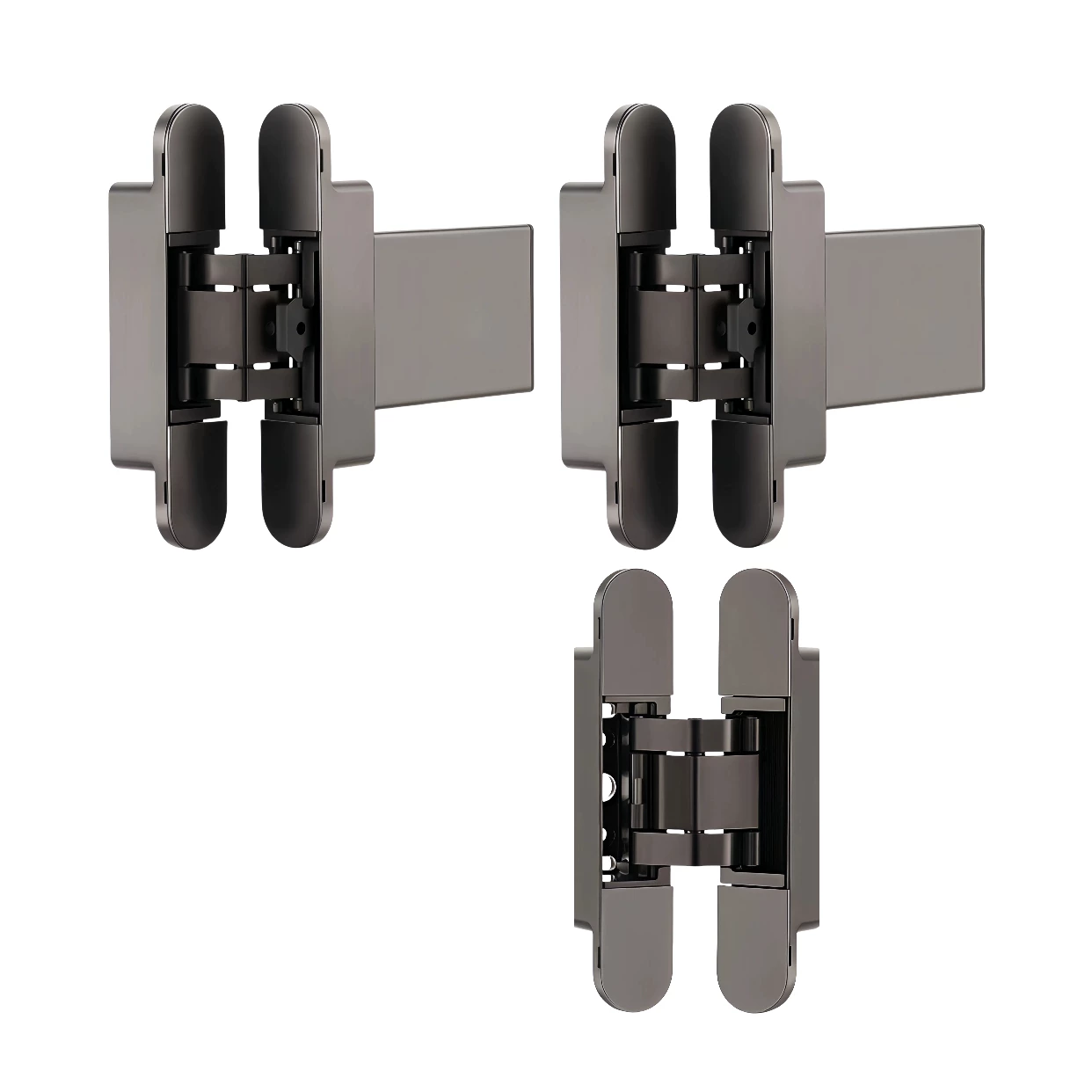
A spring hinge looks simple, but its evaluation is not simple. I treat it as part of a full door system, not just a hinge with a spring inside. The sections below explain where spring hinges fit, where they do not, and how I help buyers compare them with door closers.
When Are Spring Hinges Required for Commercial Doors?
Many commercial doors must remain closed for safety, privacy, dust control, smoke control, or access management.1 The problem starts when a buyer assumes every self-closing requirement needs the same hardware. That can create cost, appearance, or compliance issues if the wrong solution is selected.
Spring hinges are required or commonly specified when a commercial door must return to the closed position after use and the project accepts hinge-based self-closing hardware. Typical applications include pipe shaft doors, equipment room doors, service doors, storage doors, and selected fire-rated or access-controlled doors, subject to local code and project approval.
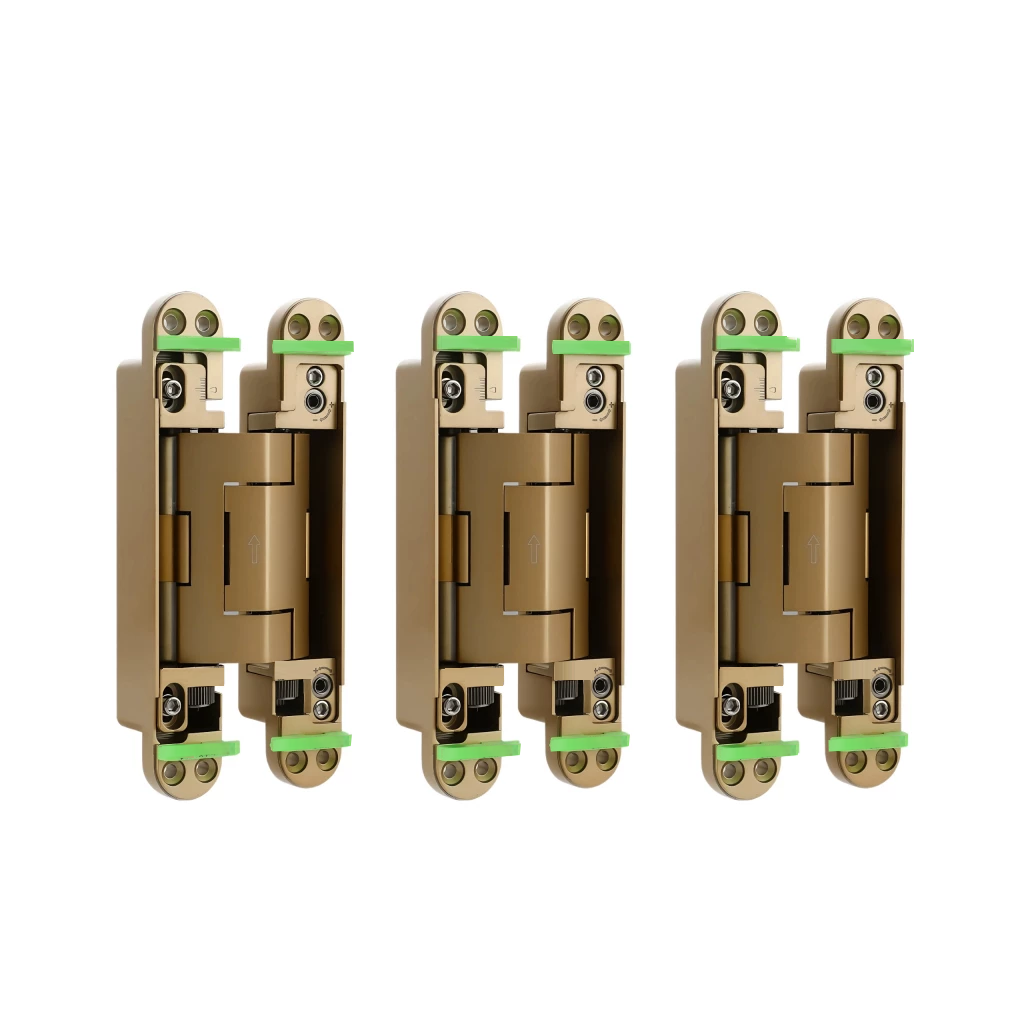
Door purpose comes first
I always begin with one basic question:
What risk appears if this door stays open?
That question helps buyers avoid over-selecting or under-selecting hardware. A spring hinge may be suitable when the door needs a simple return-to-close function. However, a door closer may be better when the door needs controlled closing speed, delayed action, backcheck, high durability, or stronger latching force.
Common commercial applications include:
- Pipe shaft doors2 that should stay closed to limit smoke, dust, or unauthorized access.
- Electrical or equipment room doors where users may enter briefly and forget to close the door.
- Service corridor doors where the door should not remain open in traffic areas.
- Hotel back-of-house doors where a cleaner appearance is preferred.
- Office utility doors where compact hardware is useful.
- Hidden doors or background wall doors where a surface-mounted closer may damage the design.
Spring hinges are not required for all commercial doors
I do not tell buyers that spring hinges are required for every commercial door. That would be inaccurate. Requirements depend on:
| Evaluation factor | Why it matters |
|---|---|
| Door function | Some doors must self-close, while others do not. |
| Fire rating | Fire doors usually need listed or tested self-closing hardware.3 |
| Door size and weight | Larger doors need more closing force and stronger hinge support. |
| Opening frequency | High-use doors may need a durable door closer. |
| Latch type | The door must close and latch, not only swing back.4 |
| Air pressure or wind | Pressure can stop weak spring torque from latching the door. |
| Local code | Acceptance depends on the authority having jurisdiction and project documents. |
Where I see spring hinges used most often
In my work with door factories, hardware brands, and wholesalers, I often see spring hinges considered for secondary commercial doors. These doors are important, but they may not require the same control features as a main entrance or heavy public corridor door.
For example, a pipe shaft door may only be opened during maintenance. It still needs to stay closed. A spring hinge can provide a compact self-closing function without adding a visible closer arm. In contrast, a heavy corridor fire door in a busy school may need a tested overhead door closer because it must close reliably many times per day.
The practical selection logic
I usually recommend this order:
- Confirm whether the door must self-close.
- Check whether the door is fire-rated or smoke-control related.
- Review project specifications and local building code.
- Confirm door size, weight, and material.
- Check expected opening frequency.
- Evaluate appearance requirements.
- Select hinge quantity and spring torque range.
- Test whether the door closes and latches after installation.
This process keeps the discussion practical. The buyer does not start with hinge size alone. The buyer starts with the door’s job.
How Do Spring Hinges Meet Self-Closing Code Requirements?
Code-related hardware decisions can become risky when people treat a product label as a full answer. A spring hinge may look like self-closing hardware, but the real question is whether it closes the specific door reliably and whether the project documents accept that hardware type.
Spring hinges meet self-closing requirements only when they are allowed for the door application, supported by required test or certification documents, installed in the correct quantity, and adjusted to close and latch the door from required opening positions. Buyers should verify acceptance with local building codes, fire regulations, and project specifications.

The code issue is not just “self-closing”
A door can swing back and still fail in real use. I have seen buyers focus on the movement of the door leaf, but inspectors and project engineers usually care about the final result:
- Does the door close completely?
- Does the latch engage reliably?
- Does the door close under normal site conditions?
- Does the hardware match the approved door assembly?
- Does the product have the required test report or certification?
For fire-rated doors, this distinction matters even more. A fire door usually needs to remain closed to perform as part of a fire separation system.5 If a spring hinge is used, it should be suitable for fire door applications and supported by relevant test or certification documents. Buyers should not treat ordinary spring hinges as fire door hardware unless the documents support that use.
Common compliance checkpoints
| Checkpoint | Buyer question |
|---|---|
| Door rating | Is the door fire-rated, smoke-control related, or ordinary commercial use? |
| Hardware listing | Is the spring hinge approved or tested for the required application? |
| Certification documents | Are CE, fire-rated, or other reports available for verification?6 |
| Hinge quantity | Does the installation use enough spring hinges for the door size and weight? |
| Closing performance | Does the door close and latch from different opening angles? |
| Local acceptance | Does the authority, consultant, or project specification allow spring hinges? |
At SDH Hardware, I treat certificates as documents buyers should review, not as marketing decoration. Our core products are available with authoritative CE certification and fire-rated certification, but project buyers should still verify the exact model, door assembly, and intended application.
Self-closing performance must be tested on the actual door
A spring hinge works by storing mechanical energy as the door opens.7 When the door is released, the spring torque pushes the door back toward the frame. That sounds simple, but the actual result depends on many site conditions.
Important installation factors include:
- Door weight
- Door width
- Hinge alignment
- Frame accuracy
- Seal resistance
- Latch friction
- Air pressure difference
- Floor clearance
- Number of spring hinges
- Torque adjustment level
A light interior door may close easily with two spring hinges. A heavier steel door with seals and a strong latch may need more closing force or a different self-closing device. If wind pressure or HVAC pressure pushes against the door, a weak spring setting may not latch the door at all.8
Fire-rated commercial doors need special caution
I keep fire-rated discussions careful because acceptance depends on local rules and project documents. In general, buyers should confirm:
- The spring hinge is suitable for fire door use.
- The fire test or certification applies to the product type.
- The door assembly allows this hardware configuration.
- The hinge size, material, and quantity match the tested or specified arrangement.
- The door closes and latches during inspection.
A spring hinge may support a fire-rated door application when the documentation and project requirements allow it. However, it should not be assumed equivalent to an overhead closer in every region or every door assembly.
When Should Spring Hinges Be Used Instead of Door Closers?
Many buyers want a clean door appearance, but they also need reliable closing. The challenge is that surface-mounted door closers offer strong control, while spring hinges offer a simpler and less visible solution. I compare them based on function first, then appearance.
Spring hinges should be used instead of door closers when the door needs basic self-closing, moderate use, compact hardware, and a cleaner appearance, and when project documents allow hinge-based closing. Door closers are usually better for heavy doors, high-frequency doors, exterior doors, and applications needing precise closing speed control.9
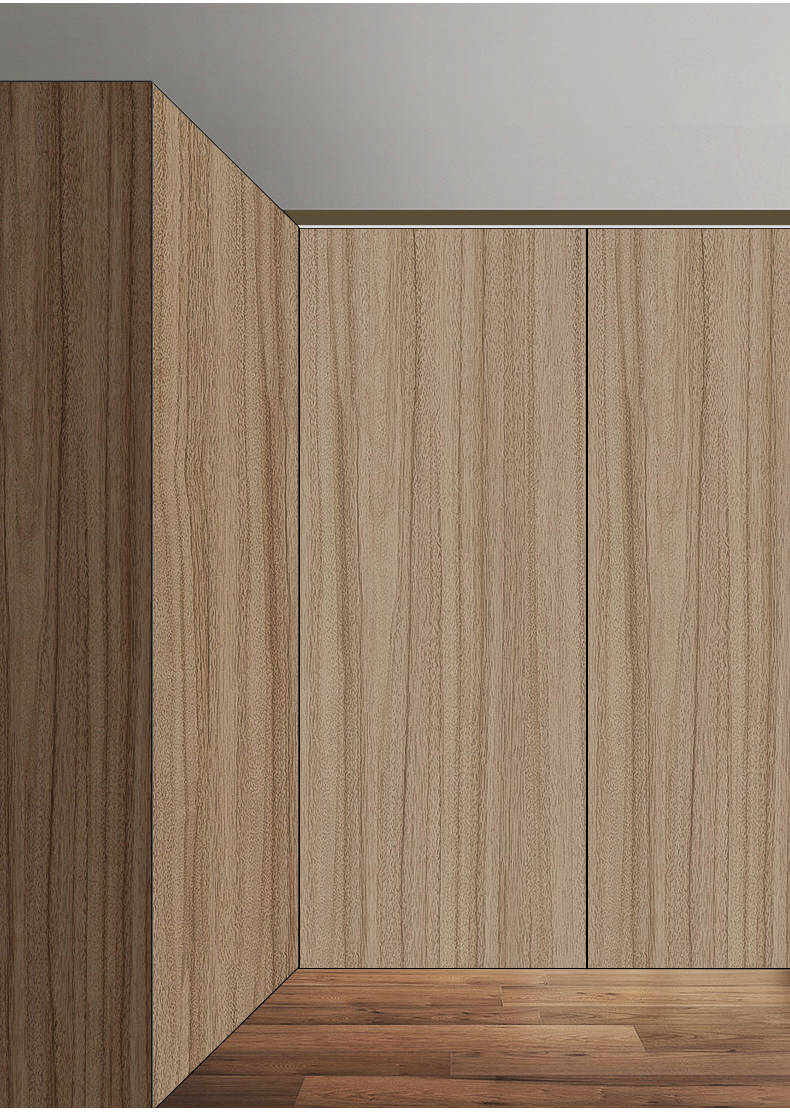
Spring hinges are more discreet
A major benefit of spring hinges is visual simplicity. The hardware sits at the hinge side, so the door face stays cleaner. This can matter in:
- High-end offices
- Minimalist interiors
- Boutique retail spaces
- Hotel guest area doors
- Hidden service doors
- Background wall doors
- Narrow corridors where closer arms are inconvenient
I have worked with buyers who wanted a self-closing function but did not want an overhead closer arm visible on the door. In those cases, spring hinges can be a practical option if the door is not too heavy and the closing requirement is basic.
Spring hinges versus door closers
| Feature | Spring hinges | Door closers |
|---|---|---|
| Appearance | Compact and less visible | More visible on door or frame |
| Closing control | Basic torque-based closing | Adjustable speed, latch speed, backcheck on many models10 |
| Installation space | Good for narrow areas | Needs space on door/frame/header |
| Best use | Light to medium doors, simple self-closing | Heavy, high-use, exterior, or controlled closing doors |
| Fire door use | Must verify certification and project acceptance | Commonly specified, but still must be approved |
| Maintenance | Simple adjustment, fewer visible parts | More settings, hydraulic components |
| Cost structure | Often economical | Usually higher unit cost |
Where spring hinges may not be enough
I do not recommend spring hinges as a universal replacement for door closers. A door closer often performs better when the door must close smoothly and consistently in demanding conditions.
A door closer may be safer when the door has:
- Heavy traffic
- High door weight
- Large door width
- Exterior exposure
- Strong wind or air pressure
- Smoke seals or heavy gaskets
- Access control hardware
- Panic hardware
- Strict closing speed requirements
- Frequent public use
For example, a main entrance door in a commercial building usually needs controlled closing and durability. A spring hinge may slam the door if set too strong, or fail to latch if set too weak. A door closer gives better control over closing speed and latching speed.
The real comparison is control versus simplicity
Spring hinges provide simplicity. Door closers provide control. That is the easiest way I explain the choice to buyers.
A spring hinge can be the right solution when:
- The door is not too large or heavy.
- The opening frequency is moderate.
- The site condition is stable.
- The design requires less visible hardware.
- The door only needs basic self-closing.
- The project accepts spring hinges for that door.
A door closer is usually the better option when:
- The door is part of a strict fire or egress system.
- The door must close smoothly under different conditions.
- The door sees frequent use.
- Users include children, elderly people, or the public.
- The project specifies a closer.
- The inspection authority expects closer-type hardware.
I advise B2B buyers to keep both products available in their commercial hardware range. Spring hinges solve one category of self-closing need. Door closers solve another.
How Many Spring Hinges Does a Commercial Door Need?
Some buyers try to solve spring hinge selection by choosing a larger hinge size. That is not enough. A commercial door needs the right number of hinges, the right spring torque, and correct alignment. Otherwise, the door may swing back but fail to latch.
A standard commercial door using spring hinges should generally use at least two spring hinges11, with torque adjusted after installation. Heavier, wider, taller, or fire-rated doors may require more spring hinges or another self-closing device. The final test is whether the door closes and latches reliably in real conditions.
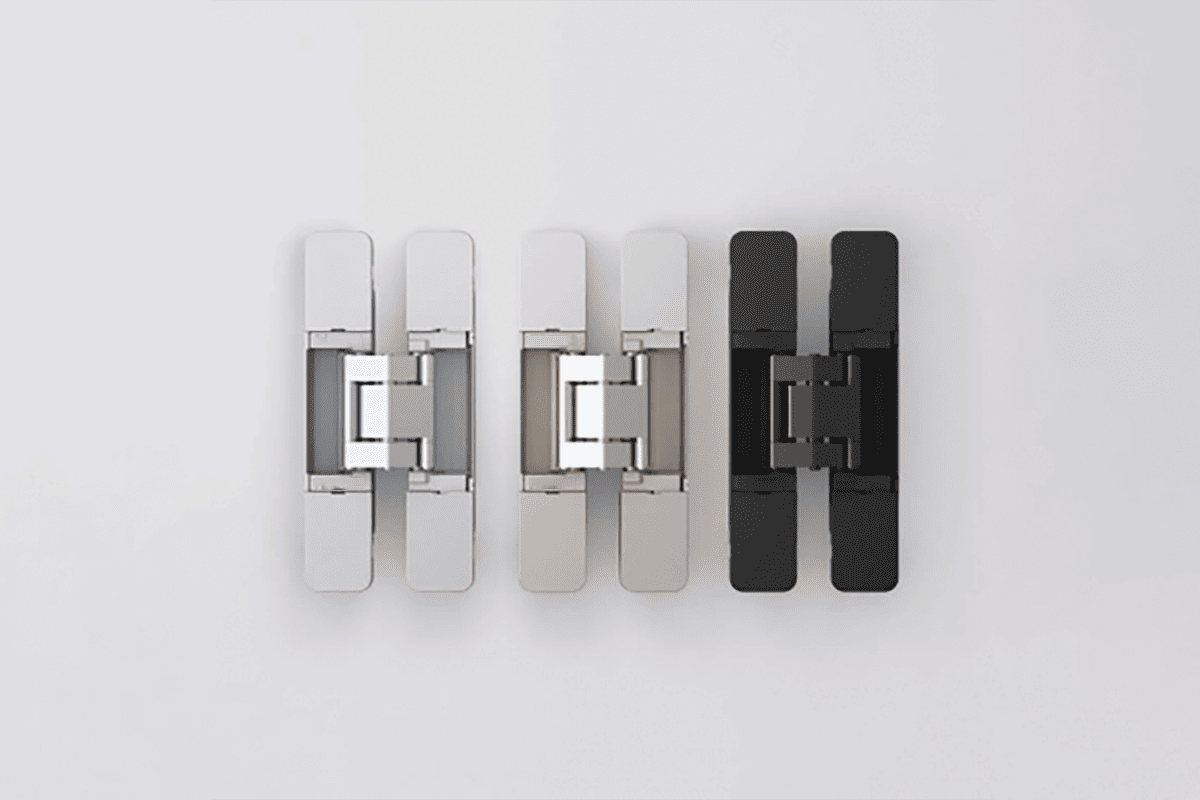
Why one spring hinge is often not enough
A single spring hinge may provide some closing force, but it may not provide enough torque for consistent latching. It also places more stress on one hinge point. That can affect long-term performance, especially on heavier commercial doors.
For many standard doors, buyers consider configurations such as:
- Two spring hinges + one plain hinge
- Three spring hinges
- Two spring hinges on a lighter interior door
- Full spring hinge set for stronger return force
The correct solution depends on door weight, door width, and site conditions. Fire-rated assemblies may also require specific hinge configurations, so buyers should check the tested arrangement and project requirements.
Key selection factors
| Factor | What I check |
|---|---|
| Door height | Taller doors may need more stable hinge support. |
| Door width | Wider doors create more leverage and need more torque. |
| Door weight | Heavier doors need stronger hinge capacity. |
| Door material | Steel, wood, aluminum, and composite doors behave differently. |
| Latch resistance | A stiff latch requires stronger final closing force. |
| Seal pressure | Fire, smoke, or acoustic seals can resist closing. |
| Opening angle | The door should close from realistic user positions. |
| Traffic level | Frequent use increases wear and adjustment needs. |
Torque adjustment matters
A spring hinge is adjustable on many models. This is important because factory torque may not match the actual door. After installation, the installer should test and adjust the hinge so the door closes properly.
The adjustment should avoid two common failures:
Torque is too weak.
The door moves toward the frame but does not latch.Torque is too strong.
The door slams, creates noise, damages hardware, or becomes uncomfortable for users.
A good setup balances closing power and user comfort. I tell buyers to test the door from several opening angles, such as 30°, 60°, and 90°, because a door may perform differently depending on release position.
The latch is part of the test
The key performance question is not only:
“Can the door swing back?”
The better question is:
“Can the door close and latch reliably in the actual installation environment?”
This matters because a door that rests against the latch without engaging is not truly closed. For fire-rated or access-controlled doors, that can create safety and security problems.
Practical testing should include:
- Releasing the door from different angles
- Testing with HVAC running
- Testing after seals are installed
- Testing the latch engagement
- Checking hinge alignment
- Confirming the door does not rub the frame
- Inspecting closing speed and noise
- Rechecking after a short break-in period
Factory support helps avoid selection errors
As a manufacturer, I have seen that many problems are not caused by poor product quality alone. They happen because the hinge was selected without enough door data. Before confirming a spring hinge order, I prefer to know:
- Door height and width
- Door leaf weight
- Door material
- Frame material
- Fire rating requirement
- Opening frequency
- Surface finish requirement
- Market or regional standard
- Packaging or branding needs
This information helps match the hinge model, material, bearing structure, spring strength, finish, and certification documents to the actual project.
How Should Buyers Evaluate Spring Hinges and Suppliers?
A spring hinge looks like a small item in a large door hardware package, but poor selection can affect inspection, installation, and after-sales service. Buyers need more than a catalog image. They need technical consistency, production control, documents, and stable supply.
Buyers should evaluate spring hinges by checking product material, load capacity, spring durability, finish quality, fire-rated or CE documents where required, torque adjustment method, sample performance, and supplier manufacturing capability. A qualified supplier should support drawings, testing, customization, inspection, and project-specific documentation review.
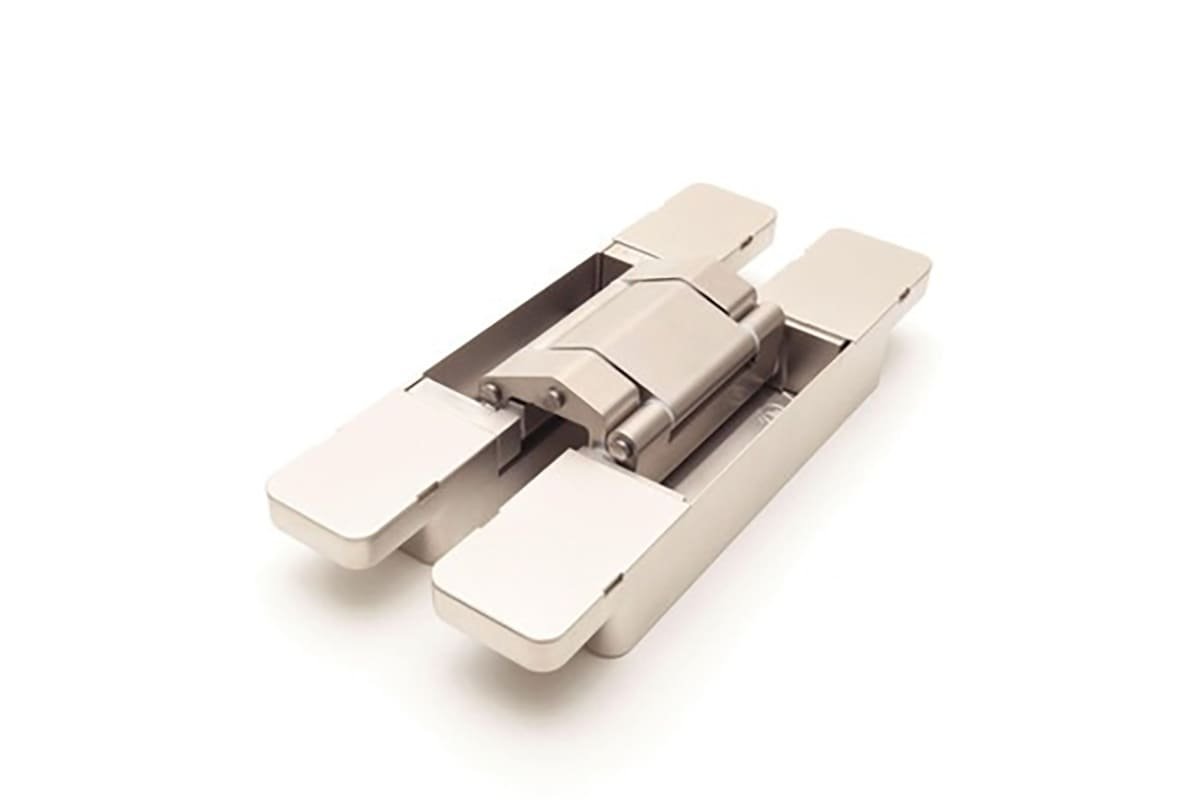
Product quality checkpoints
When I help a buyer evaluate spring hinges, I look at both visible and hidden details.
Important product checks include:
- Material grade, such as stainless steel or steel with suitable finish
- Knuckle structure and hinge pin quality
- Spring mechanism stability
- Adjustment design
- Bearing or washer structure
- Screw quality
- Finish consistency
- Corrosion resistance
- Cycle testing data
- Packaging protection
For commercial buyers, one failed hinge can create more than replacement cost. It can delay door-set delivery, damage brand reputation, and create site complaints.
Supplier capability matters
A good supplier should support both standardized products and project-specific requirements. At SDH Hardware, our production experience covers Euro mortise locks, stainless steel lever handles, butt hinges, concealed door hinges, Euro brass cylinders, spring hinge-related door hardware solutions, and door accessories. This matters because commercial door packages rarely depend on one item.
I recommend that buyers ask suppliers these questions:
- Can you provide product drawings?
- Can you support OEM or ODM requirements?
- Can you adjust finish, size, or packaging?
- Can you provide CE or fire-rated certification documents where applicable?
- Can you support inspection after production?
- Can you recommend hinge quantity based on door data?
- Can you maintain stable batch quality?
- Can you provide samples for project testing?
Documentation buyers should request
| Document or data | Why buyers need it |
|---|---|
| Product drawing | Confirms dimensions, hole pattern, and installation details. |
| Material specification | Helps compare strength and corrosion resistance. |
| Finish information | Supports brand consistency and project matching. |
| Test report | Shows performance under stated test conditions. |
| CE certificate | Supports European market evaluation where applicable. |
| Fire-rated certificate | Required for fire door evaluation when specified. |
| Installation guide | Reduces adjustment and site performance problems. |
| Packing details | Helps wholesalers and brands manage logistics. |
Factory-direct supply can reduce uncertainty
A factory-direct supplier can help buyers control quality and customization. This is especially useful for door factories, hardware brand enterprises, and wholesalers that need repeatable batches.
SDH Hardware operates independent production lines and applies full-process quality control, from raw material screening to production supervision and finished product inspection. I still advise buyers to inspect samples and verify documents before bulk orders, especially for fire-rated doors or regulated projects.
Useful factory services include:
- ODM and OEM product development
- Logo stamping or laser marking
- Custom color packaging
- Surface finish customization
- Accessory configuration
- Detailed product drawings after order confirmation
- Finished product inspection service
- One-stop sourcing for complete door hardware sets
Practical supplier evaluation process
I suggest a simple five-step process:
Share door application details.
Include door type, size, weight, rating, and market.Request product recommendation.
Ask for hinge model, quantity, and torque information.Check documents.
Review CE, fire-rated, or other relevant certificates if needed.Test samples.
Install on a real or simulated door and test closing and latching.Confirm bulk order controls.
Agree on finish, packaging, inspection method, and delivery schedule.
This process helps buyers avoid treating spring hinges as generic commodity items. For regulated or high-value projects, that discipline matters.
Frequently Asked Questions
Are spring hinges required on all commercial doors?
No. Spring hinges are not required on all commercial doors. They are used when a door needs self-closing function and the project accepts hinge-based closing hardware. Requirements depend on door purpose, fire rating, local building code, project documents, and inspection authority expectations.
Can spring hinges be used on fire-rated doors?
Spring hinges may be used on fire-rated doors only when the hinge is suitable for fire door use and supported by relevant test or certification documents.12 Buyers should verify the exact product, door assembly, hinge quantity, and local code acceptance before specifying them.
How many spring hinges should I use on one door?
Many standard commercial doors use at least two spring hinges, but the correct number depends on door weight, width, height, latch resistance, seals, and traffic level. The door must close and latch reliably after installation, so site testing is essential.
Are spring hinges better than door closers?
Spring hinges are better for compact, less visible, basic self-closing applications. Door closers are usually better for heavy, high-use, exterior, fire-rated, or public doors that need controlled closing speed. The better option depends on performance requirements, not only appearance.
Why does my spring hinge door close but not latch?
The torque may be too weak, the latch may be stiff, the hinges may be misaligned, or air pressure may resist closing. The door may also rub the frame or seals. Adjust the spring torque, check installation quality, and confirm the hardware is suitable for the door.
Conclusion
Spring hinges are useful when a commercial door must stay normally closed and the project needs a compact, simple self-closing solution. However, they are not automatically suitable for every door or every code condition. Buyers should verify fire rating, certification, hinge quantity, torque adjustment, latch performance, and local project requirements. If you need factory-direct support for commercial door hardware selection, SDH Hardware can help review your door application and recommend suitable hinge, lock, handle, and accessory solutions.
"NFPA 101 Section 7.2.1.8. Self closing devices", https://www.fit.edu/media/site-specific/wwwfitedu/environmental-health-and-safety-ehs/documents/NFPA-101-Section-7.2.1.8-Self-closing-devices.pdf. Model codes like the International Building Code and NFPA 101 include provisions that doors in fire or smoke barriers, shaft enclosures, and certain hazardous rooms be self- or automatic-closing, reflecting that many commercial doors must remain closed to achieve safety and smoke control objectives. Evidence role: expert_consensus; source type: institution. Supports: That building and life safety codes require certain doors—such as those in fire/smoke barriers, shaft enclosures, and hazardous area rooms—to be self- or automatic-closing to limit smoke and fire spread.. Scope note: Specific requirements vary by occupancy, use, and code edition adopted by the jurisdiction. ↩
"NFPA 101 Section 7.2.1.8. Self closing devices", https://www.fit.edu/media/site-specific/wwwfitedu/environmental-health-and-safety-ehs/documents/NFPA-101-Section-7.2.1.8-Self-closing-devices.pdf. Model code provisions (e.g., IBC) require openings into shaft enclosures to be protected by fire-rated doors with self- or automatic-closing devices, aligning with the guidance that pipe/shaft access doors should remain closed. Evidence role: general_support; source type: institution. Supports: That openings into shaft enclosures must be protected by rated door assemblies equipped with self- or automatic-closing devices under model codes.. Scope note: Code language and enforcement can differ by edition and jurisdiction; project-specific requirements should be verified with the AHJ. ↩
"Panic and Fire Exit Hardware", https://www.fairfaxcounty.gov/fire-ems/fire-marshal/panic-and-fire-exit-hardware. NFPA 80 (Standard for Fire Doors and Other Opening Protectives) requires swinging fire doors to be self-closing or automatic-closing and to use listed and labeled components as part of a listed assembly, supporting the statement that fire doors typically need tested/labeled self-closing hardware. Evidence role: expert_consensus; source type: institution. Supports: That fire-rated doors are required by widely adopted standards to be self- or automatic-closing and equipped with listed/labeled components as part of a listed assembly.. Scope note: NFPA 80 is a model standard; specific enforceability depends on adoption and amendments by the local jurisdiction. ↩
"Self-Closing Doors - HPD", https://www.nyc.gov/site/hpd/services-and-information/self-closing-doors.page. Fire and life safety standards (e.g., NFPA 80 and related code provisions) require doors protecting rated/smoke barriers to self-close and latch, supporting the statement that mere return motion is insufficient for compliance. Evidence role: expert_consensus; source type: institution. Supports: That fire and smoke control doors must close and latch to maintain the integrity of separations.. Scope note: Applicability is specific to regulated openings; ordinary nonrated doors may not be subject to the same latching requirement. ↩
"Door closer", https://en.wikipedia.org/wiki/Door_closer. Reference works on fire doors explain that their purpose is to maintain compartmentation, which requires the door to remain closed or to close automatically to preserve the fire separation’s integrity. Evidence role: general_support; source type: encyclopedia. Supports: That fire doors are intended to maintain compartmentation and must be closed or self-closing to be effective.. Scope note: Encyclopedic summaries provide general context; enforceable requirements derive from adopted codes and standards. ↩
"CE Marking UNI EN 1935", https://chemollifire.com/en/certifications/ce-marking-uni-en-1935/. Within the European Union, EN 1935 specifies performance for single-axis hinges, and hinges intended for fire/smoke-resisting doors are typically CE marked with declared performance under the Construction Products Regulation, providing verifiable documentation for regulated applications. Evidence role: general_support; source type: institution. Supports: That in the EU, single-axis hinges for fire/smoke-resisting doors are assessed under EN 1935 and marketed with CE marking and declared performance under the Construction Products Regulation.. Scope note: CE marking and EN 1935 are jurisdiction-specific and may not apply outside the EU or in markets with different conformity regimes. ↩
"Hinge", https://en.wikipedia.org/wiki/Hinge. Reference descriptions of spring hinges note that a torsion spring in the hinge barrel stores energy during opening and releases it to drive the door closed, consistent with the mechanism stated. Evidence role: mechanism; source type: encyclopedia. Supports: That spring hinges use a torsion spring to store energy on opening and release it to return the door toward the closed position.. Scope note: General encyclopedic explanations describe typical designs and may not cover all proprietary mechanisms. ↩
"Influence of the Pressure Difference and Door Swing ... - PMC", https://pmc.ncbi.nlm.nih.gov/articles/PMC4865048/. Technical studies on building pressurization (e.g., stairwell pressurization research) report that pressure differentials across doors can hinder closing and latching, indicating that inadequate closing force may fail to secure the latch under such conditions. Evidence role: general_support; source type: research. Supports: That pressure differentials across a door can impede closing and latching, requiring sufficient closing force.. Scope note: Magnitude and occurrence of pressure differentials vary by building design and system operation, so impacts are context-dependent. ↩
"A156.4 - 2024 Door Closers and Pivots", https://buildershardware.com/ANSI-BHMA-Standards/Hardware-Highlights/A1564-2024-Door-Closers-and-Pivots. ANSI/BHMA A156.4 specifies performance grades and adjustable functions for door closers—including closing speed, latch speed, and backcheck—supporting their suitability for heavy or high-frequency openings requiring controlled closing. Evidence role: general_support; source type: institution. Supports: That door closers are standardized with adjustable functions (e.g., closing speed, latch speed, backcheck) and performance grades suitable for demanding applications.. Scope note: Standards define capabilities but do not mandate a device choice for every scenario; project specifications and AHJ approval govern final selection. ↩
"ANSI A156.4 Door Closers | Grade, ADA & NFPA 80 ...", https://usmadesupply.com/resources/building-codes-standards/ansi-a156-4/door-closers. ANSI/BHMA A156.4 (Door Controls—Closers) delineates adjustable functions including closing speed, latch speed, and backcheck for many closer types, supporting the statement about common adjustable features. Evidence role: definition; source type: institution. Supports: That standardized door closers include adjustable functions such as closing speed, latch speed, and backcheck as defined in closer standards.. Scope note: Not every closer model provides all adjustments; features vary by product grade and design. ↩
"Decoded: NFPA 80 Requirements for Hinges, Pivots, and ...", https://idighardware.com/2016/07/decoded-nfpa-80-requirements-for-hinges/. NFPA 80 requires not less than two hinges on swinging fire doors, with additional hinges based on door height, illustrating that multiple hinges are standard for rated assemblies and lending support to using at least two spring hinges on typical commercial doors. Evidence role: general_support; source type: institution. Supports: That multi-hinge configurations are standard practice, with rated doors explicitly requiring at least two hinges (and more depending on door height).. Scope note: This provision applies to fire-rated assemblies; nonrated assemblies may follow different practices or manufacturer instructions. ↩
"QQ: Spring Hinges on Fire Doors", https://idighardware.com/2023/01/qq-spring-hinges-on-fire-doors/. NFPA 80 and certification programs (e.g., UL listings) require that components such as hinges be specifically listed for use on fire doors and installed per the assembly’s listing, which supports the conditional statement that spring hinges may be used on rated doors only when appropriately certified. Evidence role: general_support; source type: institution. Supports: That acceptance of spring hinges on rated doors depends on the hinge being listed for fire door use and installed in accordance with the door assembly’s listing.. Scope note: Standards do not prescribe spring hinges in all cases; acceptability depends on the specific door assembly listing and approval by the authority having jurisdiction. ↩
