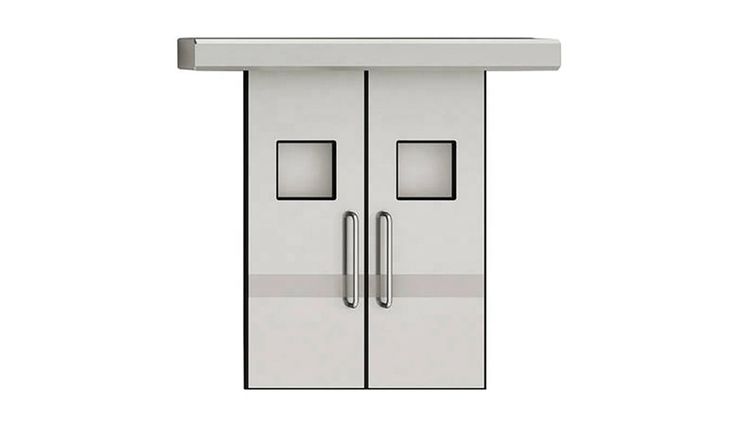
In specialized environments like hospitals, laboratories, and pharmaceutical factories, doors are far more than simple barriers—they are critical to safety, hygiene, and compliance. However, many buyers still confuse cleanroom doors with medical doors, assuming they serve the same purpose. While the two share some similarities, they are designed with different standards, performance requirements, and applications.
Choosing the right Door Hardware is essential. From hidden hinge systems to high security lock cylinder mechanisms, every component must match the specific demands of the environment.
What Are Cleanroom Doors?
Cleanroom doors are an essential part of controlled environments where air purity, pressure balance, and contamination control are top priorities. Typical applications include:
- Semiconductor factories
- Pharmaceutical production facilities
- Food and beverage processing plants
- Biotechnology laboratories
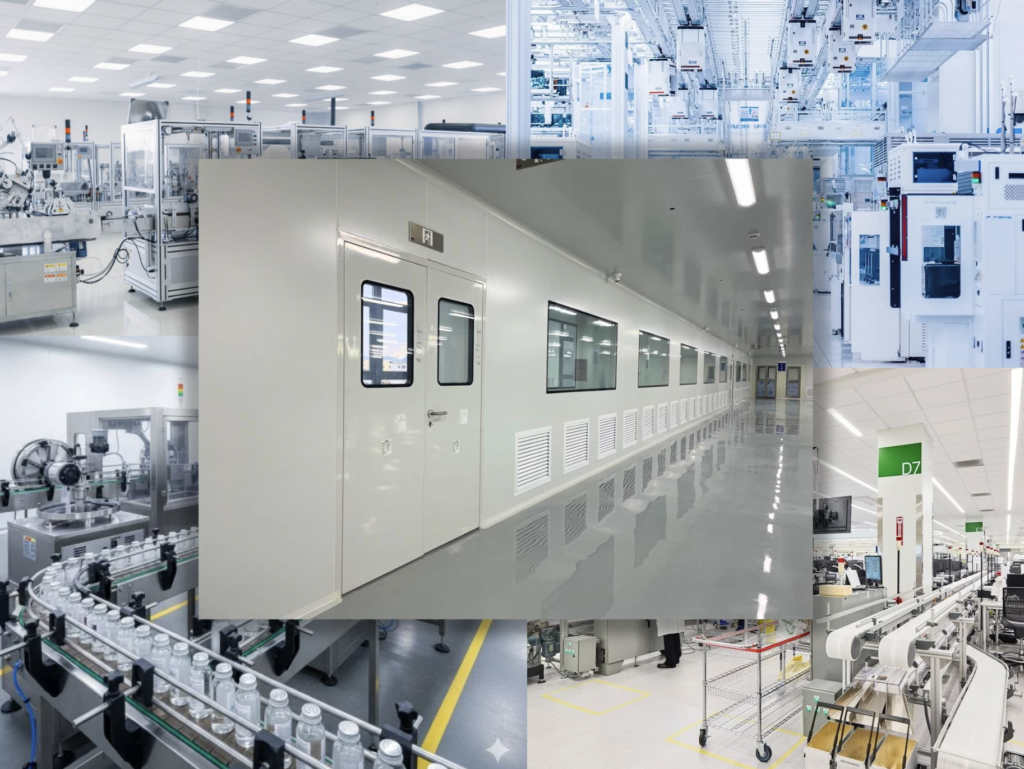
Key characteristics of cleanroom doors:
| Feature | Description |
|---|---|
| Airtight Performance | Prevents particles from leaking in or out |
| Smooth Surfaces | Non-porous materials reduce dust accumulation |
| Chemical Durability | Resistant to disinfectants, solvents, and cleaning agents |
| Hardware Compatibility | Often equipped with fire-rated doors and hardware like stainless steel oil-free hinges, concealed hinges, handles, tempered glass windows, and hermetic sealing systems. |
In cleanrooms, even a small hardware defect can compromise air quality. That’s why many specifiers choose 3D adjustable concealed hinge systems, which allow precise alignment without breaking the sterile seal. For locking, a high security lock cylinder or european door lock with smooth surfaces is preferred to minimize particle traps.
What Are Medical Doors ?
Medical doors, on the other hand, are specifically designed for hospitals, clinics, and healthcare facilities. Their primary purpose is to ensure patient safety, hygiene, and efficient operations within a medical environment.
Unlike standard commercial or residential doors, medical doors are meticulously designed to meet the rigorous hygiene, safety, and operational requirements unique to healthcare environments.
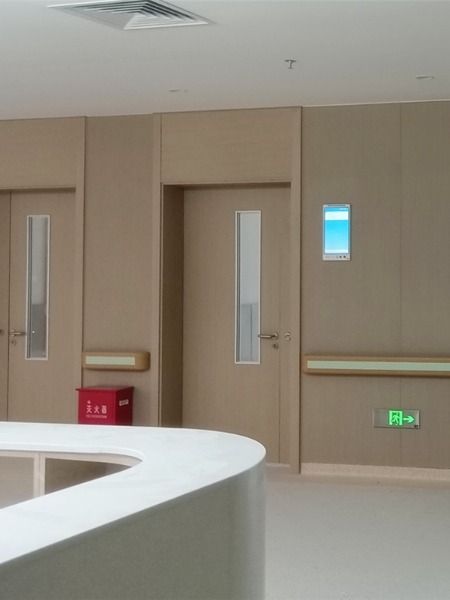
Key characteristics of medical doors:
| Feature | Description |
|---|---|
| Hygiene-Focused Design | Antibacterial coatings prevent cross-infection |
| Safety Compliance | Fire resistance, radiation shielding, and emergency egress |
| Noise Reduction | Soundproofing maintains patient privacy |
| Accessibility | Easy operation with push/pull handles or automatic systems |
Comparison Table: Cleanroom Doors vs. Medical Doors
| Feature | Cleanroom Doors | Medical Doors |
|---|---|---|
| Primary Function | Maintain air purity & pressure control | Ensure hygiene & patient safety , automatic sensing (avoid hand touch) |
| Extreme sealing to prevent dust/microorganisms | Prevent cross-infection, facilitate medical operation, and ensure safety | Prevent cross-infection, facilitate medical operations, and ensure safety |
| Applications | Class 100/Class 1000 cleanrooms, sterile laboratories, pharmaceutical production workshops, ICU isolation units | General wards, outpatient clinics, examination rooms, corridors, operating rooms (non-ultra-cleanroom grade) |
Cleanroom doors and medical doors may look similar, but they serve different purposes and must comply with different requirements. By understanding the distinctions and selecting the right Door Hardware—from hidden hinge systems to high security lock cylinder mechanisms—you can ensure your project meets the highest safety and performance standards.
When in doubt, remember: certified hardware and compliant doors are investments in safety, quality, and long-term reliability.
Medical Doors vs. Cleanroom Doors: How Exactly Should You Choose the Right Door Hardware?
How do you choose Lock Cylinder?
| Criteria | Medical Doors | Cleanroom Doors |
|---|---|---|
| Recommended Lock Cylinder | cylinder lock door / european door lock | european door lock |
| High-Security Areas | high security lock cylinder (pharmacy, ICU, nursery) | high security lock cylinder (R&D labs, core zones) |
| Core Selection Logic | High-frequency use + easy cleaning + emergency egress | Dust control + no debris traps + sealing fit |
Cleanroom Doors → Choose european door lock for clean, simple, and seal-friendly design.


How do you choose hinges?
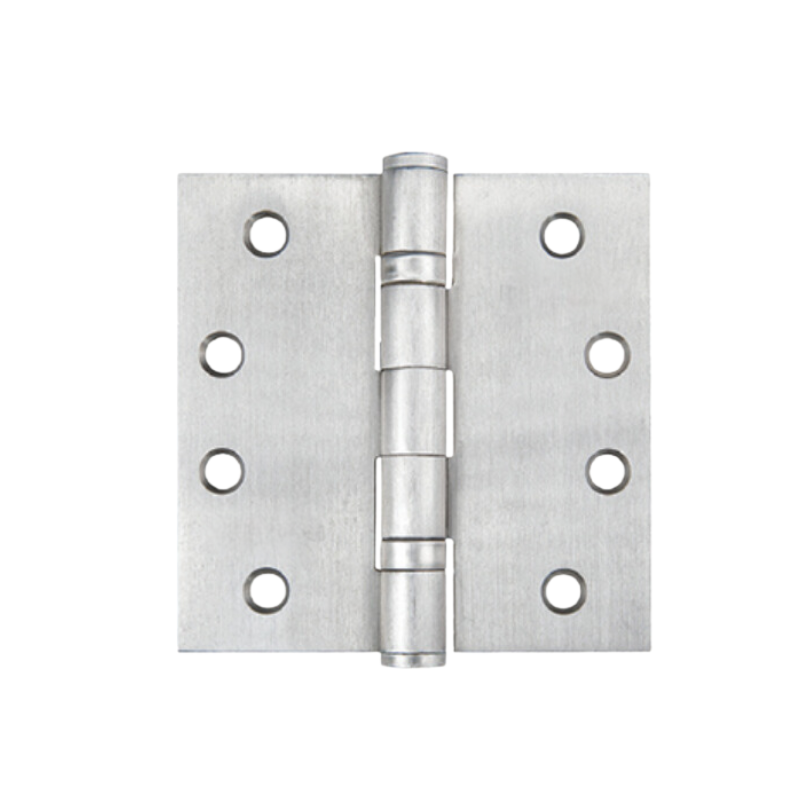
Recommended Hinges for Medical Doors: Hidden Hinges or Butt
- hidden hinge
Featuring no exposed screws on the surface, these ward and corridor doors are easy to disinfect and clean, making them suitable for environments requiring frequent wiping. - butt hinges
Suitable for heavy-duty medical doors, such as those in operating rooms or radiology departments. Stainless steel is recommended for its corrosion resistance and superior load-bearing capacity.
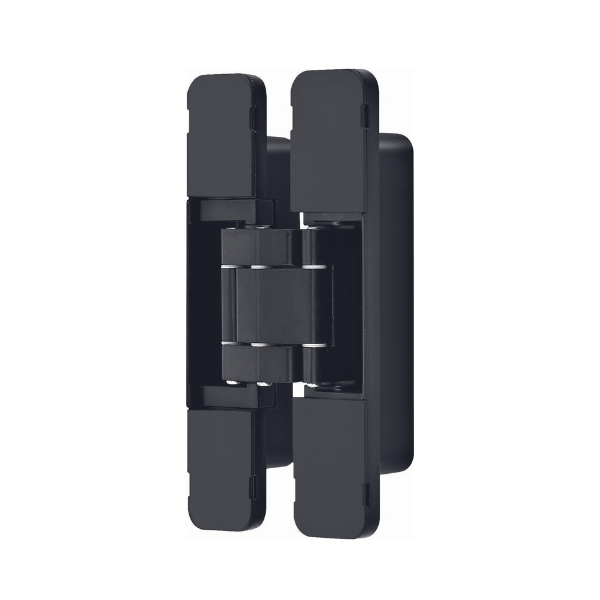
Recommended Hinges for Cleanroom Doors: 3D adjustable concealed hinge
- 3D adjustable concealed hinge
The door leaf position can be precisely adjusted across three dimensions (vertical, lateral, and longitudinal), maintaining airtightness without the need for disassembly or reassembly. This makes it ideally suited to the rigorous long-term sealing requirements of cleanrooms, while simultaneously preventing dust accumulation on exposed structural components.
How do you choose a lock?
Recommended Medical Doors:
| Scene | Recommended Locks | reason |
|---|---|---|
| Wards and Consultation Rooms | cylinder lock door | Simple in structure, facilitating daily management. |
| High-Frequency Access Gate | lock door closer matches grade 1 door locks | Ensure that the door closes automatically and locks securely, preventing cross-traffic. |
| Psychiatric Ward or Specialized Ward | durable mortise locks for hospitals | Robustly constructed to withstand the demanding, high-intensity environment of a hospital. |
| High-Security Areas (Pharmacy, ICU) | high security lock cylinder | Pry-resistant and key-duplication-proof—enhancing security levels. |
Cleanroom Door Recommendations:
- high security lock cylinder
Cleanrooms impose rigorous requirements regarding security levels; furthermore, the surface of the lock cylinder must be smooth, free of grooves, and resistant to dust accumulation. - european door lock
European-standard lock bodies typically feature excellent airtight sealing capabilities, characterized by smooth latch retraction and controllable sealing pressure. Consequently, they represent the most common type of lock body utilized in cleanroom doors. - Generally, the use of conventional cylinder locks is not recommended for cleanroom doors, as their complex internal structure makes them prone to trapping dust.
Is a door closer required?
| Door Type | Is it necessary? | Recommended Methods |
|---|---|---|
| Medical Doors | ✅ Highly Recommended | Lock Door Closer (or Overhead Door Closer) |
| Cleanroom Door | ⚠️ Optional | Prioritize the use of airtight weatherstripping or self-closing hinges to minimize mechanical components. |
Still Unsure? We Can Help
If you are unsure which standards or hardware are suitable for your project, please feel free to contact our technical team at info@sdhhardware.com for expert advice and customized solutions.