Electrified Hinges Vs Door Loops Vs Power Transfer Devices: Which Should You Choose?
Electrified hinges can look like the obvious choice when a wired door needs clean cable transfer, but the wrong selection can create visible wiring, difficult installation, or long-term maintenance issues. I often see buyers compare only price first. A better approach is to match the cable transfer method to appearance, protection, installation, and procurement risk.
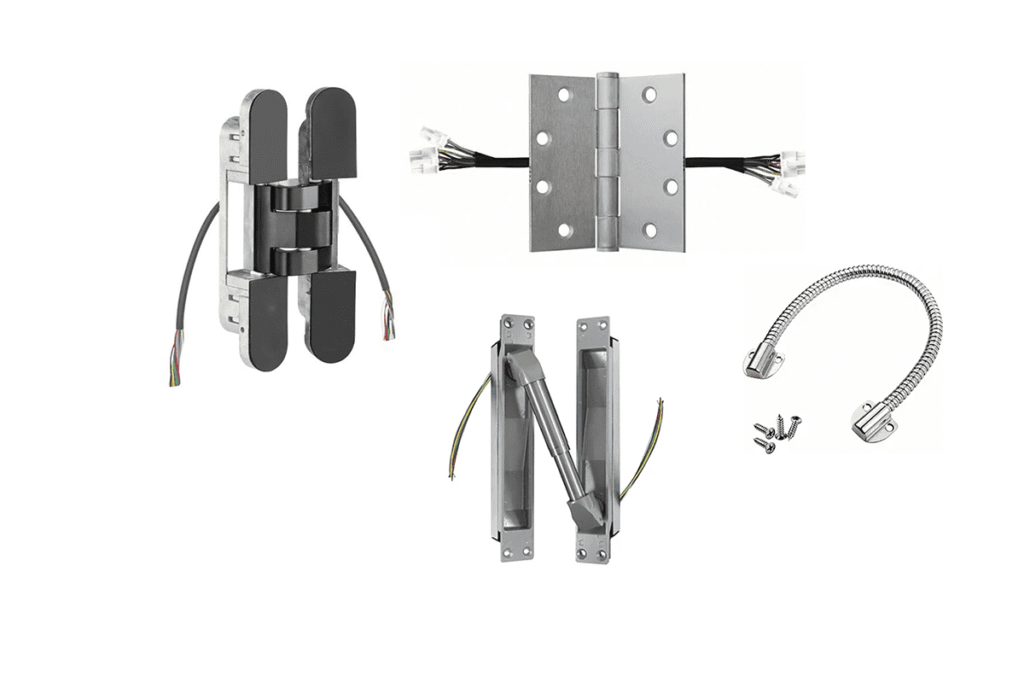
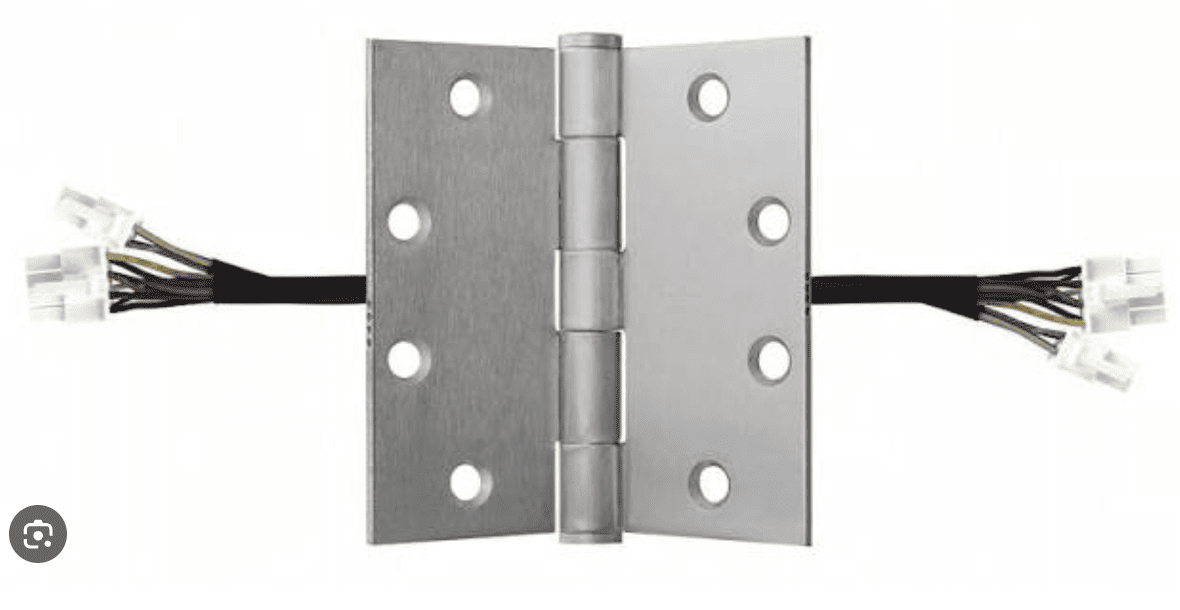
Electrified hinges, door loops, and power transfer devices all transfer wiring between the door frame and door leaf, but they serve different priorities.1 Electrified hinges offer the cleanest integrated appearance, door loops provide the simplest and most economical visible solution, and power transfer devices offer concealed wire protection without depending on the hinge itself.
Many project buyers ask me which option is “best.” I usually explain that the better question is: best for which door, budget, appearance standard, and installation condition? Once those priorities are clear, the choice becomes much easier and much safer for procurement.
When Do Electrified Hinges Make The Most Sense?
Electrified hinges solve a common problem for access-control doors: the wiring needs to pass from the frame to the leaf, but exposed cable can look unprofessional. If the project also needs a neat door edge and integrated hardware, a basic visible cable loop may feel like a compromise.
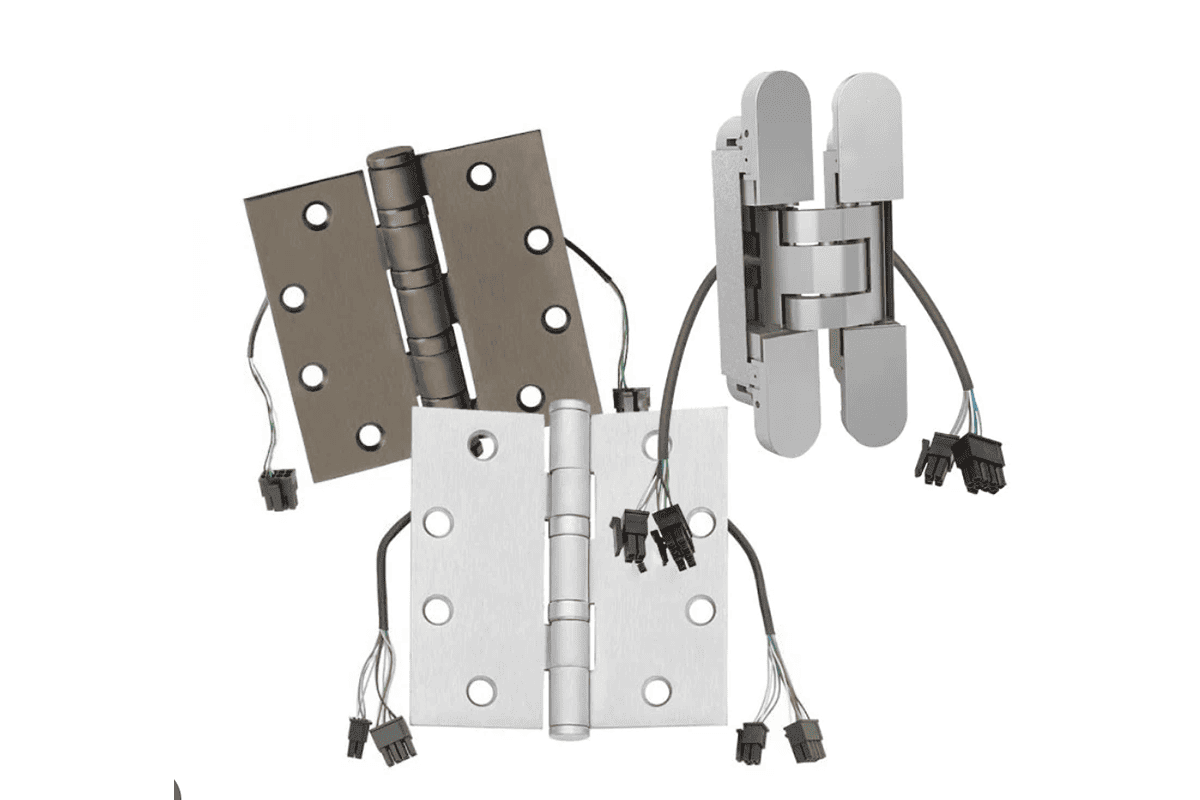
Electrified hinges make the most sense when the buyer values concealed wiring, clean appearance, and integrated door hardware. The cable passes through the hinge area, so the wiring is hidden when the door is closed.2 This makes them suitable for commercial doors, hotel projects, office buildings, and other appearance-sensitive applications.3
Why appearance often drives the decision
In my experience with door factories and hardware brand customers, appearance is often the first practical difference people notice. A door loop is visible. A power transfer device is usually concealed after installation. An electrified hinge is also concealed, but it feels more integrated because the cable route is built into the hinge function.
That matters for projects where the door is part of the visual design, such as:
- Hotels and serviced apartments
- Office entrance doors
- High-end residential projects
- Commercial corridors
- Retail or public-facing doors
- Access-control doors with a clean design requirement
A visible wire loop may work perfectly in a back-of-house area. However, it may look out of place on a premium timber door, stainless steel door set, or architectural entrance. I have seen buyers accept a higher hardware cost because the visible finish mattered more than the initial unit price.
What electrified hinges usually offer
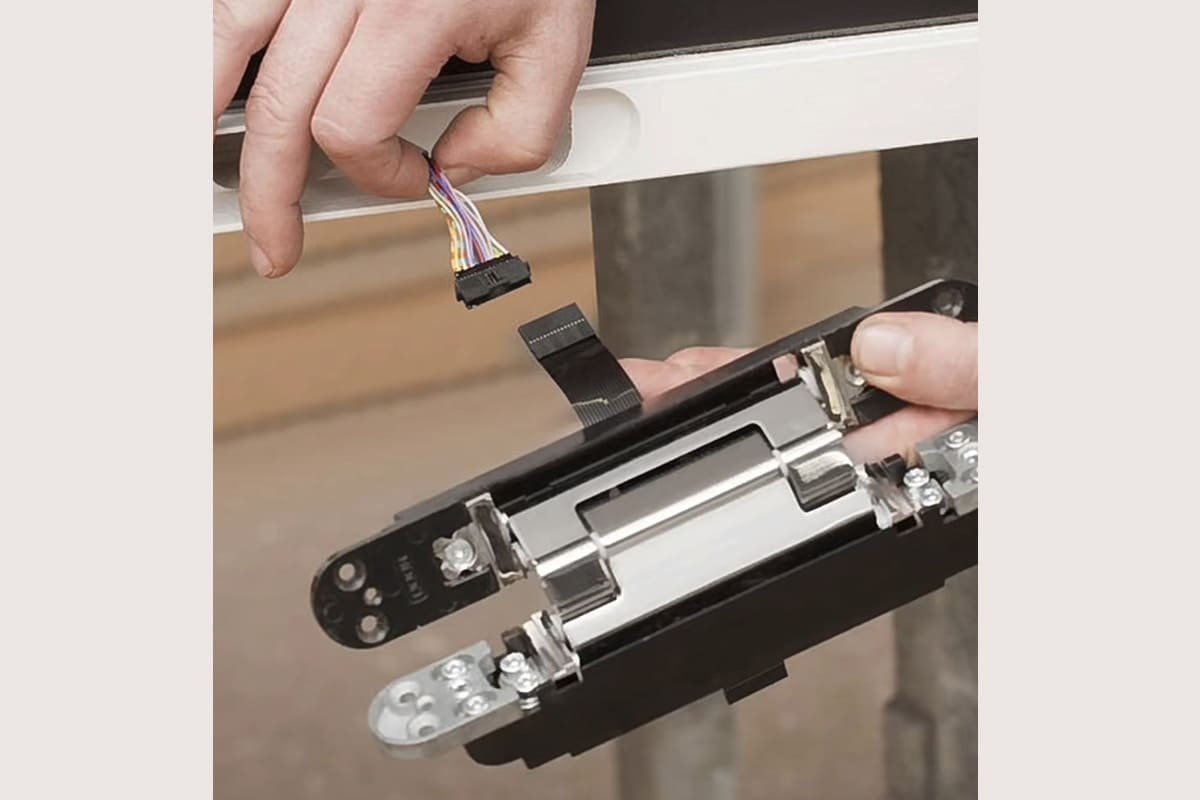
Electrified hinges are not just ordinary hinges with a wire added. They are designed to allow cable transfer through the hinge area while still supporting the door’s mechanical movement. For procurement evaluation, I suggest buyers look at them as a combined hardware component.
Key evaluation points include:
Door weight and hinge specification
The hinge still needs to match the door size, weight, and usage level.4 Buyers should not choose only by the number of wires.Wiring requirement
The wire configuration should match the electric lock, access-control device, door contact, or other installed hardware.5Door and frame preparation
The factory, installer, or project team must confirm whether the door and frame can be prepared correctly.Finish consistency
The hinge finish should match the rest of the door hardware, especially on visible architectural projects.Service access
Maintenance teams should understand how future inspection or replacement will be handled.
Electrified hinges compared with other methods
| Evaluation Factor | Electrified Hinges | Door Loops | Power Transfer Devices |
|---|---|---|---|
| Wiring visibility | Concealed when closed | Visible | Usually concealed |
| Appearance level | High | Basic | High to medium-high |
| Installation difficulty | Medium to higher | Low | Medium to higher |
| Hardware integration | Strong | External accessory | Separate concealed device |
| Cost tendency | Higher than door loops | Usually lowest | Often between door loops and high-end hinge solutions |
| Retrofit convenience | Depends on door prep | Often easier | Depends on routing and preparation |
Procurement risk to consider
Electrified hinges are attractive, but they are not automatically the best answer. Buyers should check drawings, door thickness, frame conditions, cable route, and hardware compatibility before confirming an order. If the project has electrical performance requirements, the buyer should ask for the exact product data sheet and have a qualified access-control or electrical professional confirm suitability.
At SDH Hardware, I treat electrified hinges as a product category where appearance and integration are strong advantages. Still, I always recommend verifying project-specific conditions before making a final selection.
Are Door Loops The Most Practical Cable Transfer Option?
Door loops solve the same basic problem in a simple way: wires must move safely between a fixed frame and a moving door leaf. However, many buyers hesitate because the loop remains visible after installation, and that can affect the final appearance of the door set.
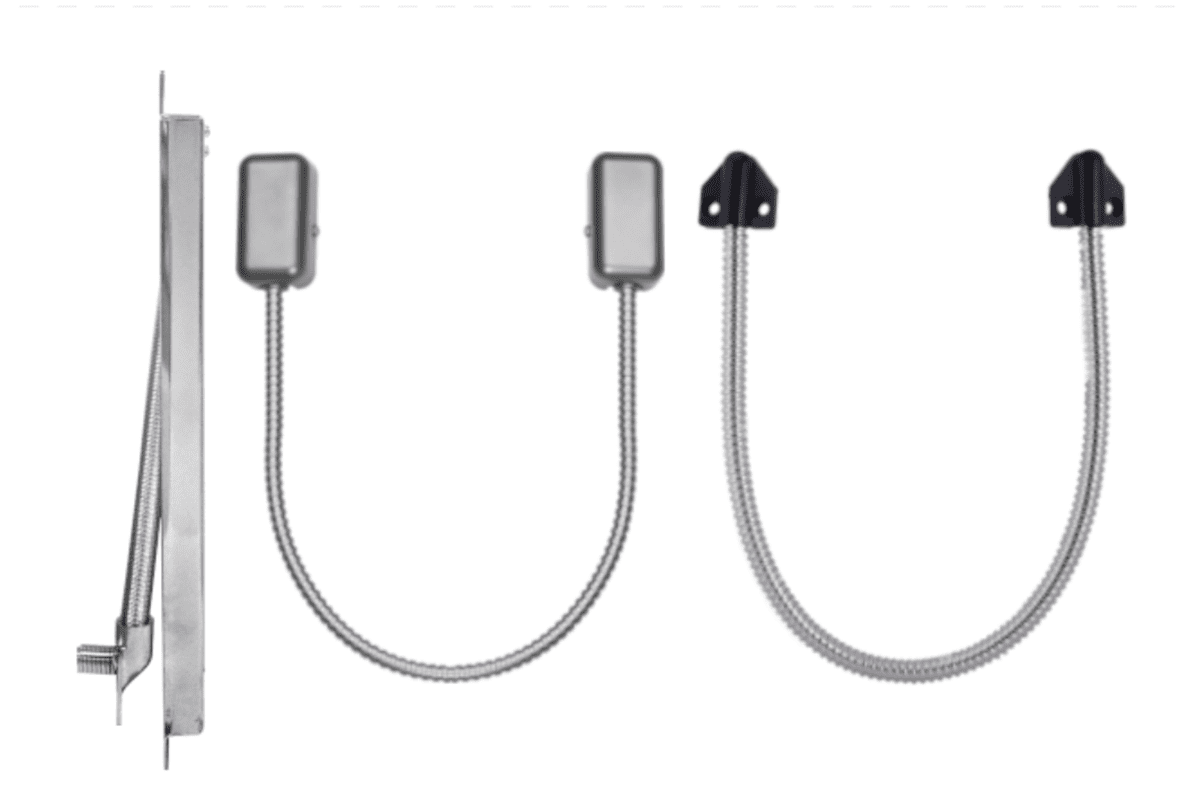
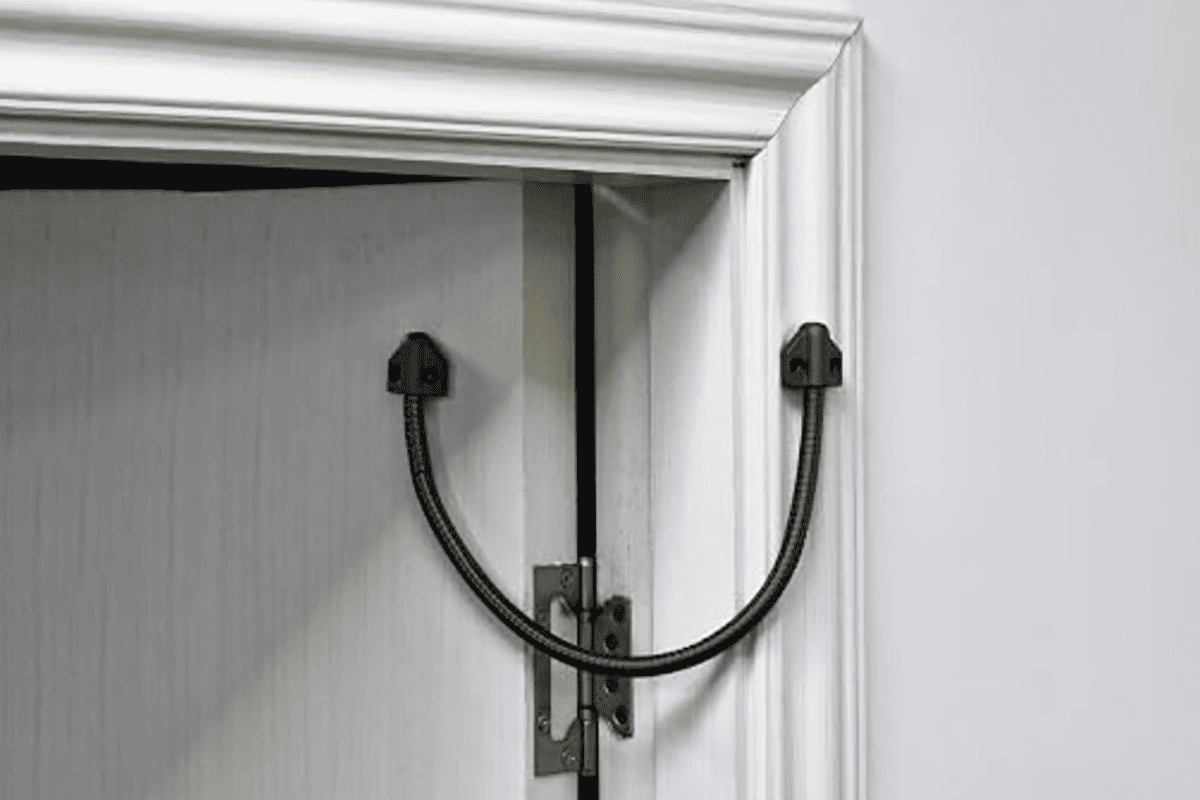
Door loops are often the most practical option when the buyer needs a simple, economical, and easy-to-install cable transfer solution.6 They organize and protect the wiring bundle, but the cable path remains visible.7 This makes them suitable for cost-sensitive projects, retrofits, and non-decorative service areas.
Why door loops remain popular
Door loops are popular because they are easy to understand. The wire exits the frame, passes through a flexible or protected loop, and enters the door leaf. Installers can usually see the cable route clearly, and project teams can inspect the condition without removing concealed hardware.
For many buyers, that simplicity is a real advantage. A door loop may be enough when the project does not require a fully concealed finish. I often see this in:
- Warehouse doors
- Industrial utility rooms
- Retrofit access-control upgrades
- Service corridors
- Temporary or budget-sensitive projects
- Doors where visible hardware is acceptable
Door loops can reduce procurement complexity because the buyer does not need to match the cable transfer function to the hinge structure. They also reduce some preparation concerns because the wiring path is external and easier to adapt on site.
Main benefits of door loops
Door loops are not the most elegant option, but they are practical. Their value comes from directness.
Common advantages include:
- Lower product cost in many cases
- Simple installation compared with concealed options
- Easy visual inspection
- Useful for retrofit work8
- Flexible for basic wired door applications
- Less dependence on hinge specification
This does not mean buyers should ignore quality. A poorly made loop can look cheap, expose wiring poorly, or fail to protect the cable bundle over time. The material, flexibility, end fixing, and installation quality still matter.
Where door loops may be the wrong choice
The biggest limitation is visibility. If the architect, owner, or end customer expects a clean door edge, a door loop may not pass visual inspection. This is especially true for hotels, offices, and branded commercial spaces.
A door loop can also be exposed to accidental pulling, impact, or tampering depending on door location.9 In public areas, a visible loop can attract attention. In industrial spaces, it can be hit by equipment or rough use. This does not make door loops bad. It only means the application must fit the product.
Door loop decision checklist
| Question | If Yes | If No |
|---|---|---|
| Is visible wiring acceptable? | Door loop may be suitable | Consider electrified hinges or power transfer devices |
| Is the project cost-sensitive? | Door loop may help control budget | Concealed options may be justified |
| Is this a retrofit project? | Door loop may simplify installation | New construction may allow concealed prep |
| Is the door in a public-facing area? | Review appearance carefully | Door loop may be fine |
| Is easy inspection important? | Door loop has an advantage | Concealed options may still work |
My practical view
When buyers ask me for the “cheapest” cable transfer solution, I usually slow the conversation down. Door loops can be economical, but the lowest price is not always the lowest risk. The project team should still confirm cable protection, mounting strength, finish quality, and expected use environment.
A door loop is a good fit when the buyer accepts the visible appearance and values installation convenience. It is less suitable when the door is part of a premium architectural package. In those cases, electrified hinges or concealed power transfer devices are usually worth comparing.
How Do Power Transfer Devices Compare With Electrified Hinges?
Power transfer devices solve a middle problem. Some buyers want concealed wiring, but they do not want the cable transfer function to depend on the hinge. Others need a dedicated cable protection device that fits a specific frame and door preparation.
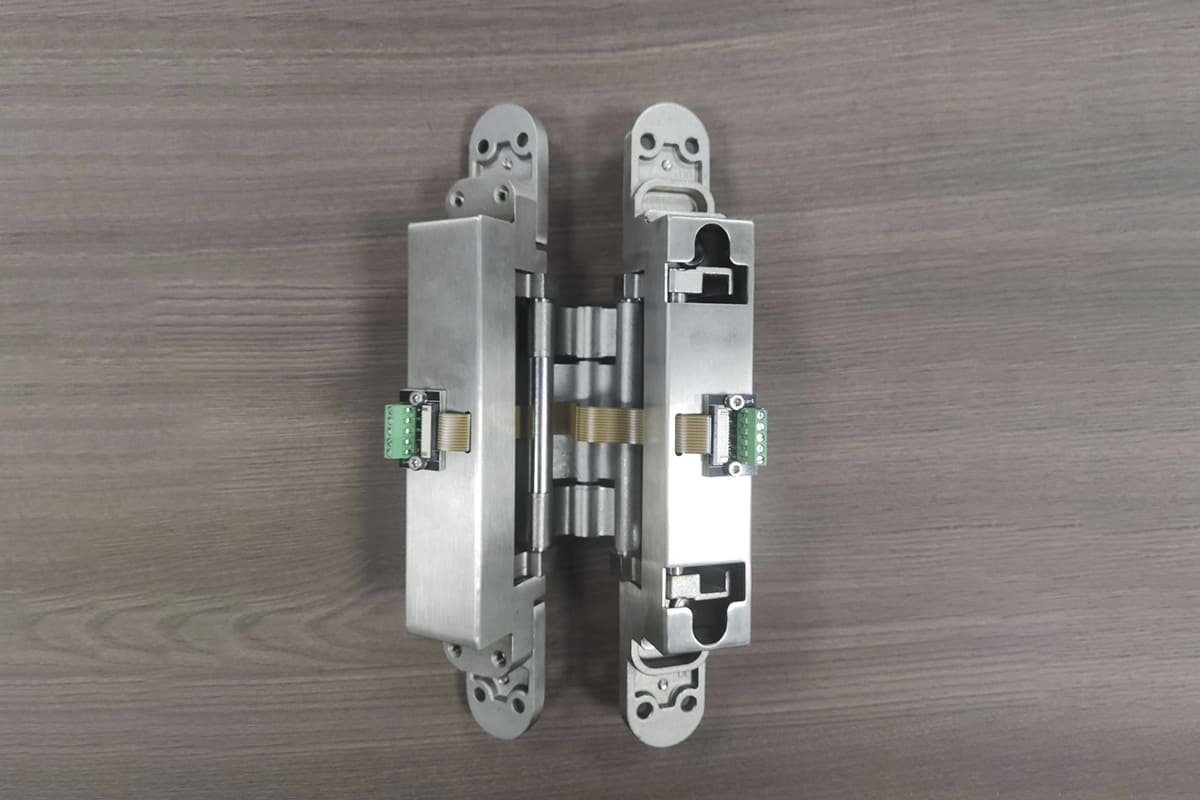
Power transfer devices provide concealed cable protection between the frame and door leaf without using the hinge as the transfer path.10 Compared with electrified hinges, they are separate hardware components. They usually offer a cleaner appearance than door loops, while giving the project team another concealed wiring option.
Why buyers consider power transfer devices
A power transfer device, often called a PTD in some markets, is designed to protect wiring as it passes between the door and frame. The key difference is that it is not built into the hinge. It is installed as a separate transfer component, usually concealed when the door is closed.
This can be useful when:
- The hinge specification is already fixed.
- The project wants concealed wiring but not electrified hinges.
- The door set needs a dedicated cable protection path.
- The buyer wants a more professional appearance than a visible loop.
- The frame and door can be prepared for concealed installation.
Power transfer devices often appeal to buyers who want a clean result but also want to keep the hinge selection separate. For example, a project may already require a particular butt hinge, concealed hinge, or fire-rated hinge system. In that case, a separate power transfer device may be easier to coordinate.
Power transfer devices vs electrified hinges
| Factor | Power Transfer Devices | Electrified Hinges |
|---|---|---|
| Cable route | Separate concealed device | Through hinge area |
| Appearance | Concealed when installed properly | Concealed and integrated |
| Hinge dependency | Low | High |
| Installation prep | Requires door/frame preparation | Requires hinge-side wiring preparation |
| Replacement logic | Device can be considered separately | Hinge and cable function are linked |
| Best use case | Concealed wiring with separate cable protection | Clean integrated hardware appearance |
Advantages of power transfer devices
Power transfer devices can offer a balanced solution. They are not as basic as door loops, but they avoid making the hinge carry both mechanical and wiring-transfer decisions.
Common advantages include:
Concealed appearance
The wiring is hidden after installation, which improves the visual result.Dedicated wire protection
The device is designed to organize and protect cables through the moving area.Flexible hardware pairing
The buyer can often select hinges separately, subject to door and frame design.Professional project image
The final result often looks more refined than exposed cable transfer.Useful for access-control doors
The device can support wired hardware applications when properly specified.
What buyers should verify
A power transfer device may need more careful installation than a door loop. The door and frame must have enough space for routing, mounting, and movement. If the door is already manufactured, retrofit work may require additional machining.11
Buyers should verify:
- Door material and thickness
- Frame profile and preparation space
- Cable quantity and outer diameter
- Opening angle and movement clearance
- Compatibility with lock, reader, sensor, or exit hardware wiring
- Project documentation and installation instructions
- Any required compliance or certification documents for the exact product
I avoid making general claims about current capacity, fire-rating suitability, or cycle durability unless the exact tested product documents are available. In professional projects, that documentation should be reviewed before approval.
My practical view
Power transfer devices are often the option I recommend buyers study when they want a concealed look but do not want to change the hinge specification. They can make procurement more flexible. However, they require coordination between the hardware supplier, door factory, installer, and access-control team.
If the project already values an integrated hinge appearance, electrified hinges may still be the more elegant solution. If the project mainly values easy installation and low cost, door loops may still be enough. Power transfer devices sit between those priorities and help buyers avoid an exposed cable route.
How Should Buyers Compare Electrified Hinges, Door Loops, And Power Transfer Devices?
Buyers often compare electrified hinges, door loops, and power transfer devices by asking, “Which one costs less?” I understand why. Price is visible and easy to compare. However, cable transfer hardware affects appearance, installation, maintenance, and buyer satisfaction, so price alone can lead to poor selection.
Buyers should compare electrified hinges, door loops, and power transfer devices by using five practical criteria: appearance, wiring protection, installation convenience, cost level, and application fit. The correct choice depends on the door type, project standard, wiring requirement, and whether visible cable is acceptable.
A simple selection framework
I like to use a practical selection framework because it prevents the discussion from becoming only about product price. For B2B buyers, the bigger risk is often mismatch. A low-cost product used in the wrong door location can create complaints, rework, or brand damage.
Here is the framework I use in customer conversations.
| Priority | Best-Fit Option To Consider | Reason |
|---|---|---|
| Cleanest integrated appearance | Electrified hinges | Wiring passes through the hinge area and stays hidden |
| Lowest basic cost | Door loops | Simple structure and easier installation in many projects |
| Concealed wiring without hinge dependency | Power transfer devices | Separate cable protection with hidden installation |
| Retrofit convenience | Door loops or selected PTDs | Depends on door preparation and site access |
| Premium project finish | Electrified hinges or PTDs | Visible loops may not meet appearance expectations |
| Easy visual inspection | Door loops | Cable route is exposed and accessible |
| Coordinated door factory production | Electrified hinges or PTDs | Can be prepared during manufacturing |
Appearance: visible or concealed?
This is the first decision. If visible wiring is acceptable, door loops remain a practical option. If visible wiring is not acceptable, buyers should compare electrified hinges and power transfer devices.
I suggest asking these questions early:
- Will the door be seen by hotel guests, office visitors, or retail customers?
- Does the architect require concealed hardware details?
- Will exposed cable reduce the perceived quality of the door set?
- Is the door in a utility area where appearance matters less?
- Will the buyer’s brand be affected by visible wiring?
Appearance is not just decoration. It affects market positioning. A hardware brand selling premium door sets may lose value if the final installation looks improvised.
Wiring protection and movement
All three options should protect the cable better than loose wiring. However, they protect it in different ways.
- Electrified hinges route the cable through the hinge area.
- Door loops use a visible flexible or protected external path.
- Power transfer devices use a separate concealed transfer path.
The buyer should consider how the door moves, how often it opens, and where users may touch or impact the hardware. For high-traffic doors, I recommend reviewing product construction and installation method carefully. The exact performance should be verified through supplier documentation, test reports, or professional evaluation.
Installation convenience
Installation can change the real cost of the decision. A door loop may have a lower unit price and simpler mounting. An electrified hinge may require more coordinated preparation. A power transfer device may require accurate routing in the door and frame.
Procurement teams should not evaluate product cost alone. They should also ask:
- Who prepares the door and frame?
- Can the door factory machine the required positions?
- Does the installer understand the cable route?
- Can the access-control team connect the hardware easily?
- Is future replacement practical?
When SDH Hardware supports B2B customers, I always prefer to confirm drawings and specifications before order production. That reduces disputes after goods arrive.
Cost should be viewed as total project cost
Door loops are usually the most economical product option. However, total project cost includes more than the part price.12
Total cost may include:
- Product unit price
- Door and frame preparation
- Installation labor
- Rework risk
- Appearance complaints
- Maintenance access
- Replacement complexity
- Brand or project standard requirements
A visible loop that causes rejection on a premium project is not cheap. At the same time, an electrified hinge used where a door loop would be perfectly acceptable may be over-specified. The right balance depends on the market segment and application.
A practical recommendation by project type
| Project Type | Suggested Options To Compare | Practical Reason |
|---|---|---|
| Hotel guest room doors | Electrified hinges or PTDs | Concealed wiring supports a cleaner look |
| Office access-control doors | Electrified hinges, PTDs, or door loops | Depends on visibility and budget |
| Warehouse doors | Door loops or PTDs | Appearance may be less critical |
| Premium apartment doors | Electrified hinges or PTDs | Design consistency matters |
| Retrofit access-control work | Door loops or selected PTDs | Installation constraints may dominate |
| Door factory OEM programs | Electrified hinges or PTDs | Factory preparation can improve consistency |
My procurement advice
I recommend buyers request samples or drawings before large orders. They should also confirm packaging, finish, accessory configuration, and inspection standards. For ODM or OEM orders, logo stamping, laser marking, and packaging design should be clarified before production.
At SDH Hardware, I have seen that the smoothest projects start with clear application information. The buyer does not need to know every electrical detail, but they should provide the door type, frame type, hardware list, appearance requirement, and target market. Then the supplier can help narrow the options responsibly.
What Procurement Details Matter Before Ordering Electrified Hinges?
Electrified hinges can reduce visible wiring and improve the door appearance, but procurement mistakes can still happen. A buyer may order the wrong hinge size, finish, wiring configuration, or preparation style. Those errors can delay door production and create unnecessary project cost.
Before ordering electrified hinges, buyers should confirm door size, hinge size, finish, wire configuration, door and frame preparation, project compliance documents, packaging needs, and inspection requirements. Buyers should also verify exact product certifications and consult qualified professionals for application-specific electrical or life-safety decisions.
Why procurement details matter
An electrified hinge is both a hinge and a wiring transfer component. That dual role makes ordering more sensitive than buying a standard butt hinge. If one detail is wrong, the product may still look correct in a catalog but fail to match the door set.
For example, I have seen buyers focus on the surface finish and forget to confirm the cable requirement. I have also seen buyers confirm the wiring but overlook door thickness or frame preparation. These issues are avoidable when the purchasing team uses a structured checklist.
Core details to confirm
Buyers should prepare the following information before requesting a quotation:
| Procurement Item | What To Confirm | Why It Matters |
|---|---|---|
| Door type | Timber, steel, aluminum, fire door, etc. | Affects preparation and hinge suitability |
| Door size and weight | Height, width, thickness, approximate weight | Helps match hinge specification |
| Opening direction | Left/right hand, inward/outward | Supports correct installation planning |
| Finish | Satin stainless, polished, PVD, painted, etc. | Keeps hardware appearance consistent |
| Wire configuration | Number of conductors or required wiring path | Must match connected hardware needs |
| Hardware function | Electric lock, access control, sensor, or other device | Determines application fit |
| Frame preparation | Space and machining method | Prevents installation conflict |
| Documentation | Drawings, test reports, certificates if required | Supports buyer verification |
| Packaging | Neutral, brand, color box, bulk carton | Important for wholesalers and brands |
| Inspection standard | Visual, dimensional, functional checks | Reduces after-sales disputes |
Conclusion
Electrified hinges, door loops, and power transfer devices all help transfer wiring between the frame and door leaf, but they solve different buyer problems. Electrified hinges are strong when clean appearance and integrated hardware matter. Door loops are practical when cost and simple installation matter. Power transfer devices are useful when concealed wiring is required without relying on the hinge. If you are selecting hardware for a door factory, brand program, wholesale order, or project supply, contact SDH Hardware with your door details and target market, and I can help you compare suitable options.
"How to Select an Electric Power Transfer Hinge? - SDH hardware", https://sdhhardware.com/2026/08/24/how-to-select-an-electric-power-transfer-hinge/. An architectural-hardware standards source describes electrified hinges, door loops or cords, and power-transfer devices as hardware methods for carrying electrical conductors across the door-frame interface; this supports the article’s functional comparison, although the source may not independently rank the products by cost or appearance. Evidence role: general_support; source type: institution. Supports: A standards or professional door-hardware source should confirm that these products are used to route electrical conductors between a fixed frame and a moving door leaf, while differing in form and installation approach.. Scope note: Contextual support for the comparison; it may not directly prove the article’s qualitative ranking of priorities. ↩
"How to Select an Electric Power Transfer Hinge? - SDH hardware", https://sdhhardware.com/2026/08/24/how-to-select-an-electric-power-transfer-hinge/. A door-hardware standards reference defines electrified hinges as hinges incorporating electrical conductors for transferring power or signals between the frame and door leaf, supporting the statement that the wiring path is integrated with the hinge area. Evidence role: definition; source type: institution. Supports: The source should define an electrified hinge as a hinge that incorporates electrical conductors or a transfer path between the frame and door.. ↩
"Measuring service quality in the hotel industry: A study in ...", https://www.academia.edu/24059233/Measuring_service_quality_in_the_hotel_industry_A_study_in_a_business_hotel_in_Turkey. Research on hospitality and commercial interior perception indicates that visible detailing and finish integration can affect users’ judgments of quality, providing contextual support for using concealed cable-transfer hardware in appearance-sensitive projects rather than direct proof about electrified hinges specifically. Evidence role: general_support; source type: paper. Supports: A design or built-environment study should support the general idea that visible technical details and finish quality influence perceived quality in hospitality or commercial interiors.. Scope note: Contextual design evidence; it supports the aesthetic rationale but not a tested performance advantage of electrified hinges in those building types. ↩
"Types, Parts, and Requirements of Concealed Hinges? - SDH ...", https://sdhhardware.com/2026/07/17/types-parts-and-requirements-of-concealed-hinges/. Architectural-hinge standards classify and specify hinges with reference to door size, weight, and service conditions, supporting the article’s statement that an electrified hinge must still satisfy ordinary mechanical hinge-selection criteria. Evidence role: expert_consensus; source type: institution. Supports: A recognized hinge standard or hardware-institute reference should state that hinges are specified according to factors such as door size, weight, and use frequency.. ↩
"physical access control system - Glossary", https://csrc.nist.gov/glossary/term/physical_access_control_system. Government guidance on physical access-control systems identifies electric locks, door-position devices, readers, and control hardware as interconnected electrical components, supporting the need to coordinate conductor configuration with the devices installed on the door. Evidence role: mechanism; source type: government. Supports: A government or institutional access-control reference should show that electric locks, door contacts, readers, and other devices require appropriate power and signal wiring.. Scope note: The source may explain access-control system wiring generally rather than specify conductor counts for a particular hinge or transfer device. ↩
"How to Select an Electric Power Transfer Hinge? - SDH hardware", https://sdhhardware.com/2026/08/24/how-to-select-an-electric-power-transfer-hinge/. Professional door-hardware guidance describes door loops or door cords as external cable-transfer devices used to route wiring between the frame and door, supporting the article’s characterization of them as a simpler visible option, though not necessarily proving they are always the lowest-cost choice. Evidence role: general_support; source type: institution. Supports: A professional door-hardware reference should describe door loops or door cords as external cable-transfer devices with relatively straightforward installation compared with concealed preparations.. Scope note: Supports relative simplicity and visible installation; cost claims remain market-dependent. ↩
"Door loop", https://en.wikipedia.org/wiki/Door_loop. A door-hardware reference describes door loops or door cords as visible flexible cable-transfer assemblies that carry and protect conductors between a frame and moving door, supporting the article’s description of their protective but exposed routing. Evidence role: definition; source type: institution. Supports: The source should define or illustrate door loops as visible flexible or protected routing for conductors between the door and frame.. ↩
"Door Hardware", https://www.uvu.edu/facilities/docs/uvuhardwarespec02062023.pdf. Facilities guidance for access-control retrofits notes that existing doors and frames can constrain concealed wiring routes, providing contextual support for using visible cable-transfer methods such as door loops in retrofit work. Evidence role: general_support; source type: education. Supports: A university facilities or institutional access-control guide should support the idea that retrofit door wiring often uses accessible or surface-mounted pathways when concealed preparation is difficult.. Scope note: Contextual support; it may not name door loops as the preferred retrofit method in every case. ↩
"Physical Security | Cybersecurity and Infrastructure ...", https://www.cisa.gov/topics/physical-security. Government physical-security guidance treats exposed security-system wiring as a potential vulnerability to damage or tampering, supporting the article’s caution that visible door loops may face pulling, impact, or interference in some locations. Evidence role: mechanism; source type: government. Supports: A government physical-security source should explain that exposed cables and security-system wiring can be vulnerable to damage or tampering and should be protected where appropriate.. Scope note: The evidence is general to exposed security wiring and may not test door loops specifically. ↩
"087100 – DOOR HARDWARE - Facilities and Campus Services", https://fcs.cornell.edu/087100-door-hardware. Architectural-hardware standards describe power-transfer devices as separate assemblies for passing electrical conductors between a frame and door, supporting the article’s distinction between concealed PTDs and hinge-based electrical transfer. Evidence role: definition; source type: institution. Supports: The source should define power transfer devices as separate door-hardware components that pass conductors between frame and door, typically concealed when installed.. ↩
"4612 Power Transfer Device", https://www.adamsrite.com/en/products/power/4612-power-transfer-device. Institutional facilities guidance on concealed door-hardware installation identifies door and frame preparation as necessary for concealed electrical-transfer components, supporting the article’s point that retrofit installation in finished openings may require additional machining. Evidence role: general_support; source type: education. Supports: A facilities or architectural-hardware installation guide should indicate that concealed transfer devices require prepared openings or routed spaces in the door and frame.. Scope note: The support is installation-contextual and may depend on the exact device, door construction, and frame profile. ↩
"Building Life Cycle Cost Programs", https://www.energy.gov/cmei/femp/building-life-cycle-cost-programs. Government life-cycle cost guidance for building-related decisions states that acquisition cost should be evaluated together with installation, operation, maintenance, and replacement costs, supporting the article’s recommendation to assess cable-transfer hardware by total project cost rather than unit price alone. Evidence role: expert_consensus; source type: government. Supports: A government life-cycle costing or total-cost-of-ownership source should support evaluating acquisition cost together with installation, maintenance, replacement, and operational consequences.. ↩